Yes, you can catch things from bird poop, but the realistic risk for most healthy people after casual contact is pretty low. The bigger concern isn't touching a fresh splat on your car hood, it's inhaling dried, aerosolized droppings during cleanup, or transferring contaminated hands to your face. A handful of real infections are linked to bird droppings: histoplasmosis, psittacosis, and bacterial contamination from germs like Salmonella, E. coli, and Campylobacter. Most healthy adults exposed in a typical outdoor situation will be fine. But certain conditions, enclosed spaces, large accumulations, immunocompromised health status, or skipping hand hygiene, genuinely raise that risk. Here's what you actually need to know.
Can You Catch Anything From Bird Poop? Risks and What to Do

Marcus Fielding
13 Jun 2026
What kinds of "catching" are actually possible
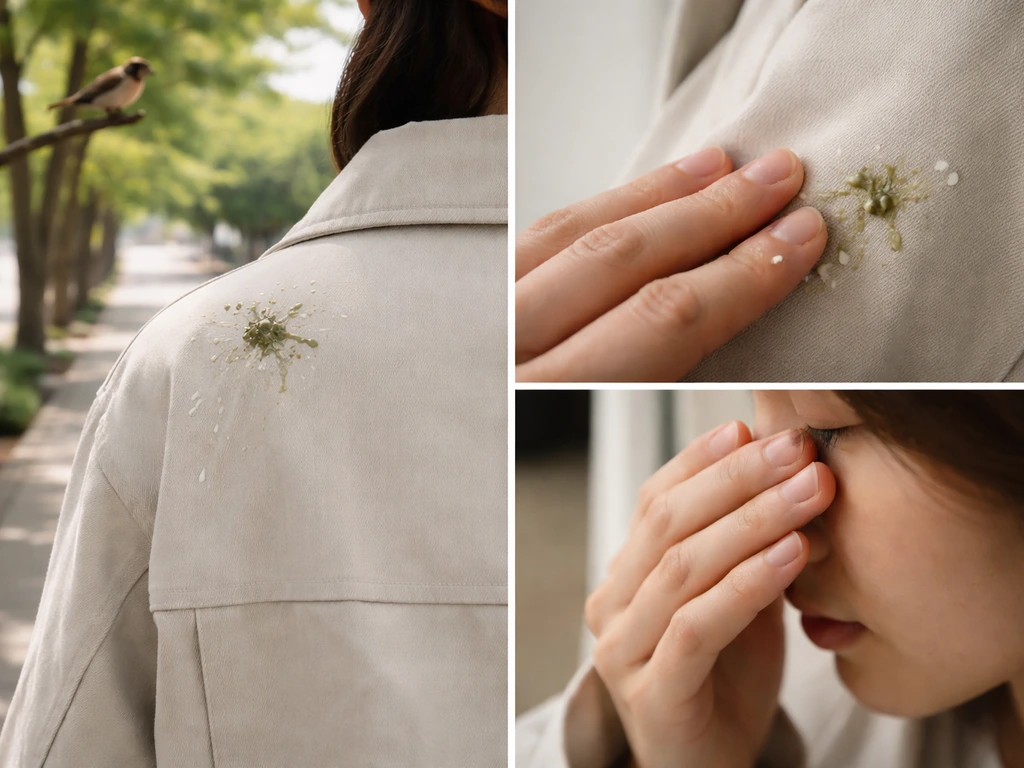
When people ask this question, they usually mean one of three things: getting a direct infection from the droppings, suffering an allergic or irritant reaction, or picking up a pathogen on your hands and then transferring it to your eyes, nose, or mouth. All three are possible, but they differ a lot in how likely they are.
Direct infection from a single casual contact, a bird pooping on your shoulder, for instance, is uncommon for healthy people. The more plausible transmission routes are inhaling dust from dried droppings (the biggest real-world risk), hand-to-face contact after touching contaminated surfaces, or, more rarely, exposure through broken skin or mucous membranes like your eyes. Getting something in your eye is its own situation entirely, since the eye is a particularly efficient entry point for pathogens.
Rabies is not on the list. The rabies virus is only found in the saliva and nervous tissue of rabid animals, contact with feces from a rabid bird (and birds almost never carry rabies) does not count as a rabies exposure. That one is firmly in the myth column, which we'll revisit later.
Common microbes potentially linked to bird droppings (and when risks rise)
Bird droppings can carry a range of microorganisms. Most won't do anything to you under normal circumstances. Here's what's actually documented and worth knowing about.
| Pathogen | Type | Main source | How it spreads | When risk rises |
|---|---|---|---|---|
| Histoplasma capsulatum | Fungus | Accumulated droppings (birds, bats) in soil | Inhaling airborne spores from disturbed dried material | Enclosed spaces, large accumulations, cleanup without PPE, immunocompromised status |
| Chlamydia psittaci (psittacosis) | Bacteria | Infected birds (especially parrots, pigeons, poultry) | Breathing in dust from dried droppings or secretions | Pet bird owners, poultry workers, sick or stressed birds shedding bacteria |
| Salmonella, E. coli, Campylobacter | Bacteria | Fecal contamination (ducks, geese, wild birds) | Hand-to-mouth contact after touching contaminated surfaces | Poor hand hygiene, contaminated water sources, children playing in affected areas |
| Cryptosporidium | Parasite | Droppings of infected birds | Fecal-oral route; water contamination | Primarily a concern in pool/water settings; direct bird-to-human spread not confirmed by CDC |
Histoplasmosis deserves the most attention here. It's a fungal lung infection caused by Histoplasma spores found in environments contaminated with bird and bat droppings. You won't get it from a quick encounter with fresh droppings, the risk comes from disturbing dried, accumulated material without protection. Attics, old barns, roosting sites under bridges, and enclosed spaces where birds have nested for years are the classic danger zones.
Psittacosis (also called parrot fever, though it's not limited to parrots) is caused by the bacterium Chlamydia psittaci. The CDC notes that both visibly sick birds and infected birds without symptoms can shed the bacteria in their droppings. You can catch it by breathing in dust from dried droppings or secretions. The incubation period is typically 5 to 14 days. Pet bird owners and people who work with poultry are at the highest everyday risk here.
How exposure happens: surface contact vs inhaling dust vs broken skin
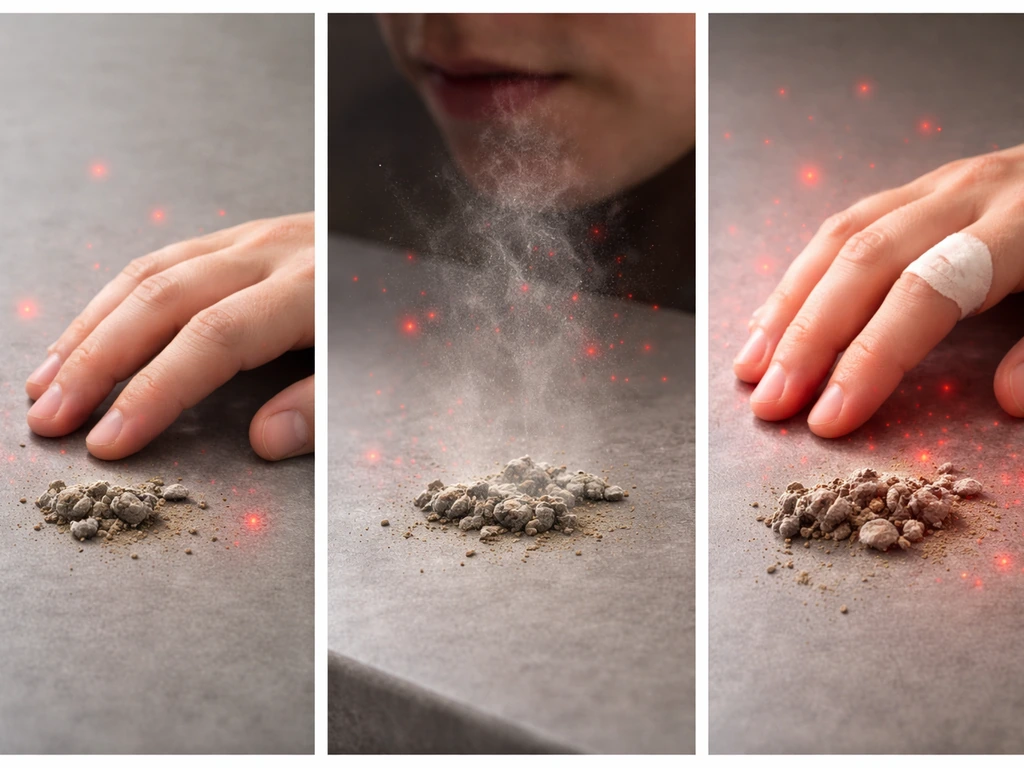
The exposure route matters enormously for how much risk is actually involved. Touching fresh bird poop on a surface with intact skin is the lowest-risk scenario, your skin is a pretty effective barrier. The real danger point is when you then touch your face, eyes, or mouth without washing your hands first.
Inhaling aerosolized dust from dried droppings is the highest-risk route for infections like histoplasmosis and psittacosis. This happens most easily when you're cleaning, dry sweeping, vacuuming, or disturbing old droppings without wetting them first sends spores and bacteria into the air you're breathing. This is why the CDC and NIOSH specifically warn against dry sweeping or vacuuming bird droppings, and why standard guidance recommends wetting materials before any cleanup.
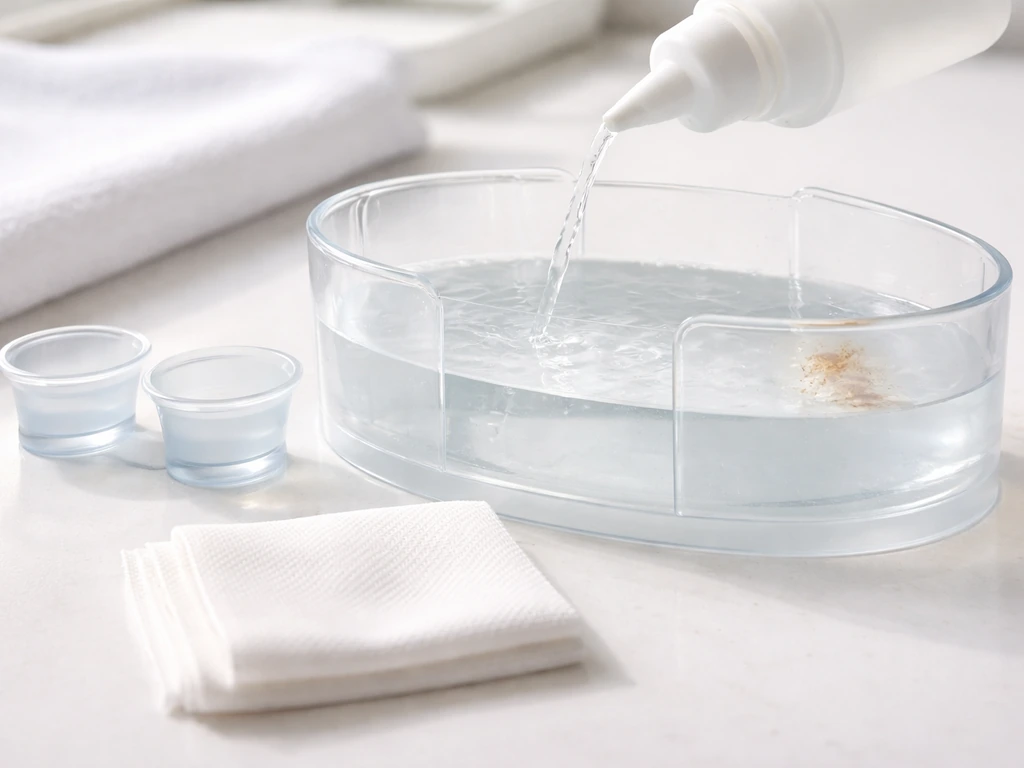
Broken skin or mucous membrane exposure, getting droppings into a cut, a scrape, or your eyes, is a less common but more direct route. Eyes in particular are efficient entry points for pathogens, and contaminated hands touching your eyes is a well-documented way to pick up infections. If bird poop has actually gotten into your eye, that's a situation that warrants its own specific response and possibly a call to a doctor depending on the circumstances. If you get bird droppings in your eye, rinse it right away with clean water or saline and consider urgent medical advice if you have pain, redness, or vision changes bird poop has actually gotten into your eye.
Symptoms to watch for and when to get medical help
Most mild exposures produce no symptoms at all. If something does develop, the timing and pattern of symptoms will depend on what you were exposed to. Here's what to watch for in the days after significant contact with bird droppings.
- Fever, chills, cough, headache, chest pain, or muscle aches appearing within 3 to 17 days — these are the hallmark symptoms of histoplasmosis and can also indicate psittacosis
- Respiratory symptoms (shortness of breath, persistent cough, chest tightness) following cleanup of a large accumulation of droppings
- Flu-like illness with fatigue and loss of appetite that doesn't resolve in a few days
- Nausea, vomiting, or diarrhea after hand-to-mouth contact — this pattern is more consistent with bacterial contamination like Salmonella
- Eye redness, discharge, or irritation after getting droppings near your face
- Any worsening of symptoms if you are immunocompromised, pregnant, elderly, or have a chronic lung condition
Mild, brief illness that resolves on its own is common for otherwise healthy people even when exposure does lead to some infection. But you should contact a doctor if: your respiratory symptoms are worsening or lasting more than a week, you have a high fever or significant chest pain, you're in a high-risk group and you had substantial exposure, or you develop neurological symptoms (rare, but possible with severe histoplasmosis). Make sure to tell your doctor you were exposed to bird droppings, that context changes what they'll consider.
What to do right now after contact
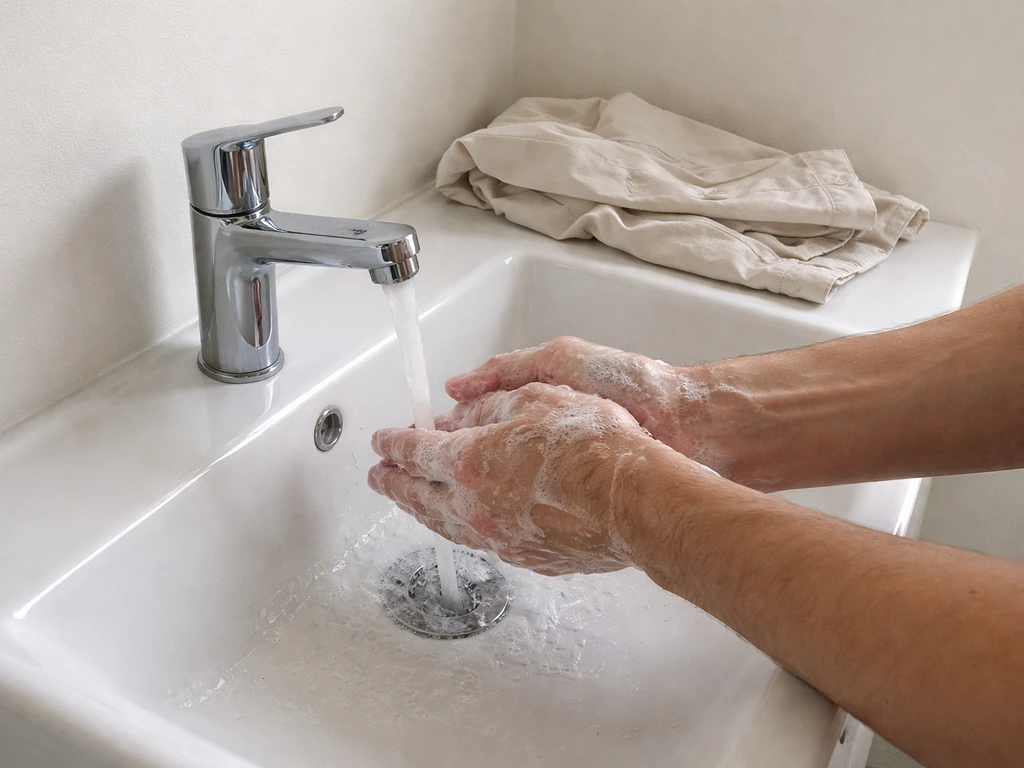
If you've just had contact with bird droppings, on your skin, clothes, or in your home, here's the immediate sequence to follow.
- Wash the affected skin thoroughly with running water and soap for at least 20 seconds. Don't just wipe it with a dry cloth — that can spread contamination.
- If you touched your face, eyes, or mouth before washing, flush those areas with clean water. If droppings got into your eye specifically, rinse it well and consider calling a health line or doctor depending on the source bird.
- Remove and wash any contaminated clothing. Don't shake it out — put it directly into the wash.
- Avoid touching other surfaces or people until your hands are clean.
- If you inhaled dust during a cleanup (especially a large or enclosed-space cleanup), note the date and monitor for respiratory symptoms over the next two weeks.
- Don't dry-clean or sweep contaminated indoor areas yet — see the cleanup section below before you do anything that might aerosolize the material.
How to clean safely
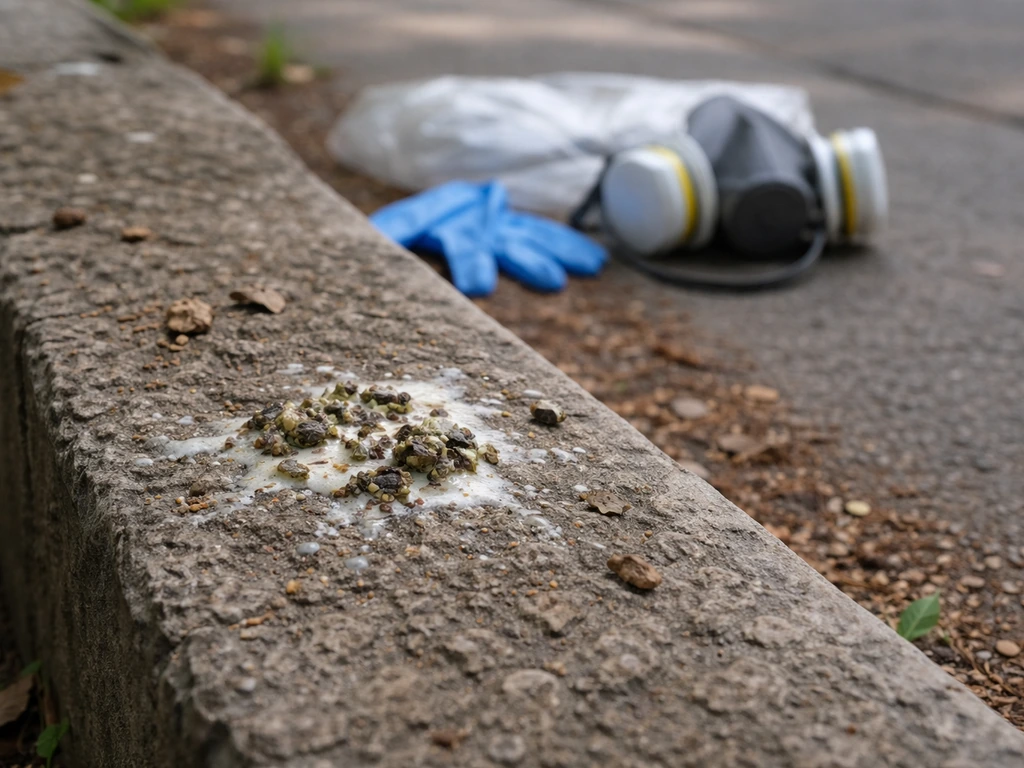
The cleanup itself is where most people accidentally increase their risk. The core principle is simple: keep the material wet, keep it contained, and don't breathe it in. Here's how to do that properly.
PPE you actually need
- Gloves (disposable nitrile or rubber) — never pick up droppings with bare hands
- An N95 respirator mask (not a cloth or surgical mask) for any significant indoor cleanup or large outdoor accumulation
- Eye protection (safety glasses or goggles) if you're working in an enclosed space or using spray disinfectants
- Old clothes you don't mind laundering immediately, or a disposable coverall for large jobs
The wet-first approach
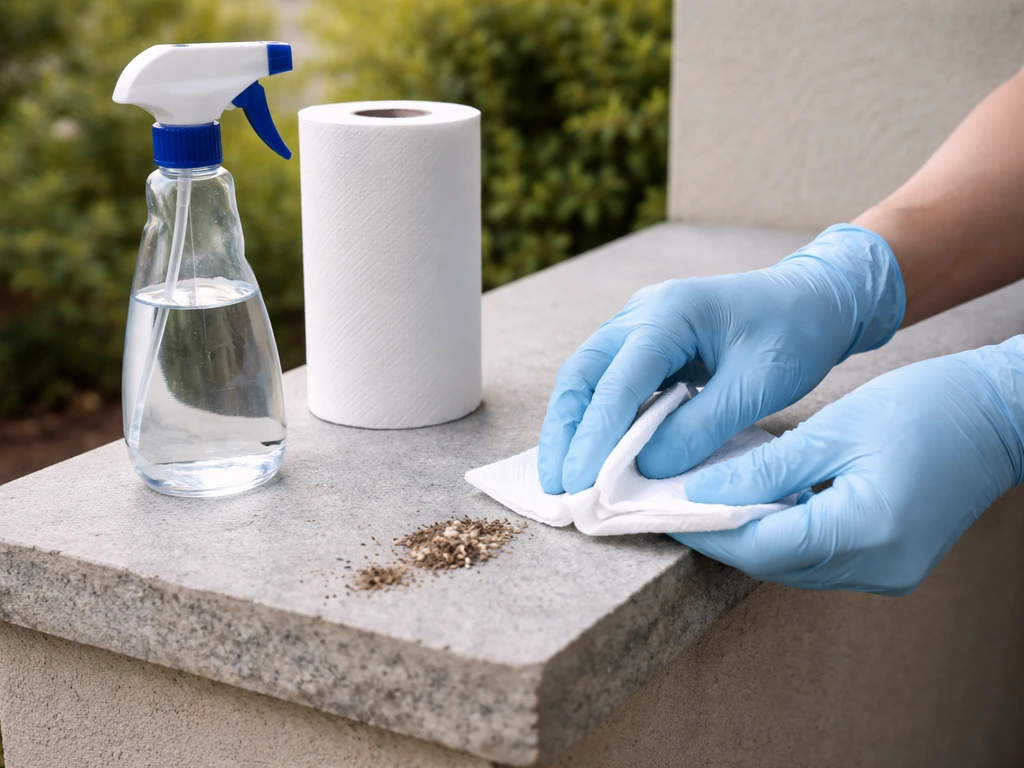
Before you touch or disturb any dried droppings, spray them thoroughly with a soapy water solution or an EPA-registered disinfectant. The goal is to saturate the material so it can't become airborne dust. Let the disinfectant sit for the full contact time listed on the label, this step actually matters for killing pathogens, not just washing them away. Then use paper towels or disposable cloths to pick up the material, seal it in a plastic bag, and dispose of it.
What not to do
- Do not dry sweep — this sends spores and bacteria directly into the air
- Do not vacuum without a HEPA filter — standard vacuums aerosolize fine particles
- Do not use compressed air to blow droppings off surfaces
- Do not work in an enclosed space without opening windows or using ventilation
Disinfectant choices
For surface disinfection after cleanup, a dilute bleach solution or an EPA-registered disinfectant with label claims against influenza A viruses works well for most surfaces. Quaternary ammonium compounds and chlorine-based products generally outperform hydrogen peroxide for reducing biological agents on hard surfaces. Always follow the contact time on the label, a disinfectant that's wiped off in five seconds isn't doing its job. Clean the surface with soap and water first to remove visible material, then apply the disinfectant.
Prevention and special precautions for high-risk people and pets
For most healthy adults, common-sense hygiene is enough prevention. Wash your hands after any contact with birds or their droppings. Don't eat or drink near areas where birds congregate heavily. If you're cleaning up droppings regularly (backyard flock, pigeon infestation, attic cleanup), invest in proper PPE rather than just going at it barehanded.
Higher-risk groups need to be more careful. People with HIV/AIDS, those on immunosuppressive medications (like chemotherapy or organ transplant drugs), people with chronic lung disease, pregnant individuals, and older adults are all at greater risk for severe disease if they do get infected, particularly with histoplasmosis. The CDC specifically links severe histoplasmosis risk to immune status. If you fall into one of these categories, avoid being present during any significant cleanup of accumulated droppings and have someone else handle it using full PPE.
Pet owners face a specific risk vector: bird cage cleaning. The CDC recommends against picking up droppings with bare hands when cleaning cages, and wetting surfaces before cleaning to reduce aerosolization. If your pet bird is sick, the droppings risk goes up, infected birds can shed Chlamydia psittaci even without showing symptoms, making hygiene around sick or stressed birds especially important. Dogs and cats that spend time outdoors may also pick up contamination from bird droppings on their paws and fur, so washing their paws after outdoor time in heavily bird-trafficked areas is a reasonable precaution.
For anyone with a car regularly targeted by birds, a common frustration, the practical advice is to avoid letting droppings dry and then scraping them off dry. Wet the area first with water or a car-safe cleaner, let it soften, then wipe it away. It's better for your paint and it's safer for you.
Myths vs facts: the good luck thing and what it doesn't change
There's a long-standing superstition in many cultures that getting pooped on by a bird brings good luck, the idea being that something so inconvenient must be balanced by cosmic compensation. It's a charming bit of folklore, and if believing it makes you feel better about a ruined jacket, that's genuinely fine. But the superstition doesn't change the biology. Bird poop can carry pathogens regardless of whether it lands on you or on your car door, and the cleanup steps are the same either way.
A few other myths worth putting to rest: bird poop cannot give you rabies (the virus is only in saliva and nervous tissue, not feces), and there's no confirmed evidence that Cryptosporidium spreads directly from birds to humans through casual contact. Toxoplasmosis, frequently asked about in this context, is primarily associated with cat feces, not bird droppings, so that's another worry you can largely set aside for this particular situation.
The bottom line is that bird poop is gross but not usually dangerous if you handle it sensibly. Wash your hands, don't breathe in dry dust from accumulated droppings, use gloves and a mask for serious cleanup jobs, and pay attention to symptoms in the two weeks after any significant exposure. That covers the vast majority of real-world situations. The luck, good or bad, you'll have to figure out on your own.
FAQ
If I only got bird poop on my skin, do I need to worry about infection?
For a quick, accidental splash on intact skin, the main risk is usually not infection itself, but transferring germs to your eyes or mouth. Wash the area with soap and water, change any soiled clothing, and wash your hands before touching your face. If you later feel eye irritation or see redness after any chance of getting splatter in the eye, rinse immediately and consider urgent medical advice.
Why is dry sweeping or vacuuming bird poop considered a bigger risk than touching fresh droppings?
The highest-risk situations are when dried droppings get disturbed and become airborne, for example dry sweeping, brushing, or vacuuming without wetting first. If cleanup is required in an attic, shed, or roosting area with lots of buildup, prioritize wetting/saturation before contact, use gloves and a mask, and avoid anything that creates dust.
What should I do if bird poop gets into my eye?
If bird poop got into your eye, rinse right away with clean water or saline for several minutes. Remove contact lenses if you wear them (after rinsing), avoid rubbing, and get medical evaluation sooner if you have pain, increasing redness, light sensitivity, or any vision changes. Eye exposure is the scenario where “watch and wait” is less appropriate.
Can bird poop contaminate my kitchen or food? What’s the safest way to clean?
Food, utensils, and drinks can become contaminated if they were uncovered near droppings or if you wipe the area and then later prepare food with the same hands or cloth. Best practice is to discard exposed single-use items, wash utensils with hot soapy water, sanitize food-contact surfaces, and use fresh cleaning tools for kitchens or dining areas.
Is bleach the best disinfectant for bird droppings cleanup, and can I mix it with other cleaners?
Bleach can be effective, but the safest approach is to follow the disinfectant label exactly, including contact time and dilution. Also, never mix bleach with ammonia or other cleaners, and ensure ventilation. If the label does not cover the specific organisms or the surface type, you may need an EPA-registered product with appropriate claims for biological agents.
When should I see a doctor after exposure to bird droppings?
If you develop symptoms after significant exposure, the pattern matters. Seek medical care promptly if you have worsening breathing symptoms, significant chest pain, a high fever, or neurological symptoms. If you are in a higher-risk group, contact a clinician sooner rather than waiting for symptoms to “run their course,” and mention bird droppings exposure.
What PPE do I need if I’m cleaning an attic or area with years of bird droppings?
PPE depends on the cleanup magnitude. For light, fresh droppings, gloves and eye protection may be enough, but for accumulated, dried material or enclosed areas, upgrade to gloves plus a properly fitted respirator or mask rated for dust, and eye protection to reduce splash risk. If you have access to multiple layers, prioritize respiratory protection first because inhalation is the main route for serious infections like histoplasmosis.
Do I need rabies shots after getting bird poop on me?
There is not a need for rabies shots after bird poop contact. Rabies transmission requires the virus in saliva or nervous tissue from a rabid mammal, and bird droppings are not considered a rabies exposure route. The right focus is on cleaning safely and watching for symptoms related to respiratory infection or other documented pathogens.
I’m immunocompromised (or pregnant). Should I avoid cleaning bird droppings entirely?
If you have immunocompromising conditions, pregnancy, chronic lung disease, or you are an older adult, avoid being present during significant cleanup of accumulated droppings. If cleanup can’t be avoided, have someone else handle it with full PPE and ensure good ventilation. In these groups, the consequence of infection like histoplasmosis can be more severe.
Can my dog or cat bring bird poop germs into my house?
If your pet contacts contaminated areas, it can carry contamination on paws or fur to your home, but the main prevention step is hygiene. Wash your pet’s paws after outdoor time in heavy bird areas, clean any fur that has visible contamination, and have you wash your hands after handling the pet or cleaning up. Avoid letting pets lick areas that were cleaned inadequately.
What’s the safest way to clean bird poop off a car without spreading dust?
For cars, the safest approach is to avoid scraping dry residue. Wet the area first with water or a car-safe cleaner so it softens, then wipe and wash thoroughly. This reduces airborne dust that you would otherwise inhale while scraping or brushing.