No, you cannot get toxoplasmosis from bird poop. Birds do not shed the parasite that causes toxoplasmosis (Toxoplasma gondii) in their droppings. That parasite is only shed in the feces of cats and other wild felids. So if a pigeon just decorated your car, your shoulder, or your lunch, toxoplasmosis is not something you need to worry about from that particular incident.
Can You Get Toxoplasmosis From Bird Poop? Facts, Risks, Cleanup

Marcus Fielding
18 Jun 2026
What toxoplasmosis actually is and how it spreads
Toxoplasmosis is an infection caused by a single-celled parasite called Toxoplasma gondii. It is one of the most widespread parasitic infections in the world, but the vast majority of healthy people who get it never even know they have it. The CDC estimates that globally a huge number of people carry the parasite without symptoms.
The parasite has a specific life cycle that determines exactly how people get infected. The main routes of human infection are: eating undercooked or raw meat (especially pork, lamb, or venison) that contains tissue cysts; accidentally ingesting oocysts from cat feces, contaminated soil, or contaminated water; receiving an organ transplant or blood transfusion from an infected donor; and mother-to-child transmission during pregnancy. The CDC also notes other transmission routes, including accidentally ingesting cat feces or contaminated soil or water, plus infection through organ transplantation or blood transfusion and congenital transmission during pregnancy eating undercooked or raw meat. That is essentially the complete list. The parasite does not absorb through intact skin, so just touching something contaminated is not enough to infect you. Infection requires ingestion.
Why birds are not the source (but cats are)

Here is the key biological fact: Toxoplasma gondii can only complete its full life cycle inside a felid, meaning a cat or wild cat relative. Cats are called the definitive host. When a cat gets infected, usually by eating an infected bird or rodent, it sheds millions of oocysts (essentially parasite eggs) in its feces for roughly 10 to 14 days. Those oocysts then sit in the environment, take 1 to 5 days to become infectious (called sporulation), and can survive in moist soil for months to years.
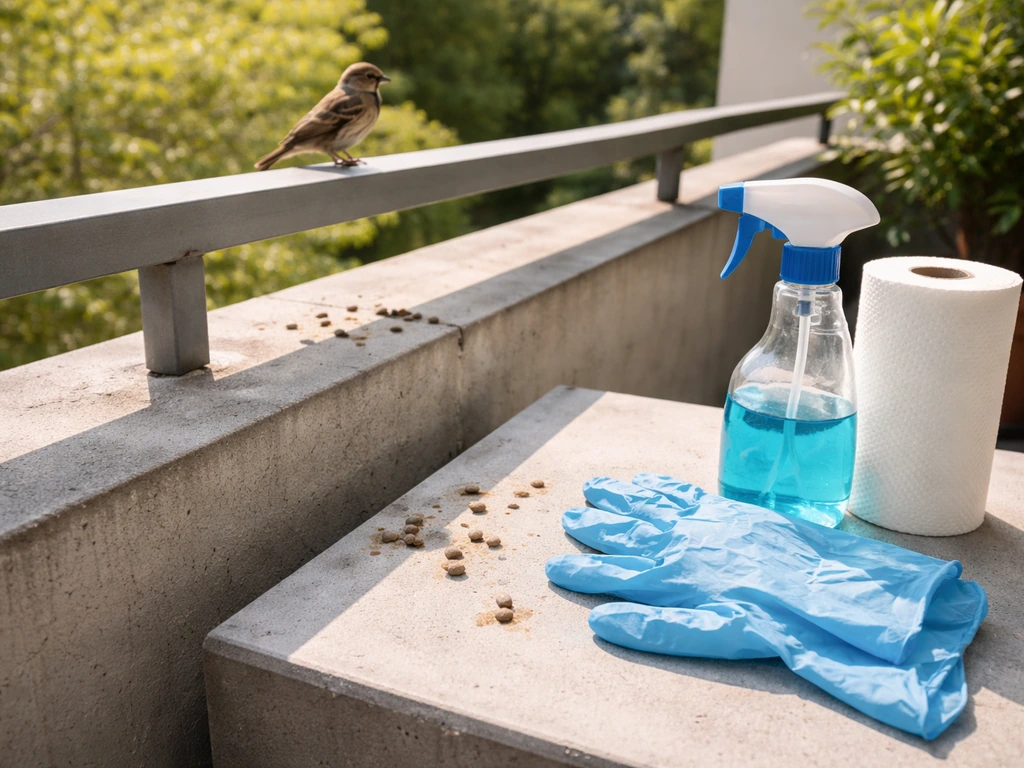
Birds are what scientists call intermediate hosts. A bird can become infected by pecking at contaminated soil or water that contains sporulated oocysts shed by a cat. The parasite then forms tissue cysts inside the bird's muscles and brain. But here is the crucial distinction: the bird carries the parasite in its tissues, not in its feces. So the bird's droppings do not contain infective oocysts. The only way a bird poses any theoretical transmission risk to humans would be if you ate undercooked infected bird meat, and even then the risk is extremely low compared to pork or lamb.
| Source | Contains infective oocysts in feces? | Transmission risk to humans |
|---|---|---|
| Cat feces | Yes (after 1–5 days sporulation) | Real, documented route |
| Bird droppings | No | Not a transmission route |
| Contaminated soil/water | Possibly (if cat-contaminated) | Real route via hand-to-mouth |
| Undercooked meat (pork, lamb, venison) | N/A (tissue cysts in muscle) | Major foodborne route |
| Bird meat (undercooked) | Possibly (tissue cysts) | Theoretical, very low risk |
How real-world exposure from droppings happens (when it does)
Even though bird droppings are off the hook for toxoplasmosis, bird poop is not entirely harmless. Other pathogens like Histoplasma, Cryptococcus, Campylobacter, and Salmonella are legitimate concerns with bird droppings (topics worth exploring separately). But for toxoplasmosis specifically, the realistic exposure scenarios all point back to cats and contaminated environments, not birds.
The classic real-world risk goes like this: a neighbor's cat uses your garden as a litter box, deposits feces that sporulate over a few days, and you later dig in that soil without gloves. You touch your face or eat something without washing your hands first. That hand-to-mouth pathway is how environmental oocysts reach people. Sandboxes, children's play areas, and community gardens where outdoor cats roam are higher-risk spots than a bird-heavy patio or car hood.
Symptoms to know and who is most at risk

Most healthy adults who get toxoplasmosis have no symptoms at all, or experience something that feels like a mild flu: swollen lymph nodes, muscle aches, and fatigue that resolve on their own. Immunocompetent people generally do not need treatment for uncomplicated infection. The immune system handles it.
Two groups need to take this infection much more seriously. First, people who are immunocompromised, including those with HIV/AIDS, people on chemotherapy, and organ transplant recipients, can develop severe disease affecting the brain, eyes, and other organs. Second, and critically, people who are pregnant or planning to become pregnant face the risk of passing a new infection to the developing baby, which can cause serious congenital problems. If you are in either of these groups and have a real reason to think you were exposed (through cat feces or contaminated soil, not bird poop), talk to your doctor. If you are wondering about rabies from bird poop, the key point is that rabies is transmitted through the saliva of infected animals, not by bird droppings.
- Healthy, immunocompetent adults: usually no symptoms; no treatment typically needed
- Flu-like symptoms (swollen lymph nodes, muscle aches, fatigue): can occur in some healthy people
- Immunocompromised individuals: risk of severe brain, eye, or organ involvement
- Pregnant people: risk of transmitting infection to the baby; requires prompt medical evaluation
- Eye disease (retinochoroiditis): can occur from congenital infection or postnatal infection
What to do right now after a bird dropping exposure
If a bird pooped on you today, your concern about toxoplasmosis is understandable but not warranted. If you are asking about an eye exposure, the main concern is irritation or other germs, so you should rinse the eye promptly with clean water or saline. That said, bird droppings can carry other pathogens, so here is what to do right now regardless of what specifically hit you.
- Wash the affected area with soap and water immediately. Thirty seconds of scrubbing does the job.
- If poop landed near your eyes, nose, or mouth, rinse thoroughly with clean water. Eye exposure from bird droppings has its own set of concerns worth taking seriously.
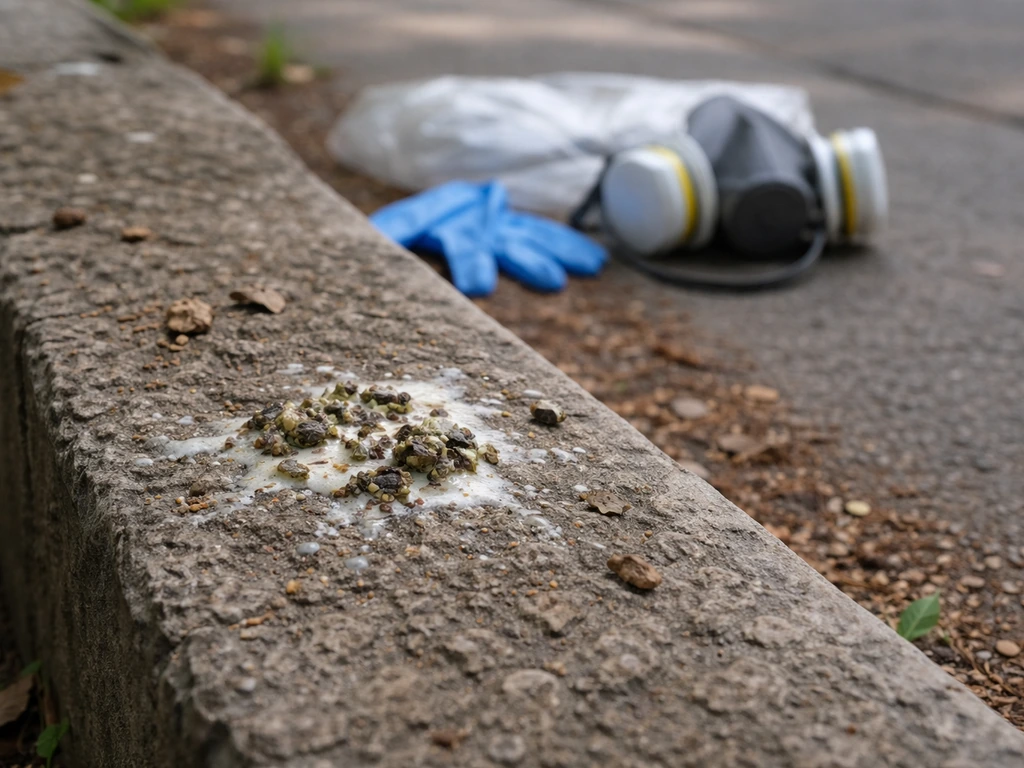
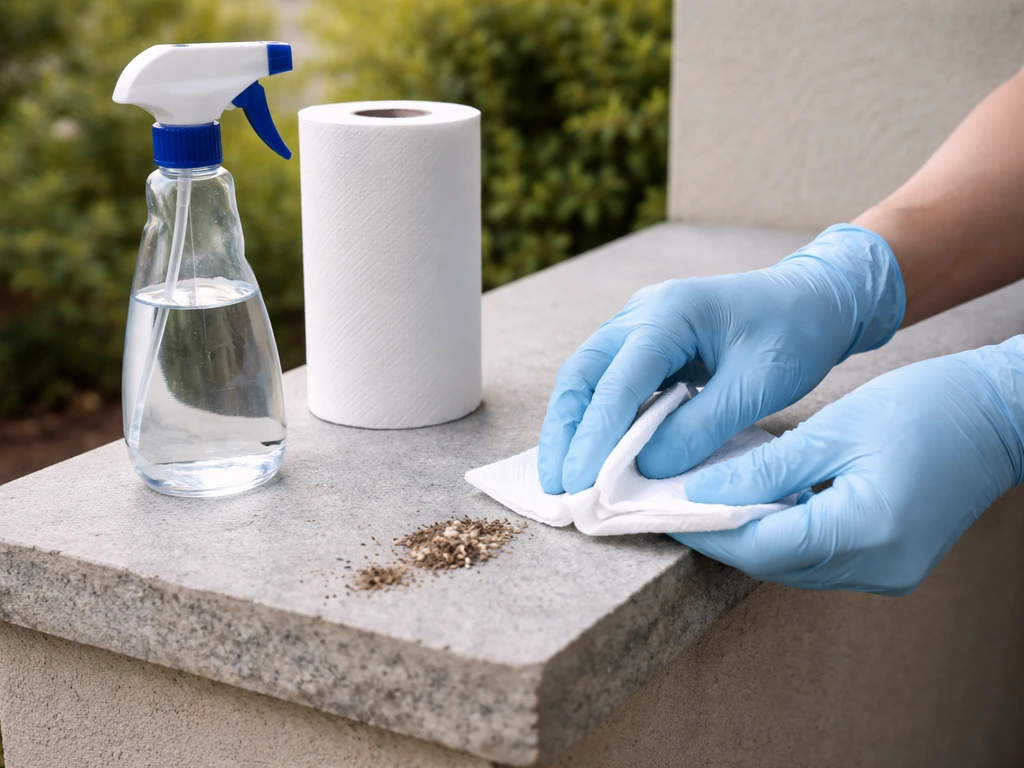
- For cleanup of a surface (car, patio, furniture): dampen the dried dropping first to avoid kicking up dust, then wipe with a disinfectant cleaner and dispose of the materials. Avoid dry-scraping dried droppings, which can aerosolize particles.
- Wash any clothing that was hit on a normal warm cycle.
- Do not eat or touch your face until your hands are clean.
- If you are immunocompromised or pregnant and had significant contact with cat feces or contaminated soil (not bird droppings), contact your doctor or midwife. Diagnosis involves blood tests measuring IgG and IgM antibodies.
There is no specific post-exposure treatment recommended for toxoplasmosis in healthy, non-pregnant adults even from confirmed cat feces exposure, since most infections resolve without intervention. Diagnosis is usually made by detecting Toxoplasma-specific antibodies, including IgG and IgM, when acute infection is suspected. For pregnant people with confirmed acute infection, treatment options like spiramycin or pyrimethamine/sulfadiazine exist and are managed by a specialist depending on gestational age and whether fetal infection is suspected. That is a conversation for your OB or infectious disease doctor, not a self-treat situation.
Practical prevention when you are around birds and bird droppings
Even though toxoplasmosis is not a bird-dropping concern, smart habits around droppings in general are worth building. Here is what actually helps.
- Wear gloves when cleaning up large accumulations of droppings (under bird feeders, on patios, inside nest sites). This protects against other pathogens like Histoplasma, which is a real concern with accumulated bird droppings.
- Dampen dried droppings before wiping to reduce dust and particle inhalation.
- Wash hands with soap and water after any cleanup, even if you wore gloves.
- If you have a backyard garden and neighborhood cats visit it, wear gloves when digging and wash hands before eating. That is the actual toxoplasmosis prevention move.
- Clean your cat's litter box daily if you have an indoor cat, since oocysts need 1 to 5 days to become infectious. Daily scooping breaks that cycle.
- If you are pregnant, have someone else handle litter box duty. If that is not possible, use disposable gloves and wash hands thoroughly afterward.
- At bird feeders, periodically clean and disinfect the feeder and the area below it to manage accumulated waste and reduce fungal risks.
- Cover sandboxes when not in use to prevent cats from using them as a litter box, which is a much more direct toxoplasmosis risk than anything birds can contribute.
On the folklore: good luck, bad luck, and actual risk
There is a long-standing belief in many cultures that being pooped on by a bird is good luck. There is also a camp that treats any bird dropping contact as a serious health crisis. The honest answer sits squarely in the middle. Bird poop is not magic, but it is also not the disease vector many people fear when it comes to toxoplasmosis specifically. The cultural "good luck" framing at least has the practical benefit of stopping people from panicking, which is the right response here. Wash up, move on, and save your parasite concern for the cat litter.
FAQ
If bird poop got on my face or mouth, do I need testing for toxoplasmosis?
For toxoplasmosis, the key question is whether you swallowed infectious oocysts, which come from cat or wild felid feces after they sporulate in the environment. Bird droppings are not the source of those infectious oocysts, so rinsing the area and avoiding hand-to-mouth contact is usually enough. If you are pregnant, immunocompromised, or the droppings contaminated soil that you then ate without washing, contact a clinician for individualized advice.
I’m pregnant and worried because bird poop was near my kitchen. What should I ask my doctor?
If you already know you are immune (from a prior infection), toxoplasmosis during pregnancy is much less likely to cause fetal disease. However, immunity is not the same as “no concern,” because you still might be asked to do blood tests. A clinician typically uses serology (IgG and IgM) to determine whether infection is old or new, and then decides whether any further fetal evaluation is needed.
Can I get toxoplasmosis from touching bird droppings, even if I don’t eat them?
Toxoplasmosis infection requires ingestion of oocysts or undercooked meat, and intact skin contact is not enough. Still, contact with bird droppings can spread other germs, so the safest practical approach is to wash hands, clean surfaces with detergent, and avoid touching your eyes while cleaning. If you were cleaning a lot of dried droppings and accidentally got dust in your eyes or nose, rinsing and symptom monitoring is reasonable.
What’s the safest way to clean after bird poop on a patio or car?
For bird poop, there is no routine “cleaning up toxoplasmosis” protocol beyond normal hygiene, because toxoplasmosis is not coming from the droppings. If you are cleaning areas like patios or sheds that might have contaminated outdoor soil, wear gloves, avoid creating dust, and wash exposed skin and utensils. If you are cleaning a larger area or it is contaminated with heavy buildup, consider improving ventilation and using eye protection.
I’m on chemotherapy, does bird poop pose any real toxoplasmosis risk for me?
If you are immunocompromised, clinicians may take exposure histories more seriously, but bird droppings still are not a toxoplasmosis source. Instead of worrying about toxoplasmosis from birds, focus on the truly relevant routes (cat litter, contaminated soil, gardening without handwashing, and undercooked meat). Your doctor can still advise whether you need any testing based on the full exposure story.
Does eating food that a bird landed on put me at risk for toxoplasmosis?
You would only be concerned if you ate meat from an infected animal, or if you ingested oocysts from contaminated soil or cat feces. Eating a small amount of commercially prepared food that was properly handled is generally not a toxoplasmosis concern. If you suspect raw or undercooked meat contamination, discuss that type of exposure with a clinician rather than focusing on bird droppings.
I keep seeing warnings online, how do I tell if this is really a toxoplasmosis risk or just general “germs”?
Even if you are not at toxoplasmosis risk, some people keep repeating handwashing without addressing the real hazard: undercooked meat and unwashed hands after gardening in areas with roaming cats. A useful decision aid is to ask, “Was there any cat feces exposure or did I ingest dirt?” If the answer is no, toxoplasmosis usually is not the main issue.
Should I take medication right after exposure if I’m worried about toxoplasmosis?
People often want immediate medication after exposure, but for toxoplasmosis there is no standard post-exposure treatment for healthy, non-pregnant adults after a suspected exposure like cat feces exposure. Pregnant patients with confirmed acute infection may be treated, but that decision depends on testing and gestational timing. If you are seeking a next step, the most productive action is contacting your OB or infectious disease specialist to discuss whether any testing is warranted.
Bird poop hit my eye. Does that increase toxoplasmosis risk, and what should I do now?
If an eye was contaminated, the priority is immediate irrigation with clean water or saline to reduce irritation and other infection risks. While toxoplasmosis is not transmitted through this kind of surface contact, you should still watch for symptoms like persistent redness, pain, light sensitivity, or vision changes, and get urgent care if they occur.
If bird poop isn’t the problem, what’s the best way to reduce toxoplasmosis risk in a yard or sandbox?
Toxoplasmosis risk does not come from the bird itself depositing infective eggs in its droppings. Practical risk often comes from where cats defecate, which can contaminate outdoor soil, sand, and garden areas. If you want to reduce exposure, use gloves for gardening, keep children away from areas used by cats, and wash hands thoroughly after outdoor play.