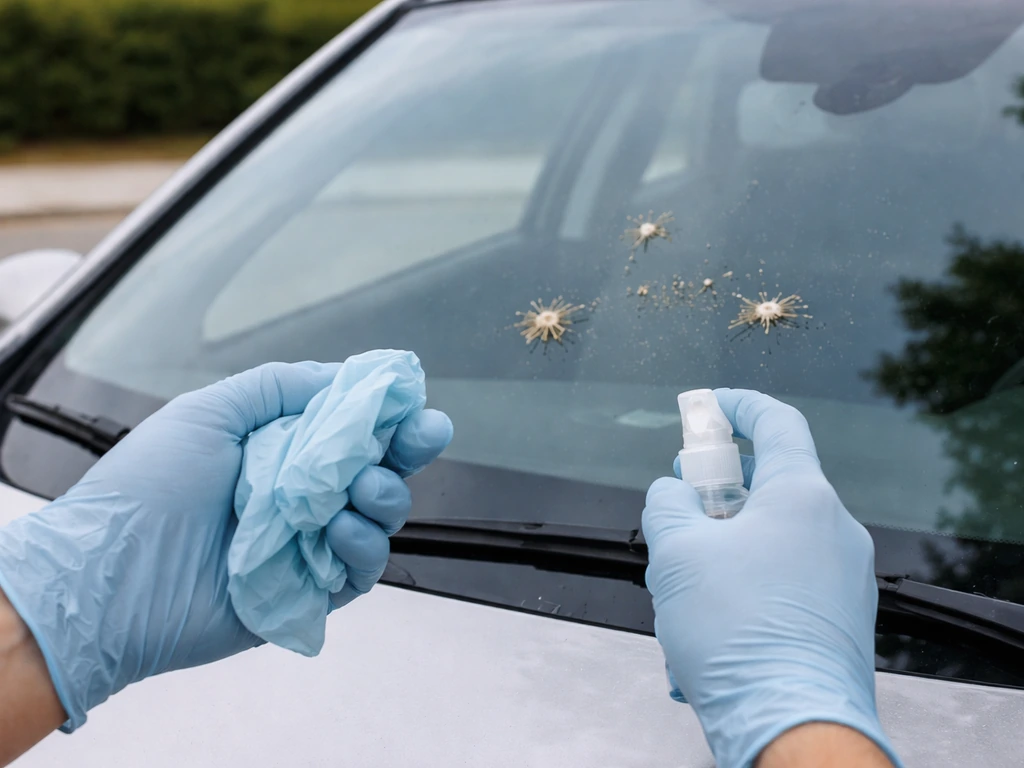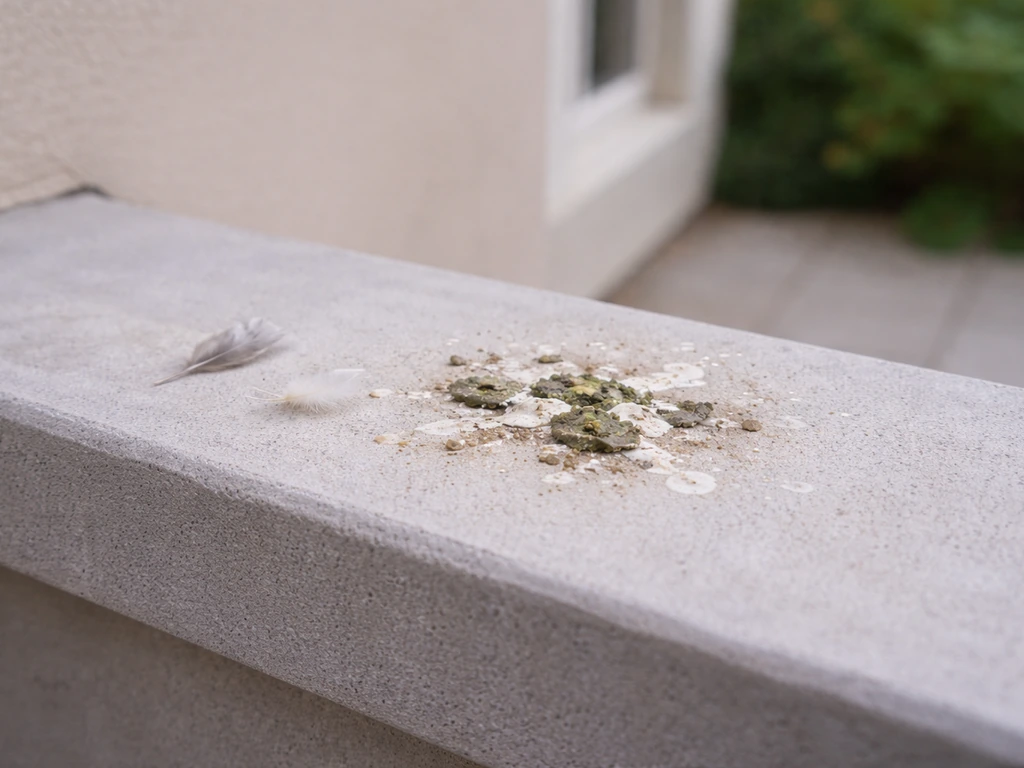
Get to a sink right now and rinse your eye with room-temperature water for at least 15 to 20 minutes. That's the single most important thing you can do. Remove contact lenses first if you're wearing them, then let a gentle, steady stream of water wash across the open eye. Most people who get bird poop in their eye end up with nothing worse than temporary irritation, but the flushing step is non-negotiable and the sooner you do it, the better.
What Happens If a Bird Poops in Your Eye and What to Do

Marcus Fielding
28 May 2026
What to do in the first few minutes
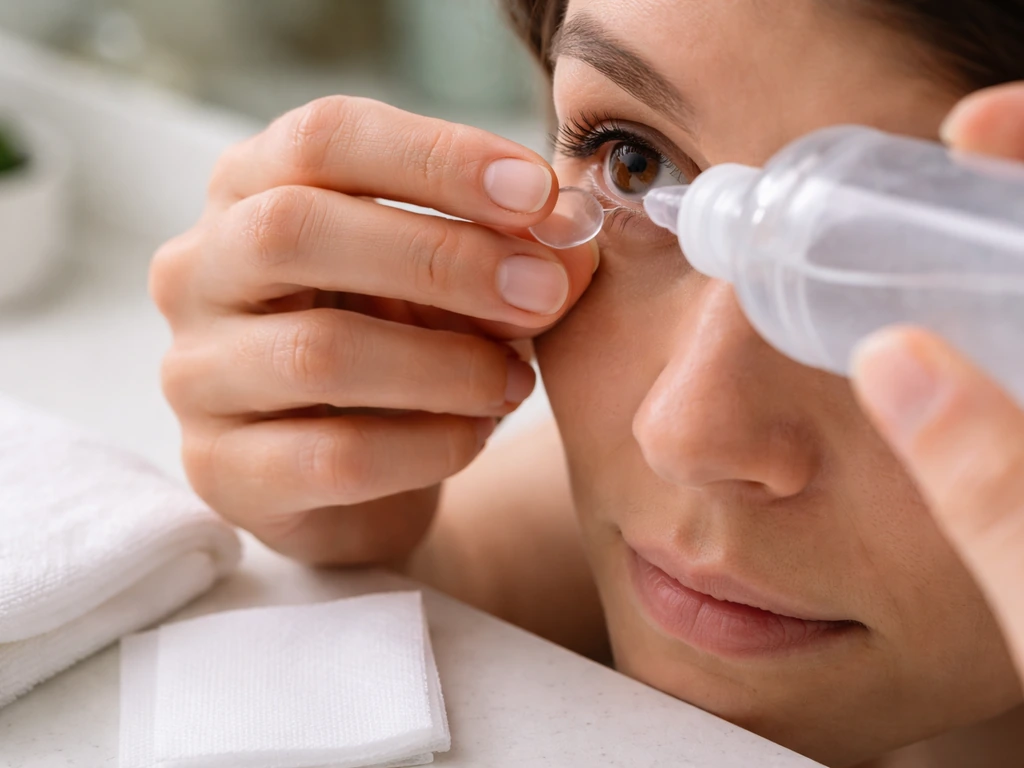
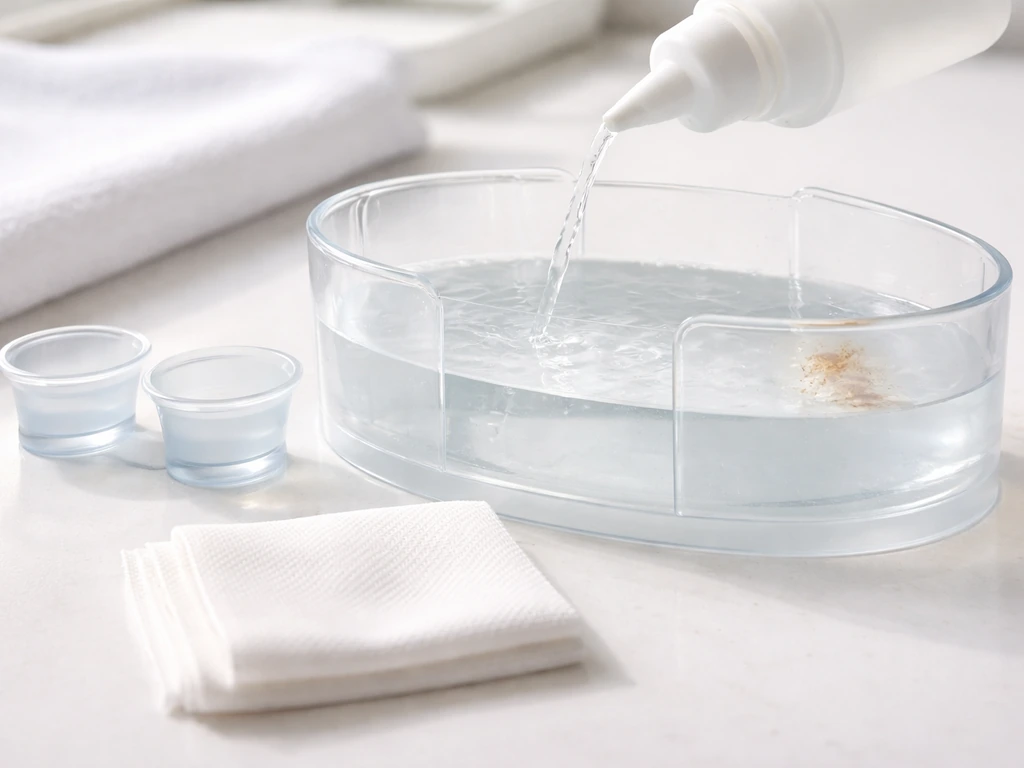
Think of bird droppings as you would any unidentified splash to the eye: irrigate immediately and thoroughly. Poison Control and CHOP Poison Control both set the same standard: a full 15 to 20 minutes of continuous flushing. Most people stop after 30 seconds, which is not enough. Set a timer if you have to.
- Remove contact lenses before you start flushing, or as soon as you can get them out. If they don't come out on their own during the rinse, try again after a minute or two of irrigation. Do not put them back in after this incident.
- Use room-temperature tap water. Tilt your head so the affected eye is lower, hold your eyelid open with your fingers, and let water run from the inner corner (near your nose) across and out. A clean cup, an eyewash station, or a low-pressure faucet all work.
- Keep going for the full 15 to 20 minutes. It feels like a long time. Do it anyway.
- Don't rub your eye during or after. Rubbing can scratch the corneal surface and drive any remaining material deeper.
- After flushing, blink normally and assess how the eye feels. Some redness and a gritty sensation are normal right after. If there's still a strong foreign-body sensation, flush for another five minutes.
If you're not near a sink, a clean water bottle works. Even clean hands cupped with water is better than nothing while you get to a proper rinsing station. The goal is volume and duration, not perfect equipment.
What's actually in bird droppings
Bird poop is not just waste. It typically contains uric acid (which is why it dries white and crusty and can etch car paint), bacteria, fungi, and sometimes protozoa. The specific mix depends on the species, what the bird has been eating, and whether it's a wild bird or a pet. You can also get infections from bird droppings through other routes, like if you accidentally ingest the protozoa that cause toxoplasmosis can you get toxoplasmosis from bird poop. A few things worth knowing:
- Salmonella bacteria can live in bird feces, and while Salmonella is mainly associated with gastrointestinal illness, eye irritation is a recognized symptom of broader Salmonella infection.
- Campylobacter, one of the most common causes of intestinal illness in humans, is shed by birds and poultry. Again, the main concern is ingestion, not eye contact, but contamination is real.
- Chlamydia psittaci, the organism behind psittacosis, spreads most commonly by inhaling dust from dried droppings rather than direct eye inoculation. So a splash to the eye is not the typical route of infection, but the organism is there in the droppings of infected birds.
- Acanthamoeba, an environmental microorganism found in water, soil, and dust, can cause a rare but very serious corneal infection called Acanthamoeba keratitis. It's especially dangerous for contact lens wearers, which is one of several reasons removing lenses immediately matters.
- Uric acid and other components in the dropping itself can cause direct chemical irritation to the eye's surface, independent of any infection risk.
For context: the scenario where bird poop gets in your eye is not nearly as dangerous as, say, getting a splash of industrial chemical in your eye. The pathogens in droppings are concerning mainly via respiratory exposure or ingestion, not ocular splash. But the eye surface is still sensitive, and any contamination to an open eye deserves respect. The same logic applies to other exposure types covered elsewhere on this site, like what happens if you lick bird poop or touch droppings and then touch your face.
What symptoms to watch over the next 24 to 72 hours
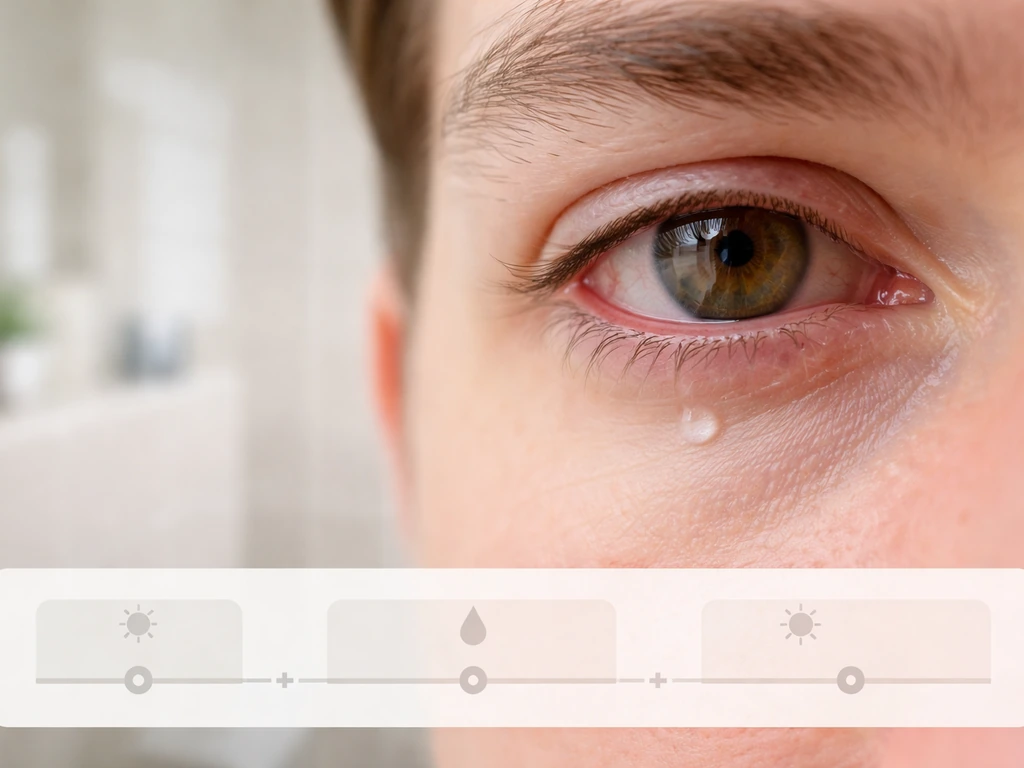
Right after exposure and flushing, expect some redness, watering, and that annoying gritty or scratchy feeling. That's your eye reacting to the physical intrusion and any chemical irritation. It should start calming down within an hour or two of a good rinse. If it does, you're most likely in the clear. The window to watch carefully is the following 24 to 72 hours, because that's when signs of infection tend to show up if they're going to.
| Symptom | Likely cause | Urgency level |
|---|---|---|
| Redness and watering that improves within a few hours | Chemical/physical irritation from the dropping | Low — monitor at home |
| Gritty or foreign-body sensation that fades after rinsing | Residual material or minor corneal irritation | Low — monitor at home |
| Redness, discharge, and crusting appearing 24–72 hours later | Possible bacterial conjunctivitis (incubation period matches) | Moderate — contact a doctor |
| Watery discharge and irritation appearing 5–12 days later | Possible viral conjunctivitis | Moderate — contact a doctor |
| Sensitivity to light (photophobia) | Corneal involvement or early infection | High — see a doctor promptly |
| Blurred vision or any vision change | Possible corneal injury or infection | High — urgent care or ER |
| Severe eye pain that is not improving | Corneal damage, infection, or other serious issue | High — urgent care or ER |
| Unusual redness, pain, and light sensitivity in a contact lens wearer | Possible microbial keratitis including Acanthamoeba keratitis | High — urgent care immediately |
Bacterial conjunctivitis typically has an incubation period of 24 to 72 hours, meaning symptoms like increased discharge, stickiness, and redness would show up within that range if infection did take hold. Viral conjunctivitis takes longer, usually 5 to 12 days. If your eye feels progressively worse instead of better at any point in that window, that's your cue to get it looked at.
When to call a doctor or go to urgent care
Here's a simple rule: if you're only dealing with redness and mild irritation that's improving after flushing, you can monitor at home. If any of the following are present, stop waiting and get evaluated. MedlinePlus advises urgent medical attention for red eye, especially when pain persists and there is sensitivity to light after an eye injury or exposure such as cuts and scratches, objects, burns, chemical exposure, or blunt trauma If any of the following are present, stop waiting and get evaluated..
- Vision changes of any kind, including blurring, double vision, or loss of clarity
- Severe eye pain, especially pain that is getting worse rather than better
- Significant sensitivity to light (you're squinting in normal indoor lighting)
- Discharge that's thick, yellow, or green, especially if it appears in the 24–72 hour window after exposure
- A strong, persistent feeling that something is still in the eye even after thorough flushing
- You wear contact lenses and had them in at the time of exposure, and the eye is not settling down within a few hours of removal and rinsing
- The redness and discomfort are not improving at all within 24 hours of flushing
Contact lens wearers deserve a specific note here. The CDC has established a clear link between contact lens wear and elevated risk of microbial keratitis. If you were wearing lenses when the bird poop hit your eye, have a lower threshold for calling an eye doctor. Do not put any lenses back in until you've been evaluated. The risk of Acanthamoeba keratitis, while rare, is real, and it's a serious infection that becomes much harder to treat the longer it goes unaddressed.
For most people without contact lenses who had a quick flush and are feeling better, a call to Poison Control (1-800-222-1222 in the US) is a reasonable middle step if you want guidance before deciding whether to visit a clinic. They can help you assess whether what you experienced warrants a medical visit.
Cleaning up your eye area and skin after rinsing
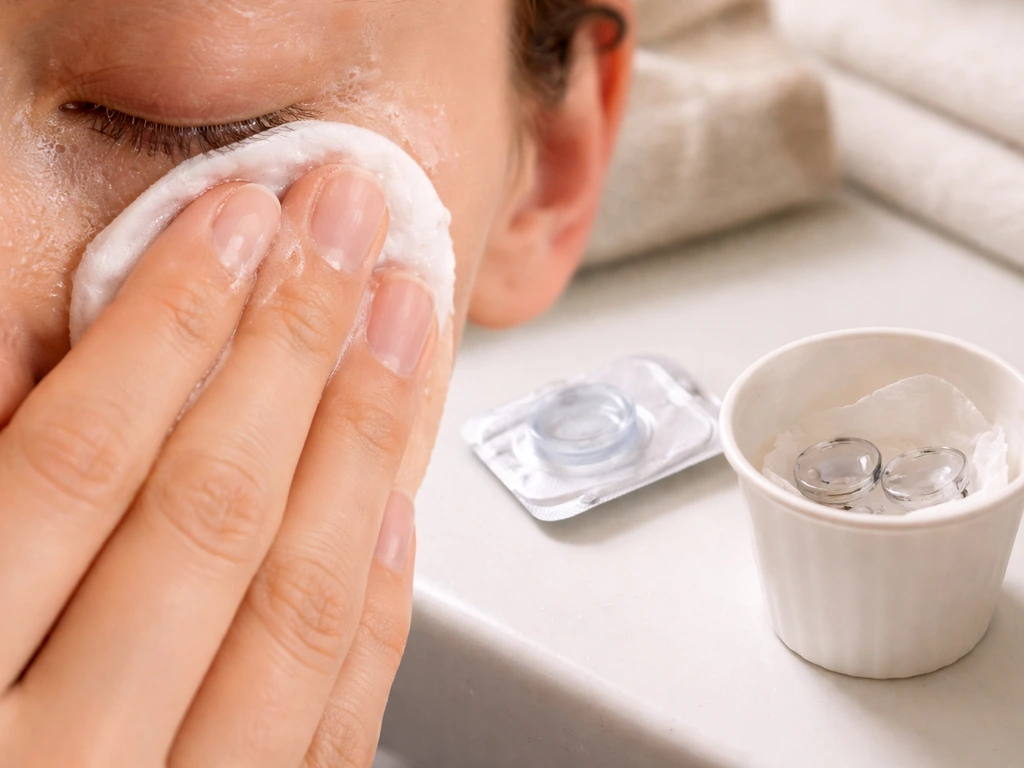
Once your eye is flushed, clean the skin around it gently. Use mild soap and water on the surrounding skin, around the eye socket, cheek, and nose bridge. Avoid getting soap into the eye itself. Pat dry with a clean cloth or paper towel.
If you were wearing contact lenses, do not attempt to disinfect and reuse them. Throw out the lenses that were in your eyes during the incident. If they were in a case, clean the case with fresh disinfecting solution and let it air dry. The CDC advises never reusing old solution or topping off, and after an incident like this, you want fresh solution and a clean case before you ever go back to wearing lenses. Talk to your eye doctor first anyway.
Avoid rubbing the eye area for at least a few hours, even if it's itchy. If the eye feels dry and irritated after flushing, preservative-free artificial tears can help with comfort. Don't use eye drops that promise to 'get the red out' as a substitute for medical evaluation if the symptoms are meaningful.
How to stop it from happening again
Bird poop in the eye is almost always a surprise, but there are some simple habits that reduce the odds significantly.
- Wear glasses or sunglasses when you're around birds, especially if you're cleaning a cage, handling a bird, or feeding wild birds that roost overhead.
- Look up before walking under trees where birds congregate, particularly pigeons, starlings, or gulls that cluster on ledges and wires.
- When cleaning a birdcage, wear eye protection. The CDC recommends keeping cages and perches clean specifically to prevent buildup of droppings, which also reduces the chance of a cleaning splash reaching your face.
- Wash hands immediately after handling birds or cleaning up droppings. Cross-contamination from hands to eyes is more common than a direct hit.
- If you're a bird owner, be aware that birds can startle and launch themselves (or their droppings) unexpectedly. Give yourself extra space during handling sessions near your face.
The realistic outcome for most people who get bird poop in the eye, flush properly, and have no underlying conditions or contact lenses in at the time is: some temporary irritation, no lasting harm, and a story to tell. The risks are real but they're also manageable with quick action. Flush thoroughly, watch for the red-flag symptoms listed above over the next 24 to 72 hours, and don't hesitate to see a doctor if anything feels off. MedlinePlus also advises getting corneal injuries evaluated if they are not improving after a couple of days, underscoring the value of professional care for corneal problems see a doctor if anything feels off. Your eyes are worth the trip.
FAQ
Does it matter if you rinse with hot or cold water instead of room temperature?
Yes. Use room-temperature water if possible. Very cold water can increase discomfort and reflex tearing, and very hot water can risk additional irritation or burns. If the only option is not room temperature, start flushing immediately anyway, then switch to room temperature as soon as you can.
Can I use eye drops or saline instead of flushing for 15 to 20 minutes?
No. Drops and small amounts of saline do not provide the sustained volume and continuous irrigation needed. Use them only after the long flush if you want comfort, such as preservative-free artificial tears.
What if I accidentally miss a spot and only flush for 5 minutes?
Try to correct it by continuing flushing until you reach a total of 15 to 20 minutes. If you are already done but your symptoms are worsening or not improving, that is a reason to get evaluated rather than “wait it out.”
Should I remove any visible dried bird poop from my eyelid before rinsing?
Don’t pick or scrape it off with fingers or tissues. First irrigate to wash the surface contamination away safely. If something remains after flushing, let it come loose with additional gentle rinsing, then clean around the eyelid skin with mild soap and water.
If my eye looks better right away, do I still need to watch for symptoms later?
Yes. Improvement in the first hour or two is reassuring, but infection-related symptoms can appear over the next 24 to 72 hours for bacterial causes, and later for viral cases. Any progressive worsening, increasing discharge, or new light sensitivity means you should be seen.
What symptoms are most concerning after a bird poop exposure?
Get medical care if you develop increasing pain (not just mild irritation), worsening redness, significant discharge or matting, swelling that increases, a feeling like something is still stuck that does not improve, reduced vision, or increased sensitivity to light.
Do I need to go to the ER, or is home monitoring enough?
Home monitoring is reasonable only if symptoms are mild and improving after the full flush. Seek urgent evaluation if you have contact lens related risk, moderate to severe pain, vision changes, or symptoms that are clearly getting worse during the 24 to 72 hour window.
If I wear contact lenses and got bird poop in my eye, what should I do with my lenses right then?
Remove them immediately after flushing begins or as soon as you can safely do so. Do not put lenses back in until you have been evaluated. Throw away the lenses used during the incident, do not rinse and reuse, and do not top off old solution in the case.
Can I use my contact lens case solution if I clean it later?
No. After an exposure, you should not reuse old solution or “top off.” Clean the case with fresh disinfecting solution and let it air dry, and do not resume lens wear without getting the go-ahead from an eye doctor.
How long should I wait before wearing glasses again or resuming normal activities?
Glasses are fine immediately once lenses are removed. Resume normal activities once the irritation is clearly improving and you have completed the full irrigation. If you still feel increasing pain, significant gritty sensation, or vision changes, do not delay evaluation.
Should I cover the eye with a patch or avoid light?
Avoid patching. It can trap moisture and make it harder to assess symptoms. If light feels uncomfortable, it is okay to limit bright light temporarily, but do not use a covering instead of checking for worsening symptoms.
Is it safe to take a shower and let water hit my face as a substitute for rinsing?
Not as a substitute. Shower water is not controlled, not continuous, and may not keep the eye irrigated for long enough. Use a sink or bottle technique to ensure steady, directed flushing for 15 to 20 minutes, then rinse the surrounding skin in the shower if you want.
Can bird poop in the eye cause toxoplasmosis or other infections without ingesting it?
Infection risk from bird droppings is mainly linked to ingestion or exposure of contaminated material to other routes. The eye is still sensitive, which is why flushing is crucial, but toxoplasmosis and similar infections typically relate more to other exposure pathways. If you have systemic symptoms or worsening eye symptoms, still get medical advice.
When should I call Poison Control versus an eye doctor?
Call Poison Control if you want guidance on whether the exposure warrants an in-person evaluation and you have mild, improving symptoms after flushing. Call an eye doctor sooner, especially if you wore contact lenses, have pain beyond mild irritation, have reduced vision, or symptoms are worsening instead of improving.