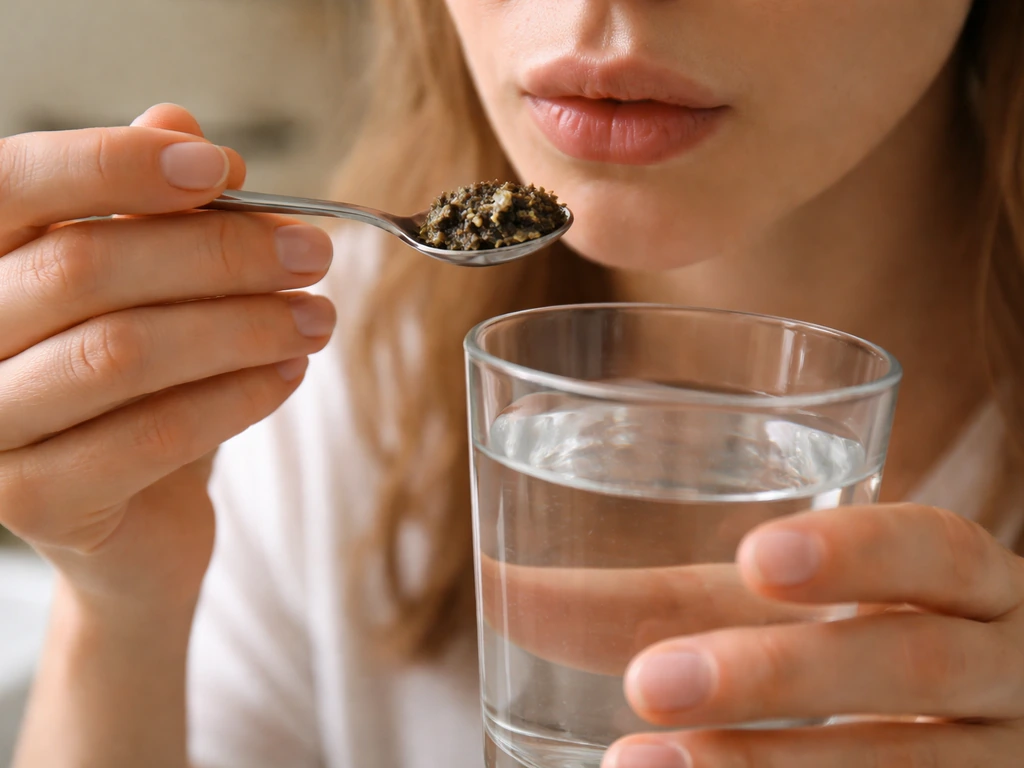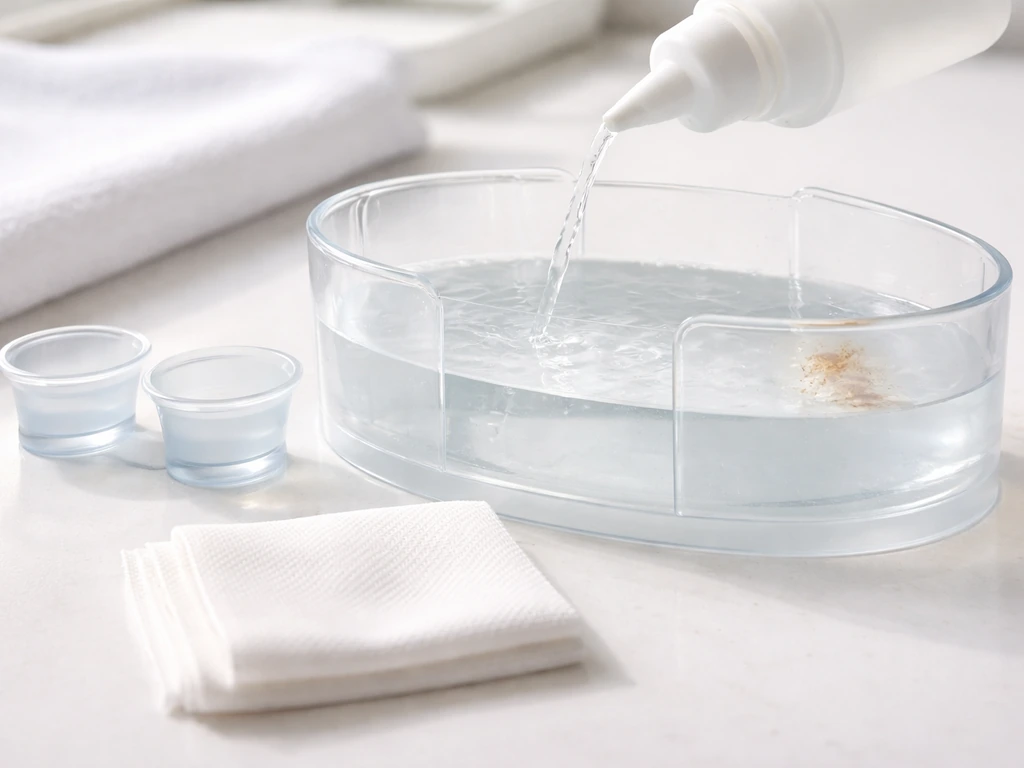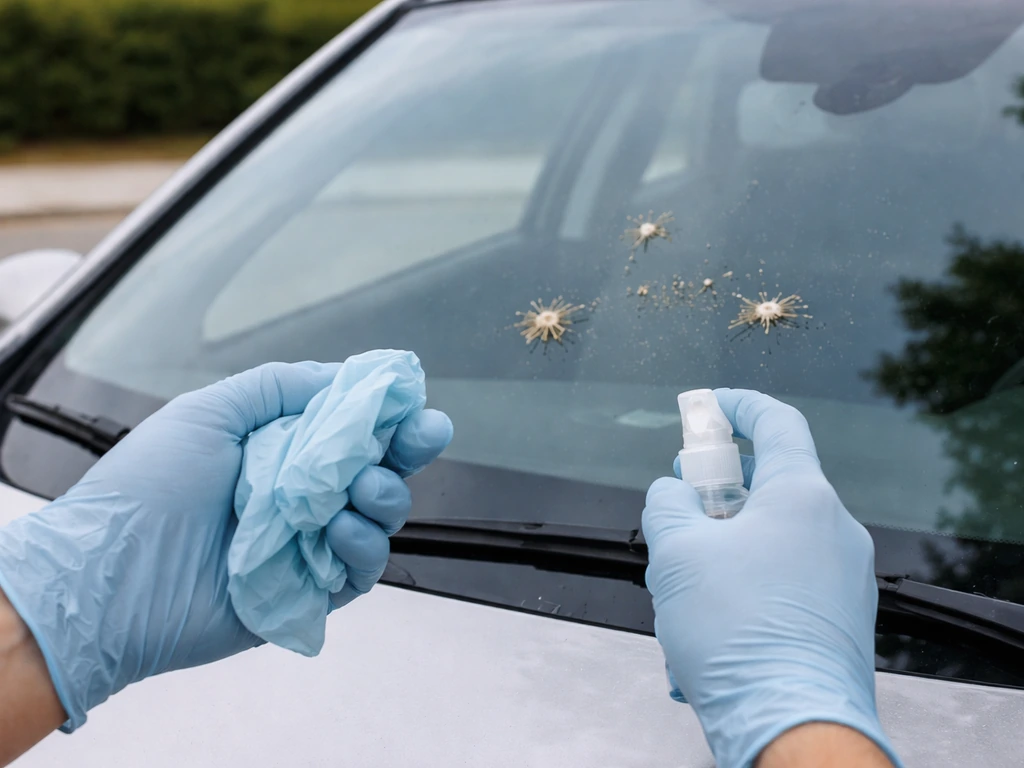
No, you cannot get rabies from bird poop. Not even close. Rabies spreads through saliva and nervous system tissue from infected animals, and birds are not rabies hosts to begin with. If a bird just dropped something on you, your car, or your patio, rabies is simply not on the table. You can relax about that specific worry right now.
Can You Get Rabies From Bird Poop? Risk and Cleanup

Marcus Fielding
12 Jun 2026
Can birds spread rabies through droppings?
Birds do not carry rabies. Rabies is a mammalian disease, and birds are biologically not susceptible to the rabies virus in any meaningful way. The animals that actually carry and transmit rabies are mammals: bats, raccoons, foxes, skunks, and dogs being the most common worldwide. So when a pigeon, sparrow, crow, or any other bird leaves a dropping on you, there is zero rabies virus in it. That combination of facts, birds not being rabies hosts plus feces not being a transmission route even in animals that do carry it, makes bird poop a complete non-issue for rabies.
How rabies actually spreads
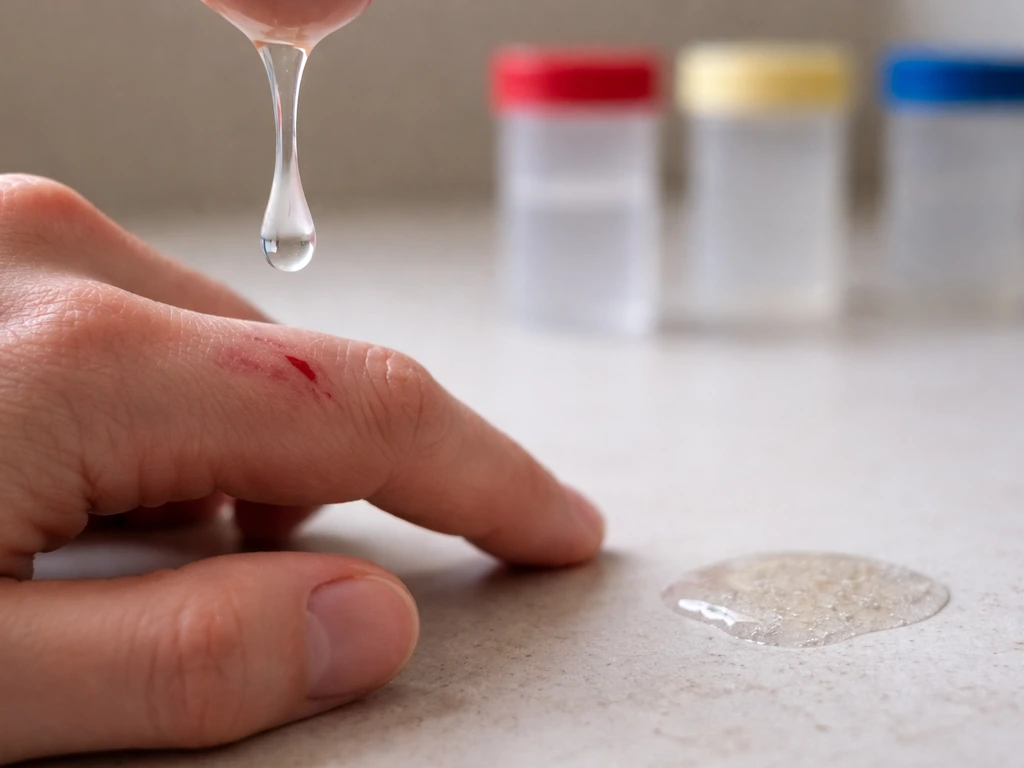
Rabies transmission is very specific. The CDC is clear that infection happens when virus-laden saliva (or brain and nervous system tissue) from a rabid animal contacts broken skin or a mucous membrane, typically through a bite or deep scratch. That is essentially the whole list. The WHO breaks this down into exposure categories: touching an animal with intact skin is Category I and requires no action; a bite that breaks skin is Category II or III and requires vaccination; contamination of a mucous membrane with infected saliva is Category III and requires both vaccination and rabies immune globulin, urgently.
Critically, the CDC explicitly states that urine, blood, and feces do not transmit rabies, even from animals that are genuinely infected. It also notes rabies is not transmitted through contaminated objects, clothing, or bedding. So even in the hypothetical world where a bird somehow harbored rabies (which does not happen), its droppings still would not be a transmission route. Feces just are not how this virus moves.
What bird poop can actually do to you
Rabies being off the table does not mean bird droppings are completely harmless. If you are worried about what bird droppings can do besides rabies, focus on the respiratory risks from cleaning dried droppings without protection. There are a few real, documented risks worth knowing about, and they mostly come down to fungal spores and bacteria.
- Histoplasmosis: A fungal lung infection caused by Histoplasma capsulatum, which grows in soil enriched by bird (and bat) droppings. Risk is highest when dried droppings are disturbed and spores become airborne. Pigeons and starlings are common contributors.
- Cryptococcosis: Another fungal disease associated with pigeon droppings in particular. Usually only a serious concern for people with weakened immune systems.
- Psittacosis (parrot fever): A bacterial infection caused by Chlamydia psittaci, most commonly associated with parrots, parakeets, and other pet birds. Can cause flu-like symptoms and pneumonia.
- Salmonella: Bird droppings can carry Salmonella bacteria, posing a risk if droppings contaminate food prep surfaces or if hands are not washed before eating.
- General irritation: Dried bird droppings contain uric acid and ammonia, which can irritate skin, eyes, and airways if exposure is prolonged or the area is poorly ventilated.
The respiratory risks from inhaling dust from dried droppings are the ones most people underestimate. A single splatter on your jacket is not going to give you histoplasmosis, but cleaning out a heavily soiled attic, barn, or roosting area without proper protection is genuinely risky. That is where the real caution belongs.
It is also worth noting that the risks from bird droppings are very different from other animal waste concerns people sometimes ask about. For example, toxoplasmosis, which does come up in bird poop questions, is actually primarily associated with cats rather than birds. Eye exposure is a separate concern worth its own look if a dropping landed near your eye specifically.
What to do right now after contact with bird droppings
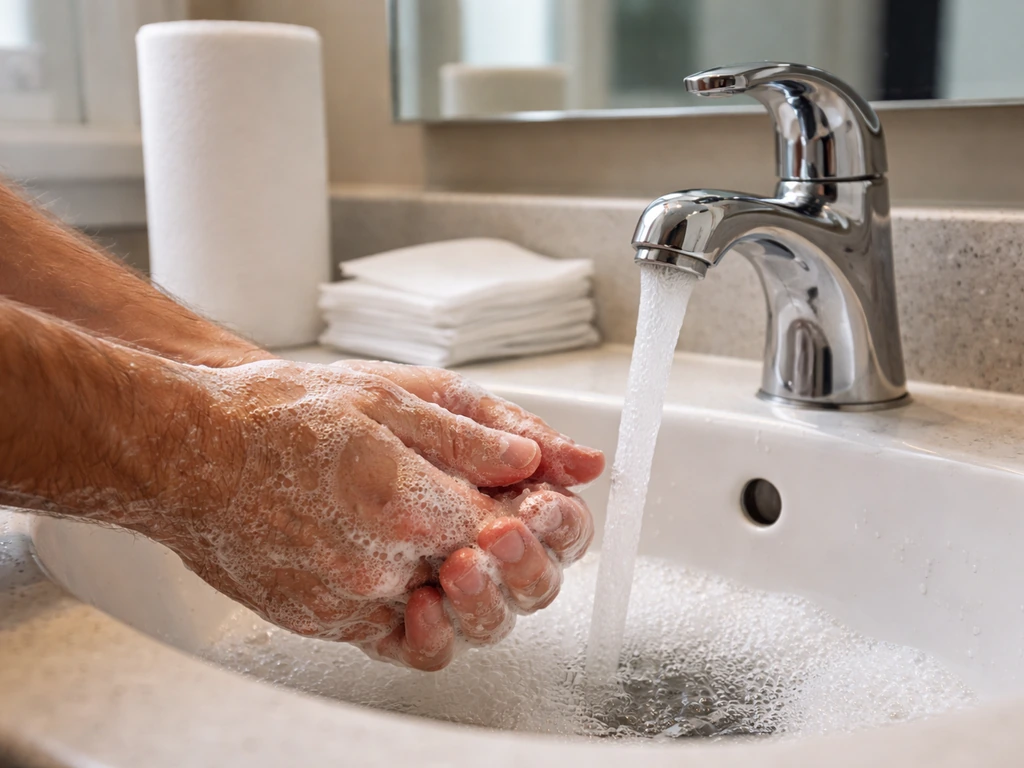
If you just got hit, here is the practical rundown, no panic required.
- Wash the affected skin immediately with soap and warm water for at least 20 seconds. This handles the vast majority of any bacterial contamination.
- If it got near your eyes, flush gently with clean water or saline for several minutes. Avoid rubbing.
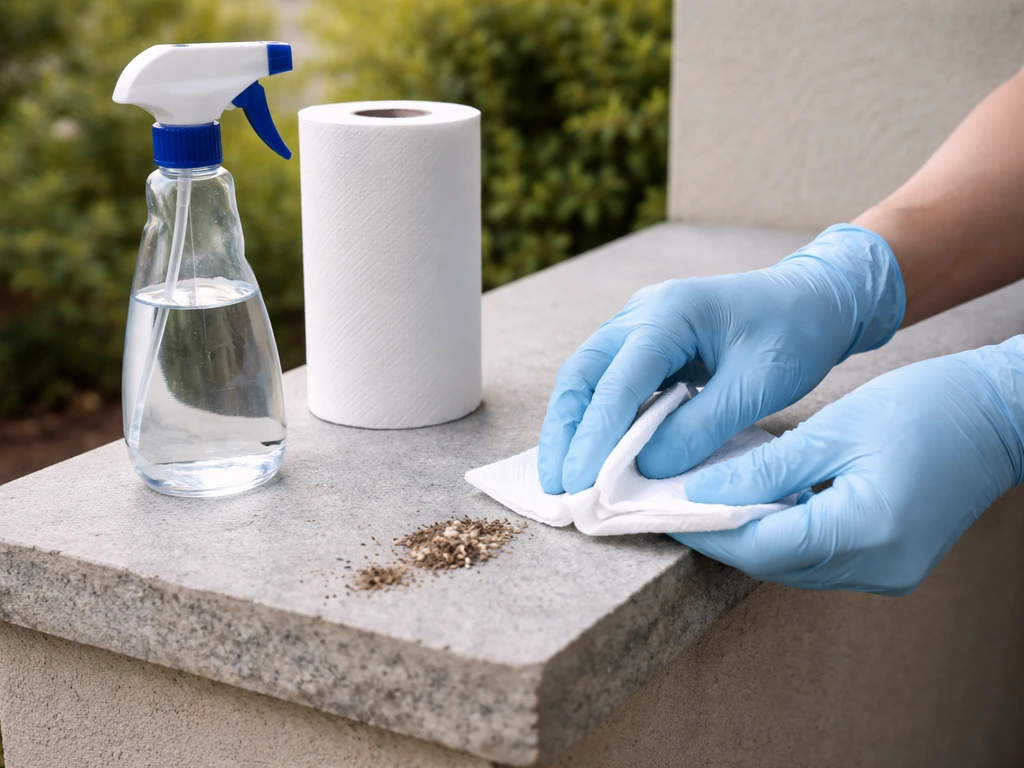
- Do not scrub dried droppings off a surface dry. Mist them lightly with water or a disinfectant spray first to avoid kicking up dust and particles.
- For cleanup of larger areas, wear disposable gloves and, if droppings are dry and dusty, an N95 respirator mask. Regular dust masks offer minimal protection against fungal spores.
- Disinfect the surface with a household bleach solution (roughly 1 part bleach to 10 parts water) or a commercial disinfectant after removing the material.
- Bag and seal the waste before disposal rather than sweeping it loose.
- Wash any clothing that had direct contact, separately from other laundry, on a warm cycle.
- Wash your hands thoroughly after removing gloves and completing cleanup.
For a single fresh dropping on your skin or clothing, a good soap-and-water wash is really all you need. The more elaborate precautions are for people dealing with accumulated droppings in enclosed or poorly ventilated spaces, which is a meaningfully different situation.
When to actually worry and see a doctor
Most bird dropping exposure is uneventful. But there are specific scenarios worth taking seriously.
| Situation | What to do |
|---|---|
| You cleaned a heavily soiled area (attic, roost, crawl space) without a proper mask and now have respiratory symptoms (cough, fever, shortness of breath) | See a doctor and mention the bird dropping exposure. Histoplasmosis and psittacosis can mimic flu. |
| Dropping contacted an open wound, cut, or broken skin and the area becomes red, swollen, or shows signs of infection | Get it checked. Bacterial contamination of open wounds warrants medical attention. |
| A bird actually scratched or pecked you (not just dropped on you) | Clean the wound and contact a healthcare provider. Scratches and pecks from birds are a different situation from droppings. |
| You work with birds professionally (poultry, pet birds, pest control) and develop repeated flu-like illness | Mention occupational exposure to your doctor. Psittacosis is a known occupational risk. |
| Dropping landed in your eye and you develop redness, discharge, or vision changes that persist | See a doctor or urgent care. Eye exposure is worth prompt evaluation. |
To be very direct: if your only concern is rabies from bird droppings, you do not need to seek medical advice. There is no exposure scenario involving bird feces that creates a rabies risk. Rabies post-exposure prophylaxis (PEP) is reserved for actual exposure to the saliva or nervous system tissue of a mammal suspected or confirmed to carry rabies. Bird poop does not meet that threshold in any way.
Myths, good luck, and what to actually believe
There is a long-standing superstition in many cultures that having a bird poop on you is good luck. The logic varies by tradition, but the general idea is that it is so statistically unlikely that it must signal something fortunate. If that framing helps you feel better after a pigeon ruins your commute outfit, there is no harm in it.
The myth that is actually worth correcting is not the good luck one but rather the opposite end: the belief that bird droppings are completely harmless and need no cleanup attention. They are not dangerous in the dramatic, emergency-room sense for most incidental contact, but they are not sterile either. Leaving accumulated droppings in a living space, ignoring them on a food prep surface, or cleaning them up in an enclosed area without ventilation are all situations where you can develop a real, treatable illness. The 'it is fine, birds are clean' attitude is where people occasionally get into trouble.
The practical middle ground: a bird poops on you, you wash it off, you go on with your day. No rabies, almost certainly no disease of any kind. But if you are regularly dealing with heavy bird activity around your home or workplace, take the cleanup steps seriously, use gloves and a proper mask, and do not breathe the dust. That is where the real risk lives, and it has nothing to do with rabies.
FAQ
If bird droppings get into my mouth or I accidentally swallow a small amount, should I get rabies post-exposure treatment?
No. Rabies is not transmitted by feces or by touching mucous membranes with infected bird droppings. If swallowing happened, the more relevant concern is stomach upset or food contamination, so rinse your mouth, drink water, and avoid further contact with the area.
What if a bird poop lands on a cut, scrape, or broken skin?
Rabies still is not a concern from bird feces. Clean the area right away with soap and water, then consider basic wound care (and tetanus status) because bacteria in contaminated material can irritate or infect broken skin even when rabies is not possible.
Can bird poop spread rabies indirectly, like contaminating clothing, a phone, or car seats?
Rabies is not transmitted through contaminated objects, clothing, or bedding. Still, for hygiene, wipe and disinfect the surface, then wash your hands, because other germs and fungal contamination can be a problem even though rabies is not.
I cleaned a dusty roost area without a mask, am I at risk?
The main risk is inhaling aerosolized dust from dried droppings, not rabies. Watch for respiratory symptoms over the following days (fever, cough, chest discomfort), and if you become significantly ill, contact a clinician and mention the high-exposure cleanup.
How do I clean up dried bird droppings safely if I have no industrial equipment?
Wet the area first to prevent dust, use disposable gloves and an N95-style respirator if available, avoid sweeping or dry brushing, then bag waste and wash exposed skin. Good ventilation matters, especially indoors or in basements and attics.
If bird droppings touched my eyes, do I need rabies evaluation?
No rabies risk from feces. Rinse the eye promptly with clean water or saline for several minutes. If there is persistent redness, pain, or vision changes, seek urgent eye care because irritants and bacteria can cause real eye problems.
Does cleaning bird droppings in a closed garage put me at higher risk?
Yes, it raises the inhalation risk because dust can linger and be re-suspended when you clean. If it is enclosed, take extra precautions (ventilate, avoid dry sweeping, use a respirator), and consider having the job handled if the buildup is heavy.
Could bird droppings transmit other serious infections that get confused with rabies?
Yes, the misconception is common. Some illnesses associated with bird-related waste involve different routes, like respiratory fungal exposure from dried material, and others are linked to different animal sources. The key decision point is that rabies is only tied to specific mammal exposures involving saliva or nervous tissue.
What if I was scratched or bitten by something that might have been a rabid animal, but I also had bird poop nearby?
Treat the bite or scratch as its own issue. If a bite breaks skin, contact medical care right away to assess rabies exposure based on the biting animal, not on nearby bird droppings.
Should I call animal control or get a rabies test because I see lots of birds around my property?
Usually no, because birds are not rabies reservoirs in the way mammals are. Instead, if there is a pest problem, focus on mitigation (blocking roosting spots, safe cleanup, and deterrents), and only escalate if there are nearby rabid mammal signs like unusual aggression or paralysis in wildlife.
Is a single small droplet on my arm or shirt definitely zero risk for illness?
For rabies, essentially yes, there is no transmission route from bird feces. For other issues, the realistic risk is low with immediate washing, but if it involved a heavy mess or indoor dust, follow safe cleanup steps to reduce inhalation and contamination.