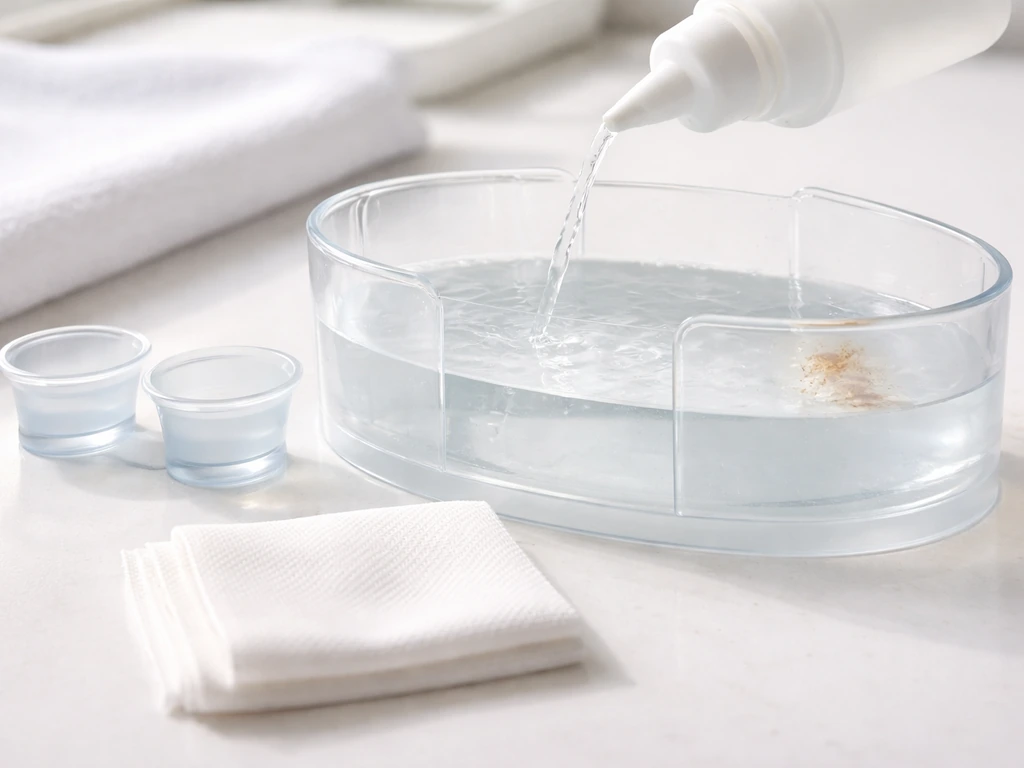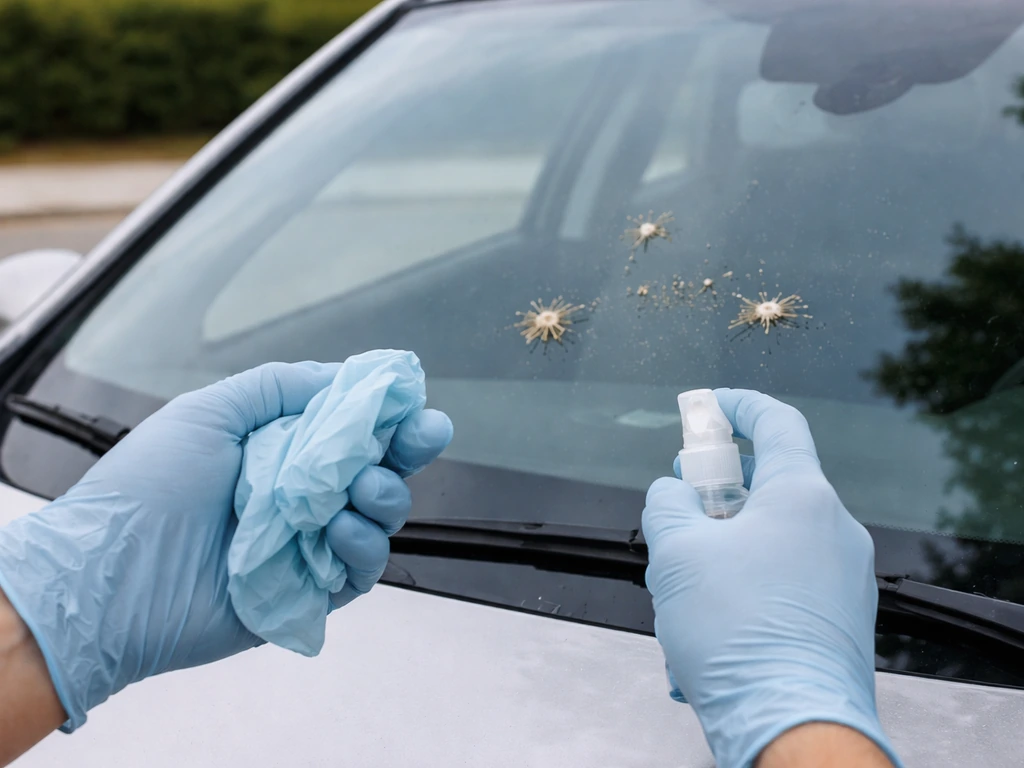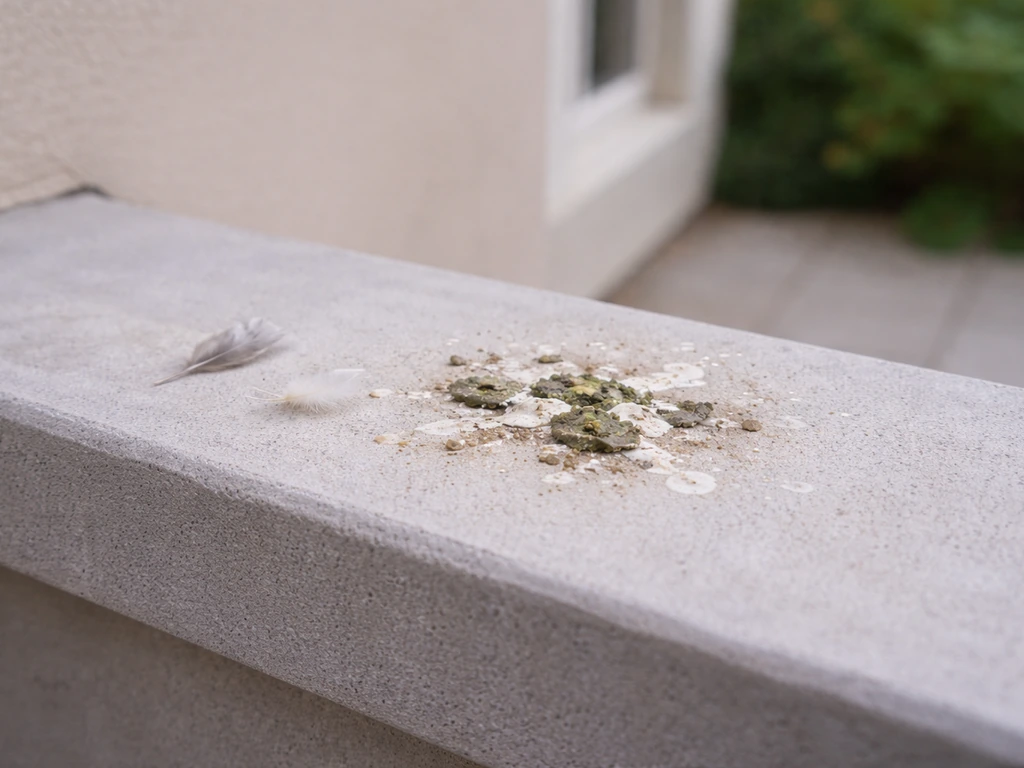
If you just licked bird poop, accidentally or otherwise, rinse your mouth out thoroughly with water right now, spit it out, and wash your hands with soap. If feces contact eyes or there’s a safety question, use the webPOISONCONTROL tool or call the poison center for first-aid guidance Rinse your mouth out thoroughly with water right now, spit it out, and wash your hands with soap. Most people who have this happen to them are completely fine, but there are real pathogens in bird droppings worth taking seriously, and the next few steps matter.
What Happens If You Lick Bird Poop? Risks and First Aid

Marcus Fielding
10 Jun 2026
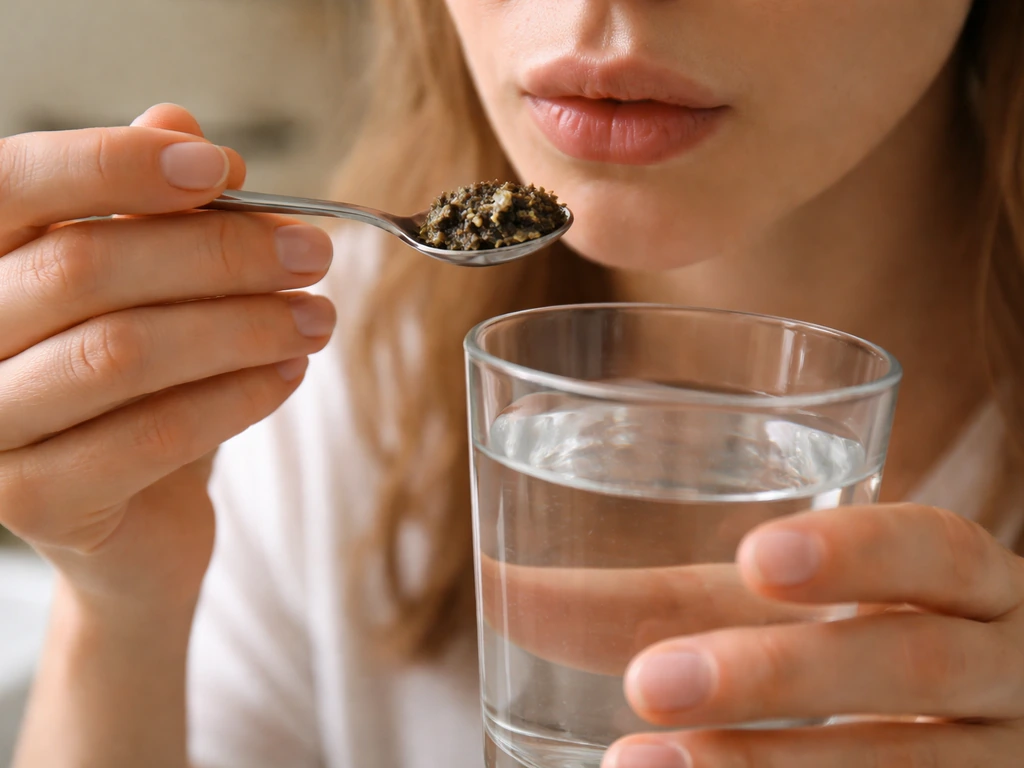
What to do right now
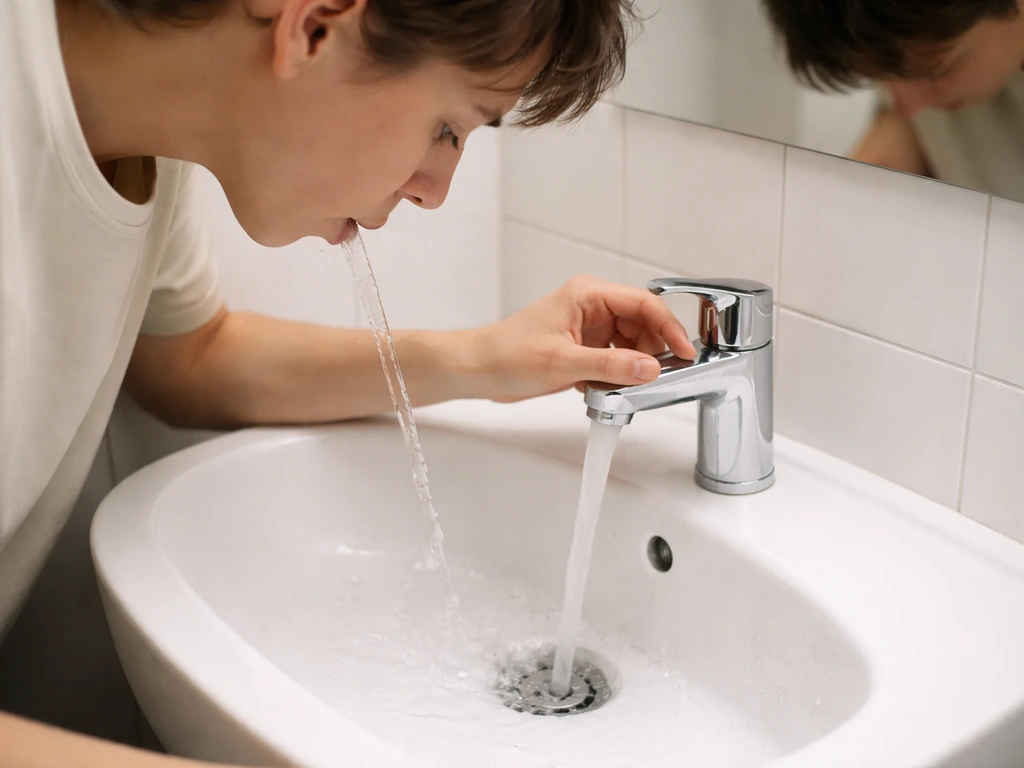
The moment you realize what happened, act quickly but don't panic. Here's the order that matters:
- Spit out anything in your mouth immediately. Don't swallow.
- Rinse your mouth several times with clean, room-temperature water and spit each time. Poison Control guidance for fecal-type ingestions specifically recommends wiping the mouth with a damp cloth and giving a small amount of water to drink afterward.
- Wash your hands with soap and water for at least 20 seconds. This stops hand-to-mouth secondary contamination, which is often how these situations get worse.
- If any poop splashed near your eyes, flush them with clean water for several minutes. Eye exposures carry their own risks, similar to what happens when a bird poops directly in your eye.
- Clean any surfaces that were contaminated, including your clothes, your phone, or anything else that touched the droppings.
- If you're unsure about the severity or have a child involved, call Poison Control at 1-800-222-1222 for immediate guidance. They can tell you whether an ER visit is necessary and may save you an unnecessary trip.
Once you've done all that, take a breath. The immediate physical response is done. Now the question becomes: what are you actually dealing with here? Now the question becomes: what are you actually dealing with, and how severe is it compared with what happens if a bird poops in your eye?
The real risks: bacteria, viruses, fungi, and parasites
Bird droppings can carry a range of pathogens depending on the species of bird, where it lives, and what it's been eating. None of this is meant to alarm you, but understanding what's actually in there helps you make smart decisions.
Bacteria
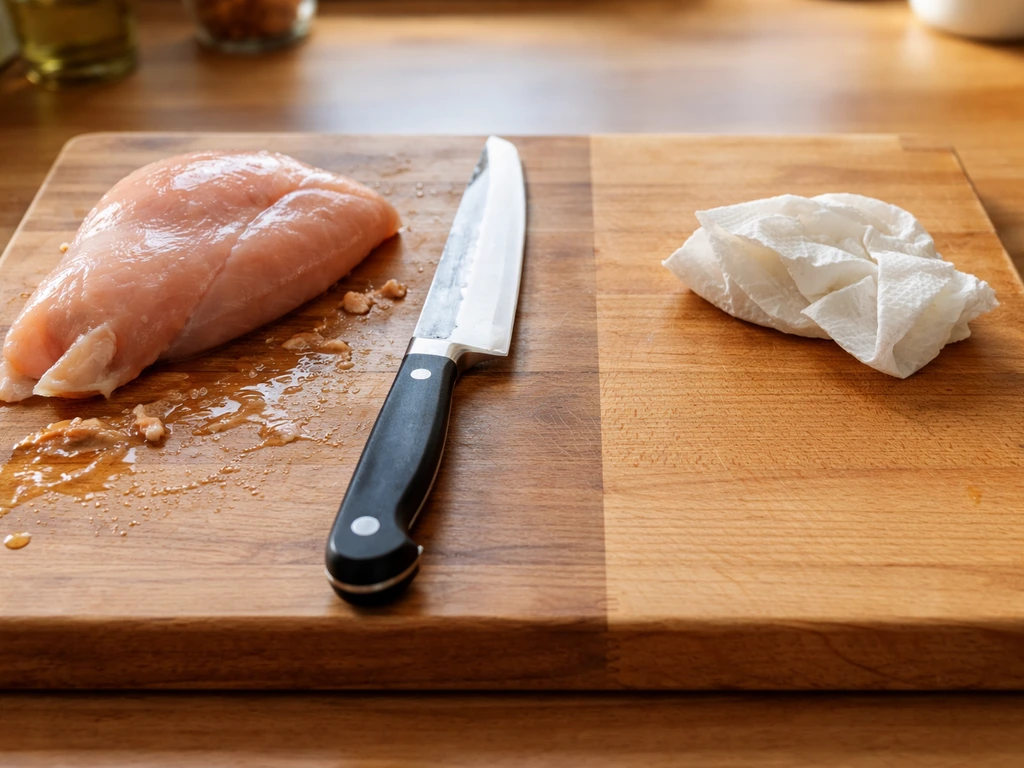
Salmonella is the big one for fecal-oral exposure. The CDC confirms that Salmonella can spread through an animal's feces, and birds are a known carrier. Shigella is another bacterial culprit that operates via the fecal-oral route. Psittacosis, caused by Chlamydia psittaci, is most commonly transmitted by breathing in dried bird secretion dust, not typically by mouth. So licking fresh droppings is a different exposure route than inhaling aerosolized dried poop, though both deserve attention.
Fungi
Histoplasma, the fungus behind histoplasmosis, is found in bird and bat droppings and is primarily a concern when contaminated material gets disturbed and spores become airborne. Cryptococcus is another fungus linked to bird dung, especially pigeon droppings. NYC Health explicitly lists cryptococcosis, histoplasmosis, and psittacosis as diseases associated with pigeon droppings. For a single licking incident, fungal infection is less likely than bacterial GI illness, but it's worth knowing about, especially for anyone with a weakened immune system.
Parasites
Toxoplasma gondii gets brought up in the context of bird poop, but it's worth being precise here. Toxoplasma oocysts are primarily shed by cats, not birds. However, birds can serve as intermediate hosts and droppings in environments shared with cats could theoretically carry contamination via fecal-oral routes. Giardia is another parasite transmitted fecal-orally with an incubation period of 1 to 14 days. Neither of these is the most likely outcome of a single exposure, but they're part of the landscape.
What you don't have to worry about
Rabies is not in bird poop. The WHO and CDC are both clear that rabies virus is found in saliva and nervous system tissue, not blood or feces. You cannot get rabies from licking bird droppings. This is one of the most common fears people have, and it's simply not supported by the science.
How likely is it that you'll actually get sick?
Honestly, pretty unlikely if you're a healthy adult and acted quickly. NYC Health points out that even routine cleaning of pigeon droppings doesn't pose a serious health risk to most people. The main risk factors that push the odds in a worse direction are being immunocompromised (HIV, cancer treatment, organ transplant), being a young child or elderly, having an open wound in or around your mouth, or swallowing a significant amount rather than just a small accidental lick.
The exposure amount matters a lot. A small accidental contact is very different from repeatedly handling droppings without protection. A single licking incident, followed immediately by rinsing and handwashing, is low-risk for most people. That said, low risk doesn't mean zero risk, and watching for symptoms is the responsible move.
Symptoms to watch for and when they might appear
Knowing the timeline helps you figure out whether what you're feeling is related to the exposure or just coincidence. For bacterial GI pathogens, the FDA's foodborne illness onset data gives a useful window:
| Pathogen | Onset After Exposure | Key Symptoms |
|---|---|---|
| Salmonella | 6–48 hours | Diarrhea, stomach cramps, fever, nausea |
| Shigella | 1–2 days | Diarrhea (sometimes bloody), fever, stomach cramps |
| Giardia | 1–14 days (avg. ~7 days) | Diarrhea, bloating, gas, nausea, fatigue |
| Psittacosis | 5–14 days | Fever, headache, dry cough, muscle aches (respiratory) |
| Histoplasmosis | 3–17 days | Fever, cough, fatigue, chest pain (respiratory) |
| Cryptococcosis | Weeks to months | Headache, fever, cough (often in immunocompromised) |
For the next 48 hours specifically, watch for stomach cramps, vomiting, diarrhea, or fever. These are the most likely early signals of bacterial GI illness. Over the following two weeks, pay attention to any respiratory symptoms like persistent cough, chest discomfort, or unusual fatigue, which could indicate something less common like psittacosis or histoplasmosis. Signs of dehydration, including dark urine, dizziness, and dry mouth, are worth addressing quickly if vomiting or diarrhea are significant.
When to actually call a doctor

Most people can monitor at home with normal hygiene. But call your doctor or seek care if any of the following apply:
- You're immunocompromised due to HIV, chemotherapy, organ transplant medications, or another condition. NYC Health and CDC both flag this group as higher-risk for droppings-related diseases.
- The person exposed is a young child, especially a toddler who may have swallowed more than a trace amount.
- You have a wound, sore, or ulcer in your mouth that could provide a direct entry point for pathogens.
- You develop a fever above 101°F (38.3°C), severe stomach cramps, bloody diarrhea, or signs of dehydration.
- Respiratory symptoms like a new cough or chest pain develop in the days following the exposure.
- Symptoms don't improve after a few days or get significantly worse.
- You're pregnant, since certain infections carry additional risks during pregnancy.
When you call, tell your doctor exactly what happened, including the type of bird if you know it (pigeon, parrot, wild songbird), when it occurred, and what symptoms you have. Mentioning "bird fecal exposure" specifically helps them consider the right differential diagnoses, since psittacosis in particular is sometimes missed because it mimics other respiratory illnesses.
Hygiene and cleanup to prevent it happening again
If you're dealing with bird droppings regularly, whether on your car, your balcony, or because you keep pet birds, the cleanup process itself deserves care. The CDC's guidance for droppings cleanup emphasizes one key rule: never dry-sweep or vacuum bird droppings. Aerosolizing dried poop is where the real respiratory risks from histoplasmosis and psittacosis come in. Instead, wet the material first with a spray of water or disinfectant solution to prevent dust, then wipe or scrape carefully.
For disinfection, a 1:10 bleach-to-water solution (one part bleach, ten parts water) is a practical standard cited by Washington State University's environmental health guidance for bird and bat waste. Spray it on, let it sit for a few minutes, then wipe. Dispose of paper towels or cleaning materials directly in a sealed bag.
The CDC is also straightforward about handwashing after any contact with birds, their droppings, or items in their cages. This is the single most effective thing you can do. Hand-to-mouth is how most fecal-oral infections actually happen, often hours after the initial contact when people forget they touched something.
- Always wash hands after handling birds, cleaning cages, or touching surfaces with droppings.
- Use gloves when cleaning droppings, especially in volume or from unknown wild birds.
- Wear a mask if you're disturbing large accumulations of dried droppings, particularly in enclosed spaces.
- Wet droppings before wiping. Don't scrape dry.
- Keep children away from areas with bird droppings during cleanup.
- If you're immunocompromised, have someone else do the cleaning entirely.
Myths vs. facts about bird poop
Let's clear up a few things that float around online and in conversation.
| Claim | Reality |
|---|---|
| Bird poop gives you rabies | False. Rabies virus is not found in feces. It requires contact with saliva or nervous tissue from an infected animal. |
| Getting pooped on is good luck | This is a cultural superstition found in many traditions, particularly Russian, Turkish, and some Western folklore. There's no scientific basis, but if it makes you feel better about the situation, fair enough. |
| Bird poop is sterile | Completely false. Droppings can carry Salmonella, Shigella, Campylobacter, fungi like Cryptococcus and Histoplasma, and various parasites. |
| Only pigeon poop is dangerous | All bird droppings can carry pathogens. Parrots and parakeets are specifically associated with psittacosis. Wild birds carry Salmonella routinely. |
| You only get sick from lots of exposure | A single exposure is usually low-risk for healthy adults, but it's not zero risk. Immunocompromised individuals can be seriously affected by even limited contact. |
| Toxoplasmosis comes from bird poop | Toxoplasma is primarily spread through cat feces, not bird droppings. Birds can be intermediate hosts but are not the primary source of human Toxoplasma infection. |
The good luck belief deserves a moment of context. In many cultures, being pooped on by a bird is considered a sign of incoming fortune. Whether or not you believe that, it's probably worth treating the situation as a hygiene event first and a spiritual omen second. Wash your hands, rinse your mouth, and then decide whether to buy a lottery ticket.
The bottom line is this: licking bird poop is unpleasant and carries real but usually manageable health risks. Acting fast with rinsing and handwashing dramatically reduces your exposure. Most healthy adults will experience nothing at all. Keep an eye on GI symptoms for the first 48 hours and respiratory symptoms for the following two weeks, and don't hesitate to blank" rel="noopener noreferrer">call Poison Control or your doctor if anything feels off, especially if you're in a higher-risk group.
FAQ
If I licked bird poop and I already brushed my teeth, do I still need to rinse my mouth again?
Yes. Brushing can spread residue around your mouth, so after brushing you should still rinse thoroughly with water and spit it out. If you used a mouthwash, follow with plain water rinsing afterward to ensure any residue is cleared.
What if the droppings touched my lips but I did not swallow any?
Treat it as mouth-area contamination. Rinse your mouth right away, wipe your lips with a clean tissue, and wash your hands. Swallowing increases risk, but contact near the mouth still matters, especially if you touched your lips again afterward.
How do I know whether I should call Poison Control versus just monitoring symptoms at home?
Call Poison Control if you have symptoms, if the exposure was larger than a small lick, or if you are higher risk (immunocompromised, elderly, or a young child). If you are symptom-free after a small accidental contact, monitoring the timelines is reasonable, but Poison Control can still advise specific next steps.
Is it safer to use hand sanitizer instead of soap and water after touching bird droppings?
Soap and water is better. Hand sanitizer may not remove all contamination from fecal material, and you can accidentally transfer germs from fingertips back to your mouth. Wash for long enough to scrub around nails and between fingers.
What if I licked it, but then I felt nauseated right away, should I assume an infection?
Not necessarily. Immediate nausea can be from shock, disgust, or taste rather than infection. Focus on symptoms that fit the expected windows, like diarrhea, vomiting, fever within 48 hours for bacterial GI illness.
Do I need antibiotics or a doctor visit even if I feel fine?
For a single small lick with prompt rinsing, most healthy adults do not need preventive antibiotics. A doctor visit is most important if you develop concerning GI symptoms, fever, significant vomiting or diarrhea, dehydration signs, or respiratory symptoms that persist.
What symptoms count as dehydration after a bird poop exposure?
Look for dark urine or not peeing much, dizziness when standing, dry mouth, and unusual sleepiness. If vomiting or diarrhea is significant or you cannot keep fluids down, seek urgent care rather than waiting for home monitoring.
If I get diarrhea, does it matter how soon it starts?
Yes. The earlier timing increases the odds it is related to fecal-oral exposure, with bacterial GI symptoms often showing up in the first 48 hours. If symptoms start later or include prominent breathing issues, it can point toward less common causes and warrants medical guidance.
Does licking bird poop from a pet bird carry different risks than wild bird droppings?
It can. Pet birds may carry different organisms than wild birds, and the environment and handling habits matter. Tell your doctor the bird type if you know it (for example, parrot versus pigeon) and whether it was fresh droppings from a cage or outdoor waste.
What should I do if bird droppings got on my tongue or in my mouth and I cannot rinse immediately?
If you cannot rinse right away, avoid touching your mouth or eating until you can rinse. When you can, flush with water and spit, then wash hands. The longer contamination sits in the mouth, the more important it becomes to act as soon as possible.
Can I catch psittacosis or histoplasmosis just from licking fresh droppings?
Licking is primarily a fecal-oral route, so GI pathogens are usually the main concern. Psittacosis and histoplasmosis are more associated with inhaling contaminated dust, but monitoring for respiratory symptoms for about two weeks is still a sensible precaution.
How long should I watch for symptoms, and do I need to watch my child or elderly relative differently?
For bacterial GI illness, watch about 48 hours for stomach cramps, vomiting, diarrhea, or fever. For respiratory symptoms, watch up to two weeks. Children and older adults dehydrate faster, so seek care sooner if symptoms start.
If I cleaned bird droppings after being pooped on, could I contaminate my mouth again?
Yes, this is a common mistake. If you touch cleaning tools or surfaces, then touch your mouth without washing, you can reintroduce contamination. Wear gloves if you have them, avoid touching your face, and wash hands right after cleanup.
Should I disinfect the area if it happened just once, like a single balcony spot?
If it is a one-time small exposure, you still should clean the droppings to prevent later contact. Wet it first to avoid dust, wipe or scrape carefully, and dispose of materials sealed. Focus on preventing future hand-to-mouth contact, not just immediate cleanup.