Yes, bird feathers can carry germs, but the realistic risk is lower than most people fear. Feathers can pick up bacteria, fungi, and viruses from a bird's skin, secretions, droppings, and the environment around them. The bigger danger is usually not the feather itself but what's stuck to it: dried fecal dust, soil, or respiratory secretions. For a healthy adult who picks up a found feather outdoors, washes their hands thoroughly afterward, and doesn't bring it inside to handle repeatedly without cleaning, the risk of getting genuinely sick is low. That said, the risk is real enough to take a few simple precautions, especially if you have kids, pets, or a compromised immune system.
Do Bird Feathers Have Germs? Safety and Cleanup Steps

Marcus Fielding
5 Jun 2026
Can bird feathers actually carry germs?
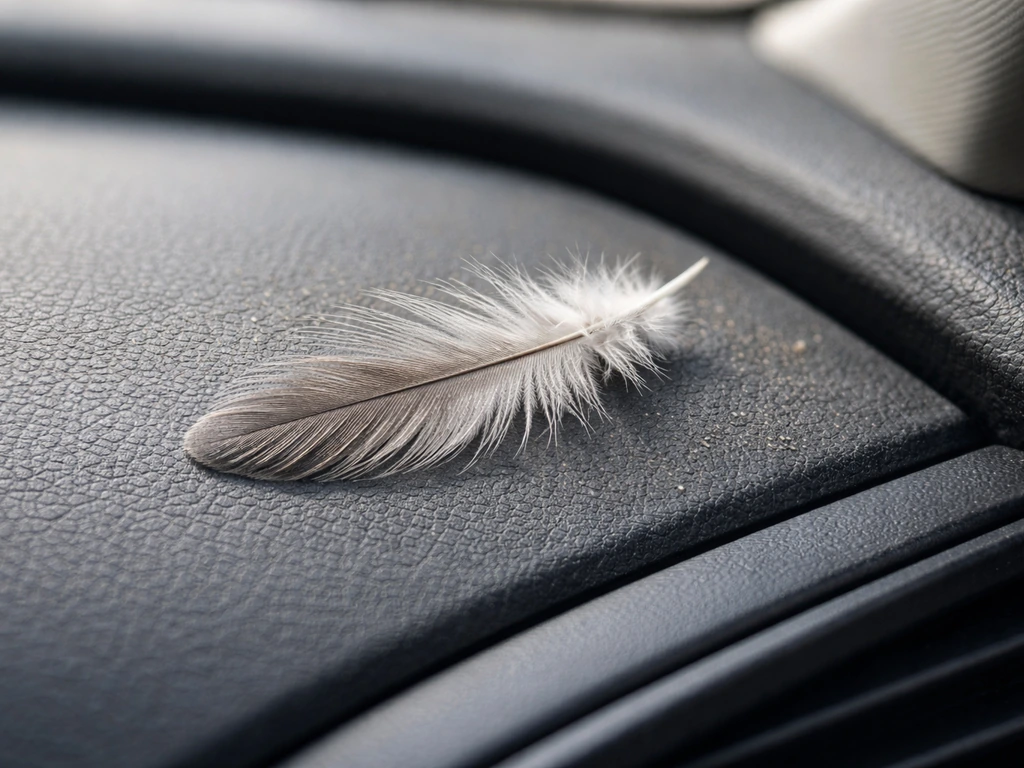
Feathers are not sterile. They sit on a living animal that walks through soil, eats off the ground, and produces droppings. That means a feather can carry surface bacteria, fungal spores, and under the right conditions, viruses. Research has found that pathogens on feathers tend to get there mainly through contaminated excretions and secretions that transfer onto the feather surface and then dry out. Once dry, that contaminated dust can become airborne if disturbed.
Here's where it gets a little more nuanced: birds actually have a natural defense mechanism against microbes on their feathers. The preen gland produces a waxy, oily secretion that birds rub into their feathers when grooming. Studies show this preen oil has measurable antimicrobial activity and may physically block feather-degrading bacteria from taking hold. So a healthy, well-preened bird's feathers carry a lower microbial burden than you might expect. A sick bird, a dead bird, or a feather that has been sitting on the ground in a wet environment for days is a different story.
The germs most worth knowing about are Chlamydia psittaci (which causes psittacosis, a respiratory illness), Histoplasma capsulatum (a fungus in soil enriched by bird droppings), and avian influenza viruses. These aren't transmitted equally from a single found feather, but they share a common theme: the real route of exposure is almost always inhaling contaminated dust, not touching a feather and getting infected through your skin.
How contamination actually happens: feathers vs droppings vs the environment
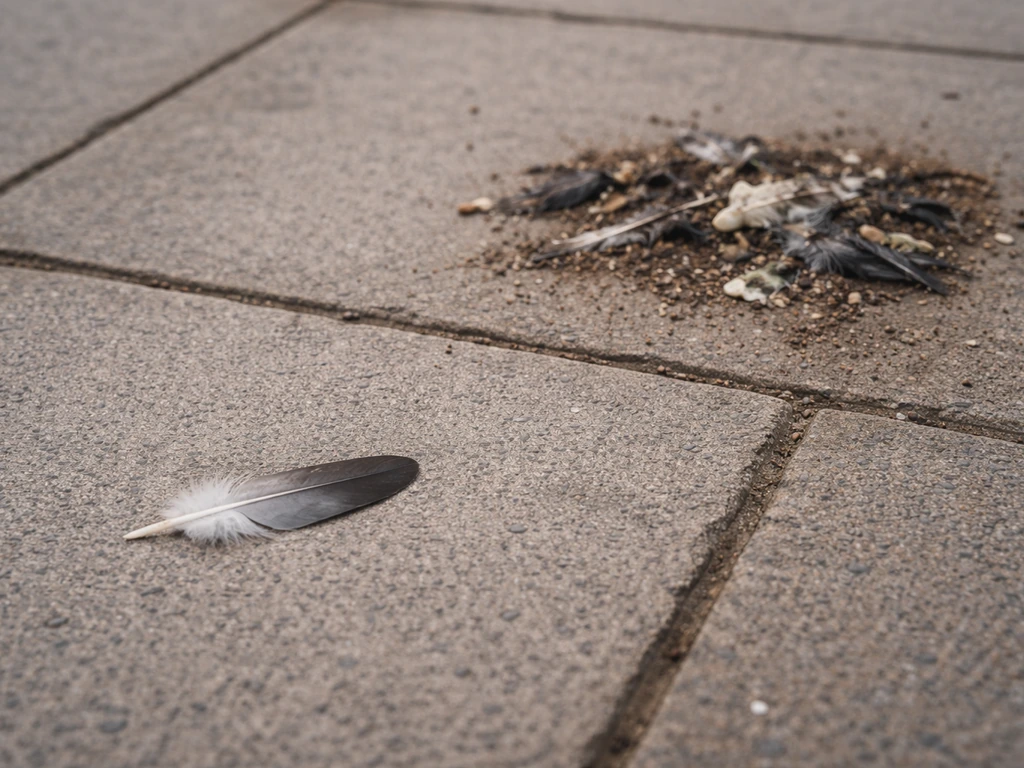
Think of contamination as a spectrum. A freshly molted feather from a healthy backyard songbird sitting on dry pavement is at the low end. A feather matted into a pile of pigeon droppings under a highway bridge, or a feather from a sick bird found in your backyard, is at the high end.
Droppings are the main contamination source. When a bird's feces dries and breaks apart, it becomes dust. If you are wondering about cancer specifically, the evidence does not support the idea that exposure to bird droppings causes cancer. Bird droppings can also carry disease, especially when dried and turned into airborne dust. Feathers near or in that dried fecal material pick up the same fungal spores, bacteria, and viral particles. The same is true of soil in areas where birds regularly roost. That soil gets enriched with droppings over time, and feathers shed in that area carry whatever is in the soil and debris around them. The CDC specifically warns against dry sweeping or vacuuming bird waste and feathers because it aerosolizes particles that are then breathed in.
Survival time on feathers matters too. Persistence studies of H9N2 avian influenza on plastic surfaces report temperature-dependent infectivity, with viability maintained for weeks at 4°C and around a week at 20°C blank" rel="noopener noreferrer">Survival time on feathers matters too.. Experimental data shows that blank" rel="noopener noreferrer">H5N1 avian influenza virus can remain infectious in detached duck feathers for up to 160 days at refrigerator temperatures (4°C) and about 15 days at room temperature (20°C). That's much longer than on skin (roughly 5 hours at 20°C) or on fabric (about a day). Cold, damp conditions dramatically extend how long a pathogen can survive. A feather found in a warm, dry yard in summer is less risky than one found in a soggy, shaded corner in winter.
In practical terms: the feather is the vehicle, not the source. The real contamination comes from what the feather has been in contact with, how long it's been there, and the conditions it's been sitting in.
Health risks to people and pets: what's actually worth worrying about
For most healthy adults, a brief, incidental contact with a found feather followed by good handwashing is unlikely to cause illness. The diseases most credibly linked to bird feather and dropping exposure fall into a few clear categories.
| Disease | Pathogen | Main route from feathers/birds | Who's most at risk |
|---|---|---|---|
| Psittacosis | Chlamydia psittaci | Inhaling dried secretion or dropping dust on feathers | People with frequent bird contact; immunocompromised |
| Histoplasmosis | Histoplasma capsulatum (fungus) | Disturbing soil/debris contaminated by droppings | People doing cleanup or yardwork in heavily roosted areas |
| Avian influenza | Influenza A virus (e.g., H5N1, H7N9) | Direct/indirect contact with infected birds or their contaminated materials | Poultry workers; people handling sick or dead birds |
| Salmonellosis | Salmonella spp. | Fecal contamination on hands transferred to mouth | Anyone; higher risk in young children, elderly, immunocompromised |
| Campylobacteriosis | Campylobacter spp. | Fecal-oral route from contaminated surfaces | Similar to salmonella risk groups |
For pets, especially dogs that pick up or chew on feathers, the risk is more direct. Dogs exploring birds or feathers outdoors can ingest Salmonella, Campylobacter, or parasites. Cats that hunt birds can be exposed to the same, plus Toxoplasma from the environment. If your pet picks up a feather from a dead or visibly sick bird, that's a vet call, not a wait-and-see situation.
It's also worth separating germs from allergens. Feather dust and dander are common allergens that can trigger respiratory symptoms in sensitive people, even if no active pathogen is present. That's an allergic reaction, not an infection, but the sneezing and coughing can feel similar. If you consistently react to bird feathers indoors, that's more likely an allergy issue than an infection risk.
How to handle feathers safely
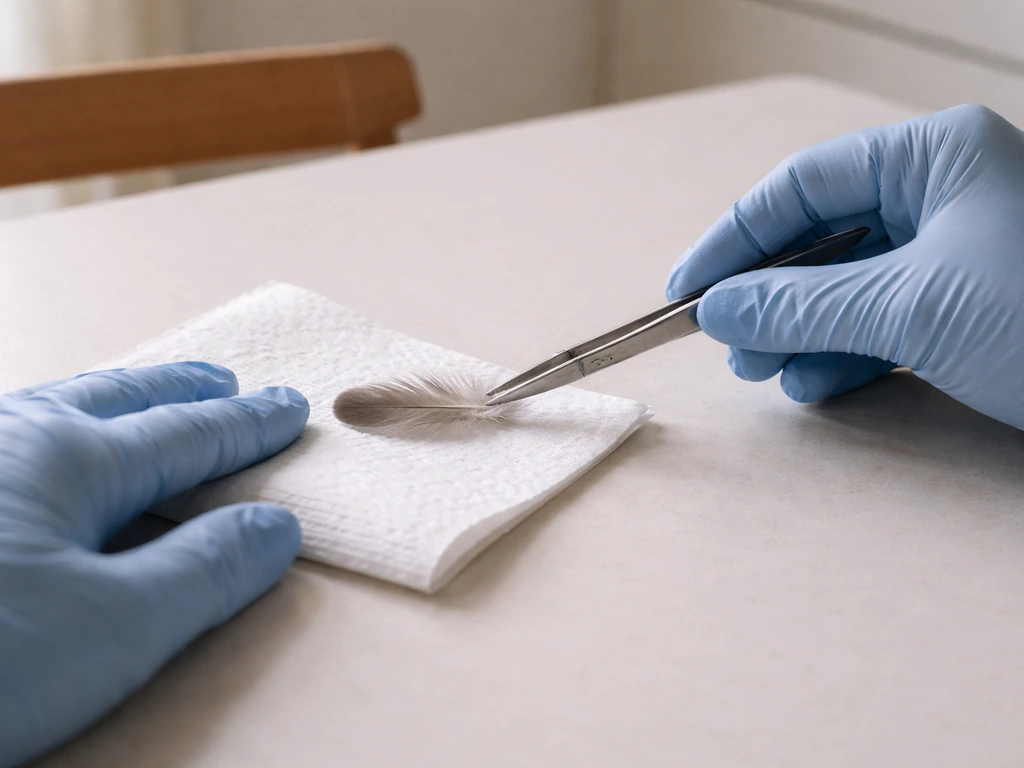
The good news is that handling feathers safely doesn't require hazmat-level gear for most everyday situations. What it does require is a little discipline about not touching your face and washing up properly afterward.
Gear for the situation
- For a single feather found outdoors: gloves are ideal but honestly, avoiding face-touching and washing hands for 20 seconds with soap and water right after is the most important step.
- For cleaning up a roosting area with multiple feathers and dropping debris: wear disposable gloves, an N95 or P100 respirator (not a paper dust mask), and eye protection. Bag the gloves and dispose of them before touching anything else.
- For indoor feather cleanup (feathers carried in by pets or tracked inside): damp cloth or damp paper towel pickup, then disinfect the surface. Avoid dry sweeping.
- For car owners finding feathers in door seams or near vents: remove with a damp cloth, wipe the area with an EPA-registered disinfectant, and wash your hands. The bigger concern on cars is usually dried dropping debris, not feathers alone.
Cleaning steps that actually work
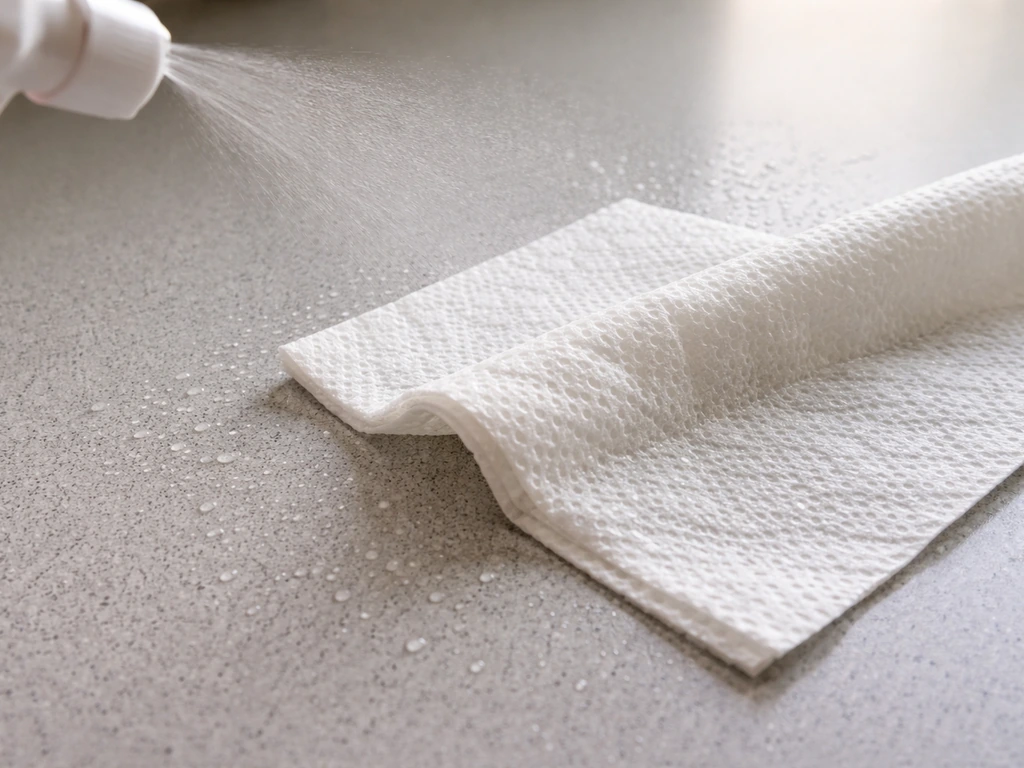
- Never dry-sweep or vacuum loose feathers and dropping debris. This is the single most important rule. Dry disturbance aerosolizes particles you then breathe in.
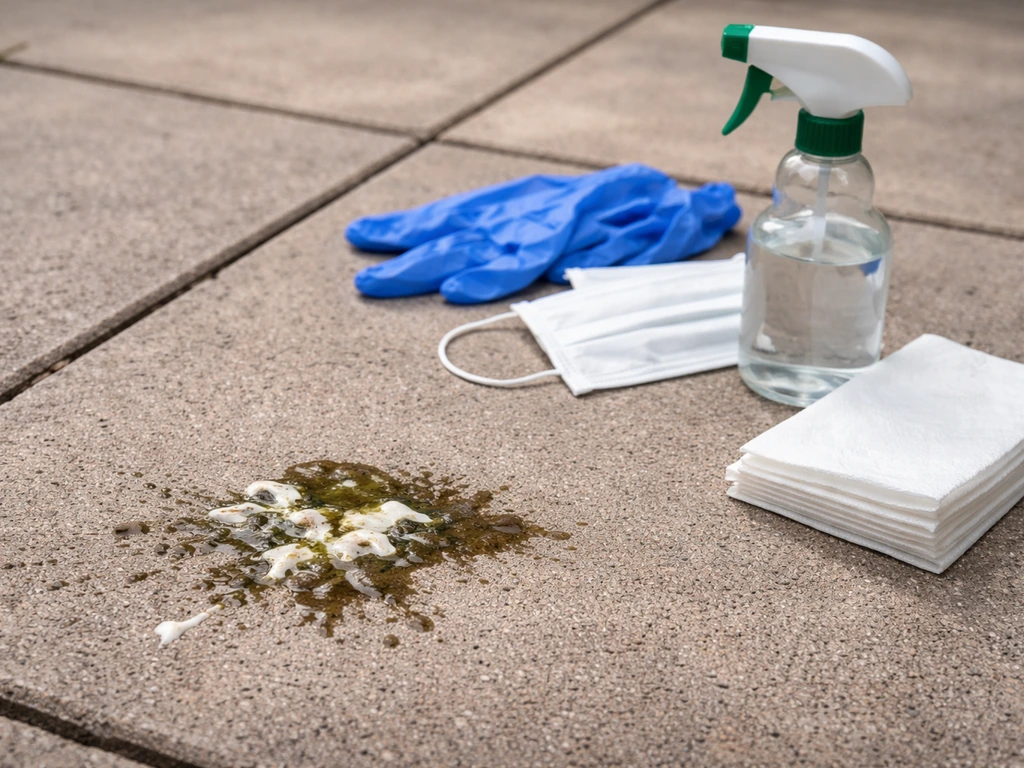
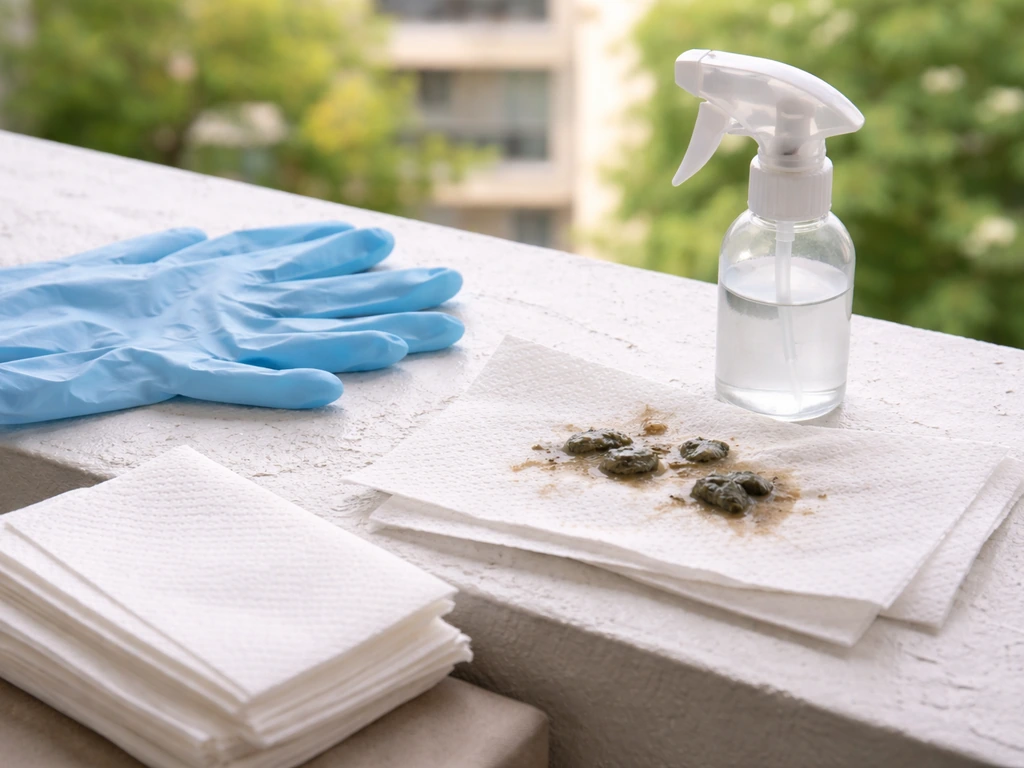
- Lightly mist feathers and surrounding debris with a soapy water solution before picking them up. This weighs down the dust and prevents it becoming airborne.
- Pick up dampened feathers with gloved hands or a damp paper towel and seal them directly into a plastic bag before disposal.
- Clean the surface with soap and water until visibly clean, then apply an EPA-registered disinfectant (one with a label claim against Influenza A viruses is a solid all-purpose choice for bird-related cleanup).
- Wash hands with soap and water for at least 20 seconds. If you also handled your clothes or shoes, wash those too.
What to do right after possible exposure
If you touched a feather, especially one from an unknown source or near droppings, don't panic, but act promptly. The window for reducing transmission is right there in the next few minutes.
- Hands: Wash immediately with soap and water for a full 20 seconds. Get under the nails. Don't use hand sanitizer as a substitute here since physical removal of debris matters.
- Skin (arms, face): Wash any exposed skin with soap and water. If the feather was heavily contaminated or came from a sick/dead bird, shower and change clothes.
- Eyes: If you touched your eyes after handling a feather, rinse with clean running water for several minutes. If redness or irritation persists, see a doctor.
- Clothes: If you were doing a larger cleanup and got debris on your clothing, change out of those clothes before going through the rest of your home, and wash them separately on a warm cycle.
- Pets: If your dog or cat picked up or chewed a feather, rinse their mouth area with water and monitor for vomiting, diarrhea, or lethargy over the next 24 to 48 hours.
When to call a doctor or vet
Most feather contact doesn't lead to illness, but a few red flags should prompt you to get a professional involved rather than wait it out.
For people
- Fever, chills, headache, muscle aches, or a dry cough developing 7 to 14 days after significant exposure to bird feathers or droppings (these are the typical psittacosis symptoms and the incubation period lines up with that timeline).
- Respiratory symptoms (coughing, shortness of breath, chest tightness) starting 3 to 17 days after disturbing a large accumulation of feathers, droppings, or soil in a known roosting area (possible histoplasmosis).
- Any flu-like illness following confirmed or suspected contact with a sick or dead bird, especially waterfowl or poultry. Tell your doctor about the bird exposure explicitly.
- Eye redness, pain, or discharge that develops after feather or dropping contact and doesn't clear in 24 hours.
- Any open wound that had direct contact with feathers or droppings from a sick or unknown bird.
For pets
- Vomiting, diarrhea, or lethargy appearing within 24 to 48 hours of your pet ingesting or handling a feather from a dead or visibly sick bird.
- Respiratory distress, unusual nasal discharge, or loss of appetite in birds you keep at home after exposure to wild bird feathers.
- Any signs of illness after your dog or cat interacted with a dead bird, even if it seemed brief.
Myths and "good luck" beliefs vs what the evidence says
Finding a feather is loaded with cultural meaning in many traditions. White feathers are seen as messages from angels or deceased loved ones. Certain colors are thought to signal good luck, protection, or spiritual connection. These beliefs are genuinely meaningful to many people, and there's nothing wrong with finding comfort in them. But if the belief leads to keeping a found wild feather in your home without any cleaning, or letting children handle feathers freely, it's worth knowing what the evidence actually says.
A feather is not automatically dangerous. But an uncleaned, found feather sitting in a child's room or a jar on a windowsill is a low-level, ongoing source of whatever was on it when it was picked up. That's not a spiritual risk, it's a practical hygiene one. The fix is simple: if you want to keep a found feather, mist it, seal it in a bag and freeze it at 0°F (-18°C) for 72 hours (a common method for killing surface parasites on natural materials), then store it somewhere it won't be handled frequently.
On the flip side, some people are genuinely frightened into thinking that touching any feather leads to serious disease. That's also not supported by evidence. The CDC's guidance on psittacosis and bird flu focuses heavily on people with ongoing, occupational exposure to birds or those doing significant cleanup of contaminated spaces, not on someone who briefly picked up a feather at the park. Context matters enormously.
It's a similar principle to the way bird droppings carry cultural good luck associations in many parts of the world. The superstition has social and emotional context; the health reality is separate and more nuanced. Both can be true at the same time.
Preventing feather and germ exposure going forward
If feathers showing up on your property, in your yard, or on your car are a recurring issue, a few preventive steps will reduce both the mess and the microbial exposure.
For homeowners and yard owners
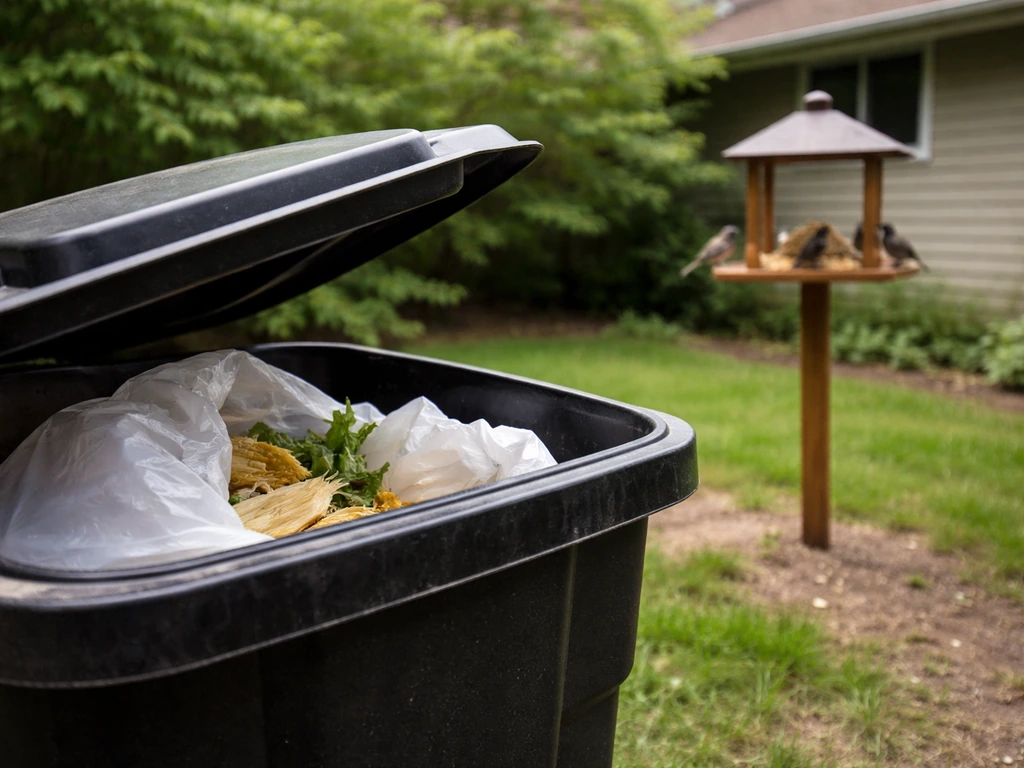
- Discourage roosting by removing food sources (uncovered trash, easily accessible bird feeders placed too close to the house), sealing eaves and gaps where birds might nest, and using physical deterrents like bird spikes on ledges.
- Clean up feathers and droppings from high-traffic areas (decks, patios, entranceways) regularly using the wet-then-disinfect method, not dry sweeping.
- If you have a backyard flock, keep wild birds away from your birds' food, water, and living space, and wash hands every time you handle your own birds or their environment.
For pet owners
- Train dogs to "leave it" around feathers and dead birds on walks. It's one of the most practically useful commands for dogs that explore outdoors.
- Check dogs and cats for feathers or debris in their coats after outdoor time, especially if they roam near roosting areas.
- If your pet brings a feather inside, treat it as contaminated: glove up, damp-pick it up, dispose of it, then clean the surface where it landed.
For car owners
- Park away from known roosting sites (large trees with visible droppings underneath, power lines with regular bird activity, building ledges with nests) when you have the option.
- If feathers or dropping debris accumulates on or near your car's air intake, clean it with a damp cloth and EPA-registered disinfectant before running the ventilation system, since the fan can pull aerosolized particles into the cabin.
- Keep a small pack of disposable gloves and a few moist cleaning wipes in your car for quick cleanup if needed.
The overall picture here is pretty reassuring. Bird feathers do carry germs, but mostly because of what they've been sitting in or near, not because feathers are inherently dangerous. Bird poop can also carry germs, but the main concern is exposure by breathing or getting contaminated dust and surfaces into your mouth or eyes bird poop carry disease. Handle them with basic hygiene habits, don't aerosolize the debris around them, and you're managing the realistic risk. Save the bigger precautions for bigger situations: cleaning out a long-neglected attic roosting space, handling sick or dead birds, or managing an active infestation. The everyday park feather just needs a good handwash afterward.
FAQ
Do bird feathers spread germs just by being in my house, like on a shelf or in a frame?
The main risk comes from disturbing dust that built up on the feather (or from anything it was contaminated with). If you place a found feather where it will not be handled often and you do not shake it, the practical infection risk is usually very low. If it was unclean when you brought it inside, consider sealing it in a bag or frame with a barrier and dusting the surrounding area instead of opening or shaking it.
What’s the safest way to clean a found feather if I want to keep it?
Avoid dry brushing, shaking, or dry vacuuming that can aerosolize particles. For “keep it” situations, the article’s approach is to mist it, bag it, and freeze it for 72 hours to reduce surface parasites, then store it where it won’t be handled repeatedly. If you need it visually cleaner, wipe surfaces gently with a slightly damp cloth rather than washing it aggressively or blowing it dry.
Is it worse if the feather is from a dead bird or a visibly sick bird?
Yes. A dead or sick bird increases the chance the feather surface is coated with infectious material and can also increase contamination in nearby feathers and feathers mixed with droppings. If you find feathers from a sick or dead bird, treat it like a higher-risk cleanup, avoid disturbing piles, and contact a wildlife or health professional if there’s more than a small amount.
How should I handle feathers if I have asthma or other breathing problems?
Even if no active infection occurs, feather dust and dander can trigger flare-ups. Use extra precautions: keep the feather from stirring dust, avoid bringing it into bedrooms, and consider having someone without breathing issues handle cleaning or disposal. If symptoms persist after minimal exposure, seek medical advice because the trigger could be allergy or irritant exposure rather than infection.
I accidentally touched a feather with my hands, then touched my face, what should I do?
Wash your hands promptly with soap and water, and try not to touch your eyes, nose, or mouth until after washing. If you got dust in your eyes, flush with clean running water. The highest-value action is preventing hand-to-face contact and removing contaminated residue from skin.
Can a feather cause infection through cuts in my skin?
That’s less common than inhaling contaminated dust. Still, if there are open cuts, avoid handling unknown feathers bare-handed, because surface contamination can enter through breaks in the skin. If you must handle it, wear disposable gloves, and clean the area immediately afterward.
Are feathers more dangerous than bird droppings themselves?
In most day-to-day situations, the bigger exposure comes from disturbed droppings and the dust they generate. Feathers can carry contamination, but they are usually a vehicle for what was on or near them, not the primary source by themselves. If you see dried droppings, focus on not aerosolizing them during removal rather than concentrating only on feathers.
Is vacuuming or sweeping ever okay for small amounts of bird waste and feathers?
Dry sweeping and vacuuming can aerosolize contaminated dust and feathers, increasing the chance it gets breathed in. If you must clean, use wet methods (dampening before pickup) or appropriate protective gear, and dispose of waste in a sealed bag. Avoid shaking materials dry.
How long should I wait to worry after finding a feather?
For most healthy people, the window of concern is short, because risk is tied to immediate dust exposure during cleanup or handling. If you develop respiratory symptoms soon after significant cleanup (especially involving lots of droppings, a large feather pile, or a sick bird), contact a clinician and mention the type of exposure.
My pet keeps chewing feathers or bringing them indoors, what’s the best next step?
For dogs and cats, chewing and ingesting feathers can expose them to bacteria, parasites, or fungal spores, and they may carry particles into your home. Stop the behavior, clean the area using wet methods to avoid dust, and contact a veterinarian if the pet ate a feather from a dead or visibly sick bird or if they develop vomiting, diarrhea, coughing, or lethargy.