Bird droppings can carry a surprisingly wide range of pathogens including fungi like Histoplasma and Cryptococcus, bacteria like Chlamydia psittaci (the cause of psittacosis) and Salmonella, and in rarer or more specific contexts, avian influenza viruses. The realistic risk to a healthy adult who steps in a dropping or finds a splatter on their car is genuinely low.
What Diseases Does Bird Poop Carry? Risks and Cleanup Steps

Marcus Fielding
13 Jun 2026
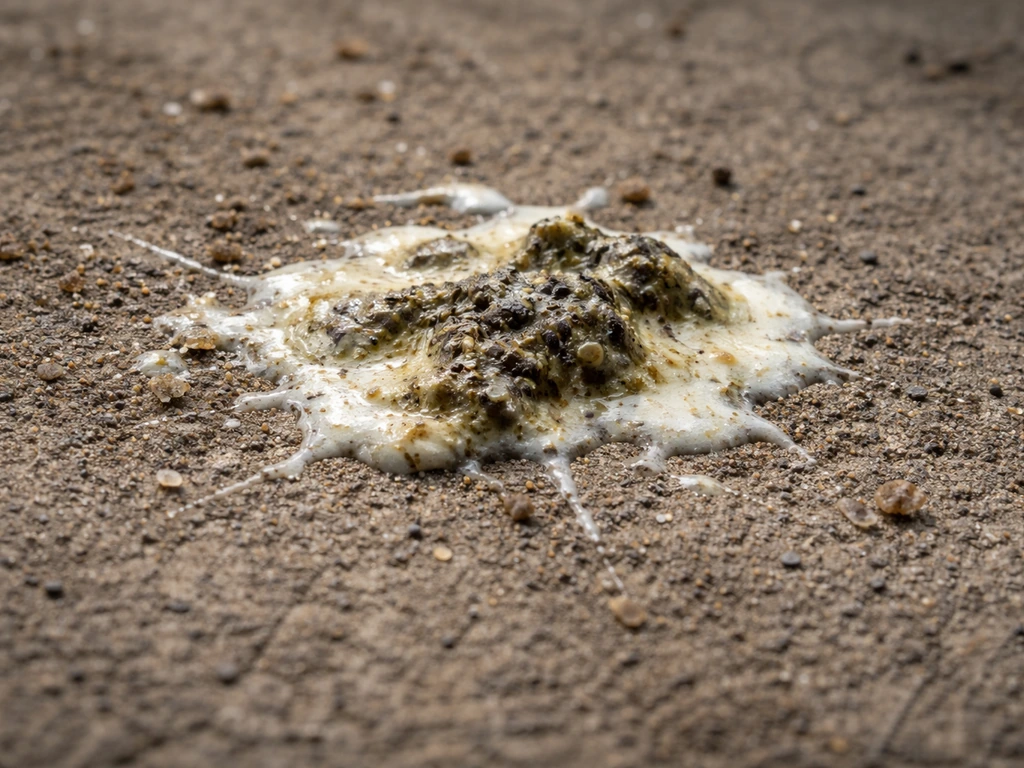
Where things get more serious is when dried droppings are disturbed and inhaled as dust, when there are large accumulations (think rooftop colonies or attic infestations), or when someone is immunocompromised. If you're wondering whether do bird droppings carry disease, the key is that the danger rises when dried droppings are disturbed and inhaled as dust, especially with large accumulations or in people who are immunocompromised.
That's the distinction that matters most, and everything else in this guide builds on it.
How transmission actually works (it's mostly about the dust)
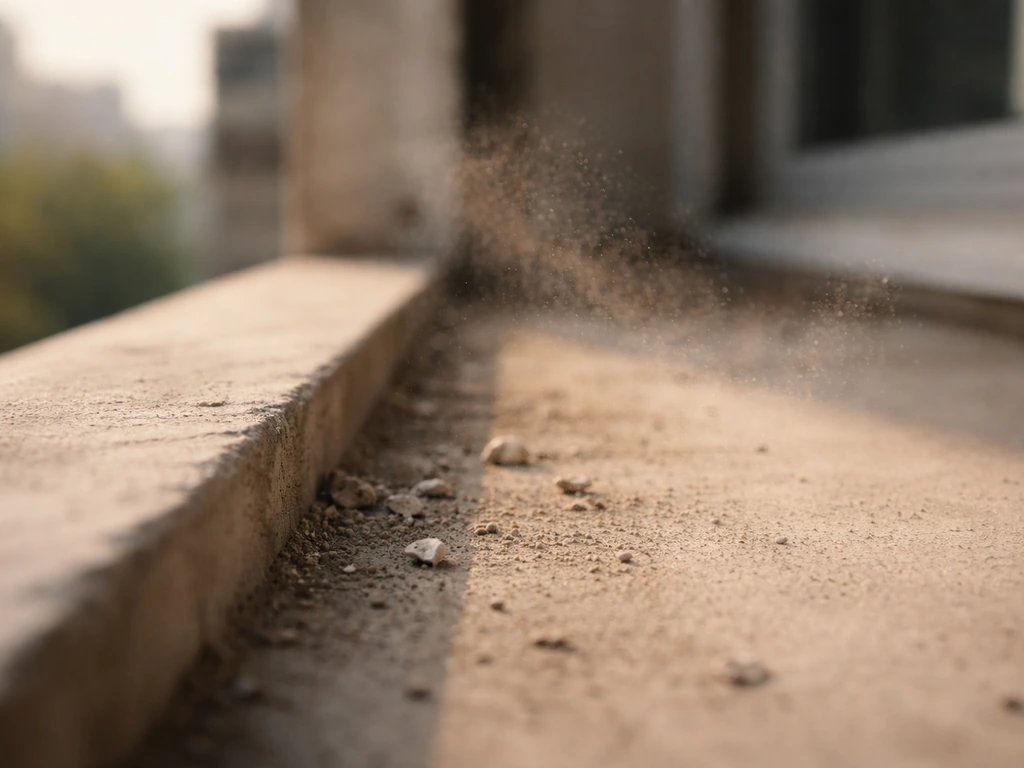
Most people imagine they'd catch something from bird poop by touching it and then touching their face, and while that fomite route is real (especially for Salmonella), it's actually not the main story. The more important transmission pathway for the most serious diseases is inhalation. When bird droppings dry out, they become brittle and dusty. Disturb them, sweep them, or run a fan over them, and you aerosolize tiny particles that carry live fungal spores or bacteria deep into your lungs. Histoplasma spores, for example, are only 1 to 5 micrometers in diameter, small enough to bypass your upper respiratory defenses entirely.
The three main routes worth knowing about are: inhalation of aerosolized dust from dried droppings (the highest-risk route for fungal and bacterial lung infections), direct contact with droppings followed by hand-to-mouth or hand-to-eye transfer (the main route for Salmonella and similar gut pathogens), and exposure to contaminated surfaces like bird feeders, cages, or coops. Person-to-person spread from these infections is exceedingly rare, so you're not going to pass histoplasmosis or psittacosis to your family just by getting exposed.
The pathogens: what's actually in there
Bird droppings don't carry every germ on the planet, but the list of what they can carry is worth knowing. Here's a practical overview of the main culprits.
| Pathogen | Type | Disease it causes | Main birds involved | Key risk factor |
|---|---|---|---|---|
| Histoplasma capsulatum | Fungus | Histoplasmosis | Starlings, blackbirds, pigeons | Disturbing large accumulations of dried droppings |
| Cryptococcus neoformans | Fungus | Cryptococcosis | Pigeons especially | Inhaling spores from dried pigeon dung |
| Chlamydia psittaci | Bacteria | Psittacosis (parrot fever) | Parrots, parakeets, pigeons, poultry | Inhaling dust from dried feces or respiratory secretions |
| Salmonella spp. | Bacteria | Salmonellosis | Wild songbirds, poultry | Touching contaminated droppings or feeders, then mouth |
| Avian influenza viruses | Virus | Avian flu (rare in humans) | Waterfowl, poultry | Close contact with infected sick or dead birds or feces |
| Campylobacter spp. | Bacteria | Campylobacteriosis | Poultry, wild birds | Fecal-oral contact with contaminated surfaces |
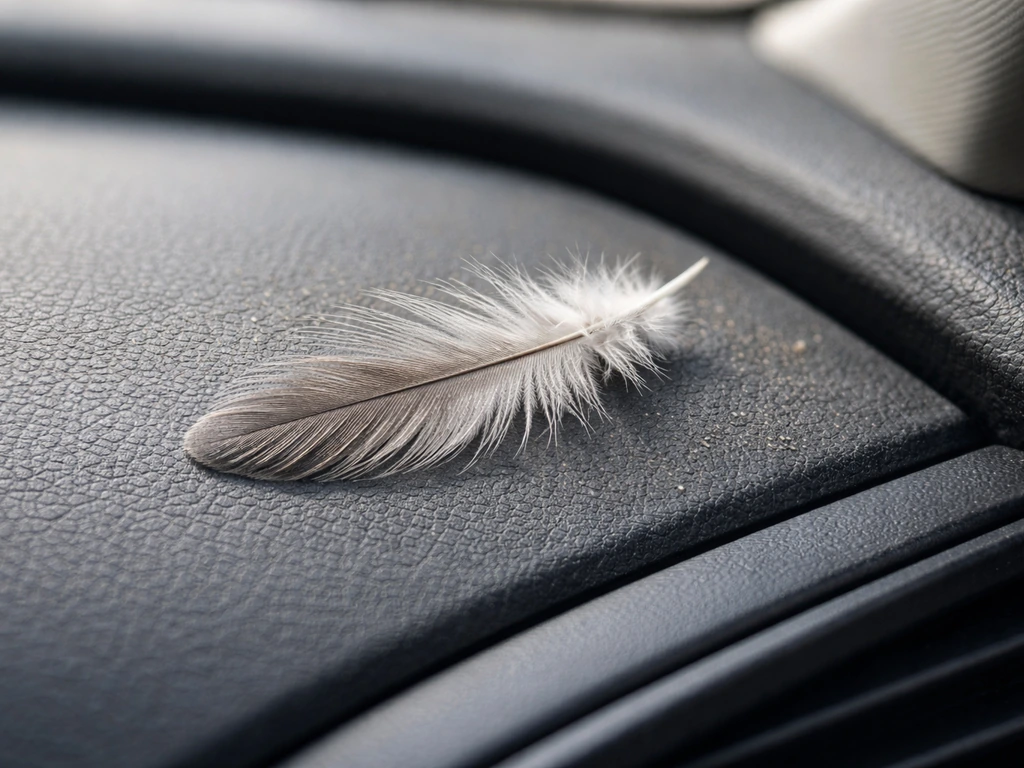
It's also worth noting that bird feathers themselves can harbor some of these same organisms, which is relevant for pet bird owners who handle birds frequently. Bird feathers can also act as a way some of these germs spread, especially when they get contaminated and then become dusty. And if you're wondering whether this extends to a cancer risk, that's a separate (and genuinely interesting) question tied to chronic irritation and some fungal infections, but the direct causation story is more nuanced than a simple yes or no.
Who is actually at risk, and in what situations
Not every encounter with bird poop is equal. Your risk depends heavily on how much you were exposed to, in what form (wet, dry, or aerosolized dust), and your own immune status. Here's how the risk actually breaks down across common real-world scenarios.
Large indoor infestations (attics, barns, abandoned buildings)
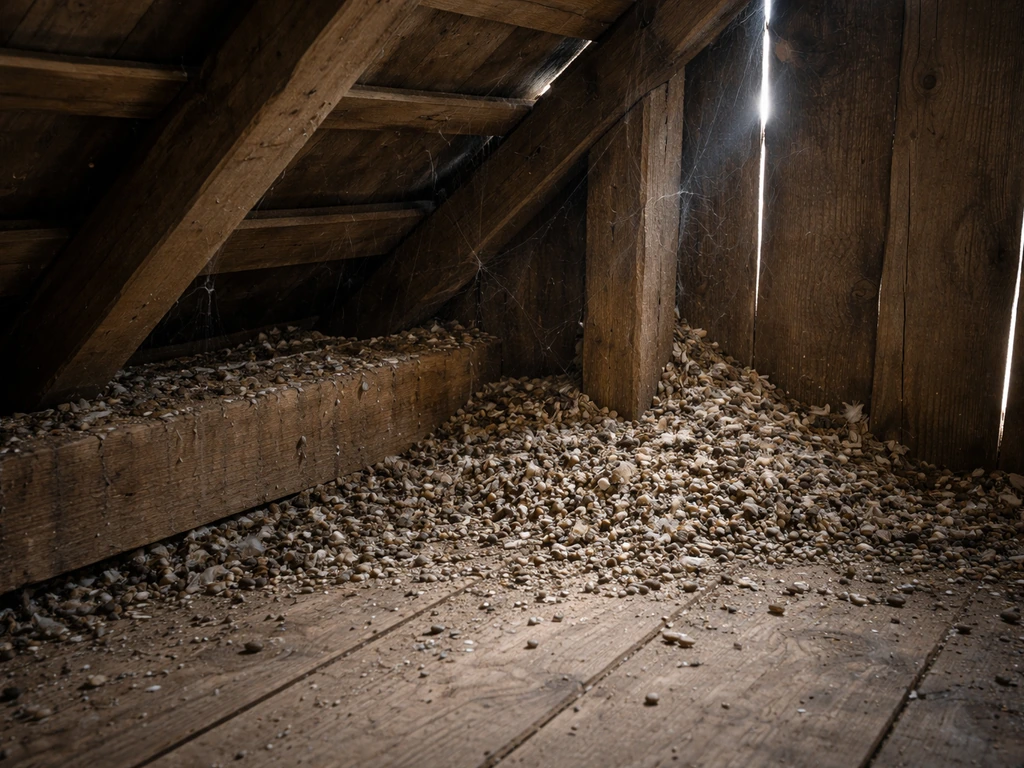
This is the highest-risk scenario by a wide margin. Starling or pigeon roosts in attics can produce years of accumulated droppings that are loaded with Histoplasma and Cryptococcus spores. When someone starts demo work, sweeping, or even just walking through, they kick up a dense cloud of contaminated dust. The CDC and NIOSH are explicit: this is the situation where serious respiratory fungal disease is most likely to occur, especially in people over 55 or anyone who is immunocompromised. If you find a large accumulation indoors, the safest first decision is often to leave it alone until you have a proper remediation plan.
Outdoor accumulations (rooftops, ledges, patios)
Outdoor roost sites still carry risk, especially during dry, windy conditions when dried droppings can become airborne without any human disturbance at all. Psittacosis from pigeon or poultry droppings is a real consideration here. That said, the open-air dilution of spores significantly reduces your inhaled dose compared to a confined attic space. A few droppings on your patio furniture are a hygiene issue, not a medical emergency, for most healthy people.
Pet bird owners
Psittacosis is the primary concern here. Parrots, parakeets, cockatiels, and other psittacine birds can carry Chlamydia psittaci and shed it in their droppings and respiratory secretions without appearing visibly sick. Cleaning cages without good ventilation or without wetting the dried material first is exactly how most pet-owner infections happen. The incubation period is 5 to 14 days, so the connection to your bird can be easy to miss.
Casual outdoor contact (car, sidewalk, park bench)
Getting hit by a bird on your car or shoulder is unpleasant, not dangerous, for a healthy adult. The main precaution is standard hand hygiene: wash your hands before eating or touching your face. The 'it's good luck' belief that circulates in many cultures might make people less likely to wash it off quickly, which is the one moment where folklore and health advice actually diverge. Wash it off. Good luck or not, Salmonella doesn't care about the superstition.
Immunocompromised individuals
If you're on immunosuppressive medications, undergoing chemotherapy, living with HIV, or have had an organ transplant, the calculus changes completely. Cryptococcal disease, disseminated histoplasmosis, and even psittacosis can become life-threatening at exposure doses that a healthy person would shrug off. People in this category should avoid all bird dropping cleanup activities and should discuss environmental exposures with their doctor proactively.
Symptoms to watch for after exposure
The tricky thing about most of these infections is that their symptoms overlap heavily with run-of-the-mill respiratory illnesses. That's not a reason to panic, but it is a reason to mention your exposure history to a doctor if you develop symptoms, because a standard community-acquired pneumonia workup won't automatically test for Histoplasma or Chlamydia psittaci.
- Histoplasmosis: fever, cough, fatigue, chest pain, shortness of breath, appearing 3 to 17 days after exposure. Most healthy people have mild illness or none at all; severe pneumonia is more common in the immunocompromised or after very heavy exposure.
- Psittacosis: fever, headache, muscle aches, dry cough, and sometimes pneumonia, appearing 5 to 14 days after exposure. Can range from mild flu-like illness to severe pneumonia requiring intensive care.
- Cryptococcosis: symptoms can take weeks to months to appear and may include headache, fever, cough, or in severe cases, signs of meningitis (stiff neck, confusion, sensitivity to light). Anyone who suspects cryptococcosis should see a doctor immediately.
- Salmonellosis: nausea, vomiting, diarrhea, abdominal cramps, and fever typically within 6 hours to 6 days of exposure. Usually resolves on its own in healthy adults within a week.
- Avian influenza (in rare human cases): fever, cough, sore throat, muscle aches, and potentially severe respiratory illness. Report any known exposure to sick or dead birds to your local health department.
The key thing to tell any doctor is exactly what you were exposed to and when. Because histoplasmosis looks like community-acquired pneumonia and psittacosis looks like a flu, clinicians may not suspect the real cause without that context. You're not being dramatic by mentioning that you cleaned out an attic full of bird droppings before getting sick.
How to clean up bird droppings safely
The single most important rule: never dry-sweep or dry-shovel bird droppings. That one action creates the exact airborne dust cloud that transmits the most dangerous pathogens. Everything else in the cleanup process flows from understanding that.
Small amounts on cars, patios, or outdoor furniture
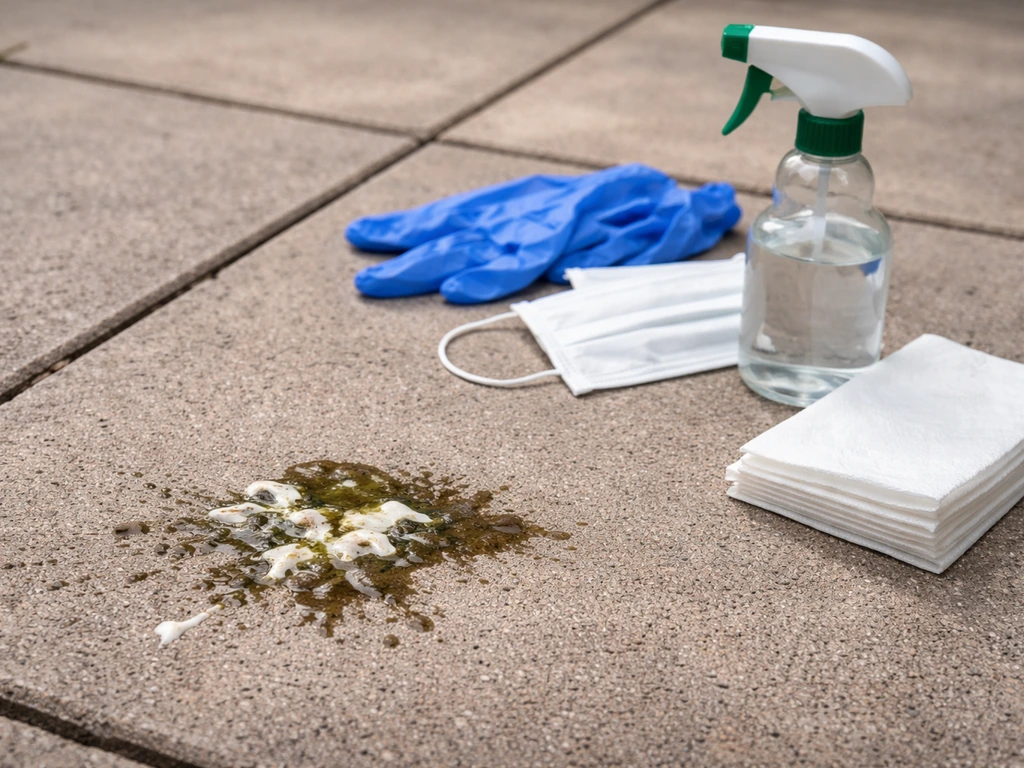
- Wear disposable gloves. Eye protection is sensible if there's any splash risk.
- Wet the droppings thoroughly with water (adding a small amount of dish soap helps break surface tension and further reduces dust). Let it soak for a minute.
- Wipe or scrape the softened material into a sealed plastic bag and dispose of it in the trash.
- Disinfect the surface with a diluted bleach solution (1 part bleach to 10 parts water) or a household disinfectant. Let it sit for a few minutes before rinsing.
- Remove gloves by turning them inside out, bag them, and wash your hands thoroughly with soap and water for at least 20 seconds.
Moderate accumulations outdoors (ledges, roofs, patios with regular roosting)
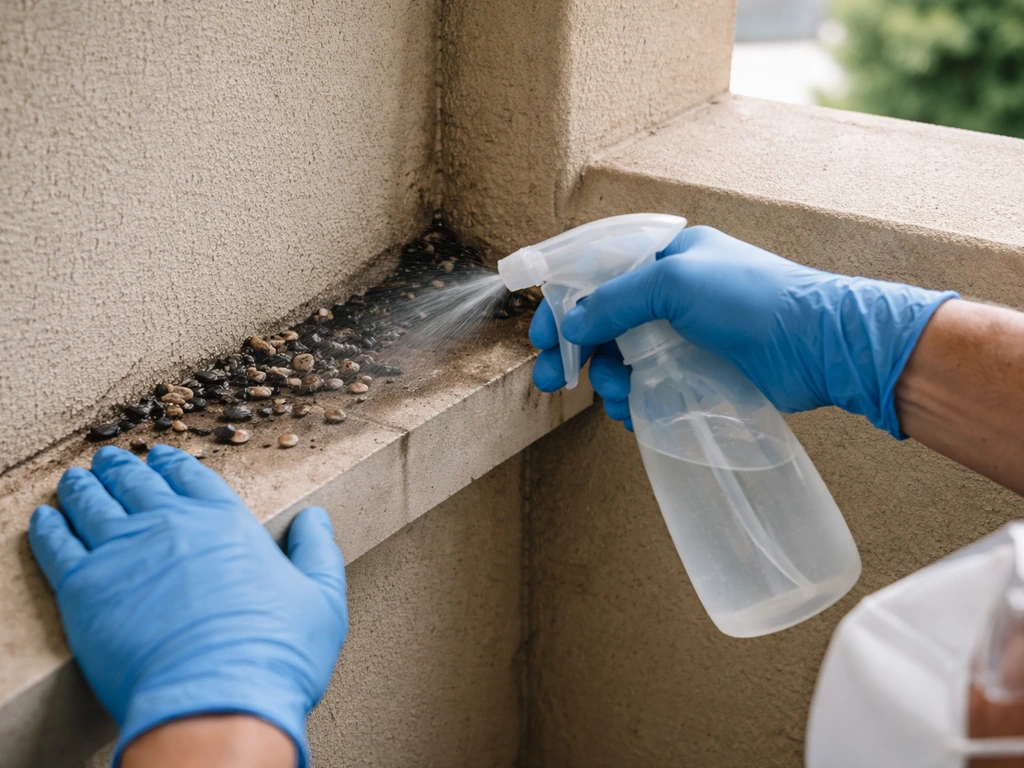
- Wear an N95 respirator (properly fit-tested if you're doing this regularly), disposable gloves, eye protection, and disposable shoe covers. Disposable coveralls are a good idea if the accumulation is significant.
- Spray the entire area with water before doing anything else, wetting the material thoroughly. A surfactant added to the water can reduce aerosolization further.
- Scoop or scrape the wetted material into heavy-duty garbage bags. Seal them immediately.
- Use a wet-mopping technique or a vacuum with a HEPA filter for residual dust. Do not use a standard shop vac without HEPA filtration.
- Disinfect the cleaned surface.
- Bag all disposable PPE before removing it, and wash work clothes immediately and separately from household laundry.
- Wash hands and any exposed skin thoroughly.
Large indoor infestations (attics, wall cavities, barns)
Be honest with yourself here: if there's a large accumulation of droppings in an enclosed space, this is a job for professional remediators who have industrial HEPA vacuums, proper respiratory protection programs (which include medical evaluations and fit testing, not just owning an N95), and appropriate disposal protocols. The CDC and NIOSH are clear that even construction or excavation near previously contaminated soil can aerosolize Histoplasma, let alone directly cleaning an infested attic. If the accumulation is in a place where people aren't regularly going, leaving it undisturbed and sealing off access may genuinely be the better option until you can get professional help.
Bird cages and pet bird areas
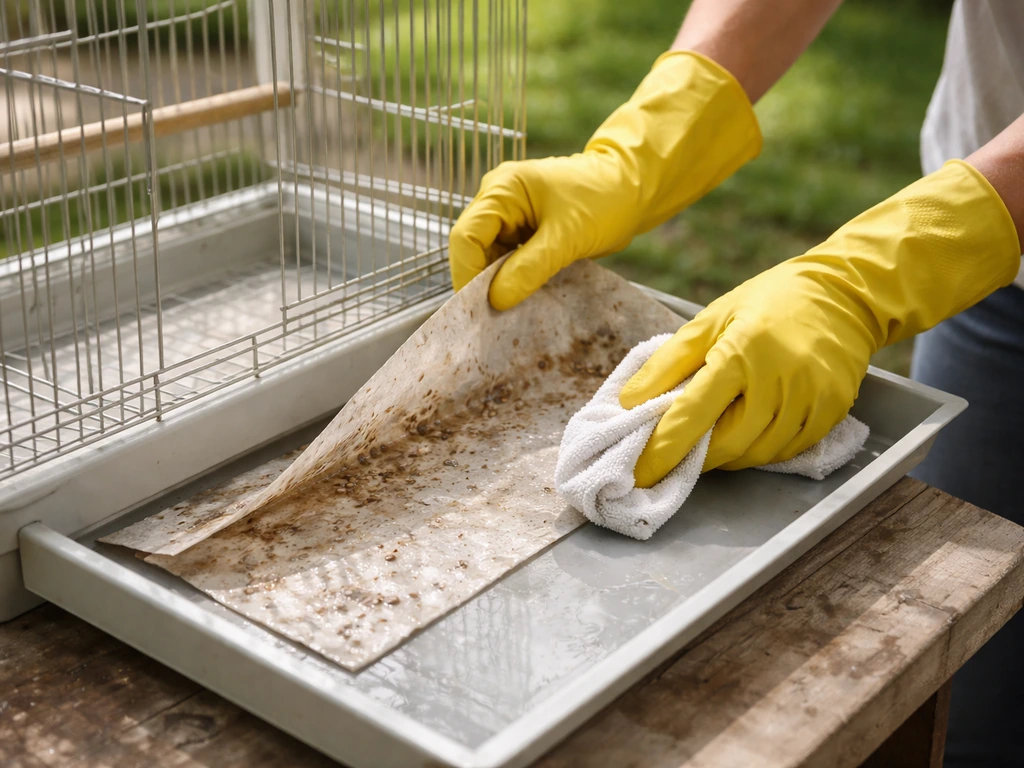
- Clean cages in a well-ventilated area, ideally outdoors.
- Wear gloves and, if your bird has been ill, a mask.
- Wet cage liners and tray surfaces before removing them to prevent dried material from becoming airborne.
- Disinfect cage surfaces with a bird-safe disinfectant or diluted bleach, rinse well, and dry before returning the bird.
- Wash hands thoroughly after every cage cleaning session.
When to get medical care
Most healthy adults who have incidental contact with bird droppings (a splat on the car, a smear on a park bench) don't need medical attention at all. But there are clear situations where you should call a doctor rather than waiting it out.
- You cleaned up or disturbed a large accumulation of bird droppings (especially indoors) and develop fever, cough, or chest discomfort within 3 to 17 days. Tell your doctor specifically what you were doing.
- You own or work around parrots, pigeons, or other birds and develop a flu-like illness with fever, headache, and dry cough 5 to 14 days after close contact. Mention your bird exposure.
- You develop a headache, stiff neck, fever, or confusion at any point after significant exposure. These could signal cryptococcal meningitis and should be evaluated urgently.
- You're immunocompromised and had any meaningful exposure to bird droppings, whether or not you have symptoms yet.
- Gastrointestinal symptoms (diarrhea, vomiting, cramps) are severe, bloody, or persist beyond a week after contact with bird droppings or contaminated feeders.
- You had direct contact with sick or dead birds and develop any respiratory or flu-like symptoms. Report this to your local or state health department, not just your doctor.
The recurring theme is to mention your exposure. Histoplasmosis can look exactly like community-acquired pneumonia on a chest X-ray, and psittacosis symptoms resemble many other respiratory infections. Doctors need the context to order the right tests. You're helping them help you by being specific about what happened.
How to prevent contamination and stop birds from coming back
Cleaning up once is only half the job. If birds keep roosting in the same spots, you'll be back to the same problem within weeks. Here's how to reduce ongoing exposure risk.
Exclusion and deterrence
- Seal entry points to attics, eaves, and wall cavities after professional remediation. Birds return to familiar roost sites reliably if access remains.
- Install physical deterrents like bird spikes, anti-roosting strips, or bird netting on ledges, rooftops, and beams where congregating is a problem.
- Use visual deterrents (reflective tape, predator decoys) for outdoor areas, though these tend to lose effectiveness over time as birds habituate to them.
- Keep outdoor areas less attractive: remove water sources where practical, clean up food debris, and remove dense vegetation adjacent to structures where birds nest.
Bird feeders and pet birds
- Clean bird feeders every one to two weeks with a diluted bleach solution (1: 10 bleach to water), rinse well, and let dry before refilling. Contaminated feeders have been directly linked to human Salmonella outbreaks.
- Position feeders away from high-traffic human areas so droppings accumulate away from where people walk or sit.
- For pet birds, maintain a regular cage-cleaning schedule and take any change in a bird's behavior or droppings seriously as a potential health signal, for both the bird and yourself.
- Wash hands after handling any bird or bird-related equipment, every time, without exception.
Personal habits that matter
- Never eat, drink, or touch your face while working around bird droppings or recently cleaned areas.
- Keep children and pets away from areas with visible droppings until cleanup is complete.
- If you work in an occupation with regular exposure (pest control, building maintenance, wildlife management), talk to your employer about a formal respiratory protection program rather than improvising with a dust mask.
- After any significant cleanup, shower and change clothes before re-entering living areas.
Bird droppings genuinely do carry pathogens that can make people sick, particularly through inhalation of dried, aerosolized material. But the level of risk scales dramatically with the size of the exposure, the setting, and your individual health. A single dropping on your windshield is not a crisis. An attic full of pigeon roost material that you're about to shovel out without protection is. Treat those two situations accordingly, and you'll handle both the health risk and the cleanup with the right level of response.
FAQ
How do I know if my situation counts as “high accumulation” versus just a small splash?
A practical cutoff is whether you can see a buildup layer or stain that covers more than a few square inches, especially in an enclosed space (attic, garage, shed). If you would need to scrape, shovel, or sweep, treat it as higher risk and plan a wet-down approach or professional remediation, because disturbed dry material is what drives airborne exposure.
Is an N95 mask enough if I have to clean up bird droppings outdoors?
For small, wetted cleanups outdoors, a well-fitting N95 may reduce inhalation exposure, but the mask has to be properly fitted and you should avoid creating dust by not brushing or dry-sweeping. If the area is large, sheltered, windy, or you feel you might stir up dried material, consider higher-level respiratory protection and, for enclosed jobs, follow a professional program rather than relying on a single mask.
What if the droppings are wet or recently deposited, does that eliminate the risk?
Wet droppings usually create far less airborne dust, which lowers inhalation risk. Still, contact transfer remains possible, so gloves and hand hygiene matter. If the material is drying or has dried around the edges, assume dust can form if you disturb it and wet it down before touching.
Can I get sick just by cleaning my bird feeder or cage, without being around lots of droppings?
Yes, but risk is usually lower than major roost cleanups. The main avoidable mistake is scrubbing or shaking dried residue so it becomes airborne. Wetting surfaces first, using dedicated tools, and cleaning in good ventilation can reduce exposure, and disinfectants alone do not prevent inhalation if dust is generated.
How long should I wait to use a room again after a droppings cleanup?
If you disturbed dried material, give it time to settle and ventilate the area before reoccupying, especially for attics or enclosed garages. A common safe approach is to remove materials using wet methods and then ventilate thoroughly, using HEPA filtration if available; if you still smell strong odors or see residue, assume remaining contamination and reassess.
What symptoms should make me call a doctor, and how soon after exposure?
If symptoms appear within days to weeks after a known exposure, call your clinician and mention the bird droppings cleanup or bird contact. Seek prompt care for fever, shortness of breath, worsening cough, chest pain, or symptoms that do not improve like typical “cold or flu,” since some illnesses can mimic community-acquired pneumonia or influenza.
What should I tell the doctor so they order the right tests?
Be specific about (1) where the exposure happened (attic, rooftop, cage area), (2) whether material was dried and aerosolized (sweeping, demolition, walking through), (3) the approximate date and duration, and (4) your risk factors (age, immune status, medications). This context helps clinicians consider targeted testing instead of treating it as routine pneumonia.
Are kids, older adults, or people with asthma at higher risk even if they are not immunocompromised?
They can be. While the article focuses on immunocompromised risk being highest, asthma or chronic lung disease can make symptoms more severe after respiratory irritation or infection. For children and older adults, the safest approach is minimizing dust generation, keeping them out of the area during cleanup, and seeking medical advice sooner if symptoms develop.
Does pet bird droppings exposure affect more than just humans, like other pets?
It can. Dust from contaminated feathers or droppings can expose other animals, and sick birds may shed pathogens through respiratory secretions. If there are signs of illness in the bird (especially breathing trouble), separate the bird from household areas during cleaning and consider veterinary evaluation rather than only treating the environment.
Can I throw contaminated droppings and bedding in regular trash?
Often you should bag and seal waste to limit dust release during disposal. For large accumulations or enclosed-space jobs, follow local guidance and the remediation plan, because improper disposal can aerosolize particles during handling. If you are doing a professional cleanup, their disposal protocols typically include sealed containers and controlled removal.
What is the single biggest cleanup mistake to avoid?
Dry-sweeping, dry-shoveling, or using a method that creates airborne dust. Even small attempts to “speed up” the job by brushing or using a fan can turn settled contamination into inhalable particles, which is the main driver of serious respiratory fungal and bacterial risk.