Bird poop does not directly cause cancer. There is no credible scientific or public health evidence showing that ordinary exposure to bird droppings gives you cancer. The real health risks from bird droppings are infectious diseases, particularly fungal and bacterial ones, not malignancy. That said, there are specific, narrow circumstances where repeated heavy exposure to contaminated material could theoretically create conditions worth paying attention to, so it makes sense to understand what you're actually dealing with.
Does Bird Poop Cause Cancer? Evidence, Risks, Cleanup Tips

Marcus Fielding
4 Jun 2026
What the science actually says about bird poop and cancer
The cancer question usually comes up because people know bird droppings contain nasty stuff and assume the worst. But when you look at what public health agencies and cancer research bodies actually say, there's no classification of bird droppings as a carcinogen. The International Agency for Research on Cancer (IARC), which is the gold standard for evaluating cancer-causing hazards, publishes a comprehensive database of classified agents. Bird droppings do not appear on it. IARC is also careful to distinguish between hazard identification (does something have the theoretical potential to cause cancer?) and risk assessment (is your actual exposure level enough to meaningfully increase your risk?). Those are very different things, and people often conflate them.
The closest you can get to a cancer-adjacent concern is chronic, severe lung damage from repeated, untreated fungal infections like histoplasmosis. Severely damaged lung tissue from any cause can increase certain risks over time, but this is a long chain of events requiring repeated heavy exposure, failure to treat infection, and significant lung scarring. For the vast majority of people who encounter bird droppings in everyday life, this chain never even starts. So the honest bottom line: bird poop is not a cancer risk in any practical, everyday sense.
What's actually in bird droppings
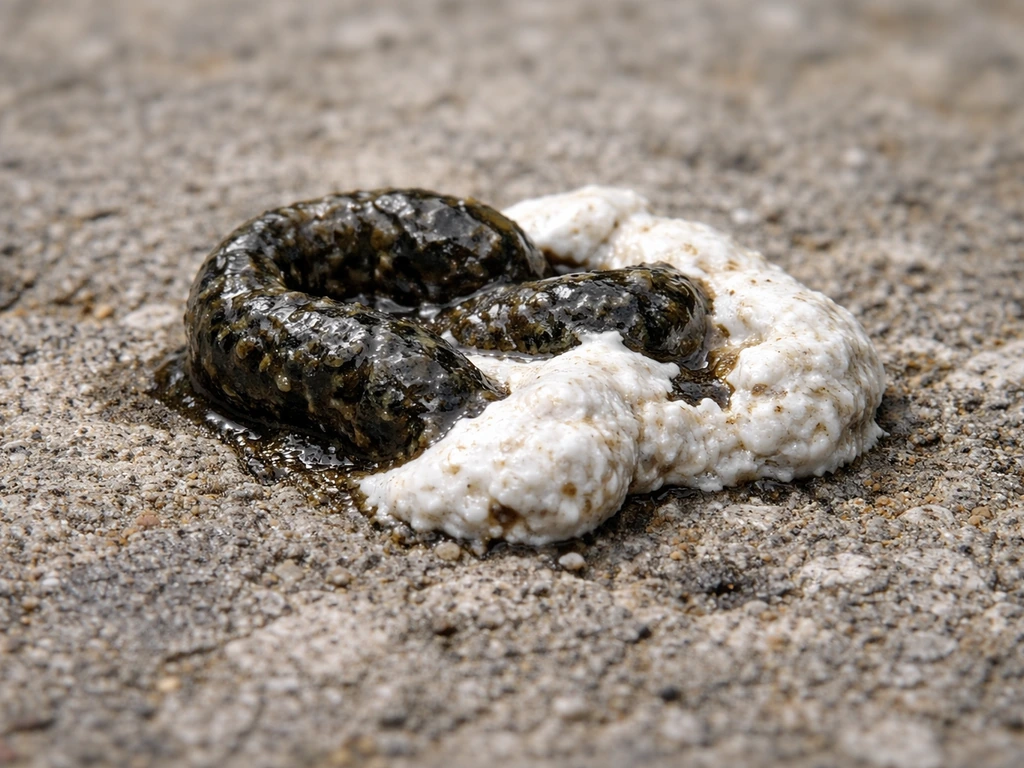
Bird droppings are a mix of fecal matter, urates (the white chalky part, which is the bird equivalent of urine), and various microbial passengers. The microbes are the part worth knowing about. Fresh droppings can carry bacteria like Salmonella and Chlamydia psittaci (the pathogen behind psittacosis), while dried droppings can harbor fungal spores, most notably Histoplasma capsulatum, the fungus behind histoplasmosis. Beyond microbes, droppings can also contain parasites and, in high-accumulation environments, significant concentrations of uric acid that corrodes surfaces.
How you actually get exposed matters a lot. There are four main routes:
- Inhalation: The biggest risk. When dried droppings are disturbed, microscopic particles and fungal spores become airborne. Sweeping, scraping, or demolishing areas with accumulated droppings is the classic high-risk scenario.
- Skin contact: Generally low risk for healthy skin, but droppings on open cuts or mucous membranes can allow entry of pathogens.
- Ingestion: Rare but possible if you touch contaminated surfaces and then touch your mouth without washing your hands.
- Hand-to-surface contamination: Touching droppings and then handling food, touching your face, or handling pets can spread bacteria like Salmonella.
Dry, dusty, aerosolized droppings are the scenario that public health agencies worry about most. The CDC and NIOSH specifically call out construction, excavation, and demolition in areas with bird or bat droppings as high-risk situations because those activities kick spores into the air at scale. A weekend DIY cleanup of a small bird mess on your car is a completely different exposure level.
The disease risks that actually matter
Bird droppings are more strongly linked to a handful of specific infections than to any kind of cancer risk. Common questions like “what diseases does bird poop carry” are answered by focusing on specific infections rather than a cancer risk. These are the ones worth knowing about, especially if you have pets, live in a roosting-heavy area, or work around birds.
Histoplasmosis
This is the big one. Histoplasma capsulatum is a fungus that thrives in soil and organic material enriched by bird (and bat) droppings. When dried, contaminated material is disturbed, spores become airborne and can be inhaled. Histoplasmosis is a lung infection caused by breathing in spores of the fungus Histoplasma that are found in the environment, often associated with bird and bat droppings [spores become airborne and can be inhaled](https://www.
cdc. gov/histoplasmosis/index. html). When bird feathers are contaminated and become dusty, the same airborne fungal spores can be a concern, so proper hygiene and cleanup still matter bird droppings.
Most people who breathe in the spores never get sick, but some develop acute pulmonary histoplasmosis. Symptoms typically appear 3 to 17 days after exposure and include fever, cough, fatigue, headache, chest pain, and chills. Symptoms typically appear [3 to 17 days after exposure](https://www. cdc.
gov/histoplasmosis/hcp/clinical-overview/) and include fever, cough, fatigue, headache, chest pain, and chills. People with weakened immune systems can develop a severe, disseminated form. The CDC MMWR documented an outbreak tied to renovating an old house with bat colonies where 14 of 30 exposed people developed respiratory symptoms consistent with histoplasmosis, all from disturbed dried droppings.
Psittacosis (parrot fever)
Psittacosis is caused by the bacterium Chlamydia psittaci, which infected birds shed in their droppings and respiratory secretions. It's most common in people who handle birds directly, like pet owners, pet store workers, and poultry farmers. Symptoms usually show up within 5 to 14 days of exposure and can look like a bad flu or pneumonia. It's treatable with antibiotics, but you need a doctor to diagnose it.
Salmonellosis and other bacterial infections
Birds can carry Salmonella in their intestines and shed it in droppings. Contamination of hands, food prep surfaces, or pet food areas is the usual route to human infection. Symptoms are gastroenterinal and typically resolve on their own, but young children, elderly people, and immunocompromised individuals can get seriously ill.
For a deeper look at the full range of pathogens associated with droppings, the related topics on what diseases bird poop carries and whether bird droppings carry disease cover the wider picture in more detail. If you want the broader list, see what diseases bird poop carries and how exposure level changes the risk.
Who's at higher risk
- Immunocompromised people (those on chemotherapy, living with HIV/AIDS, or taking immunosuppressants)
- People doing construction, demolition, or renovation in areas with accumulated droppings
- Workers or hobbyists with frequent, close bird contact
- People cleaning enclosed, poorly ventilated spaces where droppings have built up
- Those living in regions where Histoplasma is endemic (Ohio and Mississippi River valleys in the US, for example)
How to clean up bird poop safely
The number one mistake people make is dry sweeping or brushing bird droppings. That's the fastest way to turn a low-risk surface mess into an airborne hazard. Always wet the material first. Here's how to handle it in the most common situations.
Outdoor surfaces (patios, sidewalks, walls, and fences)
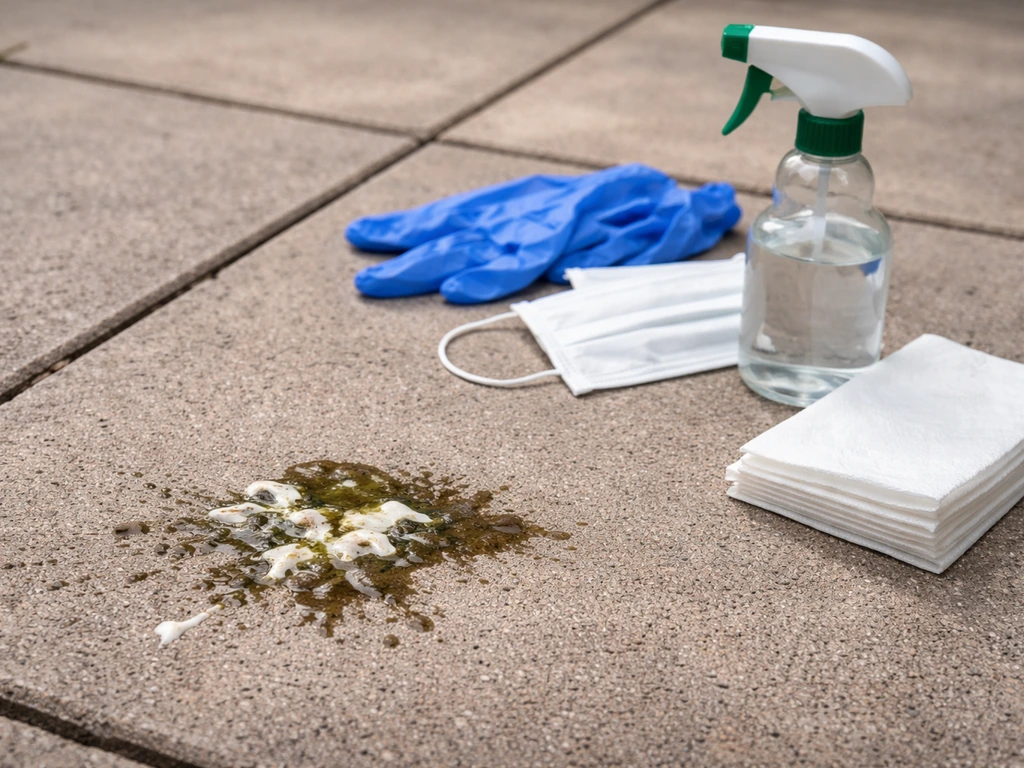
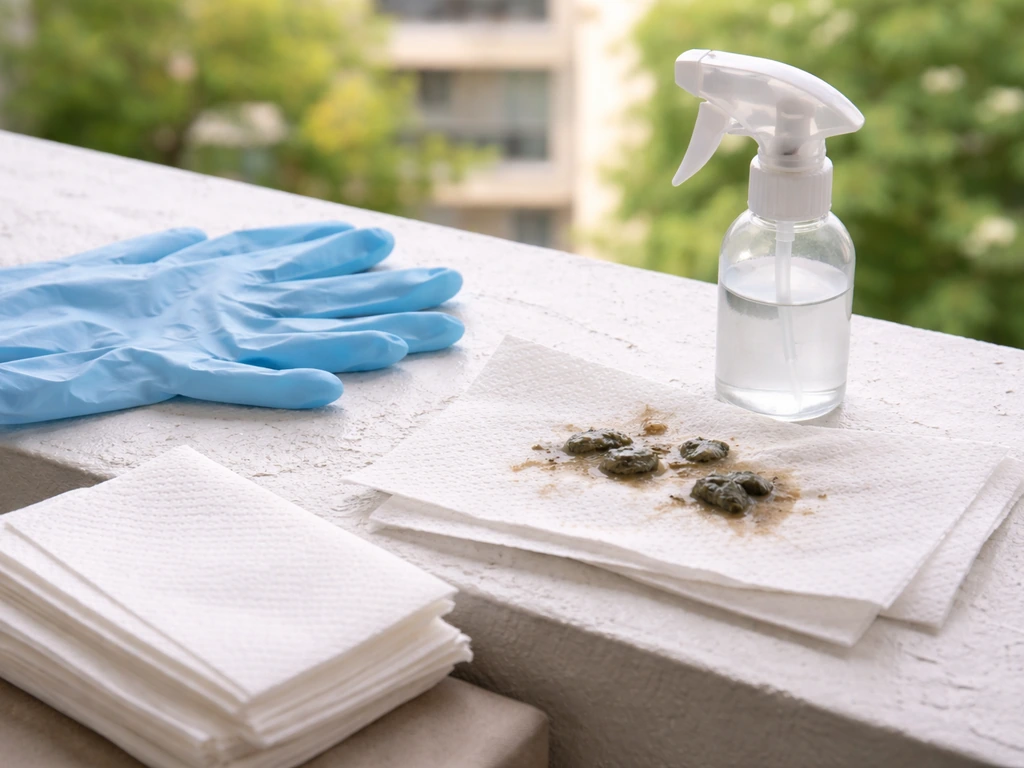
- Put on disposable gloves before you start. A basic dust mask or N95 is a good idea for larger accumulations.
- Spray the droppings thoroughly with water or a dilute bleach solution (about 1 part bleach to 10 parts water) and let it soak for a couple of minutes. This wets the material and kills surface pathogens.
- Wipe or scrape the softened material into a plastic bag using paper towels or a disposable tool.
- Seal the bag and dispose of it.
- Disinfect the surface again with your bleach solution or an EPA-registered disinfectant.
- Wash your hands with soap and water for at least 20 seconds, even if you wore gloves.
Your car
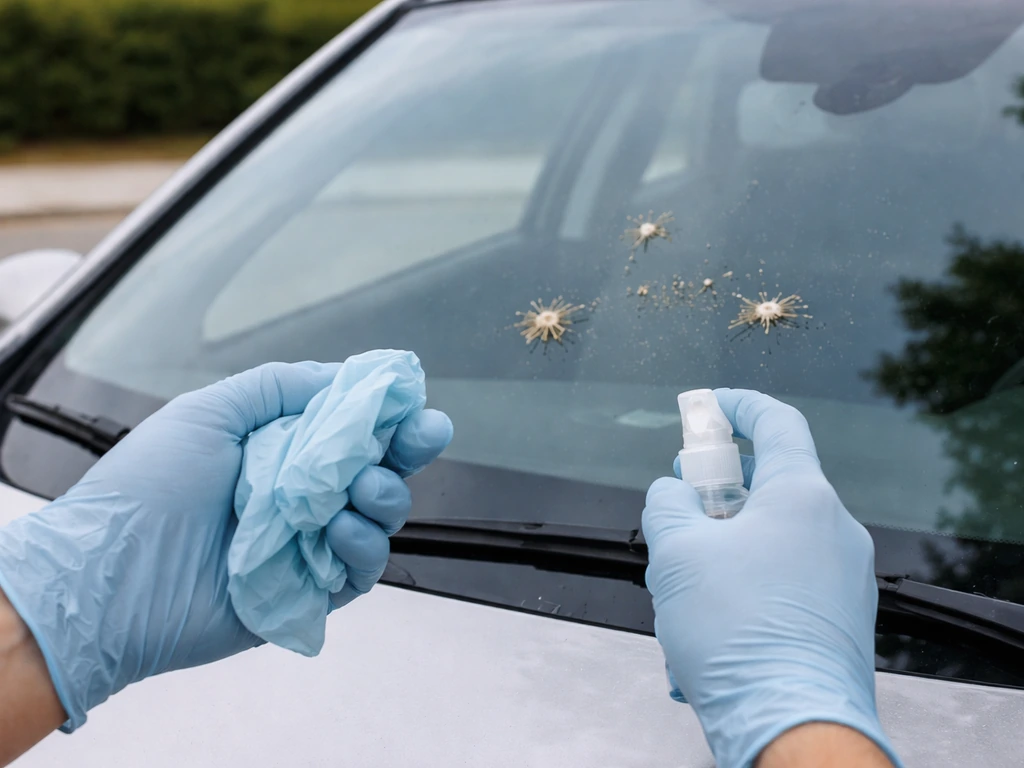
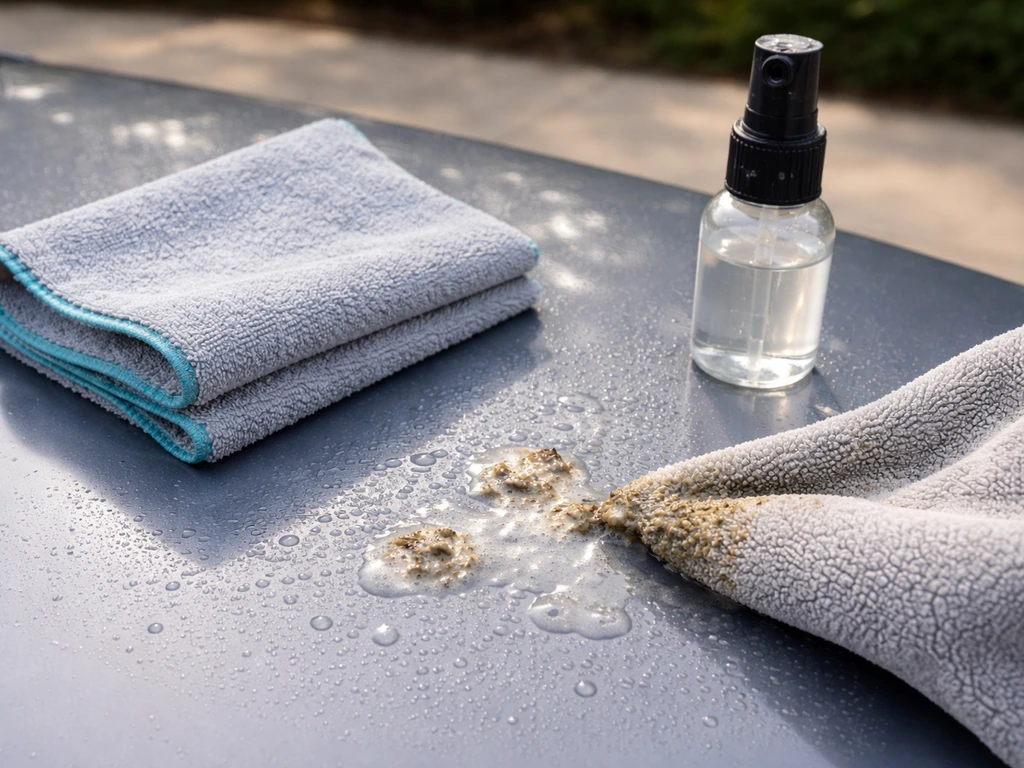
Bird poop on a car is mostly a paint-damage problem rather than a health hazard, but you still don't want to brush dry droppings and breathe the dust. Use a dedicated car detailing spray or plain water to soften the dropping first, then blot (don't rub) with a microfiber cloth. Rinse well. For stubborn spots, a waterless car wash spray left to soak for 30 seconds usually does it. Wash your hands afterward.
Indoor or enclosed areas with significant accumulation
This is where you need to take it seriously. Attics, barns, old sheds, or any enclosed space where birds have been roosting for a long time can have heavy accumulations with significant fungal spore loads. For any indoor cleanup involving more than incidental droppings:
- Wear an N95 or P100 respirator (not just a surgical mask), disposable gloves, and eye protection.
- Open windows and doors for ventilation before starting, but don't use fans that blow air toward you.
- Wet all material thoroughly before disturbing it.
- Consider calling a professional remediation service for large infestations. This isn't excessive caution, it's the right call.
Clothing and fabrics
If bird droppings land on your clothing, let the material dry slightly so it doesn't smear, then scrape off the bulk with a dull tool. Pre-treat the stain with laundry stain remover, then wash on the hottest setting the fabric can tolerate. Wash those clothes separately from the rest of your laundry and wash your hands after handling them.
Pet areas (cages, runs, and outdoor areas)
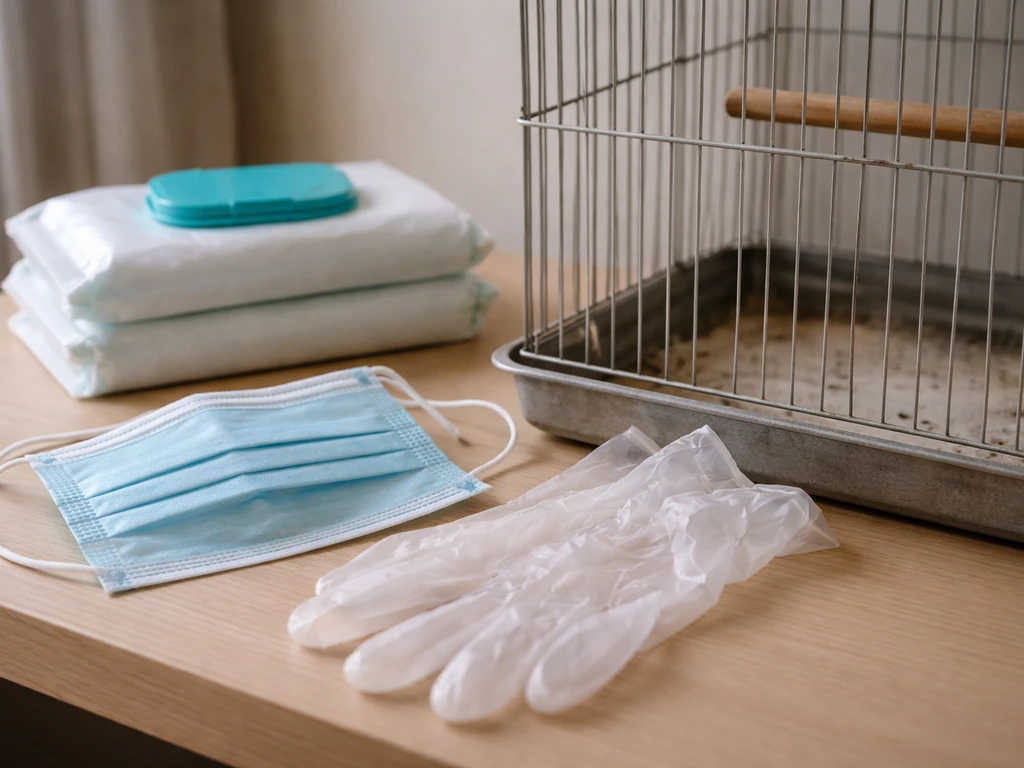
For bird cages or areas where pet birds live, wear gloves and a mask during cleaning, wet the material before removing it, and disinfect surfaces with a bird-safe disinfectant. For outdoor dog runs or areas where wild birds frequently land, regular hosing down keeps accumulation manageable and reduces fungal spore buildup. The CDC recommends washing hands thoroughly after handling birds, their droppings, or anything in their living space.
When to actually worry and see a doctor
Most casual encounters with bird droppings, stepping in something, a dropping landing on your arm, cleaning up a few spots off a window, require nothing more than basic hygiene. But there are situations where you should pay attention.
| Situation | What to do |
|---|---|
| You cleaned an enclosed area with heavy accumulations without respiratory protection | Monitor for fever, cough, chest pain, or fatigue in the 3 to 17 days after exposure. See a doctor if symptoms develop and mention the exposure. |
| You develop flu-like symptoms 5 to 14 days after significant bird contact or droppings exposure | See a doctor. Mention the exposure specifically. Psittacosis and histoplasmosis both require targeted treatment. |
| You are immunocompromised and had any significant exposure to droppings | Contact your doctor proactively. Don't wait for symptoms. |
| A child ingested material that may have been contaminated with droppings | Call Poison Control or your pediatrician. Describe what happened. |
| You have persistent respiratory symptoms (cough lasting more than 2 to 3 weeks) with no other explanation | See a doctor and mention any relevant bird or droppings exposure in recent months. |
The key symptom windows to know: histoplasmosis symptoms typically emerge 3 to 17 days after exposure, and psittacosis symptoms usually appear within 5 to 14 days. If you've had significant exposure and feel unwell in those windows, that timeline is useful information to give your doctor.
Keeping birds away and preventing buildup
The CDC and NIOSH explicitly state that preventing droppings from accumulating in the first place is the best way to reduce exposure risk. That's easier said than done, but there are practical steps that actually work.
For your home and outdoor spaces
- Install physical deterrents on favorite roosting spots: bird spikes on ledges, slopes, or gutters make landing uncomfortable without harming birds.
- Use reflective tape, old CDs, or reflective pinwheels near problem areas. Birds dislike unpredictable light reflection.
- Seal gaps and entry points in attics, eaves, and soffits to prevent indoor roosting before it starts. This is far easier than remediation after the fact.
- Remove food sources like accessible garbage, open compost, or spilled pet food that attract birds to specific areas.
- Bird netting is effective for large areas like gardens, fruit trees, or balconies.
For your car
- Park in a garage or under a carport when possible, especially when trees or power lines overhead are popular bird perches.
- Use a car cover if you park outside regularly under problem trees.
- Apply a car wax or paint sealant regularly so droppings don't bond to the clear coat and are easier to remove quickly.
What prevention can't do
Be realistic. If you live in an area with a large bird population, you will encounter droppings. The goal isn't a sterile environment, it's keeping accumulations manageable and knowing how to handle cleanup safely when it happens. Chasing birds away aggressively with methods that harm them is both illegal for many species and ultimately ineffective. Consistent, humane deterrents combined with regular, safe cleanup is the practical long-term approach.
FAQ
If bird poop is not a cancer risk, do I still need to worry about it if I touch it once or twice?
For most people, brief contact with a small amount is mainly a contamination and infection concern. Wash hands with soap and water, avoid touching your face, and clean any small surface with appropriate household cleaner. If you got droppings into an open cut, rinse thoroughly and monitor for infection symptoms rather than cancer risk.
What should I do if bird poop splashes in my eyes or on broken skin?
Rinse immediately with clean running water for several minutes, remove any contaminated contact lenses, and wash surrounding skin. Because droppings can carry microbes, consider contacting a clinician, especially for broken skin, eye exposure, or if you are immunocompromised.
Does cleaning bird poop indoors increase risk compared with outdoor cleanup?
Yes, indoor risk is higher when droppings accumulate and dry out because spores are more likely to become airborne when disturbed. In garages, attics, barns, or sheds with heavy roosting, avoid dry sweeping, use wet cleanup methods, ventilate the area, and consider professional help if the buildup is extensive or the space is confined.
Are masks and gloves enough, or do I need respiratory protection like an N95?
For small, incidental messes, gloves plus careful wet cleanup and ventilation are often sufficient. For larger indoor cleanups, attic-like spaces, or dusty situations where material may become airborne, an N95 (or higher) can provide extra protection, but the key step is still preventing dust by wetting and not disturbing dried material.
How long do fungal spore risks last after droppings are cleaned up?
Spores can remain in contaminated dust or organic residue until it is removed or properly cleaned, which is why preventing spread and re-aerosolization matters. After cleanup, damp-wipe adjacent surfaces and dispose of materials sealed in bags, then wash hands and clothing. If there was a heavy, long-term accumulation, prolonged recontamination can happen if residue remains.
Can pets catch diseases from bird droppings even if humans are not getting sick?
Yes. Pets can be exposed through contact and grooming, and some of the main droppings-associated infections can affect animals too. Keep pets away from the cleanup area, prevent them from eating contaminated material, and consult a veterinarian if your pet shows fever, coughing, GI symptoms, or unusual lethargy after exposure.
When should I call a doctor after being exposed, and how do I explain it?
Call promptly if you are immunocompromised, pregnant, have significant lung disease, or if you develop compatible symptoms after substantial exposure. Use the symptom timing as context: histoplasmosis often appears about 3 to 17 days after exposure, psittacosis about 5 to 14 days. Tell the clinician when exposure happened and what type of situation it was (for example, dusty cleanup in an enclosed space).
Is it safe to use household disinfectants on bird droppings, or will that create more aerosol?
The main driver of exposure is disturbing dried material, not the brand of disinfectant. Apply water first to suppress dust, then clean, and after removal disinfect surfaces. Spraying disinfectant onto dry droppings without wetting can spread particles, so avoid dry misting.
What are the best disposal steps for droppings and cleanup materials?
Bag contaminated towels, cloths, gloves, and scrape-up debris promptly, seal the bag, and wash hands afterward. For indoor messes, avoid shaking rags or vacuuming dry residue. If vacuuming is unavoidable, use a vacuum rated for particulate control and avoid spreading visible dust, but wet cleanup is generally preferable.
Does bird poop on a car pose a health risk, or is it only about damaging the paint?
It is usually more of a paint and surface damage issue than a cancer issue, but you still should not brush it dry. Soften the spot with water or car-safe detailing spray, blot rather than rub, rinse well, and wash your hands to reduce the chance of ingesting microbes.
Could repeated low-level exposure lead to lung scarring or severe illness?
Severe lung outcomes generally require repeated heavy exposure, ongoing untreated infection, and significant lung injury. Everyday exposures like occasional droppings on a porch are unlikely to trigger that chain. The practical focus is preventing dust from being created and addressing symptoms early if they develop in the relevant time windows.