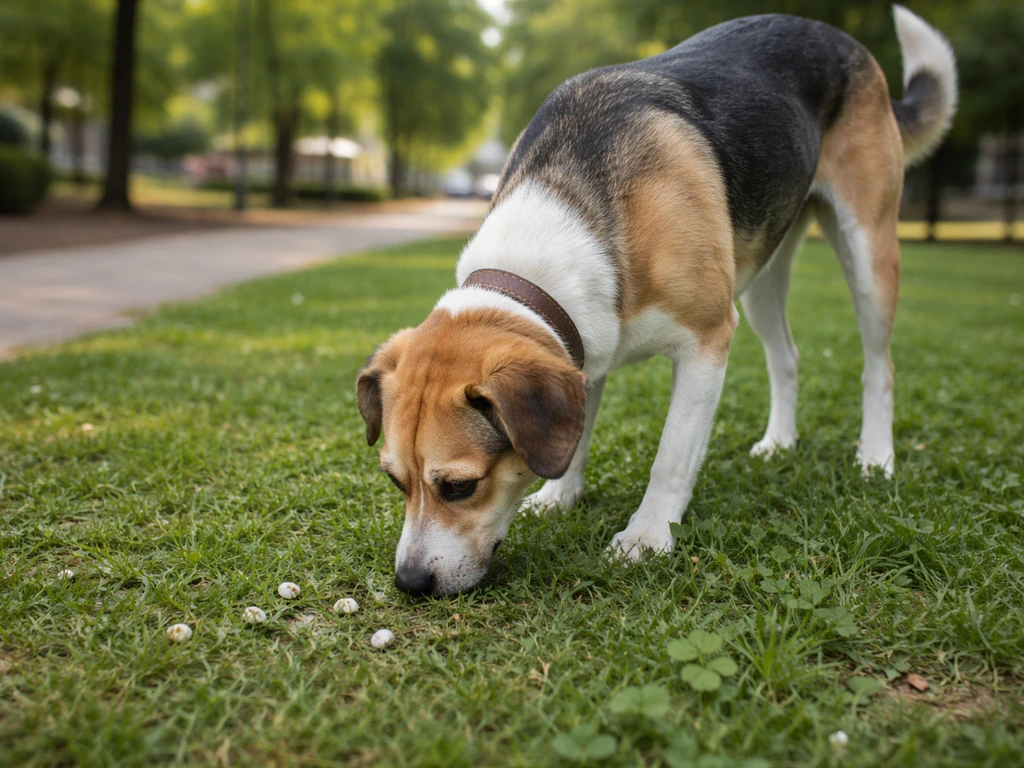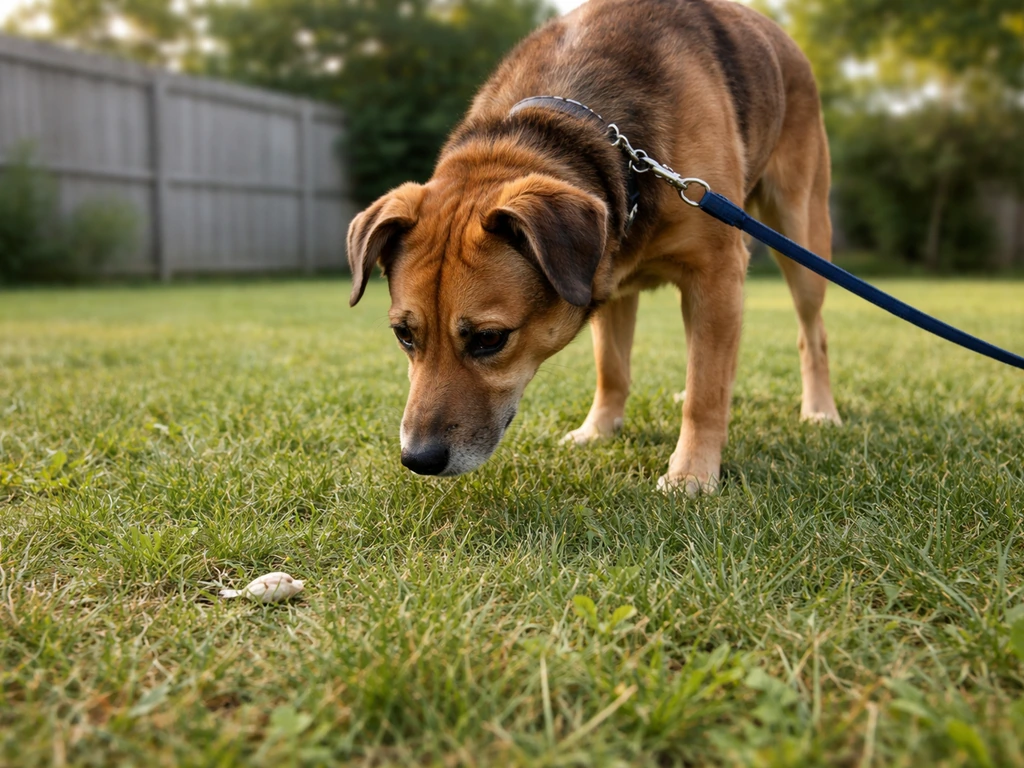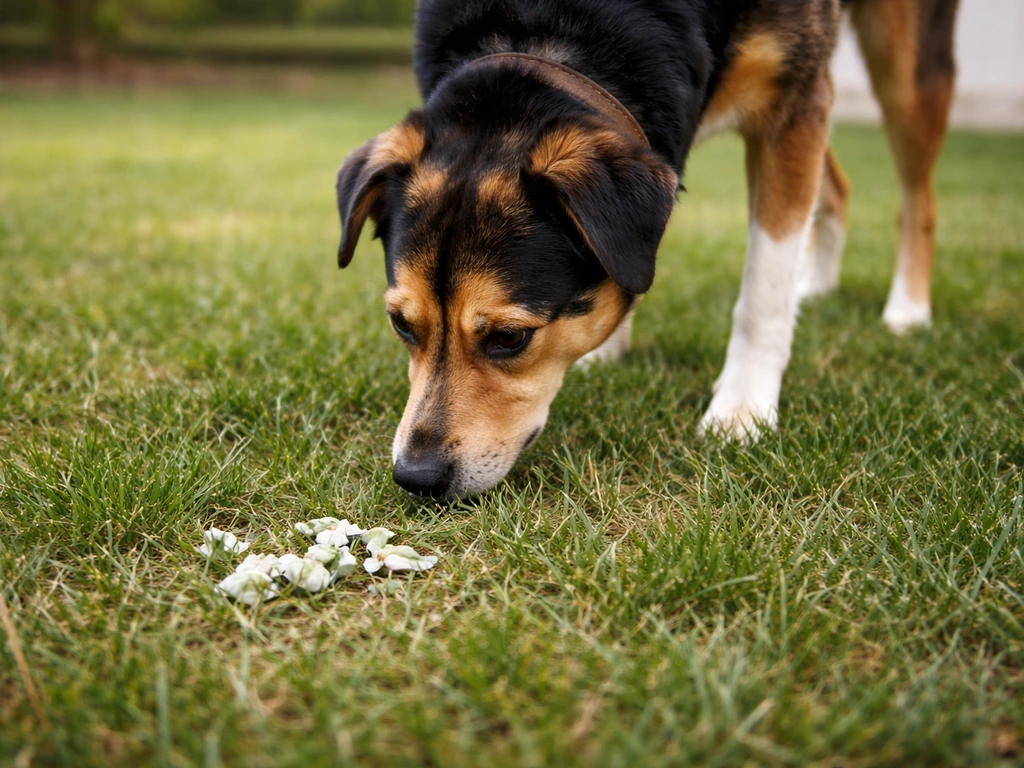
Dogs cannot get canine parvovirus from bird poop. Parvo spreads through contact with infected dog feces or contaminated surfaces, not through bird droppings. Birds simply do not carry or shed canine parvovirus, so a dog sniffing, licking, or eating bird droppings carries no parvo risk whatsoever. That said, bird poop is still not a clean snack, and there are a handful of other things worth knowing if your dog just helped themselves to some.
Can Dogs Get Parvo From Bird Poop? What to Do Now

Marcus Fielding
15 May 2026
How canine parvovirus actually spreads (and why birds aren't part of it)
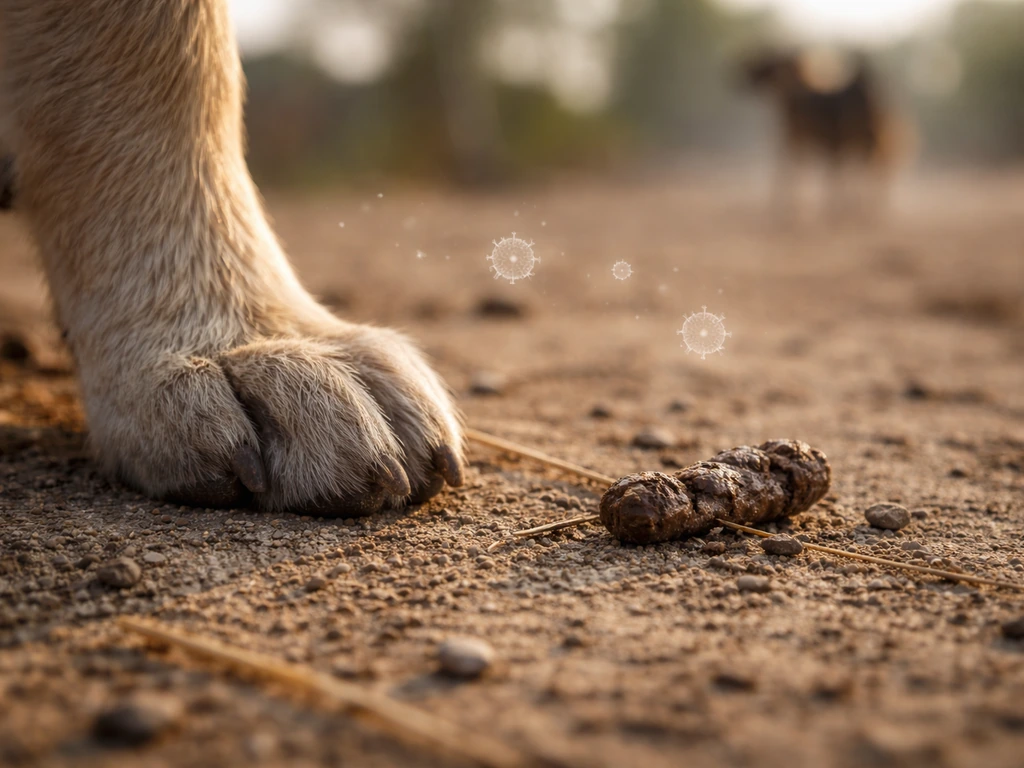
Canine parvovirus is shed in the feces of infected dogs, full stop. A dog picks it up by ingesting or contacting virus-contaminated stool from another dog, or by touching contaminated surfaces like grass, soil, water bowls, shoes, or clothing that have had contact with infected dog feces. Cornell University's Riney Canine Health Center describes it as a host-specific transmission chain: dog feces to dog. The AKC further notes that indirect spread can happen when people unknowingly track the virus in on their shoes, which is a good reminder of how tough this virus is.
And tough is the right word. CPV can survive in the environment for up to a year under the right conditions. It can live on surfaces long after the original infected stool is gone. But that resilience is tied to contamination from an infected dog, not from random outdoor feces of other animals. Infected dogs also start shedding the virus in their stool before they even look sick, and continue shedding for up to two weeks after recovery, which is part of why the virus spreads so efficiently between dogs.
Birds are not dogs. They do not carry or replicate canine parvovirus. While feline panleukopenia virus and canine parvovirus are closely related members of the same viral species (Carnivore protoparvovirus 1), the documented cross-species range concerns cats and canids, not birds. A CDC-linked study on the blank" rel="noopener noreferrer">feline host range of canine parvovirus discusses host-range and cross-protection concepts between CPV and feline panleukopenia virus in cats and canids. Merck Veterinary Manual similarly notes that blank" rel="noopener noreferrer">feline panleukopenia causes disease in cats and other susceptible species, even though it is closely related to canine parvovirus. There is no credible evidence that birds transmit CPV to dogs in any real-world scenario.
What bird droppings can actually contain: realistic risks to dogs
Bird poop is not harmless, even if parvo is off the table. Do rats eat bird poop, and could that affect what your dog is exposed to? If rodents are active around where birds roost, it can raise the chance of other contaminants in the area. If your dog gets into bird droppings, make sure you’re also aware of the potential risks they can pose beyond just parvo can dogs eat bird poop. It is genuinely unpleasant stuff from a microbial standpoint, and dogs who routinely sniff or eat it can pick up a few things worth knowing about.
- Histoplasma capsulatum: This is the fungus responsible for histoplasmosis, and it is strongly associated with soil contaminated by bird and bat droppings. Dogs in areas where the fungus is endemic (much of the central and eastern United States) face real exposure risk. VCA notes that prolonged exposure to higher levels of contaminated soil increases that risk. Unlike parvo, histoplasmosis can take one to two months to cause obvious illness after exposure, so it is easy to miss the connection.
- Salmonella: Birds can carry Salmonella and shed it in their droppings. PetMD confirms that dogs can pick up Salmonella by swallowing fecal matter from infected animals, and bird droppings are a plausible route.
- Campylobacter: Another bacterial pathogen found in fecal contamination. Merck Veterinary Manual describes environmental fecal contamination as a persistent source, and dogs can be infected through contact with contaminated feces.
- Intestinal parasites: While most parasites are host-specific, birds can occasionally carry parasites that pass through their droppings into the environment.
None of these are guaranteed to cause illness every time a dog licks a dropping, and many exposures result in nothing at all. But they are the realistic risks, and they are worth monitoring for, especially in dogs with weaker immune systems or puppies.
What to do right now if your dog ate or licked bird poop
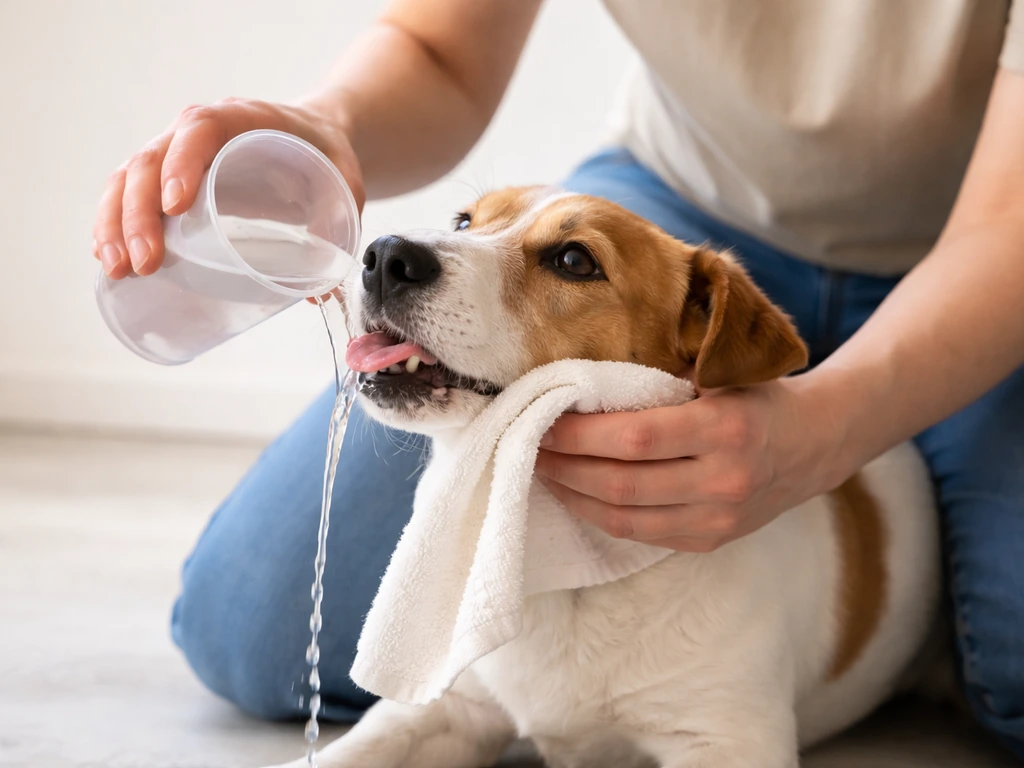
Take a breath. This is a reasonably common thing dogs do, and the urgency depends a lot on context. Here is a practical sequence to follow:
- Rinse your dog's mouth with tepid water if you caught it happening immediately. This can reduce the amount of material they actually swallow and is standard first-response advice from veterinary sources for unknown oral exposures.
- Check your dog's vaccination status. If your dog is current on their DHPP vaccine (which covers parvovirus), parvo is simply not a concern here regardless of what they ate. If your dog is unvaccinated or overdue, that is worth noting, though again, bird poop does not carry parvo.
- Note the location and type of droppings if you can. A few droppings on a suburban sidewalk from pigeons or sparrows is a lower-risk scenario than a dog rolling around in a heavily bird-contaminated area like under a roost, a barn with large bird colonies, or soil near a bat cave.
- Watch for symptoms over the next 24 to 72 hours. Most GI upset from a one-off feces exposure, if it happens at all, shows up within a day or two as mild diarrhea or vomiting.
- Call your vet if you are unsure or if your dog is a puppy, elderly, immunocompromised, or already unwell. A quick call to a vet or a pet poison helpline is always a reasonable option when you are genuinely uncertain.
If your dog ate bird poop and now has diarrhea, that is a fairly common outcome and usually resolves on its own in healthy adult dogs. The key is to watch the severity. Related concerns like dogs eating bird poop and showing symptoms are worth monitoring closely, especially if the diarrhea is bloody, persistent beyond 48 hours, or accompanied by vomiting and lethargy.
Parvo symptoms and warning signs: when to call the vet
Even though bird poop is not a parvo source, parvo is still worth knowing about if your dog is spending time outdoors near parks, dog parks, or areas frequented by other dogs. Parvo's incubation period is three to seven days after exposure to infected dog feces, and the early signs can look deceptively mild before deteriorating fast.
According to Massachusetts Department of Public Health guidance, the typical progression looks like this: lethargy, depression, and loss of appetite around four to five days after exposure, followed by fever, vomiting, and diarrhea that can range from soft to liquid and may contain mucus or blood. The AKC notes that puppies in particular can decline rapidly, and that parvo attacks rapidly dividing cells in the GI tract and bone marrow, which is why young, unvaccinated dogs are so vulnerable.
The clearest signal to call the vet urgently is any combination of bloody diarrhea, persistent vomiting, severe lethargy, and loss of appetite in an unvaccinated or incompletely vaccinated dog who has had contact with other dogs or their feces. Cornell and the VCA both stress that early supportive treatment gives the best outcomes, and that diagnosis via a fecal or rectal swab test is fast and relatively inexpensive. Do not wait to see if it resolves on its own if you have a young or unvaccinated dog showing these signs.
| Concern | Exposure source | Time to symptoms | Urgency |
|---|---|---|---|
| Canine parvovirus | Infected dog feces or contaminated surfaces | 3 to 7 days | Urgent: call vet immediately if suspected |
| Salmonella | Bird or other animal feces | 12 to 72 hours | Monitor; vet if severe or prolonged |
| Campylobacter | Contaminated feces or water | 1 to 3 days | Monitor; vet if severe or prolonged |
| Histoplasmosis | Bird/bat dropping-contaminated soil (endemic areas) | 1 to 2 months | Vet if respiratory or GI signs persist |
| Intestinal parasites | Contaminated feces | Weeks to months | Routine fecal test at next vet visit |
Other feces-related illnesses and what to watch for
Bird droppings sit at the intersection of a few different illness concerns, and it is worth separating them clearly so you know what you are actually watching for.
Bacterial gastroenteritis from Salmonella or Campylobacter tends to show up quickly, usually within one to three days, and looks like GI upset: vomiting, diarrhea (sometimes with blood or mucus), lethargy, and loss of appetite. In a healthy adult dog, this often resolves with supportive care, but puppies, senior dogs, or dogs on immunosuppressive medications need prompt veterinary attention. It is also worth knowing that Campylobacter and Salmonella are zoonotic, meaning people in the household can pick them up from a sick dog's feces, so hygiene matters here.
Histoplasmosis is sneakier. Dogs in endemic regions (think Ohio and Mississippi River valleys) who spend time digging in or sniffing soil heavily contaminated with bird or bat droppings can inhale fungal spores. The illness can take one to two months to develop and typically presents with respiratory signs, weight loss, chronic diarrhea, and sometimes eye or skin involvement. If your dog was in a heavily bird-contaminated area and starts losing weight or showing chronic GI problems weeks later, mention the exposure to your vet.
Giardia is another pathogen dogs can pick up from contaminated outdoor environments. Giardia can be shed in the feces of infected animals, so exposure risk goes up when dogs contact contaminated droppings or environments near wildlife. While it is more commonly associated with contaminated water sources and other animal feces, the outdoor environment around bird roosting areas is generally a higher-risk zone for multiple pathogens, not just one.
Safe cleanup and prevention around yards, sidewalks, and cars
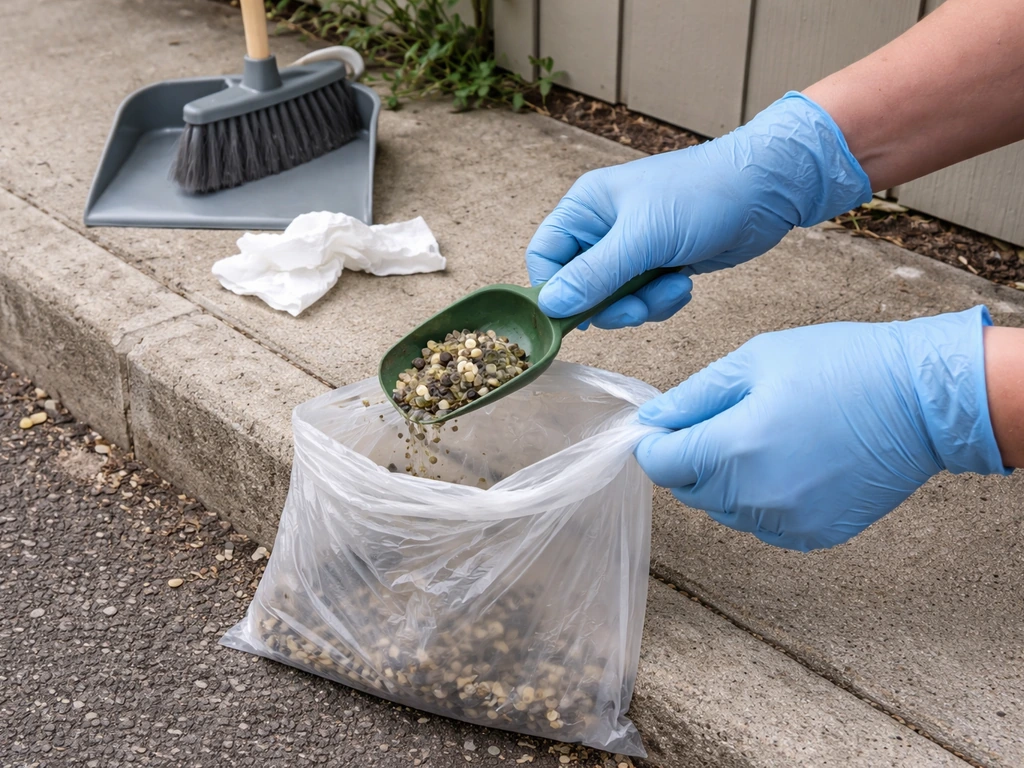
If your yard, car, porch, or sidewalk is a regular target for birds, keeping the area clean is genuinely useful for both pet safety and human health. Here is how to do it properly.
Cleaning up bird droppings safely
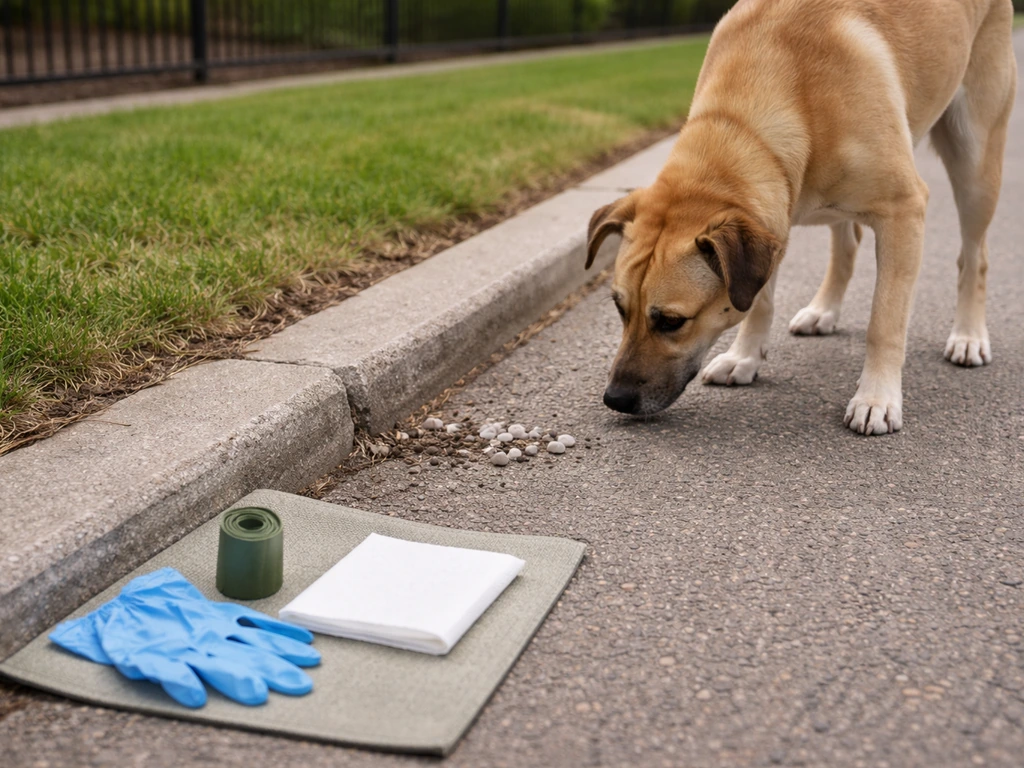
- Wear disposable gloves and consider a basic dust mask or N95 when cleaning up large quantities of droppings, especially in enclosed spaces or areas with heavy accumulation (histoplasmosis spores are airborne).
- Lightly mist dry droppings with water before sweeping or wiping to avoid creating dust. Dry bird poop disturbed with a dry broom sends particles airborne.
- For hard surfaces like car hoods, patios, or sidewalks, use a dilute bleach solution (approximately 1 part household bleach to 30 to 32 parts water) or an accelerated hydrogen peroxide cleaner. Merck Veterinary Manual and Mass.gov both confirm these disinfectants are effective against parvoviruses, and they work against bacteria and fungi too.
- Bag waste in a sealed plastic bag before disposing in the trash.
- Wash your hands thoroughly with soap and water after cleanup, and change clothes if droppings got on them.
Preventing ongoing exposure for dogs
- Keep your dog's vaccinations current, particularly the DHPP vaccine that covers parvovirus. This is your most important defense against parvo from any source.
- Walk your dog on a leash near heavy bird activity zones so you can redirect sniffing or eating behavior before it happens.
- In areas with known bird roosting (under bridges, near barns, or in parks with large flocks), avoid letting dogs dig in or sniff soil extensively, particularly if histoplasmosis is endemic in your region.
- Clean up bird droppings from yards and outdoor areas where dogs spend time regularly, especially around decks, outdoor furniture, and feeding areas.
- Consider bird deterrents (reflective tape, physical spikes, or removing feeders temporarily) if birds are consistently congregating in areas your dog frequents.
One last note on the cultural side of things: bird droppings landing on you or your property have a long history of being called good luck in various cultures around the world. It is a fun piece of folklore, and honestly, if it helps you feel better about cleaning bird poop off your car, go with it. But from a practical standpoint, keeping droppings away from surfaces where pets and people regularly make contact is the smarter move, luck or not.
FAQ
If birds do not carry canine parvo, why do vets still mention “feces exposure” when my dog got bird poop on their mouth or paws?
Because the higher-risk issue is usually whatever else is on those same outdoor surfaces. Bird-roosting areas can be contaminated by multiple animals, including dogs, and people can track dog feces indoors on shoes or clothing. So even if parvo is unlikely from bird droppings themselves, it still makes sense to watch for parvo-type signs if there were nearby dog exposures.
Can my vaccinated dog still get sick after eating bird poop?
Yes. Vaccines protect against canine parvovirus, but they do not prevent other problems from bird droppings, like bacterial gastroenteritis, Giardia, or (in certain regions) fungal infections such as histoplasmosis. In a vaccinated dog, mild stomach upset may resolve, but persistent vomiting, dehydration, or any respiratory or weight-loss symptoms still warrant a call to the vet.
What should I do right away after I see bird droppings in my dog’s mouth?
Wipe the mouth and surrounding fur with a damp cloth, then wash your dog’s face paws if they contacted droppings. Offer water and keep the environment clean, but avoid forcing vomiting. If your dog is a puppy, has immune issues, or you saw them eat a large amount, it is reasonable to contact your vet for guidance even if symptoms are mild at first.
If my dog has diarrhea after eating bird poop, how do I tell when it is more than “just GI upset”?
Track duration and severity. Seek veterinary advice urgently if diarrhea is bloody, if vomiting happens repeatedly, if lethargy is significant, if appetite drops substantially, or if symptoms last beyond about 48 hours in an adult dog. For puppies or unvaccinated dogs, treat these symptoms as higher risk and contact the vet sooner.
Does cleaning up bird poop eliminate the risk of parasites like Giardia for my dog?
It reduces risk, but it depends on thoroughness. Remove droppings promptly and disinfect high-contact areas (like patio spots or where your dog sniffs). Also prevent re-exposure by keeping dogs away from the area until it is cleaned and dry, since many GI pathogens spread through contaminated environments rather than the original droppings alone.
Could my dog get parvo from bird poop indirectly, like via my shoes, boots, or lawn tools?
Indirect parvo risk is more about whether you or items picked up infected dog feces, not whether the original droppings came from birds. If you walk near areas used by dogs and then bring material into your yard, shoes can transfer virus-contaminated soil or residue. For peace of mind after outbreaks or in high-traffic dog areas, clean footwear and avoid letting dogs sniff or lick those contaminated spots.
My dog seems fine now, should I still monitor for parvo even if they only ate bird droppings?
Monitor mainly based on context, not the bird poop label. If your dog is unvaccinated or incompletely vaccinated and there are credible nearby dog exposures (dog parks, kennels, neighborhood dog feces), watch for parvo timing, especially early illness signs over the next few days. If there was no dog exposure and your dog is vaccinated, the likelihood of parvo is low, but any rapidly worsening GI symptoms should still be taken seriously.
Is there any reason to collect a sample when my dog ate bird droppings and later develops symptoms?
Sometimes. If diarrhea becomes persistent, bloody, or severe, your vet may request stool testing to sort out causes like parasites (for example Giardia) or bacterial issues. Do not delay seeking care for an ill puppy, but you can ask whether your vet wants a fresh stool sample.
What household hygiene should I follow if my dog gets diarrhea after eating bird poop?
Treat it like any infectious GI episode. Clean up feces promptly, wear gloves, and wash hands thoroughly with soap and water. Disinfect surfaces the dog contacts frequently, and keep children and other pets away until the area is cleaned and your dog is back to normal.