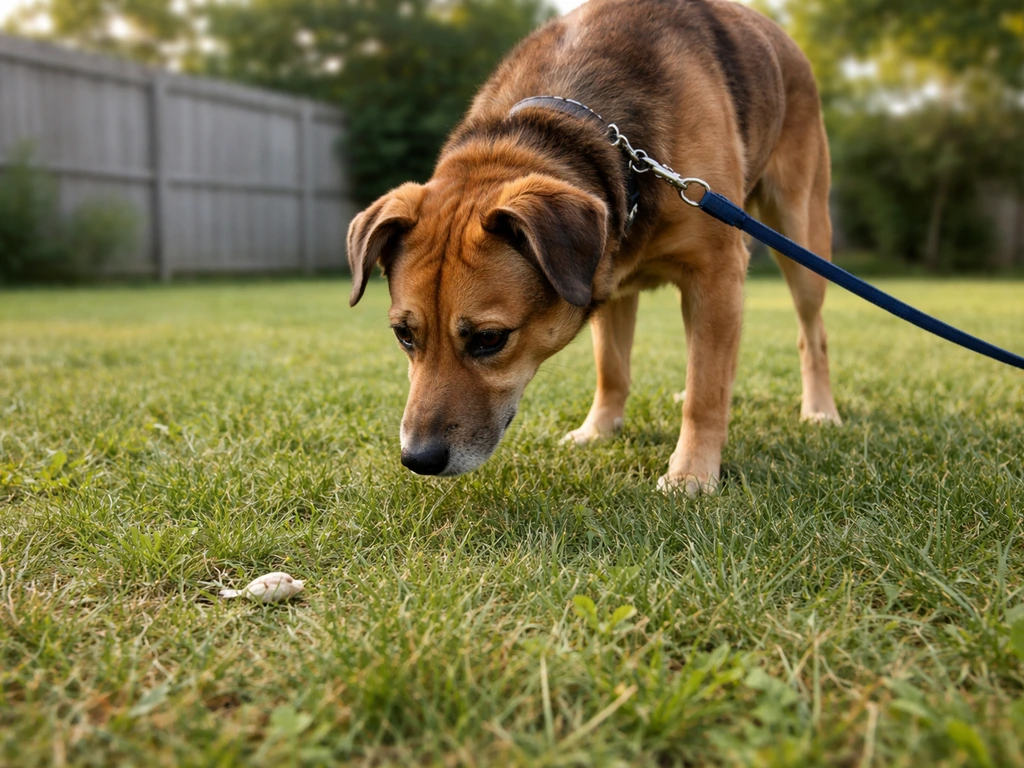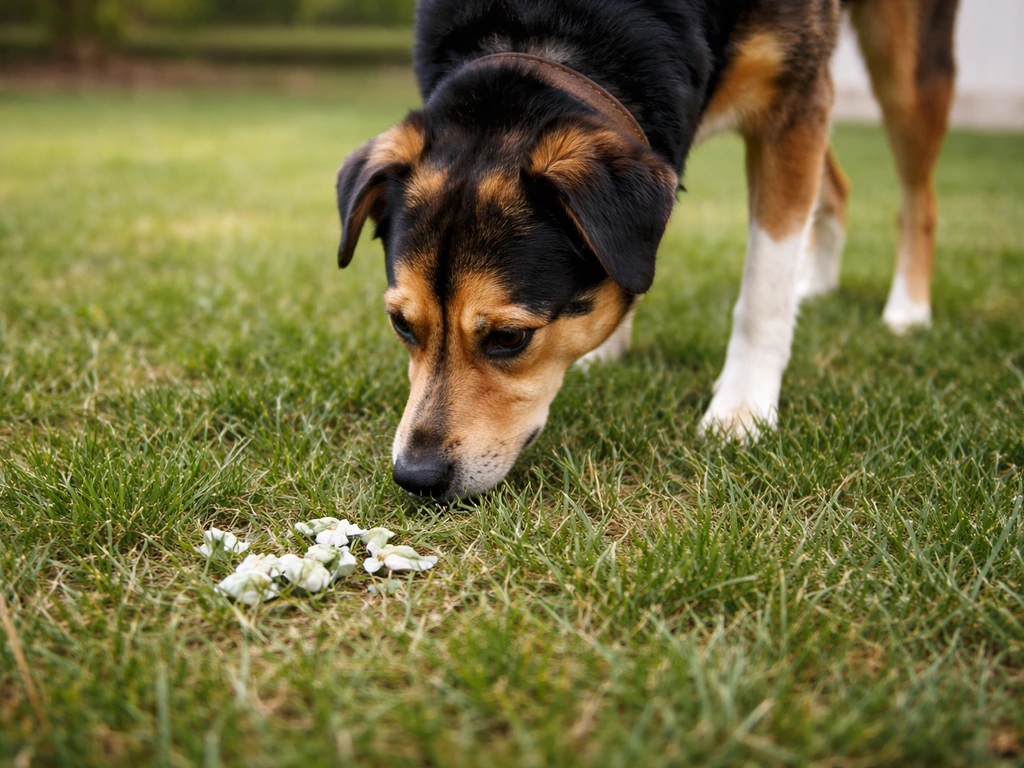
If your dog just ate bird poop, the honest answer is: most of the time they'll be fine, but you do need to watch them closely for the next 24 to 48 hours. The biggest risks are gastrointestinal upset (vomiting, diarrhea, or both), and a smaller chance of picking up a parasite or pathogen depending on the bird species and how much they ate. Here's exactly what to look for, how long to monitor, and when you need to stop waiting and call the vet.
Dogs Eating Bird Poop Symptoms: What to Do Now

Marcus Fielding
15 May 2026
Why dogs eat bird poop in the first place
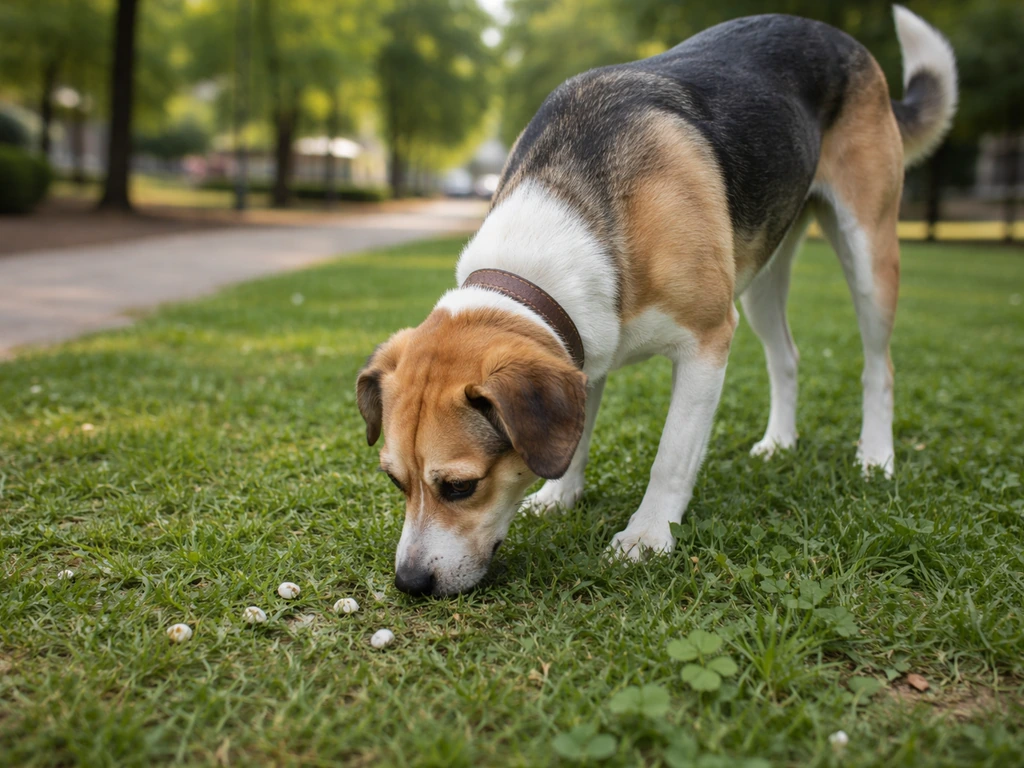
Dogs eating feces, including bird droppings, falls under a behavior called coprophagia. It sounds alarming, but it's actually pretty common and usually not a sign something is deeply wrong. Dogs are natural scavengers, and their curiosity is mostly nose-led. Bird poop has a strong smell, sometimes contains undigested seeds or insects, and to a dog's brain it registers as a potential food source worth investigating.
Beyond instinct, stress, boredom, anxiety, and attention-seeking can all drive the behavior. Some dogs learn early that eating something off the ground triggers an immediate reaction from their owner, and they repeat it because any attention is good attention. In a smaller number of cases, coprophagia signals something medical: intestinal parasites, nutritional deficiency, malabsorption disorders, or hunger. If your dog is doing this repeatedly and out of character, a vet check to rule out underlying health issues is worth it.
Common symptoms to watch for after your dog eats bird poop
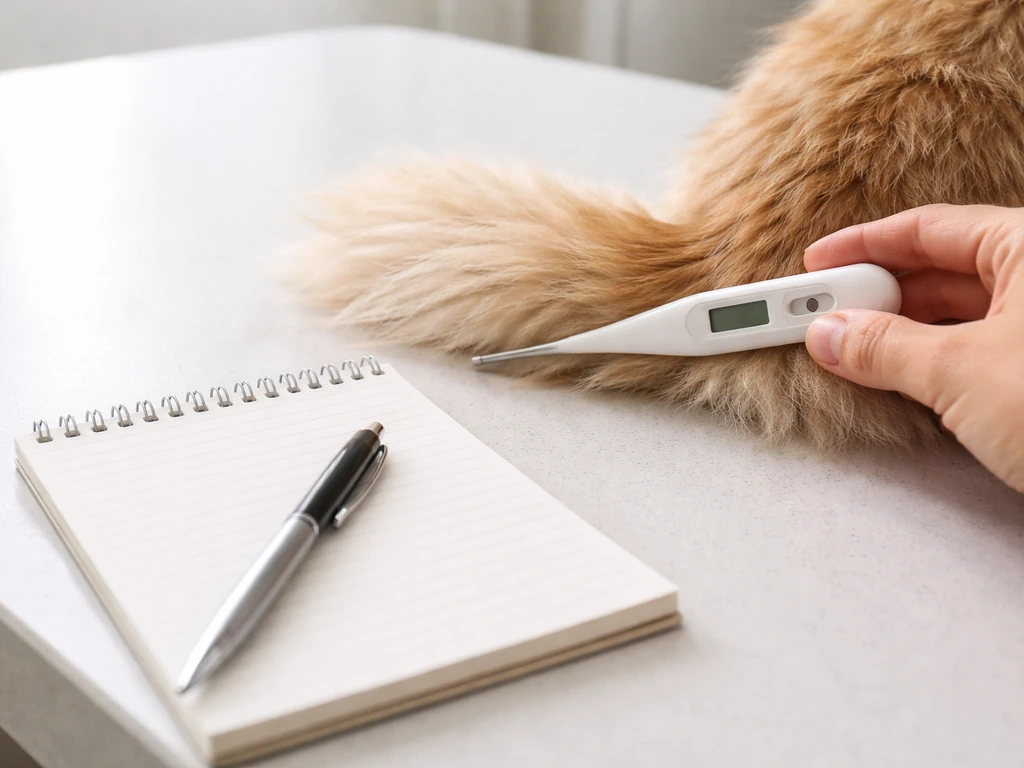
Most symptoms, if they appear at all, show up within a few hours. Some infections take longer, so monitoring over 48 hours is the safer window. Here's what to look for and roughly when each might appear:
| Symptom | Typical Onset | What It Might Indicate |
|---|---|---|
| Vomiting | 1 to 6 hours | GI irritation, mild food poisoning response |
| Diarrhea (watery or soft stools) | 2 to 12 hours | GI upset, bacterial contamination, early parasitic infection |
| Lethargy or unusual tiredness | 2 to 24 hours | System response to pathogen or toxin |
| Drooling more than normal | Within 1 to 2 hours | Nausea, GI irritation |
| Loss of appetite | 2 to 24 hours | GI discomfort, infection beginning |
| Coughing or choking sounds | Immediately to 1 hour | Aspiration of droppings, irritation in throat |
| Behavioral changes (hiding, restlessness) | Variable | Pain, nausea, or early systemic illness |
| Blood in stool or vomit | Variable | Serious GI irritation or infection, vet immediately |
A single loose stool or a brief bout of nausea that resolves quickly is not automatically a crisis. Dogs have reasonably robust digestive systems and often bounce back from a one-time indiscretion without any intervention. The combination of symptoms, or symptoms that persist or worsen, is what changes the calculation.
When to call the vet or go to urgent care
Some situations call for a phone call to your vet right away, and a few call for skipping the phone call and heading straight to an emergency clinic. Here are the red flags:
- Vomiting more than twice, or vomiting that continues for more than 2 hours
- Diarrhea that is bloody, black, or tarry
- Signs of dehydration: dry gums, sunken eyes, skin that doesn't spring back when gently pinched
- Lethargy that is significant, meaning the dog won't get up, won't engage, or seems confused
- Difficulty breathing or persistent coughing that started after ingestion
- Seizures or muscle tremors
- Known or suspected contact with a bird that appeared sick or dead (higher disease risk)
- Your dog is a puppy, senior, or has a compromised immune system
- Symptoms haven't improved at all after 24 hours
If you're unsure, call. Most veterinary clinics are happy to do a quick phone triage, and a three-minute call can save you a lot of anxious waiting. For after-hours concerns, a pet poison helpline or an emergency animal clinic can give you real-time guidance.
What to do right now at home
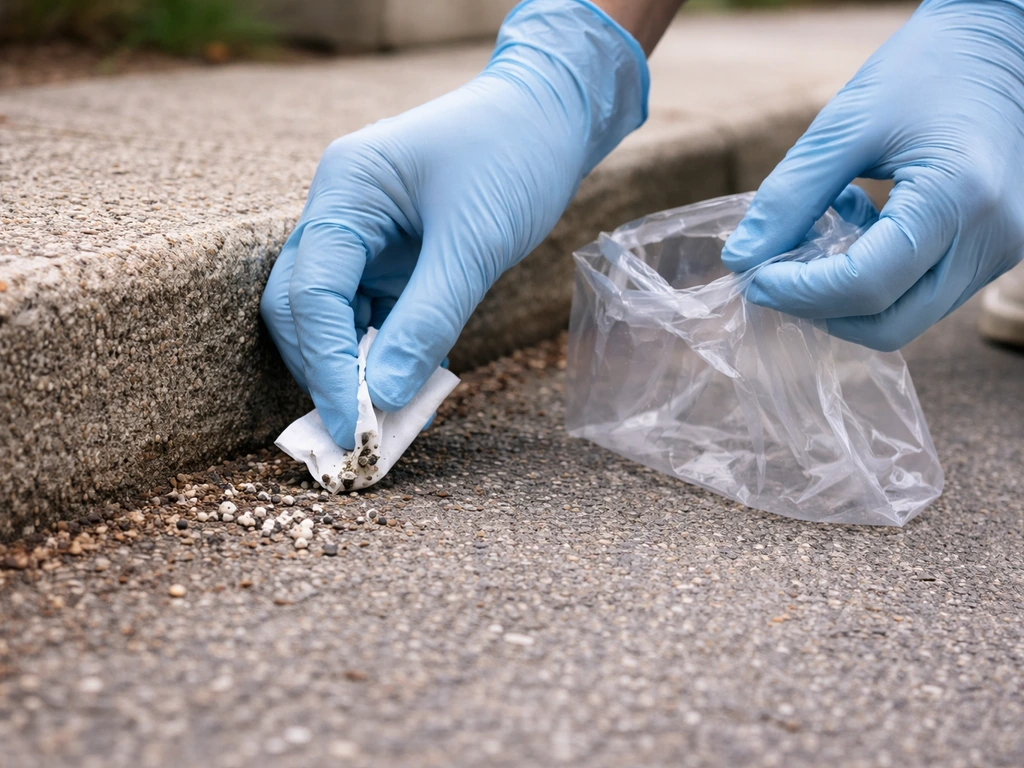
- Stay calm and don't panic. One incident of bird poop ingestion rarely causes a serious emergency in an otherwise healthy adult dog.
- Check what else was in the area. If there were mushrooms, chemicals, pest bait, or a dead/sick bird nearby, this changes the risk level significantly. Note everything you saw.
- Rinse your dog's mouth gently with water if they'll tolerate it. This won't undo ingestion but removes residue from gums and teeth.
- Note the time and estimate how much was eaten. A small lick is very different from eating a pile of accumulated droppings.
- Identify the bird type if you can. Pigeons and geese carry different pathogens than, say, songbirds. This information is useful for the vet.
- Offer fresh water and encourage your dog to drink normally. Hydration helps the body process and flush out irritants.
- Do not give your dog human medications like Pepto-Bismol, Imodium, or hydrogen peroxide without explicit vet instruction. Some of these are harmful to dogs.
- Monitor stools for the next 24 to 48 hours. Take a photo if anything looks abnormal. Note frequency, consistency, and color.
- Keep your dog calm and comfortable, and limit exercise for a few hours while you observe.
Bird poop health risks that actually matter for dogs
Bird droppings can carry a range of pathogens, and while the risk from a single exposure is generally low, it's worth knowing what you're dealing with. Here are the real concerns, without the scare tactics: Bird poop and other animal droppings can also be a concern for snails, so if you're wondering do snails eat bird poop, that's an adjacent question worth checking.
Giardia
Giardia is a single-celled parasite that dogs can pick up by ingesting feces-contaminated material, including bird droppings left in soil, puddles, or on grass. Cornell University's veterinary research notes that Giardia is shed in feces in cyst form, which is the infectious stage, and that dogs become infected by swallowing those cysts. Symptoms include soft or watery diarrhea, sometimes greasy-looking, along with weight loss and gassiness. Giardia often requires a stool test to confirm and a course of antiparasitic medication to clear.
Salmonella and Campylobacter
Both are bacterial infections that can live in bird feces. Wild birds, especially waterfowl and pigeons, are known carriers. In dogs, symptoms typically include vomiting, diarrhea (sometimes bloody), fever, and lethargy. Most healthy adult dogs clear mild bacterial infections on their own, but puppies and immunocompromised dogs are at higher risk for serious illness. It's also worth knowing that Salmonella can be passed from dogs to humans, so good handwashing hygiene is important while your dog is symptomatic.
Histoplasma and Cryptococcus (fungal)
These fungal organisms grow in soil enriched by accumulated bird droppings, particularly from pigeons and starlings. Dogs can inhale or ingest spores when sniffing or eating heavily contaminated material. Infections are more likely from large accumulations (think roost sites or under bridges) than from a single dropping on the grass. Symptoms can include respiratory issues, weight loss, and fatigue, and these infections can be slow to develop, sometimes taking weeks. This is a situation where knowing the environment matters: a random park dropping is far lower risk than a pigeon roost.
Chlamydiosis (Psittacosis)
Caused by Chlamydia psittaci, this infection is mainly associated with parrots and parakeets but can also come from pigeons and other birds. Dogs are considered low susceptibility compared to humans and birds, but exposure to droppings from sick pet birds does carry some risk. Respiratory symptoms and lethargy are the main signs to watch for.
Intestinal worms
Some roundworm species and other parasites can pass through bird feces and remain viable in the environment. Dogs that regularly eat bird droppings are at elevated risk for intestinal parasite burden, which is another reason routine deworming and annual fecal checks with your vet matter.
How to prevent your dog from doing this again
Prevention is genuinely more effective than reacting after the fact. The core strategy is a combination of environmental management, leash habits, and training.
Leash and supervision
If your dog has shown interest in bird droppings before, keep them on a short leash in areas where droppings are likely: parks with geese or pigeons, under bird feeders, near water features, or in areas with large roosting bird populations. A 6-foot leash keeps you close enough to intervene before they get their nose down.
The 'leave it' command
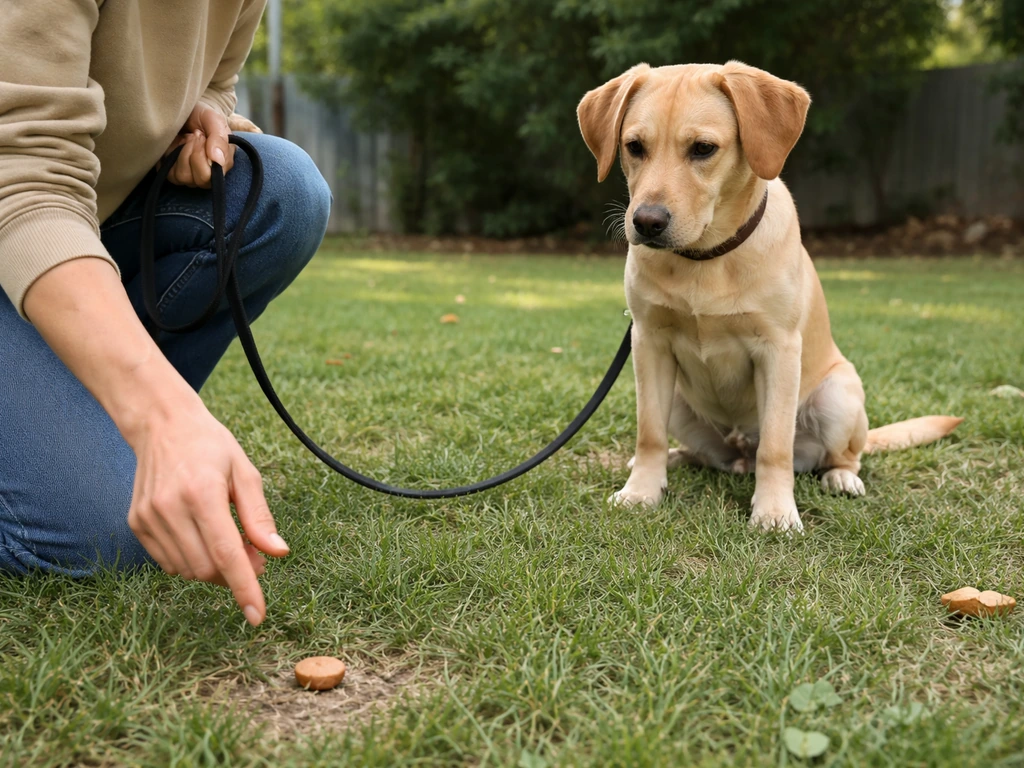
A reliable 'leave it' cue is one of the most practical tools you can teach your dog, and it's directly applicable here. Practice it with progressively tempting objects on the ground, building to the point where your dog turns away from anything on command. Consistency is what makes it stick. If your dog already knows 'leave it' but ignored you this time, that's useful information: you need more practice in high-distraction outdoor environments.
Yard and environment cleanup
If birds are congregating in your yard and leaving droppings your dog can access, address the source. Remove bird feeders temporarily, or relocate them to areas your dog can't reach. Use bird deterrents (reflective tape, motion-activated sprinklers, or physical netting) around problem areas. Clean up visible droppings regularly using gloves and a diluted bleach solution or enzymatic cleaner, and wash your hands thoroughly afterward.
Address underlying behavioral drivers
If your dog is eating bird poop regularly, especially if it's out of character, consider whether boredom, anxiety, or hunger might be contributing. Increase mental stimulation with puzzle feeders and training sessions. Make sure their diet is meeting nutritional needs. If stress or anxiety seems to be a factor, a conversation with your vet or a certified applied animal behaviorist can help you get to the root of it.
What to tell the vet and how to monitor at home
If you decide to call or visit the vet, having the right information ready makes the consultation faster and more useful. Here's exactly what to share:
- The approximate time the ingestion happened
- How much your dog appears to have eaten (a lick, a small amount, or a significant quantity)
- The type of bird or the likely source of the droppings if you know it (pigeon, goose, wild songbird, pet bird, etc.)
- Where it happened (park, backyard, near a known roosting site, near standing water)
- Whether the bird appeared sick, injured, or dead
- Current symptoms: what they are, when they started, and how severe
- Your dog's age, weight, breed, and any existing health conditions
- Current medications or supplements your dog is on
- Whether your dog's vaccinations and parasite prevention are up to date
For home monitoring, the standard window is 24 to 48 hours for most GI symptoms. Check your dog's stools every time they go out. Although this is more about how animals scavenge, the same idea of exposure to droppings and contaminated material applies when wondering about whether fish eat bird poop do fish eat bird poop. Look at their energy level, appetite, and hydration at least twice a day. A useful trick: press gently on the gums and release. They should return to a normal pink color within 2 seconds. Pale, white, or gray gums mean head to the vet immediately.
If things look completely normal at the 48-hour mark, you can relax. Keep an eye out for slower-developing signs of parasitic infection over the following week or two: gradual changes in stool consistency, weight, or energy. A fecal test at your dog's next vet visit is a reasonable precaution if your dog ate a meaningful amount or if bird droppings are a recurring snack for them. It's a simple, inexpensive way to confirm there's no parasite burden building quietly in the background.
FAQ
Should I make my dog throw up after dogs eat bird poop symptoms start?
Do not induce vomiting unless your vet specifically tells you to. Most bird-dropping exposures are low-risk, and forcing vomiting can worsen irritation and raise the chance of aspiration (breathing contents into the lungs). If you want to take an action right now, focus on removing access, offering water, and monitoring for stool changes, vomiting, appetite changes, and energy level.
When is it not safe to just wait for 24 to 48 hours?
Give a call if your dog has repeated episodes, is a puppy, is elderly, has immune problems, or has any signs of dehydration (dry gums, sunken eyes, skin tenting that lasts more than a second). Those situations raise the stakes even if the initial amount seemed small. Also call sooner if you see bloody diarrhea, repeated vomiting, or gum color is not normal.
If my dog seems fine, do we still need a stool test for dogs eating bird poop symptoms?
Yes, a stool or fecal test can still be useful after the fact, but it depends on timing and symptoms. If diarrhea happens, a vet may test during that window rather than waiting. If your dog ate a meaningful amount or keeps doing it regularly, testing at the next visit is reasonable even if things look normal, since some parasites can take time and may not be obvious right away.
What if symptoms show up after the 48-hour window?
A reaction can vary, but most GI upset shows within hours and other infections can take longer. That said, if symptoms appear after 48 hours, or if they worsen over time, treat it as more than routine coprophagia. Call your vet promptly if diarrhea is persistent beyond a day, vomiting keeps repeating, or energy steadily declines over multiple days.
How can I tell if coprophagia is a habit versus a medical problem for dogs eating bird poop symptoms?
Look at patterns, not one-off behavior. If your dog eats any feces every walk, is driven by attention (doing it when you react), or only targets bird droppings, it often points to training or habit rather than an emergency. However, if it is sudden, out of character, tied to weight loss, or accompanied by increased hunger or reduced energy, schedule a vet visit to rule out parasites or medical causes.
Does cleaning the yard right after help, or is the risk already done?
If your dog ate it, you can reduce ongoing exposure by removing remaining droppings in your dog’s play area and keeping them on leash until the behavior is managed. Clearing the yard does not “fix” an infection if one is already developing, but it lowers the chance of continued re-exposure. For yard cleanups, use gloves and wash hands thoroughly afterward.
Can I treat dogs eating bird poop symptoms at home with probiotics or charcoal?
You should not rely on home probiotics, charcoal, or bland diets alone to prevent parasites or bacterial infections. These can sometimes be supportive for mild, short-lived stomach upset, but they do not replace veterinary evaluation when there are red flags or when diarrhea is ongoing. If your dog has bloody stool, fever signs, or dehydration, skip supplements and contact a vet.
If my dog has one loose stool, do I need to call the vet?
If your dog is active, drinking normally, and having only a single mild loose stool that resolves quickly, you can usually continue close monitoring without escalating. Avoid giving random medications like anti-diarrheals without vet guidance, since some conditions need different treatment. If symptoms persist, repeat, or you notice gum color changes or hydration concerns, contact your vet rather than trying to “push through.”
What’s the most effective prevention plan for dogs that target bird droppings?
For prevention, the most practical trigger control is leash management in high-dropping areas plus a trained “leave it” that works at outdoor distractions. After that, address yard access (netting, repositioning bird feeders, or deterrents) because training can be overwhelmed if the environment is constantly offering the behavior opportunity. If the behavior is frequent, add structured enrichment (puzzle feeders, short training sessions) to reduce scavenging motivation.
Are dogs eating bird poop symptoms contagious to people or other pets?
Yes. If your dog ate bird droppings and you have other pets or children nearby, focus on hygiene: pick up droppings, avoid letting symptomatic pets lick faces, and wash hands after any cleanup. If your dog has vomiting or diarrhea, disinfect surfaces used for cleanup according to label directions and keep the dog away from shared sleeping or play areas until symptoms resolve.
Citations
Common behavioral reasons dogs eat feces (coprophagia) include instinct/scavenging tendencies, curiosity, anxiety/stress, and learned attention-seeking behavior, with medical causes still needing to be ruled out.
https://www.petmd.com/dog/behavior/why-do-dogs-eat-poop
The PDSA lists typical causes of coprophagia as habit, hunger, stress, or boredom, and notes that sudden, out-of-character poop eating should prompt a vet call.
https://www.pdsa.org.uk/pet-help-and-advice/pet-health-hub/conditions/coprophagia-in-dogs-dogs-eating-poo
AVSAB guidance emphasizes minimizing access to feces first, and notes that medical/nutritional causes can underlie coprophagia; if the dog is healthy, a behavior plan should address the behavior.
https://avsab.org/help-my-dog-eats-his-own-waste/
Oregon VMA recommends talking to a veterinarian about possible health issues that might be causing coprophagia.
https://www.oregonvma.org/care-health/companion-animals/behavior/dog-behavior-coprophagia
Pica (including feces eating as a form of pica/coprophagia) is often driven by mental health factors such as boredom, depression, anxiety, or extreme hunger; it can also result from illness/parasites/nutritional deficiency.
https://www.petmd.com/dog/conditions/behavioral/pica-dogs
Cornell notes giardiasis occurs when dogs ingest feces-contaminated soil/food/water, and that Giardia has trophozoite and cyst stages shed in feces.
https://www.vet.cornell.edu/departments-centers-and-institutes/riney-canine-health-center/canine-health-information/giardia-infection-treatment-and-prevention