Bird poop is not a classic chemical toxin for dogs, but it's genuinely risky. The real danger comes from bacteria, parasites, and viruses that bird droppings can carry, not from a poison in the way antifreeze or xylitol is. Most healthy adult dogs that sniff, lick, or eat a small amount of bird poop will be fine, though they may get an upset stomach. The concern gets more serious if your dog ate a large quantity, if the droppings came from a sick bird, or if your dog is a puppy or already has a compromised immune system. Bottom line: don't panic, but do take it seriously and know the signs that mean a vet call is overdue. If you want to compare the risks, see can bird poop kill a dog for how severe it can get.
Is Bird Poop Toxic to Dogs? Risks and What to Do

Marcus Fielding
4 May 2026
Toxic vs. just risky: what bird poop actually is
When people search 'is bird poop toxic to dogs,' they usually mean one of two things: is it a poison that causes immediate systemic harm, or is it something that can make a dog sick over time? The honest answer is mostly the second one. Bird droppings don't contain a naturally occurring toxin that shuts down organs the way a chemical poison does. What they do contain is a potential cocktail of pathogens, including bacteria like Salmonella and Campylobacter, blank" rel="noopener noreferrer">parasites like Cryptosporidium, and viruses such as avian influenza strains. If you’re wondering whether can bird poop make dogs sick, the biggest concern is usually infection from pathogens in the droppings. These can cause real illness in dogs, especially if the dog eats a significant amount or has repeated exposure.
The distinction matters because it changes how you respond. A true toxin often requires immediate decontamination or antidotes within minutes. A pathogen-based exposure means you're watching for symptoms over the next 12 to 72 hours and possibly running fecal tests or antibiotics if your dog gets sick. That's a much more manageable situation, and for most dogs, a one-time mouthful of bird poop doesn't end in a vet emergency. But 'usually fine' and 'no risk' are not the same thing.
The real risks: ingestion, paw licking, and contact
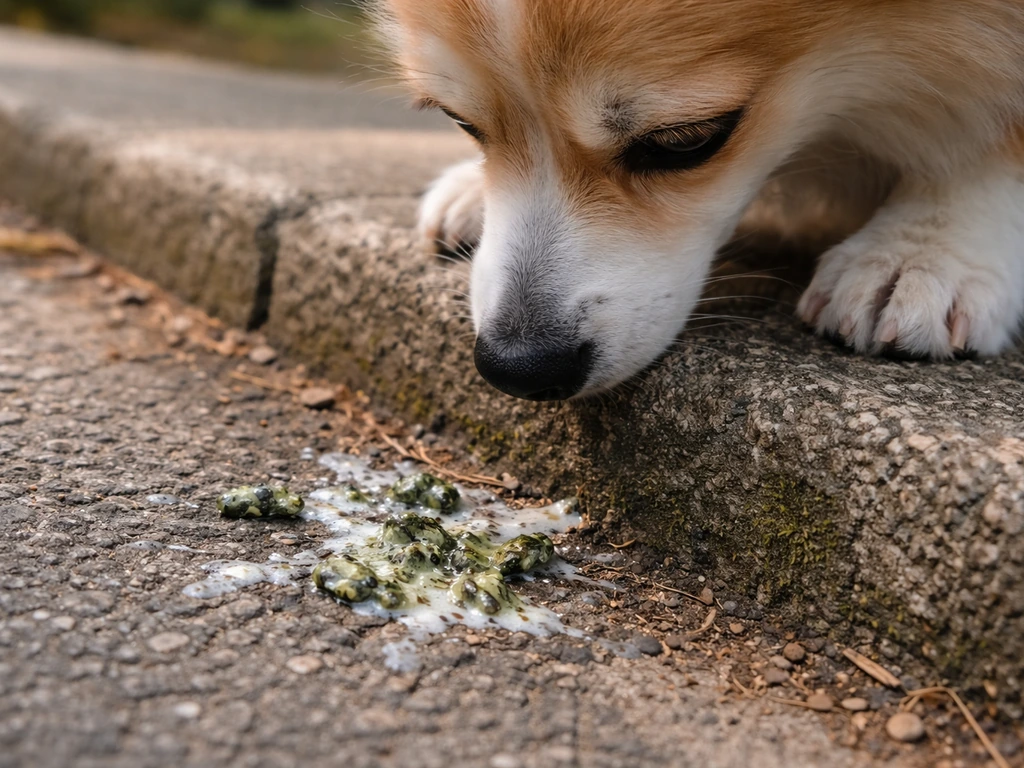
There are a few different ways a dog ends up exposed to bird droppings, and each carries a slightly different level of concern.
- Eating bird poop directly: This is the highest-risk scenario. The dog ingests whatever bacteria or parasites the droppings contain. Salmonellosis can cause fever, lethargy, vomiting, and diarrhea. Campylobacter causes similar GI symptoms. Both can resolve on their own in mild cases or require antibiotics in moderate to severe ones.
- Licking paws or fur after walking through droppings: Lower risk than direct ingestion but not zero. Dogs groom themselves constantly, so poop residue on paws can easily end up in the mouth. If your dog walked through a heavy concentration of droppings (think a bird roost or a heavily trafficked park bench area), this becomes a real concern.
- Skin and coat contact alone: The lowest risk. Healthy, intact skin is a decent barrier. The main issue here is secondary ingestion through grooming, and potential irritation if the droppings sit on the skin for a long time.
- Inhaling dried droppings: Relevant mostly for humans cleaning up accumulations, but dogs sniffing around dried bird droppings can inhale fungal spores, including Histoplasma capsulatum and Cryptococcus neoformans, which cause respiratory infections. These are uncommon but worth knowing about if your dog has been digging in or sniffing a large deposit of old droppings.
Puppies and small dogs: why the stakes are higher
If you have a puppy that just ate bird poop, treat it with more urgency than you would for a healthy adult Lab. Puppies have immature immune systems that simply haven't developed the defenses to fight off pathogens as efficiently. What gives an adult dog mild diarrhea for a day can send a puppy into a more serious illness, particularly because puppies are also more vulnerable to dehydration from vomiting and diarrhea. Small dogs face a similar proportional problem: a teaspoon of droppings is a much bigger relative dose for a 5-pound Chihuahua than for a 70-pound Shepherd.
Puppies are also more likely to eat bird poop in the first place out of curiosity, and they tend to eat more of it before you can intervene. If your puppy is under 16 weeks old and ate a meaningful amount of bird droppings, calling your vet the same day is the right move, not a wait-and-see approach.
What to do right now after your dog was exposed
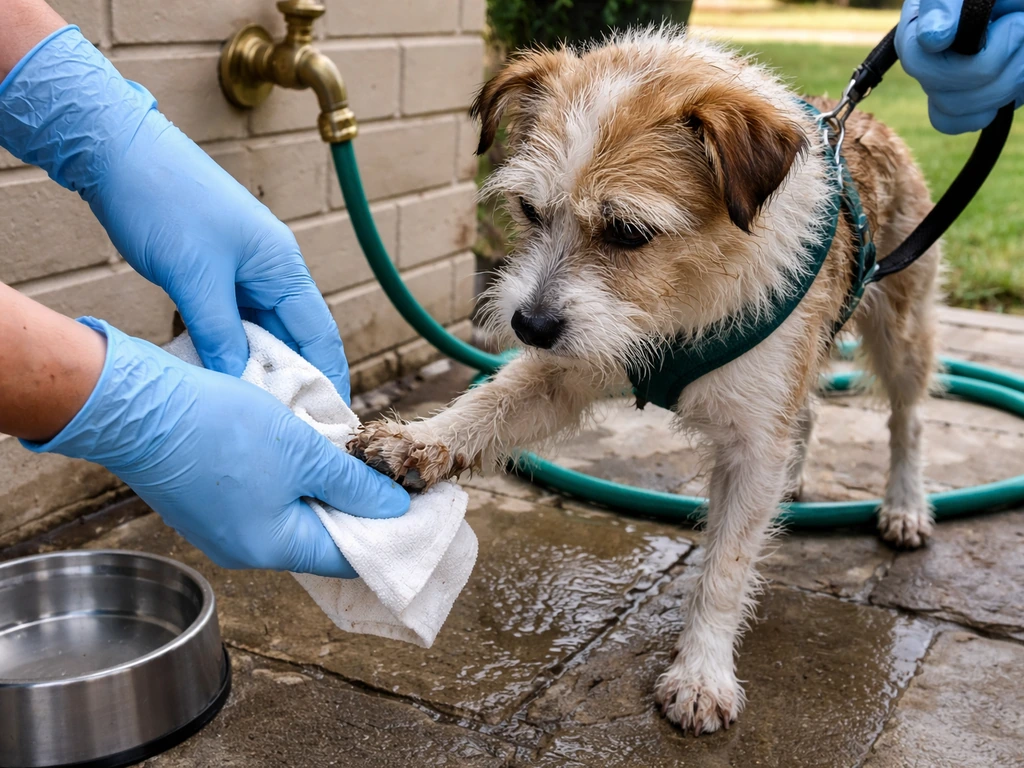
The steps depend on the type and amount of exposure, but here's a clear sequence to follow: If you want the exact next steps for when your dog ate bird poop, follow the guidance in the sections on red-flag symptoms and what to do right now.
- Stay calm and get your dog away from the droppings. Don't let them keep eating or sniffing around the area.
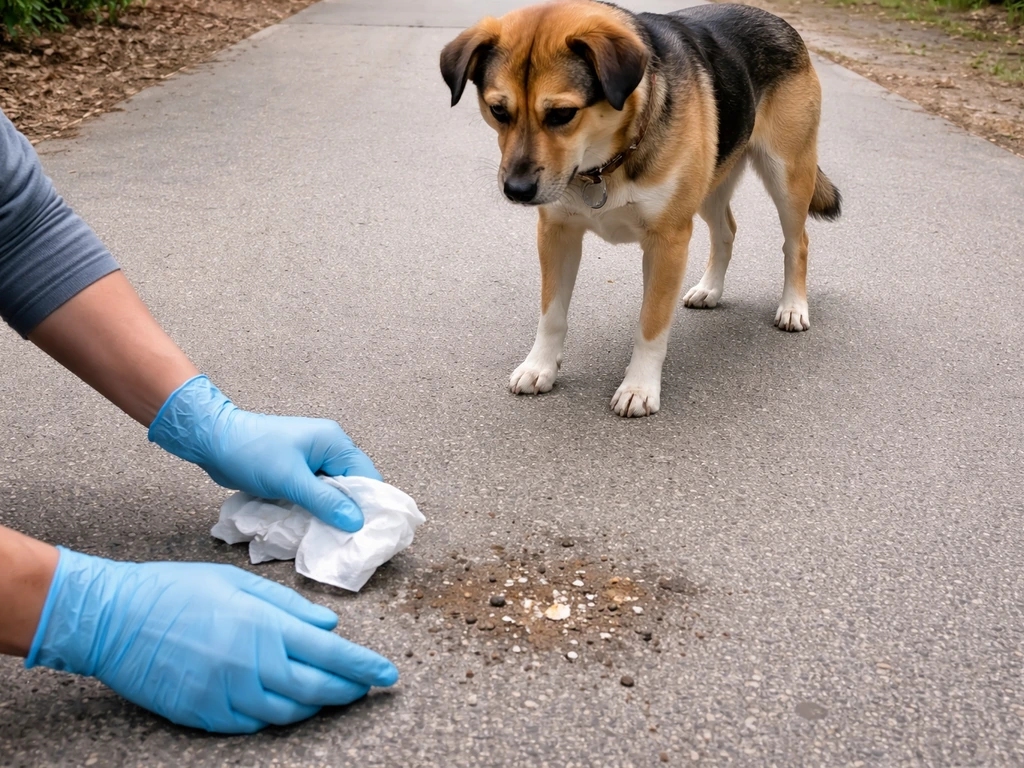
- Check your dog's mouth and paws. If there's visible poop on the muzzle or paws, rinse the affected areas with clean water. Use a damp cloth or pet-safe wipe for the face and a gentle wash with mild soap and water for paws. Rinse thoroughly.
- Do NOT induce vomiting unless specifically instructed by a vet or the Pet Poison Helpline. Inducing vomiting incorrectly can cause additional harm and in pathogen-based exposures it's often not the right call.
- Note the details: roughly how much did your dog eat, what kind of bird did the droppings come from if you know, and when did it happen? This matters if you end up calling a vet or poison control.
- Call your vet or a 24/7 poison helpline if you're concerned. The ASPCA Animal Poison Control Center and the Pet Poison Helpline are both available around the clock and can help you triage the exposure and decide if your dog needs to be seen immediately.
- Monitor your dog closely for the next 24 to 72 hours. Most symptoms from pathogen exposure show up in this window. Keep an eye on appetite, energy level, stool consistency, and any signs of stomach pain.
Red-flag symptoms and when to call the vet
Most dogs show mild or no symptoms after a single exposure to bird poop. But there are signs that mean you should stop watching and start acting. Call your vet or an emergency animal clinic right away if your dog shows any of these:
- Repeated vomiting or vomiting that doesn't stop after a few hours
- Bloody diarrhea or diarrhea that lasts more than 24 hours
- Lethargy or weakness that seems unusual for your dog
- Loss of appetite for more than a day, especially in puppies
- Signs of dehydration: dry gums, sunken eyes, skin that doesn't spring back when gently pinched
- Neurological signs like stumbling, twitching, or confusion (rare but would suggest something more serious in the droppings)
- Difficulty breathing or coughing after sniffing around old dried droppings (possible fungal spore inhalation)
- Any concerning symptoms in a puppy under 16 weeks, a senior dog, or a dog with known health conditions
When in doubt, call. Both the ASPCA Animal Poison Control Center and the Pet Poison Helpline operate 24 hours a day, 7 days a week. There may be a small consultation fee, but getting expert triage guidance is absolutely worth it for any exposure you're genuinely unsure about.
How to clean up bird droppings safely and reduce repeat exposure
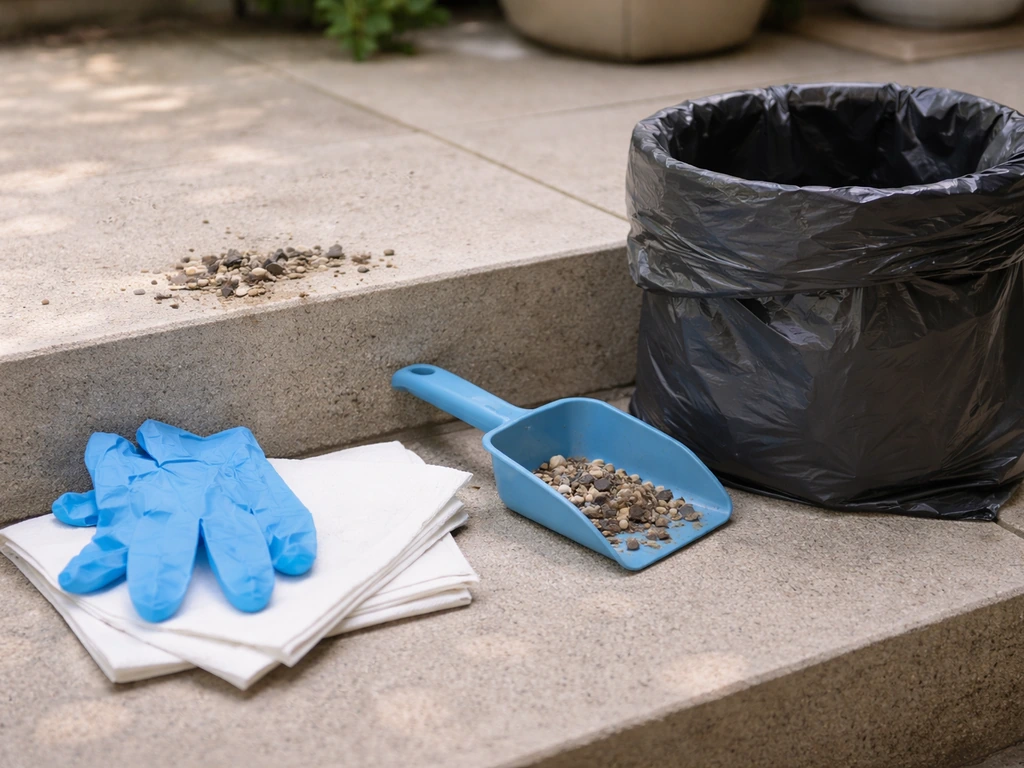
Cleaning up the area
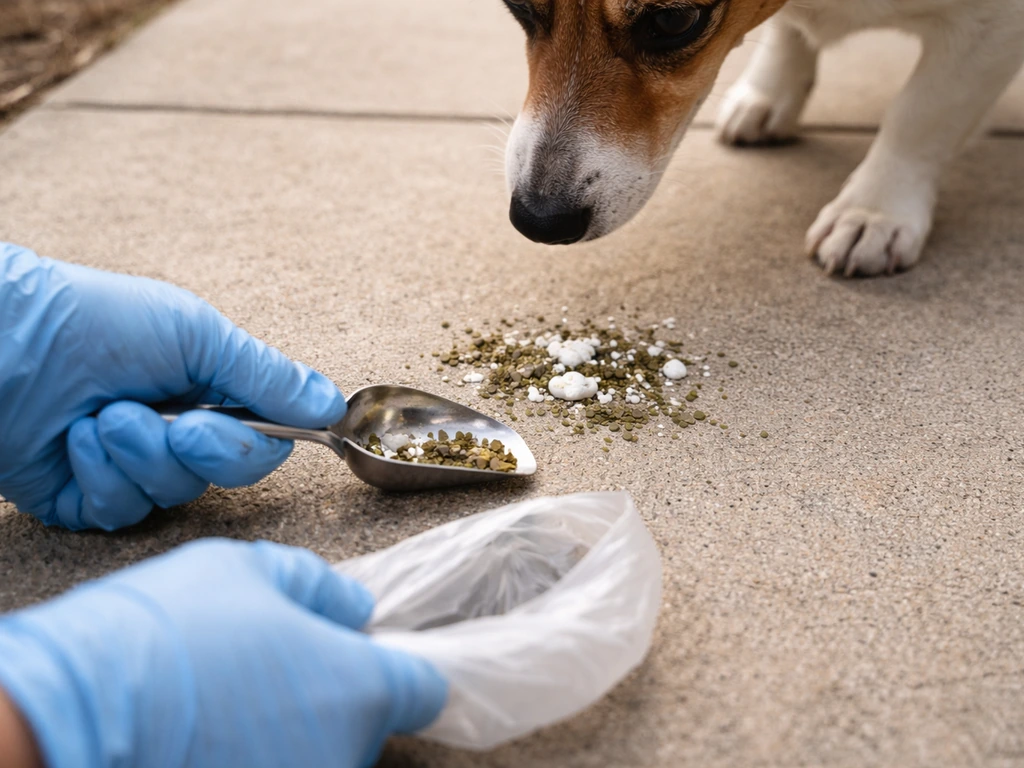
If there are droppings in a space your dog frequents, cleaning them up properly protects both your dog and you. For a small amount of fresh droppings, use disposable gloves, scoop the material into a sealed bag, and discard it. Then spray the area with a diluted bleach solution (about 1 part bleach to 9 parts water) or a pet-safe disinfectant and let it sit for a few minutes before wiping. For dried droppings, mist them lightly with water first to avoid aerosolizing particles before you pick them up. A dust mask is a sensible precaution for larger accumulations.
For large deposits, like under a bird roost or in an attic, use an N95 respirator, not just a cloth mask. Dried droppings from large accumulations are a real inhalation hazard and may need professional remediation if they're extensive.
Reducing your dog's re-exposure
- Supervise your dog closely in areas where birds congregate, like parks, piers, dumpster areas, or under large trees used as roosting spots.
- Train a reliable 'leave it' command. This single skill pays off in countless outdoor scenarios beyond just bird poop.
- Wipe your dog's paws and muzzle after outdoor time in high-risk areas, especially before they have a chance to self-groom.
- Discourage birds from roosting directly in your dog's yard or outdoor run area using visual deterrents, bird spikes on fencing, or by removing food sources like fallen fruit.
- Keep your dog's parasite prevention current. A dog on a regular deworming and fecal testing schedule has a better chance of clearing any parasites ingested before they become a problem.
Myths vs. facts about bird poop and dogs
| Myth or Belief | What's Actually True |
|---|---|
| Bird poop is a deadly poison for dogs | It's not a chemical toxin. The risk comes from pathogens like bacteria and parasites, which can cause illness but are not the same as poisoning. |
| If my dog ate bird poop and seems fine, there's no risk | Symptoms from bacterial or parasitic exposure can take 24 to 72 hours to appear. 'Seems fine right now' is not the same as 'in the clear.' |
| Bird poop is good luck, so it can't hurt my dog | The 'good luck' superstition is a charming piece of folklore, mostly from European and South Asian traditions. It has no bearing on whether bird droppings carry pathogens. Lucky for you, maybe. Risky for your dog, possibly. |
| All bird poop is equally dangerous | Not exactly. A pigeon roosting above a busy train station and a songbird in a clean suburban yard produce very different droppings in terms of pathogen load. Volume and bird species matter. |
| You should induce vomiting immediately after your dog eats bird poop | No. Do not induce vomiting unless directed by a vet or poison helpline. It's not always appropriate and can sometimes do more harm. |
| Bird poop can never seriously harm a dog | For most adult dogs in single low-volume exposures, that's roughly true. But for puppies, small breeds, and immunocompromised dogs, the risk is more meaningful. Fatal outcomes are rare but not impossible with large exposures or specific pathogens. |
The cultural belief that bird poop landing on you (or your pet) brings good luck is a fun one and comes up often. But it belongs in the same category as crossing your fingers: harmless to believe, but not a substitute for wiping your dog's paws and keeping an eye on them afterward.
The bigger picture if your dog keeps eating bird poop
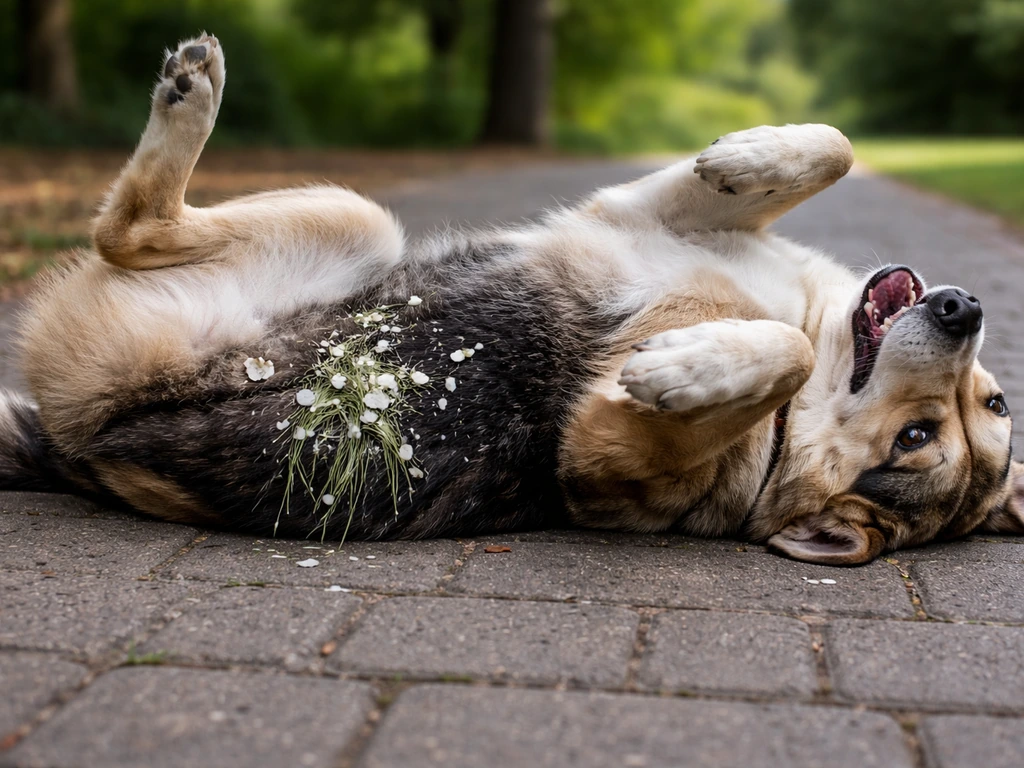
If this is a one-time incident, the steps above cover you. But if your dog regularly seeks out and eats bird poop, that's a behavior worth addressing with your vet. Some dogs eat feces out of nutritional deficiency, boredom, or instinct, and understanding why helps you actually prevent it. Dogs can roll in bird poop for the same reason, since their natural instincts and curiosity can lead them to investigate strong-smelling substances why do dogs roll in bird poop. It's also worth knowing that repeated exposure to the pathogens in bird droppings carries more cumulative risk than a single incident. The CDC explains that histoplasmosis is a lung infection caused by breathing in spores from the environment, and that the fungus can spread through bird and bat droppings mixed into soil blank" rel="noopener noreferrer">pathogens in bird droppings. A dog that eats bird poop every walk has a meaningfully higher chance of eventually picking up a bacterial infection than one that did it once.
The questions of why dogs eat bird poop in the first place, whether it can genuinely kill a dog, and exactly what to do in the immediate aftermath of ingestion are each worth understanding in their own right, especially if you have a dog that actively goes looking for it. The short version: bird poop is more of an infection risk than a toxicity risk, the danger scales up with the amount consumed and the vulnerability of the dog, and most situations are manageable if you act calmly and quickly.
FAQ
Can bird poop harm my dog indirectly if they sniff or step in it but do not eat it?
Yes, it can be, even though the droppings are not usually “poisonous.” Pathogens can be shed in contaminated feces, so if your dog eats it or you handle it and then touch your dog’s mouth, you can indirectly increase exposure. Use gloves, wash hands thoroughly, and keep your dog from licking paws or faces right after cleanup.
Should I give my dog antibiotics if they ate bird poop? (Or something for diarrhea)?
Do not start antibiotics or anti-diarrheal meds on your own. If symptoms appear, a vet may recommend supportive care, stool testing, or specific treatment based on timing and severity. Giving the wrong medication can mask symptoms and delay diagnosis.
What information should I tell the vet if my dog ate bird poop?
Try to identify quantity, timing, and whether you saw them actually swallow it. Save a photo of the droppings if you can, and note the bird source (for example, backyard yard vs. wild flock). This helps the vet decide whether fecal testing or observation is enough, especially because risk is higher with repeated exposure or sick birds.
When would a vet run stool tests after bird poop exposure?
Fecal testing is usually considered if your dog develops ongoing diarrhea, vomiting that does not improve, blood in stool, or symptoms lasting more than about 24 to 48 hours. For a single small incident with no symptoms, many dogs are monitored rather than tested.
How long should I watch my dog before deciding to go to urgent care?
It depends on symptoms. If your dog ate a lot or is showing red-flag signs, follow vet advice immediately and go in rather than waiting for “it to pass.” If symptoms are mild and improving, home monitoring is reasonable, but you still should reassess at 12 to 24 hours, since pathogen-related illness can take time to show.
Does cleaning up bird droppings immediately prevent all risk?
If the droppings were fresh and you removed them quickly, the surface contamination risk is lower, but it is not zero. Birds can spread pathogens to many surfaces, including soil and grass. Focus on preventing mouth contact, and clean the area with an appropriate disinfectant after pickup.
What are the dehydration or emergency signs that mean this is more than an upset stomach?
If your dog is vomiting repeatedly, has watery or bloody diarrhea, seems weak, has a swollen belly, or will not keep fluids down, do not try to manage it at home. These can quickly lead to dehydration and may require prescription treatment and fluid support.
Is repeat bird poop eating riskier than a single incident?
Yes, there are bigger risks with repeat exposure. A dog that seeks out droppings on multiple walks has a higher chance of cumulative pathogen exposure, and symptoms may appear later or become more frequent. Ask your vet about behavioral management or a plan to reduce scavenging.
What should I do right after cleanup if bird poop got on my dog’s paws or face?
Wash the contaminated area first and avoid scrubbing inside the mouth. If your dog’s mouth got contaminated, offer a small amount of water to rinse if they are fully alert, and monitor for vomiting or diarrhea. For paws, wipe with a pet-safe wipe or damp cloth, then wash with gentle soap and water.
How soon would symptoms start if bird poop caused an infection?
Bird droppings can contain multiple types of pathogens, and the incubation timing varies. Expect symptoms to show up within roughly 12 to 72 hours when they occur, but not every dog will get sick, and mild cases may only cause brief gastrointestinal upset.