Yes, bird poop can make dogs sick. It's not a dramatic, one-sniff emergency in most cases, but bird droppings can carry real pathogens including Salmonella, Campylobacter, Giardia, and Cryptosporidium, and a dog that eats or mouths contaminated droppings can pick up any of them. Most healthy adult dogs will shake it off, but some will develop diarrhea, vomiting, or worse, and a few pathogens are serious enough to warrant a vet visit. Knowing what to watch for and when to act is everything here.
Can Bird Poop Make Dogs Sick? Symptoms and What to Do

Marcus Fielding
4 May 2026
The actual risk when your dog eats bird poop
Bird droppings aren't magically toxic on their own. The danger is contamination: bird feces can be loaded with bacteria, parasites, and viruses depending on what the bird was carrying. The bigger the accumulation and the older the droppings, the higher the risk, since disease organisms thrive in nutrient-rich, long-standing roost sites. A dog that quickly sniffs a fresh dropping on a sidewalk is in a very different situation than one that's been rooting around under a roosting spot that's been active for years.
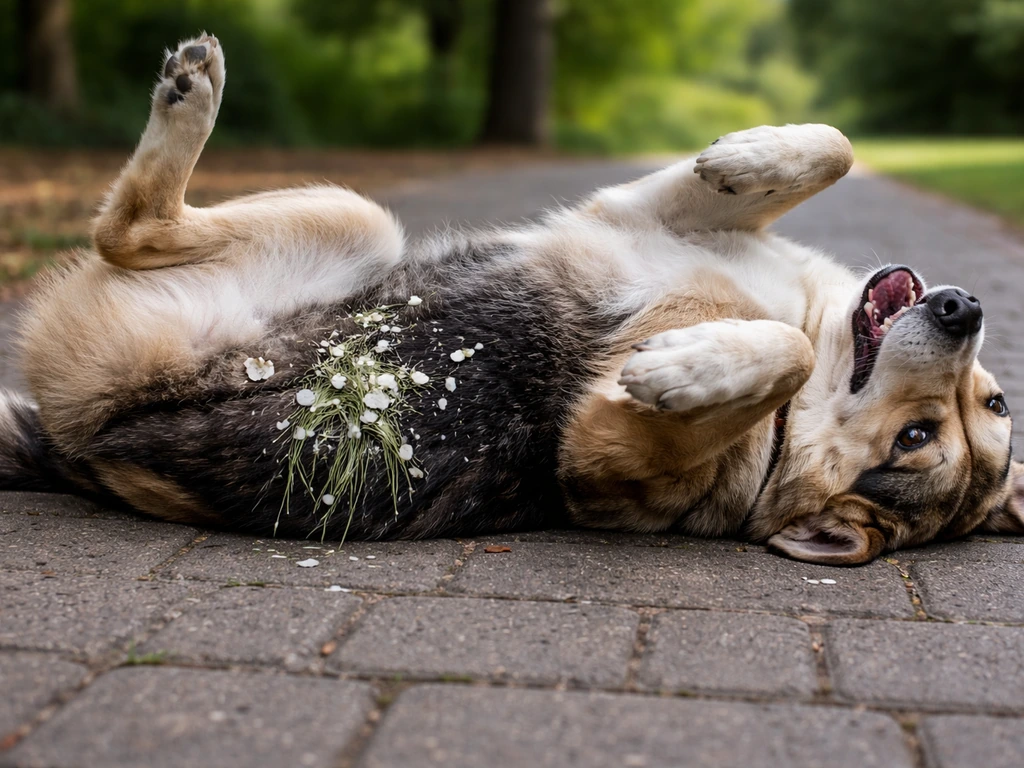
The ingestion route is the main concern. When a dog eats or licks bird feces, it's taking in whatever pathogens were living there directly. Skin contact is much lower risk unless the dog then licks itself, which, let's be honest, dogs do constantly. So if your dog rolled in bird droppings, treat it similarly to a potential ingestion.
For context on the more extreme end of the risk spectrum: if wild birds in your area have had confirmed avian influenza cases, that raises the stakes. The CDC advises that pets should not touch sick or dead birds or their feces, and if they do and then show signs of illness, veterinary care is warranted. That's a specific scenario, but it's worth knowing.
What's actually in bird poop that causes problems
Bacteria
Salmonella and Campylobacter are the two bacterial heavyweights. Both can be found in bird feces and both can cause real GI illness in dogs. Campylobacter jejuni and Campylobacter upsaliensis cause enteritis, and the tricky thing is that the same dog can carry Campylobacter without showing symptoms one week and then develop diarrhea from it the next. Incubation after exposure is typically 2 to 5 days. Diarrhea from Campylobacter can last a week or more and can relapse after it seems to have cleared up. Salmonella causes similar GI signs and can also become systemic in severe cases.
Parasites
Giardia spreads through the fecal-oral route, meaning a dog ingests cysts that were shed into the environment by an infected animal. Most dogs with Giardia recover fully within 5 to 8 days with treatment, but the infection is worth diagnosing rather than guessing about. Giardia diarrhea is usually soft and greasy rather than watery with blood, which helps distinguish it from bacterial causes. Cryptosporidium works similarly: dogs ingest oocysts from contaminated feces, water, or prey. In healthy adult dogs, finding Cryptosporidium without diarrhea is often a non-event, but in puppies or immunocompromised dogs it can cause significant illness. Oocysts start shedding in feces about 3 to 6 days after infection.
Other hazards
Dried droppings pose an inhalation risk to people cleaning them up (pathogens like Chlamydia psittaci, which causes psittacosis, can aerosolize from dried feces), but this is mainly a human concern during cleanup rather than a direct dog health issue. The bigger worry for dogs is always the ingestion route.
Symptoms to watch for after your dog ate bird poop
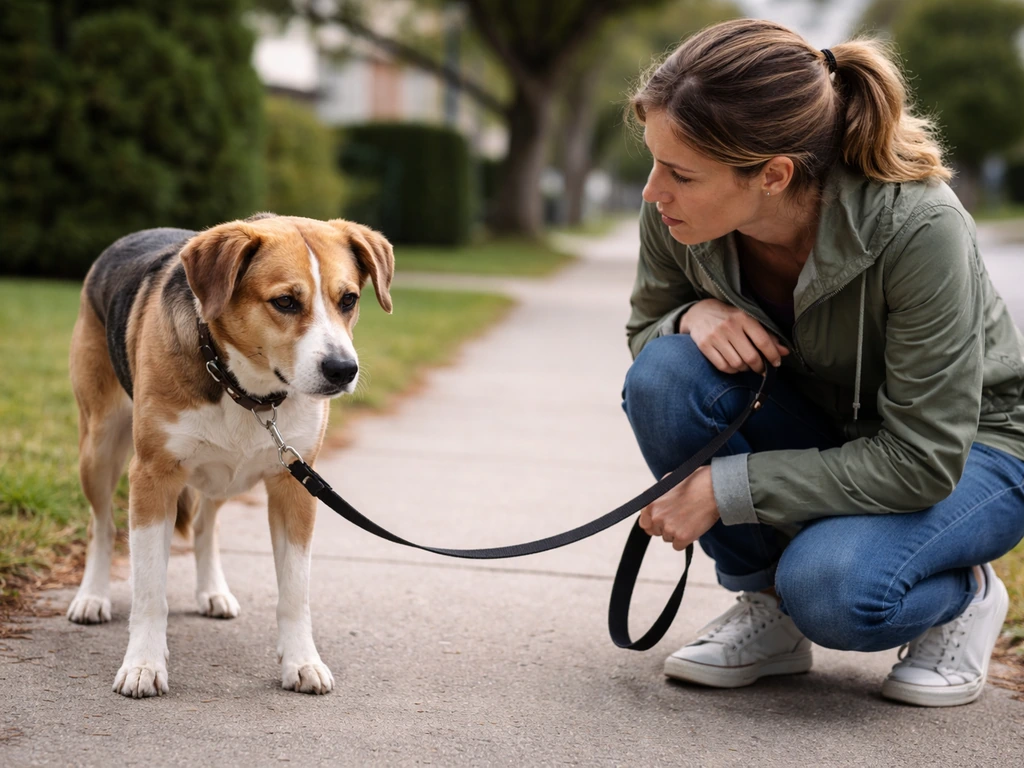
Most GI infections show up within 1 to 5 days of exposure. The window is wide because different pathogens have different incubation periods, so don't assume your dog is in the clear after just 24 hours.
- Diarrhea, which may be watery, mucus-laden, bile-streaked, or soft and greasy depending on the cause
- Blood in the stool (this is an escalation sign, see the vet)
- Vomiting, especially repeated vomiting
- Loss of appetite or refusing meals
- Lethargy or unusual tiredness
- Fever (dog feels warm, acts sluggish, has rapid breathing)
- Abdominal pain or sensitivity when touched around the belly
- Signs of dehydration: dry gums, skin that stays tented when pinched, sunken eyes, or weakness
Keep in mind that plenty of dogs eat bird poop and feel completely fine. If you are trying to decide what to do right now after your dog ate bird poop, the next step is to watch for symptoms and call your vet if anything seems off what to do after your dog ate bird poop about symptoms. But the symptoms above are your signal to stop watching and start acting. Diarrhea alone in a healthy adult dog for less than 24 hours is often watchful waiting territory. Diarrhea combined with vomiting, lethargy, or blood is a different story entirely.
What to do right now
- Stay calm and don't panic. A single exposure isn't an automatic emergency for most healthy adult dogs.
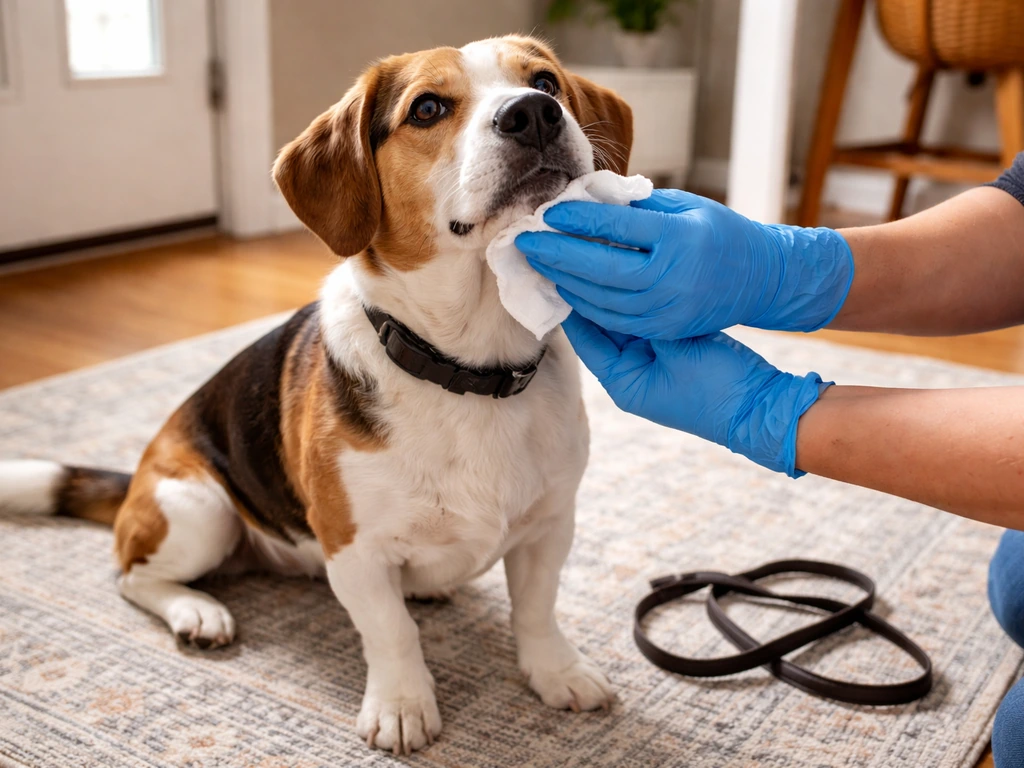
- If the droppings are still on your dog (fur, paws, muzzle), rinse the area with water right away to reduce further licking and ingestion. Use gloves and avoid getting it on your own hands or face.
- Do not try to induce vomiting at home without speaking to a vet first. This is only appropriate in specific situations and only within a certain time window, and a veterinarian should make that call.
- Write down what you know: approximately when the exposure happened, roughly how much the dog ingested or contacted, your dog's weight, and any symptoms you've already noticed. A vet will want all of this.
- Clean the contaminated area properly before your dog can go back to it. More on that in the prevention section below.
- Monitor your dog closely for the next 3 to 5 days. Check food and water intake, stool consistency, energy level, and behavior. If something changes, note the time and what you observed.
- Keep water available and encourage your dog to drink. Diarrhea and vomiting lead to dehydration, and keeping fluid intake up matters while you're monitoring.
When to call the vet (don't wait on these)
Some situations need professional attention right away. If your dog shows any of the following, call your vet or head to an urgent care clinic without waiting to see if it resolves on its own.
- Blood in the stool or vomit
- Repeated vomiting, meaning more than once or twice
- Diarrhea lasting more than 24 hours, or diarrhea that seems to improve and then suddenly relapses
- Any signs of dehydration: dry or tacky gums, weakness, not urinating, sunken eyes
- Lethargy or unusual weakness, especially combined with GI symptoms
- Fever or visible abdominal pain
- Loss of appetite lasting more than 24 hours
- Puppies, elderly dogs, or dogs with known immune issues showing any GI symptoms at all
- Known or suspected exposure to birds from an area with confirmed avian influenza cases
If you're unsure whether something counts as an emergency, you can call the ASPCA Animal Poison Control Center at (888) 426-4435. They'll ask about what your dog ingested, the amount, your dog's weight, and current symptoms, and they'll help you figure out whether you need to get to a vet immediately or can monitor at home. They coordinate with your local vet for next steps.
It's also worth remembering that repeated or severe diarrhea can cause dangerous electrolyte imbalances and dehydration even when the underlying infection isn't life-threatening on its own. Waiting too long on a dog that's become lethargic and won't drink is how a manageable situation becomes a serious one.
How to prevent it from happening again
Stopping re-exposure
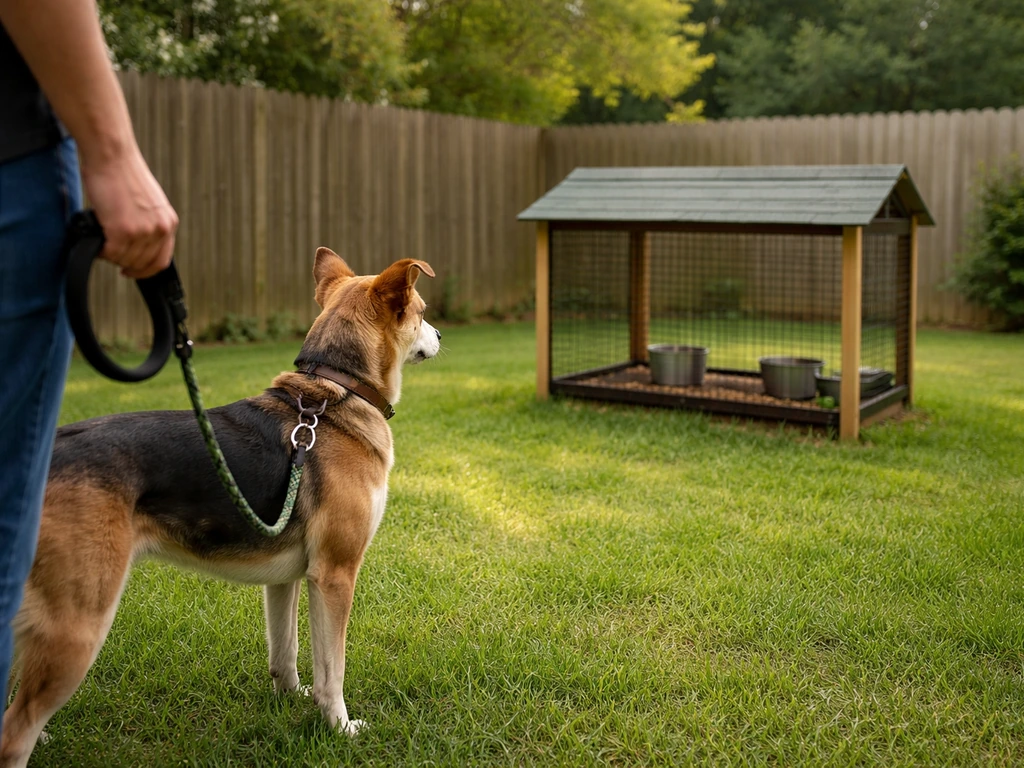
Dogs eat or investigate feces for various reasons (that's a whole separate topic), and simply telling them to stop rarely works. Supervision is the most reliable tool: keep your dog on a leash or within eyesight outdoors, especially in areas where birds congregate like under trees, near feeders, on docks, or in parks with large waterfowl populations. Don't leave your dog unsupervised in a yard that has a known bird roosting area nearby. Managing the environment beats correcting the behavior after the fact.
If birds are regularly roosting on your property, consider exclusion or dispersal methods to reduce fresh accumulations. Less droppings in the yard means less opportunity for your dog to find and eat them.
Cleaning up safely
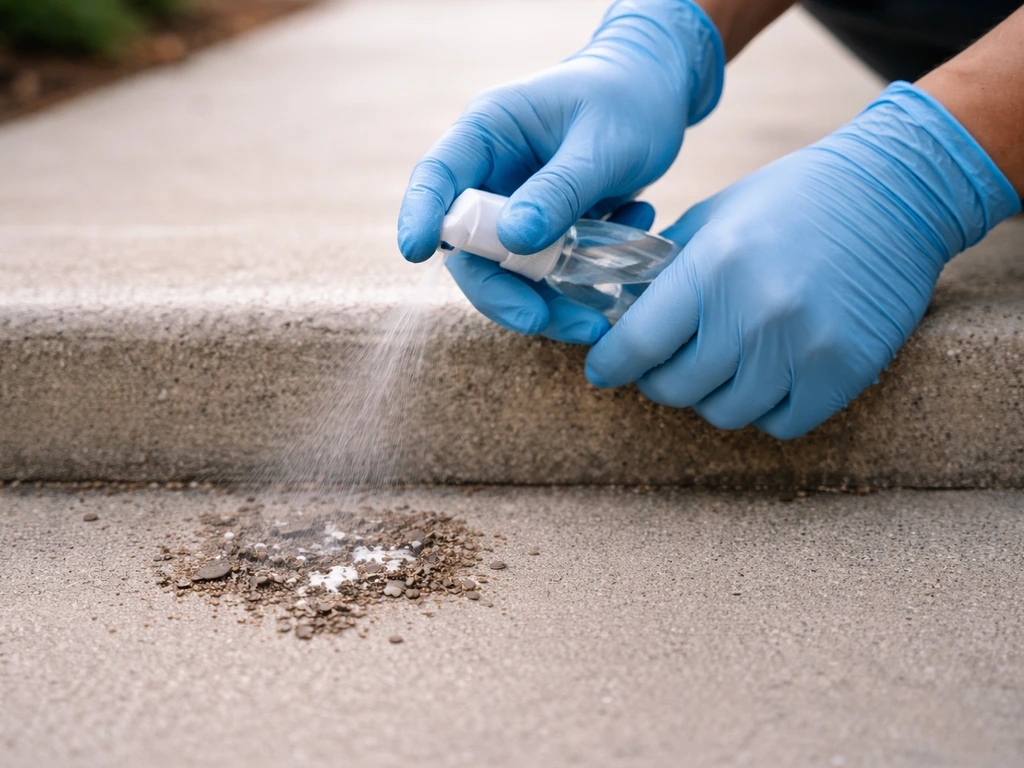
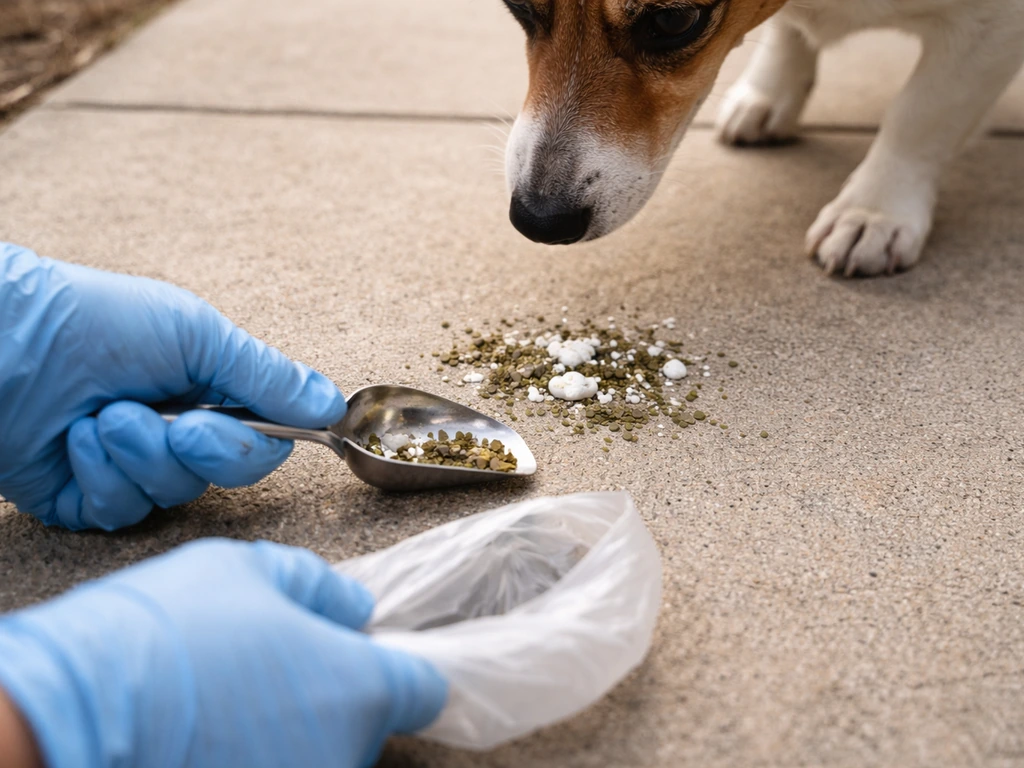
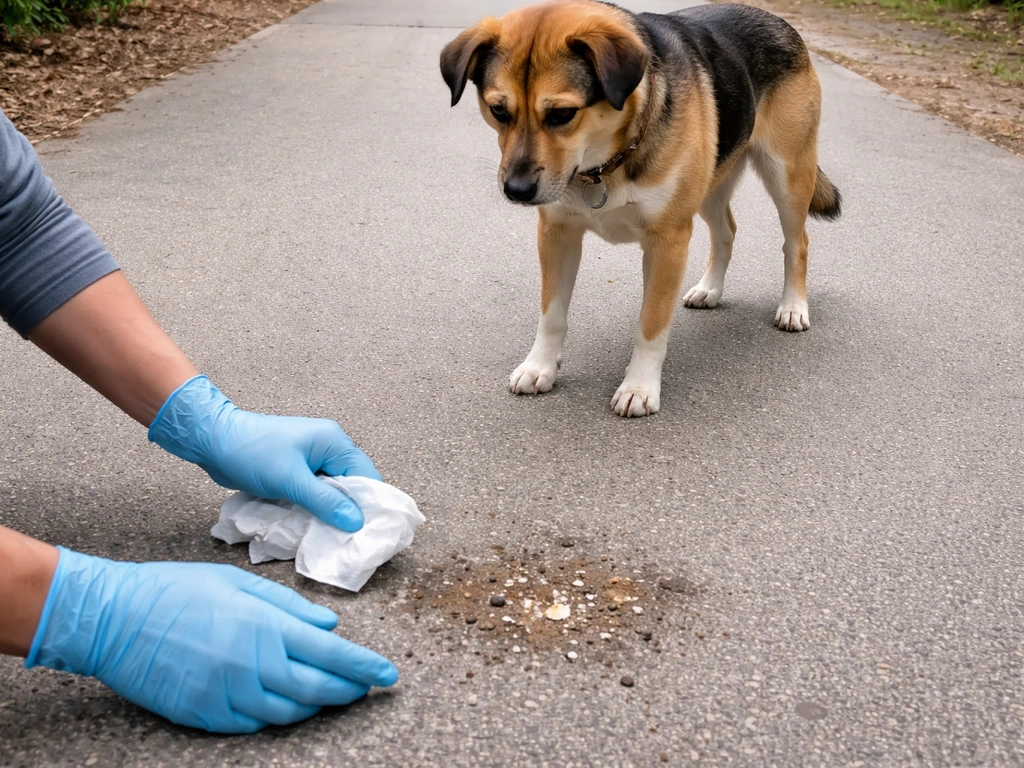
When cleaning up bird droppings, don't just sweep or vacuum: both of those actions can aerosolize dried feces and scatter pathogens into the air. The CDC recommends wetting droppings with water or a water-disinfectant mixture before cleaning, which keeps particles from going airborne. Use gloves, avoid touching your face, and wash your hands thoroughly afterward. Don't reuse equipment that contacted droppings until it's been properly cleaned and disinfected. For large or long-standing accumulations under a roost, a properly fitted N95 or NIOSH-approved respirator and eye protection are worth using before you start disturbing the area.
Once you've cleaned the area, keep your dog away from it until it's fully dry and you're confident the surface is decontaminated. A dog that watches you clean up droppings and then immediately goes to sniff the spot is basically undoing your work.
A note on ongoing risk
If your dog has already been treated for a parasitic infection like Giardia, remember that the dog should be retested 24 to 48 hours after treatment ends to confirm cyst shedding has stopped. Clearing symptoms doesn't always mean the infection is fully resolved, and re-exposure from the same environment can restart the whole cycle. Clean the yard, clean your dog's paws after outdoor time in high-risk areas, and follow through on the full treatment plan your vet recommends.
FAQ
My dog only licked one small bird dropping, should I worry about can bird poop make dogs sick?
One small, fresh dropping is lower risk, because pathogen load tends to increase with older accumulations. Still, monitor for 1 to 5 days, especially for loose stools, vomiting, or decreased energy. If the dog kept licking other droppings or the dropping was dry and plentiful, the risk goes up and you should call your vet for guidance.
Is diarrhea always a sign that bird poop made my dog sick?
Not always. Short-lived diarrhea can occur from unrelated causes like diet changes or stress, so duration and associated signs matter. If diarrhea is paired with vomiting, lethargy, feverish behavior, blood in stool, or it lasts more than 24 hours in an otherwise healthy adult, contact your vet. For puppies, any diarrhea sooner is more urgent.
What if my dog just sniffed or stepped in bird droppings, can bird poop make dogs sick through paw contact?
Paw contamination becomes a problem mainly if your dog then licks its paws, rubs its face, or you touch the area and then handle the dog’s mouth or food. Wipe the paws with a damp cloth after exposure, clean any fur that got soiled, and wash your hands before feeding or petting near the face.
Can bird poop make dogs sick without my dog eating it?
Yes, indirectly. The most common non-eating path is fecal-oral via licking contaminated fur, paws, or the ground. Another indirect route is contamination of water bowls or toys placed near roost areas. If you suspect exposure, prevent licking, clean the area, and watch symptoms according to the usual incubation window.
How long after exposure would symptoms from can bird poop make dogs sick usually show up?
Most GI symptoms appear within about 1 to 5 days, but the timing varies by pathogen. A dog that seems fine at 24 hours could still develop signs later, so keep observing through the full window, or stop sooner only if your vet advises based on the specific situation.
My dog vomited after bird poop exposure, do I treat it like an emergency?
Vomiting alone can be mild, but it becomes more concerning when it continues, comes with diarrhea, or your dog is too lethargic to drink. If vomiting is repeated, your dog cannot keep water down, or you notice blood, call your vet promptly rather than waiting. Hydration status is the key decision point.
Should I induce vomiting or give activated charcoal if my dog ate bird droppings?
Do not induce vomiting unless a vet or poison control specifically instructs you to. Activated charcoal is not appropriate in every case, especially if the dog is lethargic, vomiting a lot, or could aspirate. The safest next step is to call your vet or animal poison control and provide weight, amount, and timing.
Are there situations where can bird poop make dogs sick more seriously?
Yes. Higher concern includes puppies, senior dogs, immunocompromised dogs, or any dog with underlying kidney or liver disease. Also, if local reports confirm avian influenza activity, pets should avoid contact with feces and sick or dead birds, and veterinary advice becomes more important if your dog was exposed and then becomes ill.
What should I do during the watch period at home after my dog ate bird poop?
Keep the dog hydrated, avoid letting it rummage in the area again, and remove leftovers from the yard. You can offer small, bland meals only if your dog is acting well and keeping food down. Record the timing of symptoms and stool appearance, because that helps the vet decide whether testing or specific treatment is needed.
Should my vet test for Giardia or other parasites if symptoms appear after bird poop exposure?
Often yes, especially if diarrhea is persistent, greasy, foul-smelling, or not improving as expected. Giardia and Cryptosporidium are diagnosed with fecal testing rather than guessing. If your dog is treated, ask about follow-up testing after the medication course because cyst shedding can restart if re-exposure occurs.
Can I clean bird droppings in a way that protects my dog from getting sick again?
Yes. Wet droppings before cleanup to reduce airborne particles, use gloves, and keep your dog away until the area is fully dry and tools are properly disinfected. Do not reuse a pooper-scooper or shovel that touched droppings unless it’s been cleaned and disinfected, because residual contamination can be licked later by your dog.
Is it safe for my dog to go back to the spot after I clean up bird droppings?
Not immediately. Wait until the surface is dry and you are confident the droppings are fully removed and the area is disinfected. Dogs often re-sample the exact spot they watched you clean, which can lead to re-exposure before the area is truly safe.
If my dog has repeated episodes of diarrhea after bird exposure, could it be re-infection?
It can be. Repeated exposure from the same yard roost area, plus ongoing shedding from parasites, can create a cycle even when a dog feels better temporarily. If episodes recur, ask the vet about parasite testing, treatment plan adherence, and environmental cleaning steps (including cleaning paws after outdoor time in high-risk areas).