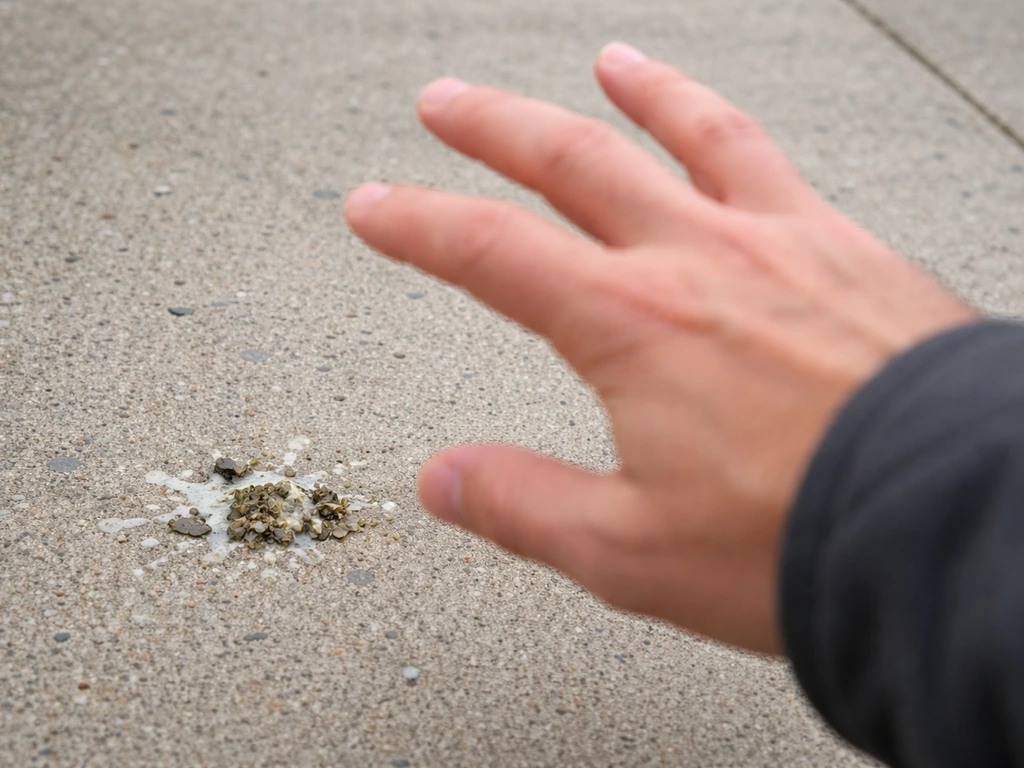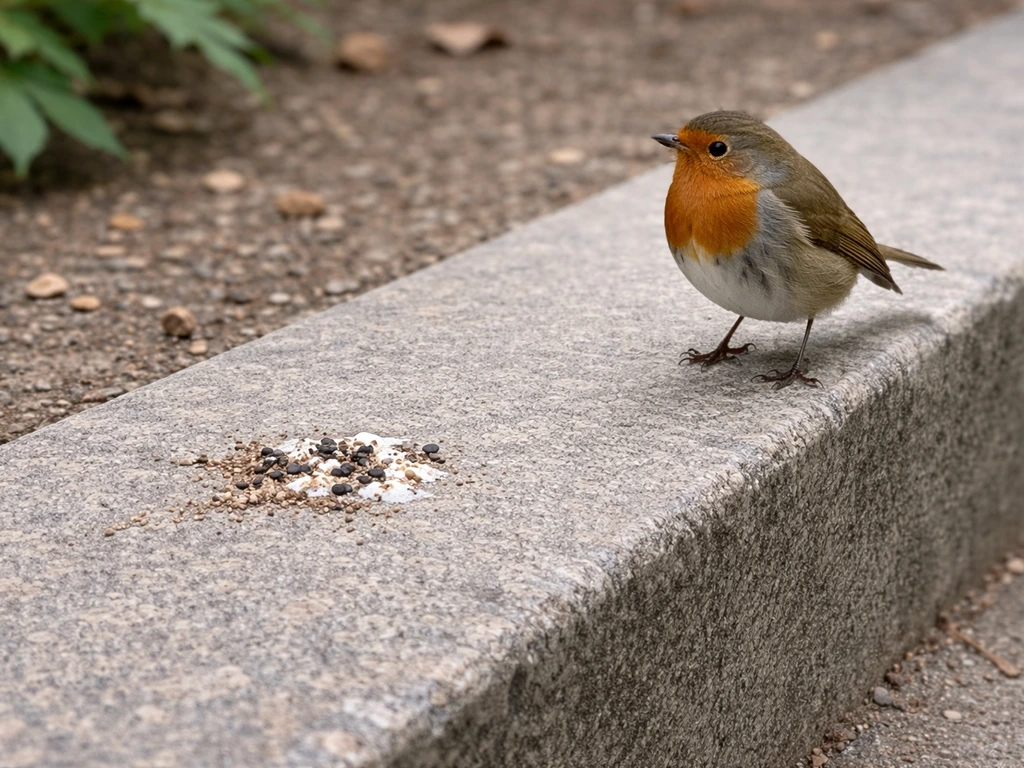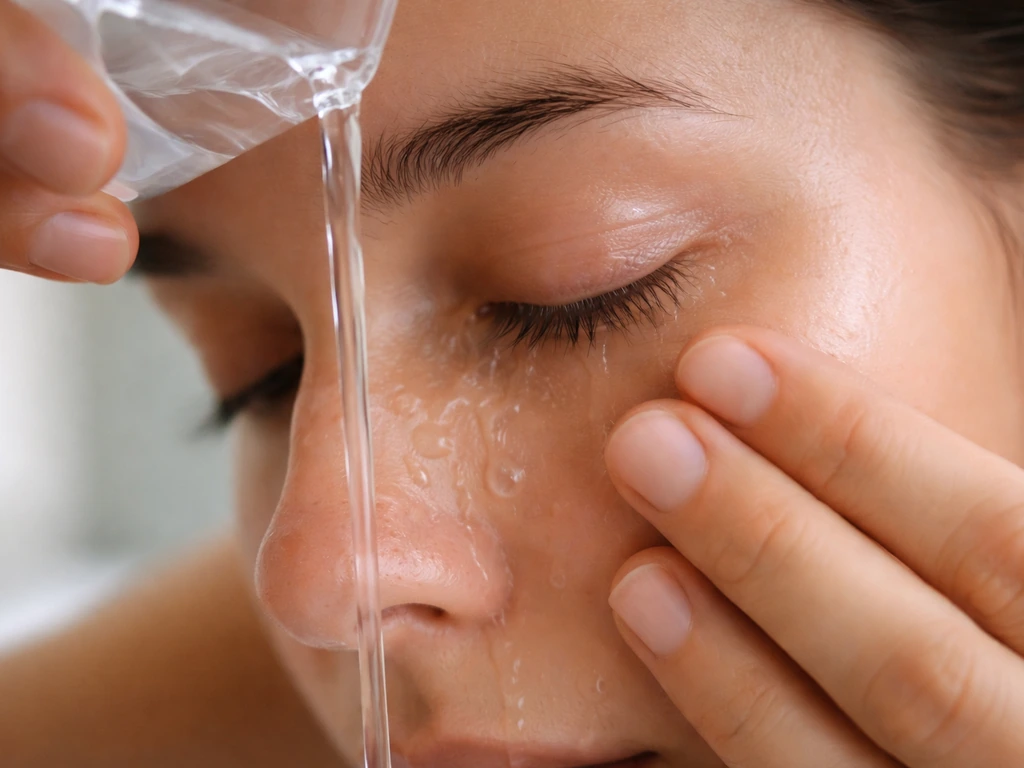
Getting bird poop in your mouth is genuinely unpleasant, but for most healthy adults, a small accidental exposure is unlikely to cause serious illness. The realistic risk is low, not zero. Bird droppings can carry bacteria like Salmonella and Campylobacter, plus fungi and parasites, so you do want to act quickly to clean your mouth out and keep an eye on how you feel over the next week. But you almost certainly do not need to rush to an emergency room.
What Happens If You Get Bird Poop in Your Mouth

Marcus Fielding
22 May 2026
What's actually in bird droppings that could hurt you
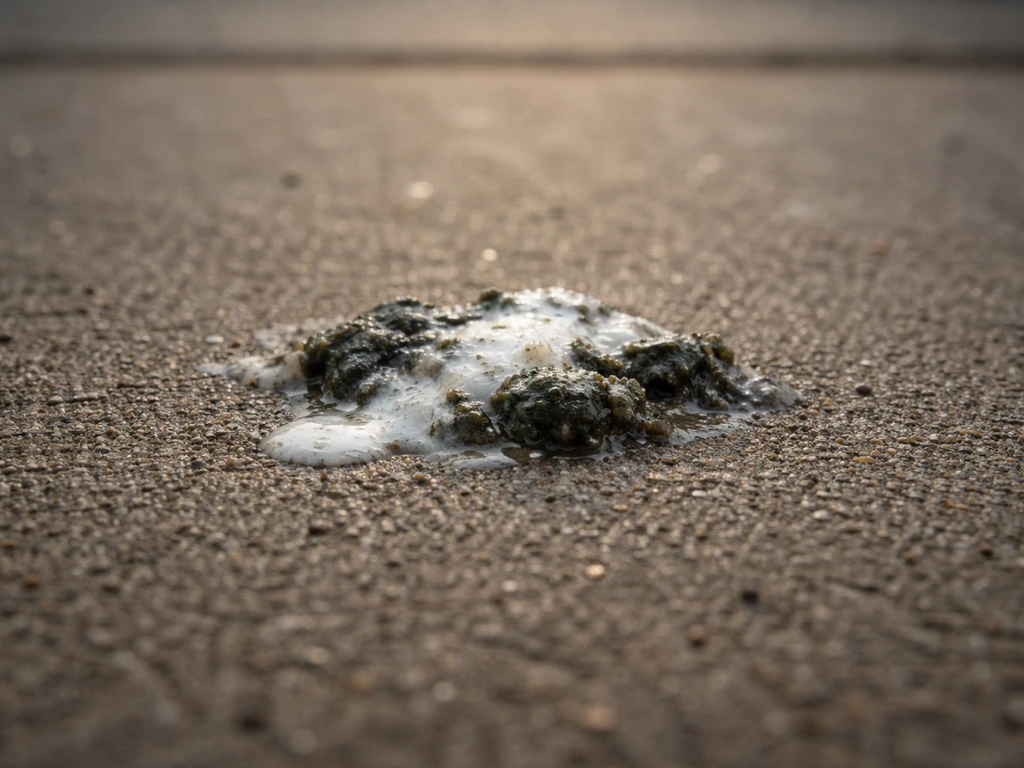
Bird droppings are a package deal of uric acid, fecal matter, and whatever germs happened to be living in that bird's gut or environment. The pathogens most commonly associated with droppings that could cause problems if swallowed include Salmonella, Campylobacter, E. coli, and Chlamydia psittaci (the bacteria behind psittacosis, also called parrot fever). There's also Histoplasma, a fungus that lives in soil contaminated by bird or bat droppings. On top of that, droppings can contain intestinal parasites like Cryptosporidium or Giardia depending on the bird species and environment.
It's worth knowing that psittacosis and histoplasmosis are most commonly contracted by inhaling dried droppings or contaminated dust, not by direct mouth contact. So if a fresh dropping landed on or near your mouth, your risk of those two specifically is lower than if you were, say, sweeping out a dry pigeon roost without a mask. The bacteria like Salmonella and Campylobacter are the more realistic concern with a direct oral exposure.
What to do right now
Act fast and don't overthink it. Here's the exact sequence to follow the moment you realize bird poop got in your mouth:
- Spit it out immediately. Do not swallow. If you already swallowed before realizing what happened, don't panic, just move to the next steps.
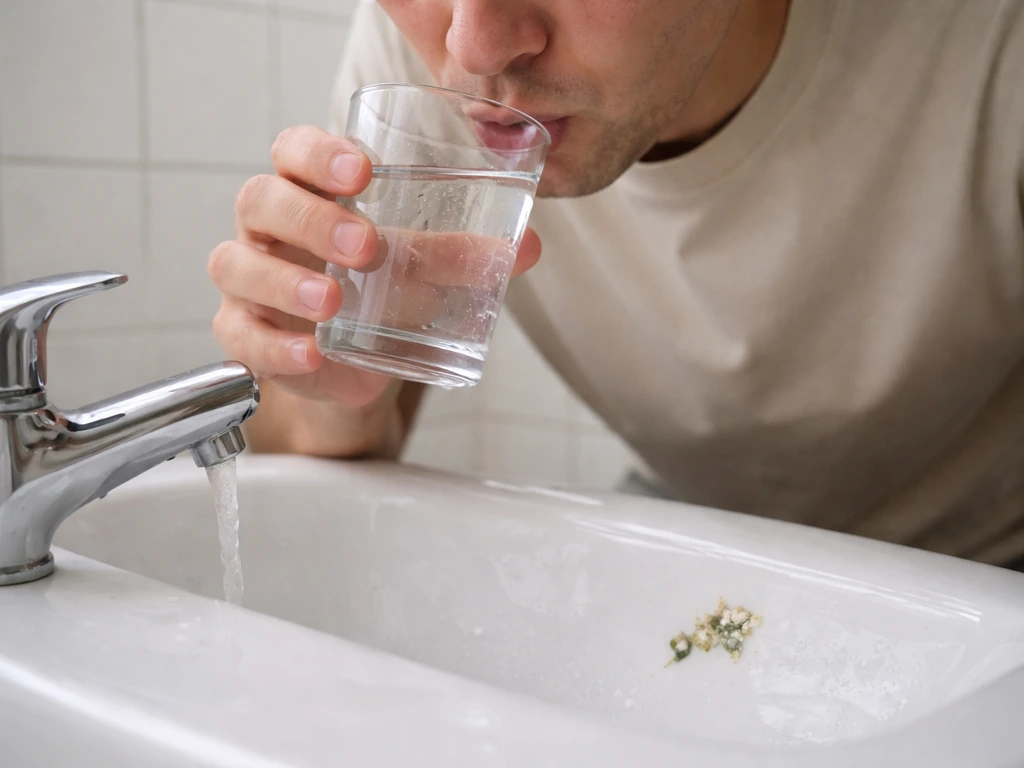
- Rinse your mouth thoroughly with clean water. Swish and spit several times to flush out as much material as possible.
- Use an antiseptic mouthwash if you have one handy. A 30-second rinse with something like Listerine or a chlorhexidine rinse adds a layer of protection without any downside.
- Wash your hands and face well with soap and water, especially if the dropping hit your lips or chin before entering your mouth.
- Drink a glass of water. It helps flush your throat and keeps things moving through your system.
- Do not induce vomiting. There's no benefit and it won't meaningfully reduce your risk at this point.
- Call your doctor or a nurse line if you're uncertain, especially if you're pregnant, immunocompromised, or have a young child involved. A quick call is always reasonable when you're unsure.
You don't need antibiotics or antifungals proactively. Unless you have a specific underlying condition, there's no evidence that prophylactic treatment is warranted for a single small oral exposure. Monitor your symptoms instead.
Symptoms to watch for over the next week
Most people who get sick from bird dropping exposure develop gastrointestinal symptoms first. The timing varies by pathogen, so keep a loose mental note of how you feel across the following window:
| Pathogen | Symptom onset after exposure | Main symptoms |
|---|---|---|
| Salmonella | 6 hours to 6 days | Diarrhea, fever, stomach cramps, vomiting |
| Campylobacter | 2 to 5 days (range 1 to 10 days) | Diarrhea (sometimes bloody), stomach pain, fever, nausea |
| Psittacosis (C. psittaci) | Typically 5 to 14 days | Fever, headache, dry cough, fatigue, possible pneumonia |
| Histoplasmosis | 3 to 17 days (if symptomatic) | Fever, chest pain, cough, fatigue (most cases are mild or silent) |
The symptoms you most realistically need to watch for are nausea, stomach cramps, diarrhea, and fever appearing within the first few days. If any of those show up and persist beyond 24 to 48 hours, or if you develop a high fever (above 102°F), bloody diarrhea, or chest symptoms, that's your cue to call a doctor and mention the bird dropping exposure. Don't wait it out if it's getting worse.
When the risk is genuinely higher
For most healthy adults, a small one-time exposure is a low-risk event. But certain situations push that risk level up and deserve a call to a healthcare provider rather than a wait-and-see approach.
- Young children: Their immune systems are still developing, and they're more likely to have touched a contaminated surface and then put their hands in their mouths. A pediatrician call is worth it if a toddler or infant was involved.
- Pregnant people: Some pathogens like Salmonella carry higher risks during pregnancy, including for the baby. Call your OB or midwife.
- Immunocompromised individuals: People undergoing chemotherapy, taking immunosuppressants, living with HIV, or with other immune-affecting conditions are at meaningfully higher risk of severe illness from pathogens that a healthy person would shake off. Don't wait for symptoms, call your care team.
- Large or repeated exposures: If you accidentally ingested a significant amount (not just a splash but a mouthful), or if this is a repeated exposure in a contaminated environment like a bird roost or aviary, the risk calculation changes. Get checked out.
- Wild or sick bird droppings: Droppings from visibly sick birds, or from species like parrots and parakeets that are closely associated with psittacosis, warrant more caution than a healthy pigeon or sparrow encounter.
If you're in any of these higher-risk groups, the bar for calling a doctor should be very low. It's not about panic, it's about having a professional weigh in while the window for early treatment is open.
How bird droppings actually transmit illness
Bird droppings cause illness through a handful of routes, and understanding them helps you calibrate your actual risk from a mouth exposure versus, say, walking through a dried-out pigeon area. The main transmission routes are:
- Direct ingestion: Swallowing fresh or dried droppings, or touching contaminated surfaces and then touching your mouth. This is the most relevant route for your situation right now.
- Inhalation of dried droppings: When droppings dry out and become dust, they can carry fungal spores (Histoplasma) and Chlamydia psittaci bacteria into the air. This is the primary route for psittacosis and histoplasmosis infections, according to the CDC.
- Contaminated water or food: Droppings that fall into water sources or onto food can introduce Salmonella, Campylobacter, and other pathogens through what you eat or drink.
- Skin contact and then mouth contact: Touching droppings with your hands and later touching your face or food is a very common indirect route.
The good news is that your body's first line of defense, stomach acid, neutralizes a lot of what gets swallowed. A small amount of contaminated material that gets rinsed out and doesn't reach your stomach in quantity has a much lower chance of establishing an infection than a large ingested dose. That said, some pathogens like Campylobacter have a fairly low infectious dose, meaning it doesn't take much to potentially cause illness. The CDC estimates Campylobacter alone causes about 1.5 million illnesses in the U.S. every year, most from contaminated food or water rather than bird contact, but it's worth keeping in mind.
Related to this: touching bird droppings and then touching your eyes is a separate concern that can cause eye infections, and eating droppings in any quantity (even accidentally in food) carries its own risks worth understanding separately.
Preventing future run-ins with bird droppings
If this happened once, it can happen again unless you make a few practical changes to your environment. Bird poop problems are very solvable, especially around cars, patios, windows, and areas where pets spend time.
Cars and parking spots
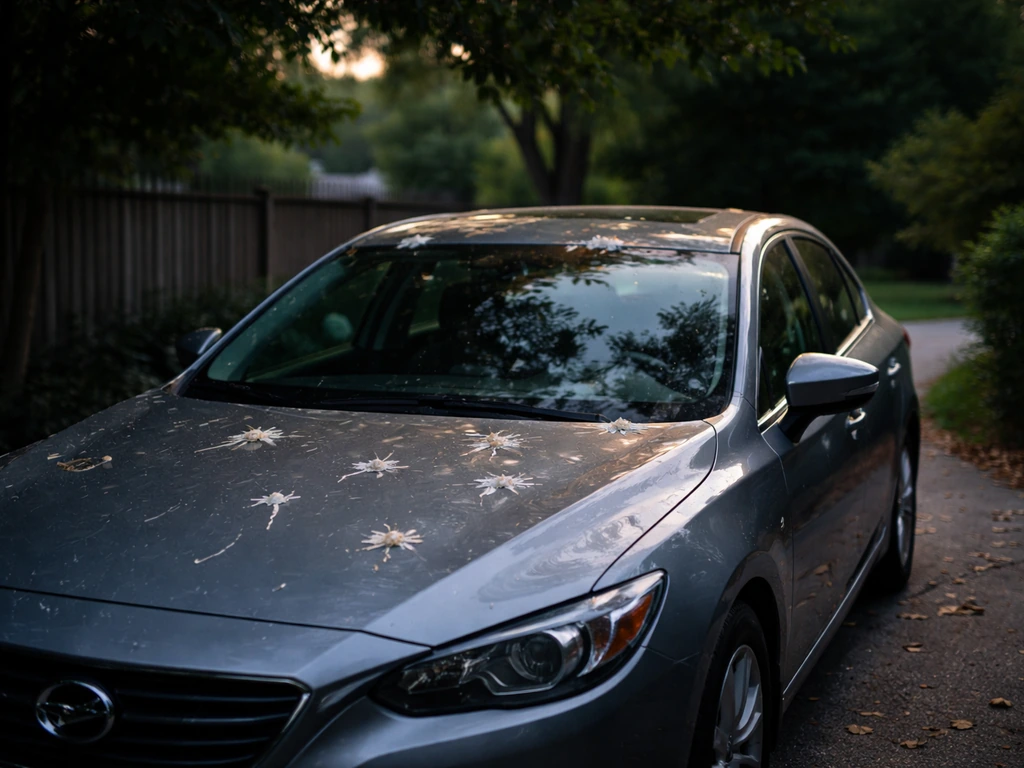
If birds are consistently targeting your car, the fix is usually about removing what's attracting them. Don't park under trees where birds roost, especially at dusk. Reflective tape, decoy predators (like owl silhouettes), or hanging old CDs near your usual parking spot can discourage birds from hanging around. A car cover is the most reliable physical barrier if you park in the same spot daily. When removing droppings from your car, always wet them before wiping since dry droppings create airborne particles, which is the real risk for inhalation-based pathogens.
Patios and outdoor seating
Patios under eaves, power lines, or near trees get hit the hardest. Netting or bird spikes on ledges and railings dramatically reduces droppings on surfaces where you eat or relax. Remove bird feeders if you have them close to seating areas, or relocate them to a corner of the yard away from where people gather. Clean patio furniture regularly with a diluted bleach solution (1 part bleach to 10 parts water) and always wear gloves when cleaning up dried droppings.
Windows and ledges
Window ledges and air conditioning units are prime roosting spots. Bird spikes, gel deterrents, or even strips of double-sided tape on the ledge surface will persuade birds to land elsewhere. If you're cleaning droppings from windows, dampen them first and use disposable gloves and a mask if the buildup is heavy or old.
Homes with pet birds
If you have a pet bird, especially a parrot, cockatoo, or other psittacine species, good hygiene around their cage is non-negotiable. Clean the cage floor and perches regularly to prevent dried droppings from accumulating. Wash your hands before and after handling your bird or cleaning their space, and don't allow your bird to perch near your face or mouth. Birds in the parrot family are the most common source of psittacosis exposure in household settings, so it's worth having your bird checked by an avian vet if it shows any signs of illness.
The bottom line is that bird poop in your mouth is a real enough concern to take seriously in the moment, but it's rarely a medical emergency for a healthy adult. The most common question is what happens if you eat bird poop, and the answer depends on how much you swallowed and whether you’re in a higher-risk group. Rinse thoroughly, watch for symptoms over the next week, and reach out to a doctor if you fall into a higher-risk group or if symptoms show up and worsen. One solid rinse and a little vigilance is usually all this situation needs.
FAQ
What’s the best immediate first-aid step after bird poop gets in my mouth?
Rinsing right away is the priority. Swish water thoroughly, spit, then repeat. You can also brush your teeth after rinsing, but avoid vigorous rinsing that splashes contaminated material deeper into your mouth. If the poop contacted the inside of your lip or gums, use extra gentle rinsing and check for irritation afterward.
If I start getting diarrhea, should I take anti-diarrhea medicine right away?
Avoid taking over-the-counter anti-diarrhea meds unless a clinician advises it, especially if you develop fever or bloody diarrhea. Those conditions can indicate an infection where stopping the bowel movements can be unhelpful. Focus on hydration and monitor symptoms.
Do I need antibiotics or antifungal treatment after a single small oral exposure?
One exposure usually does not justify antibiotics or antifungals, even if you feel anxious. Exceptions include if you are immunocompromised, have significant chronic illness, are pregnant, or symptoms escalate quickly, in which case a doctor may test and decide on treatment based on your situation.
How long after exposure would symptoms show up, and when should I worry?
If you swallowed a small amount, symptoms (if they happen) typically start within the first few days, then gradually improve if it is mild. However, don’t ignore symptoms that persist beyond 24 to 48 hours or worsen over that week, because some infections require medical evaluation.
What symptoms mean I should stop monitoring and call a doctor?
Call a clinician promptly if you have high fever (above 102°F), severe or worsening abdominal pain, bloody diarrhea, signs of dehydration (very little urination, dizziness), or any chest symptoms. Also seek care sooner if you have a weakened immune system, are an older adult with medical complexity, or are pregnant.
Does it matter whether the bird poop was fresh or dried when it got into my mouth?
If your mouth exposure happened from a fresh dropping, your risk for certain illnesses tied to dried droppings and dust is lower than it would be after sweeping a dry roost. That said, bacteria associated with direct ingestion can still cause illness, so you still should rinse and monitor.
What if it got in my mouth and also splashed into my eyes?
If you have bird droppings on your hands or around your face, eye contact is a separate pathway. Rinse your eyes with clean water or saline right away if contamination occurred, and seek care if you develop redness, pain, discharge, or light sensitivity.
Does the type of bird (pigeon vs. parrot, etc.) change what I should do?
Not always. Your risk depends more on what you swallowed, your immune status, and symptom development than on the exact bird species. If you can identify the bird, share that with a doctor, because it can help them think about particular illnesses, but you should still rinse and watch for symptoms.
What changes if the bird poop accidentally got into my food instead of just my mouth?
If the bird poop ended up in food, rinse your mouth and consider calling a clinician sooner if a large amount was involved, if you have high-risk conditions, or if you develop fever, persistent vomiting, or bloody or severe diarrhea. A small amount may still be low risk, but food exposure can involve larger swallowed quantities than a brief mouth contact.
Is there anything I should take or do to ‘detox’ the germs after a mouth exposure?
You should not rely on stomach “detox” methods like activated charcoal or vomiting induction. Also avoid repeated harsh mouthwashes. A simple thorough rinse and symptom monitoring is the practical approach; seek medical advice if symptoms start or you are in a higher-risk group.