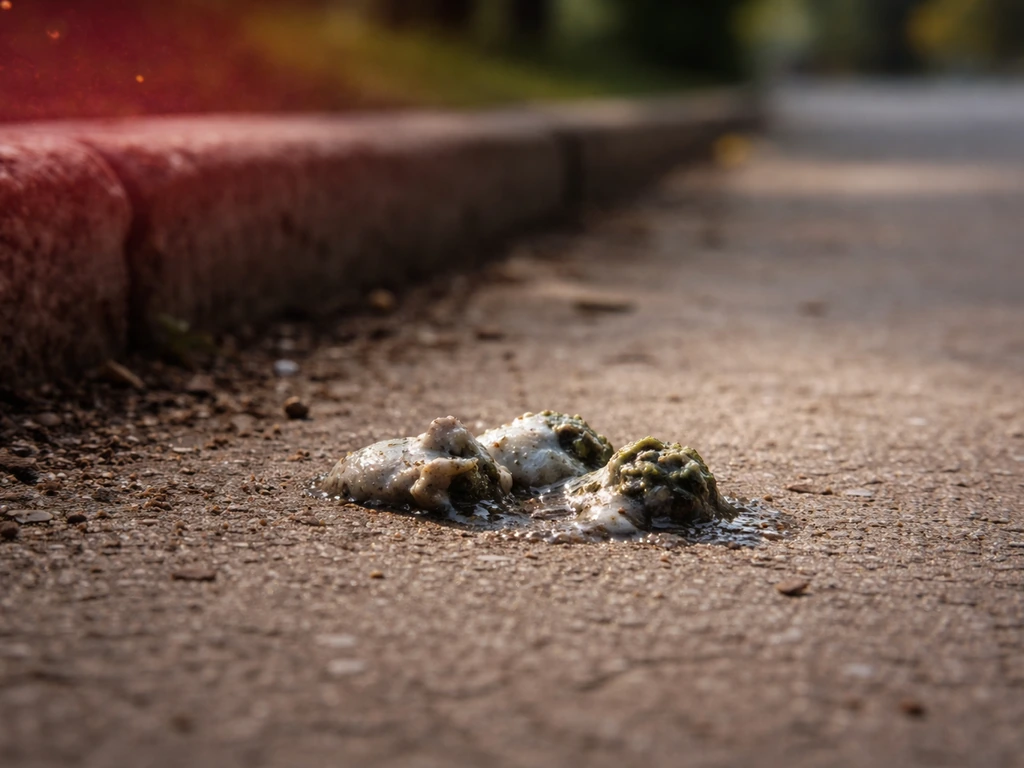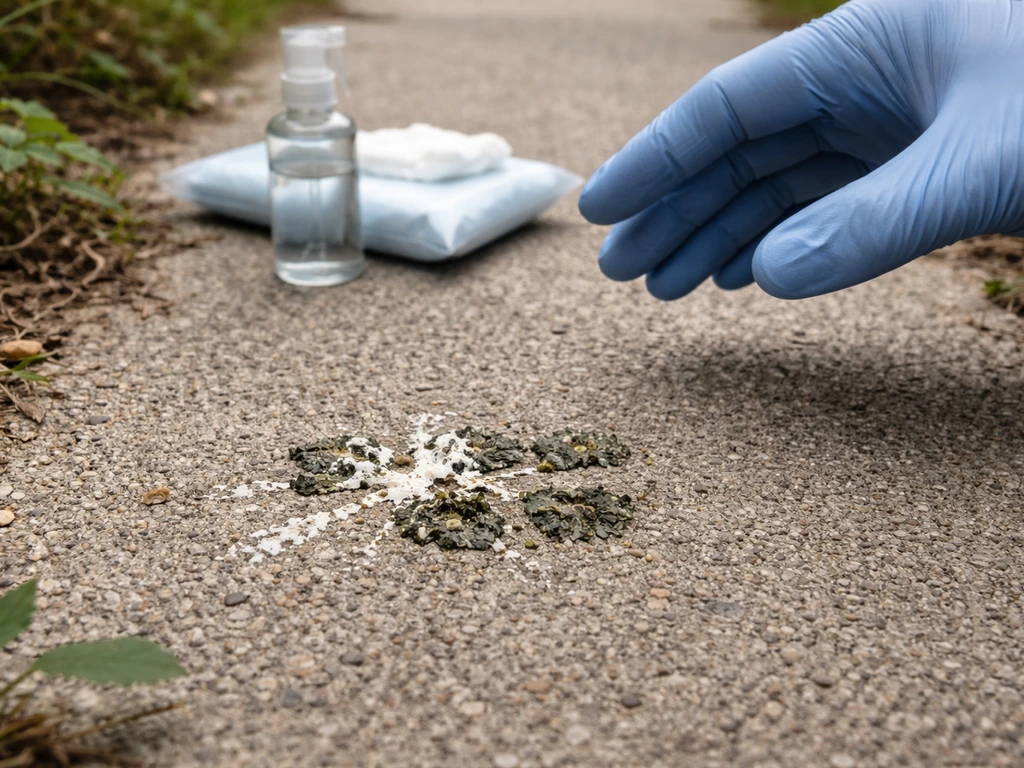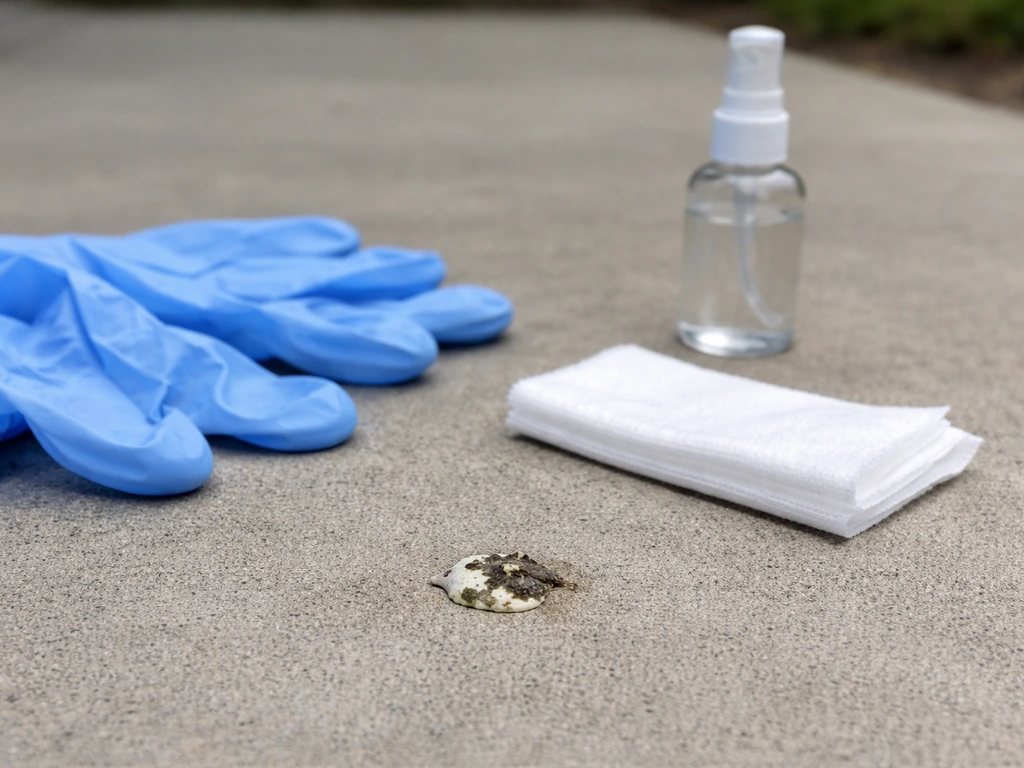
Bird poop is extremely unlikely to make you blind. There is no documented medical pathway where a bird dropping lands on or near your eye and directly causes permanent blindness. That said, getting bird poop in your eye is not a nothing event. It can cause real irritation, a possible infection, or a corneal scratch, and if you ignore the warning signs, any of those things could theoretically escalate. So the honest answer is: don't panic, but do rinse immediately and pay attention to how your eye feels over the next day or two.
Can Bird Poop Make You Blind? Eye Safety and What to Do

Marcus Fielding
17 May 2026
The blindness rumor: what's real and what's overblown
The idea that bird poop can make you go blind gets passed around like an urban legend, and it's worth separating the grain of truth from the exaggeration. Bird droppings can carry pathogens. Chlamydia psittaci (the bacteria behind psittacosis) is found in droppings from infected birds, and Histoplasma capsulatum spores can be present in environments with large accumulations of droppings. Both of these are real health concerns, but they cause respiratory illness, not blindness, and they're transmitted by inhaling dried, aerosolized particles, not by a fresh dropping hitting your eye.
The closest real-world scenario to 'bird poop and blindness' is a secondary one: if contaminated fluid or debris gets into your eye while you're cleaning up droppings, and you happen to wear contact lenses, you are at a meaningfully elevated risk for a serious corneal infection. Acanthamoeba keratitis and fungal keratitis are both contact-lens-associated corneal infections that the CDC has flagged as genuinely capable of causing vision loss or the need for a corneal transplant.
Those infections aren't caused by bird poop specifically, but any contaminated organic material near contact lenses raises the risk. That's a real concern worth knowing about, not something to catastrophize over. If you are wondering how dirty bird poop really is, it helps to separate everyday nuisance irritation from the less common infection risks how dirty is bird poop.
For the vast majority of people who get a splatter near the face or catch a dropping that grazes the eye area, the risk level is low and manageable. NYC Health notes that routine cleanups of bird droppings, like wiping a windowsill, do not pose a serious health risk to most healthy people. This is one reason cleaning bird poop is usually not dangerous when you use sensible precautions routine cleanups of bird droppings. The key word is 'routine.' Large accumulations, enclosed spaces, and disturbing dried droppings without protection are different situations entirely, and they're more relevant to the inhalation risk than the eye risk.
How bird poop could actually affect your eyes
Even if blindness from a single bird dropping is not a realistic outcome, there are a few genuine ways your eyes can be affected. Understanding the actual mechanisms helps you know what to watch for.
- Physical irritation: Bird droppings are acidic and can sting or irritate the eye's surface on contact, causing redness, tearing, and discomfort.
- Corneal abrasion: If grit, a feather fragment, or debris in the dropping scratches the cornea, you can end up with a corneal abrasion. These are painful and need evaluation, but they typically heal well with proper care.
- Conjunctivitis (pink eye): Bacteria present in droppings can cause bacterial conjunctivitis if they enter the eye. This is uncomfortable but usually treatable with antibiotic eye drops.
- Secondary infection in contact lens wearers: Wearing contacts dramatically raises the stakes. Any contaminated material near a contact lens can introduce pathogens directly against the cornea, increasing the risk of serious keratitis infections.
- Aerosolized particles during cleanup: If you're cleaning dried droppings without eye protection and you disturb the material, aerosolized particles can reach your eyes and mucous membranes. This is the higher-risk scenario compared to a fresh, accidental splat.
Symptoms to watch for after exposure
If bird poop has gotten in or very close to your eye, rinse first (more on that below), then keep tabs on how your eye behaves over the next 24 to 48 hours. Most mild reactions settle down quickly. These are the symptoms that tell you something more is going on:
| Symptom | What it might mean | Urgency level |
|---|---|---|
| Mild redness and tearing that clears within an hour after rinsing | Normal irritation response | Home care, monitor |
| Persistent redness, burning, or gritty feeling after rinsing | Possible corneal abrasion or early infection | See an eye doctor within 24 hours |
| Yellow or green discharge | Bacterial conjunctivitis | See a doctor; may need antibiotic drops |
| Blurred or hazy vision that doesn't clear | Possible corneal injury or infection | Urgent care or eye doctor same day |
| Severe pain, light sensitivity, or swollen eyelid | Significant corneal injury or infection | ER or urgent eye care immediately |
| Vision changes, floaters, or loss of part of your visual field | Serious eye injury or infection | Emergency care now |
What to do right away if it gets in or near your eye
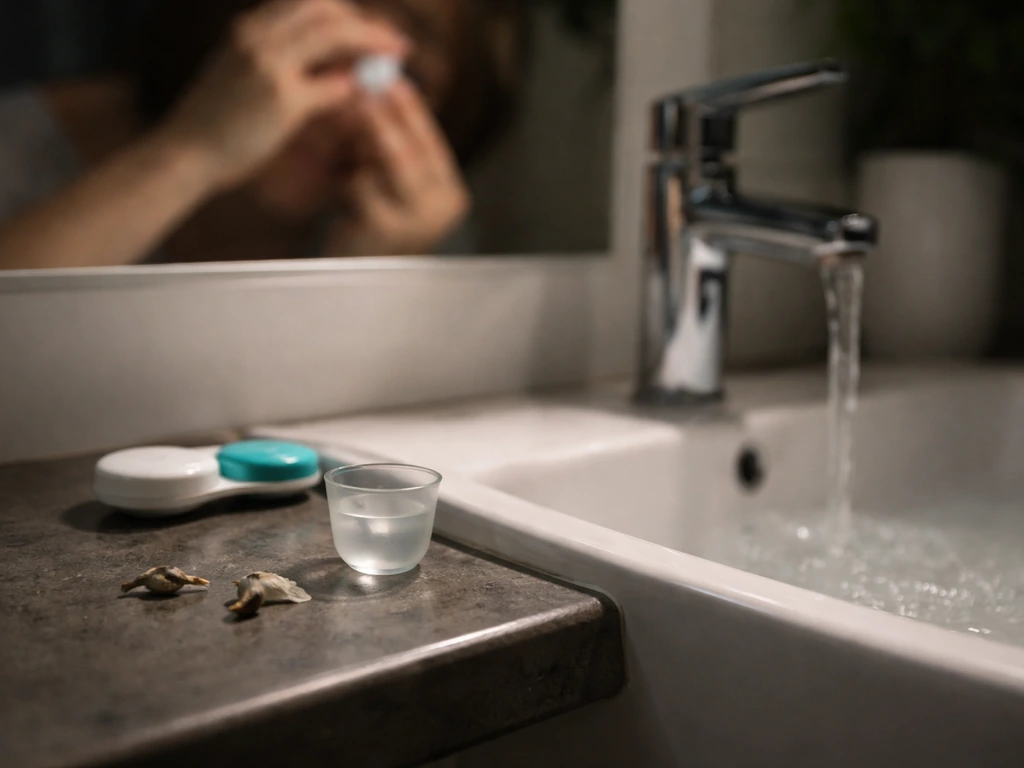
Speed matters here. The faster you rinse, the less time any irritants or potential pathogens have contact with your eye's surface. Here's the exact process: For a chemical splash in the eye, Mayo Clinic advises flushing with clean, lukewarm tap water for at least 20 minutes, directing the water over the forehead toward the affected eye and bridge of the nose flush with clean, lukewarm tap water for at least 20 minutes.
- Rinse immediately with clean, lukewarm water. Use a gentle stream from a tap, a clean cup of water, or contact lens saline. Tilt your head so the affected eye is down and let the water run from the inner corner (near the nose) outward. Flush for at least 15 to 20 minutes, not a quick splash.
- Remove contact lenses before or during rinsing if you can do so quickly and easily. The exception: if your eye is swelling fast, or the contacts came out on their own with the water flush, don't delay rinsing to deal with the lenses.
- Don't rub your eye. Rubbing can grind any particles further into the surface of the eye or worsen a corneal scratch.
- Don't put anything else in your eye. No eye drops, no milk, no home remedies. Just water or saline.
- Wash your hands thoroughly with soap and water before and after touching your eye area.
- After rinsing, assess how the eye feels. Mild residual irritation that fades is reassuring. Pain, blurry vision, or discharge that develops over the next few hours is your cue to call a doctor.
When to get professional eye care vs. handle it at home
After a good rinse, most mild bird poop eye exposures can be monitored at home. If you are worried that bird poop can kill you, focus on the low eye risk but take the bigger infection and breathing risks seriously during heavy cleanup bird poop eye exposures. But there are clear situations where you should not wait and see.
Go to urgent care or an ER if:
- You have significant pain that persists after rinsing
- Your vision is blurry, hazy, or changed in any way
- You have intense sensitivity to light
- Your eyelid is swelling rapidly
- You were wearing contact lenses during the exposure
- You have a compromised immune system (cancer treatment, HIV/AIDS, or similar conditions)
- Symptoms are getting worse rather than better over a few hours
Call or visit your eye doctor within 24 hours if:
- Mild redness or irritation hasn't fully resolved after several hours
- You notice any discharge (crustiness, mucus) forming
- You feel a persistent gritty or foreign-body sensation even after rinsing
- You are unsure whether a corneal scratch occurred
Home care is reasonable if:
- The exposure was minor (a splatter near the eye, not directly in it)
- Your vision is completely normal
- Redness and irritation are mild and clearly improving within an hour of rinsing
- You have no other symptoms
Even if you decide to monitor at home, set a mental checkpoint at 24 hours. If you're still noticing anything other than occasional mild dryness, get it checked. Eye infections can progress quickly, and early treatment with the right antibiotic drops makes a significant difference.
Cleaning up safely and avoiding repeat exposure
Whether you're a car owner dealing with daily pigeon bombardments, a pet bird owner cleaning a cage, or someone clearing a balcony covered in old droppings, the cleanup approach matters a lot. The risks from bird droppings (including the inhalation risks from pathogens like Histoplasma and Chlamydia psittaci) go up significantly when you aerosolize dried material. The CDC (NIOSH) emphasizes that histoplasma risk increases when cleanup activities disturb droppings and create dust or airborne aerosols, so avoiding aerosolization is key aerosolize dried material. Here's how to clean up without putting your eyes or lungs at risk.
- Wet the droppings before cleaning. The CDC specifically recommends dampening surfaces with water or disinfectant before wiping or sweeping bird cages and droppings. This is the single most effective way to prevent dried material from becoming airborne.
- Wear eye protection. Safety glasses or goggles are worth it any time you're cleaning an area with significant accumulation, especially in enclosed or dusty spaces.
- Use gloves and wash hands thoroughly afterward. Contact with droppings followed by touching your face is a realistic exposure route.
- Avoid dry sweeping or using a leaf blower on dried droppings. Both methods throw fine particles into the air and directly toward your face.
- If you have a compromised immune system, don't clean bird droppings yourself. NYC Health specifically advises that immunocompromised individuals (including those with HIV/AIDS or cancer) should not handle cleanup.
- For large accumulations, such as a heavily soiled attic, rooftop, or outdoor space with years of buildup, use an N95 respirator and goggles. This is the kind of scenario where histoplasmosis risk is meaningful.
- After any cleanup around birds or droppings, avoid touching your eyes, nose, or mouth until you've washed your hands with soap and water.
The broader danger picture from bird droppings (making you sick in general, the risk during heavy cleanup, what diseases are actually plausible) is worth understanding if you deal with birds regularly. The good news is that with sensible precautions, the risks are genuinely manageable for healthy adults. The eye risk specifically is one part of a larger picture, and it's one of the more controllable ones: wear glasses or goggles when cleaning, rinse immediately if exposure happens, and know when to call a doctor.
FAQ
If bird poop gets in my eye, how long can I wait before seeing a doctor?
If you still have significant pain, light sensitivity, blurred vision, or discharge after 24 hours, get same-day or next-day eye care. Also seek urgent care immediately if vision changes or you suspect a corneal scratch, because those problems can worsen quickly even when the initial exposure seems minor.
Should I flush my eye with saline or water, and how much?
Use whatever clean, non-irritating solution you have immediately, saline is ideal but clean water is acceptable in the moment. Continue rinsing for several minutes, and if you use contact lenses, remove them right away before flushing so contaminated material is not trapped under the lens.
Do I need to stop using contact lenses after a bird poop exposure?
Yes. Do not put contacts back in until the eye feels normal and a clinician says it is safe, because contacts can trap organic debris and increase the risk of serious corneal infection. If symptoms persist, bring the lens case and any recent lens wear dates to your appointment.
What symptoms mean it is more than simple irritation?
Pain that is getting worse, strong light sensitivity, persistent redness, a feeling like something is stuck, watery discharge that does not improve, or any reduction in vision are red flags. Mild temporary watering or dryness alone, especially after quick rinsing, is less concerning but still worth monitoring.
Can I rub my eye after a bird poop splash?
Avoid rubbing. Rubbing can spread contaminants, scratch the cornea, or increase inflammation. Blot gently if needed, then rinse, and only use lubricating drops after flushing if you have them.
Is it safe to use antibiotic eye drops that I have at home?
Usually no. Leftover antibiotics may be expired or wrong for the situation, and using them can delay proper diagnosis. If you have escalating symptoms, get evaluated so an exam can determine whether antibiotics, antifungals, or something else is needed.
How do I clean up bird droppings safely if I want to reduce eye exposure?
Wear eye protection like sealed goggles, not just glasses, and avoid dry sweeping. Use disposable gloves, moisten the droppings with a disinfecting solution before wiping, and keep your face turned away from the cleanup area to prevent splashes.
Does the risk change if the droppings are old or dried?
Yes. Fresh splatter is more likely to contact your eye directly, while dried accumulations raise the chance of airborne particles and debris. For eye safety, sealed goggles still matter most, and for overall health, do not disturb dried droppings without wetting and proper ventilation.
If I only got it on my eyelid or near my eye, do I still need to rinse?
Yes, rinse if it got close enough to touch your eye area, including the inner corner. Contaminants can migrate when you blink, and removing them early reduces the chance of irritation or infection.
When is inhalation risk from bird droppings more concerning than the eye risk?
During heavy cleanup of large amounts, especially in enclosed spaces or when materials are dry enough to become aerosolized. If you notice coughing, throat irritation, fever, or breathing trouble after exposure, prioritize medical advice for respiratory symptoms even if your eyes feel okay.