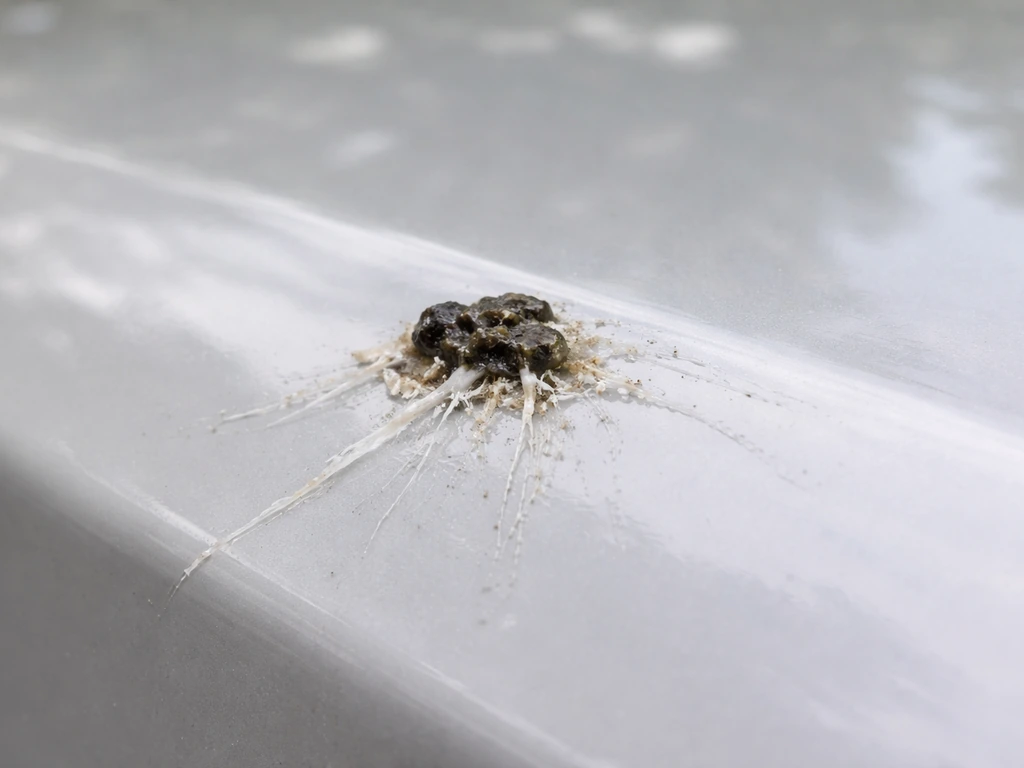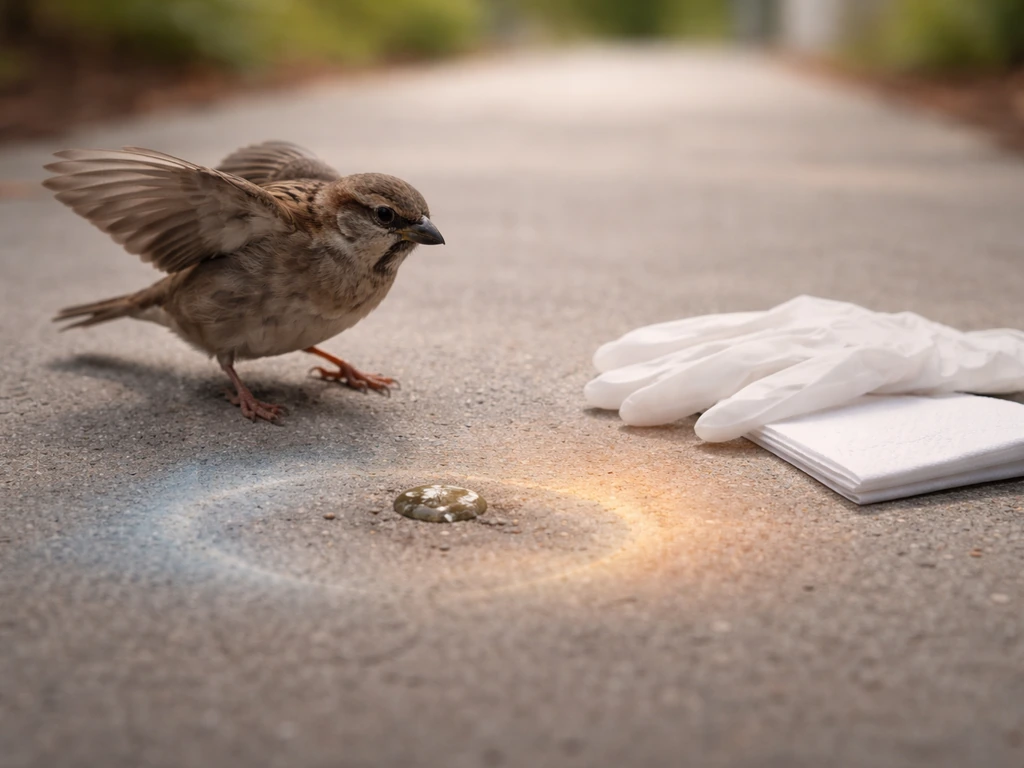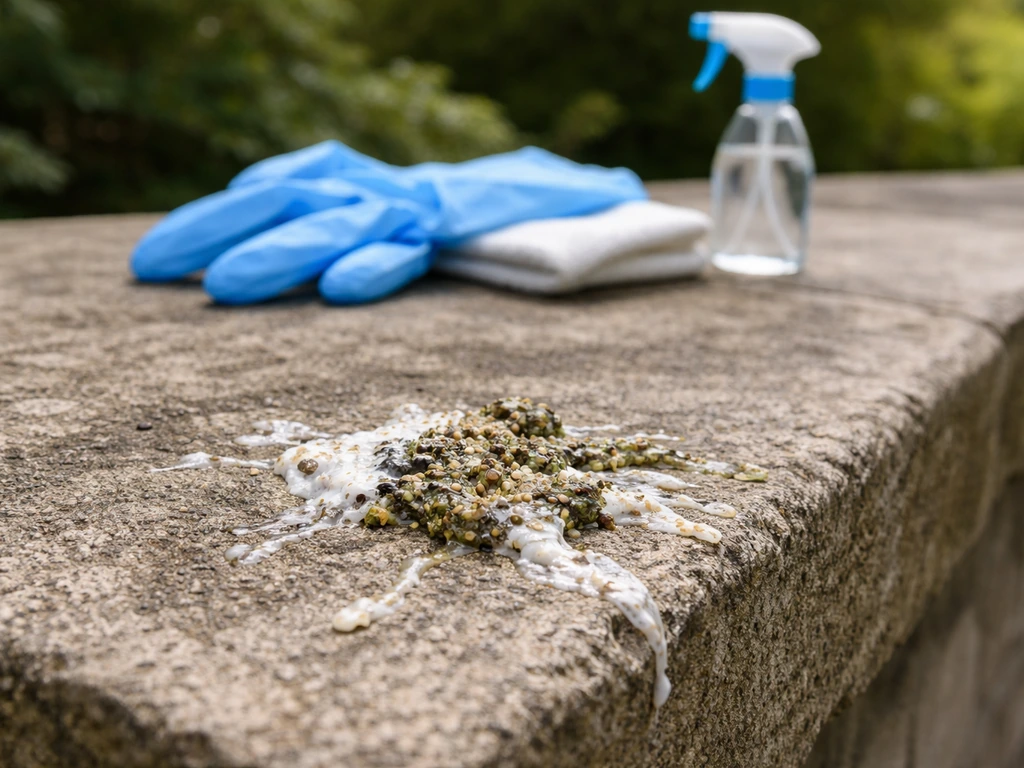
Bird poop is not flammable in any meaningful everyday sense. Fresh droppings are mostly water, and even dried droppings won't spontaneously burst into flame sitting on your car hood in July. That said, dried bird feces is organic material, and like most organic material it can ignite given enough heat, roughly 220°C (428°F) or higher based on fecal ignition testing.
Is Bird Poop Flammable? Answer, Risks, and Cleanup Steps

Marcus Fielding
15 Jun 2026
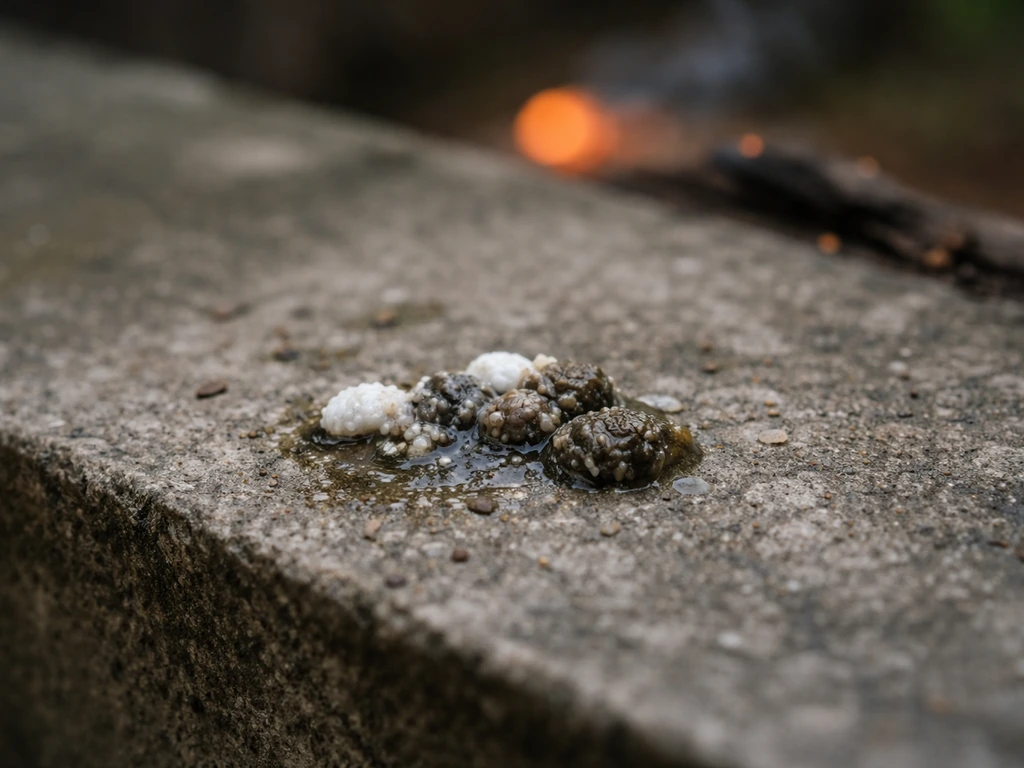
So the honest answer is: it won't catch fire on its own under normal conditions, but in the right circumstances (an open flame, a very hot exhaust pipe, a wildfire) it can burn. One documented case involved a smoldering cigarette butt igniting a bird dropping on a roof, which then helped start a house fire. That's the range we're talking about: not a standalone fire hazard, but not completely inert either.
What actually makes something flammable
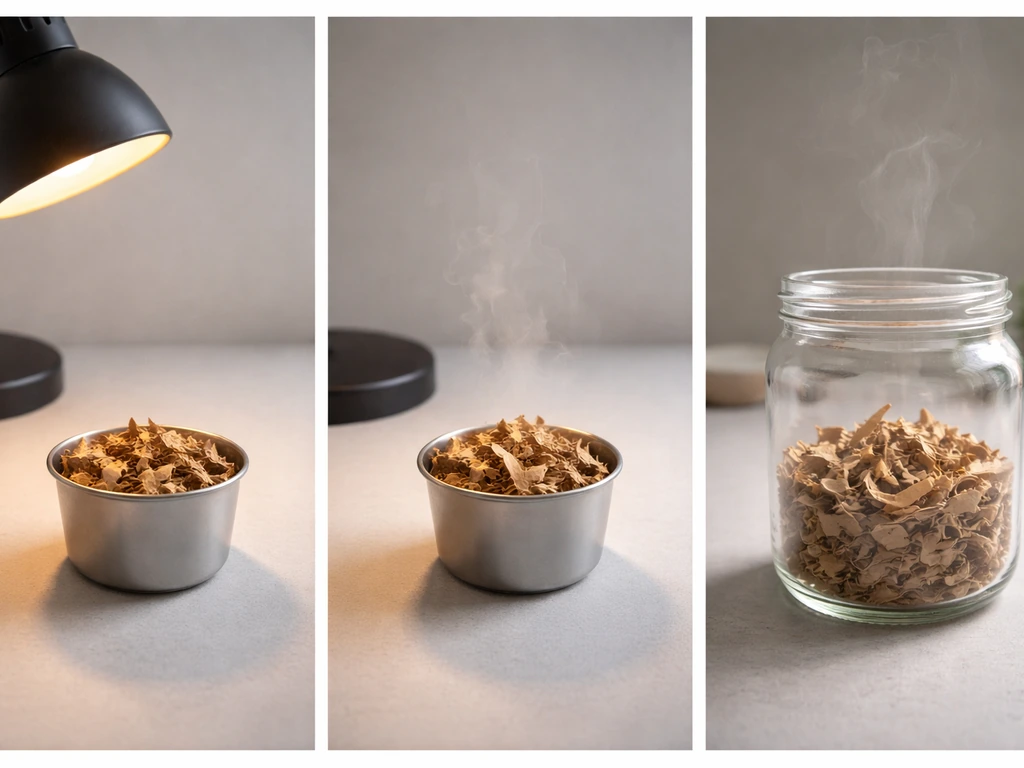
Flammability comes down to a few things: how much heat a material needs to ignite (its ignition or autoignition temperature), how much fuel-like organic content it contains, and how much moisture is in the way. Autoignition temperature is the point at which a substance catches fire on its own without an external spark or flame. For context, paper ignites around 233°C, and gasoline's autoignition temperature is roughly 280°C. Bird droppings sit somewhere in a similar ballpark for the organic fecal portion, with experimental ignition temperatures for feces reported in roughly the 220–375°C range.
Here's the catch: fresh bird droppings are largely water. Bird waste combines fecal matter, uric acid salts (the chalky white part), and a small amount of liquid urine. Bird poop can also be acidic, but its acidity does not meaningfully change the main fire risk, which comes from how dry and how hot the material gets. That moisture content is a natural fire suppressant.
The droppings would need to dry down to very low moisture levels, something below around 10% moisture content, before they behave anything like a combustible solid. So a fresh splat on your windshield? Not a fire risk. A thick, dried-out accumulation under a roost that's been baking in the sun for weeks?
That's a different story, and one worth taking seriously.
It's also worth noting that bird droppings don't contain fuel-dense hydrocarbons the way gasoline or wood do. The uric acid component isn't particularly flammable, and the organic fecal content isn't concentrated enough to make fresh droppings act as a fire starter. Think of them more like a low-grade organic residue than a fuel source.
Real scenarios where bird droppings could ignite
Most of the time, the question of bird poop and fire is purely theoretical. But there are a handful of real-world situations where it's worth paying attention.
Hot surfaces and exhaust
Vehicle exhaust pipes and industrial vents can reach temperatures well above 220°C. If thick dried droppings accumulate directly on or very near those surfaces, and something introduces a spark or open flame, you have a potential ignition scenario. It's uncommon but not impossible. The same logic applies to industrial rooftop equipment, chimneys, and HVAC exhaust vents where birds like to roost.
Open flames and lit cigarettes
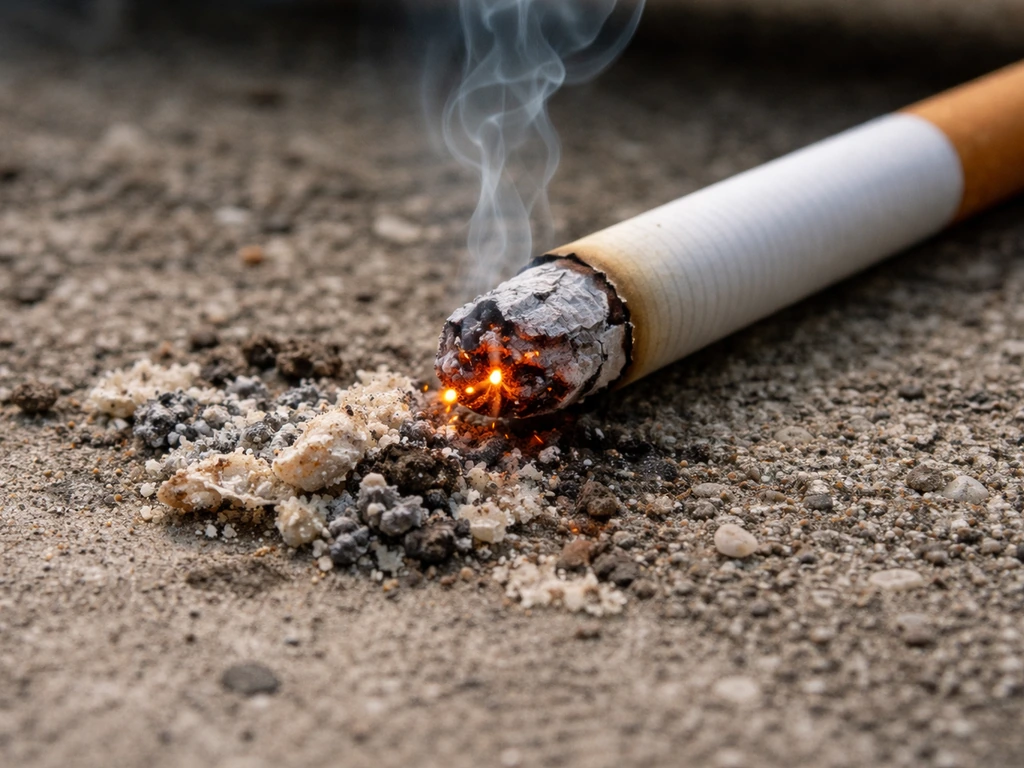
The London roof fire case is the clearest real-world example: a smoldering cigarette was enough to ignite dried bird droppings on a rooftop, and the fire spread from there. A lit cigarette burns at around 400–700°C at its tip, well above the ignition threshold for dried fecal matter. Open campfires, barbecues, and any other open flame near a heavily soiled surface carry similar risk.
Wildfire and prescribed fire conditions
Research on combustion of dried cattle fecal pats ignited by prescribed fires confirms that animal feces can and does burn under wildfire conditions. Bird droppings in large accumulations, under roosting sites or in dry environments, are organic residue that a moving wildfire front can consume. If you're in a wildfire-prone area and you have heavy accumulations of dried droppings around your property, clearing them out is a reasonable part of fire preparedness.
Accumulated guano in enclosed spaces
Large dried accumulations in attics, barns, or under bridge roosts can persist for a long time. These aren't spontaneous fire hazards, but they're organic material that will contribute fuel if a fire starts nearby. The bigger concern in these spaces is usually biological, but the combustion angle is worth keeping in mind if there's any electrical wiring, heating equipment, or other ignition source in the vicinity.
Health risks during cleanup, especially near heat or fire
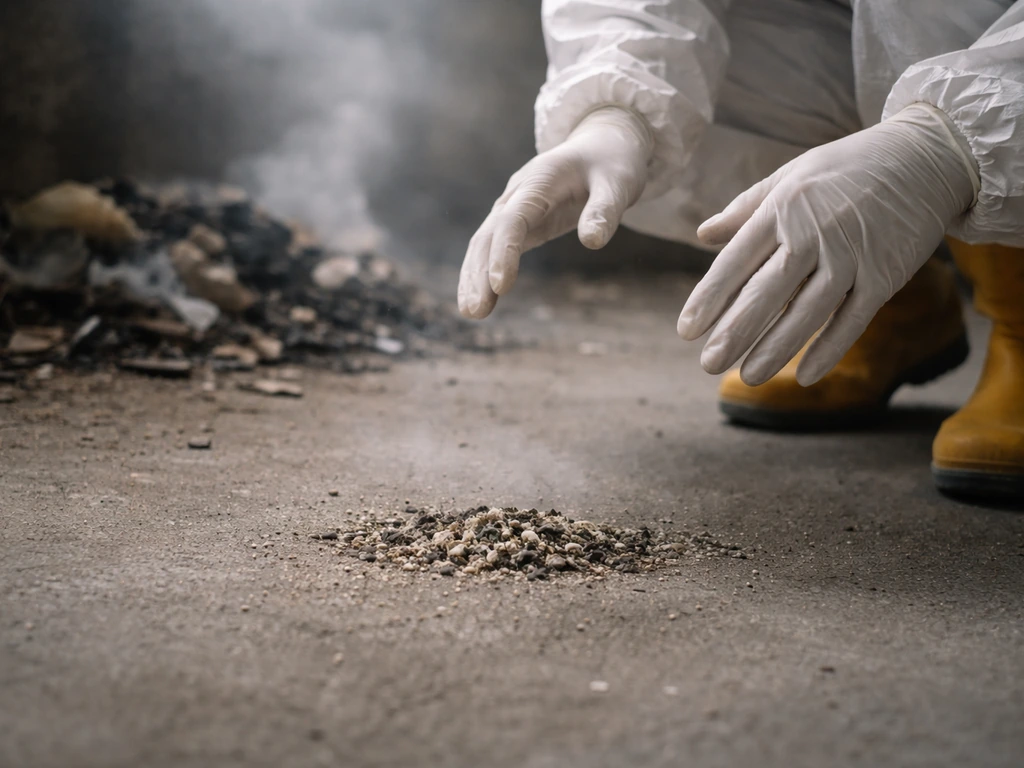
Whether or not bird droppings are near a heat source, cleanup carries real health risks that often get overlooked. Bird poop can also pose health risks to cats, especially when droppings are stirred up or the cat eats contaminated material. Dried droppings can harbor Histoplasma capsulatum, the fungus that causes histoplasmosis, a lung infection you get by breathing in disturbed spores. Psittacosis is another disease spread by inhaling dust from dried bird secretions and feces.
Both the CDC and NIOSH are clear that disturbing dried droppings, especially large accumulations, is when exposure risk peaks. CDC/NIOSH also notes that the best way to prevent exposure is to prevent droppings from accumulating and to reduce dust generation during removal tasks [disturbing dried droppings, especially large accumulations, is when exposure risk peaks](https://www. cdc. gov/niosh/histoplasmosis/prevention/elimination-and-engineering-controls.
html).
Now add heat or fire to that picture. Burning organic waste releases toxic compounds including dioxins. Burning near bird droppings can also drive fine particles and biological material airborne faster and in higher concentrations than a broom would. If you're near an active fire that's consuming areas with heavy bird droppings (think a wildfire moving through a barn or an attic fire), the smoke is carrying all of that with it. Post-wildfire cleanup guidance from the CDC specifically addresses stirring up contaminated ash and debris as a respiratory hazard.
Even without fire, the general risk profile of bird droppings overlaps with topics like whether they're poisonous, acidic, or corrosive, and in each case the answer involves some nuance about exposure route and quantity. The inhalation risk during cleanup is the one that's most consistently backed by public health guidance, and it applies whether or not heat is involved.
Protecting yourself during cleanup
- Wear a NIOSH-approved respirator with HEPA filter cartridges, not just a dust mask, especially for large or dried accumulations
- Use nitrile or rubber gloves, eye protection, and disposable coveralls if the area is heavily contaminated
- Never dry sweep, vacuum, or use a leaf blower on dried droppings, all of these push contaminated dust directly into your breathing zone
- Keep your face away from the work area and avoid touching your face during cleanup
- Wash hands and exposed skin thoroughly with soap and water when done
Step-by-step: how to clean up bird droppings safely
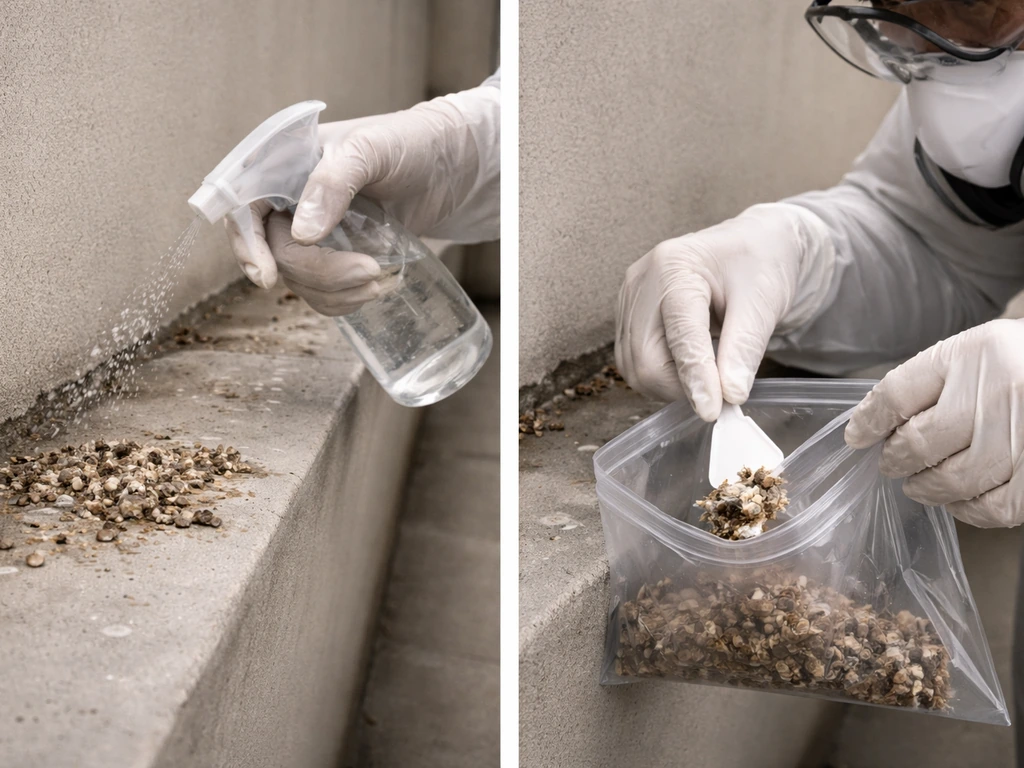
- Put on your PPE before you start: respirator, gloves, eye protection, and coveralls if the accumulation is large
- Wet the droppings thoroughly with a disinfectant solution, either a diluted bleach solution or an EPA-registered disinfectant, and let it soak for several minutes; keeping material wet the entire time prevents dust from becoming airborne
- Wipe or scoop up the wet material using paper towels or disposable cloths; never scrape dry
- Seal all contaminated material in a plastic bag and tie it closed before disposal; double-bag if the amount is significant
- Disinfect the surface again after removing the bulk material, and allow it to dry
- Bag and dispose of your gloves, paper towels, and any disposable PPE in the same sealed bags
- Wash your hands with soap and water immediately after removing gloves, and launder any clothing that may have been exposed separately
If you're dealing with a very large accumulation, such as in an attic, warehouse, or under a long-established roost, the CDC and NIOSH recommend calling a professional remediation service. The pathogen exposure risk at that scale is significant enough that consumer-grade PPE may not be adequate.
One more thing: do not try to burn bird droppings as a cleanup method. Aside from being illegal in most jurisdictions (burning waste is prohibited in many states including North Carolina, Iowa, and Michigan), burning organic waste releases toxic pollutants including dioxins, and it will aerosolize biological contaminants far more effectively than wet removal would. It is not a shortcut.
Myths, misconceptions, and the good luck thing
There's a widely held superstition that being hit by bird poop brings good luck. It shows up across cultures and has enough staying power that people genuinely feel a little better after getting splattered. I'm not here to argue with folklore, and there's something kind of charming about turning an unpleasant surprise into a positive omen. But the safety picture is worth keeping in mind alongside the symbolism.
The most common myth in the flammability space is treating bird poop as either completely inert or as some kind of hidden fire hazard. Neither is accurate. It's not a fire starter you need to fear in normal daily life, but in specific high-heat or open-flame scenarios, dried accumulations are real combustible material. The London roof fire case is a useful reality check: it doesn't happen often, but it does happen.
Another common misconception is that burning droppings is a safe or effective way to get rid of them. It isn't, for reasons already covered: toxic emissions, biological hazards, and legal restrictions. The wet-removal method is less dramatic but significantly safer.
And finally, a word on the "it's just bird poop" mindset. For a single fresh dropping on your car or jacket, that's basically correct. The risks scale with accumulation, drying, and disturbance. A spot on your windshield is annoying. A season's worth of dried droppings in an enclosed attic, near electrical wiring, being scraped out without PPE, is a genuinely different situation. Treat it accordingly.
When to call a professional
If you're dealing with an active fire that involves an area with significant bird dropping accumulations, get out and let the fire department handle it. Don't try to assess or clean while there's active smoke or flame. After any fire, follow CDC wildfire cleanup guidelines: assume the ash and debris contain biological and chemical hazards and protect yourself accordingly.
For contamination-only situations with no fire involved, call a professional biohazard or wildlife remediation service if the accumulation is large (more than a square foot or two of heavy buildup), if you're in an enclosed space with limited ventilation, or if anyone involved is immunocompromised. The pathogen risk from histoplasmosis in particular is serious enough that it warrants professional handling when the scale exceeds what a careful DIY approach can safely manage.
FAQ
If bird poop is dried, can it catch fire just from the sun or hot weather?
It is not likely to ignite from the heat of normal sunlight. The main issue is whether dried droppings are sitting right next to a high-temperature ignition source, like an exhaust pipe, rooftop heater vent, chimney outlet, or an open flame.
Does bird poop being wet or freshly dropped make it completely safe around heat?
Do not rely on “it seems wet” as safety. Moisture can evaporate quickly, especially on hard surfaces exposed to airflow, so the ignition risk is mainly tied to how dried the material becomes and how close it is to a hot surface or flame.
What makes the difference between a single droplet and a real fire concern?
The ignition risk rises mainly with two factors: drying level (low moisture, especially in long-established piles) and contact with enough heat plus an ignition source. A single fresh spot usually dries too fast and lacks the persistent, concentrated buildup needed to behave like a combustible fuel bed.
What should homeowners do if birds roost near a chimney, exhaust vent, or HVAC outlet?
If the droppings are near an exhaust outlet or rooftop vent that runs hot, treat it like nearby combustible residue. Keep roosting areas cleaned, avoid stacking materials under vents, and check for any bird accumulation around chimneys or HVAC exhaust runs.
Can a cigarette butt or other ember ignite bird poop?
Yes, cigarettes and other smoldering items can be enough to ignite dried droppings when they land on a soiled surface. A lit cigarette tip is far hotter than the droppings ignition threshold, so even a small ignition point can start a larger fire if there is enough dried material.
During cleanup, how can I reduce exposure risks from dust and disturbed droppings?
Avoid creating dust. For cleanup, use wet methods (spraying with water or an appropriate cleaner), gentle removal, and bagging immediately, because disturbed dried material increases inhalation exposure and can also spread biological material through the area.
When is DIY cleanup not a good idea?
If the buildup is in an attic, under a long-standing roost, or larger than about a square foot to two square feet, the risk from inhalation of spores and dust becomes harder to manage safely at home. In those cases, use professional biohazard or wildlife remediation services.
What should I do if there’s an active fire and bird droppings are involved?
If there is active fire, smoke, or heat, do not attempt cleanup. Leave the area, let emergency responders handle it, and after the fire wait until conditions are safe before doing any dusting or debris removal to avoid inhaling disturbed ash.
Is it okay to burn bird droppings as a cleanup method?
Do not burn droppings to “get rid of them.” Burning waste can release toxic compounds and aerosolize biological contaminants more effectively than removal, and it is illegal in many places. Use wet removal and proper containment instead.
Do bird droppings increase fire risk around electrical equipment?
If you see heavy dried droppings accumulating around wiring, heaters, or electrical equipment, remove the droppings and keep the area monitored. Also check for other ignition sources, because any event that heats a surface above droppings ignition conditions can turn residue into contributory fuel.
Should I worry about a tiny fresh splat on my car hood or clothing?
No, they are unlikely to pose an immediate risk if the droppings are fresh and isolated. The concern is mostly for thick dried accumulations, especially in enclosed or sheltered areas where they stay dry and can build up over time.
What is the safest next step if I suspect bird droppings are near a heat source?
For a visible spot, focus on safe removal, not “testing for flammability.” For example, use gloves, avoid scraping dry material dry, and bag waste. If you suspect a large accumulation or it is near high heat, escalate to professionals.
Does cleanup advice change if someone in the household is immunocompromised?
If someone is immunocompromised, treat cleanup as higher risk. Use professional remediation for larger or enclosed accumulations, and keep the area unoccupied during cleanup until dust has settled and waste is fully contained.