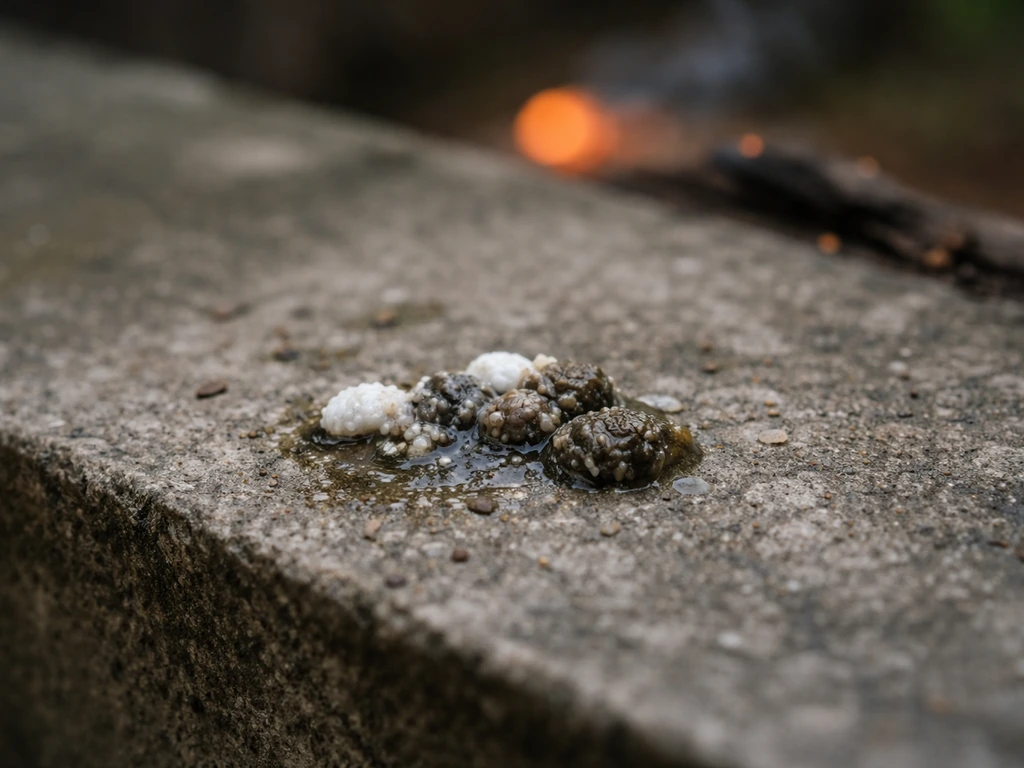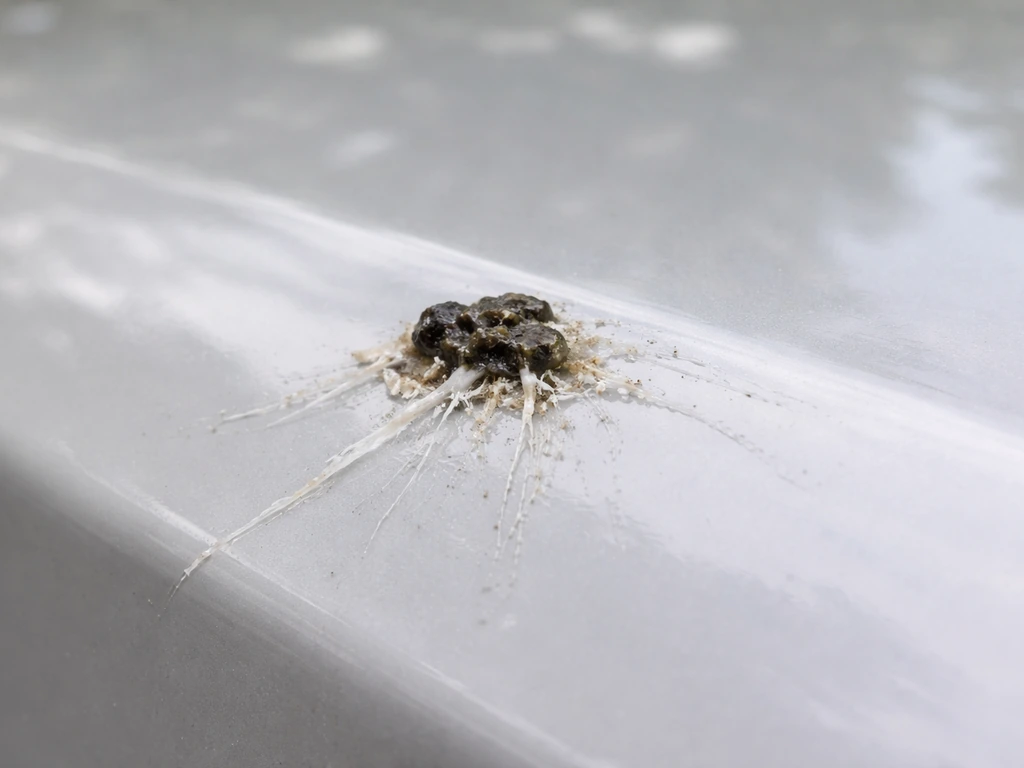
Bird poop is not immediately toxic to cats in the way a poisonous plant or household chemical would be, but it absolutely is not harmless either. Bird poop may not be immediately toxic, but you may wonder if it is bird poop corrosive and how that affects cleaning and safety not immediately toxic. Fresh or dried droppings can carry bacteria, fungi, and parasites that pose a real health risk, especially if your cat licked the stuff, inhaled dried dust, or got it near their eyes or mouth. Most healthy adult cats who have brief contact with a small amount will be fine, but it is not something to shrug off without a quick check.
Is Bird Poop Toxic to Cats? What to Do Right Now

Marcus Fielding
20 Jun 2026
What's actually in bird droppings and why it can be risky
Bird droppings are a mixture of feces and urine (birds excrete both together), and that combination creates a warm, moist environment that organisms love to colonize. The main hazards are biological: bacteria like Chlamydia psittaci (which causes psittacosis), Salmonella, and Campylobacter; fungal spores including Cryptococcus neoformans and Histoplasma capsulatum; and parasites such as roundworm eggs or Toxoplasma. Cornell University's College of Veterinary Medicine flags Cryptococcus specifically as a concern for cats because decaying droppings are a common source, and infection typically enters through inhalation of spores.
Beyond the biological load, bird poop is mildly acidic and contains enzymes that can irritate mucous membranes if they stay in contact with sensitive tissue, like a cat's eyes or gums, for any length of time. Fresh droppings carry a higher bacterial load; dried, crumbled droppings are arguably more dangerous for inhalation because the spores and fine particles become airborne. If you have ever wondered whether bird poop is acidic or corrosive in a broader sense, that acidity is part of why it damages car paint too, not just why it can irritate tissue.
How risky is it depending on how your cat was exposed?
Not all exposures are equal. Here is a practical breakdown of the most common scenarios and how worried you should realistically be.
| Exposure Type | Main Risk | Urgency Level |
|---|---|---|
| Paw contact (stepped in it) | Skin irritation; risk of ingestion when grooming | Low to moderate — clean paws promptly |
| Licking or ingesting droppings | Bacterial infection (Salmonella, Chlamydia), parasites | Moderate — monitor closely, call vet if symptoms appear |
| Droppings near or in eyes | Chlamydial conjunctivitis, irritation, secondary infection | Moderate to high — rinse and contact vet |
| Droppings near or in mouth/nose | Bacterial or fungal entry via mucous membranes | Moderate to high — rinse and monitor, call vet if any symptoms |
| Inhaling dried dust from droppings | Cryptococcosis, histoplasmosis — fungal lung/CNS disease | High — vet call warranted, especially with repeated exposure |
The inhalation risk is the one most people underestimate. Sweeping or disturbing dried droppings, whether on a patio, balcony, or birdfeeder area, releases spores. Because dried droppings can include biological material and fine residue, it's also worth avoiding open flames or sparks nearby, since the debris may be flammable. If your cat was poking around a pile of crusty droppings and sneezing, that warrants more concern than a paw that briefly touched a fresh dropping.
What to do right now: cleaning your cat and the affected area
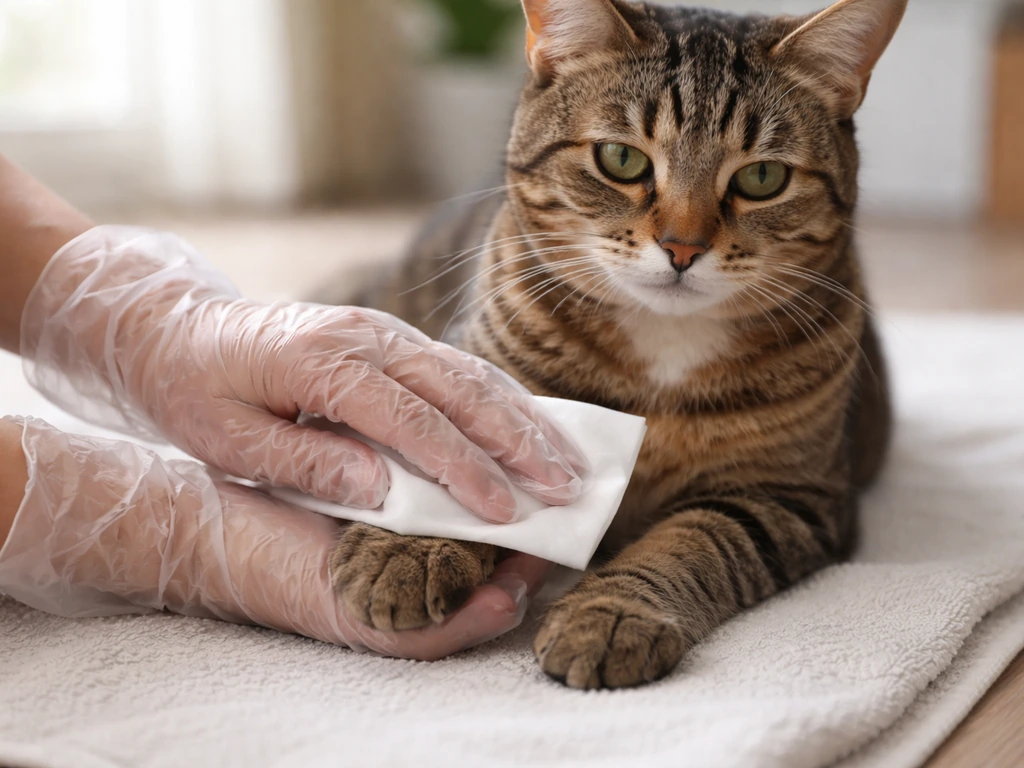
Cleaning your cat
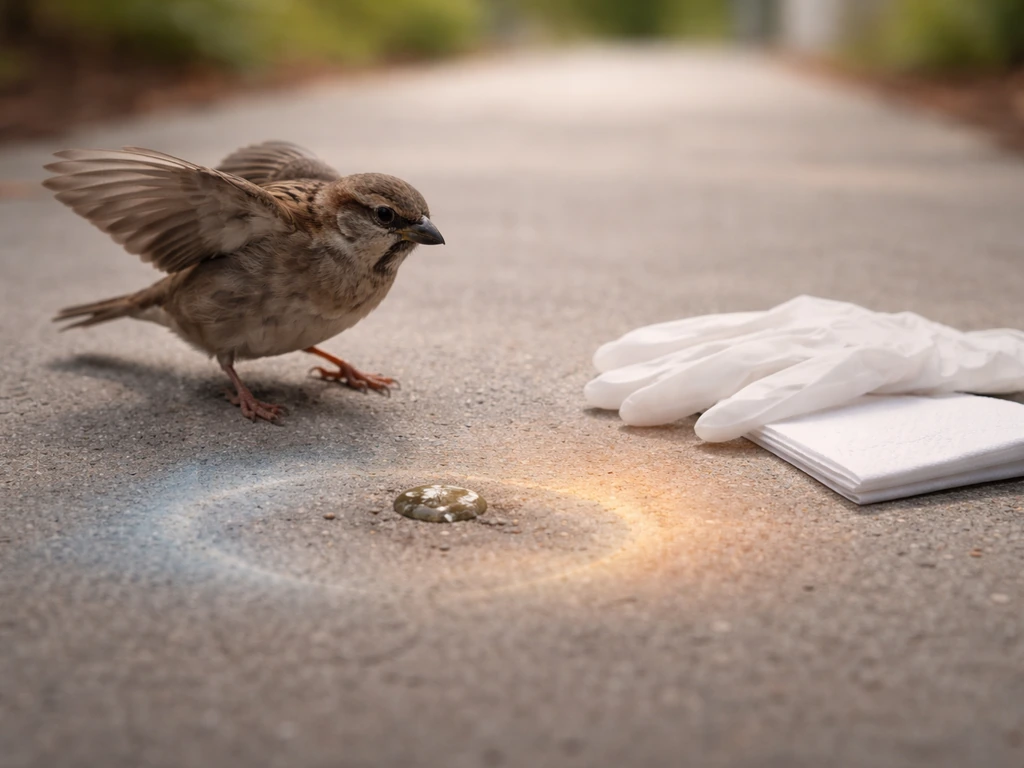
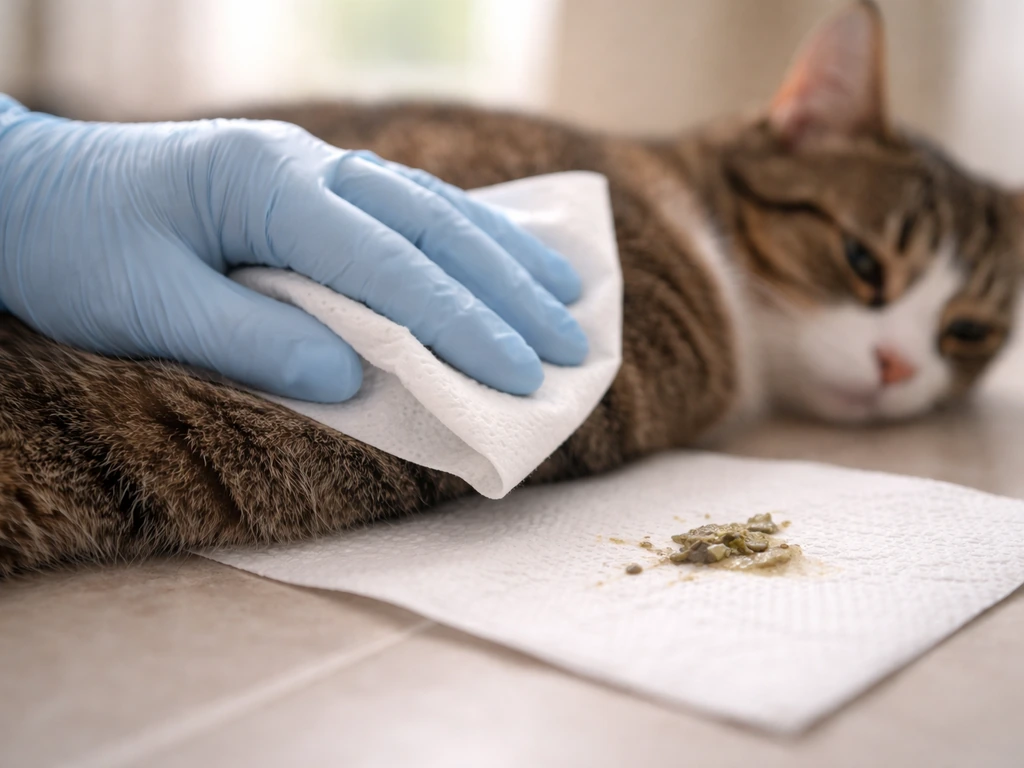
- Put on disposable gloves before handling your cat or any contaminated surface.
- For paw or coat contact: use a damp cloth or unscented pet-safe wipe to remove visible droppings. Follow up with a gentle pet shampoo rinse if the area is large. Dry thoroughly.
- For eye exposure: flush gently with plain sterile saline or clean lukewarm water for at least 30 to 60 seconds. Do not use eye drops intended for humans unless your vet says so. Then call your vet.
- For mouth or nose contact: wipe the muzzle with a damp cloth and offer your cat fresh water to drink to help rinse the mouth. Do not induce vomiting unless a vet specifically instructs you to.
- Do not use household disinfectants, bleach solutions, or essential oils directly on your cat. These are often more toxic to cats than the droppings themselves.
Cleaning the area where the droppings were
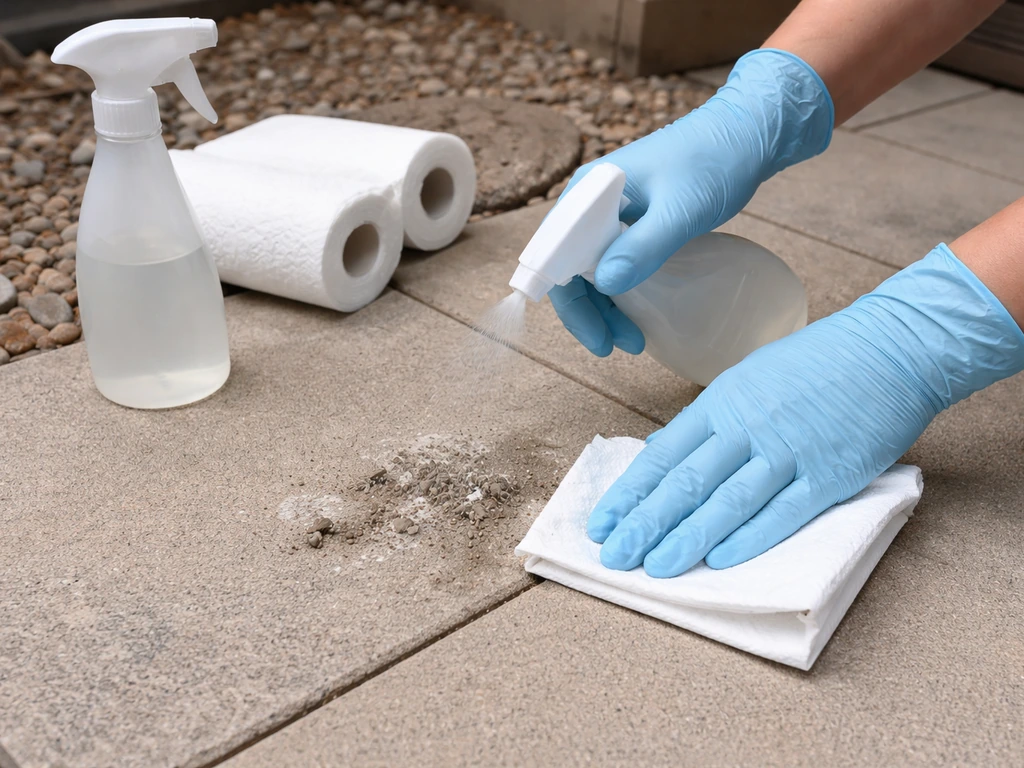
- Dampen the droppings lightly before removing them so you do not create airborne dust. This is important for dried or crusty material.
- Use disposable paper towels to pick up the bulk of the material, then double-bag the waste.
- Disinfect hard surfaces with a diluted bleach solution (1 part bleach to 9 parts water) or a pet-safe enzymatic cleaner. Let it sit for at least 10 minutes, then wipe clean and allow to air dry before letting your cat back in the area.
- Wash your hands thoroughly with soap and water for at least 20 seconds when done, even if you wore gloves.
The CDC recommends basic hygiene practices after any contact with bird droppings as standard precaution, not just in obvious outbreak situations. Good hygiene here protects both you and your cat from further spread around the home.
Symptoms to watch for and when to call the vet
Most cats will not show any symptoms after a single minor exposure. But you should monitor your cat for at least 48 to 72 hours after any contact with bird droppings, because some infections take a day or two to show up.
Watch for these signs
- Vomiting or diarrhea, especially if it starts within 12 to 24 hours
- Lethargy or unusual withdrawal
- Loss of appetite lasting more than 24 hours
- Discharge from the eyes, or squinting and pawing at the face
- Sneezing, nasal discharge, or labored breathing
- Drooling excessively or pawing at the mouth
- Neurological signs: wobbling, disorientation, head tilting (these can indicate Cryptococcus spreading to the central nervous system and need immediate vet attention)
Call the vet immediately if
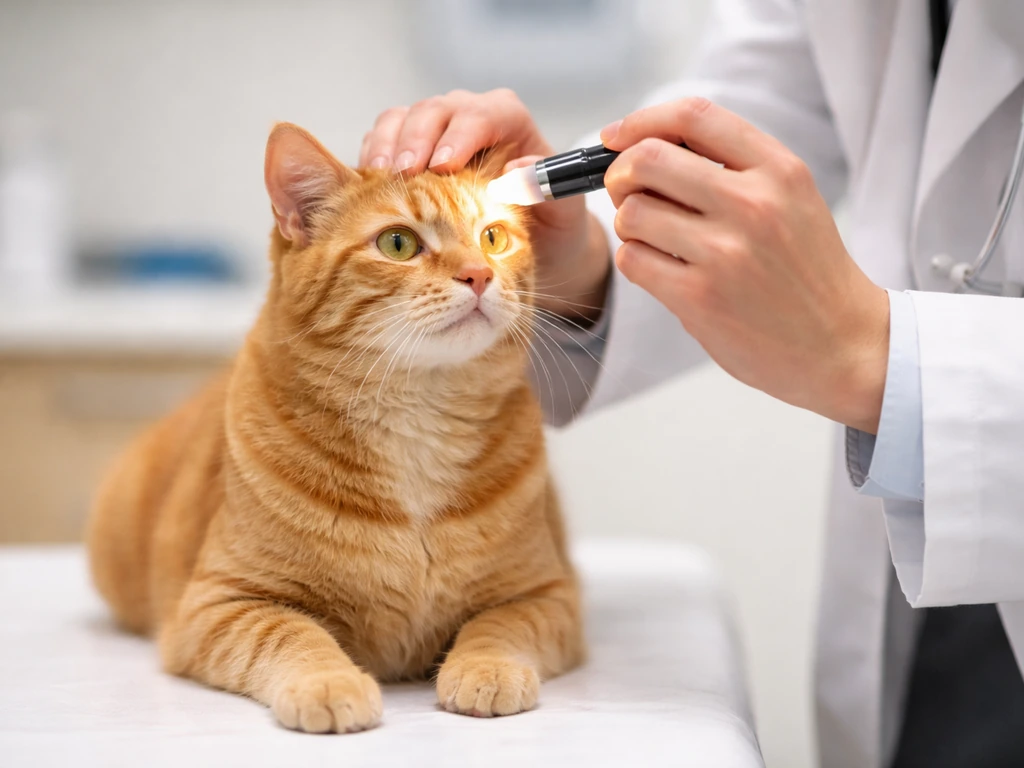
- Your cat has any eye discharge or redness after eye exposure — Merck's Veterinary Manual notes that chlamydial conjunctivitis in cats requires identifying the specific pathogen to treat correctly, so do not wait this one out
- Your cat inhaled dust from dried droppings and is now sneezing or breathing differently
- Symptoms of any kind appear, even mild ones — bird droppings are one of those exposures where 'wait and see' has a short window
- You know the droppings came from a sick or wild bird
- Your cat is immunocompromised, elderly, a kitten, or already has a respiratory condition
The ASPCA Poison Control guidance is worth keeping in mind here: when in doubt about any exposure, contact a vet. The cost of a phone call or even a visit is well worth it compared to a delayed diagnosis of something like cryptococcosis, which is treatable early but becomes much more serious when it progresses.
Preventing this from happening again
If your cat encountered droppings once, they will likely encounter them again unless you make some changes. Cats are curious, paw-first explorers, and bird droppings are unfortunately not hard to find.
- Remove or reposition bird feeders so they are not directly above areas where your cat roams or rests. The ground below feeders accumulates droppings fast.
- Clean outdoor patios, balconies, and window sills where birds land on a weekly basis if your cat has access to those spaces.
- If your cat is an indoor-outdoor cat, check their paws when they come inside, especially after spending time near trees, ledges, or garden areas that birds frequent.
- Keep your cat's outdoor access supervised if possible, particularly in areas with large concentrations of pigeons, starlings, or other roosting birds.
- Never let your cat investigate a pile of old, dried droppings. Disturbing that material, or letting a cat sniff and paw through it, is the highest-risk scenario for fungal spore inhalation.
- If you are cleaning up a significant accumulation of droppings yourself (a shed roof, a balcony corner), wear an N95 mask and wet down the area first. Do not let your cat in until the area is fully cleaned and dry.
Bird poop as a good luck symbol: the real story vs the health story
You have probably heard the old belief that being pooped on by a bird is good luck. It shows up across Russian, Turkish, and various other cultural traditions, and the logic generally goes that something so unlikely and unpleasant must be balanced out by fortune. It is a charming idea, and honestly, the randomness of a bird hitting its target on a moving person does feel cosmically improbable.
But that symbolism was built around human superstition, not feline biology. For your cat, a bird dropping is neither lucky nor merely inconvenient. It is a potential delivery mechanism for Salmonella, Cryptococcus, or Chlamydia psittaci. The good news is that the health risk from a single small exposure is genuinely low for a healthy adult cat. The superstition does not need to be mocked, but it also should not be the reason you skip cleaning up the mess.
Think of it this way: if a bird poop landing on you is lucky, cleaning it up safely is just how you collect your winnings without also collecting a respiratory infection. The same logic applies to keeping your cat away from it. Respect the symbol, handle the substance.
FAQ
If my cat licked or swallowed bird poop, what symptoms should I look for and when?
If your cat swallowed a bit of bird droppings, watch closely for GI and behavioral signs over the next 48 to 72 hours, such as vomiting, diarrhea, drooling, loss of appetite, feverish behavior, or unusual lethargy. Do not induce vomiting at home, and if any symptoms appear, call your vet and mention “bird droppings exposure,” since the likely concern is infection from contaminated material rather than a classic “poison” reaction.
What should I do if bird poop gets near my cat’s eyes or gums?
If droppings got in the eyes or mouth, focus on irrigation first. Use a gentle saline rinse or plain lukewarm water to flush the area, then wipe away residue with a clean, damp cloth. If you see redness, squinting, pawing at the face, mucus discharge, or your cat will not let you look, contact a vet promptly because the irritation plus infection risk can matter more for these sensitive sites.
Is it safe to vacuum dried bird droppings to clean them up faster?
Do not vacuum up dried droppings. Vacuuming can aerosolize fine particles and increase inhalation exposure for your cat and you. Instead, ventilate the area, wear disposable gloves, lightly dampen with an appropriate household cleaner/disinfectant, then wipe up and dispose of materials in a sealed bag.
How do I prevent other pets from getting exposed during cleanup?
If you have multiple pets, keep them separated during cleanup, since cats can track residue on paws and other animals may lick contaminated surfaces. After cleaning, wash hands thoroughly and consider wiping nearby floors, railings, and any surfaces the cat touched. If your cat has access to the area where the droppings were, block it until it is fully cleaned and dry.
Is bird poop more dangerous for kittens, senior cats, or cats with health problems?
Cat-specific risks are higher for kittens, elderly cats, cats with suppressed immune systems, and cats with ongoing respiratory disease, because infections and irritation can hit harder even if exposure seems small. For these groups, treat a “single incident” as a reason to call your vet for individualized guidance rather than waiting for symptoms.
What changes should I make so my cat does not keep encountering bird poop?
The fastest way to reduce risk is to remove the droppings promptly and avoid disturbing dried crusts. After you clean, let the area dry fully, and keep your cat away until it is settled. If the area is outdoors, you can also switch to covered feeders, tray liners for bird areas, or physical barriers to reduce repeated exposure.
If my cat seems totally fine right after contact, can they still get sick?
Yes, cats can develop illness even if there is no dramatic “poison-like” reaction. Because some infections take time to show, a cat that looks fine immediately after exposure can still develop symptoms later, so monitor for 48 to 72 hours and take any red flags seriously.
When should I stop monitoring at home and call the vet right away?
A “wait and see” approach is reasonable only for a brief, small contact in an otherwise healthy adult cat. If exposure was heavy, your cat was repeatedly in the area, you saw sneezing or coughing while being around dried droppings, or you suspect droppings entered the eyes or mouth, contact a vet sooner rather than later.