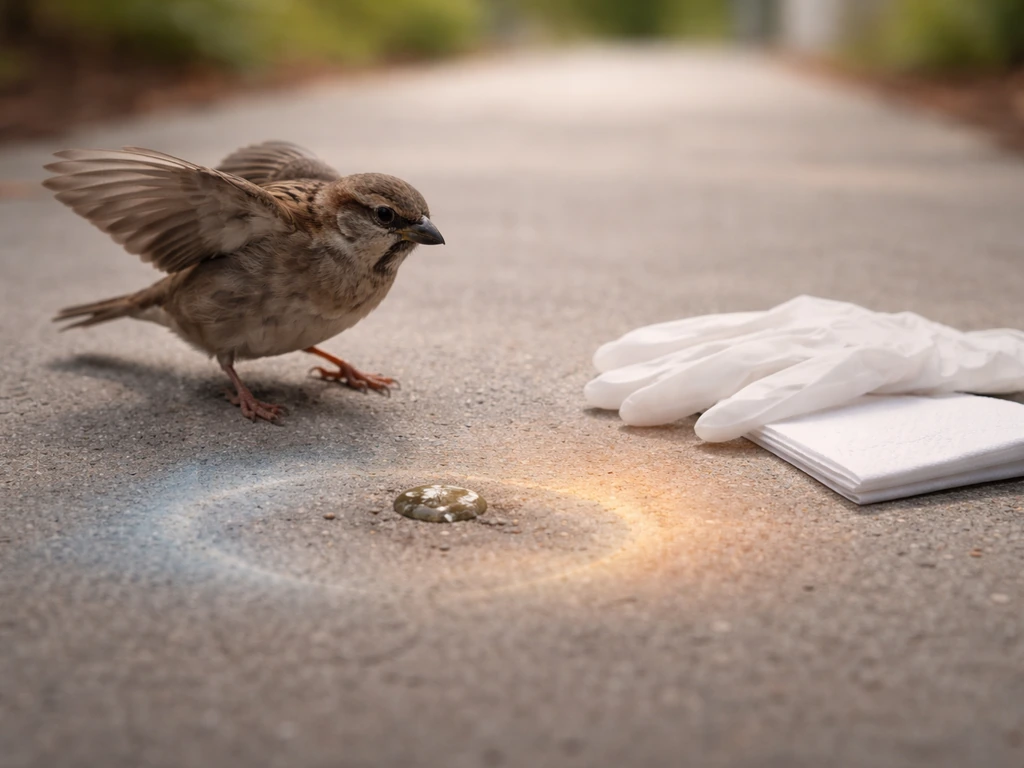
Bird poop is not corrosive in the strict chemical sense the way acid rain or battery acid is, but it absolutely can damage surfaces, and on car paint especially, it can etch through a clear coat faster than most people expect. The main culprit is uric acid, which makes up the white or cream-colored portion of a dropping. Depending on the surface, the bird's diet, how long the dropping sits, and whether the sun is beating down on it, you're looking at anything from a harmless stain to genuine surface etching that leaves a dull, textured mark even after the poop is gone. The short version: take it seriously, but don't panic. A quick, gentle removal usually prevents lasting damage.
Is Bird Poop Corrosive? What It Does and How to Clean It

Marcus Fielding
8 Jun 2026
What bird droppings are actually made of
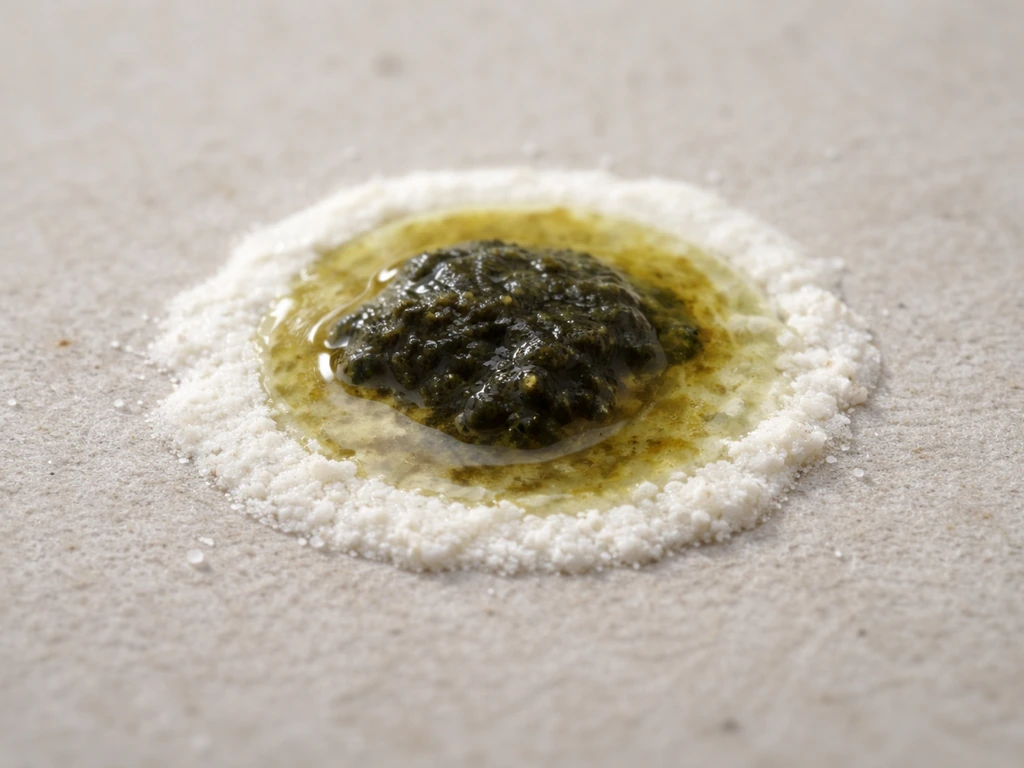
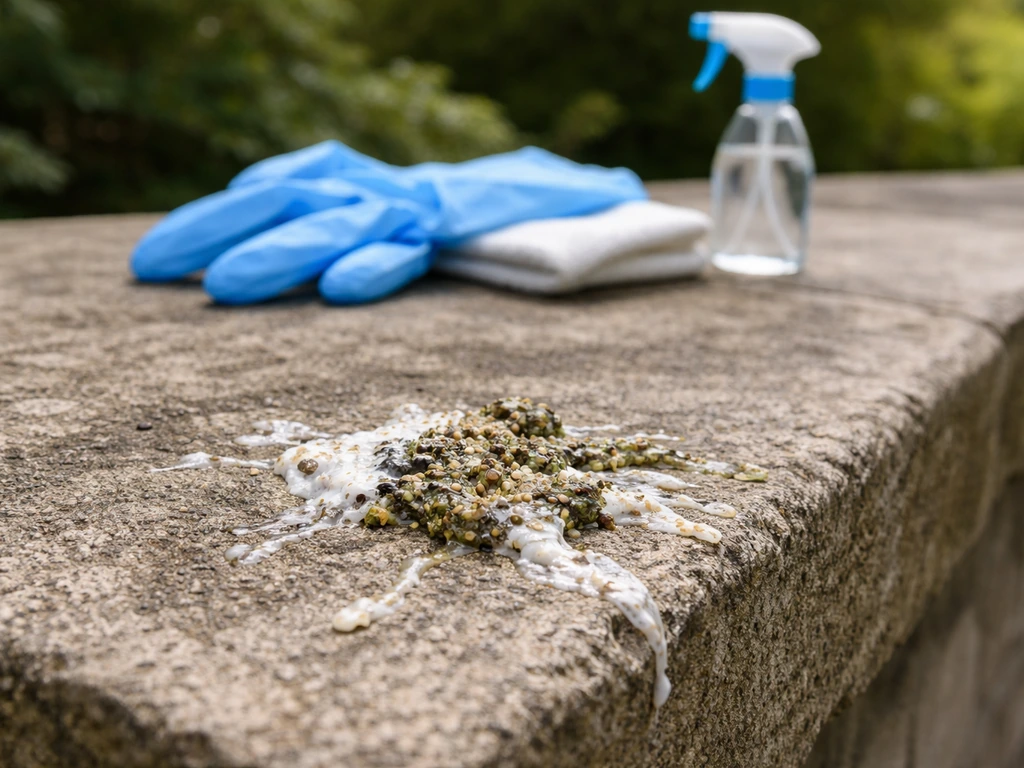
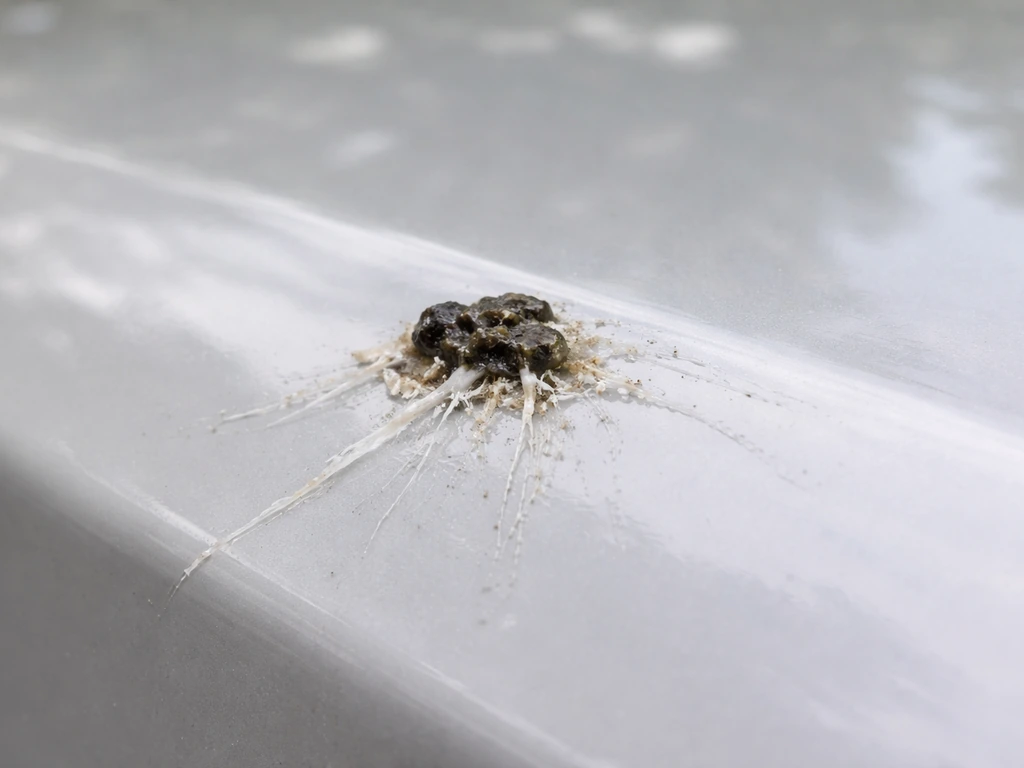
A bird dropping is really three things in one: solid fecal matter (the dark center), liquid urine (the watery ring), and urates (the white or chalky paste, which is the uric acid component). Unlike mammals, birds don't excrete urea dissolved in lots of water. Instead, they concentrate their nitrogenous waste as uric acid, which comes out as that thick, pale paste you see coating everything from car hoods to park benches. The Natural History Museum describes this nicely: birds essentially combine their equivalent of pee and poop into one delivery, with the uric acid acting as the cement that makes droppings stick and harden so effectively.
That uric acid is the chemically active part. Its pH typically sits somewhere between 3.5 and 4.5, which makes it moderately acidic, roughly comparable to black coffee or orange juice. Not industrial acid, but not neutral water either. The fecal portion can also carry bacteria, fungi, and in some environments, fungal spores that pose their own health concerns entirely separate from the surface damage question.
Etching, corrosion, and staining: what's actually happening to your surface
These three words get used interchangeably online but they describe different things, and it matters for figuring out whether your surface can be saved.
| Effect | What it means | Common surfaces | Reversible? |
|---|---|---|---|
| Staining | Pigment or organic residue absorbed into a porous surface | Concrete, wood, fabric, uncoated stone | Partially, with enzymatic cleaners; may fade over time |
| Etching | Acid chemically alters or softens the surface layer, leaving a texture or dull mark | Car clear coat, polished metal, glass, marble | Requires polishing or professional correction; not a simple wipe |
| Corrosion | Electrochemical oxidation that progressively breaks down material | Bare iron/steel, bare aluminum under prolonged exposure | Depends on depth; light surface oxidation can be treated |
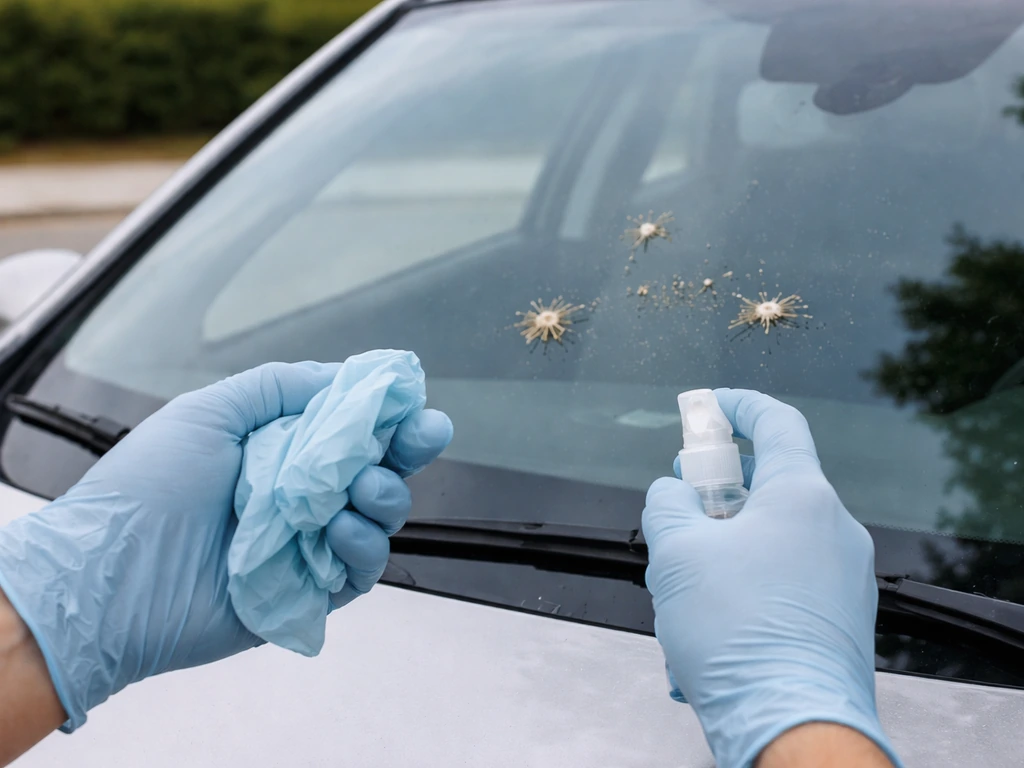
On a car, what people call 'corrosion' is almost always etching of the clear coat. The uric acid doesn't eat through metal the way rust does, but it does soften and chemically alter the top layer of automotive clear coat, especially when heat is involved. Park in the sun on a hot day and a dropping can begin to bond with softened clear coat within a couple of hours. As the dropping dries and contracts, it physically pulls at the surface, leaving a textured imprint. On bare aluminum or iron, prolonged exposure to the acidic moisture from a wet dropping can accelerate oxidation and create a pitted, dull patch, which is closer to true corrosion.
How fast does this happen? In full sun with temperatures above 25°C (77°F), you can see etching marks on unprotected car paint in as little as one to two hours. In cooler, cloudy conditions, you might have a full day before damage sets in. The bird's diet plays a role too: fruit-heavy diets (think starlings or robins feasting on berries) produce more acidic droppings than seed-eating birds. The more concentrated and acidic the dropping, the faster it works.
Which materials are most at risk
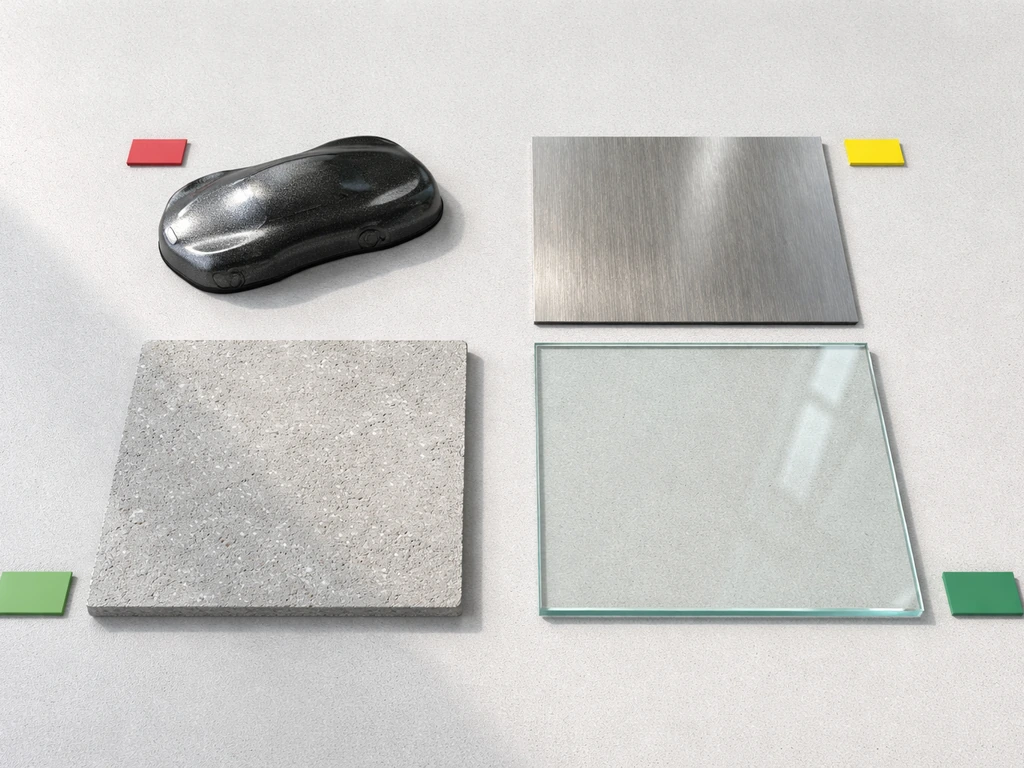
Not every surface reacts the same way. Here's a realistic breakdown of common materials and how worried you should actually be.
| Material | Risk level | Main concern | Notes |
|---|---|---|---|
| Car clear coat / paint | High | Etching and surface dulling | Heat and sun dramatically speed up damage; protect with wax/sealant |
| Polished or anodized aluminum | Medium-High | Surface oxidation and dulling | Bare aluminum more vulnerable than anodized |
| Chrome | Medium | Pitting and staining | Chrome plating is relatively resistant but not immune under prolonged exposure |
| Stainless steel | Low-Medium | Surface staining and minor dulling | Generally resistant; prolonged exposure on rough finishes can leave marks |
| Glass | Low | Temporary staining; mild etch on prolonged contact | Standard glass resists well; clean quickly to avoid hard mineral deposits |
| Concrete | Medium | Staining and mild surface pitting over time | Porous surface absorbs acids; repeated exposure weakens surface |
| Wood (unfinished) | High | Deep staining and fiber breakdown | Sealed/painted wood is far more resistant |
| Rubber/plastic | Low-Medium | Surface staining; UV-degraded rubber more vulnerable | Aged, cracked rubber absorbs more |
| Fabric/upholstery | Medium | Staining; fiber breakdown with prolonged contact | Natural fibers more vulnerable than synthetics |
Glass and stainless steel are your most forgiving surfaces. Automotive clear coat and bare or polished aluminum are where you want to act fast. Concrete and wood fall somewhere in between: a single dropping won't ruin them, but years of bird activity (think a ledge under a nesting spot) will absolutely degrade the surface.
How to clean it safely today: step by step
For car paint and clear coat
- Don't scrape it dry. Scraping a hardened dropping drags grit across the clear coat and adds micro-scratches to whatever chemical damage is already happening.
- Soak it first. Lay a damp cloth, paper towel, or even a wet wipe directly on the dropping for 30 to 60 seconds. This rehydrates the dried uric acid and lifts it away from the surface.
- Blot and wipe gently. Use a clean microfiber cloth in a lifting motion rather than scrubbing side to side. One pass is usually enough after soaking.
- Rinse with clean water. A quick rinse removes any remaining acidic residue.
- Inspect under light. Tilt the surface to check for a dull, textured, or hazy patch where the dropping sat. If you see etching, you'll need a light polish or clay bar treatment to restore the surface.
- Apply a wax or spray sealant to the cleaned area. This rebuilds the protective layer that the acid may have compromised.
For hard outdoor surfaces (patios, furniture, railings)
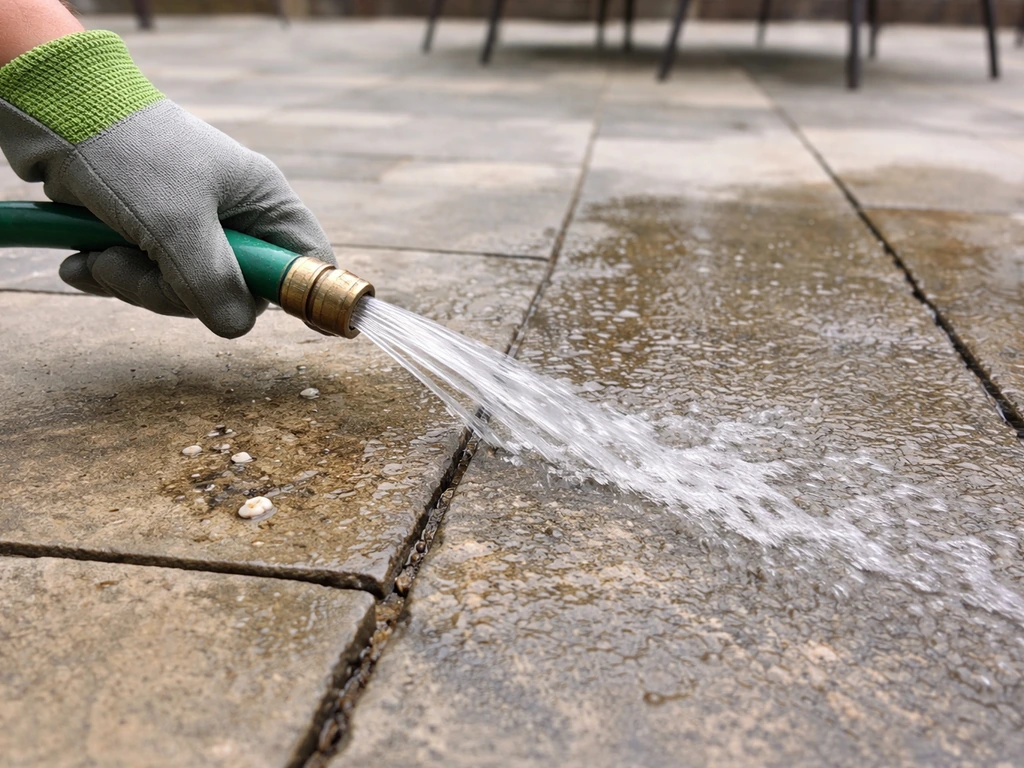
- Wet the area first with a hose or watering can, especially if the dropping is dry. Never dry-sweep or brush accumulated droppings: this generates dust and airborne particles.
- Apply a dilute dish soap solution (a few drops in a spray bottle of water) and let it sit for a minute.
- Scrub gently with a soft brush, then rinse thoroughly.
- For stained concrete, an enzymatic cleaner or a dilute white vinegar solution (1 part vinegar to 4 parts water) can help break down organic residue. Avoid vinegar on polished stone like marble or limestone: the acid will etch those surfaces.
- Rinse everything well and let it dry completely.
For fabric, awnings, and upholstery
- Scrape off any solid material gently with a flat edge once it's fully dry and crumbly (for fabric, dry removal causes less spreading than wiping wet).
- Apply an enzymatic laundry pretreater or upholstery cleaner and let it sit for 5 to 10 minutes.
- Blot with a damp cloth, working from the outside of the stain inward.
- For machine-washable items, run a normal wash cycle. Check the stain before drying: heat sets stains permanently.
Staying safe while you clean
For a single dropping on your car or patio, casual cleanup with gloves and normal hand washing afterward is genuinely adequate. If you are also wondering about pets, the question of is bird poop toxic to cats is a separate health angle from the surface etching discussed above. The bigger concern is large accumulations of dried droppings, which is the situation the CDC and NIOSH specifically flag. The CDC advises using blank" rel="noopener noreferrer">hygiene practices when cleaning bird-related areas, including not handling droppings with bare hands and keeping enclosures clean to prevent buildup. Dried bird feces can carry Histoplasma capsulatum, the fungus that causes histoplasmosis, a respiratory infection you get by breathing in airborne spores. Bird poop is not considered broadly poisonous, but it can still carry health risks like respiratory fungi when it is dried and becomes airborne is bird poop poisonous. This becomes relevant when cleaning up under a roost, clearing a barn or attic, or disturbing a large accumulation of dried material.
- For small, single droppings: disposable gloves are sufficient. Wash hands with soap and water afterward.
- For larger cleanups or enclosed spaces: wear a properly fitted N95 respirator (not just a dust mask), nitrile gloves, and eye protection. Wet the material before disturbing it to suppress dust.
- Never dry-sweep or use a leaf blower on accumulated droppings. Both generate aerosols that carry pathogens directly into your airways.
- If you get dropping material in your eye, rinse thoroughly with clean water for 15 minutes and contact a healthcare provider if irritation persists.
- Wash all clothing used during cleanup separately. Shower afterward if you've been working with a significant accumulation.
For the vast majority of people dealing with a car or patio situation, the health risk from a fresh dropping is low. The real risk profile tilts toward people cleaning attics, barns, or heavily contaminated outdoor ledges where dried material has built up over time. If that's your situation, take the PPE recommendations seriously.
What not to do, and how to prevent future damage
Things that make it worse
- Scraping dry droppings with a hard edge or your fingernail: adds scratches on top of potential etching.
- Using harsh solvents like acetone, paint thinner, or bleach on car paint: these strip clear coat and wax protection far more aggressively than the dropping itself.
- Pressure washing from close range on paint or wood: can force water under paint or cause surface damage.
- Waiting days before cleaning: every hour in sunlight multiplies the chemical and mechanical damage on automotive surfaces.
- Scrubbing dry with abrasive cloths or paper towels: micro-scratches accumulate and dull the finish over time.
Practical prevention
The single most effective thing you can do for your car is keep a quality paint sealant or carnauba wax on it. A good sealant creates a sacrificial layer that the uric acid attacks before reaching your clear coat, and it makes fresh droppings easier to rinse off before they can bond. Ceramic coatings offer even better protection and durability if you're parking under trees or near feeding areas regularly. If you park outdoors, a car cover is a simple, cheap solution that eliminates the problem entirely.
For patios, balconies, and outdoor surfaces, physical deterrents like bird spikes, reflective tape, or motion-activated sprinklers can reduce the frequency of visits. For surfaces that get hit repeatedly (like a railing under a favorite perch), a periodic application of an outdoor sealant on wood or concrete significantly reduces how deeply stains penetrate and how much acid damage accumulates over seasons.
It's also worth knowing that the damage question is closely related to whether bird poop is acidic (it is, moderately) and whether it's toxic in other ways. The acidity is what drives the surface damage, while the biological components are what drive the health concerns. Both are manageable with the right precautions, and neither requires expensive professional cleanup in most everyday situations. You might also wonder whether bird droppings are flammable, since most of the risk people discuss is surface etching and health concerns rather than fire are bird droppings flammable.
FAQ
What’s the best way to remove bird poop from a car without worsening the etching?
If the dropping is fresh, the fastest win is to rinse thoroughly with water first, then gently wash (car shampoo or mild dish soap). For dried chalky urate paste, pre-wet it and give it a few minutes before wiping, because dry rubbing can scour the clear coat and make the mark worse even if the acid damage is limited.
Should I clean bird poop with vinegar or other acidic household cleaners?
Do not use vinegar, lemon juice, or other acidic “cleaners” on the spot. Even though bird poop is acidic, adding more acid can increase clear-coat softening and prolong exposure time, especially if the surface is hot or in direct sun. Use neutral pH car cleaners or dedicated bird-poop removers designed for automotive paint.
When does bird poop cleaning become a health risk requiring respiratory protection?
For most single, fresh droppings on a patio or car, simple gloves plus normal hand washing afterward is enough. Upgrade to a respirator (like an N95 or better) and eye protection when cleaning large, dried accumulations (attics, barns, ledges under roosts), because the main health concern is breathing in airborne fungal spores from disturbed dry droppings.
Does weather and sun exposure change how quickly bird poop damages surfaces?
Heat matters as much as chemistry. Avoid letting the droppings bake in sun, and try to clean within one to two hours if it’s warm and the sun is strong. If you cannot clean immediately, at least keep the surface cool by rinsing and shading the area, then finish cleaning later.
Is the white chalky part of bird poop more damaging than the dark part?
Yes. High-visibility “white” chalky residue usually means more urates, which often correlates with more surface bonding and harder-to-remove etching. If you see only a dark spot with no chalk, damage is usually slower and easier to stop, but you should still rinse promptly.
Which common household or outdoor materials are most likely to show permanent staining?
Roughness and porosity increase risk. Finished paint, sealed concrete, and polished metals tend to be easier to clean, while porous wood, unsealed concrete, brick mortar, and older clear coats can hold onto urates so stains and etching keep developing over repeated visits.
If my car already has a dull textured mark after bird poop, can it be fully fixed?
You can often reduce visible damage, but you cannot reliably “undo” clear-coat etching with normal washing. If you notice a dull, textured patch after removal, the next step is paint correction (polish) only if you know the clear coat is intact; otherwise, re-seal or repaint may be needed.
What prevention strategies actually reduce bird-poop damage for cars and outdoor ledges?
For cars parked near roost areas, prevention is usually about creating a sacrificial barrier and reducing dwell time. A quality sealant or ceramic coating helps, and a car cover prevents direct deposits entirely. If you clean the same spot repeatedly, consider periodic reapplication of an outdoor sealant on nearby surfaces too.
Are bird droppings a fire risk, or is the concern mainly surface and health effects?
Bird droppings can be harmful when dried and disturbed, but they are not typically treated as a fire hazard. Focus your precautions on minimizing dust aerosolization and exposure, not on flammability.
If birds keep returning to the same spot, what deterrents are most effective long term?
If you see frequent droppings on the same ledge, deterrents work better when combined: spikes to prevent landing, reflective tape to disrupt orientation, and motion-activated sprinklers to discourage repeated visits. Consistent coverage matters more than one-time use.