Bird poop in your pool is a real but manageable health concern. Most of the germs it carries, including E. coli, Salmonella, and Campylobacter, are killed by chlorine within minutes in a properly maintained pool. The one pathogen worth taking seriously is Cryptosporidium (Crypto), which can survive for days even in well-chlorinated water. So yes, it can be dangerous, but the risk depends heavily on your pool's chemistry, how quickly you respond, and who is swimming. How bad bird poop is for you depends on factors like your pool’s chlorine and pH, how quickly you remove the droppings, and who swims.
Is Bird Poop in a Pool Dangerous? What to Do Now

Marcus Fielding
5 Jun 2026
What "dangerous" actually means for pool users
"Dangerous" in this context doesn't mean a single dropping turns your pool into a biohazard. It means there's a plausible pathway for waterborne illness, mainly through accidental ingestion of contaminated water. Bird droppings, especially from waterfowl like ducks and geese, can carry pathogens that cause gastrointestinal illness: cramps, diarrhea, nausea, the whole unpleasant experience. There are also inhalation risks, but those are mostly relevant during dry cleanup of accumulated droppings on pool surrounds, not from the water itself.
For the average healthy adult swimming in a chemically balanced pool, the risk from a small amount of bird poop is low. For kids, elderly people, pregnant women, or anyone with a compromised immune system, the risk warrants more caution and faster action. If you’re pregnant, it’s especially important to avoid swallowing pool water and to clean up any droppings quickly pregnant women.
Health risks: exposure routes and who's most vulnerable
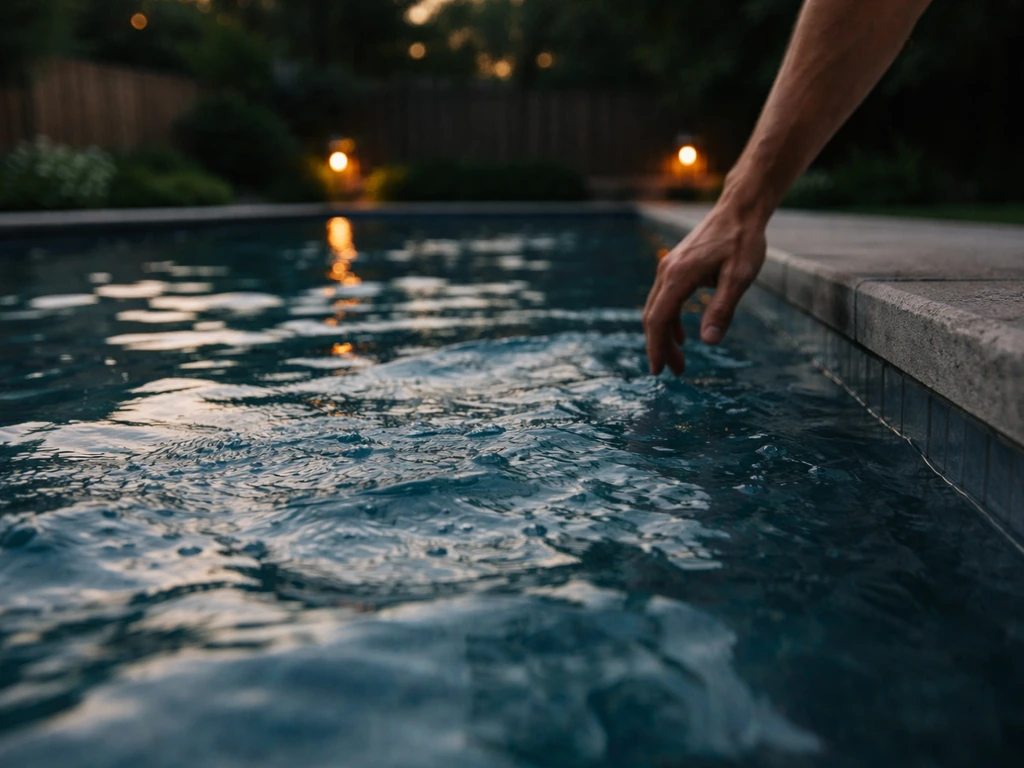
There are three main ways bird droppings in or around a pool can affect your health, and they work quite differently from each other.
Swallowing contaminated water
This is the primary concern in a pool setting. Bird droppings introduce germs into the water, and swimmers who inadvertently swallow even small amounts can ingest those pathogens. The CDC specifically flags duck and goose droppings as potential sources of E. coli, Salmonella, Campylobacter, and Cryptosporidium in recreational water. Crypto is the standout concern because it's chlorine-tolerant. Unlike the others, it doesn't get knocked out in minutes by standard pool chemistry. It has a tough outer shell that lets it persist for days, even in a properly chlorinated pool.
Skin contact
Intact, healthy skin is a decent barrier against most pathogens. The risk goes up if you have open cuts, abrasions, or broken skin, where germs can enter more directly. If you've been swimming and realized there were droppings in the water, shower off thoroughly afterward and pay attention to any wounds.
Inhaling dust or mist
This route matters most when you're cleaning up dried droppings from the pool deck, tiles, or surrounding area, not from the water itself. Dried bird feces can harbor the bacteria that causes psittacosis (Chlamydia psittaci), which infects people primarily through breathing in aerosolized dust from dried droppings.
Dried bird feces can harbor Chlamydia psittaci, and the CDC notes infection usually occurs when a person inhales the organism aerosolized from dried feces or respiratory secretions of infected birds [Dried bird feces can harbor the bacteria that causes psittacosis (Chlamydia psittaci), which infects people primarily through breathing in aerosolized dust from dried droppings. ](https://www. cdc. gov/mmwr/preview/mmwrhtml/rr4908a1.
htm). Histoplasmosis, a fungal lung infection, also spreads through inhalation of spores, though the CDC notes that fresh droppings on surfaces like sidewalks are unlikely to pose a Histoplasma risk. Accumulated, older deposits in soil are the bigger concern there. Either way, don't sweep or blow dry droppings in a way that kicks up dust.
Who needs to be most careful
- Young children, who are more likely to swallow pool water and have less developed immune systems
- Immunocompromised individuals (cancer treatment, HIV, organ transplant recipients), for whom Crypto in particular can cause serious, prolonged illness
- Pregnant women, given the potential for complications from certain pathogens
- Anyone with open wounds or broken skin who has been in the water
- People who have spent time cleaning up large accumulations of dried droppings around the pool area
Do chlorine and pool chemistry make it safer?
Mostly yes, but not completely. Chlorine is genuinely effective against most of the bacteria found in bird droppings. In a well-maintained pool with free chlorine at 1 to 3 ppm and a pH of 7.5 or below, germs like E. coli and Salmonella are inactivated within minutes. Even Giardia, which is tougher than most bacteria, can be handled with proper chlorine concentration and contact time: roughly 45 minutes at 1 ppm, 25 minutes at 2 ppm, and about 19 minutes at 3 ppm.
Crypto is the exception. Its outer shell makes it effectively chlorine-resistant at normal pool levels. Even a properly maintained pool won't neutralize Crypto quickly, which is why the CDC recommends treating bird droppings in a pool the same way you'd treat a fecal accident, with immediate removal of the material and a targeted disinfection response rather than simply trusting routine chlorination.
One more factor: the droppings themselves can physically shield germs from chlorine contact until they're removed. Solid or semi-solid matter acts as a protective barrier, so getting the material out of the water first is always step one.
Immediate actions: cleanup steps you can do today
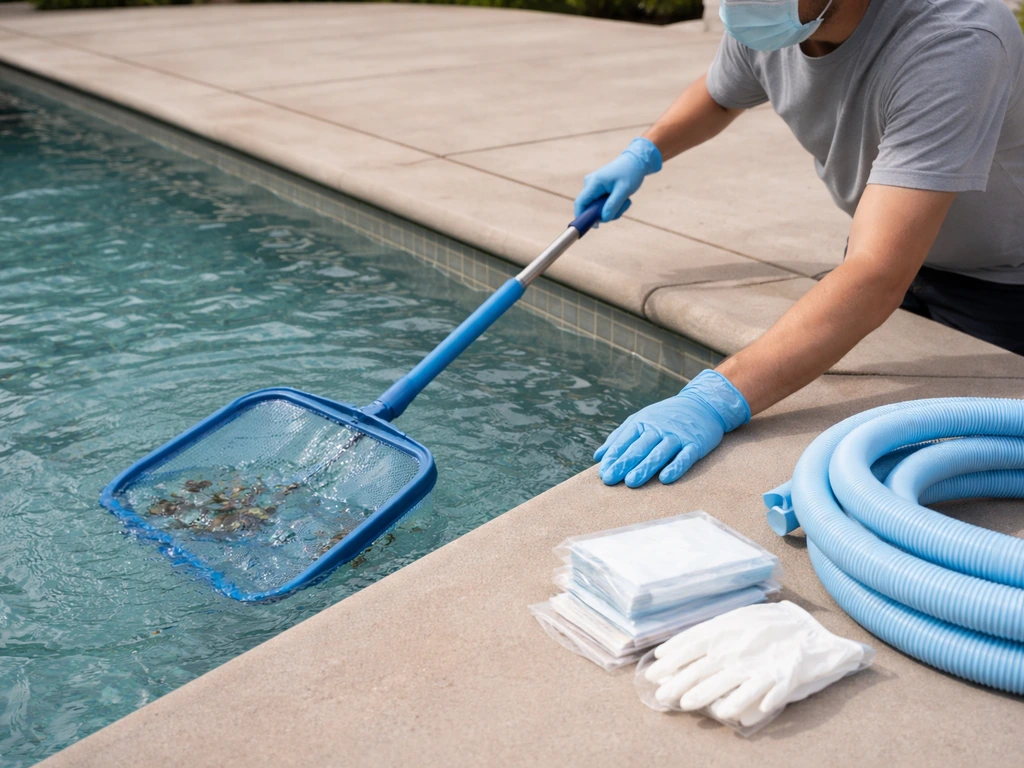
The CDC's guidance is clear: treat bird droppings in the pool the same as formed human feces. Here's how to handle it step by step.
- Get everyone out of the pool immediately and keep them out until disinfection is complete.
- Put on disposable gloves before handling anything. Add safety glasses and a mask if you're also dealing with dried droppings on surrounding surfaces.
- Use a net or scoop to physically remove the droppings from the water. Do this carefully to avoid breaking up the material and spreading it further.
- After removing the droppings, clean and disinfect the net or equipment. Leave it submerged in the pool during the disinfection process or sanitize it separately with a chlorine solution.
- Test your free chlorine level and pH. You want free chlorine at 2 ppm and pH at 7.5 or below (water temperature of at least 77°F/25°C helps too).
- If your levels are off, adjust them now using a non-stabilized chlorine product. Avoid cyanuric-acid-stabilized (trichlor/dichlor) products for this disinfection step because stabilizer interferes with chlorine's effectiveness. If your pool already has a high cyanuric acid level, you'll need to double the disinfection contact time.
- Run the filtration system continuously during and after disinfection to help clear the water.
- Wait the appropriate contact time before allowing anyone back in: about 25 minutes at 2 ppm free chlorine with pH 7.5 or below covers most pathogens (Crypto being the exception, addressed separately).
- Wash your hands thoroughly with soap and water after the cleanup, even if you wore gloves.
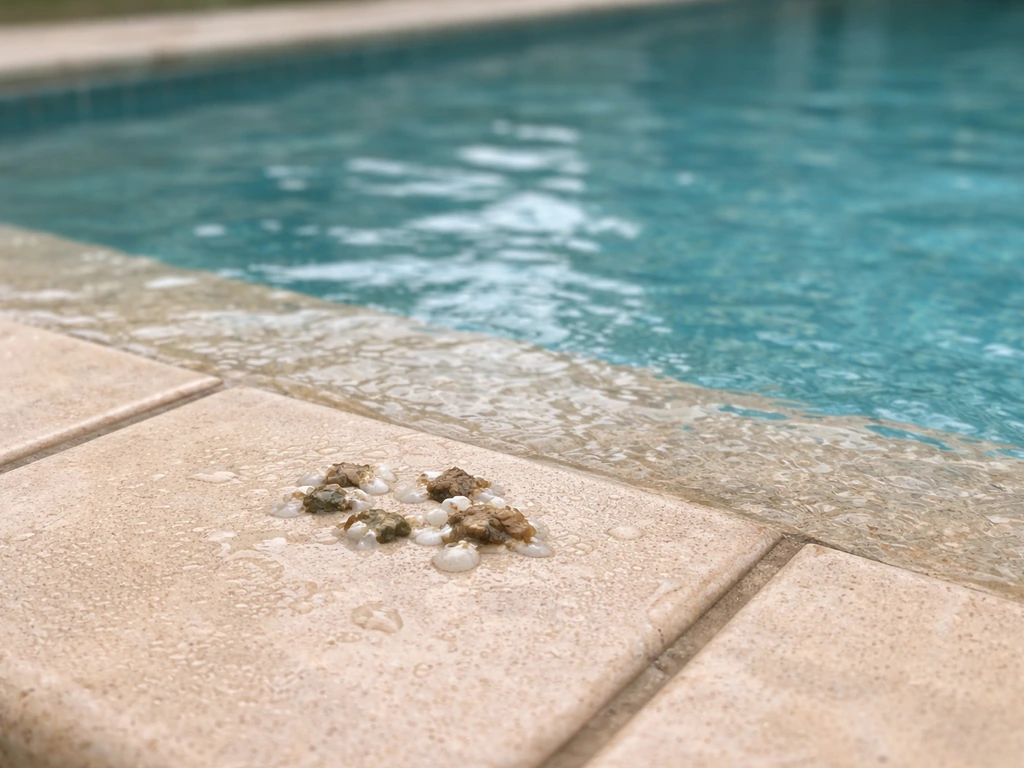
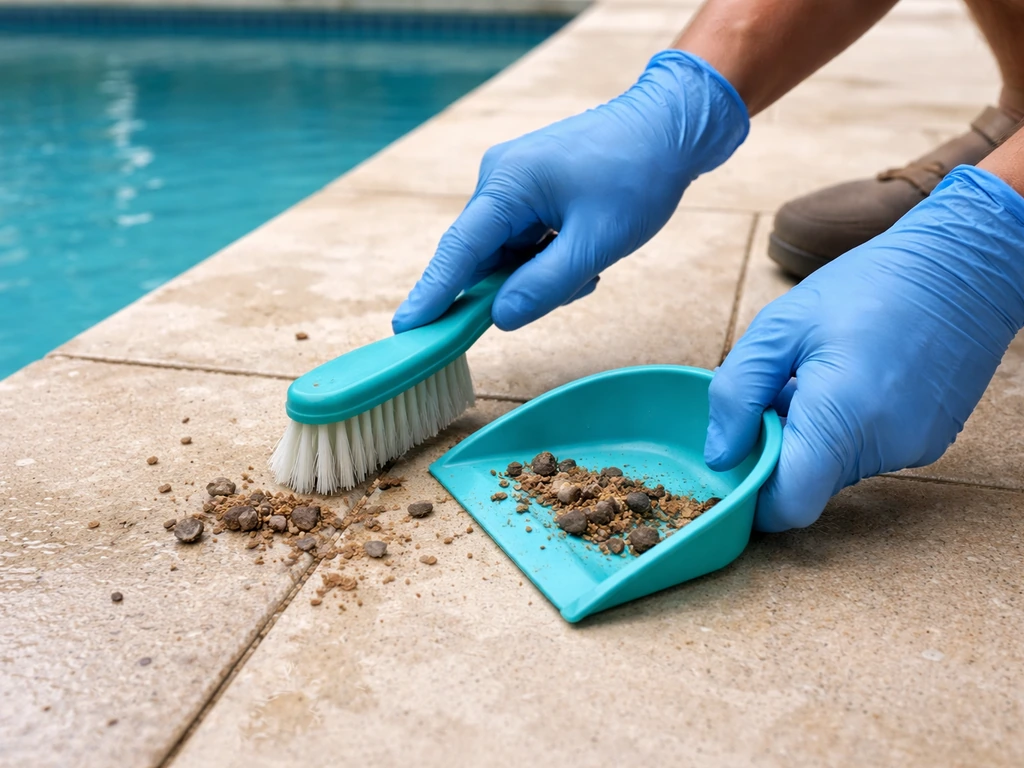
For dried droppings on the pool deck or coping, wet the area down before cleaning to prevent dust from becoming airborne. Don't sweep dry droppings or use a leaf blower on them. Scrub with a disinfectant solution, rinse, and wash your hands well afterward.
Safe re-entry timing and exposure monitoring
For most pathogens, a properly disinfected pool at 2 ppm free chlorine and pH 7.5 or below is safe to re-enter after about 25 minutes of contact time following removal of the droppings. That window handles bacteria and most parasites under normal conditions.
Crypto is the harder case. Because it can survive for days in chlorinated water, you can't guarantee complete elimination through standard pool chemistry alone. If you know waterfowl have been in your pool repeatedly or there's evidence of significant contamination, the CDC-recommended approach for Crypto involves a hyperchlorination protocol (raising free chlorine to much higher levels for extended periods) that goes beyond typical shock treatment. That's more of a public pool concern, but for a home pool with heavy bird activity, it's worth knowing the option exists.
After any exposure incident, pay attention to how you feel over the next one to ten days. Most gastrointestinal infections from waterborne pathogens show up within that window. If you or anyone who swam in the affected water develops symptoms, note when you swam and flag that to a doctor.
When to call a doctor
Most healthy adults who swam in water with a small amount of bird poop in an otherwise well-maintained pool won't get sick. But you should contact a doctor if you or a swimmer experience any of the following after being in a pool that had bird droppings in it:
- Diarrhea that lasts more than three days, especially if it's watery or bloody
- Stomach cramps, nausea, or vomiting that starts within a day or two of swimming
- Fever combined with GI symptoms
- Respiratory symptoms like cough, fever, or chest tightness, particularly if you spent time cleaning up dry droppings (possible psittacosis exposure)
- Any symptoms at all in an immunocompromised person, a young child, a pregnant woman, or an elderly individual
When you call, mention that the person was swimming in water that may have been contaminated by bird droppings. That context helps the doctor consider Crypto, Salmonella, Campylobacter, or other relevant pathogens rather than defaulting to a general illness workup. Crypto in particular can be serious and prolonged in people with weakened immune systems, and it requires specific treatment.
If you're also concerned about respiratory exposure from cleaning dried droppings, it's worth mentioning that too, since psittacosis and histoplasmosis have different presentations and treatments than the typical GI illnesses. These inhalation risks are more commonly associated with occupational exposure to large amounts of bird waste, but they're worth flagging if you had significant contact during cleanup.
Prevention: how to keep birds away from your pool
The best cleanup is the one you don't have to do. If birds, especially ducks and geese, are regular visitors to your pool, there are a few practical things that actually help.
Reduce what attracts them
- Trim or remove trees and large shrubs directly over or around the pool that birds use for roosting and perching
- Reduce the amount of grass or lawn right around the pool edge. Geese and ducks are especially attracted to manicured grass near water
- Add fencing, dense hedging, or other physical barriers between open lawn areas and the pool to block easy access for ground-level birds
Active deterrents
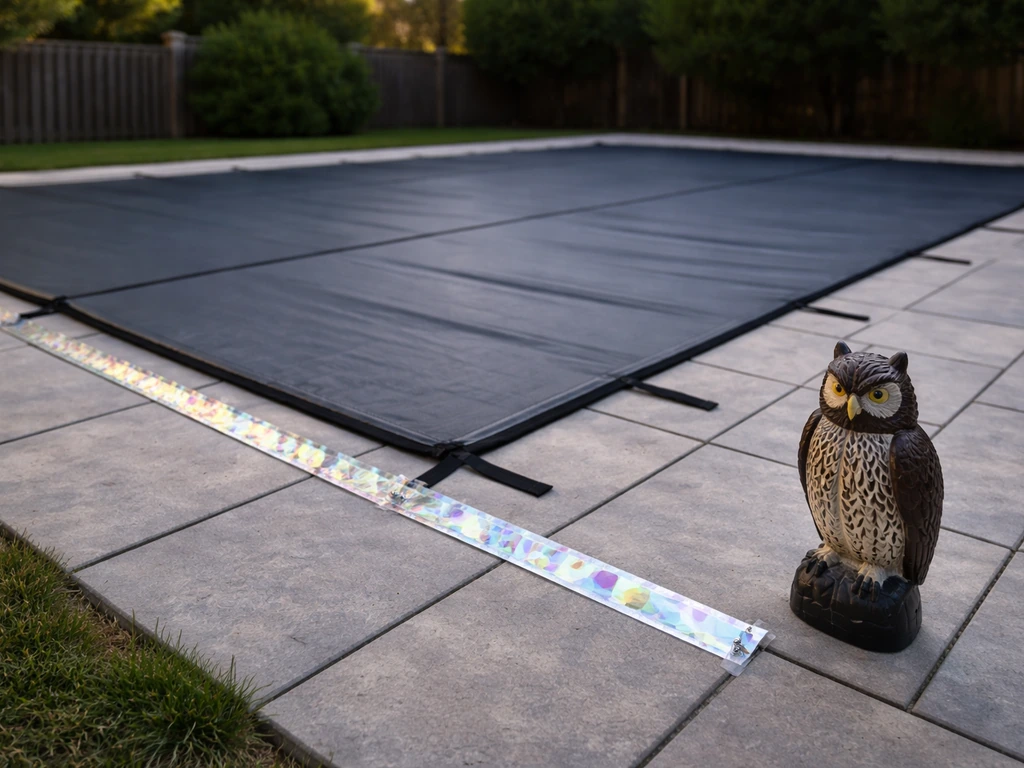
- Use a pool cover when the pool isn't in use. This is one of the simplest and most effective steps
- Reflective tape, predator decoys (plastic owls or hawk silhouettes), and motion-activated sprinklers can discourage birds from settling near the pool. Rotate or reposition decoys regularly or birds will figure out they're fake
- If birds land near the pool, calmly encourage them to leave rather than letting them settle
Keep your pool chemistry dialed in
A pool that's already at the right chlorine level (1 to 3 ppm free chlorine) and proper pH (7.2 to 7.6) is going to handle incidental contamination much better than one that's been neglected. Regular testing and maintenance isn't just about comfort; it's your first line of defense against whatever birds, insects, or the environment introduces to the water. Run your filter consistently and keep turnover times in check.
If you want to go deeper on the health risks of bird droppings beyond the pool setting, including risks specific to pet birds, pregnancy, or general exposure questions, those are genuinely different scenarios with their own nuances worth understanding separately. If you're wondering is bird poop dangerous uk, the pool-focused guidance above still applies, but local advice and healthcare options may differ. Risks can be higher for certain people, and in some cases is pet bird poop dangerous depends on what pathogens are present and how you handle exposure.
FAQ
How much bird poop counts as “dangerous” in a pool?
There is no safe threshold by number, because risk depends on how much material entered the water, how fast you removed it, and whether free chlorine and pH were in range. A single small dropping is usually low risk in a properly maintained pool, but if droppings are repeated or you see floating clumps, treat it more like a fecal accident and pause swimming until you disinfect and meet re-entry contact time.
Do I need to close the pool if I find droppings mid-swim?
If the material is in the water, it’s safest to stop use, remove the droppings promptly (skimmer or net), then recheck free chlorine and pH. Re-entry is typically after the disinfection contact time mentioned for your chlorine level, but if you cannot confirm chemistry, assume longer and keep people out until you test.
What if I cannot remove the droppings right away?
Delay increases risk because the droppings can protect germs from chlorine while they remain suspended. If you cannot remove immediately, avoid swimming for the interim, then remove as soon as possible and follow a targeted disinfection response rather than relying on routine circulation.
Is it safe to swim after a pool “shock” if birds pooped earlier?
Often yes for bacteria, but only if the pool reaches and maintains the needed free chlorine level and the water stays at the correct pH, for the required contact time after removal. “Shock” doses vary, and some products raise combined chlorine instead of free chlorine, so re-test before anyone re-enters.
What should I do if a child or pet accidentally swallowed pool water?
Treat it as a possible ingestion exposure. Rinse the mouth and keep them hydrated, then contact a clinician, especially for children, and mention that the pool had bird droppings. Seek urgent advice for severe symptoms like dehydration, persistent vomiting, blood in stool, or high fever.
Can you get sick from bird droppings on the pool ladder or deck without water exposure?
Yes, but the pathway is usually different. The concern is typically inhaling dust during dry cleanup, or transferring germs to the mouth from contaminated hands. Wet the area before cleaning, avoid dry sweeping or leaf blowing, and wash hands thoroughly after.
Does showering after exposure make a meaningful difference?
It helps, particularly for skin contact and accidental hand-to-mouth transfer. Rinse promptly and wash exposed skin with soap and water, but showering alone does not address germs already swallowed from pool water, so watching for GI symptoms still matters.
How soon should symptoms appear, and what if they start later?
Most waterborne gastrointestinal illnesses show up within about 1 to 10 days after exposure. If symptoms begin much later, it is less likely to be linked, but not impossible, so still tell the clinician about the timing and the droppings event if you have ongoing symptoms.
What chemistry checks matter most after bird droppings: chlorine, pH, or something else?
Free chlorine and pH are the primary ones for effectiveness against bacteria and many parasites, but also verify that the pool is actually circulating and filtration is running. If you suspect poor maintenance (high combined chlorine, low turnover, dead zones), the “minutes” disinfection assumption becomes less reliable.
If Crypto is the big concern, how do I know whether I should do a hyperchlorination protocol?
Hyperchlorination is most relevant when contamination is significant or repeated, especially if waterfowl visit frequently. For one-off minor droppings in an otherwise well-maintained home pool, the immediate removal plus appropriate disinfection contact time is usually the practical approach, but heavy recurring bird activity is a reason to consider the stronger option and consult local guidance.
Is it safe to run the pool filter while cleaning up droppings?
You generally want to keep circulation controlled and avoid stirring up contamination. Don’t use high-pressure washing or aggressive skimming that could spread debris, and focus on removing the droppings first, then disinfect and allow the required contact time before resuming normal use.
Do “duck season” or seasonal bird visits increase the risk even if I test the pool?
They can, because frequent droppings increase the chance that you have more total contamination and more opportunities for germs to be shielded before you remove them. Testing helps, but speed of cleanup and whether droppings happen repeatedly are both important for risk.