For most people in the UK, bird poop is an annoyance rather than a genuine health threat. Everyday contact like getting a splat on your jacket, touching a contaminated surface, or walking through a patch of dried droppings carries a low risk for healthy adults. That said, the risk is not zero. Bird droppings can carry bacteria, fungi, and parasites, and the main danger comes not from touching them but from inhaling dust when dried droppings are disturbed. If you clean it up sensibly, wash your hands, and avoid dry-scraping or pressure-washing dried deposits, you are managing the realistic risk well.
Is Bird Poop Dangerous in the UK? Risks and Cleanup Steps

Marcus Fielding
4 Jun 2026
What's actually in bird poop
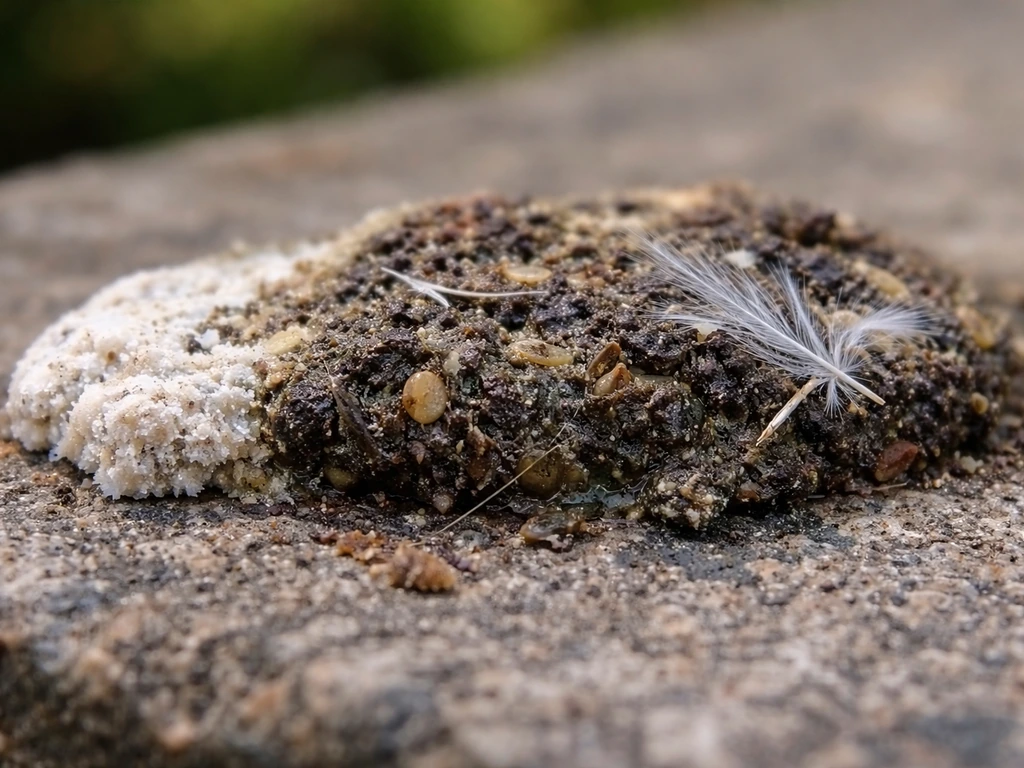
Bird droppings are a mix of faecal matter, urine (the white chalky part is uric acid), undigested food, feather debris, and, in some cases, microorganisms picked up from the bird's gut and environment. The organisms that can cause human illness include the bacterium Chlamydia psittaci (which causes psittacosis), fungi like Cryptococcus and Histoplasma (less common in the UK climate), and parasites including Cryptosporidium. Dried droppings also accumulate bacteria and mould as they age. On top of the biological content, bird droppings are highly acidic, which is why they strip car paint and stain stone so effectively.
The critical point the UK Health and Safety Executive makes is that the risk goes up sharply when dried droppings are disturbed and the resulting dust or aerosol is inhaled. A fresh splat on your sleeve is far less concerning than a build-up of dry material that you then scrape or sweep without any protection. That distinction shapes every practical recommendation below.
Realistic disease risks vs overstated fears
Psittacosis (Chlamydia psittaci)
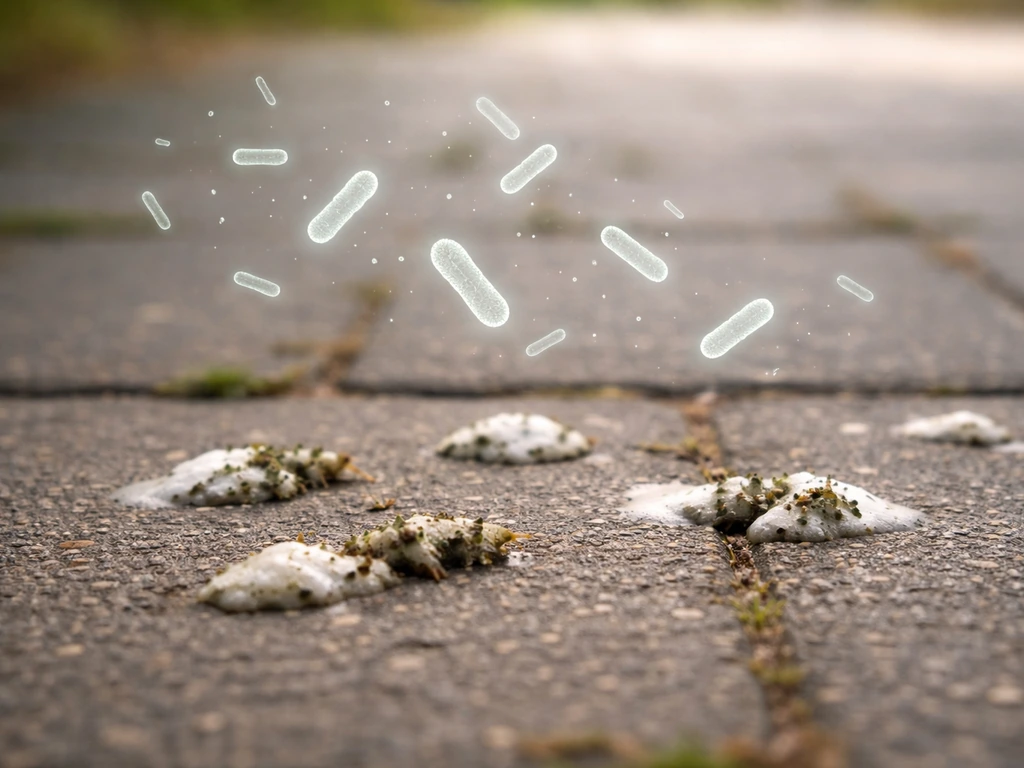
This is the one the UK government guidance specifically highlights in relation to bird droppings. Psittacosis is a rare bacterial infection that can cause flu-like symptoms including fever, headache, muscle ache, and in more serious cases, pneumonia. GOV.UK explicitly states that transmission happens mainly through inhaling infected respiratory particles or dust contaminated with faeces or respiratory secretions. Importantly, even brief, passing exposure to infected birds or their dried droppings can theoretically cause infection, which is why the HSE flags it as a risk even for non-occupational situations. That said, it remains rare in the UK general population. Most people who get splattered by a pigeon on the way to work are not going to develop psittacosis.
Cryptosporidiosis and gut infections
Cryptosporidium is a gut parasite found in the faeces of many animals. The exposure route is fecal-oral, meaning contamination of hands that then touch your mouth. For most healthy adults this would cause stomach upset that clears on its own within a week or two. The NHS advises calling 111 or your GP if you are concerned or not improving, which is the right threshold for GI symptoms after a possible exposure. The NHS 111 service can also tell you what to do next if you think you need medical help right now call 111 if you are concerned or not improving.
What's genuinely low risk for most people
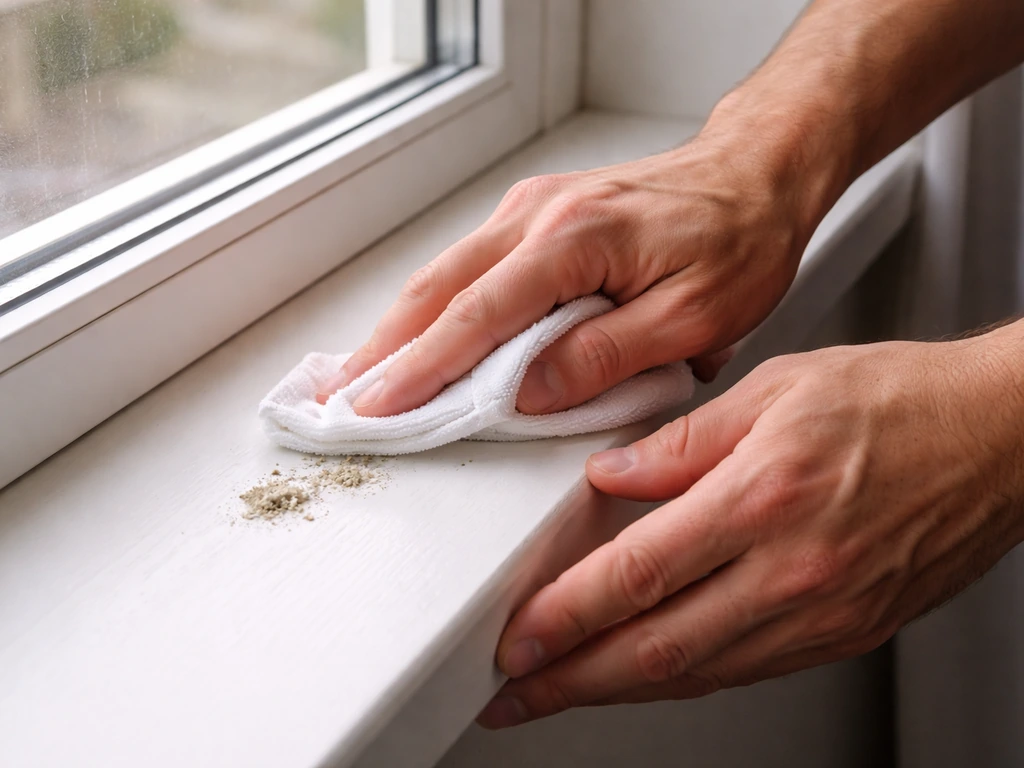
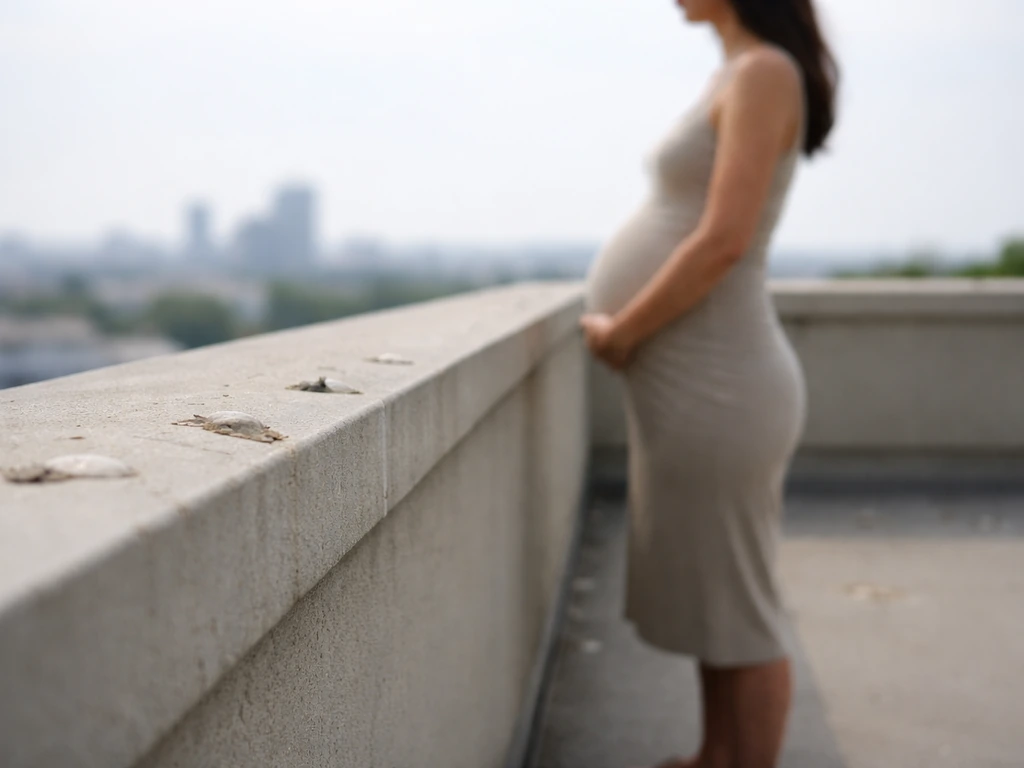
Routine contact with bird droppings, such as cleaning a windowsill, finding a splat on your car, or brushing against a contaminated surface, does not pose a serious health risk for the majority of healthy people. Skin contact alone is not an efficient transmission route for the pathogens above. The risk increases meaningfully for people who are immunocompromised, pregnant, elderly, or dealing with a large volume of droppings in an enclosed space. If you are in one of those groups, the precautions below matter more, not less.
Bird flu (avian influenza) sometimes comes up in these conversations. The UK does see outbreaks in poultry and wild birds, but human infection from casual contact with wild bird droppings remains extremely rare and is not something you need to factor into everyday risk for a routine garden or car cleanup.
If you have already been exposed: what to do right now
Skin contact
Wash the affected area thoroughly with soap and warm water for at least 20 seconds. This is the most important step and covers the vast majority of everyday splash incidents. Do not rub your eyes, nose, or mouth before washing. Dry with a clean towel or paper towel. No need for antiseptic washes unless you have broken skin at the contact site.
Eye exposure
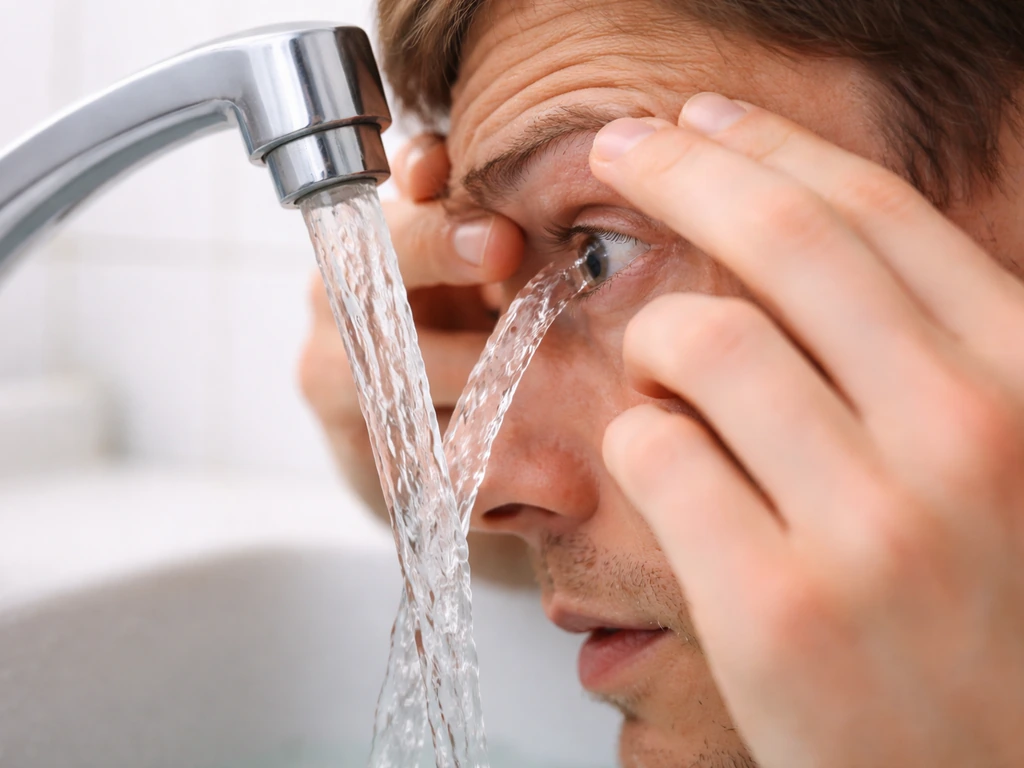
If droppings splash into your eye, rinse immediately and thoroughly with clean running water or sterile saline for at least 10 to 15 minutes. Hold your eyelid open and let the water flush across the eye. After rinsing, if there is any redness, irritation, or discomfort that does not settle within an hour or two, contact NHS 111 or your GP the same day. Eye exposure is one of the situations where you should not just wait and see.
Inhalation of dust from dried droppings
This is the highest-risk scenario. If you have inhaled dust from disturbing a dry build-up of droppings, move to fresh air immediately. For a brief, incidental exposure with no symptoms, monitor yourself over the following one to two weeks. Psittacosis has an incubation period of around 5 to 19 days, so flu-like symptoms appearing in that window after an exposure are worth reporting to your GP with the context of the exposure. If you feel short of breath, develop a persistent cough, or have chest pain, seek medical advice sooner rather than later.
Contaminated clothing or hair
Remove contaminated clothing without shaking it, which can disturb dried particles. Bag it and wash on a hot cycle (at least 60°C) separately from other laundry. Wash your hair with normal shampoo if droppings made contact with it. Shower if the exposure was more extensive.
How to clean up bird droppings safely in the UK
The golden rule from both the HSE and CDC guidance is the same: wet it before you touch it. Dry droppings, when disturbed by scraping, sweeping, or pressure washing, generate inhalable dust particles. Wetting the material first suppresses that dust cloud. Here is how to apply that principle across the most common UK settings.
Gear up first
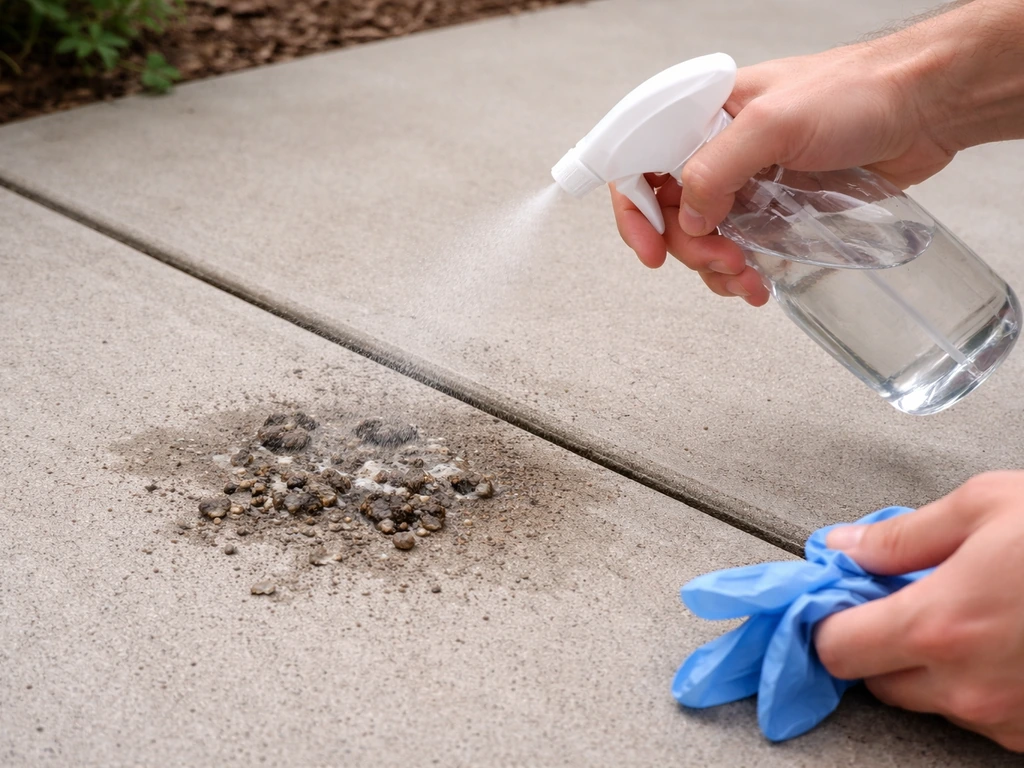
- Disposable gloves (nitrile or latex). For larger accumulations, consider disposable overalls.
- A disposable or washable face covering or FFP2/FFP3 mask if tackling a significant build-up of dried droppings.
- Eye protection if there is any risk of splash.
- Old clothes you can bag and wash at 60°C, or disposable coveralls for heavy work.
Driveways, patios, and garden furniture
Dampen dried droppings with a spray bottle of water mixed with a household disinfectant. Leave it for a couple of minutes to soften and kill surface pathogens. Wipe or scrape the residue into a sealed bag using disposable cloths or paper towels. Dispose of the bag in your general waste bin. Follow up by scrubbing the surface with a disinfectant solution and rinsing. Do not use a pressure washer on dry droppings: the HSE specifically flags high-pressure methods as a route to creating dangerous aerosols. If you must use a hose, wet the droppings thoroughly before any pressure is applied.
Cars and windows
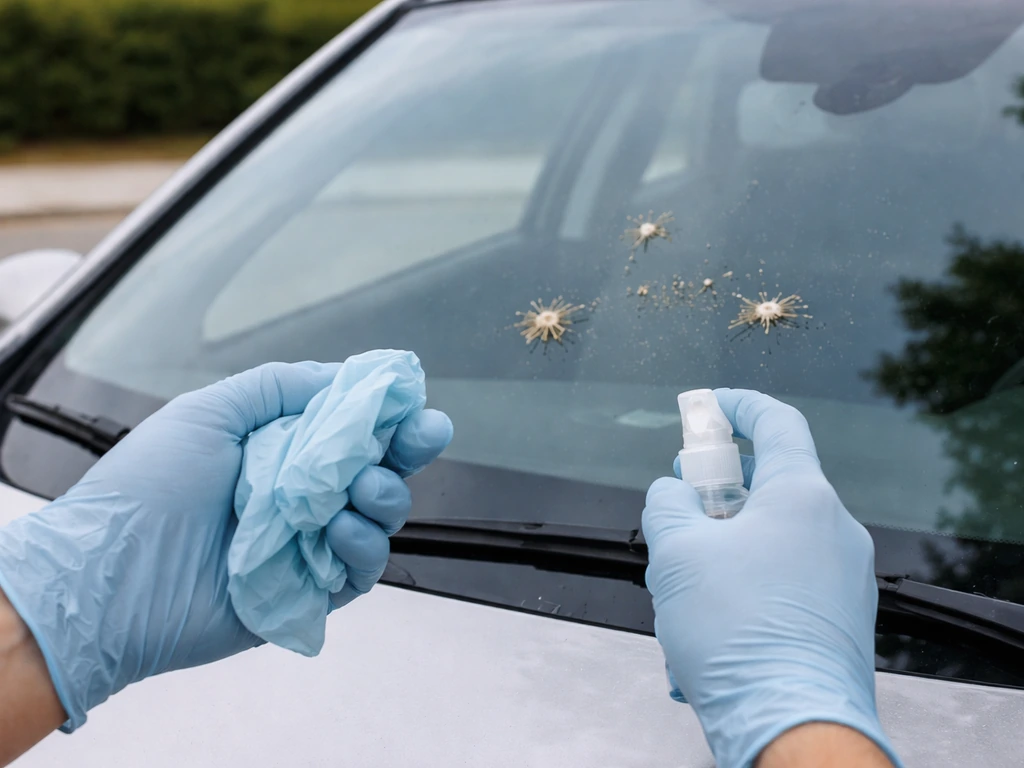
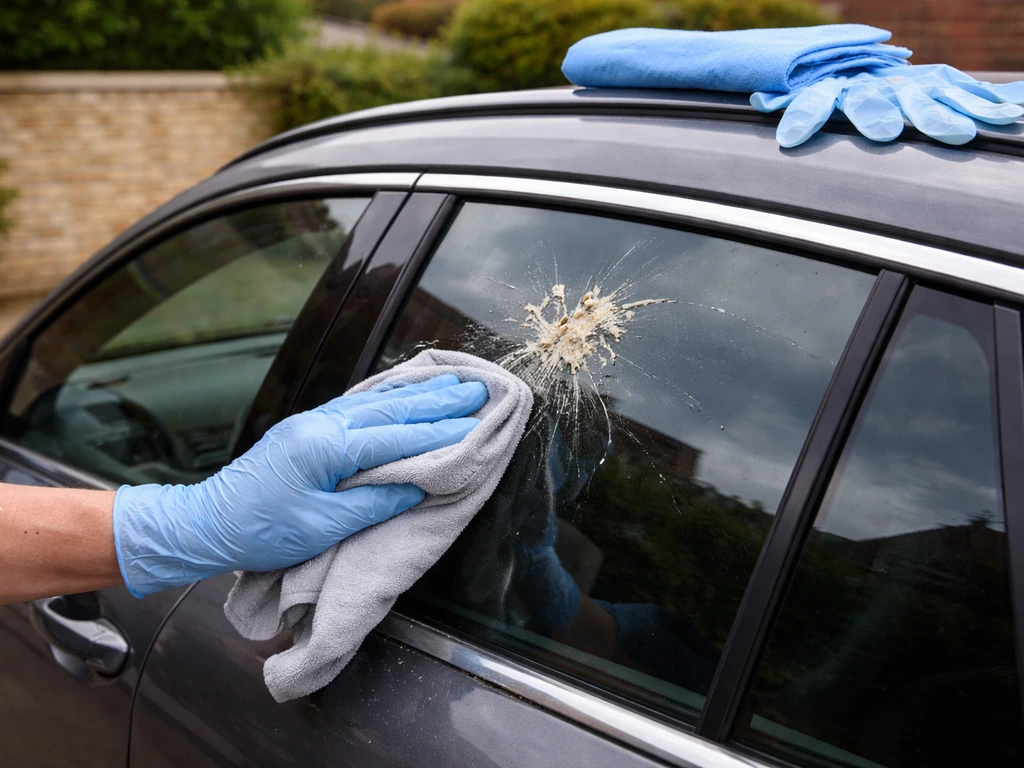
On paintwork or glass, fresh droppings are far easier to deal with than dried ones, and acting quickly also protects your paint. Soak the area with a wet cloth or spray it with a dedicated bird dropping remover spray (widely available in UK car accessory shops). Let it dwell for 30 to 60 seconds, then wipe gently away with a microfibre cloth. Rinse thoroughly. For dried deposits, dampen first, wait, then lift rather than scraping. Avoid dry scraping with anything abrasive, which scratches paint and raises dust simultaneously.
Indoor contamination (loft, shed, or garage)
Enclosed spaces with accumulated droppings are the highest-risk domestic scenario. This is where a proper FFP2 or FFP3 respirator makes sense, not just a dust mask. Ventilate the space before entering if possible. Wet the droppings down thoroughly before attempting to remove them. Do not dry-sweep or vacuum without a HEPA filter. Seal all waste in double bags. If the accumulation is large (think a loft that has hosted pigeons for months), consider contacting a pest control professional who is equipped to deal with this safely.
After cleanup
Remove gloves carefully by peeling them inside out. Wash hands thoroughly with soap and water straight away. Wash any reusable tools or brushes with disinfectant. Bag and bin all disposable items immediately.
When to get medical help
Most bird poop incidents do not need a GP visit. But there are specific triggers where you should get medical advice the same day or sooner. If you develop flu-like symptoms after a relevant exposure, NHS inform recommends seeking medical advice through NHS 111.
| Situation | What to do |
|---|---|
| Droppings splashed directly into the eye and irritation does not clear after thorough rinsing | Contact NHS 111 or your GP the same day |
| Flu-like symptoms (fever, headache, muscle ache, cough) developing within 5 to 19 days of inhaling dust from dried droppings | See your GP and tell them about the bird dropping exposure; ask about psittacosis |
| Chest tightness, shortness of breath, or worsening cough after inhaling contaminated dust | Call NHS 111 immediately or go to urgent care |
| GI symptoms (vomiting, diarrhoea) lasting more than 48 hours after possible fecal-oral exposure | Call NHS 111 or your GP |
| You are immunocompromised, pregnant, or elderly and had significant exposure to droppings or their dust | Call NHS 111 or your GP for advice even without symptoms |
| You accidentally ingested droppings or heavily contaminated material | Call NHS 111 for guidance straight away |
When you contact a clinician, GOV.UK guidance says doctors should consider psittacosis in patients with compatible symptoms who have a relevant exposure history. So be specific: tell them you were exposed to bird droppings and roughly how much and how (skin contact, inhalation of dust, eye splash). That context helps them assess you correctly.
The good luck thing: where it comes from and what it actually means
If you have ended up here partly because someone told you that being pooped on by a bird is good luck, you are not alone. It is one of the most persistent bits of British folklore, and versions of it appear across European, Russian, and Turkish cultures too. The logic, such as it is, seems to follow a 'rare event must mean something' pattern: the odds of a bird targeting you specifically are so low that people have historically framed it as a sign from fate. In some traditions, the luck multiplies with the number of birds involved. Turkeys mean very good luck apparently, which seems like overcompensation.
The honest reality check is this: the superstition and the health risk exist completely independently. Whether or not you believe a pigeon just handed you a lottery ticket, you should still wash your hands, deal with the splat properly, and not inhale any dust from dried droppings. The GOV.UK guidance on psittacosis is admirably straightforward on this point: the infection risk is about specific exposure routes involving contaminated faeces and dust, not about whether the universe is trying to tell you something. Good luck charms do not neutralize Chlamydia psittaci.
So by all means enjoy the moment of absurdity that comes with a direct hit from a passing seagull. Just handle the aftermath with soap, water, and a sealed bin bag rather than a lottery ticket and a shrug.
A quick note on specific situations
Some exposure scenarios carry their own nuances worth noting. Droppings in a swimming pool, for example, raise different concerns around waterborne pathogens and pool chemistry. For more on the risks from droppings getting into pool water, see whether bird poop in pool is dangerous and what to do if it happens is bird poop in pool dangerous.
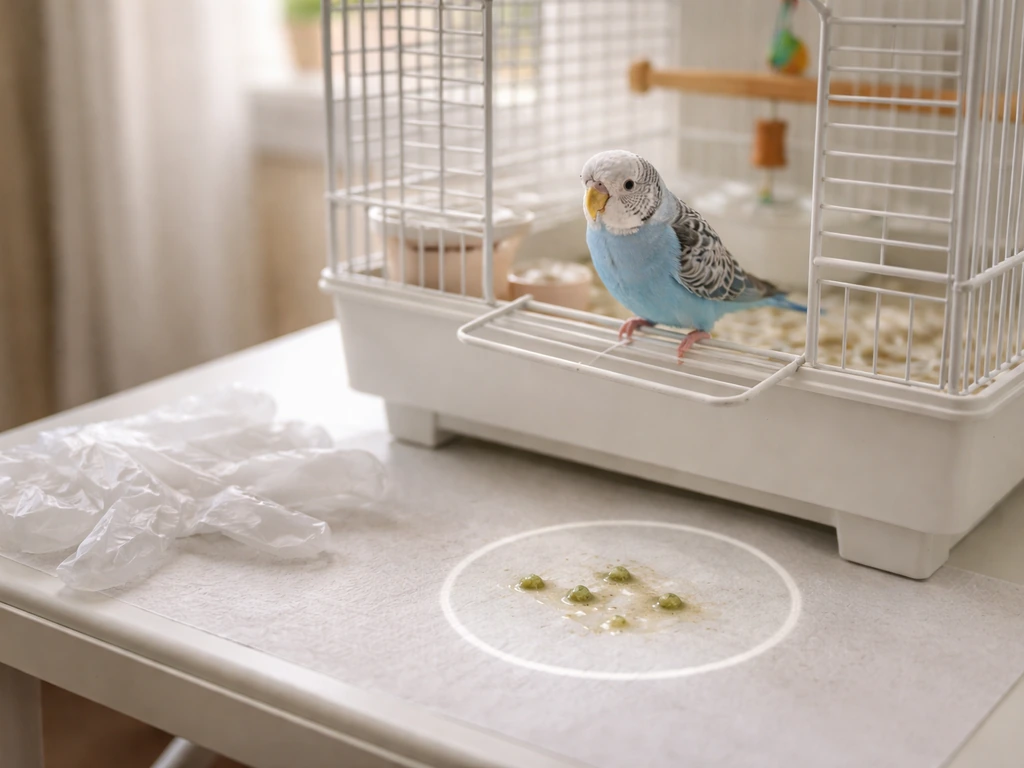
If you have a pet bird at home, the risk profile shifts because of prolonged daily proximity and airborne dander in enclosed spaces. If you’re wondering whether is pet bird poop dangerous, the main added concern is the increased daily exposure and the higher chance of breathing in contaminated dust or dander in enclosed spaces pet bird at home.
And if you are pregnant, the guidance around what level of exposure warrants a call to your midwife or GP is more cautious than for the general population. These scenarios are worth looking at specifically rather than assuming the same everyday risk level applies across the board.
FAQ
Is bird poop dangerous UK if it’s only on clothing and doesn’t touch my skin?
The main risk still comes from handling contaminated fabric and disturbing any dried residue, not from “the poop being on fabric” itself. Avoid shaking it, bag it first, wash on at least 60°C if any droppings are dry, and rinse your hands after removing it.
Can I get sick from touching wet fresh bird droppings with bare hands?
For healthy adults, brief skin contact is usually low risk, since many of the relevant pathogens spread via inhalation of dust (for respiratory illness) or through hand-to-mouth contamination (for gut illness). Still, wash your hands with soap and water right away and do not rub your face until you have cleaned up.
What should I do if bird droppings fall onto food or kitchen surfaces?
Remove any visible droppings carefully (wet first if it’s dried), discard any affected food immediately, then clean with detergent and hot water. After cleaning, sanitize the area, and wash any utensils or cutting boards used. Don’t use dry wiping if there is dried residue.
Is bird poop dangerous UK for pets like dogs and cats?
Pets can be exposed if they lick contaminated paws or sniff and inhale dust from dried droppings, especially in enclosed areas. Prevent licking, wipe paws with pet-safe wipes or warm water, and if your pet develops diarrhea, vomiting, or breathing issues after exposure, contact a vet.
Should I use a bleach-based cleaner on bird droppings?
Avoid mixing chemicals and focus on wetting first, then cleaning. A disinfectant can be helpful, but the key step is to suppress dust by dampening before touching. If you use disinfectant, follow the label and ventilate the area, especially in small rooms.
Is a dust mask enough, or do I need an FFP2/FFP3 respirator?
For casual fresh splats, you usually do not need respiratory protection. If you are dealing with dried build-up, especially in an enclosed space, FFP2 or FFP3 provides much better protection against inhaling dust particles than a loose dust mask.
Can I vacuum bird droppings up safely?
Only with caution. Regular household vacuuming can release fine particles back into the air. If you must vacuum, use a machine with a true HEPA filter and avoid vacuuming dry deposits without first wetting them thoroughly.
What symptoms mean I should call NHS 111 or my GP after exposure?
For possible psittacosis, seek advice if flu-like symptoms (fever, headache, muscle aches) develop within about 5 to 19 days after inhaling dust from dried droppings. For gut contamination, persistent stomach symptoms, dehydration, or no improvement after about a week should prompt medical advice.
Is bird poop dangerous UK during pregnancy or for immunocompromised people?
The risk is still usually low, but the threshold for precautions is higher. Pregnant or immunocompromised people should avoid handling large dried accumulations, use an FFP2/FFP3 respirator if cleaning must be done, ventilate, wet the material first, and consider getting help for enclosed spaces.
If bird poop got into my eye, do I need medical care even if it feels fine later?
If symptoms resolve quickly, you may not need further care. However, if redness, irritation, or discomfort persists beyond an hour or two, or you have ongoing pain or vision changes, get same-day advice via NHS 111 or your GP.
Is bird poop on car paint dangerous to me, or just a cleaning problem?
It’s mainly a health risk because dried deposits can generate inhalable dust when disturbed. To protect paint and reduce dust, dampen first, wipe gently, and rinse. Avoid abrasive dry scraping that both scratches and aerosolizes residue.
What if bird poop is on a balcony or in an attic where lots of dried droppings have built up?
That’s where risk increases most because there’s more dust to disturb. Ventilate, wear an FFP2 or FFP3 respirator, wet thoroughly before removal, avoid dry sweeping, and double-bag waste. If accumulation is large or access is difficult, consider pest control or a specialist cleaner.