Bird poop can carry real pathogens, but for most pregnant people, a one-time everyday exposure, a splat on the arm, a car hood you touched, a balcony railing you leaned against, is very low risk. The genuine concern kicks in when you're doing cleanup work that stirs dried droppings into the air, especially in enclosed spaces or around large accumulations, because that's when fungal spores and bacteria actually reach your lungs. With the right precautions, you can handle bird droppings safely during pregnancy and keep both yourself and your baby protected.
Is Bird Poop Dangerous When Pregnant? Risks and Safe Cleanup

Marcus Fielding
3 Jun 2026
Bird droppings vs pregnancy: what "dangerous" actually means
Pregnancy changes your immune system in subtle but important ways. Your body tolerates the fetus partly by dialing down certain immune responses, which can make some infections hit harder than they would otherwise. That's the real reason the question of "is bird poop dangerous when pregnant" deserves a straight answer rather than a brush-off. It's not that bird droppings are uniquely toxic to pregnant people, it's that any respiratory infection during pregnancy carries slightly more weight, and bird droppings can contain organisms that cause respiratory illness.
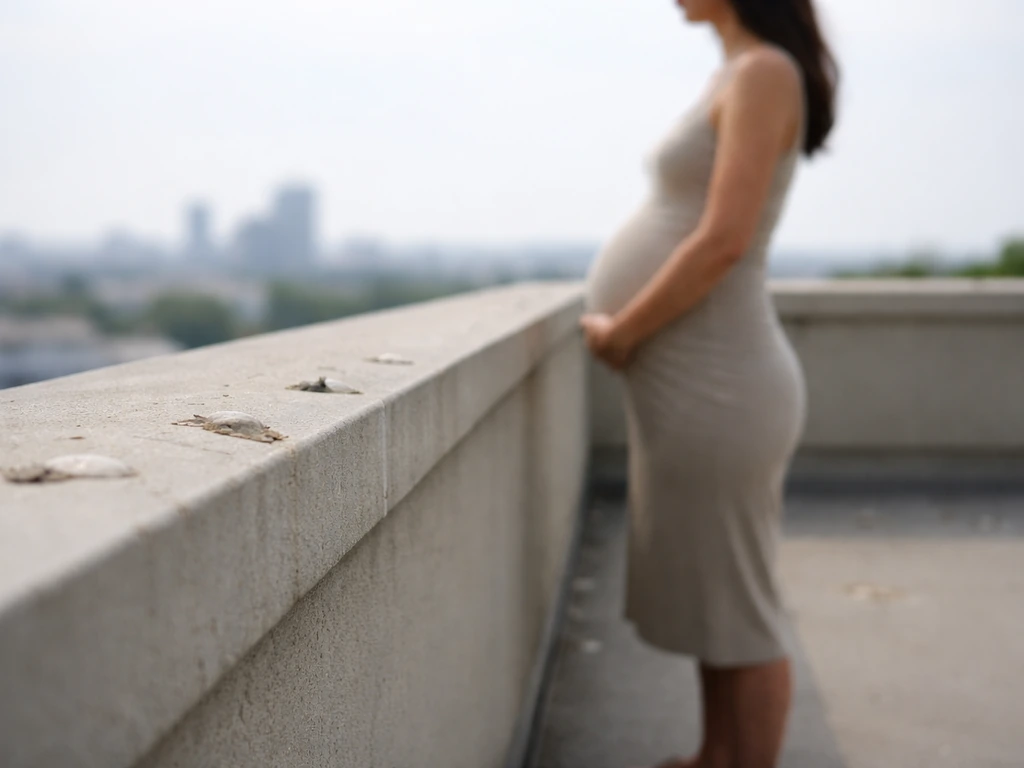
What "dangerous" practically means here is this: the pathogens in bird droppings (mainly a bacterium and a fungus, covered below) are inhaled, not absorbed through intact skin. So touching dried droppings, getting a fresh splat on your jacket, or walking past a pigeon-frequented ledge is not the same category of risk as sweeping up a pile of dried droppings in a barn or cleaning out an old attic full of accumulated bird waste. The exposure route matters enormously, and that distinction should shape every decision you make.
Which diseases can come from bird poop, and how you'd actually catch them
Psittacosis (Chlamydia psittaci)
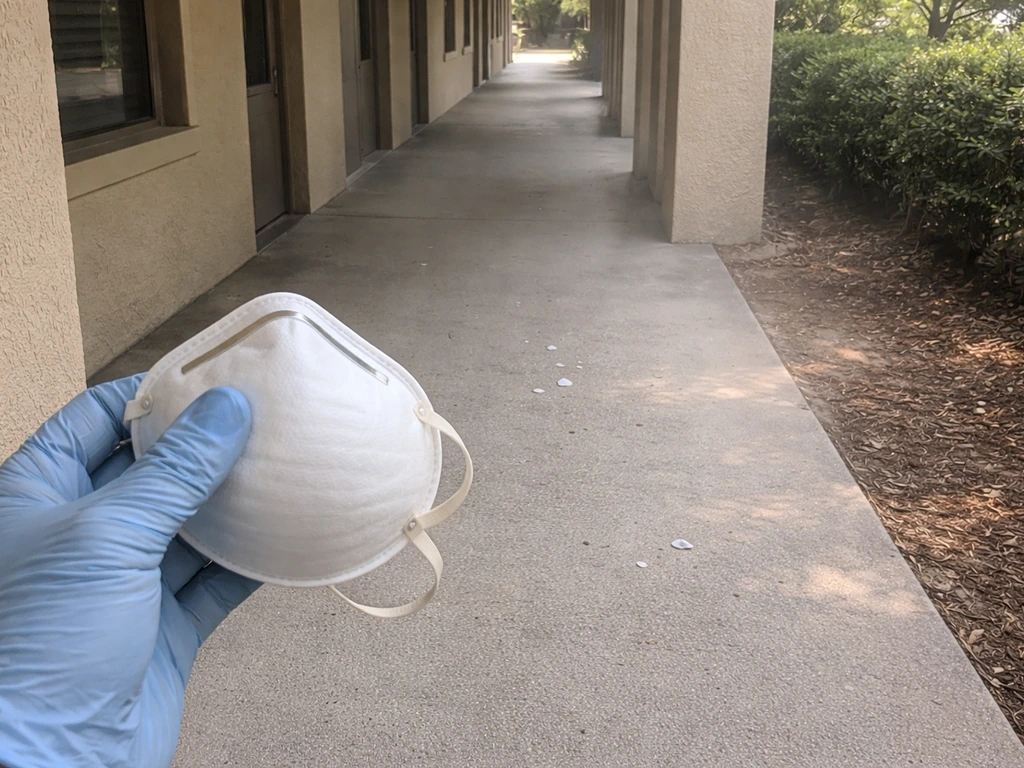
Psittacosis is caused by the bacterium Chlamydia psittaci, and you get it by breathing in dust that contains dried droppings or respiratory secretions from infected birds, particularly parrots, cockatiels, parakeets, and pigeons. It typically causes flu-like symptoms and can progress to pneumonia. In most healthy adults it's a mild illness, and death is rare with appropriate antibiotic treatment (fewer than 1 in 100 cases). However, severe pneumonia requiring intensive care has been reported, including in people infected during pregnancy, which is why it's worth taking seriously. Human-to-human transmission is rare, so you're not going to spread it at home.
In terms of how common it is: psittacosis is genuinely uncommon in the United States. Since 2010, the CDC has typically received reports of fewer than 10 cases per year nationally. One surveillance year (2018) logged 22 reported cases across the entire country, a rate of 0.01 per 100,000 people. That context matters. You're not staring down a high-probability risk; you're managing a low-probability one that has real consequences if it does occur.
Histoplasmosis (Histoplasma capsulatum)
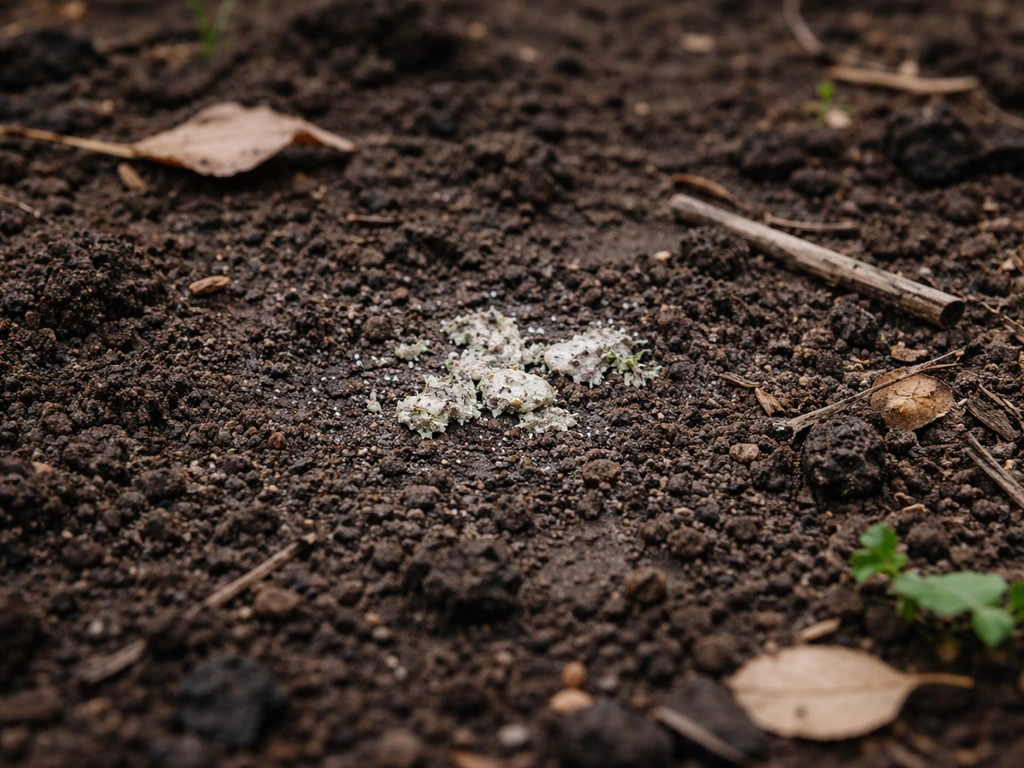
Histoplasmosis is a fungal lung infection caused by breathing in Histoplasma spores. The fungus grows in soil enriched by bird or bat droppings, and most people who inhale a small number of spores don't get sick at all. The risk goes up substantially when accumulated droppings are disturbed, during construction, demolition, excavation, or cleanup of heavily contaminated areas, because that's when large numbers of spores become airborne. For immunosuppressed people (and pregnancy can put you in a slightly more vulnerable category), disseminated or severe disease is more likely. Like psittacosis, the key exposure route is inhalation of aerosolized material, not skin contact.
Other considerations
Bird flu (avian influenza) is worth a brief mention given recent attention to it. CDC guidance for anyone handling potentially infected birds or their waste emphasizes avoiding stirring up dust, bird waste, or feathers, and using an N95 respirator and disposable gloves. For a typical urban or suburban pregnant person encountering everyday pigeon or sparrow droppings, this isn't the primary concern, but it's another reason the "don't aerosolize it" rule applies universally. Salmonella can also be present in bird droppings, and while it's more of a concern via the hand-to-mouth route (especially relevant if you handle pet bird droppings without washing hands), it's a good reason to treat any droppings as something you wash off promptly.
Risk level: how common, how serious, and what actually changes it
Your actual risk depends on a combination of factors. Here's a clear breakdown:
| Factor | Lower Risk | Higher Risk |
|---|---|---|
| Exposure type | Skin contact with fresh or small amounts | Inhaling dust from disturbed dried droppings |
| Location | Outdoors, well-ventilated area | Enclosed space (attic, barn, old shed) |
| Amount of droppings | Small, isolated splats | Large accumulated buildup |
| Activity | Casual contact, walking nearby | Sweeping, vacuuming, scraping dry droppings |
| Immune status | Healthy pregnancy | Immunocompromised (e.g., HIV, on steroids) |
| Bird source | Wild birds outside | Pet birds (especially parrots, cockatiels) with unknown health status |
| Protective equipment | Gloves and N95 mask worn | No protection during cleanup |
The single biggest thing that raises risk during pregnancy is disturbing dried droppings without respiratory protection in a confined space. A fresh splat on your car or a quick wipe of a railing is a very different situation from cleaning out a pigeon-roosting attic. Most everyday encounters fall firmly in the low-risk column, and with simple precautions they stay there.
Safe cleanup guidance for pregnant people
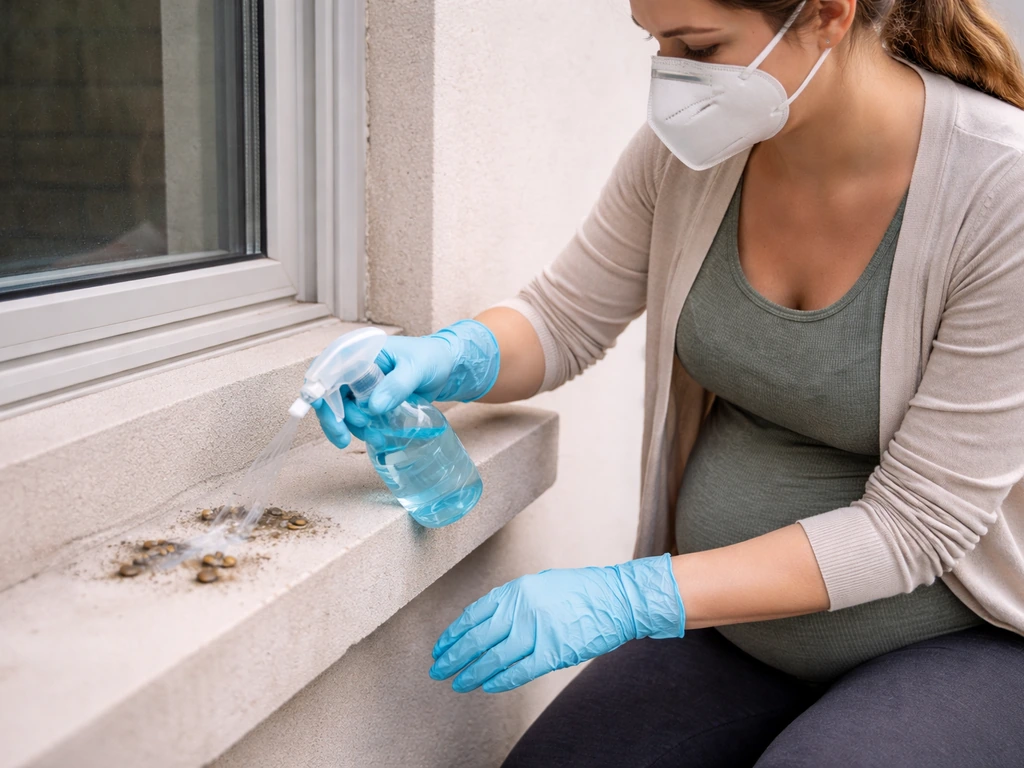
The core rule for any pregnant person cleaning up bird droppings is: wet it before you touch it, wear a mask, and don't sweep it dry. Because it can be dangerous when bird droppings are disturbed and turned into airborne dust, it helps to focus on prevention and safe cleanup. Dry sweeping and vacuuming are specifically flagged by the CDC as things to avoid because they kick up dust that can carry Chlamydia psittaci spores. The same principle applies to histoplasmosis, disrupting dried material is when spores go airborne.
What to wear
- An N95 respirator (or equivalent filtering facepiece respirator) — a basic cloth or surgical mask won't filter the fine particles that carry fungal spores or bacteria
- Disposable gloves — nitrile or latex both work; double-glove if you're handling a lot of material
- Eye protection if you're scrubbing or using a spray that could splash
- Old clothes or a disposable coverall for heavy cleanup, especially indoors or in confined areas
- Closed-toe shoes you can wipe down or slip off before re-entering the house
Step-by-step cleanup process
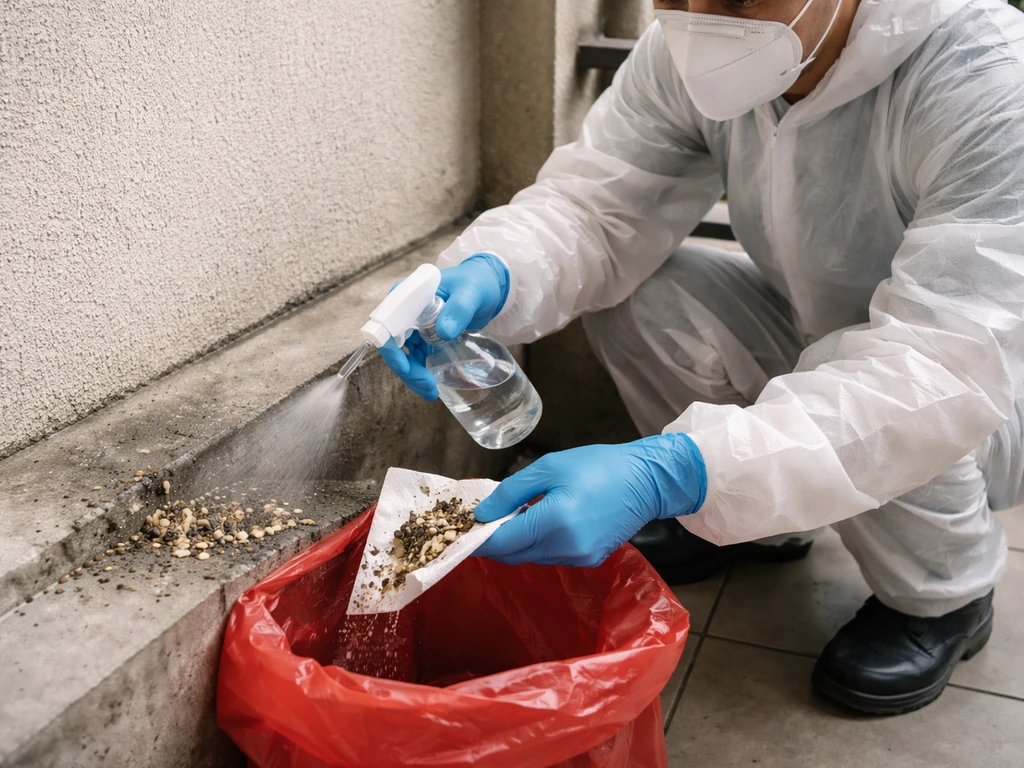
- Put on all protective gear before approaching the area.
- Wet the droppings thoroughly with water or a diluted disinfectant solution before doing anything else — this is the most important step to prevent aerosolization.
- Let the wet solution soak for a minute or two to further reduce any live organisms.
- Pick up softened material with paper towels or disposable rags and place directly into a sealed plastic bag.
- Clean the surface with a soap-based household cleaner, scrubbing visible residue away.
- Disinfect with a diluted bleach solution: 5 tablespoons (about 1/3 cup) of household bleach per gallon of room-temperature water. Let it sit for a few minutes before wiping.
- Dispose of gloves, paper towels, and any disposable items in a sealed bag in the outdoor trash.
- Wash your hands thoroughly with soap and water for at least 20 seconds, even though you were wearing gloves.
- Wash or wipe down any reusable equipment and remove outer clothing before moving through the rest of your home.
If you're dealing with a large accumulation, think a roof, an attic, a long-roosted balcony with visible buildup, the honest advice is to delegate that job during pregnancy or hire professional cleaners who have proper PPE. It's not worth the respiratory exposure. Spot-cleaning a few fresh droppings on outdoor furniture or your car is a very manageable task with the steps above.
What to do if you've already had an accidental exposure
First, take a breath (metaphorically). A single accidental contact, walked through a splash, touched a railing, got hit mid-commute, is not a medical emergency. If you're trying to gauge how bad bird poop is in the first place, start by distinguishing minor accidental splashes from the higher-risk cleanup situations that stir dried droppings into the air accidental exposure. Here's what to do right now:
- If droppings landed on skin, wash the area immediately and thoroughly with soap and water.
- If droppings landed on clothing, change clothes and bag the affected items for washing separately in hot water.
- If you accidentally inhaled dust while sweeping or cleaning without protection, note the exposure and monitor yourself for symptoms.
- Symptoms to watch for over the next 1 to 3 weeks: fever, chills, headache, muscle aches, dry cough, shortness of breath, or chest tightness.
- Contact your OB or midwife and describe exactly what happened — the type of birds, the setting (outdoors vs. enclosed), whether the droppings were fresh or dried and accumulated, and what you were doing.
- If you develop any respiratory symptoms, seek medical evaluation promptly rather than waiting. Both psittacosis and histoplasmosis are treatable when caught early, and your provider needs to know about the exposure to consider them.
To be clear: most accidental everyday exposures will result in nothing at all. The CDC notes that most people who breathe in Histoplasma spores don't get infected, and psittacosis rates in the general population are extremely low. But pregnancy is a time when you want your healthcare provider in the loop on anything that could affect your respiratory health, so a quick call or message to your care team is always the right move after a notable exposure.
Laundry, soil, pets, and contaminated surfaces: stopping re-exposure
Contaminated clothing and laundry
Any clothing that had significant contact with bird droppings should be washed separately from other laundry, using the hottest water setting appropriate for the fabric. Bag them in a plastic bag before carrying through the house. If you wore shoes through a contaminated area, wipe the soles down with a diluted bleach solution outside before coming in.
Soil and garden areas
Soil heavily enriched with bird droppings, under a bird feeder you've had for years, along a fence where birds congregate, around roosting spots, can harbor Histoplasma. Gardening in these areas during pregnancy calls for gloves, an N95, and wetting the soil before digging to keep dust down. Note that there are no EPA-approved soil disinfectants specifically registered for Histoplasma, so containment and reduced exposure are the realistic tools here, not chemical treatment.
Pet birds
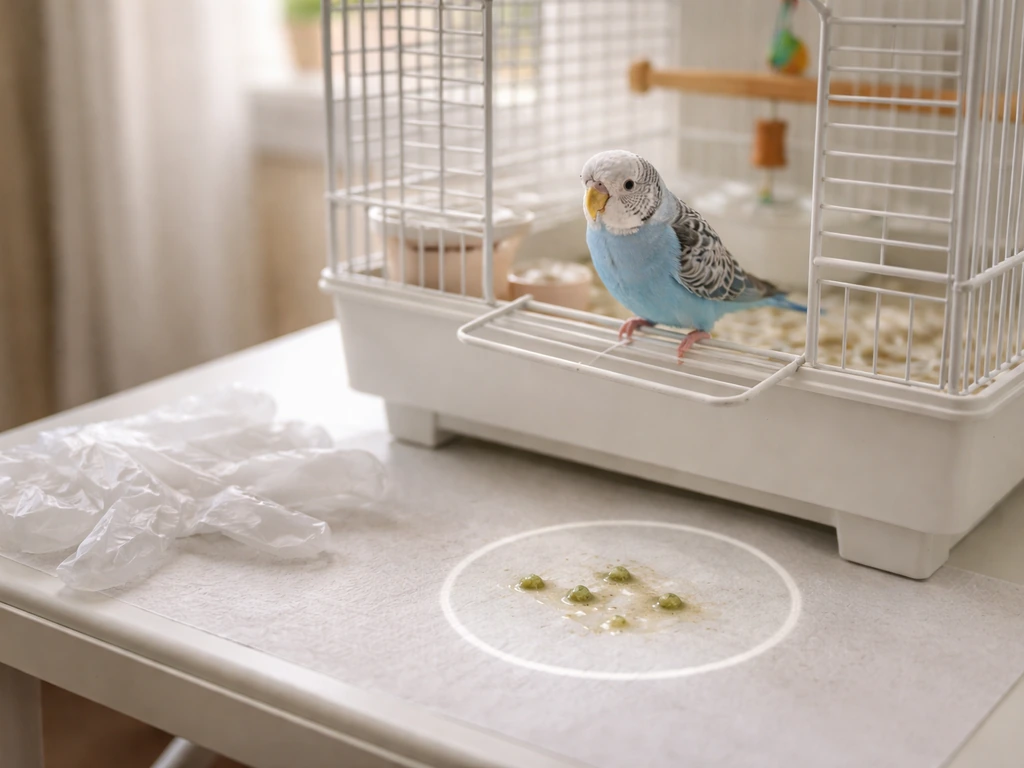
If you have a pet parrot, cockatiel, or other psittacine bird, the risk picture is more specific. Pet bird droppings carry psittacosis risk in a way that random outdoor pigeon splats largely don't, because parrots are the main reservoir. Clean cages regularly so droppings don't accumulate and dry into dust. Always wet the cage surfaces before wiping, wear gloves, and don't pick up droppings with bare hands. Keep your bird's veterinary checkups current. If your bird seems unwell, lethargic, discharge from eyes or nostrils, labored breathing, have it seen by a vet before you handle its cage. The topic of pet bird droppings specifically deserves its own deeper look, and it's a meaningful distinction from wild bird encounters outdoors.
Balconies, cars, and outdoor surfaces
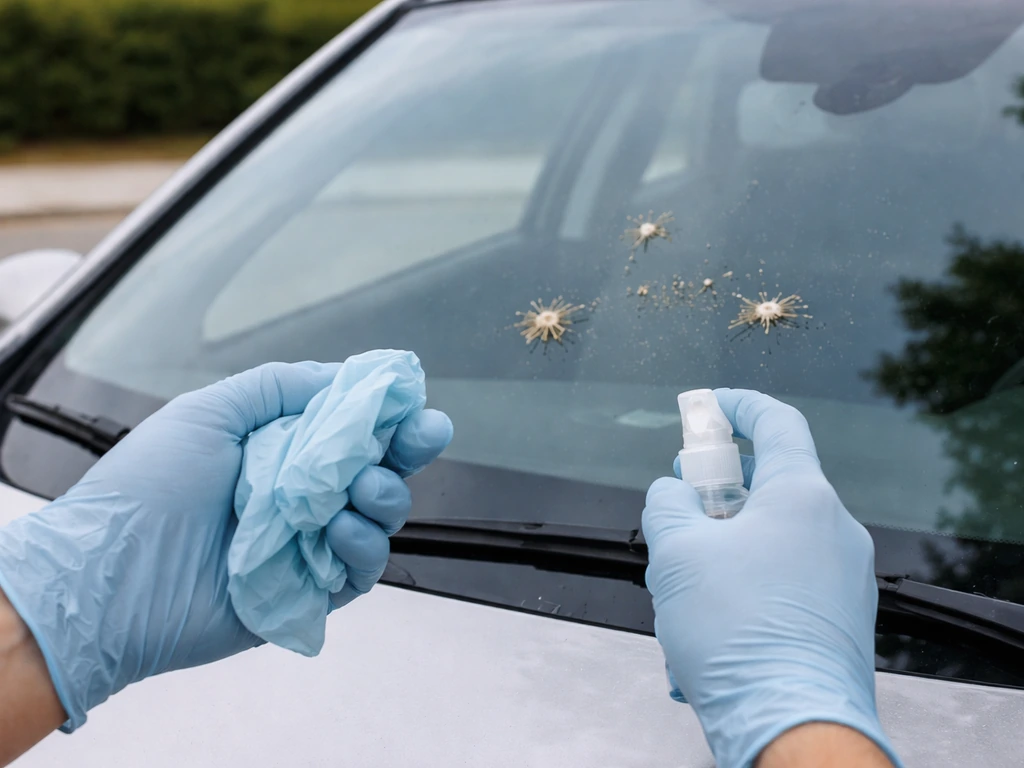
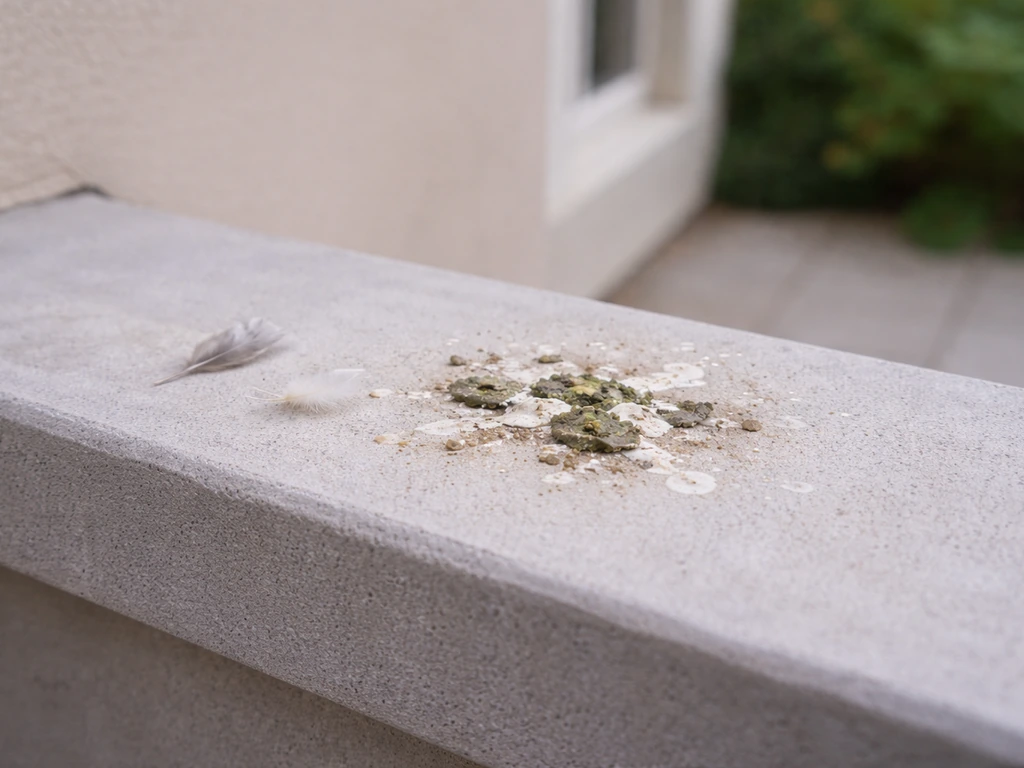
For balconies or outdoor areas that birds frequent regularly, the prevention strategy is simple: deal with fresh droppings before they dry and accumulate. Wet, fresh droppings are much less of an aerosolization risk than dried, flaking material. A quick wet wipe while wearing gloves handles the occasional splat safely. For cars, a very common encounter, wet the dropping with water from a spray bottle before wiping, and use a disposable cloth rather than your good microfiber towel. Dried bird poop on car paint is also an acid-damage risk to the finish, which is a whole separate problem worth addressing promptly for reasons beyond health.
A word on the "good luck" angle
There's a long-standing cultural belief in many parts of the world that getting hit by bird poop is good luck, a sign of incoming fortune. It's a charming bit of folklore, and if it helps you feel better about a ruined outfit, keep it. But it's worth separating that cultural comfort from the practical hygiene response, which is always: wash it off, clean up promptly, and if it was a significant exposure during pregnancy, call your provider. is bird poop dangerous uk. The superstition and the safety steps aren't mutually exclusive.
FAQ
If I got bird poop on my skin but didn’t inhale anything, should I worry about bird poop causing illness in pregnancy?
Illness risk is mainly from inhaling contaminated dust or aerosols, not from intact skin contact. That said, wash the area with soap and water, remove any contaminated jewelry or clothing, and contact your prenatal provider if you develop respiratory symptoms like fever, cough, or shortness of breath in the days after a notable exposure.
What symptoms would make me call my doctor after a higher-risk bird droppings cleanup during pregnancy?
Call promptly if you develop flu-like illness (fever, chills, body aches), a new cough, chest pain, shortness of breath, or worsening respiratory symptoms. Histoplasmosis may also show up later with persistent cough or fatigue, so don’t ignore symptoms that linger or worsen, especially after cleanup in an enclosed or heavily contaminated area.
Is it safe to use a regular household vacuum to clean up dried bird droppings during pregnancy?
Avoid vacuuming dried droppings. Dry suction and agitation can kick up fine particulate into the air. The safer approach is wetting the droppings first, then wiping or collecting them with disposable materials, and keeping the area ventilated while you clean.
Do I really need an N95 respirator for small outdoor splats, or is a surgical mask enough?
For quick outdoor splats that you wet and wipe promptly, the risk is generally very low, so a well-fitted N95 provides extra reassurance if you have one available. Surgical masks are not as reliable for protecting against inhaling fine aerosolized particles from disturbed dried material, so they are not the ideal choice if you are cleaning dried, flaky buildup.
What’s the best way to clean bird poop from balcony railings or outdoor furniture while pregnant?
Wet the droppings first, then wipe with disposable towels or a disposable cloth. Wear gloves, wash the area again after wiping, and let surfaces dry. Avoid brushing or dry wiping, since that is more likely to aerosolize dried material.
If I accidentally disturbed dried droppings by sweeping, what should I do next?
Stop the sweeping right away. If you can, ventilate the area, wet the remaining material, and use wiping or pickup methods that do not create dust. If this happened in an enclosed space or large accumulation during pregnancy, it’s reasonable to message your prenatal provider and watch for respiratory symptoms over the next one to two weeks.
How should I handle contaminated laundry or towels after bird droppings exposure?
Bag the contaminated items so you do not shake them, then wash separately. Use the hottest water temperature appropriate for the fabric, dry thoroughly, and wash your hands after handling the laundry. If the contamination was heavy or included dried residue, wear gloves while bagging it.
Can my partner or a roommate clean bird droppings instead, and is that safer for me?
Yes. Delegating higher-risk cleanup (large accumulations, attics, roosting areas, or anything that will disturb dried material) to someone who can use proper PPE and ventilation substantially reduces your exposure. If anyone must help, they should also wet first, avoid dry sweeping, and avoid bringing contaminated dust through living areas.
What if I have a pet bird at home, does that change the advice during pregnancy?
It can. Droppings from psittacine birds (like parrots and cockatiels) carry a higher psittacosis risk than random outdoor droppings. Have someone else handle cage cleaning if possible. If you do it, wear gloves, keep droppings from accumulating and drying, and avoid activities that aerosolize dust (like dry wiping). Keep your bird’s veterinary care up to date, and seek a vet visit quickly if your bird looks unwell.
Is bird droppings on a car something to worry about for pregnancy health?
Health risk is usually low if you wet the dropping and wipe it promptly. Avoid using your good reusable microfiber towel for the initial wipe, and rinse and wash hands after. Also clean it soon, since dried droppings can damage car paint, which is separate from infection risk.
When is the exposure considered “significant” enough that I should call my healthcare provider?
Consider it significant if you cleaned up a large accumulation, disturbed dried droppings in an enclosed space, worked without respiratory protection, or you started to see visible dust. For minor splats that you wet and wipe without creating dust, the risk is typically very low, and calling is mainly a precaution if you’re anxious or unsure.
Gardening near bird feeders or areas with old droppings, does that count as bird poop exposure during pregnancy?
Yes, because soil enriched with droppings can contain fungal spores, and digging can raise airborne dust. If you garden there, wear gloves and an N95, wet the soil before digging, and avoid creating dust. For severe or heavily contaminated areas, it can be safer to switch tasks or use a professional who can handle it with appropriate PPE.