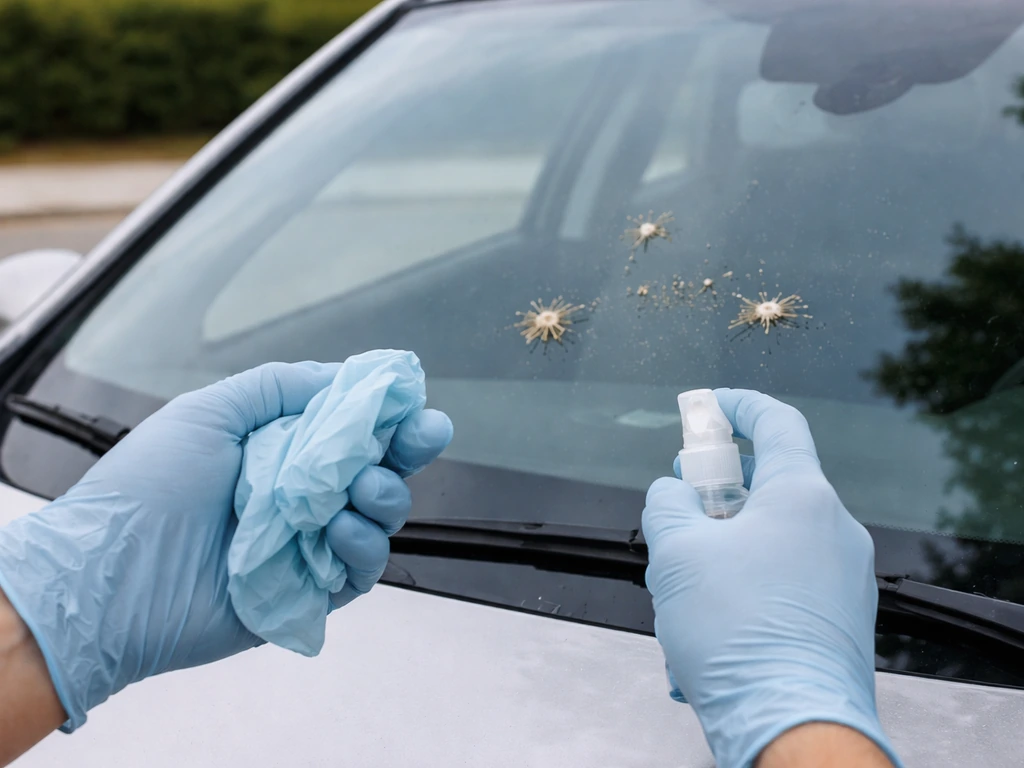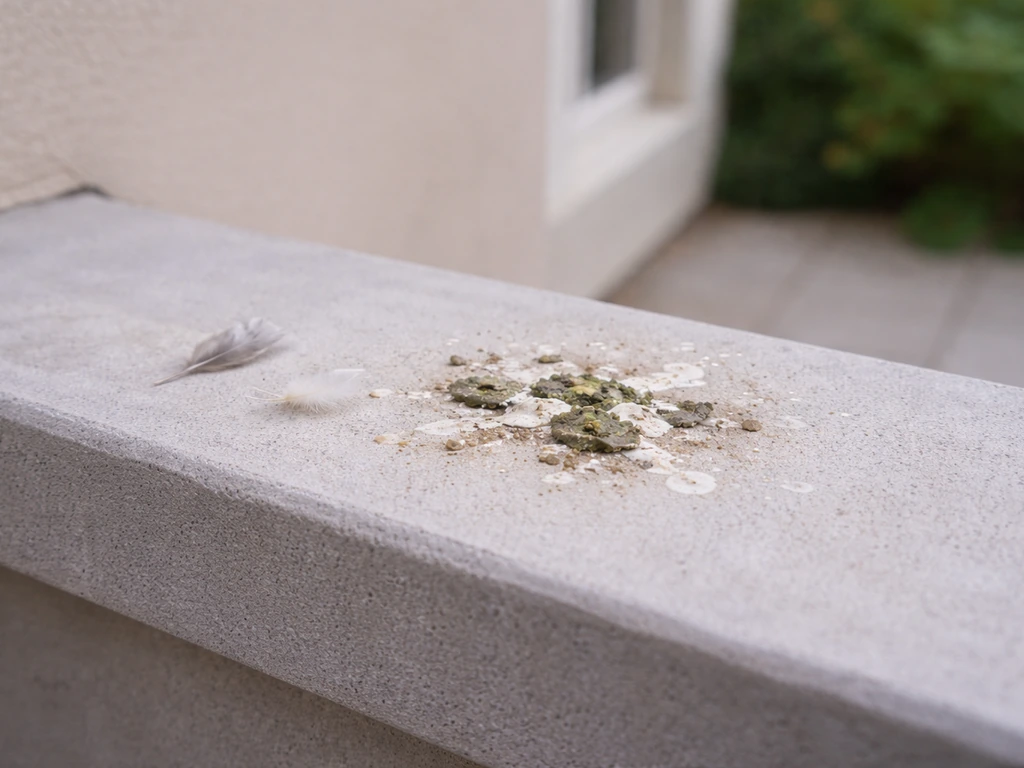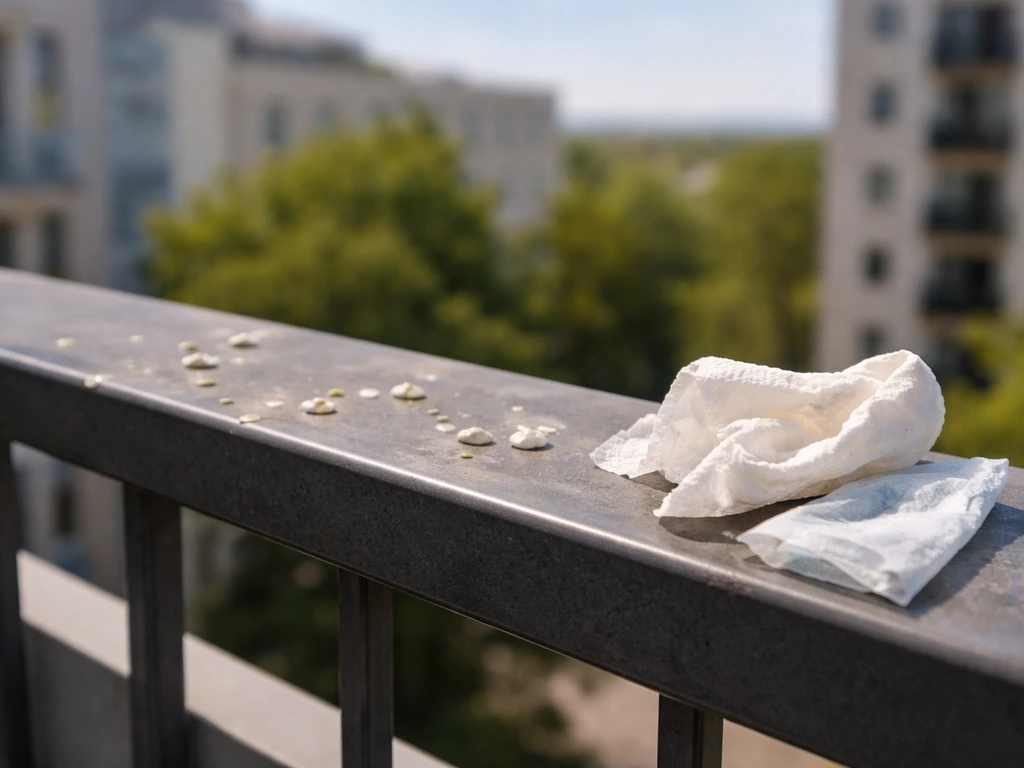
Pet bird poop is mildly risky for most healthy adults, but it's not something to panic about. If you’re asking whether bird poop in a pool is dangerous, the key issue is still the germs that can be stirred up from droppings and get into your eyes, mouth, or lungs is bird poop in pool dangerous. The real danger comes from dried droppings, especially when you disturb them and breathe in the dust, or when you touch droppings and then touch your face. The bacteria most associated with pet birds, Chlamydia psittaci (which causes psittacosis), spreads almost exclusively through inhaled dust from dried droppings or respiratory secretions. That said, it's an uncommon illness, usually mild, and very manageable with basic hygiene and smart cleanup habits.
Is Pet Bird Poop Dangerous? Risks and Safe Cleanup

What's actually in pet bird poop
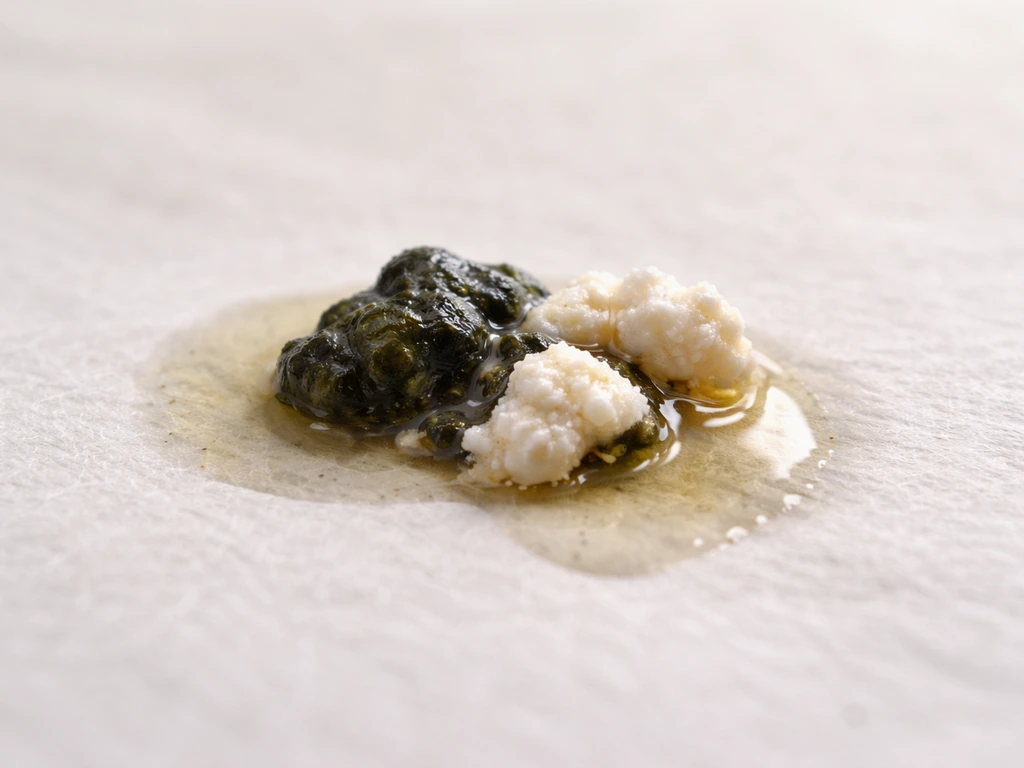
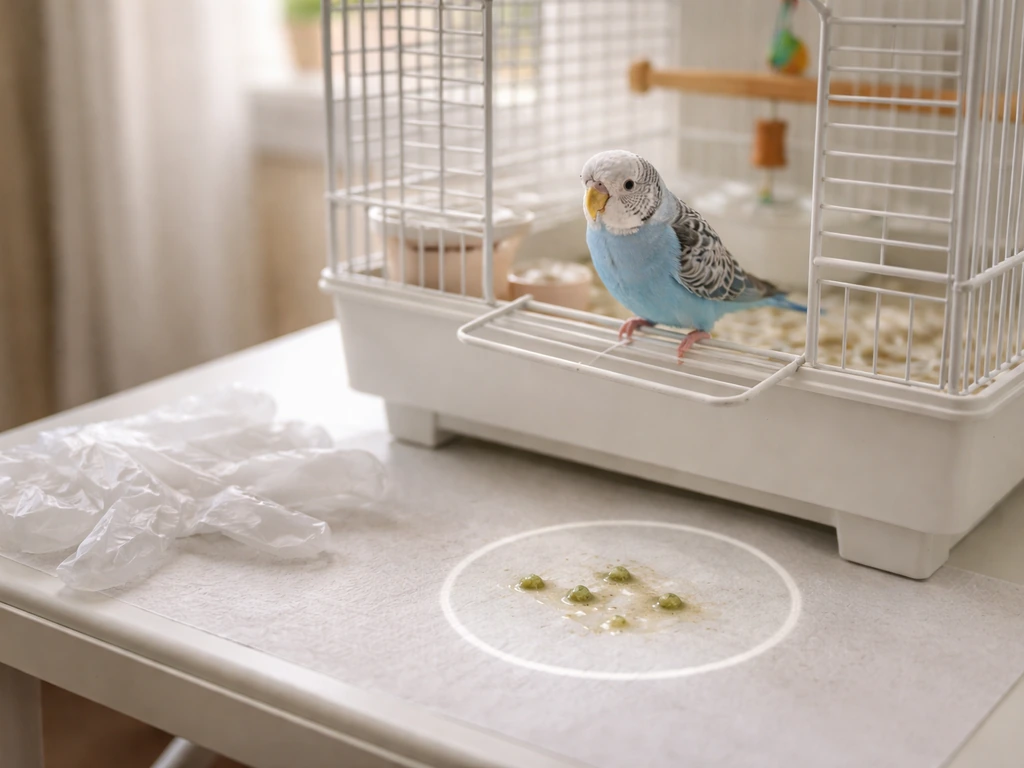
Bird droppings are a mix of solid waste, liquid waste, and urates (the white chalky part). What makes them potentially hazardous is what can hitch a ride inside them. Pet birds, especially parrots, parakeets, cockatiels, and doves, can carry bacteria, viruses, and occasionally parasites that are transmissible to humans. The main offenders are:
- Chlamydia psittaci: the bacterium behind psittacosis (also called ornithosis or parrot fever), which can infect the lungs and cause flu-like symptoms
- Campylobacter: a common gut bacterium that causes diarrhea, fever, and stomach cramps, picked up through fecal-oral contact
- Salmonella: another enteric pathogen associated with bird feces that causes gastrointestinal illness
- Cryptococcus neoformans: a fungus found in accumulated droppings, particularly from pigeons, though also relevant in large buildup situations in homes with birds
- Parasites: rare in healthy pet birds, but possible if a bird is infected, including roundworms or Cryptosporidium
The key thing to understand is that not every dropping from every pet bird contains pathogens. A healthy bird in a clean environment poses a much lower risk than a stressed, sick, or newly acquired bird. But you can't tell by looking, so consistent hygiene is the practical answer regardless of your bird's apparent health.
Health risks: germs, parasites, and respiratory hazards
The respiratory route is the one that catches most people off guard. When droppings dry out, they become brittle and crumbly. The moment you sweep, vacuum without a filter, or even just disturb a dry dropping, tiny particles become airborne. If those particles contain Chlamydia psittaci, breathing them in is how psittacosis infection happens. The CDC is explicit about this: inhalation of dust from dried bird droppings or secretions is the most common transmission pathway for psittacosis. It's not a contact rash, it's not a bite, it's airborne dust from old, dry poop.
The good news is that psittacosis is genuinely uncommon nationwide. The CDC notes psittacosis is usually a mild disease in humans, and it is an uncommon nationwide-tracked illness blank" rel="noopener noreferrer">uncommon nationwide-tracked disease. Most cases are mild and respond well to antibiotics. But respiratory illness from bird poop dust is a real thing, not internet paranoia, and the cleanup method you choose matters more than most people realize. In the UK, bird owners should treat bird poop dust seriously because inhaling dried droppings can trigger respiratory infections, especially with proper cleanup.
The fecal-oral route is the other main pathway. You clean a cage, get droppings on your hands, then touch your mouth or food without washing up. That's how Campylobacter, Salmonella, and similar gut pathogens get into your system. These cause the classic bad day: diarrhea, stomach cramps, and fever. The CDC specifically recommends washing hands after touching pet birds, their droppings, or anything in their cage for this reason.
Eye and skin contact are lower-risk but still worth mentioning. Wet droppings that splash near the eyes are an irritant and a potential infection route. Intact skin is a reasonable barrier, but open cuts or sores near the exposure site warrant more careful attention.
When it's more risky: high-risk people and high-risk situations
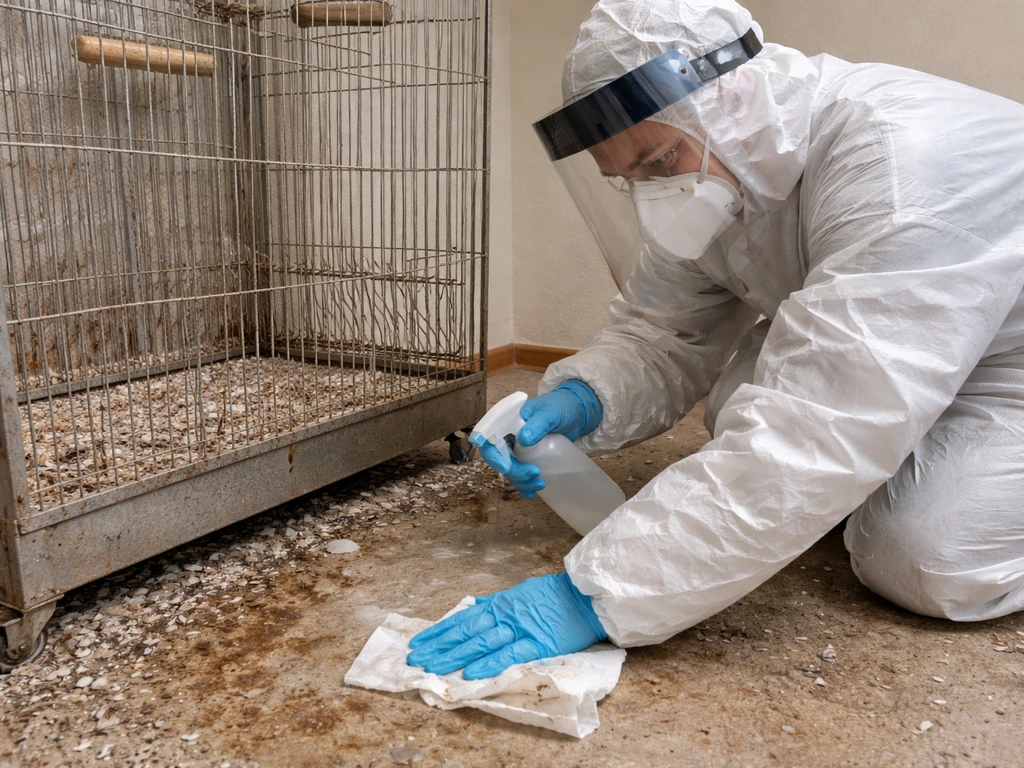
Most healthy adults who clean up the occasional bird dropping with basic precautions are going to be absolutely fine. But certain people and certain situations push the risk higher, and it's worth knowing which category you're in. CDC notes that people 65 and older, those who are pregnant, and those who are immunocompromised are at higher risk for severe Campylobacter disease, and that illness can present with diarrhea, fever, and abdominal pain Clinical Overview of Campylobacter.
People at higher risk
- Immunocompromised individuals: anyone on immunosuppressant medications, chemotherapy, or living with HIV/AIDS faces a higher risk of severe infection from pathogens found in droppings
- Adults 65 and older: the CDC identifies older adults as more susceptible to severe Campylobacter disease, and the same logic applies to other zoonotic infections
- Pregnant people: pregnancy affects immune response and raises the stakes for certain infections, including Campylobacter and Salmonella (there's a dedicated look at pregnancy-specific risks worth reading if that applies to you)
- Children, especially under 5: young children are more likely to touch surfaces and then touch their mouths, raising fecal-oral risk significantly
- People with asthma, COPD, or other lung conditions: any inhaled particle exposure is more dangerous when baseline lung function is already compromised
Situations that increase exposure risk
- Heavy buildup of dried droppings, like a cage or room that hasn't been cleaned in weeks, where dust concentration is much higher
- Dry sweeping or vacuuming without a HEPA filter, which launches dried particles into the air
- Poor ventilation in the cleanup area, which lets aerosolized particles accumulate
- Handling cage liners, perches, or food dishes without gloves, especially when droppings are dried and crumbling
- Birds that are visibly unwell, newly purchased, or recently brought from a rescue or pet store, where unknown health history matters
Symptoms to watch for after exposure
If you've had significant exposure to pet bird droppings, especially inhaled dust during cleanup without protection, keep an eye out for symptoms over the next one to four weeks. Psittacosis typically shows up within five to fourteen days of exposure. Campylobacter and Salmonella usually appear within two to five days.
| Illness | Symptoms | When they appear | When to see a doctor |
|---|---|---|---|
| Psittacosis | Fever, chills, headache, muscle aches, dry cough, shortness of breath | 5 to 14 days after exposure | Promptly if respiratory symptoms develop, especially with fever |
| Campylobacter | Diarrhea (sometimes bloody), stomach cramps, fever, nausea | 2 to 5 days after exposure | If symptoms are severe, last more than a week, or you're in a high-risk group |
| Salmonella | Diarrhea, fever, stomach cramps | 6 hours to 6 days after exposure | If dehydration, high fever, or symptoms persist beyond a week |
| Cryptococcal infection | Headache, fever, neck stiffness (in severe cases, signs of meningitis) | Variable, often weeks | Immediately if these symptoms develop, especially if immunocompromised |
When you see a doctor, mention the bird exposure directly. Psittacosis can look like an atypical pneumonia on imaging, and knowing about the exposure history helps the doctor choose the right diagnostic tests and treatment (doxycycline is the first-line antibiotic for psittacosis). Don't downplay it as 'just a bird thing' in the appointment.
Safe cleanup and disinfection
This is where most people go wrong. The instinct is to grab a paper towel and wipe it up dry, or sweep it into the trash. Both of those approaches are the worst options for dried droppings. Here's the right way to do it.
Gear up before you start
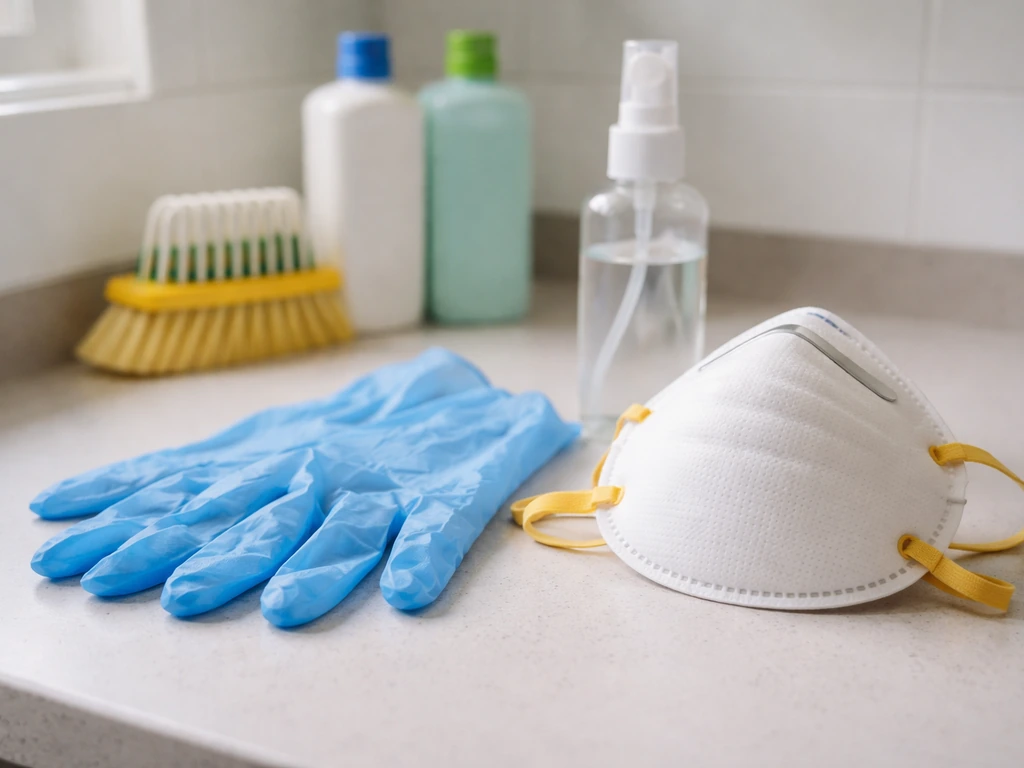
- Gloves: disposable nitrile or rubber gloves every time, no exceptions
- Mask: at minimum an N95 respirator for any dried droppings or cage cleaning with buildup; a surgical mask is better than nothing but won't stop fine particles
- Eye protection: safety glasses or goggles if there's any risk of splashing or disturbed dust
- Old clothes or an apron you can wash immediately afterward
Ventilate the space
Open windows and doors before you start. If you're cleaning a room where your bird lives, good airflow reduces the concentration of any aerosolized particles. Don't clean in a closed, small space if you can help it.
Wet it down before you touch it
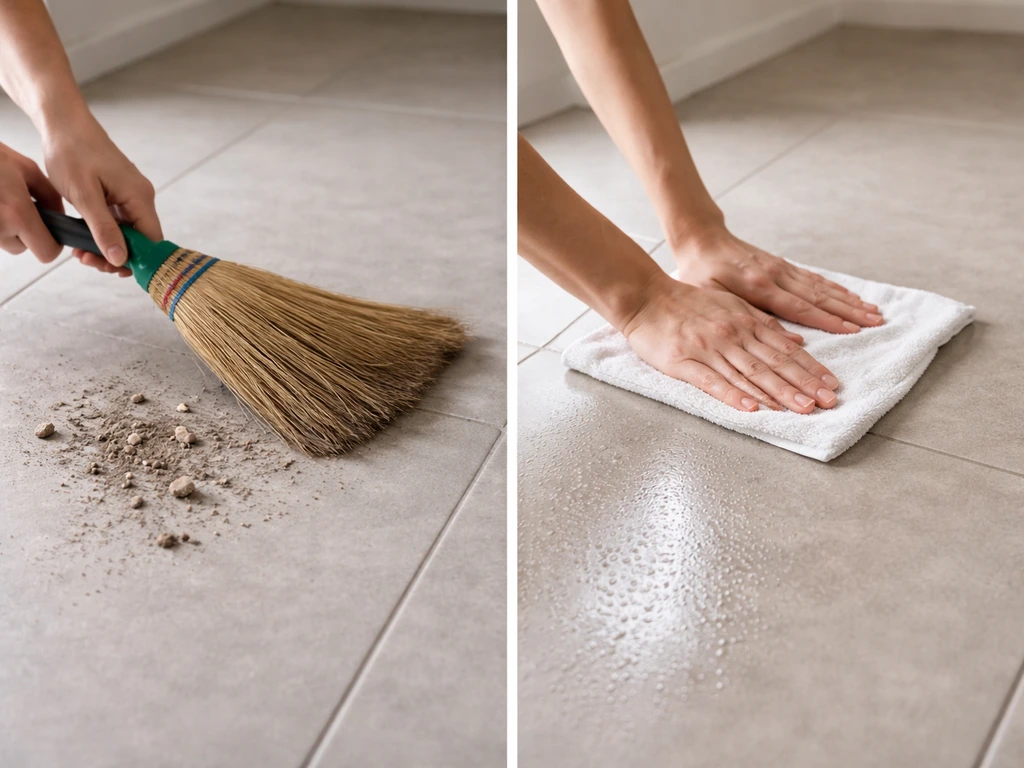
This is the single most important step for dried droppings. Mist the dried poop with water or a diluted disinfectant spray before wiping. This prevents the dry crumbling and particle release that makes cleanup risky. Let it sit for a minute or two, then wipe it up with a damp paper towel or cloth. Never dry-sweep dried bird droppings.
Choose the right disinfectant
- Diluted household bleach (1 part bleach to 9 parts water) works well on hard, non-porous surfaces like cage bars, trays, and tile floors
- Quaternary ammonium-based cleaners (common in pet store disinfectants like F10 or Aviclens) are effective and less corrosive for bird equipment
- Hydrogen peroxide-based cleaners are a good alternative where bleach isn't suitable
- Avoid mixing bleach with ammonia or vinegar: the chemical reaction produces toxic gases
Cages, cage liners, and perches
Remove cage liners or tray paper carefully, folding inward so any droppings are contained inside the fold. Don't shake them out. Discard directly into a sealed bag. Scrub perches, food dishes, and cage bars with the disinfectant solution, rinse well, and allow to dry thoroughly before your bird goes back in. For porous wooden perches with heavy buildup, replacement may be more practical than sanitizing.
Floors and soft surfaces
Hard floors get the wet-then-wipe treatment, followed by a disinfectant mop or spray-and-wipe. Carpets and fabric furniture are trickier: wet the spot, blot up as much as possible, then use an enzyme-based cleaner to break down the organic material. Steam cleaning is effective for carpets with repeated exposure. Avoid aggressive scrubbing, which can push particles deeper into fibers.
What not to do: hygiene do's and don'ts
| Don't do this | Do this instead |
|---|---|
| Dry sweep or dust dried droppings | Mist with water or disinfectant first, then wipe damp |
| Vacuum without a HEPA filter | Use a HEPA vacuum or skip vacuuming entirely for small amounts |
| Handle droppings or cage items bare-handed | Always wear disposable gloves |
| Touch your face, mouth, or eyes during cleanup | Keep hands away from your face; wash thoroughly when done |
| Mix bleach with ammonia-based cleaners or vinegar | Use bleach alone diluted in water, or choose an alternative disinfectant |
| Let droppings accumulate for weeks | Clean cage trays and liners at least every 1 to 2 days |
| Skip washing hands because you 'didn't really touch anything' | Wash hands with soap and water for at least 20 seconds after every cleaning session |
| Clean in a sealed room with no airflow | Open windows and run a fan to ventilate the space before and during cleanup |
Disposal, laundry, and handling contaminated items
Solid waste disposal is straightforward: seal used gloves, paper towels, cage liners, and disposable cleaning materials in a plastic bag, tie it closed, and put it in the regular household trash. There's no need for special biohazard disposal for normal pet bird cleanup. If you're dealing with a large buildup situation (think: a neglected aviary or significant accumulation over months), double-bagging is a reasonable precaution.
For clothing and linens that have been contaminated, machine wash them separately from other laundry using the hottest water temperature safe for the fabric. Adding a laundry disinfectant (like a small amount of bleach for whites, or a non-chlorine disinfectant for colors) adds an extra layer of protection. Dry on high heat if the fabric allows. Don't carry contaminated clothing through the house before washing; strip it off near the point of contamination if possible.
Reusable cleaning tools like brushes or mop heads used for cage or dropping cleanup should be disinfected after use or reserved exclusively for that task. Keeping a dedicated set of bird-cleaning tools separate from your regular household cleaning supplies is a simple habit that reduces cross-contamination.
Good luck symbolism vs. real risk: let's clear this up
Bird poop as a good luck omen is a genuine cultural belief in many traditions. Getting pooped on by a bird is considered lucky in parts of Russia, Turkey, and across various European folklore traditions. The thinking is roughly: the odds of it happening are low, so if it happens to you specifically, fortune must be paying attention. It's a charming idea, and there's something genuinely funny about needing a silver lining when a bird has just hit your shoulder on the way to an important meeting.
But here's the honest take: the superstition doesn't change the biology. Whether you believe the dropping is lucky or not, the practical response is the same. Wet it, wipe it, wash your hands. If it landed near your mouth or eyes, rinse thoroughly. If you inhaled dust from dried droppings during a cleanup gone wrong, keep an eye on your symptoms. The folklore is harmless entertainment; it only becomes a problem if someone uses it as a reason to skip basic hygiene, which occasionally does happen.
The risk from a single dropping on intact skin from an otherwise healthy pet bird is genuinely low. It doesn't warrant alarm, just a calm cleanup routine. The risk goes up meaningfully with repeated exposure, poor hygiene habits, heavy accumulation, and vulnerable health status. Keep that proportion in mind: one dropping on your forearm is not a medical emergency. A neglected cage cleaned without a mask and gloves, inhaling clouds of dust, is a situation that deserves more serious respect.
The bottom line for pet bird owners
Pet bird poop is a manageable health risk, not a crisis. The steps that actually protect you are simple: wear gloves, wet dried droppings before wiping, wear a mask when cleaning up significant buildup, ventilate the space, and wash your hands afterward every single time. Keep your bird's cage clean on a regular schedule so buildup never becomes the issue in the first place. If you're in a high-risk group (immunocompromised, pregnant, elderly, or have lung disease), consider having someone else handle cage cleaning, or upgrade your protective gear and ventilation when you do it yourself. And if you develop respiratory symptoms or a gastrointestinal illness within a week or two of a significant exposure, tell your doctor about the bird contact so they can test and treat appropriately.
FAQ
If my pet bird poops on me once, do I need to worry?
If the dropping got on intact skin once, the risk is usually very low. Wash the area with soap and running water, remove any watch, jewelry, or contaminated clothing, then wash your hands. If you have an open cut, soak or rinse thoroughly longer (several minutes), then cover the area with a clean bandage.
Do I really need a mask, or are gloves enough when cleaning dried droppings?
Yes, masks can meaningfully reduce risk during cleanup because the main concern is inhaling dust from dried droppings. For significant buildup or when you cannot avoid disturbing dried material, use a well-fitting respirator (for example, an N95 or higher-grade particulate respirator). Surgical masks or loosely worn masks may not seal well, so they provide less protection.
Should I throw bird poop cleanup materials away as biohazard waste?
Not usually. Bird cleanup using gloves, wetting down droppings before wiping, and proper disposal in sealed trash is typically treated as normal household waste. Biohazard disposal is more relevant for unusual situations like large, neglected infestations or when a clinician or public health authority instructs special handling.
What is the correct order: wet first, then disinfect, then rinse?
Cage spray and wipe is more effective when you first wet the dried droppings so they do not crumble. After wiping, disinfect per the product directions, then rinse food and water surfaces well and let everything dry completely before putting the bird back. Do not spray heavily inside the enclosure while the bird is actively perched in the mist.
Is it safe to vacuum up bird droppings?
Vacuuming can be risky if the vacuum is not designed to capture fine particulate and is used on dried droppings. If you must use a vacuum, use a HEPA-filter vacuum and only after thoroughly wetting the area, then avoid re-contaminating surrounding surfaces. For small messes, wet-then-wipe is generally safer than vacuuming.
How do I know I’ve cleaned up well enough if I touched gloves or my face by accident?
If you wipe and your hands still smell like the cage, assume microscopic contamination remains. Wash hands with soap and water after glove removal, and avoid touching your phone, keys, or doorknobs during cleanup. If you do touch your face, rinse the face and hands again before eating.
When would symptoms show up after cleaning a cage or breathing in dust?
Psittacosis typically becomes noticeable within about 5 to 14 days after significant exposure, but gastrointestinal infections from fecal contamination often show sooner, around 2 to 5 days. If symptoms appear later, it does not automatically rule out a link, especially with ongoing exposure, so still mention the exposure history.
When should I contact a doctor after a bird-dropping exposure?
An incubator-like “wait and see” is reasonable for mild, non-worsening symptoms, but seek medical advice promptly if you develop shortness of breath, fever that does not improve, worsening cough, dehydration from diarrhea, or symptoms that rapidly escalate. If you were exposed to a lot of dried droppings without a respirator, err on the side of calling sooner.
How can I prevent family members from getting exposed during my bird cleanup?
For shared households, the best practice is to keep other people and pets away from the cleanup area until the wetting and wiping are complete and surfaces are dry. Children should not “help” during cleanup of dried droppings because they are more likely to touch their face and disturb dust. Store bird tools separately to reduce cross-contamination when they get used later.
What situations make bird poop risk significantly higher?
The risk is higher when droppings are allowed to accumulate, when multiple days of dried residue are disturbed, and when airflow is poor. If you notice thick buildup, dusty surfaces around the cage, or you have to scrape dried material, treat it like a higher-risk cleanup and use stronger protection (mask, ventilation) and more thorough wetting.
If a bird poops near or in a pool, what should I do differently?
If a dropping lands in a pool or on pool deck surfaces, the main issue is germs that can get into eyes, mouth, or lungs, especially if dried residue is disturbed. Remove solids promptly, keep people from the area during cleanup, and avoid sweeping dry debris. For pool water itself, normal filtration and appropriate pool sanitation help, but if someone develops eye irritation or respiratory symptoms after the event, monitor and seek advice.