Almost certainly not. While it is understandable to ask, the key takeaway is that what people call bird spit is usually droppings or regurgitated material rather than something that has real nutritional or medical benefits what does bird spit do for you. What most people call "bird saliva" is usually bird droppings, urates (the white or chalky paste that substitutes for urine in birds), or regurgitated crop material.
Is Bird Saliva Actually Saliva? What You’re Seeing

Marcus Fielding
18 Jun 2026
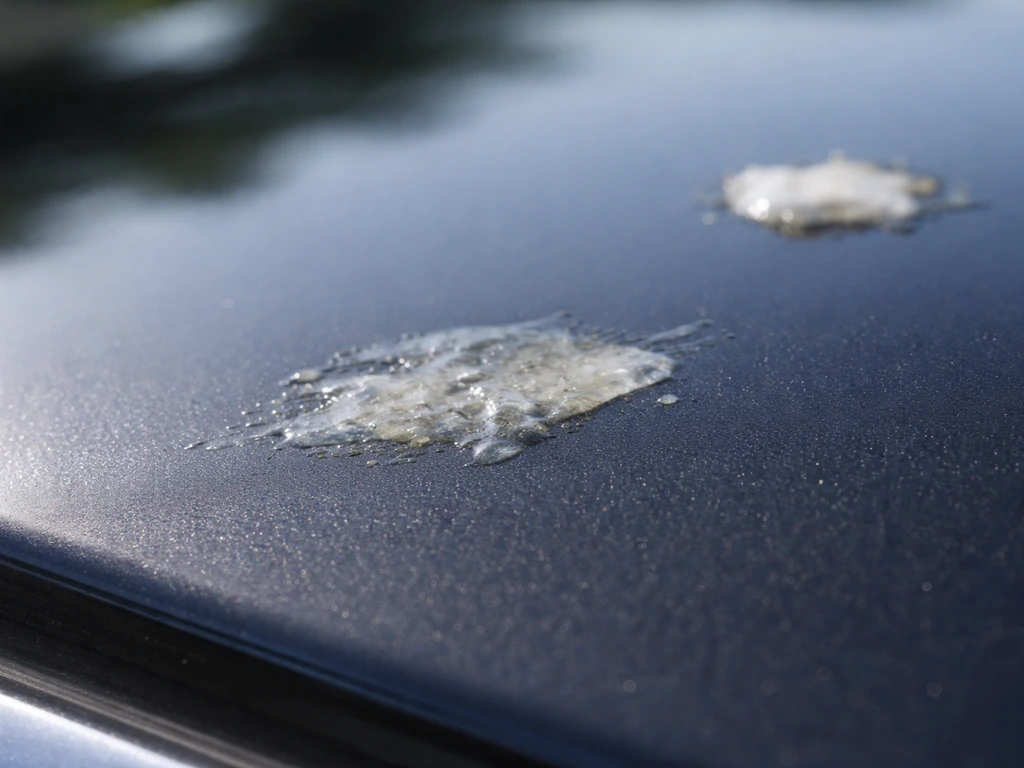
Birds do produce some oral secretions, but genuine bird saliva is minimal, mostly odorless, and you would almost never notice it unless a bird directly mouthed you or your hand. If you're looking at a wet smear on your car hood, patio furniture, or shirt sleeve, it's overwhelmingly likely to be a dropping or regurgitated food, not saliva.
What people mean by "bird saliva" (and what you're probably actually seeing)
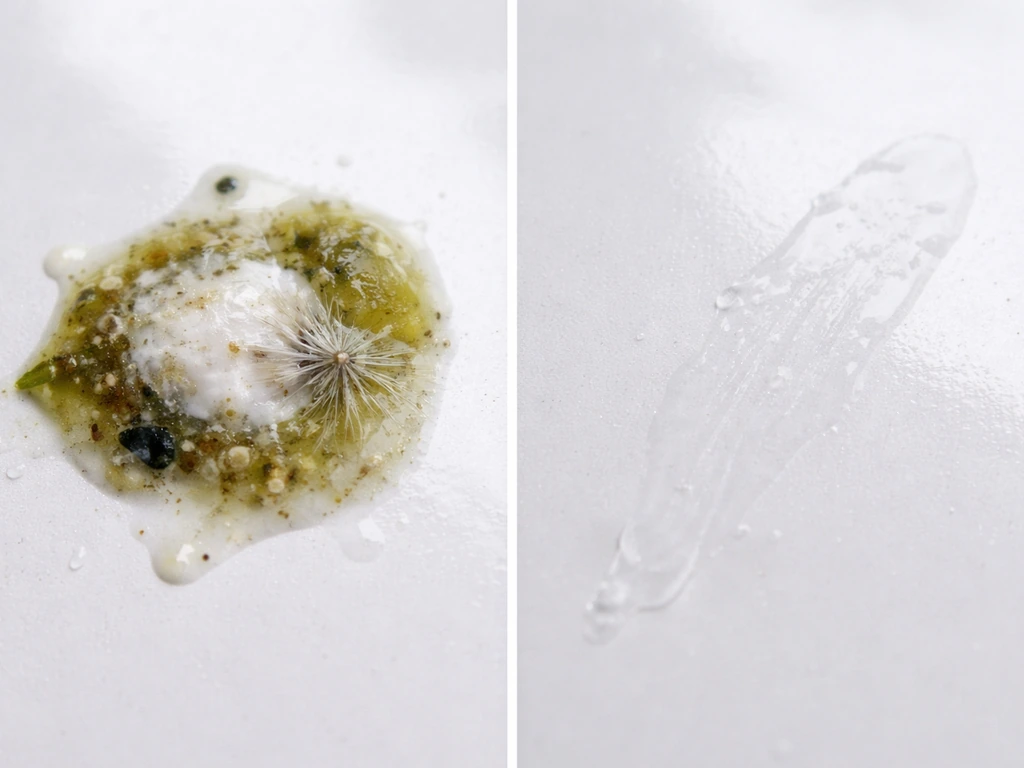
People use the phrase "bird spit" or "bird saliva" to describe a handful of different things, and the confusion is understandable. Sometimes it's a fresh, wet-looking dropping that landed on a windshield and immediately spread into a wide, semi-transparent smear. Sometimes it's regurgitated seed or softened food that a bird coughed up near a feeder. Occasionally it's the mucus a sick bird left on a surface. And in rare culinary contexts, people talk about edible bird's nest, which is literally made from a swift's hardened salivary secretions. What almost never applies is actual saliva in the everyday sense, meaning the thin watery liquid produced continuously in a bird's mouth.
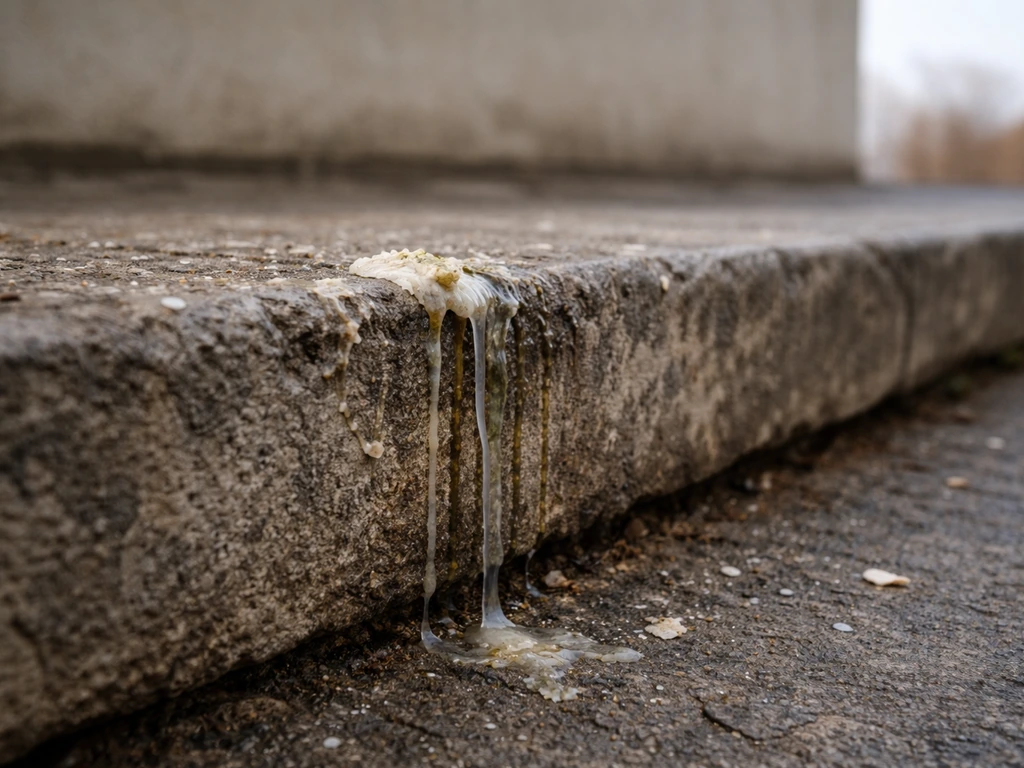
The closest thing to "true saliva" that most bird owners or backyard watchers encounter is the wet, partially digested food a parent bird regurgitates to feed chicks, or the crop milk that pigeons and doves produce to nourish their young. That material can drip or splatter around nesting areas and look distinctly different from a typical dropping. If you see a whitish, creamy residue near a nest and no classic green-brown fecal matter, that's more likely crop secretion than saliva in a biological sense.
Bird biology basics: secretions vs. droppings and urates
Birds do have salivary glands, but compared to mammals they are relatively underdeveloped. Most birds produce just enough oral secretion to begin starch digestion and help move food toward the crop and stomach. The amount is tiny, it dries almost instantly, and it carries no color or odor you would typically notice. You're not going to spot bird saliva on a park bench. What you will spot is the combination of three things that make up an actual bird dropping: fecal matter (the dark or greenish center), urates (the thick white or cream-colored ring or paste), and liquid urine (the watery halo that spreads outward when a fresh dropping hits a surface).
Birds don't have a separate urinary tract the way mammals do. Waste from the kidneys and the digestive tract exit together through a single opening called the cloaca. The kidneys excrete uric acid instead of urea, which is why the white paste in a dropping is so concentrated and sticky. That uric acid is what causes paint etching on cars: it is mildly acidic and bonds to clear coat, especially when heat from the sun bakes it in. So the "spit" destroying your car finish is really the urate component of a dropping, not anything produced by the bird's mouth.
How bird droppings form and why they can look wet or liquid
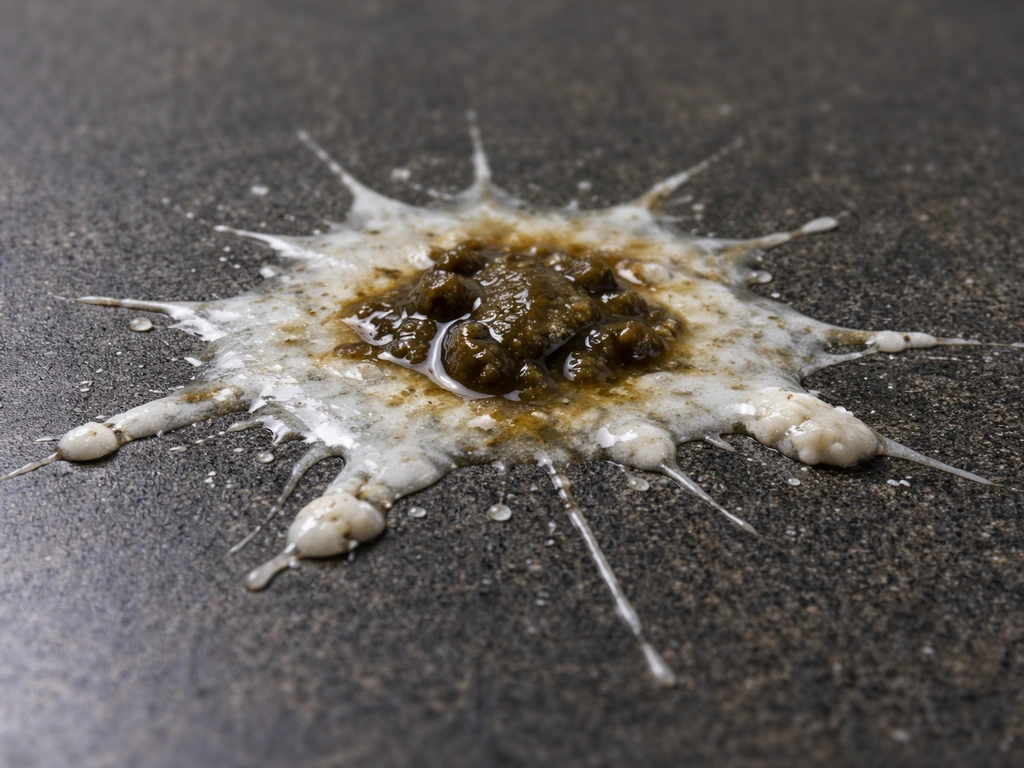
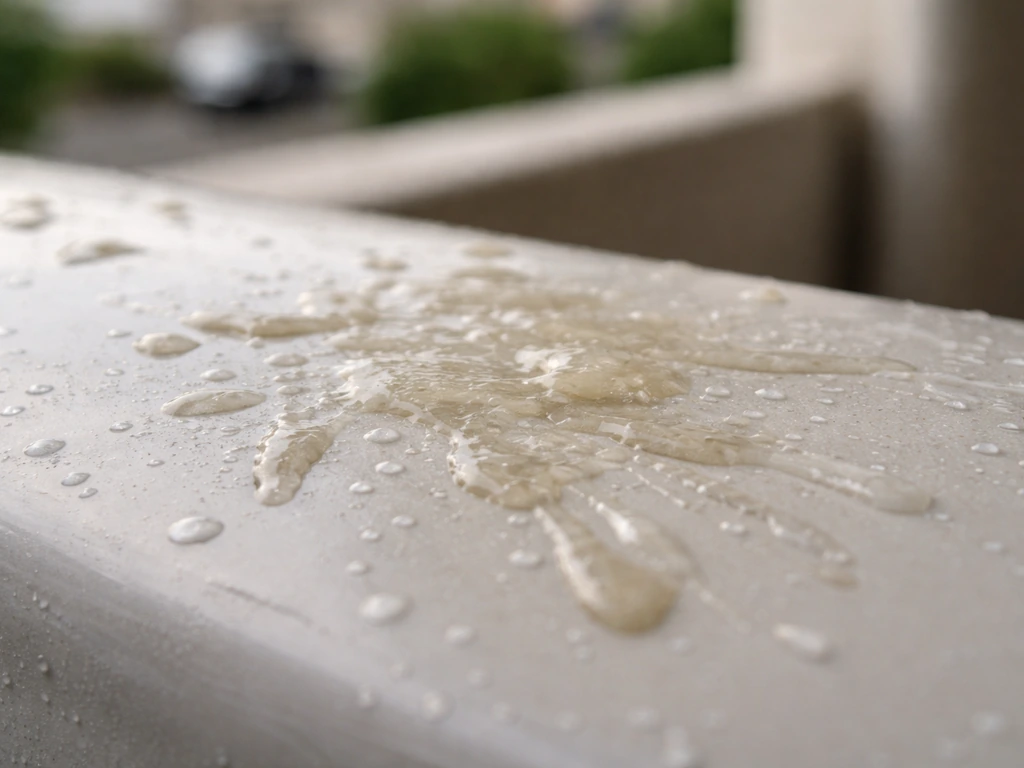
A fresh dropping lands as a small liquid projectile and immediately begins to spread on impact. The water content of a typical dropping can be surprisingly high, especially in fruit-eating birds like starlings or waxwings, whose diet is heavy in juice and moisture. That's why a berry-eating bird's droppings can look nearly purple and very watery, almost like a small splash of liquid. A seed-eating bird produces drier, denser droppings that still have the white urate cap but spread less on impact. Either way, the spreading, wet appearance has nothing to do with saliva and everything to do with the liquid-to-solid ratio of the bird's diet and excretory output.
Regurgitation adds another layer of confusion. Many birds, including gulls, corvids, and raptors, regularly regurgitate pellets of indigestible material (bone, fur, shell, seed husks). Before expelling a pellet, a bird may produce extra oral secretion to lubricate the process, and you can sometimes find a slightly wet, slimy pellet on a surface. That wet coating is the closest thing to true bird saliva you are likely to encounter outdoors. It dries quickly and, unless the bird is visibly ill, poses very low risk.
Health risks: when residue matters and when it doesn't
For most healthy adults, a stray dropping on a jacket or a smear on the car is a cleaning problem, not a health crisis. The genuine risks come from concentrated, dried droppings in enclosed or poorly ventilated spaces. When dried droppings become dust and you breathe them in, you can inhale Histoplasma capsulatum fungal spores (linked to histoplasmosis), Cryptococcus neoformans (associated with pigeon droppings in particular), or Chlamydia psittaci, the bacterium that causes psittacosis. NYC Health guidance is clear that routine, small-scale cleanups like wiping a windowsill carry little risk for most people. The risk scale shifts when you're dealing with a large accumulation, like under a roost, in an attic, or inside a barn.
Avian influenza (bird flu) is worth mentioning because it's on a lot of people's minds right now. The CDC advises that after any contact with surfaces contaminated with bird waste, mucus, or saliva, hand hygiene is critical, and OSHA echoes that, listing it as a priority step after removing protective gear and before eating, drinking, or touching your face. Bird saliva is made up mostly of water, plus digestive enzymes and other proteins that help start processing food mucus, or saliva. For the average person walking through a park, the risk from incidental contact with droppings is low. For anyone who keeps backyard flocks or handles wild birds regularly, the precautions are more meaningful.
People with compromised immune systems (including those living with HIV/AIDS, undergoing cancer treatment, or on immunosuppressive medications) should skip the cleanup entirely and delegate it to someone else. NYC Health explicitly recommends this for pigeon-related cleanups, and the reasoning extends to any bird dropping scenario involving large quantities or enclosed spaces.
Safe cleanup steps for droppings and other bird residue
On your car
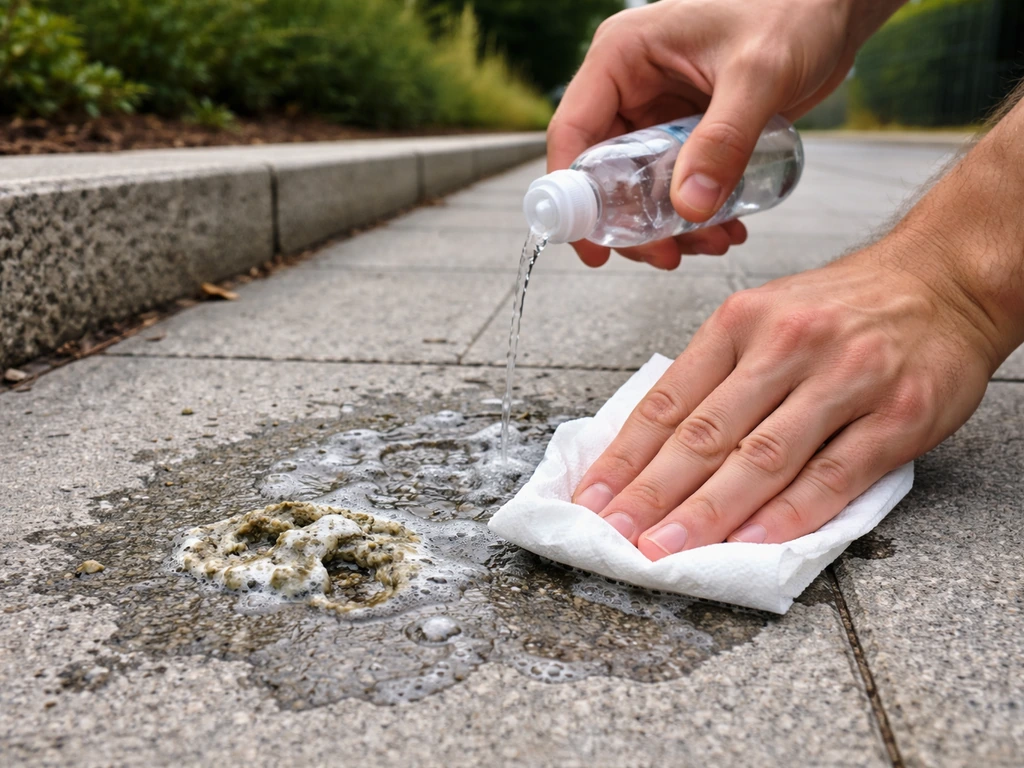
Speed matters on a car. The uric acid in the urate component starts bonding to clear coat within minutes in hot weather and within an hour or two at moderate temperatures. Soak the spot with water first, let it sit for 30 to 60 seconds to re-hydrate the dried material, then blot (don't wipe hard) with a damp microfiber cloth. Wiping dry without pre-soaking grinds abrasive particles into the paint. Once removed, rinse the area and inspect the finish. If you see a dull, slightly rough patch where the dropping was, the acid has begun to etch. A light polish or detailing clay bar can often recover mild etching.
On outdoor surfaces (patios, furniture, decking)
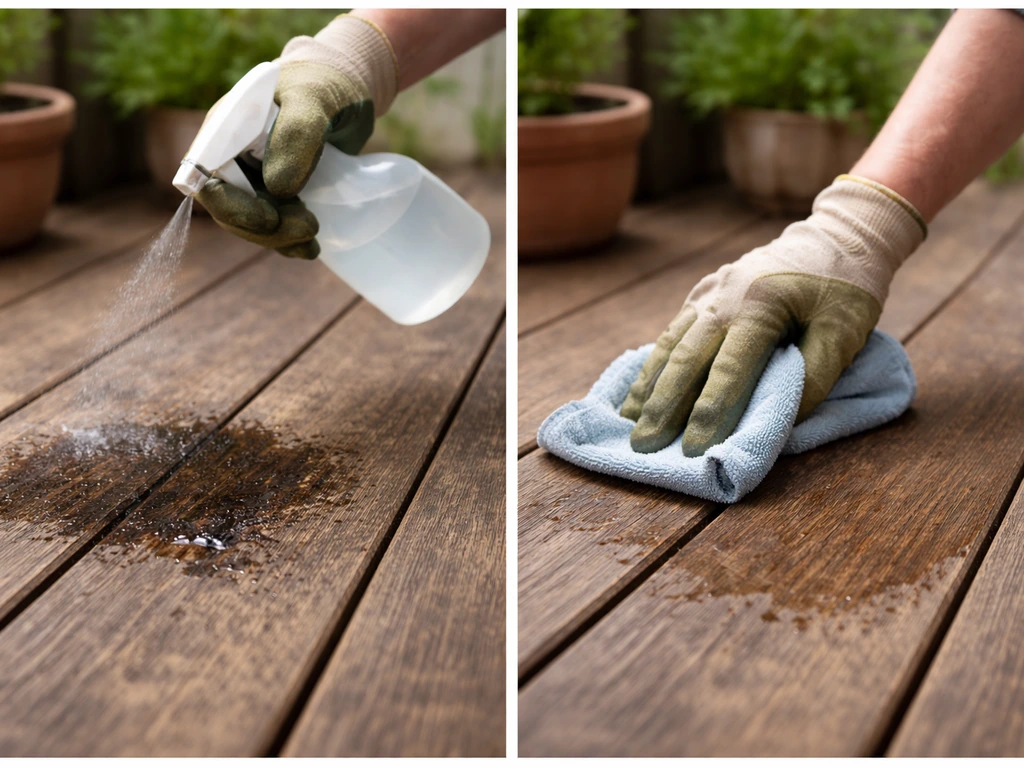
blank" rel="noopener noreferrer">The CDC and NYC Health both advise against dry sweeping or dry vacuuming bird droppings because it launches dried fecal particles into the air. Instead, wet the droppings first with water or a diluted disinfectant, let them absorb moisture for a minute, then wipe or scrape into a bag. For larger accumulations, wear disposable gloves and, if the area is enclosed or poorly ventilated, a properly fitted N95 respirator. Bag the waste, seal it, and wash your hands thoroughly with soap and water immediately after. NYC Health guidance on large pigeon cleanups calls for disposable protective clothing and blank" rel="noopener noreferrer">avoiding high-pressure dry washing that could aerosolize dried material.
Indoor spills or cage cleaning
For pet bird cages, the CDC recommends cleaning regularly to prevent droppings from drying and accumulating. Wet the cage liner or tray with water or a diluted bleach solution before wiping, and never use a dry brush or vacuum without a HEPA filter on cage debris. Wash your hands after handling the cage or anything in it. If your bird is sick and has been producing unusual secretions, treat the cleanup as higher risk: use gloves, ventilate the room, and consult a vet about whether your bird needs testing for psittacosis or other illnesses.
What to do after exposure: symptoms to watch and when to get help
If a dropping landed on your skin, wash the area immediately with soap and water. If it got in your eye, rinse with clean water for several minutes. For most healthy people, that's genuinely sufficient. Watch for symptoms over the next two weeks if the exposure was significant (handling large quantities of droppings or a visibly sick bird). Symptoms worth taking seriously include fever, dry cough, fatigue, or muscle aches (which can signal psittacosis, histoplasmosis, or in rare cases avian influenza), or a persistent respiratory issue that starts within 10 to 14 days of a dusty cleanup job.
If you develop any of those symptoms after significant exposure, tell your doctor specifically about the bird dropping contact. Most physicians won't think to ask, and the treatment for psittacosis (typically doxycycline) requires knowing what they're treating. Early treatment works well. The mistake people make is waiting two or three weeks before seeing a doctor, by which time a bacterial respiratory infection has had time to become more serious.
| Symptom | Possible cause | Action |
|---|---|---|
| Fever, dry cough, fatigue within 10 days of cleanup | Psittacosis (Chlamydia psittaci) | See a doctor, mention bird exposure |
| Flu-like illness after handling sick poultry or wild birds | Avian influenza (H5N1 or similar) | Seek medical care promptly, mention exposure |
| Respiratory symptoms after large-scale dusty cleanup | Histoplasmosis (fungal spores) | See a doctor, chest X-ray may be needed |
| Skin or eye irritation only, no systemic symptoms | Localized contact with droppings | Wash area thoroughly, monitor for 48 hours |
| No symptoms after incidental contact (small dropping on skin) | Low-risk exposure | Wash hands, no further action needed |
Prevention and reducing repeat messes
If birds are repeatedly targeting your car, patio, or windowsill, the most effective long-term approach is making those spots less appealing to perch on. Physical deterrents work better than sprays or sounds. Bird spikes on ledges and railings are the most reliable option for pigeons and larger birds. For smaller birds like sparrows or starlings, fine-mesh netting over a patio or under an overhang stops them from nesting in sheltered spots. Reflective tape or hanging old CDs near perch points can deter birds in the short term but most birds habituate to visual deterrents within a few weeks.
Parking under trees is an obvious risk factor: birds roost in trees, and your car is directly in the drop zone. If covered parking isn't available, a fitted car cover is genuinely worth it if you're dealing with repeated incidents. On a patio, removing food and water sources (including standing water in planters) reduces the reason birds have to stick around in the first place. If you have a backyard feeder, position it away from areas where you sit or park, and clean up fallen seed regularly since it attracts more birds and more droppings in turn.
For pet bird owners, the prevention calculus is different. Regular cage cleaning, good ventilation in the bird's room, and keeping a bird healthy with proper nutrition and vet checkups reduces the chance that their droppings become a meaningful exposure risk at home. Healthy bird droppings from a well-cared-for pet are generally not something to worry about as long as you're washing your hands and not dry-sweeping the cage into the air.
One final note: if you've read about bird's nest soup or edible swiftlet nests and are wondering whether bird saliva is genuinely a thing people consume, that's a real and separate topic. Bird saliva meaning often comes up because people mix up everyday “spit” with saliva-like secretions, like regurgitated material or hardened salivary secretions used for edible nests. Swiftlets (a type of cave-dwelling swift) do build nests almost entirely from their own hardened salivary secretions, and those nests have been eaten in Southeast Asian cuisine for centuries. What that material is made of, and what it supposedly does for you, is a different conversation entirely from the smear on your windshield.
FAQ
If I’m not sure whether it’s saliva or droppings, what should I assume and how should I clean it?
For most backyard and car-hood incidents, it is not worth trying to “test” the substance. Instead, treat any wet bird “spit” smear as bird waste or regurgitated material, and clean it with the same precautions you’d use for droppings (pre-soak with water, avoid dry wiping, then wash hands). If the bird was visibly ill or the area is heavily contaminated, upgrade to gloves and mask and consider professional cleanup for large accumulations.
Does regurgitated “bird spit” pose less risk than dried droppings, or are they both the same?
Bird poop and regurgitated crop material are usually handled the same way for risk, but the key difference is moisture. If it is a fresh, wet pellet or mucus-like coating, it is still waste, but it may not have fully dried into dust. Still avoid rubbing it dry on the surface, and do not use compressed air or a dry vacuum because either can aerosolize dried contaminants if some material has already dried nearby.
Why can some bird “spit” look clear or purple, and how can I tell what I’m looking at?
Yes, bird droppings can look nearly transparent or watery on impact, especially from fruit- or juice-heavy diets. That watery look does not mean it is saliva. The practical check is the “spread and halo” pattern: a liquid halo with a thicker white urate portion nearby usually points to urine-derived urates and fecal waste rather than oral saliva.
Are there situations where I should treat it as higher risk even if it’s just one spot?
Children, people with asthma or other respiratory conditions, and anyone immunocompromised should take extra caution because inhalation risk rises with dust, not with a single isolated smear. If possible, have someone else do the cleanup, keep the area ventilated, and use wet methods only. If you have to enter a roost-contaminated space (attic, barn), use proper respiratory protection (and keep pets away).
What should I do immediately if bird “spit” gets on my skin or in my eyes?
If you get it on your skin, soap-and-water washing promptly is usually sufficient. If it got into your eye, rinse with running water for several minutes. Avoid “neutralizing” with harsh chemicals like ammonia on your skin, and don’t scrub aggressively, because irritated skin absorbs irritants more easily.
How long after exposure would symptoms show up, and when should I see a doctor?
For most healthy adults, one accidental contact outdoors rarely leads to illness, but timing matters if you were exposed to large amounts. If symptoms like fever, a persistent dry cough, unusual fatigue, or muscle aches start within about 10 to 14 days after a dusty cleanup, seek care and mention bird waste exposure. Waiting longer delays appropriate targeted treatment.
If I see a slimy wet coating near a nest, should I worry more than with a normal dropping?
The “wet coating” on a recently regurgitated pellet is not the same as therapeutic saliva exposure. Outdoors, it generally dries quickly and the risk is typically low for incidental contact. The exception is indoor or enclosed spaces where old waste accumulates and becomes dust. If the material is around a nest box or inside a garage or shed, assume higher risk than the same-looking mess on open ground.
What’s the best way to remove the stain from a car without damaging the finish?
If it’s on car paint, speed matters. Pre-soak with water first, wait about 30 to 60 seconds to rehydrate dried urates, then blot and gently wipe with a damp microfiber cloth. Avoid dry wiping, and after removal rinse thoroughly. If you see a dull or rough patch, mild etching may already have started, and light polish or detailing clay may help.
What actually works long-term if birds keep targeting my windowsill or patio?
Repeated incidents usually mean birds are finding a consistent perch or nesting site. The most durable fix is physical exclusion, like bird spikes on ledges for larger birds or fine-mesh netting in sheltered areas. Visual deterrents like reflective tape can fade in effectiveness because birds habituate, so plan for installation rather than relying only on short-term scares.