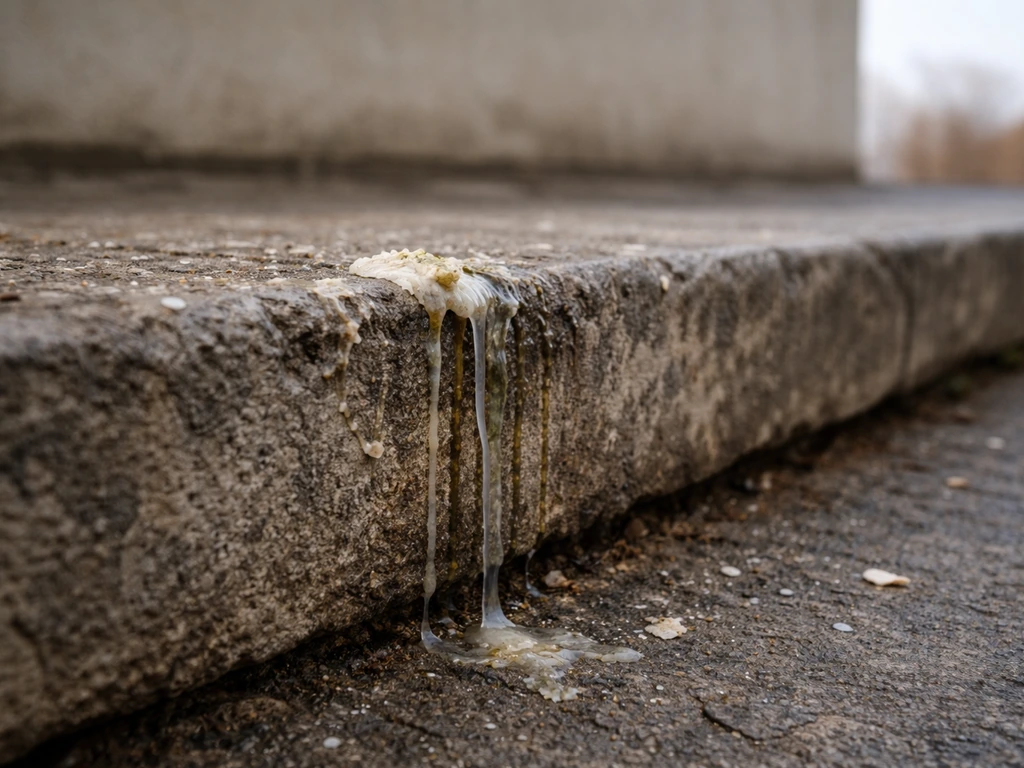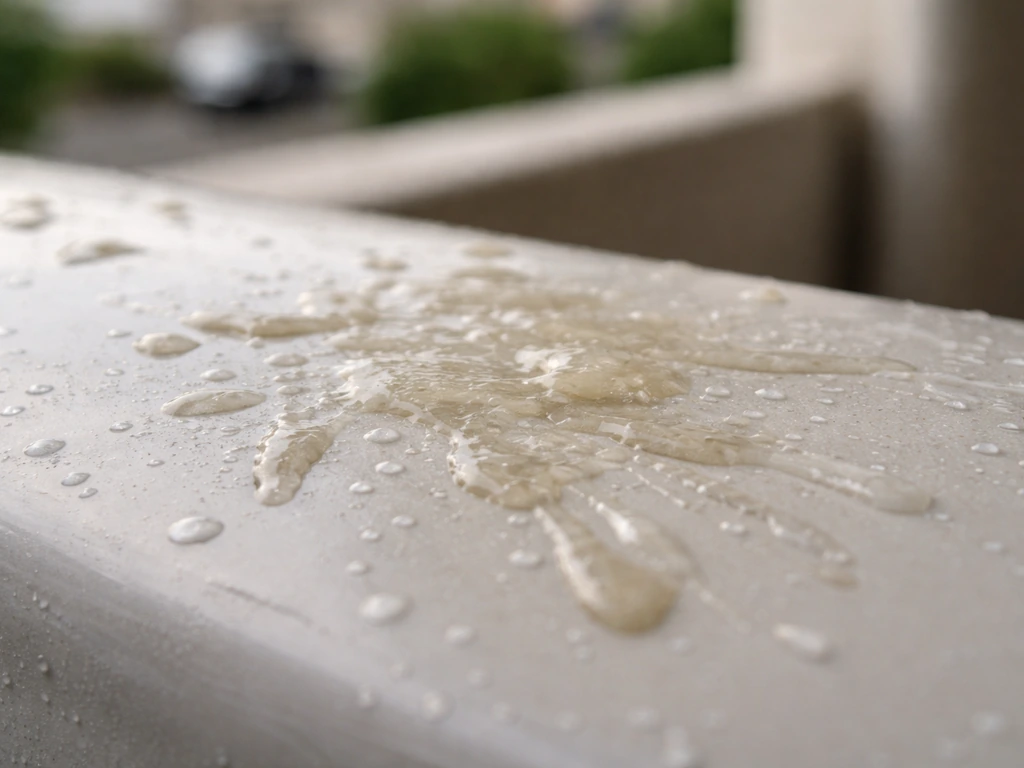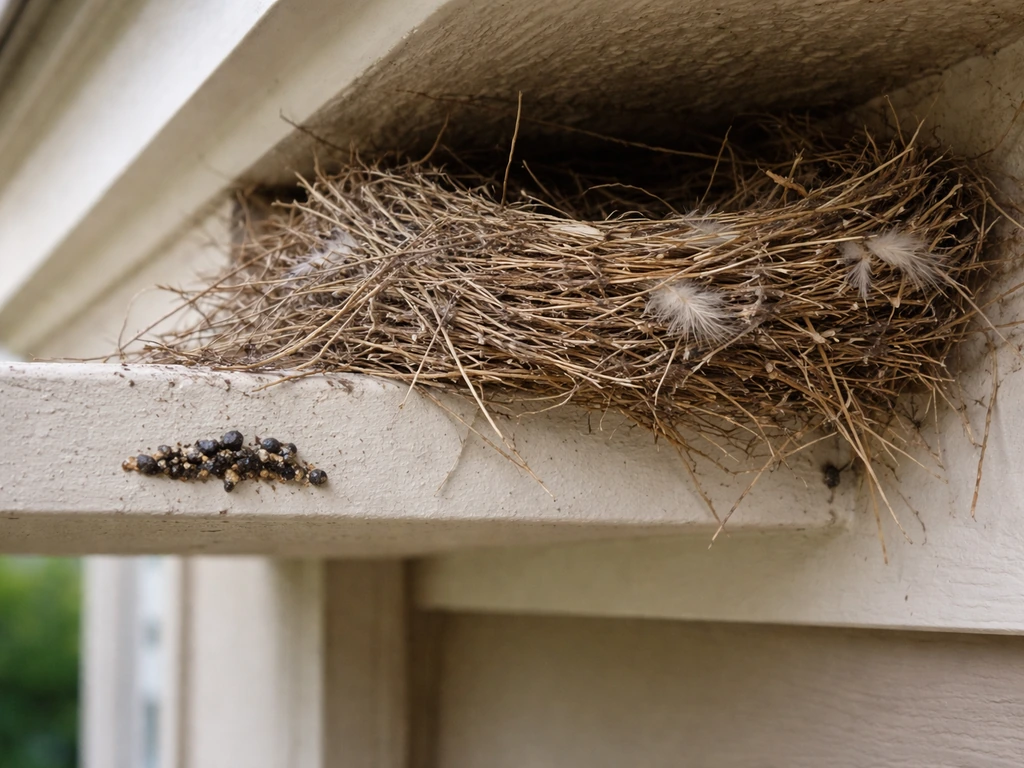
Bird 'spit' does not have any proven health benefits for humans. If you got hit by a dropping today, the most useful thing it can do for you is nothing at all, as long as you clean it off promptly and wash your hands. The real question worth answering is what risks come with it, what you should do right now, and why the 'good luck' idea keeps circulating even though it has no medical backing.
What Does Bird Spit Do for You? Benefits and Risks

Marcus Fielding
10 Jun 2026
What people actually mean when they say 'bird spit'
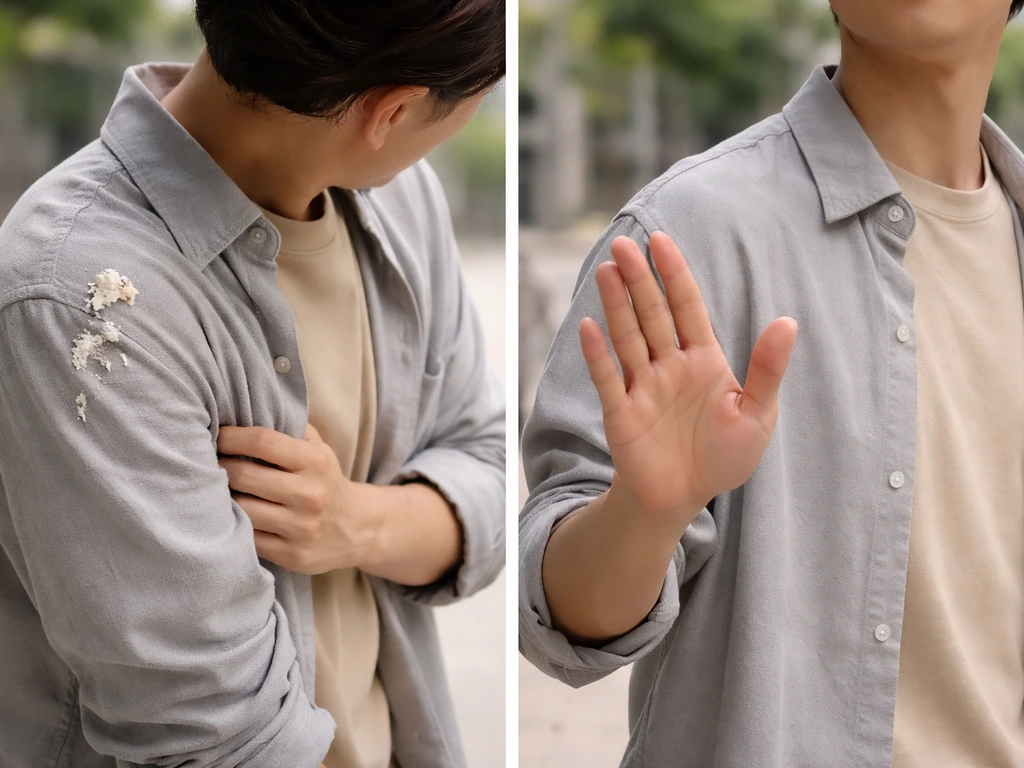
This is worth clearing up before anything else, because 'bird spit' can mean two completely different things depending on who's using the phrase. Most of the time, people use it casually as a synonym for bird droppings, the white-and-dark splat that lands on your car, your shoulder, or your lunch. That stuff is actually a mix of feces and urine combined into one deposit, since birds have a single exit point called a cloaca. It is not spit in any technical sense.
The other meaning is literal bird saliva, which is genuinely interesting but rarely relevant to everyday exposure. Certain swiftlet species in Southeast Asia produce a thick, hardened salivary secretion that forms the basis of edible bird's nests, a delicacy with a long history in Chinese cuisine and traditional medicine. That is a very specific product from a very specific bird, processed and consumed intentionally. It has nothing to do with the dropping on your windshield. If you want to go deeper on what actual bird saliva is composed of or how nest saliva differs from regular secretions, those distinctions are worth exploring separately.
For the rest of this article, 'bird spit' means what most people searching the phrase actually mean: bird droppings, the real-world exposure you deal with in parking lots, on patios, and near trees.
Does bird 'spit' actually do anything good for you? Myths vs. evidence
The short version: no credible evidence supports the idea that bird droppings landing on your skin provides any health benefit. There are no antibacterial compounds in pigeon or sparrow droppings that benefit human skin, no growth factors, no healing properties. The white chalky portion is uric acid, the dark portion is fecal matter, and together they carry a mix of bacteria, fungi, and occasionally parasites. Nothing in that cocktail is working in your favor.
The edible bird's nest angle sometimes gets folded into this conversation. Swiftlet saliva does contain proteins and glycoproteins that researchers have studied for potential cognitive and nutritional effects. Swiftlet saliva is used as a food product, and its composition includes proteins and glycoproteins. That “saliva” is from a cultivated swiftlet product, so it is not the same thing as bird droppings Swiftlet saliva. But that is a purified, heat-processed food product consumed intentionally, not a wild dropping that hit your jacket. A peer-reviewed review article describes edible bird’s nest as a salivary secretion created by swiftlets, which helps clarify that it is a purified food rather than the riskier wild droppings exposure people typically mean edible bird’s nest angle. Connecting the two would be like saying pond water is the same as mineral water because both contain H2O.
Some people have also heard about 'uguisu no fun,' a traditional Japanese facial treatment using nightingale droppings that was historically applied to skin. The enzyme activity in bird guano can break down proteins, which is the same reason droppings strip car paint. Whether that translates into a skin benefit rather than irritation is not supported by controlled clinical evidence, and dermatologists do not recommend it. The more likely outcome of leaving a dropping on your face is irritation, not a glow.
Real health risks from bird droppings
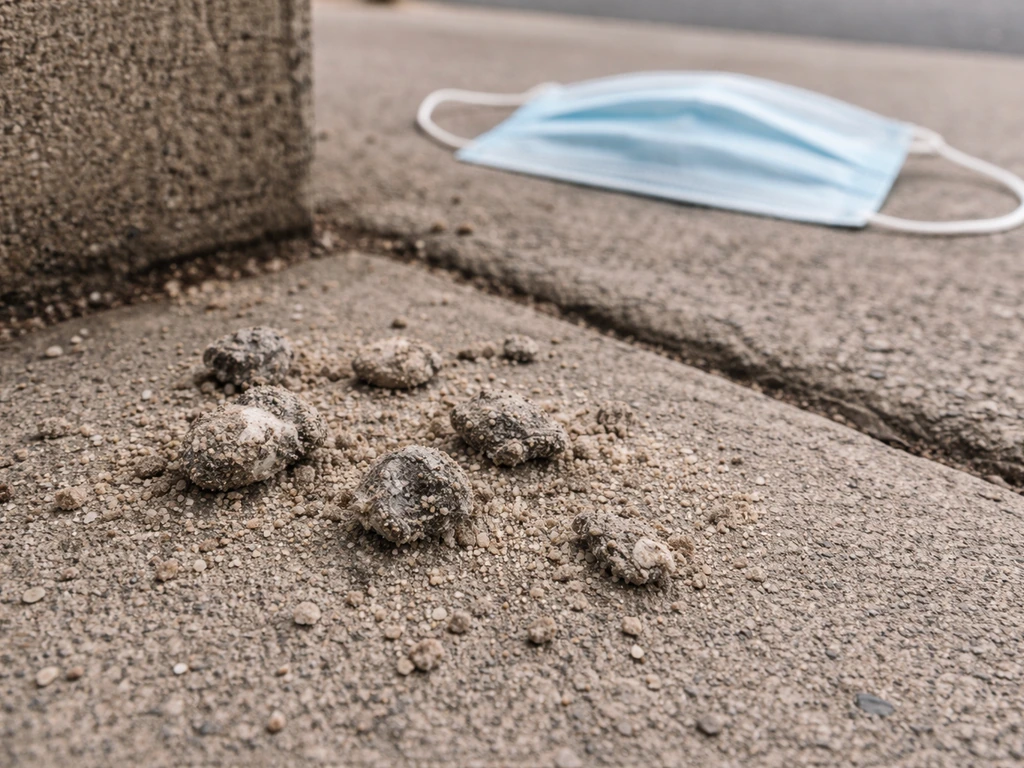
A single fresh dropping on your sleeve from a passing pigeon is genuinely low risk for most healthy people. NYC Health acknowledges that routine cleaning from something like a windowsill does not pose a serious health risk for most individuals. The concern rises sharply when you are dealing with large accumulated deposits, dried material you stir up without protection, or droppings in enclosed spaces with poor ventilation.
Respiratory exposure
This is the most serious risk category. Dried droppings crumble into dust easily, and that dust can carry Histoplasma capsulatum spores, the fungus responsible for histoplasmosis. The CDC and NIOSH both flag this specifically: disturbing accumulated droppings without wetting them first can aerosolize spores that you then breathe in. Symptoms typically appear 3 to 17 days after exposure and can include fever, cough, and fatigue that look a lot like flu or pneumonia. Most cases in healthy people are mild or even symptom-free, but immunocompromised individuals can develop severe disseminated disease.
Psittacosis is another respiratory concern, caused by the bacteria Chlamydia psittaci. OSHA notes that humans typically acquire it by inhaling infected particles from bird droppings or feather dust. The tricky part is that infectious particles can persist in dried droppings for many weeks after the bird that produced them has recovered. Cryptococcus neoformans, a fungus also associated with pigeon droppings, rounds out the respiratory risk list.
Skin and eye contact
Fresh droppings on intact skin are unlikely to cause systemic infection in a healthy person if washed off promptly. The CDC's general guidance is to wash hands thoroughly after any contact with bird droppings, birds, or items in their cages. The bigger skin concern is if you have open cuts or abrasions at the contact site. Eye contact is different: even a small amount warrants flushing immediately with clean water for at least 15 minutes. If your eye still feels scratchy, like there is a grain of sand in it after flushing, that sensation can indicate corneal irritation and deserves a prompt medical evaluation.
Accidental ingestion
This usually happens indirectly: you handle a dropping, do not wash your hands, and then touch food or your face. The CDC specifically notes that hand-to-mouth transmission is the main pathway for household bird contacts. Actual ingestion of droppings is rare outside of accidents involving contaminated water or food surfaces. If someone has swallowed material and feels unwell, treat it as a potential ingestion exposure and call poison control or a medical provider.
What to do right now if you just got hit
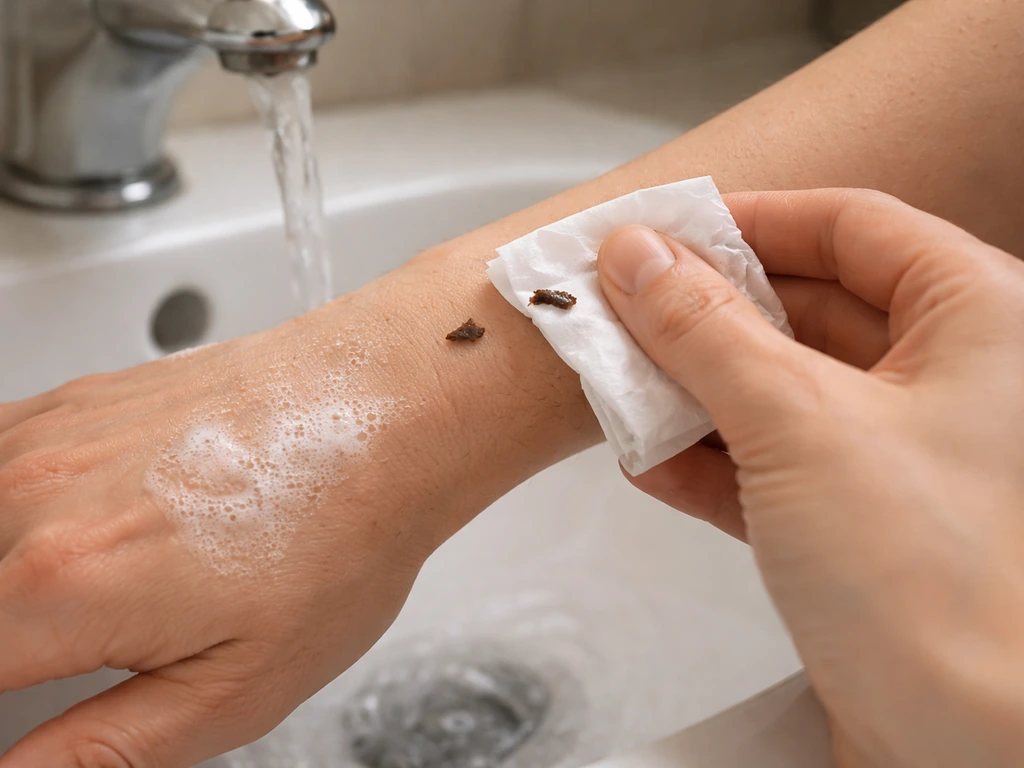
Act quickly but calmly. Fresh droppings are far less risky than dried ones, so getting it off promptly is genuinely the right call.
On your skin
- Do not rub it into the skin. Use a tissue or disposable cloth to lift the deposit off without spreading it.
- Wash the area with soap and warm water for at least 20 seconds.
- If you have hand sanitizer available and no sink is nearby, use it immediately and then wash properly as soon as possible.
- Avoid touching your eyes, nose, or mouth until you have washed.
In your eyes
- Flush immediately with clean, lukewarm water for at least 15 minutes.
- Remove contact lenses before or during flushing if you can do so without forcing it.
- Do not rub the eye.
- If irritation, redness, blurred vision, or that 'sand in the eye' feeling persists after flushing, see a doctor or urgent care provider the same day.
On your clothes
- Let the dropping dry slightly if it is very wet and fresh, then gently scrape off the bulk with a spoon or blunt edge before washing.
- Machine wash the item separately on the warmest setting the fabric allows.
- Wash your hands after handling the soiled clothing.
- If the garment cannot be machine washed, use a damp cloth with a small amount of laundry detergent, rinse well, and air dry.
On your car
Fresh droppings on car paint need to come off as fast as possible, not because of infection risk but because the uric acid in droppings etches into clear coat within hours, especially in warm weather. Wet the area first with water, then use a microfiber cloth to blot and lift rather than wiping sideways. Follow with a rinse and a quick spray detailer or car wash. Never dry-wipe a dropping; you will scratch the paint and potentially inhale any dried particles.
Cleaning bird droppings from cars, patios, furniture, and outdoor areas
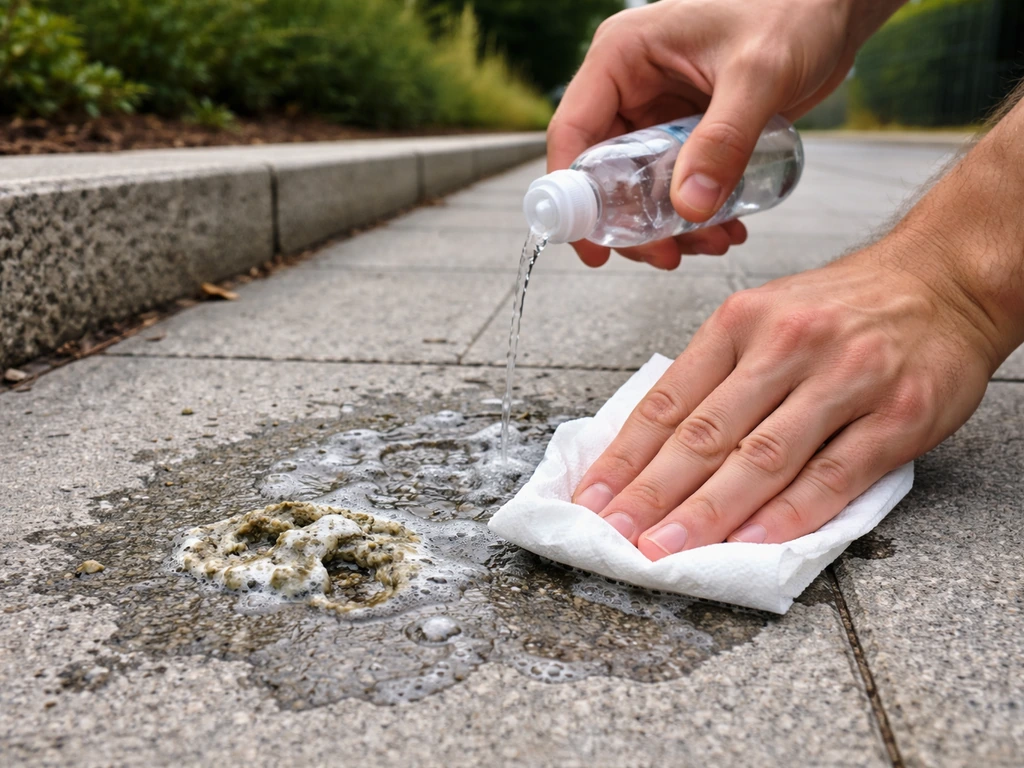
The key principle behind all of these situations is the same: wet before you clean, never dry sweep or dry wipe, and disinfect after removing the bulk material. Connecticut DPH’s indoor cleaning and disinfecting guidance also separates cleaning from disinfection and provides bleach dilution examples such as 1 part bleach to 9 parts water blank" rel="noopener noreferrer">1 part bleach + 9 parts water. Dry droppings can crumble into aerosolized dust, so making them wet first is not optional if you are dealing with any meaningful accumulation.
General cleaning protocol for surfaces
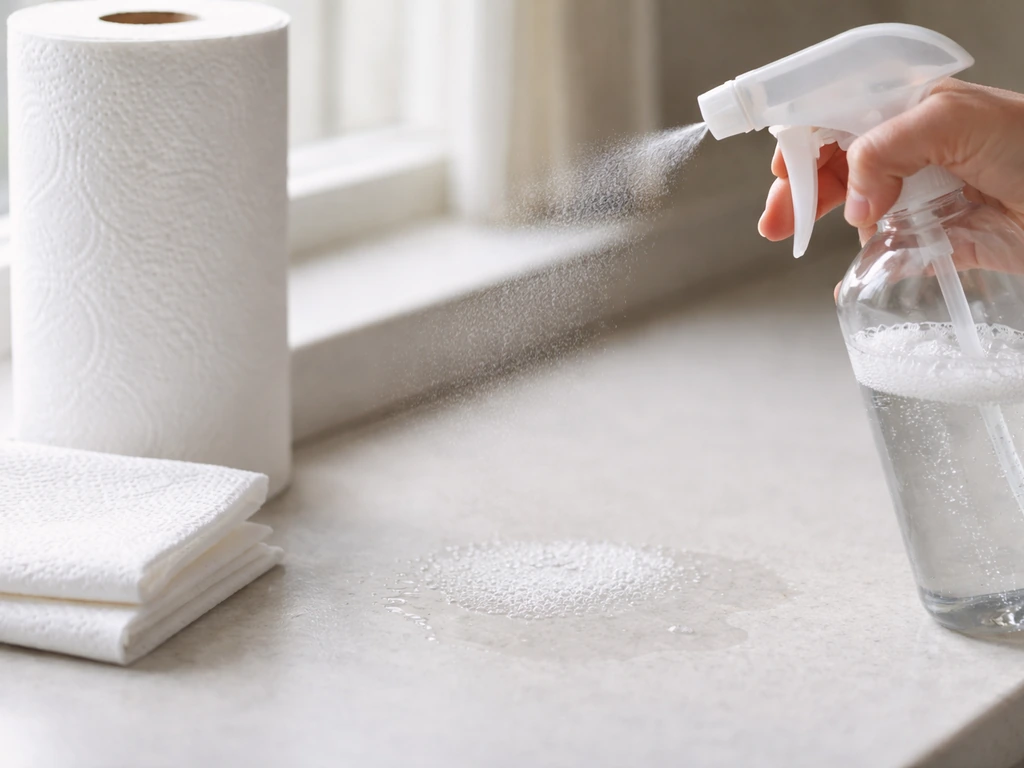
- Wet the droppings with a spray bottle of soapy water or a commercial disinfectant spray. Let it soak for a minute.
- Use paper towels or disposable cloths to pick up the material. Double-bag the waste.
- Wash the surface with soap and water.
- Disinfect with a bleach solution: 1 part household bleach to 9 parts water (roughly 1.5 tablespoons of bleach per cup of water). Let it sit for at least a minute before wiping.
- Wash your hands thoroughly after removing gloves.
For larger accumulations under a regular roosting spot, such as a ledge, attic vent, or patio corner with months of buildup, the risk level goes up meaningfully. At that scale, wear an N95 or better respirator, disposable gloves, and consider disposable coveralls. NIOSH recommends disposable protective clothing and boot coverings when your regular clothes might become contaminated. Wet the area thoroughly before disturbing anything, work in a ventilated space, and bag all waste before removing it.
Preventing repeat mess
- Install physical deterrents on ledges and roosting spots: bird spikes, sloped surfaces, or bird wire are the most durable options.
- Use reflective tape, pinwheels, or predator decoys around patios and outdoor dining areas (these work best when moved regularly so birds do not habituate).
- Cover outdoor furniture when not in use, especially during high bird-traffic seasons.
- Park in a garage or under a solid cover rather than under trees or power lines when possible.
- Apply a paint sealant or ceramic coating to car paint: these do not prevent droppings but make them much easier to rinse off before they etch.
- The CDC and NIOSH both note that preventing accumulation in the first place is the single best way to avoid the more serious health risks from droppings.
When to get medical help and what to watch for
Most single-exposure incidents involving fresh droppings on intact skin do not require a doctor visit. But there are situations where you should not wait.
| Situation | Action |
|---|---|
| Eye contact with persistent irritation, redness, or vision changes after flushing | Same-day urgent care or ER |
| Fever, cough, or shortness of breath appearing 3 to 17 days after cleaning up a large accumulation of droppings | See a doctor, mention the exposure specifically |
| Flu-like illness that is not improving after a week, especially if you are immunocompromised | Medical evaluation, tell the provider about bird/dropping exposure |
| Skin wound or open cut that had direct contact with droppings and shows signs of infection (redness spreading, warmth, pus) | Medical evaluation within 24 hours |
| Any suspicion of ingestion in a child or vulnerable adult | Call poison control (1-800-222-1222 in the US) immediately |
Histoplasmosis is the disease most worth knowing about by name, because its window of 3 to 17 days means you might not connect the symptom onset to the bird poop cleanup you did two weeks earlier. If you cleaned up a significant accumulation of droppings without respiratory protection and then develop a persistent respiratory illness, tell your doctor about that exposure. It changes the diagnostic picture significantly.
Psittacosis symptoms are also worth flagging: fever, dry cough, headache, and muscle aches, appearing 5 to 14 days after exposure. It is treatable with antibiotics, but your doctor needs to know about the bird contact to even consider it.
The good luck belief: why it persists and what it actually means
Getting hit by a bird dropping is considered good luck in several cultures, including parts of Russia, Turkey, and Italy. In the UK and Ireland it is also a widespread folk belief. The logic is roughly: something rare and unpleasant happened to you, so something good must be coming to balance it out. That is pure superstition in the technical sense, a belief that a random event carries predictive meaning about unrelated future events.
Psychologically, the persistence of this belief is pretty well understood. Research on superstitious belief points to something called adventitious reinforcement: when a coincidental event (getting hit by a dropping) is followed by something positive (you had a good day), the brain forms a connection even though the two events are unrelated. Over time, especially when the belief is reinforced socially and culturally, it becomes a comfortable narrative people carry. Lucky charms and lucky events both tap into the same mechanism.
There is also a pragmatic comfort function here. Getting pooped on is embarrassing and annoying. Reframing it as a lucky omen is a genuine coping tool. You feel better, you laugh it off, you move on with your day. From that angle, the belief does do something for you, just nothing biological. It is a mood regulation shortcut dressed up as folk wisdom.
What it definitely does not do is heal your skin, protect you from pathogens, or confer any measurable physical benefit. The 'good luck' is in the attitude you choose to take, not the chemistry of what landed on your shoulder. Clean it off, wash your hands, and consider yourself lucky that you read this article before dry-wiping a pile of old droppings off your patio with no protection. If you are wondering about how bird saliva is transferred, it can depend on the type of bird and the behavior involved, not on luck.
FAQ
Does bird spit or droppings ever help with acne, dark spots, or healing scars?
No. The deposit can irritate skin and introduce microbes, and there is no reliable evidence that components in droppings improve wound healing or pigmentation. If you want to treat acne or marks, stick to proven options like benzoyl peroxide, salicylic acid, or retinoids, and avoid DIY “guano” facials.
What should I do if bird droppings got on my food or in my kitchen sink?
Remove the contaminated portion and clean the area promptly. For dishes and utensils, use hot water and dish soap, then sanitize if you have a dishwasher sanitize cycle. Avoid wiping dried splatters dry, because that can aerosolize particles; wet first, then clean.
Is it safe to shower or wash off the area instead of worrying about it?
For a small, fresh spot on intact skin, washing with soap and water is usually sufficient. Skip aggressive scrubbing that can inflame skin, and focus on removing material thoroughly, then wash hands afterward to prevent hand-to-mouth transfer.
Can pets get sick from stepping in bird droppings or licking it off their paws?
Pets can track contaminated material and potentially get exposed through licking, similar to the hand-to-mouth pathway in people. Wipe paws with a damp cloth, wash with pet-safe soap if needed, and keep them from eating litter or contaminated feed near roosting areas.
What if I had an eye splash from a bird dropping, do I still need to see a doctor if it feels better?
Flush immediately with clean water for at least 15 minutes, then reassess. Even if discomfort improves, persistent scratchy or gritty sensation can indicate corneal irritation, and that is a reason to seek prompt medical evaluation.
How long after cleanup should I watch for symptoms of histoplasmosis or psittacosis?
If you disturbed a significant accumulation without respiratory protection, monitor for symptoms for the exposure windows described in public health guidance. Histoplasmosis commonly shows up 3 to 17 days after exposure, while psittacosis is often 5 to 14 days; contact a clinician sooner if symptoms develop.
Do I need a respirator for a one-time cleanup on a small patio spot?
Usually no for a single, fresh spot on open ground. The higher-risk situations are dried, accumulated material, crumbling buildup, enclosed or poorly ventilated areas, or anything that would create dust. In those cases, an N95 or better and wetting the area first are key.
What’s the safest way to remove dried bird droppings from a windshield or outdoor step?
Wet the area first, let it soak to prevent dust, then blot and lift with a microfiber cloth or paper towel you can discard. Avoid dry wiping. After removing bulk material, rinse thoroughly and clean the surrounding area so residue does not get rubbed around.
If the “good luck” belief is harmless, can it affect anything medically?
It does not provide biological protection, but the risk comes from behavior. If people feel lucky and skip proper cleaning steps, they may increase exposure, especially with large dried accumulations. Use the superstition for mood only, not as a reason to avoid washing and wet-cleaning.
Should I disinfect after removing droppings, and what about bleach?
Disinfecting can be useful after you remove the bulk material, especially on nonporous surfaces. However, avoid mixing chemicals like bleach with other cleaners, and prioritize mechanical removal plus soap and water. If you choose a disinfectant, use it according to label directions and ventilate the area.