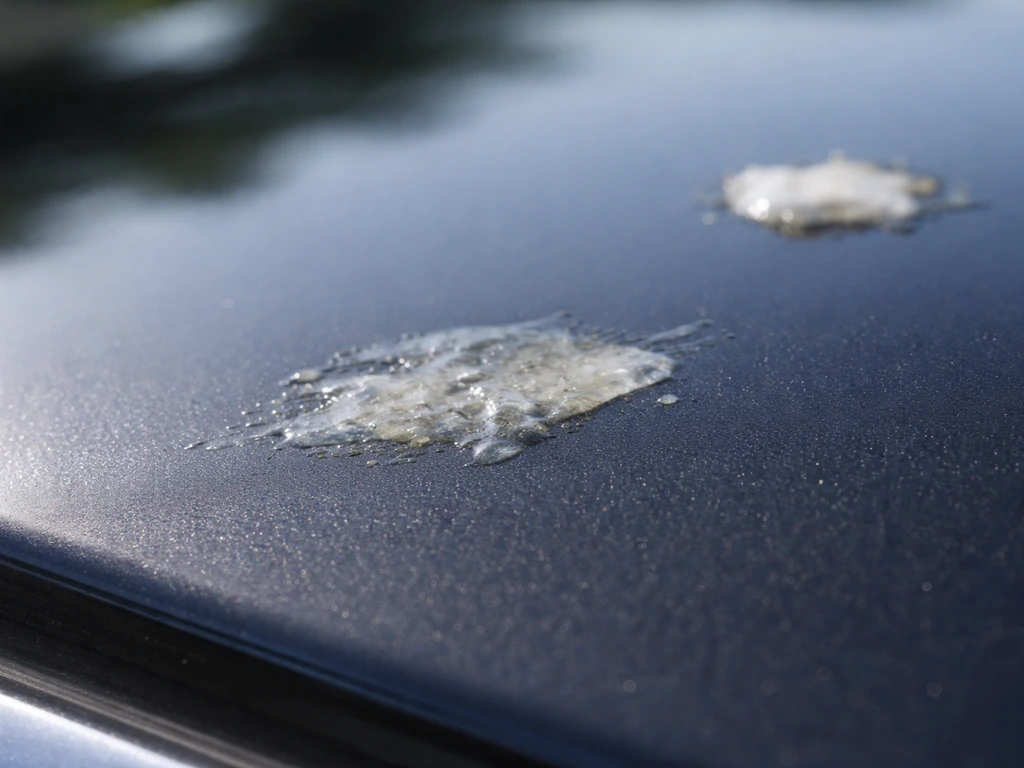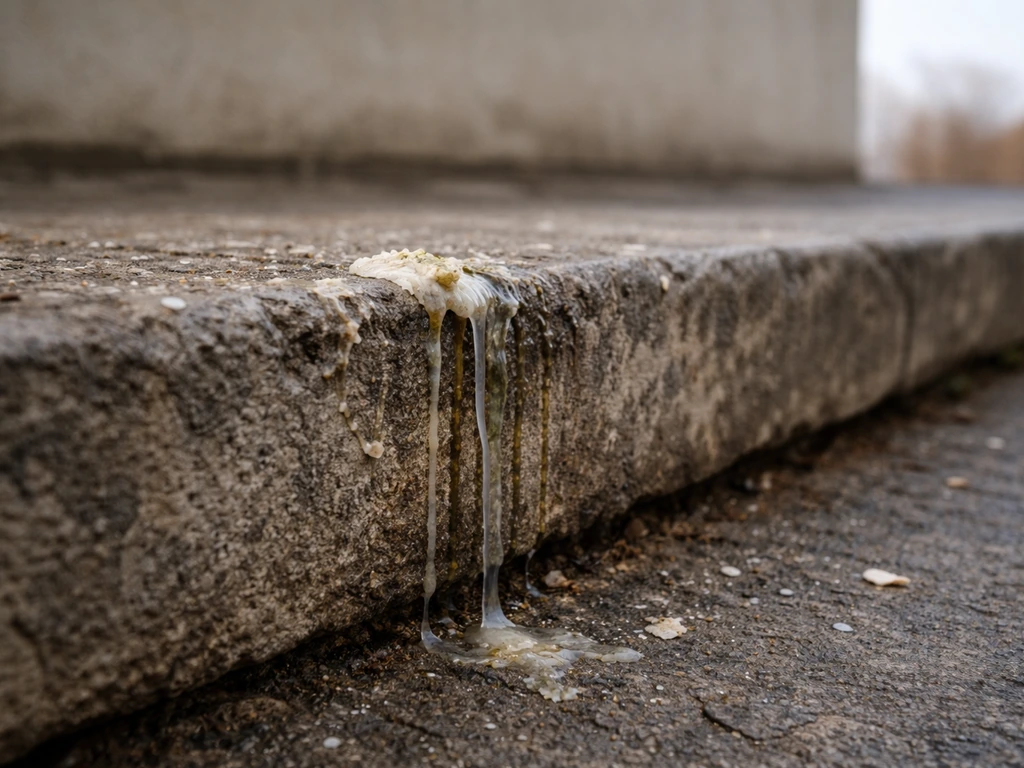
Bird saliva is mostly water (around 99%, similar to mammalian saliva), with the rest being a mix of electrolytes like sodium, potassium, and chloride, plus proteins, glycoproteins (mucin-like molecules), and enzymes such as lysozyme and amylase. What makes it interesting is how much that small non-water fraction can vary: a nectar-sipping sunbird has very different oral secretions than a seed-cracking sparrow, a brooding pigeon, or a swiftlet building its nest out of pure hardened saliva. The baseline ingredients are predictable; the ratios and extras are not.
What Is Bird Saliva Made Of and Is It Safe

Marcus Fielding
19 Jun 2026
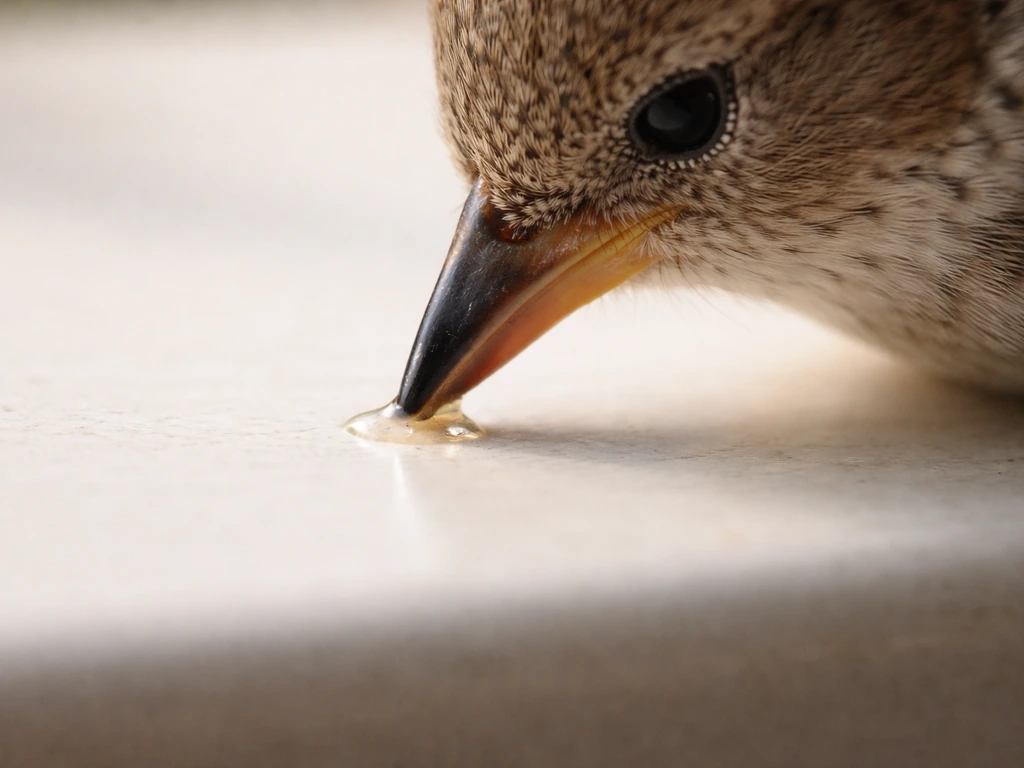
What bird saliva actually is (and why it's not one-size-fits-all)
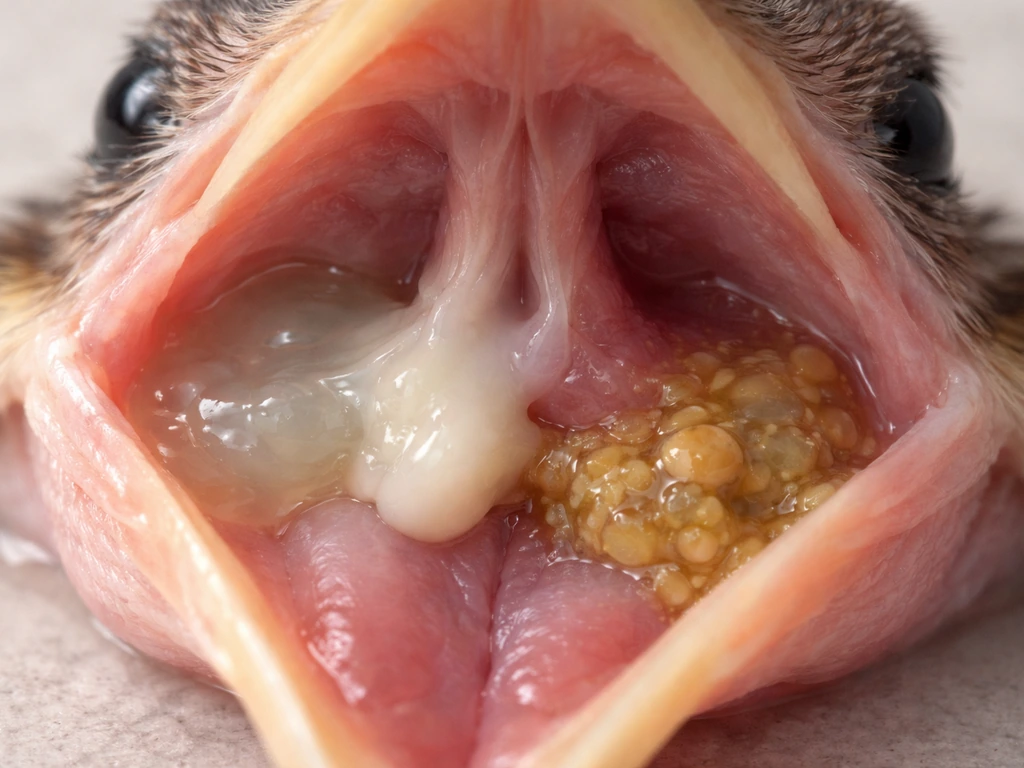
Calling it "saliva" is a reasonable shorthand, but technically bird oral secretions are a mix of glandular secretions, lingual gland outputs, and sometimes regurgitated crop contents. So, is bird saliva actually saliva? In practice, it’s a mix of glandular and sometimes regurgitated oral secretions, which is why the term is a shorthand. Birds don't have a single, neat salivary gland like humans do.
They have multiple lingual glands (located in the tongue and surrounding tissues) that produce fluids, and what those glands put out depends heavily on the species, diet, and what the bird is doing at that moment. A pigeon feeding chicks is producing crop milk mixed with oral secretions that look nothing like the thin fluid a wild finch deposits on your windshield.
This is also why direct scientific measurements of "bird saliva" are relatively scarce: researchers have to be very specific about which bird, which gland, and which context they're sampling.
The best-studied example of species-specific saliva is the edible-nest swiftlet, whose salivary glands produce a thick, glycoprotein-rich secretion it uses to construct entire nests (yes, the famous bird's nest soup is made from hardened swiftlet saliva). Transcriptomic studies on these birds show their salivary glands express genes for glycoproteins and sialic acid at much higher levels than you'd expect in a typical songbird. That's an extreme example, but it illustrates the point: species and function drive composition.
The core ingredients: water, electrolytes, and mucus
Strip away the species-specific extras and you're left with a fairly universal foundation. Water dominates, as it does in virtually all biological secretions. The dissolved electrolytes, sodium, potassium, chloride, and bicarbonate, help regulate the fluid's pH and osmotic balance, and they're particularly relevant in birds that handle unusual water/salt loads, like seabirds or nectar feeders. Research on goose salt-gland secretions confirms that avian secretory tissue can produce measurably concentrated electrolyte solutions, and the same basic ion toolkit shows up across avian oral secretions.
The mucus component comes from glycoproteins (mucins) produced by lingual glands. Histochemical studies have identified neutral mucins, sialomucins, and sulfomucins in the lingual glands of sparrows, kingfishers, parrots, and pigeon hawks. These mucins serve the same basic purpose they do in any mouth: lubrication, protection of the oral epithelium, and trapping of particles. The specific mix of mucin types differs by bird family, which matters less for casual health concerns and more for researchers studying bird physiology or the food industry (edible bird's nest composition, for instance).
Proteins and enzymes: the biologically active part
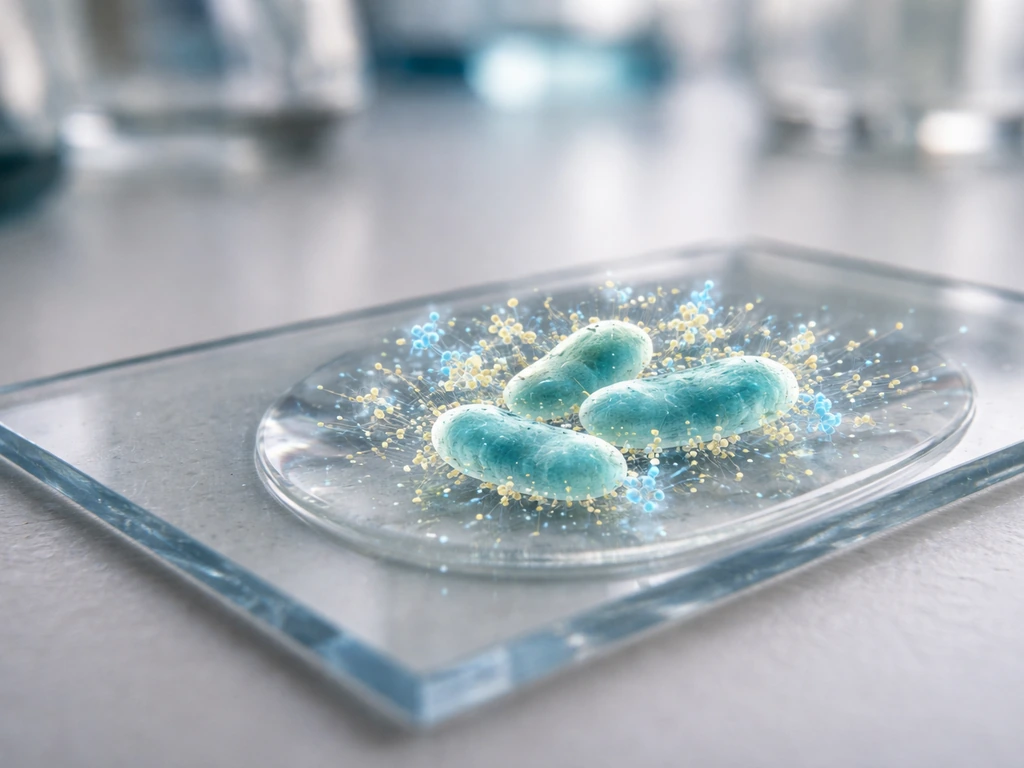
This is where things get practically interesting for anyone thinking about exposure. Bird oral fluids contain defense proteins, enzymes with antimicrobial properties, and in some species significant digestive enzyme activity. Lysozyme, an enzyme that punches holes in bacterial cell walls, has been detected and quantified in the blood and biological fluids of chickens, American kestrels, cockatiels, zebra finches, and several free-living passerines. It's reasonable to expect it in oral secretions too, given its well-established role at mucosal surfaces.
Beyond lysozyme, birds produce a broader antimicrobial arsenal that includes beta-defensins, cathelicidins, and transferrin, proteins that are active against bacteria, fungi, viruses, and protozoans. These are part of the innate immune system operating at mucosal surfaces. In practical terms, fresh bird saliva has some built-in antimicrobial activity, but that does not make it sterile, and it certainly doesn't neutralize all pathogens. Digestive enzymes like amylase, maltase, sucrase, and trehalase have been found in pigeon crop milk and oral-associated secretions, especially in birds feeding chicks, where pre-digesting food is part of the job.
How diet and behavior shift what's in the mix
A seed-eating house sparrow and a nectar-feeding sunbird are running very different oral-secretion programs. Nectar feeders have to manage extremely high water and sugar intakes and low electrolyte loads, which places unusual demands on osmoregulation all the way from the mouth to the kidney. Their oral secretions reflect this: the fluid handling is tuned to dilute, high-sugar inputs. Seed and grain eaters, by contrast, need more lubrication and less osmotic management, so their mucus output and enzyme profiles skew differently.
Reproductive behavior is another major driver. Pigeon crop milk, the regurgitated secretion fed to newly hatched chicks, changes measurably in enzyme composition across the brooding period, with shifts in enzyme activity between days 1, 4, and 7 of the brooding cycle. The microbiota in those oral/crop secretions also changes dynamically during this period. This matters as a reminder that even within one species, saliva composition is not a fixed recipe: it responds to what the bird is eating, what stage of its reproductive cycle it's in, and what it's asking its mouth to do.
Bird saliva vs. bird droppings: does the distinction matter for your health?
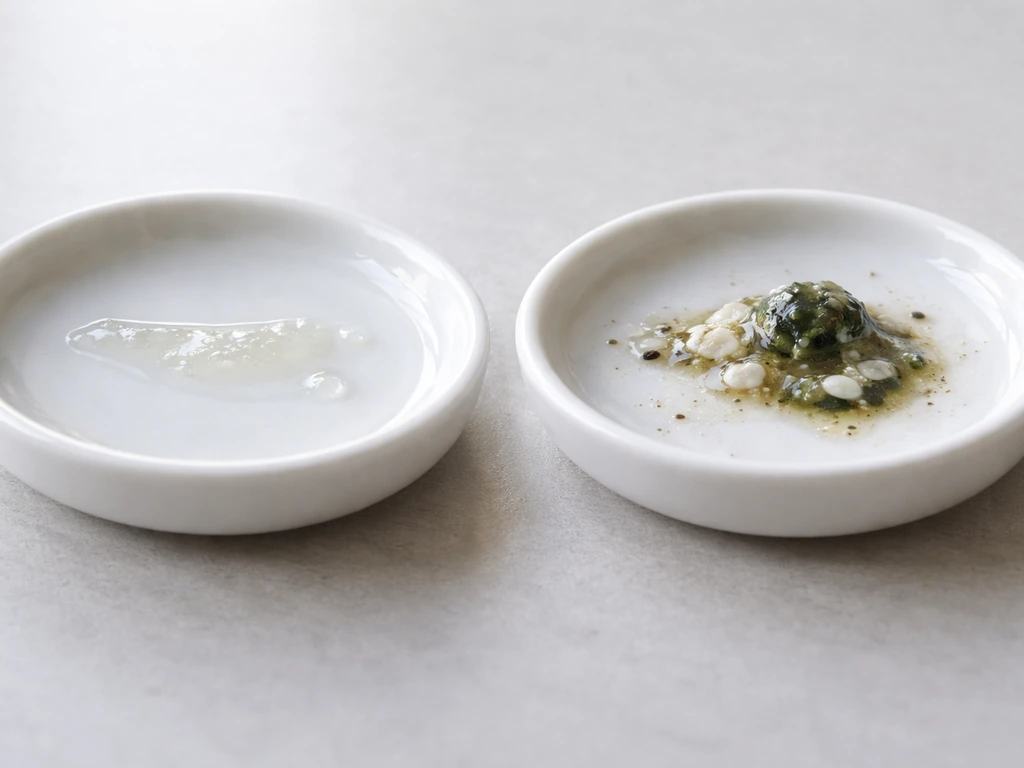
Honestly, for most practical health purposes, the line between "bird saliva on a surface" and "bird droppings splatter" is less important than whether the material is fresh or dried, and whether you're touching it or breathing near it. Public health guidance focuses on contaminated droppings, secretions, feathers, and dander as a combined hazard, not on isolating saliva specifically. CDC's psittacosis cleanup and health guidance highlights that infection risk depends on live pathogens in contaminated droppings, secretions, feathers, dander, and dust. The disease risk isn't from the biochemical composition of saliva per se; it's from whatever live pathogens happen to be present and how they get into your body.
| Factor | Bird Saliva (fresh) | Bird Droppings / Dried Splatter |
|---|---|---|
| Main components | Water, electrolytes, mucins, proteins, enzymes | Uric acid, fecal bacteria, undigested material, pathogens |
| Pathogen load | Low to moderate (oral microbes, possible shedding) | Can be high, especially in accumulations |
| Aerosolization risk | Low (wet material doesn't aerosolize easily) | High once dried: psittacosis, histoplasmosis, bird flu all spread this way |
| Contact risk (skin) | Very low for intact skin | Low for healthy intact skin; higher for cuts or mucous membrane contact |
| Respiratory risk | Minimal in small amounts | Real risk with dried, disturbed accumulations |
| Main diseases of concern | Avian influenza (rare, direct contact) | Psittacosis, histoplasmosis, avian influenza, West Nile (indirect) |
The key takeaway from the table: dried material that gets stirred into the air is the scenario public health agencies consistently flag. CDC guidance on psittacosis specifically describes infection happening by breathing in dried droppings or discharge. A Swedish case-control study (2014, 2016) found risk factors for psittacosis included cleaning a wild bird feeder and owning domestic birds, consistent with exposure via dried droppings and contamination becoming aerosolized [psittacosis infection risk from dried droppings](https://onlinelibrary. wiley.
com/doi/full/10. 1111/zph. 12492). Histoplasma spores live in soil enriched by droppings and become airborne when disturbed.
Even bird flu guidance from the CDC advises against stirring up dust, waste, and feathers during cleaning. Wet, fresh saliva on your car hood is a much lower threat than a pile of dried droppings you disturb with a leaf blower.
Real health risks from bird saliva contact: what to actually worry about
For the vast majority of people, incidental contact with bird saliva or fresh droppings on intact skin carries very low risk. That said, a few genuine concerns are worth knowing. If you're wondering what bird spit does for you, most of the practical takeaways are about exposure level and infection risk, which this section helps clarify.
- Psittacosis (Chlamydia psittaci): The most consistently flagged zoonosis from bird contact, including from wild bird feeders. It spreads through dried secretions and droppings, not from a quick touch. Symptoms resemble pneumonia. Risk is higher for people who clean bird cages, handle sick birds, or disturb dried accumulations.
- Avian influenza (H5N1 and related strains): Extremely rare in casual contact scenarios. OSHA and CDC both recommend hand hygiene after touching any surface contaminated with bird mucus, saliva, or feces in outbreak-adjacent situations. Current guidance (as of 2026) still emphasizes respiratory and eye protection for close, prolonged contact with infected birds or heavily contaminated environments.
- Histoplasmosis: Not from saliva directly, but from fungal spores in soil enriched by accumulated droppings. Relevant if you're cleaning out a shed, attic, or area with a long history of roosting birds.
- Enteric pathogens: Bird droppings can contain Salmonella, Campylobacter, and other gut bacteria. These require fecal-oral transmission to cause illness; touching droppings and then your mouth (or food) is the route, not skin contact alone.
- West Nile virus: Rare direct transmission risk from bird material; the main route is via mosquito. CDC still advises against mucous membrane contact with bird material during surveillance or cleanup work.
Your risk level scales with how much material you're exposed to, whether it's dried and dusty, and whether you have cuts, abraded skin, or are touching your face. A bird pecking at your hand or a single fresh dropping on your arm is not the same situation as scooping out a neglected birdcage with your bare hands. Most wild bird exposures for healthy adults fall well on the low end of that spectrum, which is worth keeping in mind rather than panic-spiraling after a pigeon lands on your shoulder.
Practical cleanup steps for people, pets, and cars
If it landed on you
- Don't rub it in. If it's fresh, let it sit for a second rather than smearing it across your skin.
- Wash the area with soap and water for at least 20 seconds. This is sufficient for casual contact on intact skin.
- Avoid touching your eyes, nose, or mouth before washing.
- If bird material got into your eyes or mouth, rinse thoroughly with clean water. For eye exposure, flush for several minutes.
- Seek medical advice if you develop respiratory symptoms, fever, or flu-like illness in the days after significant bird material exposure, especially if you cleaned up a large accumulation or handled a sick bird.
Cleaning bird droppings or saliva from surfaces (patios, windows, furniture)
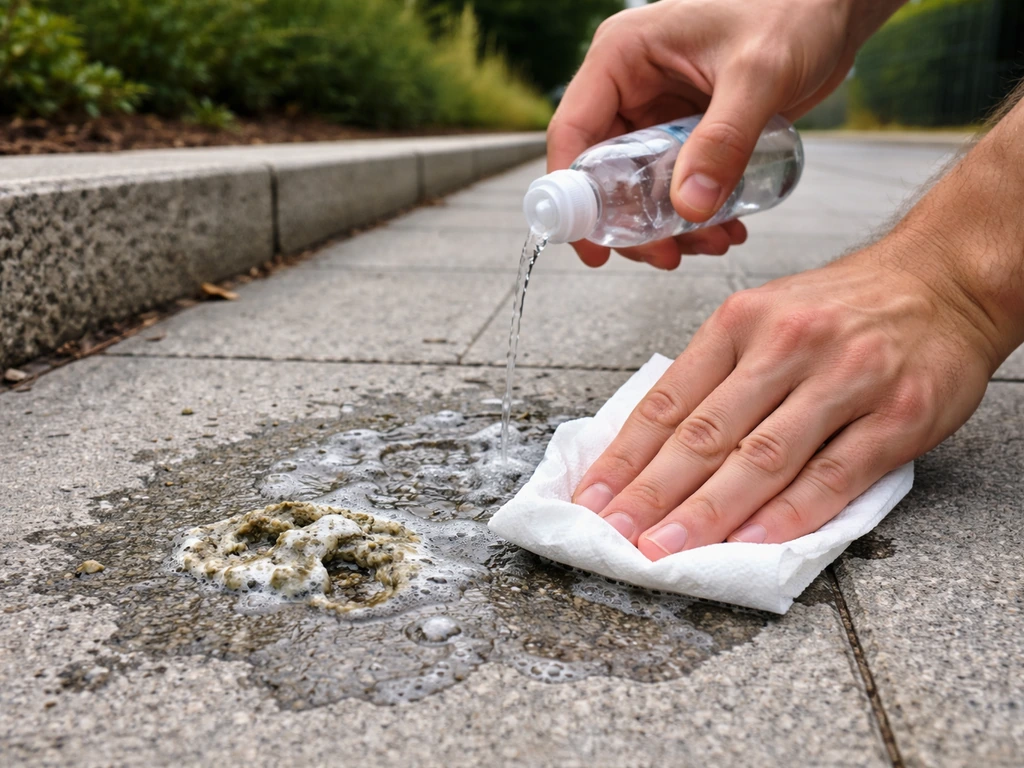
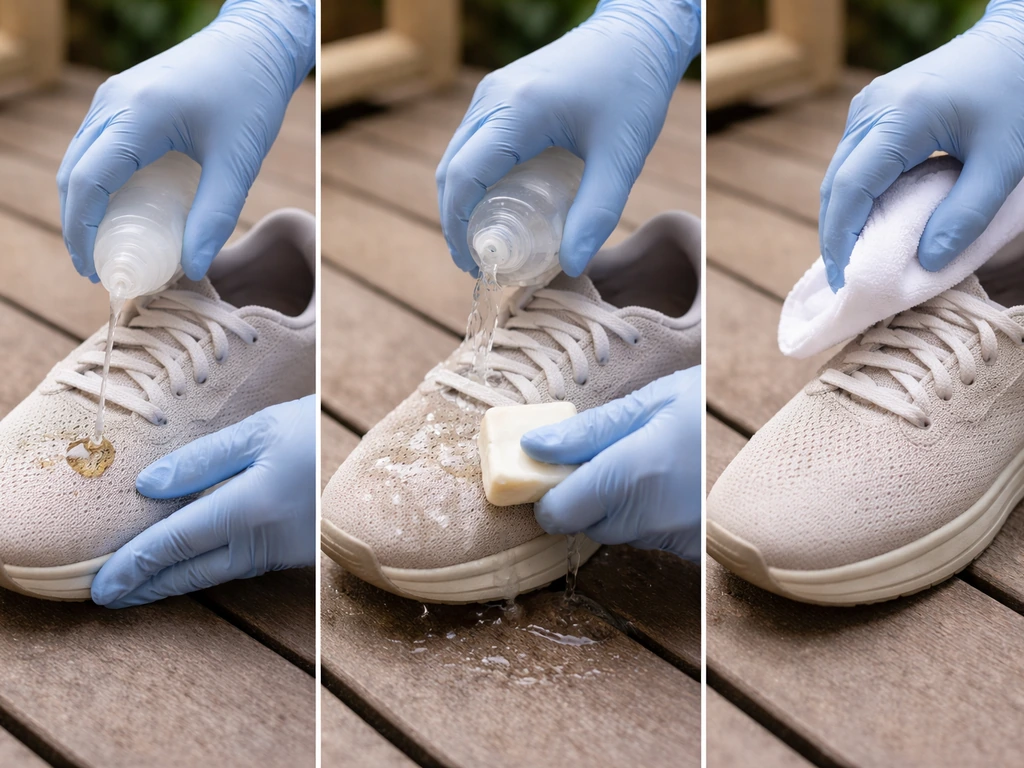
- Wet the material first before cleaning. This is the single most important step: dry material aerosolizes when disturbed. Spray with water or a diluted disinfectant solution and let it soak for a minute.
- Wear disposable gloves. A basic pair is fine for small amounts on hard surfaces.
- Wipe up with paper towels or a disposable cloth. Bag and discard.
- Disinfect the surface with an EPA-approved disinfectant. For bird flu concern specifically, the CDC recommends products with label claims against influenza A viruses.
- Wash your hands thoroughly after removing gloves.
- For large accumulations (attics, sheds, roosting sites), wear an N95 respirator at minimum, eye protection, and disposable gloves. The CDC and NIOSH both recommend this, and it's the right call for any situation where dried material is going to be disturbed.
Getting it off your car
Bird droppings and saliva are mildly acidic and can etch clear coat if left to dry in the sun. Wet the spot first (don't scrape dry), then use a clean microfiber cloth with warm water or a dedicated car detailing spray. Avoid abrasive scrubbing on painted surfaces. There's no meaningful infection risk from bird material on a car unless you're cleaning the inside of a heavily contaminated vehicle with your hands in your face the whole time. Standard car-wash soap followed by hand washing takes care of it.
If your pet was exposed
Dogs and cats that mouth or eat bird droppings or carcasses are the more realistic concern. Salmonella and Campylobacter from bird feces can cause GI illness in pets. If your dog just ate some droppings off the patio, monitor for vomiting, diarrhea, or lethargy over the next 24 to 48 hours and call your vet if symptoms develop. For cats that caught a bird, basic wound cleaning and a vet check are sensible, mainly for bacterial infection from the catch itself rather than saliva composition per se. Rinsing off their paws or fur with warm water after outdoor contact with obvious contamination is a low-effort precaution that costs nothing.
The bottom line on bird saliva composition
Bird saliva is mostly water, with electrolytes, glycoproteins, and defense proteins doing most of the biological work. The exact recipe varies by species, diet, and behavior: a swiftlet's saliva builds architectural structures, a pigeon's oral secretions change week by week during chick-rearing, and a nectar feeder's mouth fluid is tuned for managing sugar and water balance.
For anyone thinking about health risk, what matters more than the precise biochemistry is whether material is dry and airborne versus fresh and contained, and whether you're taking basic precautions like washing your hands and not scrubbing dried accumulations without a mask. The saliva itself isn't the villain; the pathogens that occasionally ride along in contaminated bird secretions and droppings are, and those are manageable with straightforward habits.
If you're curious about how bird saliva functions biologically (or whether it's really "saliva" at all), those are genuinely interesting questions with some surprising answers worth exploring further. People often search for the bird saliva meaning, but the key point is that the composition and function vary with the bird’s species, diet, and behavior.
FAQ
Is bird saliva mostly water or is it “sticky” in a special way chemically?
Mostly, yes. Even though it varies by species and activity, the dominant component is water, and the non-water fraction is made up of dissolved ions and proteins (including mucins and antimicrobial defenses). If you are thinking about allergy or irritation, the “irritant” factor is more about dried organic debris and immune reactions than the exact protein mix, which still differs too much across birds to rely on a single recipe.
Can I assume all bird “saliva” has the same ingredients across species?
Not reliably. Birds do not have one universal salivary formula, and what you see as “saliva” can include gland secretions plus, in some contexts, regurgitated crop contents. For practical safety, it is safer to treat any fresh bird oral material and droppings as potentially contaminated, especially before it is cleaned up.
What should I do immediately if bird saliva gets on my skin or face?
Handle it like other potential contamination: avoid breathing dust created by cleaning, wear gloves if you will touch heavily soiled areas, and wash hands after. If it gets on your face or into your eyes, rinse promptly with clean water, then wash any skin that was touched with soap and water. The article’s main risk driver is pathogen presence plus the “dry and airborne” route, not the biochemistry itself.
Is dried bird spit or dried droppings more risky than fresh bird saliva?
Drying matters a lot. Fresh, wet material on intact skin tends to be lower risk than dried waste that gets disturbed and aerosolizes dust. If you must clean dried droppings from a surface, moisten first (so you do not create airborne particles), then wipe and disinfect as appropriate for the surface.
Does exposure risk change if it happens in an indoor space versus outdoors?
Yes, risk depends on where it lands and what you do next. Inside cars and bird cages, the hazard increases when material accumulates and you stir it up during vacuuming or sweeping, especially in enclosed spaces. For exteriors, a single spot you clean promptly is usually a much lower exposure than repeated, neglected buildup.
Does the antimicrobial nature of bird oral secretions mean it is safe to touch?
Immune activity in oral secretions does not mean sterilization. Bird fluids can contain antimicrobial proteins, but they do not guarantee the absence of pathogens, and they can be overwhelmed or reduced once material dries. So you should still clean and protect yourself rather than assuming the “antimicrobial” content makes it harmless.
What are the practical health steps if my dog or cat eats or mouths bird droppings?
If your pet mouths or eats bird droppings, monitor for GI symptoms (vomiting, diarrhea, reduced appetite, lethargy) over the next 24 to 48 hours, and contact your vet if symptoms appear or the amount was large. For cats that had a bird encounter, basic wound care and a vet check are more important than worrying about “saliva composition,” because injury and bacteria from the wound are often the main concern.
How should I clean bird material from car paint without damaging the surface?
For disinfecting, focus on removing organic material first, then using a disinfectant suitable for the surface. If you only spray without cleaning, you may leave residues that can still be disturbed later. Also avoid abrasive scraping on clear coat, as the article notes, because it increases residue spread.
Are people with weakened immune systems at higher risk from bird saliva or droppings?
Not as a general rule. If you are immunocompromised, have significant skin breaks, or have frequent occupational exposure (for example, bird handling or heavy cleanup), it is reasonable to be extra cautious, including gloves and a properly fitted respiratory mask during cleanup of dried material. For most healthy adults with incidental contact, the risk is typically low.
What are the best habits to prevent infections when you have repeated bird exposure?
If you get repeated exposures, you can reduce risk with a few habits: clean up promptly, do not shake feathers or dried droppings, avoid leaf blower or dry sweeping, and use wet methods plus ventilation indoors. Keeping your face away during cleanup and performing hand hygiene right after reduces the most common “touch and transfer” pathway.