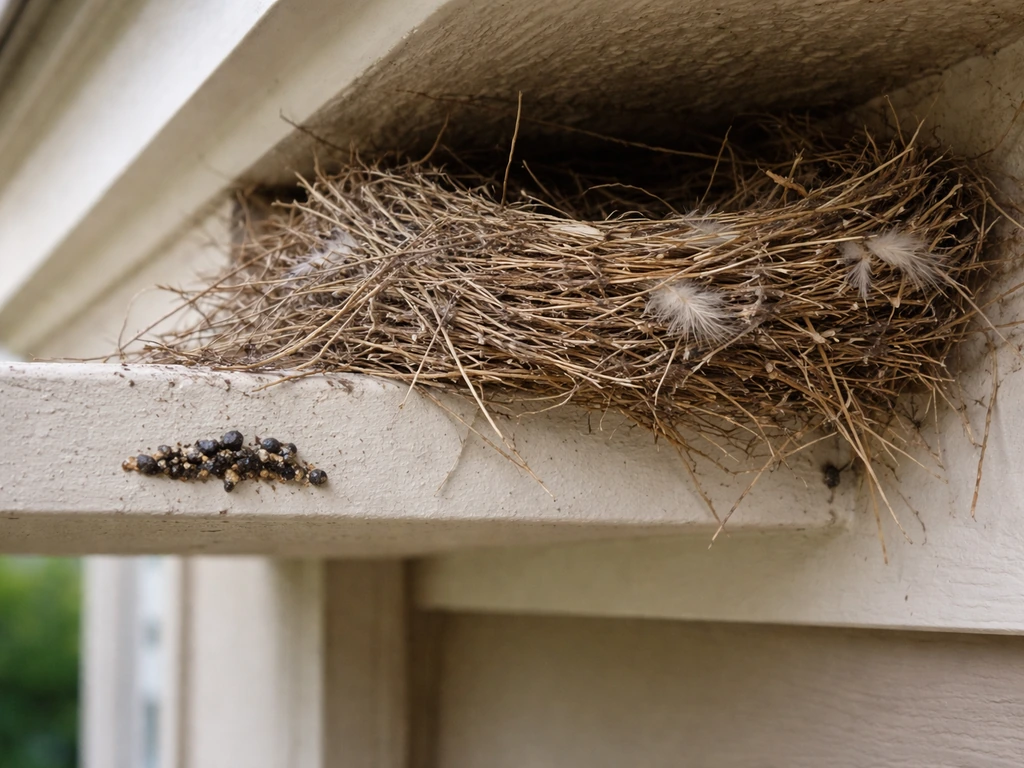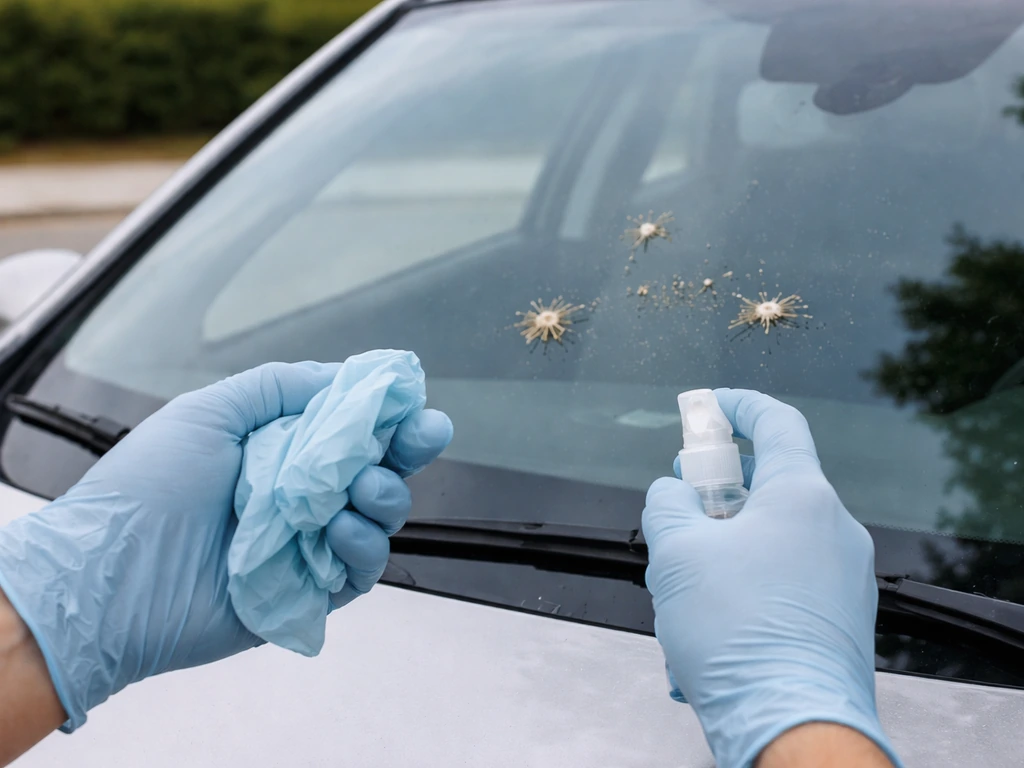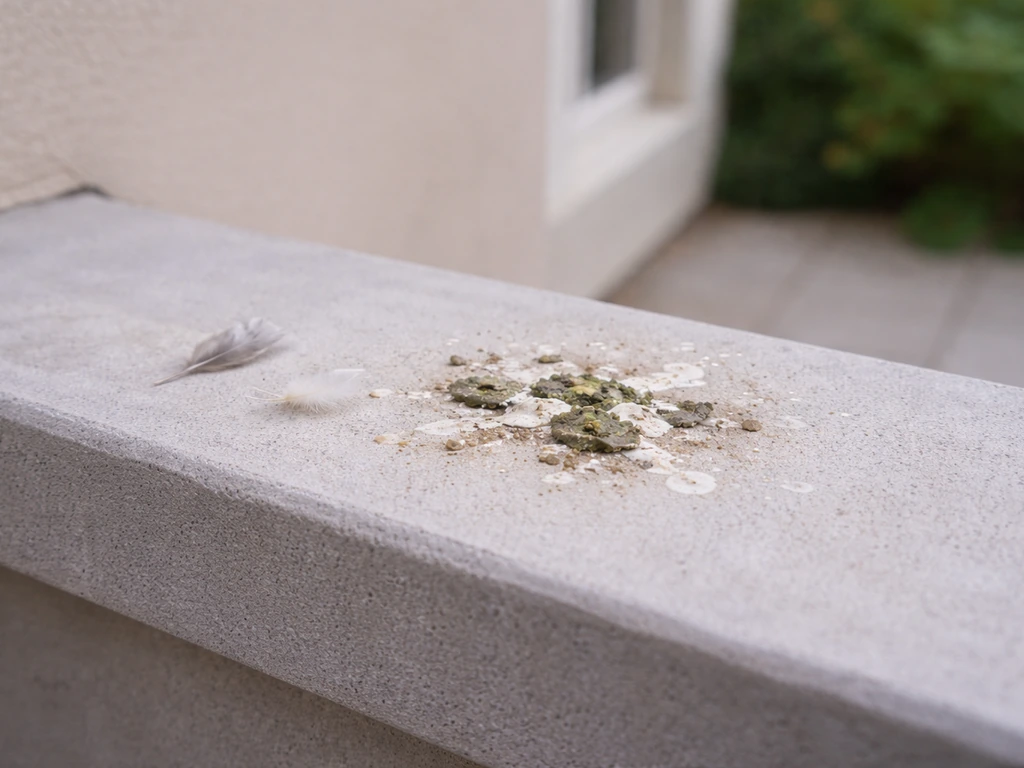
When most people search "bird saliva meaning," they are usually staring at a wet smear on their car, windowsill, or patio and trying to figure out what it actually is, whether it came from a bird's mouth or somewhere else, and whether they need to worry. Here is the direct answer: true bird saliva is minimal and rarely what you are looking at. What you are most likely seeing is either a fresh dropping (which has a wet component from the cloaca), a regurgitated food smear from a feeding or nesting bird, or in some cases a substance called crop milk if pigeons or doves are nesting nearby. None of these are dangerous in the same way, and none require panic, but they do each have a slightly different cleanup approach and health profile.
Bird Saliva Meaning: What It Is, What It Isn’t, Risks

Marcus Fielding
3 Jun 2026
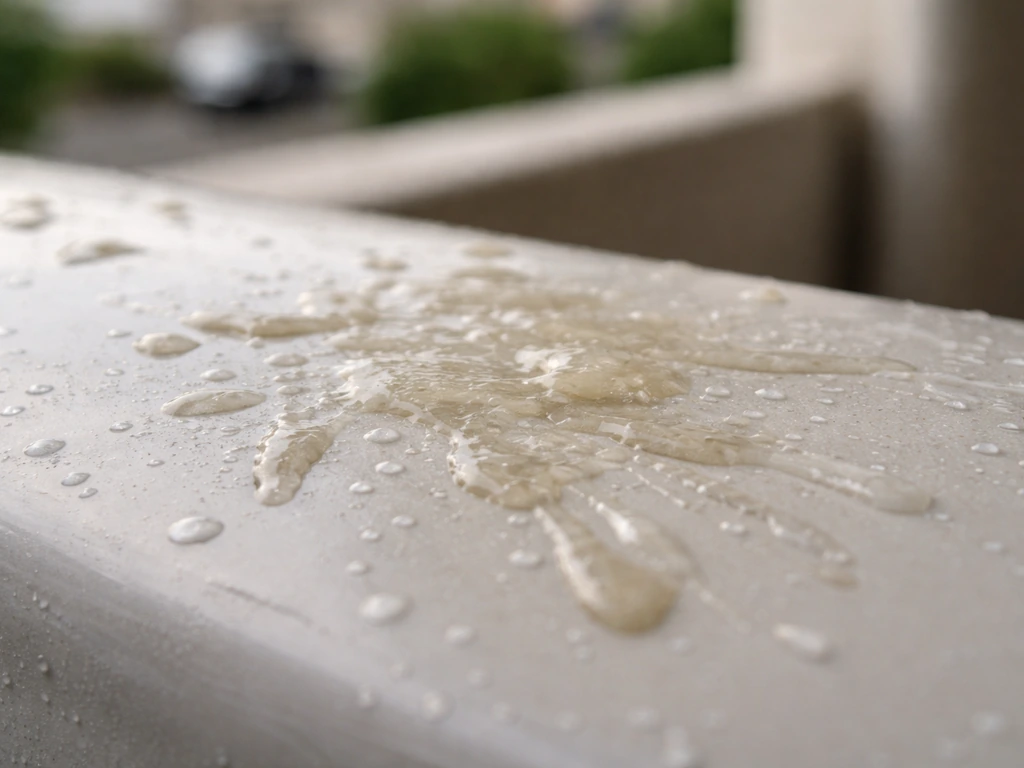
What "bird saliva" usually means in real life
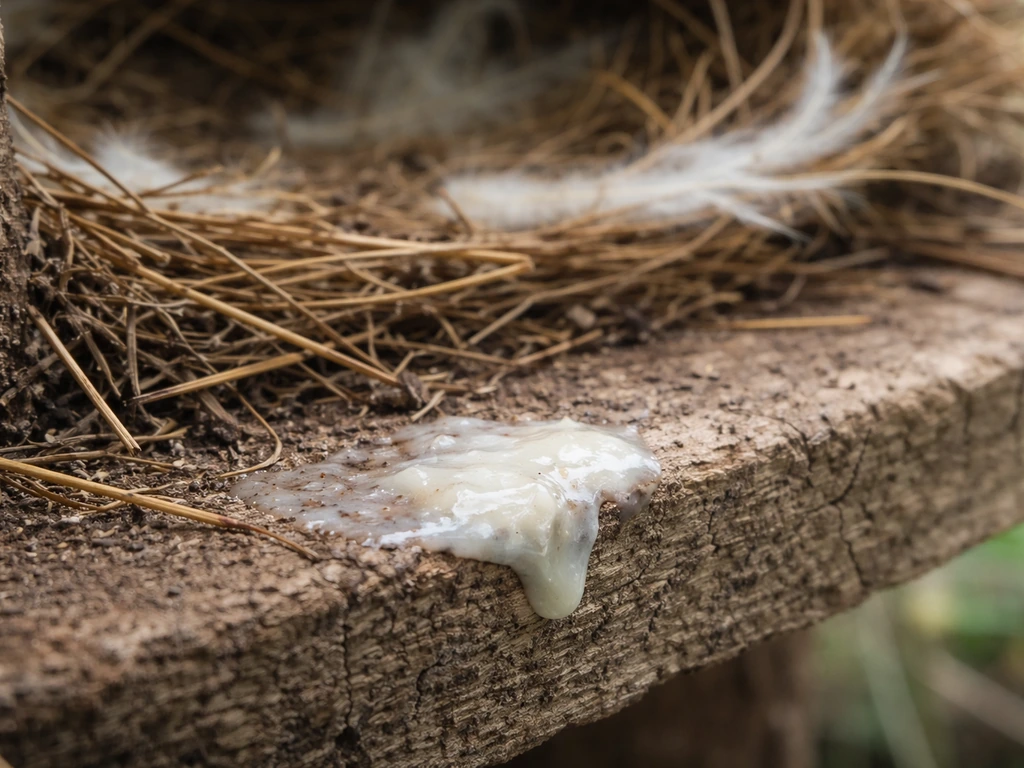
Birds do produce some oral moisture to help move food down their throats, but they have very limited salivary glands compared to mammals. What people commonly label as "bird saliva" on a surface is almost never pure saliva. Instead, it tends to be one of three things. The first is crop milk, a thick, pale, nutrient-rich secretion produced in the crop (a pouch near the throat) by pigeons, doves, and a handful of other species. Parent birds feed it to chicks by letting the chick poke its bill down their throat, which means blank" rel="noopener noreferrer">wet, milky smears near a nest are often crop milk. The second is regurgitated food, a wet, mushy smear of partially digested seed or insect matter that a parent bird brings up to feed young. The third is simply fresh droppings, which have a liquid component that makes them look "spit-like" when they first land. If you see a wet, milk-like smear near a nest, it’s often crop milk rather than actual saliva. The composition of what birds actually produce in their mouths and crops is a topic worth knowing a bit about, and crop milk in particular is surprisingly complex, containing immune factors similar to those in mammalian colostrum.
If you have ever seen a wet, white or cream-colored smear near a nest box or a ledge where pigeons roost, crop milk is a very plausible culprit. It looks almost nothing like a typical dropping and can genuinely confuse people into thinking a bird "drooled" on something. That misidentification is exactly why this search term exists.
Bird saliva vs bird droppings: how to tell the difference
The easiest way to distinguish what you are looking at is to pay attention to appearance, location, and context. Bird droppings have a characteristic structure: a dark central mass (the fecal portion) surrounded by or mixed with a white or pale chalky paste. That white component is uric acid, the way birds excrete nitrogenous waste instead of liquid urine. When fresh, droppings are wet and can splash or smear. When dry, they leave a crusty white ring. Regurgitated food smears look more uniform, often brown or greenish, and you will typically find them directly beneath a perch or nest site. Crop milk residue is pale, almost milky, and tends to appear in small dollops rather than the splash pattern of a falling dropping.
| Residue type | Appearance | Typical location | Key indicator |
|---|---|---|---|
| Bird droppings | Dark center, white/chalky ring or paste | Anywhere under a perch or flight path | White uric acid component; splatter pattern |
| Regurgitated food | Brown, greenish, or seedy smear | Directly below nest or feeding perch | Visible seed fragments or insect parts |
| Crop milk residue | Pale, cream-colored, milky dollop | Near nest entrance or on nest rim | Thick, uniform, no dark center |
| True saliva trace | Nearly invisible moisture | Rarely visible on surfaces | No visible residue; extremely rare scenario |
Context matters a lot here. If you are finding residue on a car parked under a tree or powerline, it is almost certainly droppings. If you are finding pale wet smears inside or around a nest box in spring or early summer, crop milk or regurgitated food is much more likely. True saliva alone almost never shows up as a visible stain.
Why birds produce saliva and what it tells you about their behavior
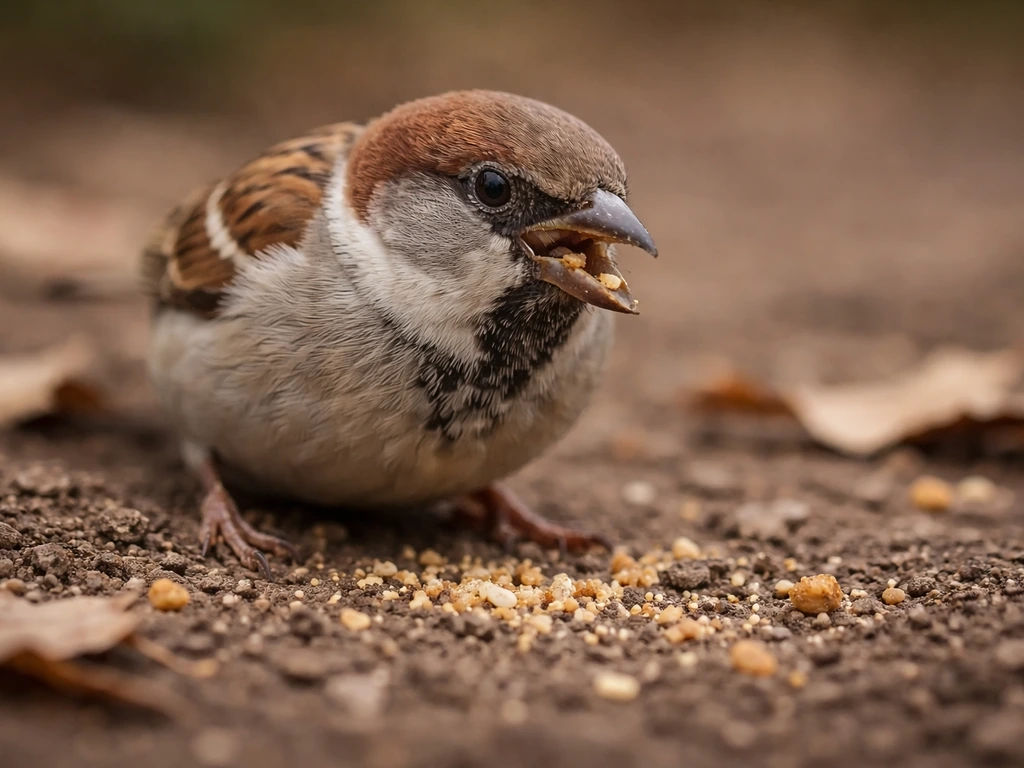
From a biological standpoint, bird saliva does a few important jobs. It lubricates food so it can travel down a relatively straight, narrow esophagus. Bird saliva is often something birds produce to help feed chicks, such as crop milk. Some swift species use saliva to glue together nest material, which is actually the basis of the famous bird's nest soup, where the entire nest is made of hardened salivary secretions. For most backyard birds though, saliva is just a practical digestive aid, nothing dramatic.
What is more behaviorally interesting is crop activity. When you see a pigeon or dove producing crop milk and feeding a chick, the adult's crop swells noticeably. The feeding window is short: chicks receive almost pure crop milk for the first four to seven days, then the diet transitions to mostly regurgitated seeds over the following week or two. If you are watching this behavior and notice wet smears on the nest structure or nearby surfaces, that is a sign you are looking at an active nest with young chicks in the earliest stage. Swifts, flamingos, and Emperor penguins also produce crop secretions to feed young, so this is not just a pigeon thing.
From a practical identification standpoint, fresh wet residue near a nest in late spring almost always signals active chick-rearing. That is useful to know because it tells you whether the nest is occupied (and therefore whether you should wait before doing any cleaning or removal).
The cultural and superstition angle: what people believe it "means"
A surprising number of people searching "bird saliva meaning" are actually wondering whether getting hit by something from a bird carries a spiritual or symbolic meaning. This is not silly. In Mediterranean folklore and across a wide range of folk traditions, bird droppings landing on a person or their belongings are considered a sign of good luck or incoming financial fortune. The belief shows up in digital folklore archives and is documented widely enough that it is clearly a real cultural phenomenon, even if the mechanism is, shall we say, unverified.
Some traditions extend this to any residue from a bird, including what people interpret as spit or saliva. The general framing is that birds are seen as messengers or omens in many symbolic systems, and contact with a bird (even indirect, messy contact) is interpreted as a sign worth noticing. Regionally, some traditions assign different meanings depending on which part of your body or belongings was hit, or which species of bird was responsible. None of this has evidence behind it as a predictive system, but it is a genuine part of how people relate to birds culturally, and there is nothing wrong with finding it meaningful on a personal level.
The more practical takeaway is: if the "meaning" you are looking for is about luck or omens, enjoy the tradition. If the meaning you are looking for is health and safety related, read on.
Realistic health risks from bird saliva and avian residue
The honest risk picture here is that fresh, wet bird residue (whether saliva, crop secretion, or droppings) poses very low immediate risk to healthy adults. The bigger risks come from dried residue that gets disturbed and becomes airborne dust, because that is how the two most commonly associated diseases, histoplasmosis and psittacosis, actually get transmitted.
Histoplasmosis is a fungal lung infection caused by inhaling spores of Histoplasma, a fungus that grows in soil enriched by bird and bat droppings. The CDC and the National Park Service both point out that the real risk factor is disturbing large accumulations of dried droppings, not a single fresh splatter. Psittacosis, a bacterial infection caused by Chlamydia psittaci, is transmitted the same way: by inhaling dust from dried droppings or respiratory secretions of infected birds, particularly parrots and other psittacine birds, though it can come from other species too.
Waterfowl droppings can also carry bacteria like Salmonella, Campylobacter, E. coli, and Cryptosporidium, which matter more if you are dealing with birds near water features, pools, or places where kids play. Bird flu (avian influenza) is another reason the CDC recommends avoiding unprotected contact with bird secretions and waste during active outbreak situations, though everyday backyard exposure is a very different risk level from occupational farm exposure.
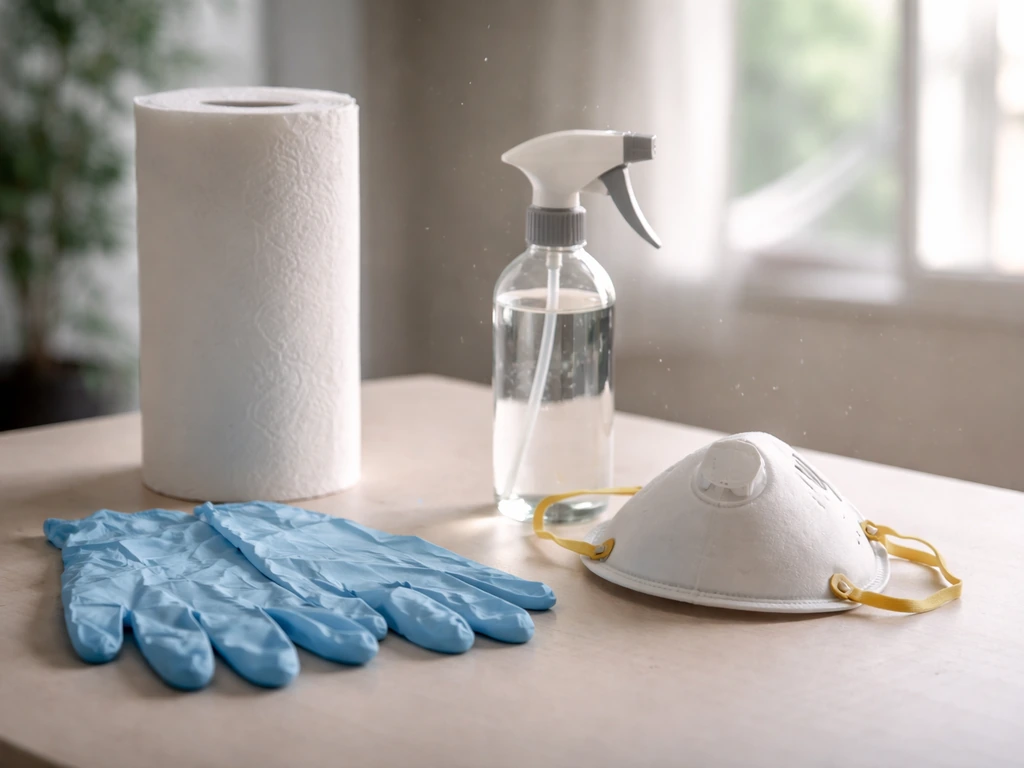
Bottom line on risk: a single exposure to a fresh splatter from a healthy bird, cleaned up promptly with gloves and a disinfectant, is not cause for medical concern in most healthy adults. The concern scales up if you are immunocompromised, if you are cleaning up a large accumulation of dried material, or if you handle birds regularly in an occupational setting. In those cases, PPE (including a properly fitted respirator) is genuinely warranted.
When to actually seek medical advice
- You develop flu-like symptoms (fever, cough, fatigue) within two weeks of cleaning up a large accumulation of dried droppings
- You are immunocompromised and had direct, unprotected contact with bird residue or secretions
- You work in poultry, bird rescue, or wildlife contexts and had significant, repeated exposure
- You have a known pet bird showing signs of illness and you have been in close contact with its secretions
Safe cleanup steps for homes, cars, and outdoor areas
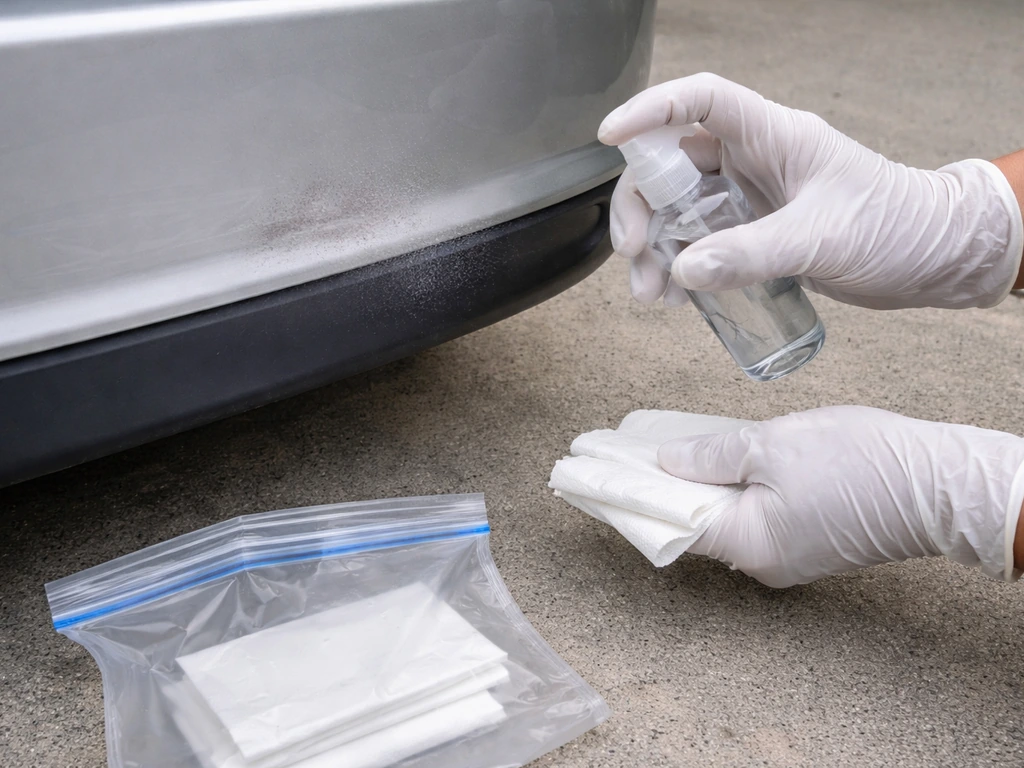
The core principle for safe cleanup is: never dry-scrub or sweep bird residue. Scraping dried droppings without wetting them first sends particles airborne, which is exactly how you turn a low-risk mess into a breathing hazard. Wet the material first, let the disinfectant dwell, then wipe and dispose.
- Put on disposable gloves before you touch anything. If you are cleaning a large or old accumulation indoors, add an N95 respirator and eye protection.
- Spray the residue thoroughly with a diluted bleach solution (roughly 1 part bleach to 10 parts water) or an EPA-registered disinfectant. The material should be visibly wet.
- Let the disinfectant sit for at least the contact time listed on the product label. For bleach, a five-minute dwell is a reasonable minimum.
- Wipe up with paper towels rather than a reusable cloth. Seal the paper towels in a plastic bag before throwing them away.
- For car paint, skip bleach entirely and use a dedicated car-safe enzymatic cleaner or diluted dish soap to avoid damaging the clear coat. Rinse thoroughly with water.
- For outdoor concrete or pavers, a pressure washer works well after the initial disinfectant soak, but keep bystanders away from the spray zone.
- Wash your hands with soap and water for at least 20 seconds after removing gloves, even if the gloves seemed intact.
- Avoid touching your face during the entire process.
For crop milk or regurgitated food smears near a nest, the same steps apply, but consider timing. If the nest is active and chicks are still present, you may want to wait until the chicks fledge before doing a thorough cleanup, both for the birds' benefit and because the parent birds will just re-soil the area anyway while they are still actively feeding.
A note on large accumulations
If you are dealing with years of accumulated droppings in an attic, crawl space, barn, or under a large roost, this is genuinely a different situation from a few spots on your car. The CDC and NIOSH are explicit that large-scale removal should involve wetting the material with a surfactant-mixed water solution to suppress dust, proper PPE including a half-face respirator with P100 filters, and careful bagging and disposal. If the accumulation is very extensive, hiring a professional remediation service is a reasonable choice, not an overreaction.
How to stop birds from coming back
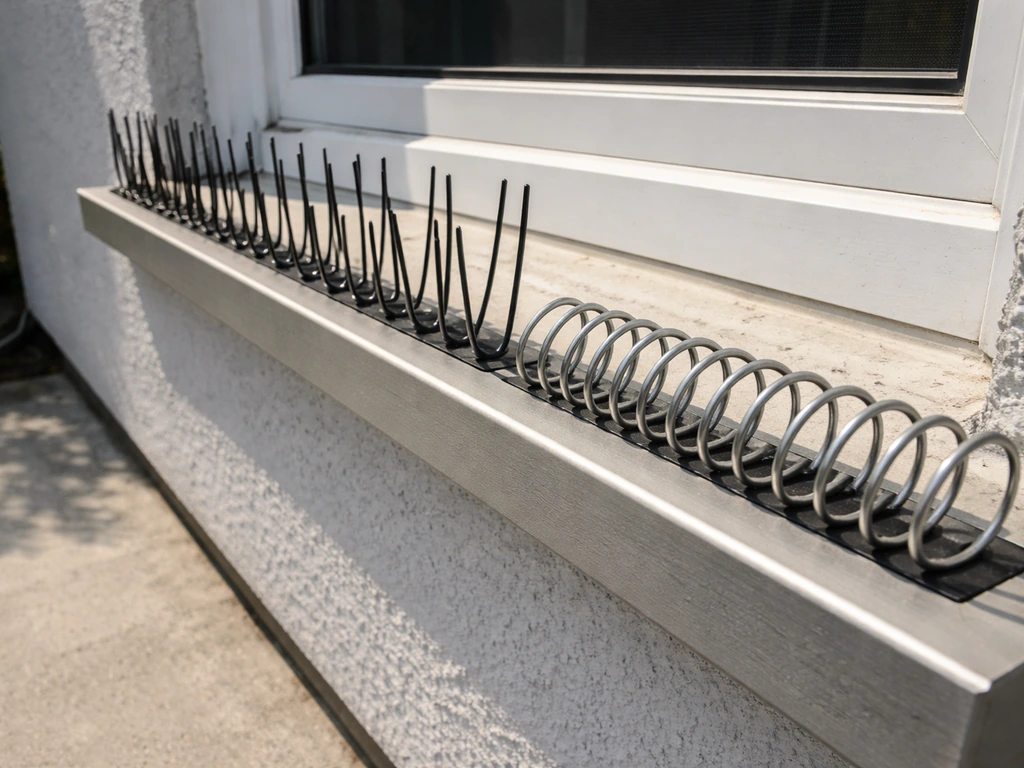
Prevention is much easier than repeated cleanup cycles. The strategies that actually work focus on making a spot physically unwelcoming, removing attractants, or both.
- Bird spikes or coil deterrents on ledges, windowsills, and fence rails remove flat landing surfaces without harming the birds
- Bird netting over balconies, eaves, or garden beds creates a physical barrier that is effective for persistent nesters
- Reflective tape, old CDs, or purpose-made holographic deterrent tape hung near problem areas disrupts comfortable perching with moving light
- Removing food sources matters more than most people realize: uncovered pet food bowls, open compost bins, and accessible garbage are all attractants
- For cars specifically, a car cover is the most reliable protection if you park under a favorite perch or roost tree
- Ultrasonic bird deterrent devices get mixed reviews; they can help in enclosed spaces like garages but tend to be ineffective outdoors where sound disperses quickly
- If nesting is the issue, block access to nesting spots (gaps in eaves, open vents) before nesting season begins in late winter or early spring, since birds are far harder to deter once a nest is established and eggs are present
The most important thing to know about prevention is that timing matters. Once a bird has established a nesting site or a favored roost, they will return to it year after year. Intervening before the season starts, or immediately after a nest is vacated, is dramatically more effective than trying to move a bird mid-season. Combine a physical deterrent with a thorough cleanup of the old residue, since the scent of old droppings can actually attract birds back to a site they used before.
FAQ
If it is bird saliva meaning, do I need to worry about infection after one fresh hit?
Use it like a risk checklist: if the spot is fresh and wet and you can identify it as a single event (a smear on glass, a small nest-area splash), it is usually low concern for healthy adults. If it is dry, widespread, or in an attic, crawl space, or long-roost area, treat it as a dust hazard and wear respiratory protection, because the airborne risk comes from disturbing dried material.
How can I tell bird saliva meaning is actually droppings, crop milk, or regurgitated food?
Not always. Crop milk and regurgitated food can be pale, milky, or messy, and they are often near active nests in spring and early summer. A simple clue is pattern: droppings usually show a dark center with a chalky white ring, while crop milk tends to look like small dollops or smears that look almost milky, often right where chicks are fed.
What should I do if the “saliva” stain is near an active nest box?
Yes, and the safest approach depends on timing. For an active nest with chicks present, it is often best to postpone thorough cleanup until the nest is vacated or chicks fledge. You can do a careful, limited wipe of the immediate mess if needed, but avoid disturbing the nest area because the parents will keep resoiling it while feeding.
What is the correct cleanup method if I’m not sure what the bird residue is?
Do not dry-scrub, sweep, or hit it with compressed air, because that can aerosolize dried particles. Instead, mist the area until damp, apply an appropriate disinfectant, let it dwell for the manufacturer’s stated time, then wipe and bag waste. For sensitive surfaces, test a small hidden spot first to avoid damage.
How do I prevent birds from re-using the same spot after cleanup?
Wiping immediately is fine, but long-term control is about preventing the next return. Remove attractants (food sources, standing water, easy nesting gaps), then use a deterrent that matches the site (for example, exclusion screens on eaves, wire or spikes on ledges). After the season, deep-clean residue to reduce scent-based return.
When does this go from a small mess to a job I should hand off to professionals?
Large accumulations in enclosed spaces (attics, barns, crawl spaces) are the bigger concern, even if you only “see some” residue. If you are dealing with a layer thicker than a dusting, extensive roosting, or lots of dried material, use wetting plus proper PPE and consider professional remediation, because the job becomes dust-control rather than simple stain removal.
What symptoms should make me seek medical advice after contact with bird residue?
If you have symptoms like trouble breathing, fever that starts after heavy exposure, or unusual respiratory illness after cleaning extensive dried droppings, contact a clinician and mention bird waste exposure and your cleanup activity. For most healthy people after a single fresh smear cleaned promptly, medical attention is usually not necessary.
What PPE should I use for small spots versus large dried accumulations?
Use disposable gloves and either paper towels or rags you can discard or launder hot. Avoid touching your face while cleaning. If you will be dealing with dried material or disturbing a roost area, add eye protection and a properly fitted respirator with P100 filters, because dust exposure is the key issue.
Can droppings look like a saliva smear even when it is not from the mouth?
Yes, and it is often the same root cause. Wind and rain can spread wet droppings into a thin smear that looks like saliva on cars or siding. Another edge case is “fresh splash” landing on a surface that makes it look glossy and localized, even though it originated from droppings or regurgitated food.
Does bird saliva meaning for luck or omens change how I should handle cleaning and safety?
People can interpret contact symbolically, but there is no reliable way for symbolism to indicate health risk. If your goal is safety, focus on whether it is fresh versus dried and whether you will disturb it. If it is purely personal meaning, that part is fine to enjoy, but it should not change your cleanup precautions.