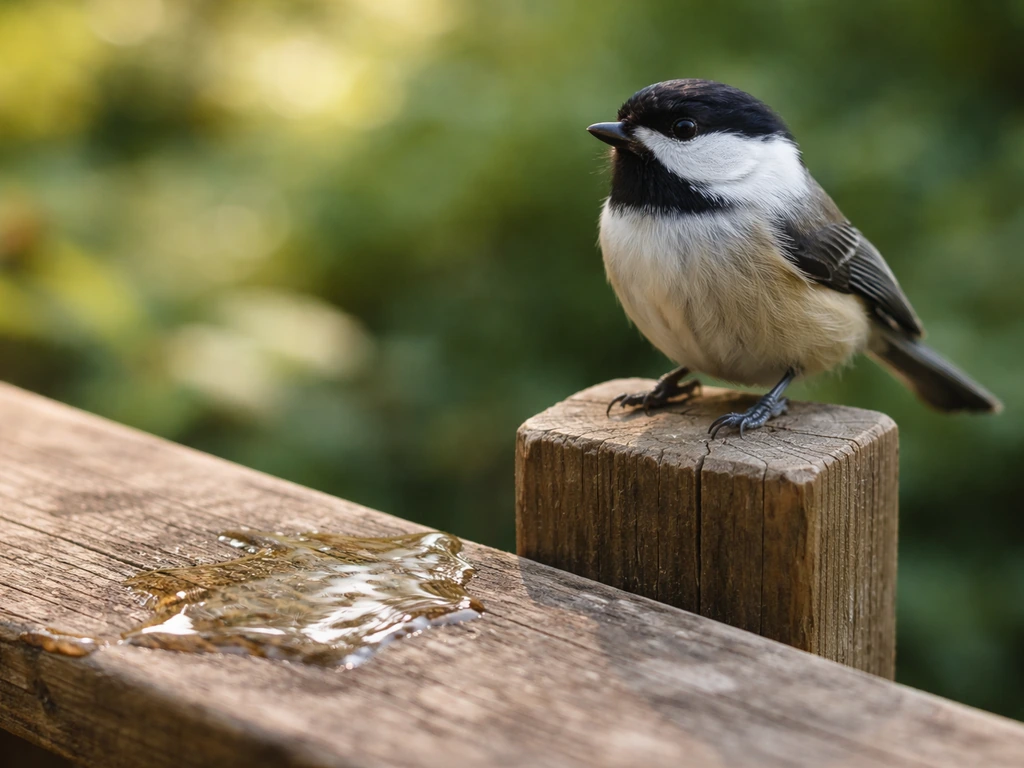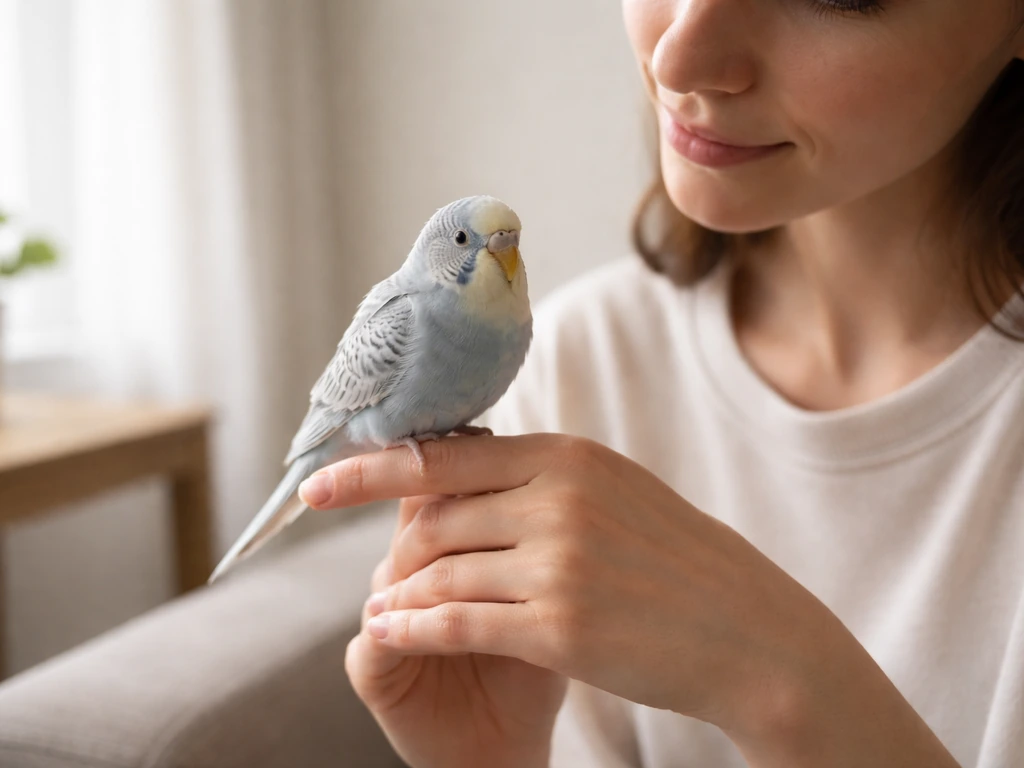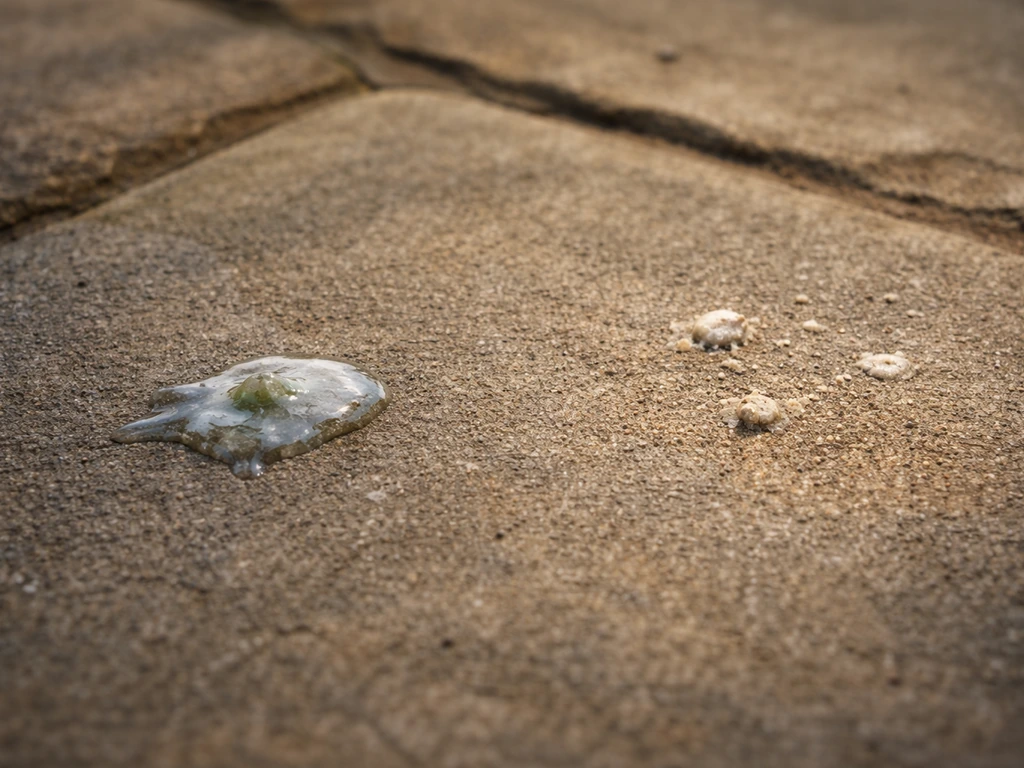
Bird dust is the fine, airborne residue that gets released when dried bird droppings are disturbed. It is a mix of powdered feces, uric acid crystals (the white chalky part), dried feather fragments, skin cells, and whatever microorganisms happened to be living in the original droppings. When you sweep, scrub, or even walk through an area where birds have been roosting, you kick that material into the air and breathe it in. That is when it stops being a mess and starts being a health concern.
What Is Bird Dust and How to Clean It Safely

Marcus Fielding
11 May 2026
What bird dust is actually made of
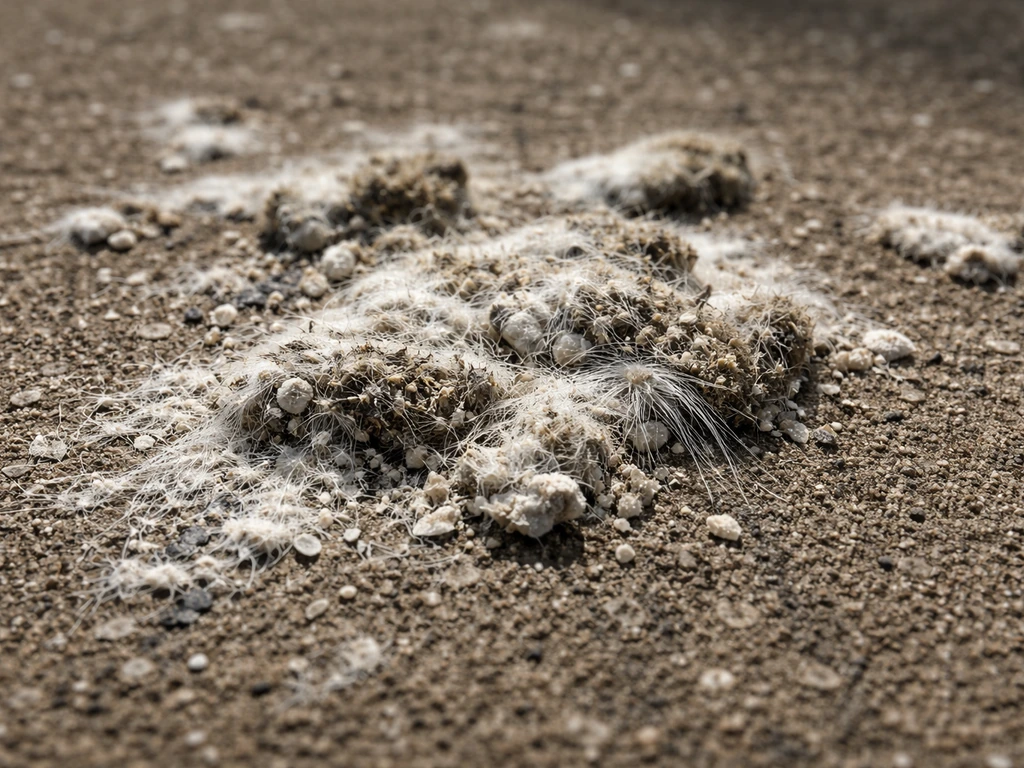
Fresh bird droppings are roughly 75 percent water, so they look pretty harmless once they dry out. But drying is exactly what makes them dangerous. As moisture evaporates, what is left behind is a concentrated residue of fecal solids, urates (the white or cream-colored paste birds produce instead of liquid urine), shed feather barbules, dried skin oils, and anything the bird ingested. In roosting areas, that residue builds up in layers over time, creating a nutrient-rich substrate where fungi like Histoplasma capsulatum and Cryptococcus neoformans can colonize and multiply. Bacteria like Chlamydia psittaci (the cause of psittacosis) can also survive in dried material. Once any of this dries completely, the slightest disturbance pulverizes it into particles small enough to stay suspended in air and reach your lungs.
The feather component adds another layer. Proteins found in feather dust and dried droppings can trigger an immune response called hypersensitivity pneumonitis, sometimes called bird fancier's lung. This is a separate risk from infectious disease: it is your immune system overreacting to avian proteins, and it can happen with repeated low-level exposure over time, not just in a single heavy-exposure event. Bird saliva can also be an allergen, and it may trigger similar immune reactions in sensitive people bird fancier's lung.
Where bird dust shows up around your home
The obvious spots are wherever birds roost or nest regularly. Think flat rooftops, gutters, patio covers, balcony railings, and the undersides of eaves. Cars parked under trees or near power lines are a constant target, and once droppings dry on paint, the residue flakes off in wind. Indoors, birds entering through open vents, gaps in attic soffits, or uncapped chimneys can deposit droppings near HVAC intakes, which is a particularly bad scenario because air handling equipment can distribute the dried particles throughout the building. Even a single season of swallow nests under a porch eave leaves a concentrated patch of dried material that can release dust during cleanup if you approach it the wrong way.
- Roofs and gutters: accumulation from persistent roosting, especially pigeons and starlings
- Patios and balconies: direct deposits on furniture, concrete, and wood decking
- Cars: droppings dry quickly on paint and glass, flaking during washing if not wetted first
- Attics and eaves: nesting birds leave concentrated debris near structural gaps
- Vents and HVAC intakes: dust can be pulled into air systems and redistributed indoors
- Soil under long-term roosts: fungal spores can establish in enriched soil after two or more years of accumulation
Health risks and when to take them seriously
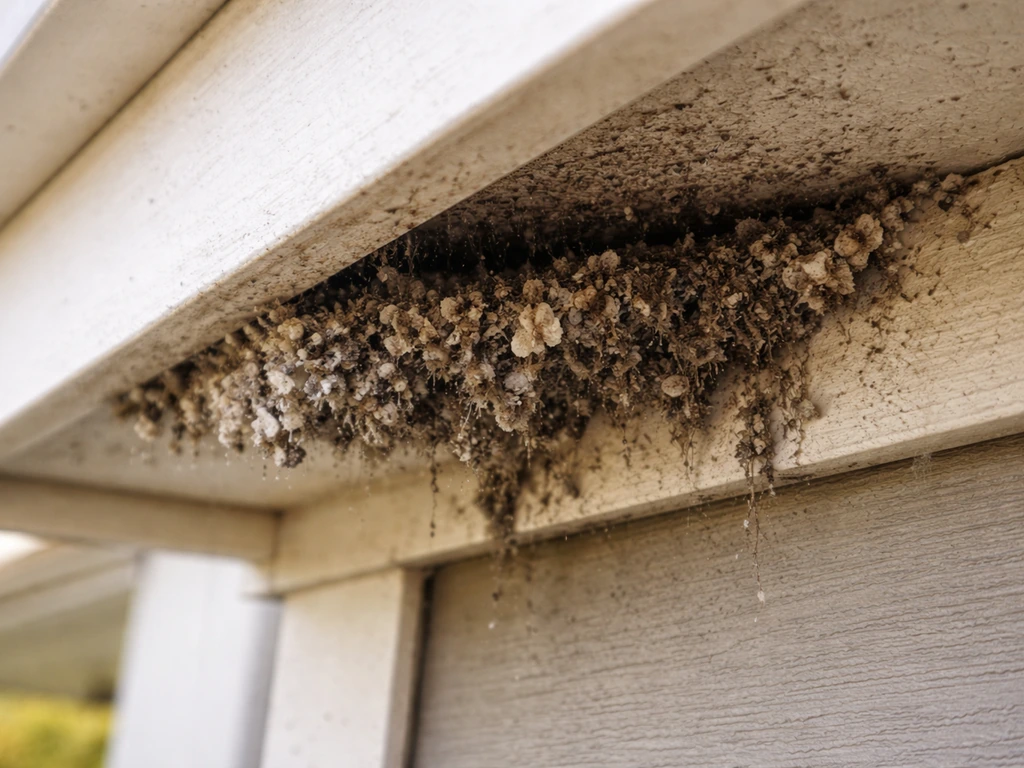
For a single fresh dropping on your shoulder, the risk is low. Wash it off, move on. The real danger is in dried, accumulated material, especially in enclosed or poorly ventilated spaces. The three main disease concerns are histoplasmosis (fungal, from spores in soil contaminated by droppings), cryptococcosis (another fungal infection strongly linked to pigeon droppings), and psittacosis (bacterial, from Chlamydia psittaci in parrot-family and other bird droppings). All three are transmitted by inhaling airborne particles, not through skin contact.
Histoplasmosis risk is highest under roosts that have been active for two years or more, where fungal levels in the soil can become significant. Most healthy adults who inhale a small amount will have mild or no symptoms. But anyone who inhales a large quantity, or anyone who is immunocompromised, elderly, very young, or has existing lung disease, can develop severe illness that resembles tuberculosis. Psittacosis risk is most relevant around parrots, cockatiels, and similar birds, but other species can carry it too. Even when droppings are old and dry, the Illinois Department of Public Health notes they can still be a significant source of infection.
The riskiest cleanup scenarios are indoors, in enclosed spaces with little ventilation, or near HVAC systems. Outdoor cleanup in open air is lower risk, but you still need to avoid generating dust. The size of the accumulation matters: a few scattered droppings on a patio are different from years of buildup under a pigeon roost in an attic.
Signs of exposure and what to do right now
If you have stirred up dried bird droppings and inhaled dust, watch for flu-like symptoms in the days following: fever, chills, muscle aches, cough, and chest discomfort. If you notice your breath smells like bird seed after cleaning or being around bird roosts, treat it as a sign you may have been exposed to bird dust. These can indicate histoplasmosis or psittacosis. A persistent dry cough that develops over weeks of repeated low-level exposure (common in bird owners or people who work near roosting areas) can suggest bird fancier's lung, which is an immune-driven condition rather than an infection. If you are also wondering how bird saliva is collected for testing or research, it usually involves non-invasive swabs or trained handling to obtain samples without harming the bird.
If you were exposed and feel sick within a week or two, tell your doctor exactly what happened, including the approximate amount of material disturbed, whether the space was enclosed, and how long you were in it. These details help them consider histoplasmosis or psittacosis as possibilities. Both are treatable, but they can be mistaken for a standard respiratory infection if the exposure history is not mentioned. In the meantime, wash hands thoroughly, change and bag any clothes that were heavily exposed, and shower.
Safe cleanup steps that actually work
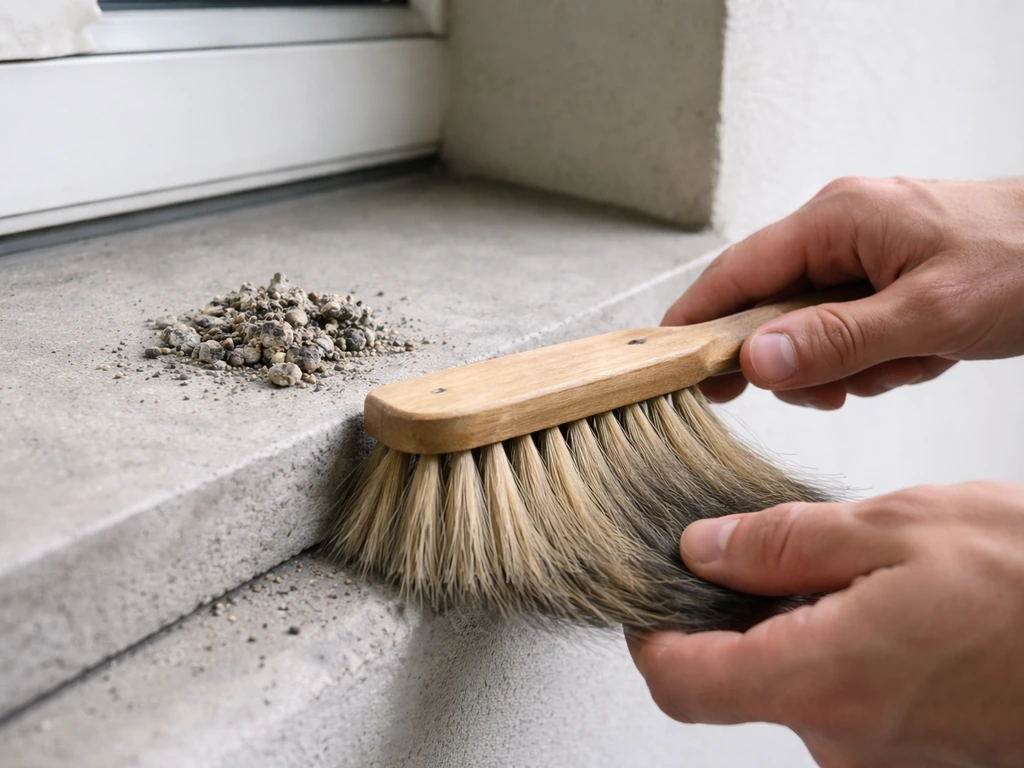
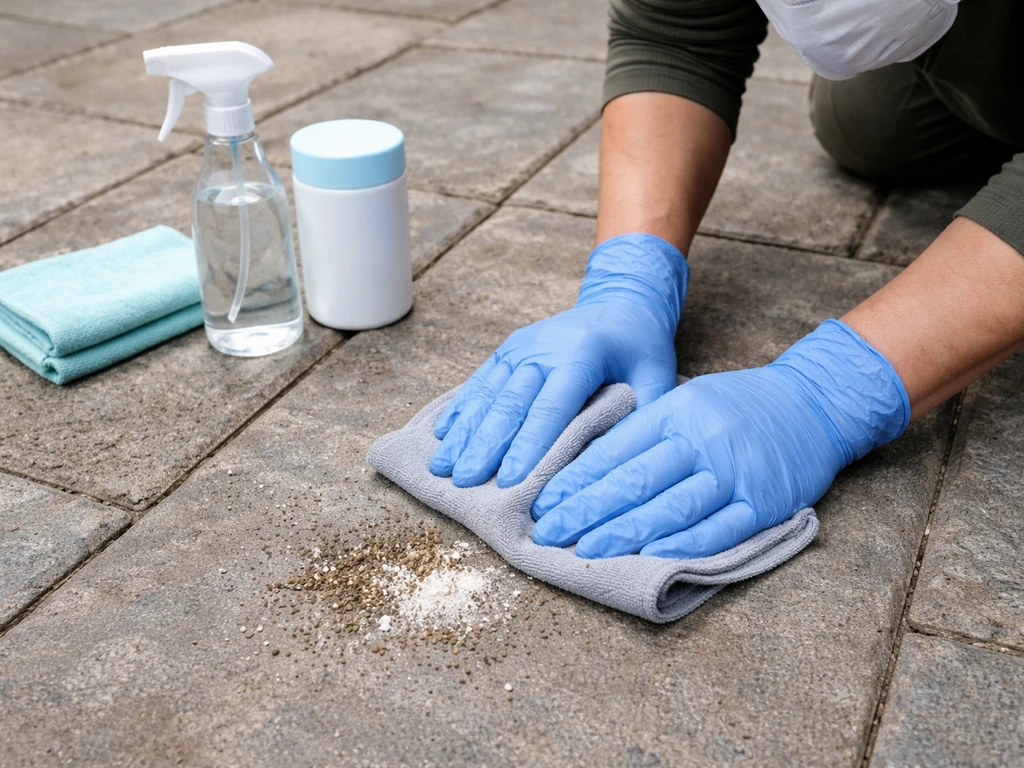
The single most important rule: never dry-sweep, dry-brush, or vacuum dried bird droppings. Every health and safety authority on this topic says the same thing. Dry disturbance is exactly how you turn a surface problem into an airborne one. Always wet the material first.
What to wear before you start
For small, localized deposits (a few droppings on a patio table, a dried splat on a car hood), disposable gloves and thorough handwashing afterward are the minimum. For anything larger, a proper-fitting N95 respirator is the floor, not the ceiling. For heavy accumulations in enclosed or semi-enclosed spaces, step up to an N100 or a respirator with HEPA filter cartridges, add disposable coveralls, eye protection, and shoe covers or rubber boots. The respirator needs to actually fit your face, a loosely worn dust mask is not meaningful protection.
The wet-first cleanup method
- Put on your PPE before getting close to the area.
- Spray the droppings thoroughly with water or a soapy water solution. For suspected fungal or bacterial contamination, a 1-part bleach to 10-parts water disinfectant solution works well. Let it soak for a few minutes.
- Optionally add a surfactant (dish soap works) to help the liquid penetrate and bind particles so they do not re-aerosolize when you disturb them.
- Use a mop, sponge, or damp rag to collect the wetted material. Do not scrub aggressively in a way that splashes material into the air.
- Place collected waste, disposable rags, and single-use PPE into a plastic bag, seal it, and place that bag inside a second plastic bag (double-bag it). Seal and dispose of it in the outdoor trash.
- Disinfect any reusable tools (brushes, boots, gloves) with the bleach solution before removing your respirator.
- Remove outer PPE carefully to avoid touching your face, then wash your hands thoroughly with soap and water.
Surface-specific tips
| Surface | Key concern | Recommended approach |
|---|---|---|
| Car paint/glass | Acid in droppings etches clear coat if left to dry | Soak with water first, then wipe gently with a damp microfiber cloth. Never scrape dry. |
| Concrete patios/balconies | Porous surface retains spores | Wet thoroughly, scrub with brush and soapy water, rinse with hose. Follow with diluted bleach disinfectant. |
| Roof tiles/gutters | Accumulations can be years old | Wet spray before any brushing. Wear N95 minimum. Consider a professional for large-scale roof deposits. |
| Wood decking | Bleach can damage wood finish | Use an enzyme-based cleaner or mild soap solution. Wet first, scrub gently, rinse well. |
| Indoor spaces/attics | Enclosed environment concentrates spores | Full PPE including N95 or N100. Wet methods only. Check ventilation before entering. Call a professional for large accumulations. |
| HVAC vents/intakes | Risk of spreading particles through air system | Do not attempt to clean near an operating HVAC. Turn off the system first. Consult a professional for contamination near intakes. |
When the accumulation is large, the space is enclosed, or you are not sure how long droppings have been building up, call a professional remediation service. This is especially true for attics, crawl spaces, abandoned buildings, and areas under long-term pigeon or starling roosts. The risk is not worth saving the cleanup fee.
Preventing bird dust from coming back
Exclusion is far more effective than scare tactics. Reflective tape, fake owls, and loud noises may work for a few days but birds adapt quickly. The goal is to physically prevent birds from roosting and nesting in your problem spots.
- Install porcupine wire (metal spike strips) along ledges, railings, roof peaks, and eaves to prevent perching.
- Use exclusion netting with the right mesh size for your bird problem: 3/4-inch mesh for sparrows, 1 1/8-inch for starlings, and 2 1/2-inch for pigeons.
- Seal gaps around roof vents, soffits, eaves, and attic access points with hardware cloth, metal wool, or caulk so birds cannot enter to nest.
- Clean up small accumulations promptly so the area does not become established as a favored roost site.
- Check gutters at least twice a year and clear out nesting debris before it becomes a concentrated deposit.
- Park your car in a garage or under a hard cover rather than under trees or power lines where birds congregate.
- If you have a backyard flock or pet birds, handle droppings during regular coop cleaning using wet methods and gloves, and wash your hands before and after.
One practical legal note: many bird species including most songbirds, swallows, and migratory species are protected under the Migratory Bird Treaty Act. That means you cannot trap, relocate, or kill them without a permit. Exclusion and deterrence are your legal path forward for most species. If you have a severe infestation problem with a protected species, contact your state wildlife agency for guidance.
The good luck myth vs. what the evidence actually says
There is a widespread and cheerful belief that getting pooped on by a bird means good luck is coming your way. If you mean the “taste” people joke about, bird spit is mostly just saliva and mucus, and it is not considered safe to ingest what does bird spit taste like. It is a fun story, and honestly, if it makes you feel better about a ruined shirt, go for it. The folklore exists across many cultures and there is no harm in the belief itself. But the evidence-based reality is that bird droppings, especially dried ones that have become bird dust, can carry bacteria, fungi, and inflammatory proteins. Some people even ask why chicken is called the dirty bird, but the health risk comes from dried droppings that turn into inhalable bird dust. The phrase “dirty bird” comes up in everyday pop culture too, so you may be wondering why KFC is called the “dirty bird” in the first place. Bird saliva taste is not covered by this article, but it is generally described as watery and slightly salty or bitter depending on the bird. Bird saliva benefits are often discussed in wellness circles, but for home safety the more urgent concern is the health risk from bird dust and droppings. The good-luck framing only becomes a problem if it makes someone skip washing up, delay cleaning a buildup, or dismiss respiratory symptoms after a dusty cleanup job.
The sensible middle ground: appreciate the cultural tradition, laugh about the timing, then wash it off properly and deal with any accumulation using the wet methods above. The actual luck is in catching it before it dries into a respiratory hazard. You can hold both ideas at once, the fun superstition and the practical hygiene step, without any contradiction.
FAQ
Is bird dust dangerous if it was just on a surface and not swept or vacuumed?
It is riskier after disturbance because drying turns residue into airborne particles. If you never stirred it up, exposure is usually much lower, but you should still avoid dry wiping and instead clean with wet methods (lightly dampen first, then wipe or remove).
What’s the difference between fresh droppings and dried droppings for health risk?
Fresh droppings contain lots of water, so they’re less likely to become inhalable dust. Dried material is the problem because it can pulverize into small airborne particles and also supports fungal growth in layered accumulations over time.
Can I catch an infection from touching bird dust, or is it only inhalation?
The article emphasizes inhalation as the main transmission route. That said, you should still treat contaminated materials as “dirty,” avoid touching your face, and wash hands thoroughly because particles can get transferred to mucus membranes even if skin contact is not the primary pathway.
Do N95 masks work if they are not brand new or fit loosely?
Fit matters. A loosely worn mask or gaps around the nose and cheeks reduce protection, and an old, damaged, or clogged respirator can underperform. If you cannot confirm a snug seal, step up to a properly fitted respirator and consider a professional for larger jobs.
Is vacuuming ever safe if I use a HEPA vacuum?
Avoid vacuuming dried droppings in general, because the suction and agitation can still generate dust leaks. Wet methods first (dampen and gently remove) are safer, and for large areas professional equipment and containment practices are the better path.
What should I do with contaminated clothing after cleaning?
Change clothes promptly, bag items that were heavily exposed, and launder separately. If the clothing was dry-dust covered, avoid shaking it out, because that can resuspend particles before washing.
How long after exposure should I seek medical advice?
If symptoms appear within about a week or two after a dusty cleanup and you feel unwell, contact your doctor and describe the event. For repeated low-level exposure with a cough that persists over weeks, treat it as a medical evaluation trigger rather than waiting for it to “go away.”
What should I tell my doctor if I’m worried about bird dust exposure?
Include the approximate amount disturbed, whether the space was enclosed, how long you were there, and when the exposure happened. This history helps them consider histoplasmosis or psittacosis rather than assuming a routine viral or bacterial respiratory illness.
Can bird dust trigger allergies or immune reactions even if I never got infected?
Yes. Hypersensitivity pneumonitis (bird fancier’s lung) is immune-driven and can develop from repeated low-level exposure to feather and droppings proteins. It can present as a persistent dry cough developing over time, rather than an acute infection.
How do I safely clean dried droppings in an attic or crawl space?
Treat it as a high-risk cleanup due to enclosed air and buildup over time. Wet the material before removal, use appropriate respiratory protection (often N100 or HEPA cartridge respirators), add eye protection and coveralls, and consider professional remediation if you are unsure how long it has been accumulating.
When is it better to call a remediation professional instead of DIY?
Call for help if the buildup is large, the area is enclosed or poorly ventilated, you do not know how long birds have roosted there, or it is an attic, crawl space, or other difficult-to-access location. The goal is minimizing dust generation, and pros can also handle containment and thorough removal.
Can I deter birds immediately, or should I wait until after cleaning?
Clean first and then exclude. Otherwise, the site may still be attractive, and re-roosting can create more buildup that later becomes bird dust. Use physical exclusion methods (sealing entry points, covers, and barriers), since visual and noise deterrents often lose effectiveness.
Is it safe to remove a nest if birds are nesting now?
Many wild birds are protected, and nesting situations can affect what you are allowed to do. For protected species or unclear situations, contact your state wildlife agency before acting to ensure you stay within permit and legal requirements.
What’s a quick way to reduce exposure while I’m deciding what to do next?
Stop disturbing the area. Don’t sweep, brush, or dry-clean it, keep people and pets out, and ventilate only if you can do so without moving dust. Once you’re ready, dampen the area and proceed with wet removal and proper protection.