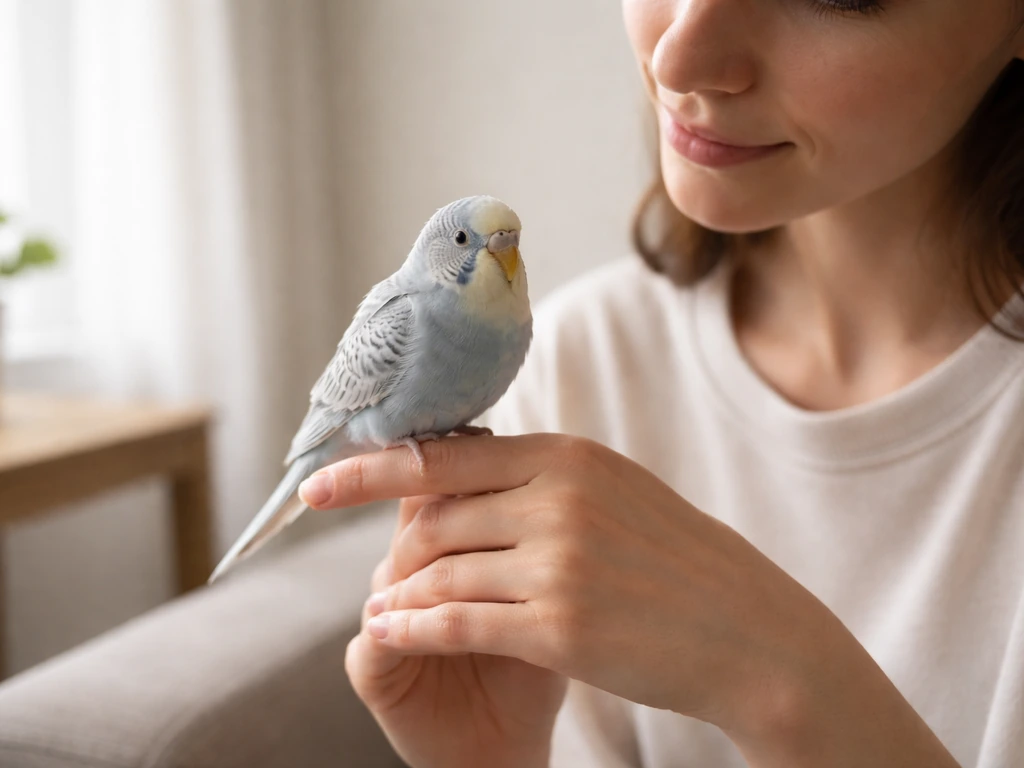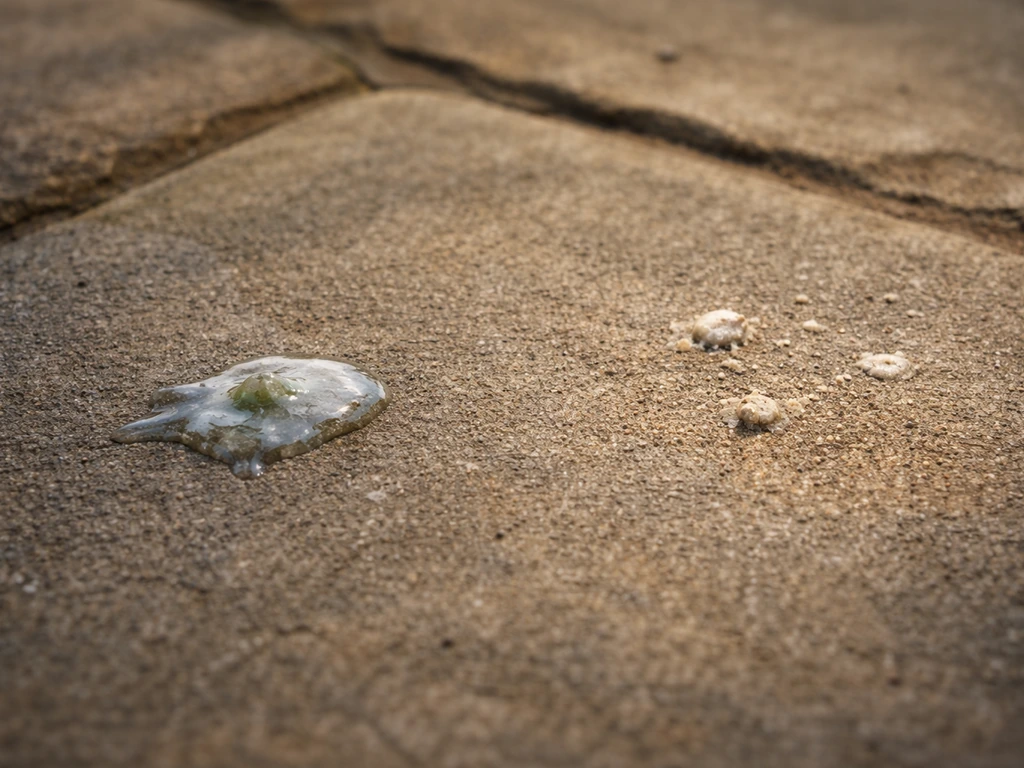
Bird saliva is a watery, mucus-containing secretion produced by salivary glands in a bird's mouth. It is mostly water with enzymes, proteins, mucins (the slippery compounds that give saliva its texture), and some immune components. Some people also look at bird saliva benefits, especially for lubrication and possible immune-related components in the secretion. Birds use it to lubricate food before swallowing, keep their mouths clean, and in a few special cases, build nests. How bird saliva is collected depends on the purpose, such as using gentle swabs for research samples or collecting regurgitated fluid from the bird. It is not the same as bird droppings, though saliva and feces can end up mixed together on surfaces like perches, feeders, and car roofs. People sometimes connect that slippery “saliva” idea to the nickname “dirty bird,” but the nickname is really about the mess and germs birds can leave behind. If you are wondering about “bird dust,” it usually refers to dried residue, often including droppings, that gets airborne and can irritate your lungs bird droppings.
What Is Bird Saliva and How It Spreads Safely

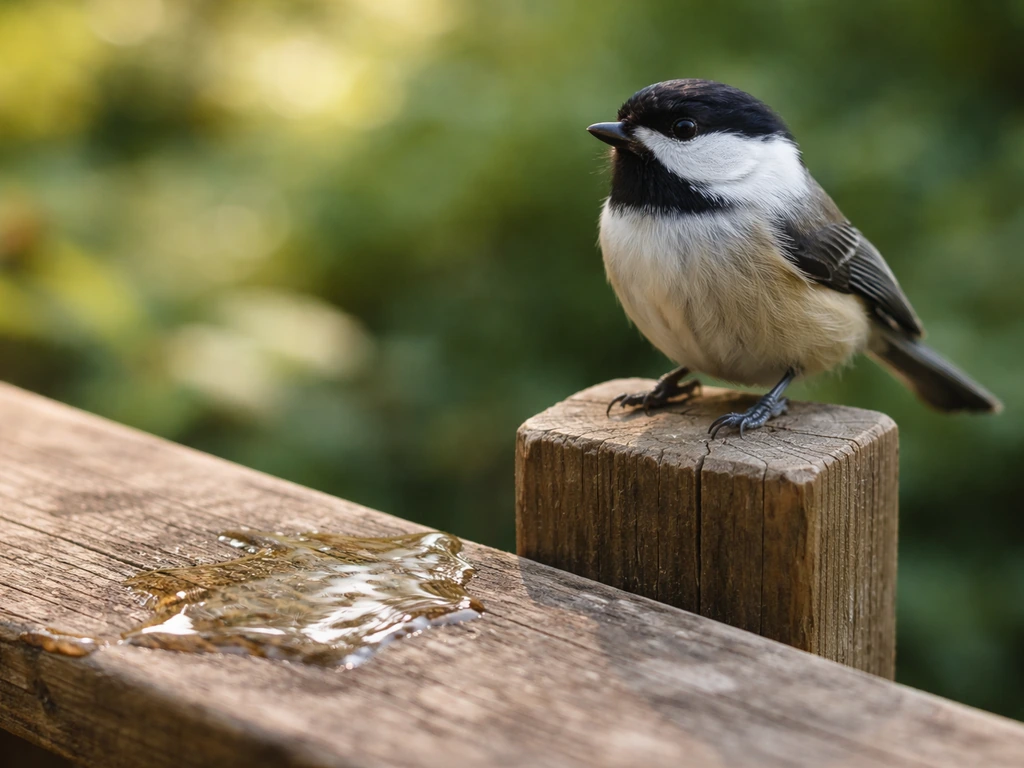
What bird saliva is (and what it isn't)
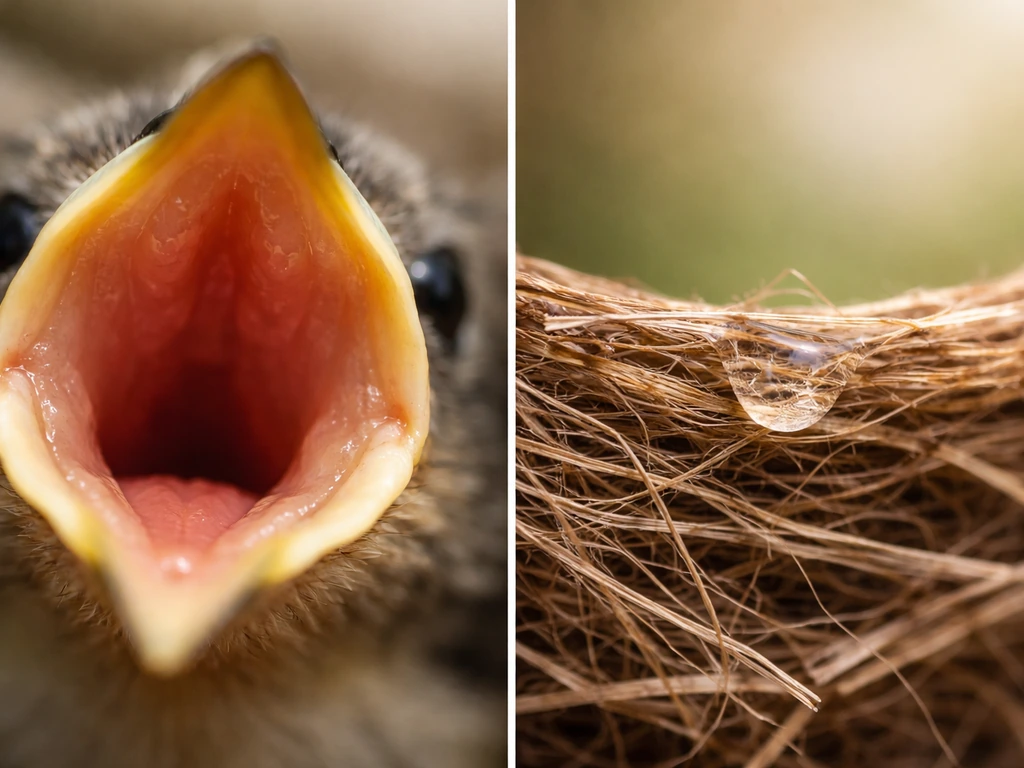
Bird saliva comes from actual salivary glands scattered through a bird's oral cavity. Different glands produce saliva of slightly different compositions, but the common thread is a mucus-heavy, watery fluid. The mucin content is what makes it slippery and why birds can swallow dry seeds without choking. Birds do not chew the way mammals do, so that slippery lubrication is genuinely important for them.
Where people get confused is when they see wet, glistening residue around a nest, on a perch, or on a car door mirror and assume it is all the same stuff. It usually isn't. If you are wondering what bird spit tastes like, keep in mind that what you are really tasting is saliva mixed with other residue, and it is not a safe thing to sample. Bird saliva is mostly clear to pale and low-volume. What you more often see on surfaces is a combination of droppings (uric acid paste plus feces), nasal mucus, or feather dust. The slick wet smear a bird leaves on your window is rarely pure saliva. Most of the time it is droppings, and that matters for how you handle it.
It is also worth distinguishing bird saliva from "crop milk," which is a completely different secretion. Crop milk is produced by the epithelial lining of the crop (a pouch in the digestive tract) in pigeons, doves, and a few other species. It contains secreted cells, beneficial bacteria, and IgA antibodies, and it gets regurgitated to feed chicks. It is not technically saliva and it does not come from the mouth's salivary glands. Similarly, the mucus-secreting glands found further down a bird's esophagus are separate from oral salivary glands. These distinctions matter when you are trying to figure out what you actually touched.
What bird saliva actually does for the bird
The most practical job saliva does is lubricate food. Because birds lack molars and do not masticate (chew and grind) the way mammals do, food needs to be coated in something slippery before it can move through a narrow esophagus. The mucinous nature of saliva handles exactly that, wrapping seeds, insects, or torn flesh in a lubricating layer before the bird swallows.
Saliva also keeps the mouth clean. The oral cavity of a bird is almost constantly flushed with saliva, which floats debris away from surfaces and helps maintain basic oral hygiene. Think of it as a continuous low-level rinse cycle. This matters more than it sounds because birds eat things like carrion, insects, and dirty seeds, so having a self-cleaning mouth is genuinely useful.
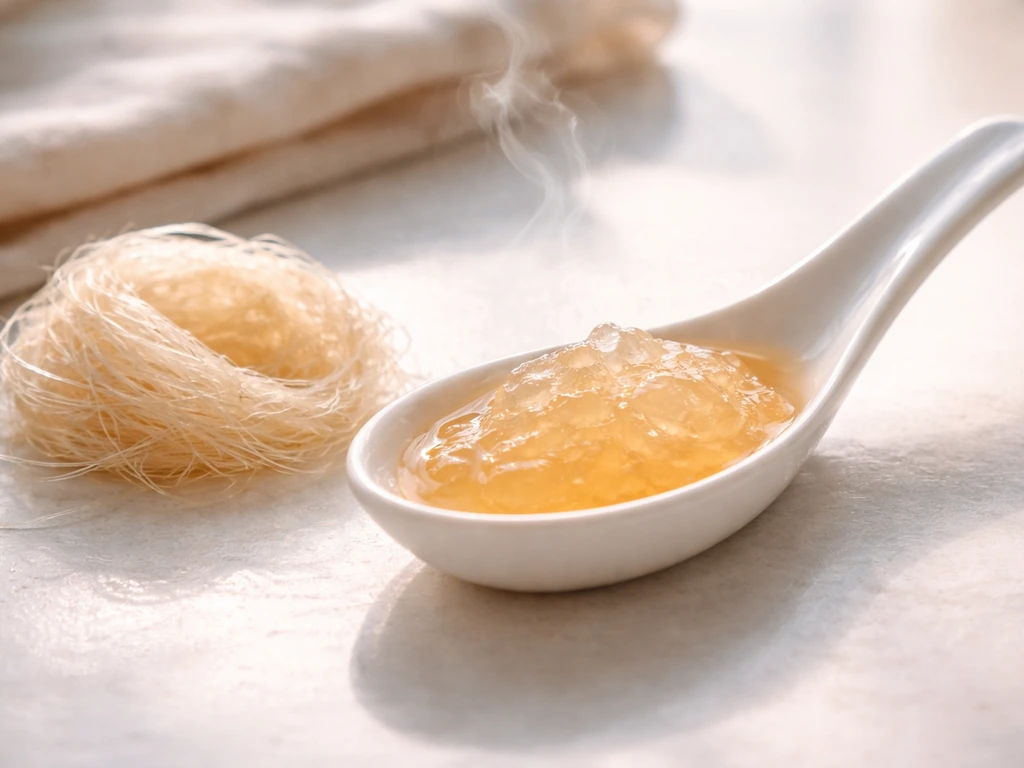
Some birds put saliva to a completely different use: construction. Swiftlets of the genus Aerodramus, particularly the edible-nest swiftlet, build nests composed entirely of their own hardened saliva. Other swift species use saliva as a glue to hold nest materials together or anchor the nest to a wall or cliff face. That is an extreme and fascinating outlier, but it is worth knowing about if you are ever curious about what makes bird's nest soup expensive.
How bird saliva connects to droppings and surface contamination
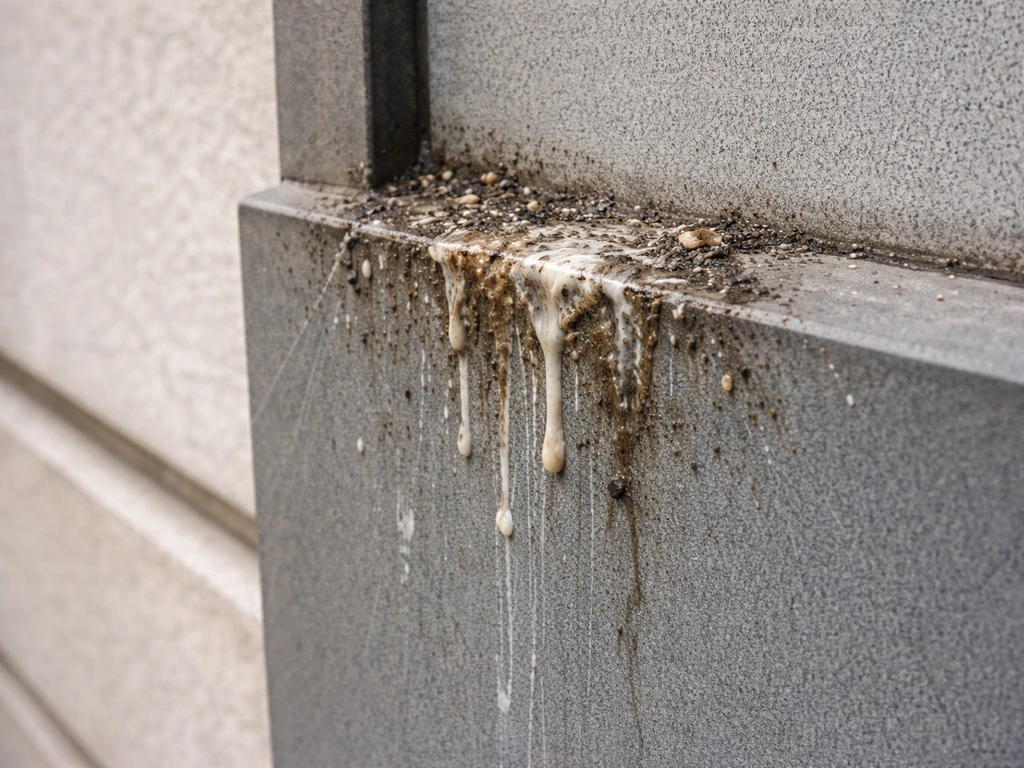
Here is the practical reality: saliva on its own is a low-risk secretion in most everyday encounters. The much bigger contamination concern on surfaces is bird droppings, which contain uric acid, fecal bacteria, and potentially fungal spores like Histoplasma (the fungus behind histoplasmosis, which thrives in soil enriched with bird and bat droppings). Dried droppings that get disturbed and become airborne are the main respiratory hazard, not a small splash of saliva.
That said, saliva is not entirely off the hook. The CDC notes that birds infected with avian influenza shed the virus in their saliva, mucus, and feces. So on a perch, feeder, nest edge, or any surface a bird has been on, you can have a mix of saliva, nasal secretions, and droppings all in one smear. Treating that mixed residue as potentially contaminated is the smart move, regardless of which specific fluid is dominant. Psittacosis (caused by Chlamydia psittaci) is another infection humans can pick up from dried respiratory secretions and droppings of infected birds, particularly parrots and other pet birds.
Bird feeders and roosting spots collect the highest concentration of this mixed residue. If you have a bird feeder you have not cleaned in a month, you have a reservoir of dried droppings, seed husks, and organic debris that includes saliva from every bird that fed there. Same logic applies to perches in cages, nest boxes, and any outdoor ledge where birds congregate.
Real health risks from contact with bird saliva
For most people, accidentally touching a surface with bird saliva on it or getting a small splash from a bird in the backyard is not an emergency. Wash your hands and move on. The risk picture changes in a few specific situations, though, and those are worth knowing. Many people hear the slang term and wonder, “Why is KFC called Dirty Bird,” but it is just a playful reference to bird residue.
- Eye contact: Getting bird saliva or any bird secretion directly in the eye is a more serious exposure route. Mucous membranes absorb pathogens much more easily than intact skin. If this happens, flush the eye thoroughly with clean water for several minutes and contact a healthcare provider if redness, irritation, or discharge develops.
- Avian influenza risk: If you are handling sick or dead birds, or cleaning areas heavily contaminated by wild or domestic poultry showing signs of illness, the CDC and OSHA advise treating saliva, mucus, and droppings as potentially infectious for avian flu. Wear gloves, avoid touching your face, and use an N95 respirator or at minimum a well-fitting mask if you are disturbing dried material.
- Pet bird owners: Psittacosis is real and primarily a pet bird risk. Infected birds may show no symptoms. If your parrot or cockatiel is sneezing, has discharge, or seems lethargic, see a vet and let your doctor know about the exposure if you develop flu-like symptoms.
- People with asthma or allergies: Bird dust, dander, and dried secretion particles can trigger respiratory symptoms. If cleaning around a roosting area or a well-used feeder makes you cough or wheeze, that is a sign to use a mask and improve ventilation, not just push through it.
- Histoplasmosis: This is primarily a risk from disturbing soil or accumulated droppings, not from light saliva contact. But if you are cleaning out an old barn, attic, or chicken coop with heavy buildup, the fungal spore risk is real. The CDC specifically advises respiratory protection for these cleanups.
How to clean up when bird saliva is involved
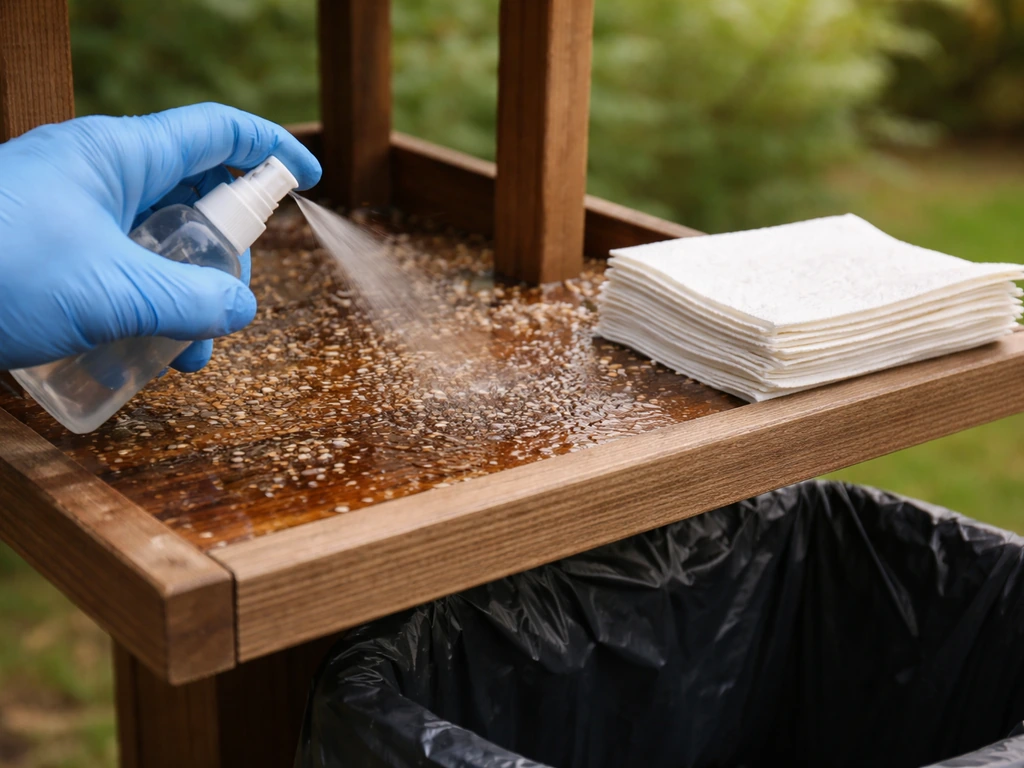
The same cleanup approach covers saliva, droppings, and mixed residue, because in practice you cannot tell them apart on a surface. The core principle from CDC environmental cleaning guidance is a two-step process: clean first, then disinfect. Skipping the cleaning step and going straight to disinfectant is less effective because organic matter on the surface blocks disinfectants from working properly.
Bird feeders and outdoor perches
- Wear disposable gloves. If residue is dried and likely to become dusty, wear a mask too.
- Wet the surface before wiping. This prevents dried material from becoming airborne. A spray bottle with water works fine.
- Wipe away the bulk of the debris with paper towels or disposable cloths. Bag and discard.
- Wash the surface with hot soapy water.
- Apply a disinfectant appropriate for the surface (a dilute bleach solution of 1 part bleach to 9 parts water works for most non-porous surfaces). Let it sit for the required contact time on the label, typically at least a minute.
- Rinse if the product instructions require it or if the item is used by birds that will ingest residue (like a feeder dish).
- Wash your hands thoroughly with soap and water after removing gloves.
Car surfaces
Bird residue on your car (a mix of droppings, saliva, and sometimes nest material from side mirrors) is mostly a paint and clear coat problem. The uric acid in droppings etches paint if left to bake in the sun. For cleanup, wet the area first with a damp cloth or detailing spray, let it soak for a minute to soften dried material, then wipe gently. Do not scrub dry bird residue because you will grind it into the paint finish and potentially inhale particles. A dedicated car-safe bird dropping remover spray is ideal, but warm soapy water works. Gloves are good practice here too, and wash your hands after.
Inside your home or around pet birds
For pet bird cage cleaning, the CDC advises never picking up droppings with bare hands. Line the cage tray with paper for easy disposal. When you do a full cage scrub, take it outdoors if possible, or work in a well-ventilated area. Hot soapy water followed by a bird-safe disinfectant (look for ones specifically formulated for pet bird environments, as some common household disinfectants are toxic to birds if residue remains) is the standard approach. Rinse thoroughly and allow to dry before putting the bird back. Clean perches regularly because they accumulate the most beak-wiping residue and saliva.
One firm rule from the CDC: never mix bleach with ammonia or any other cleaner. The reaction creates toxic chloramine gases. Use bleach solution on its own, rinse, and then you are done.
A quick comparison of cleanup scenarios
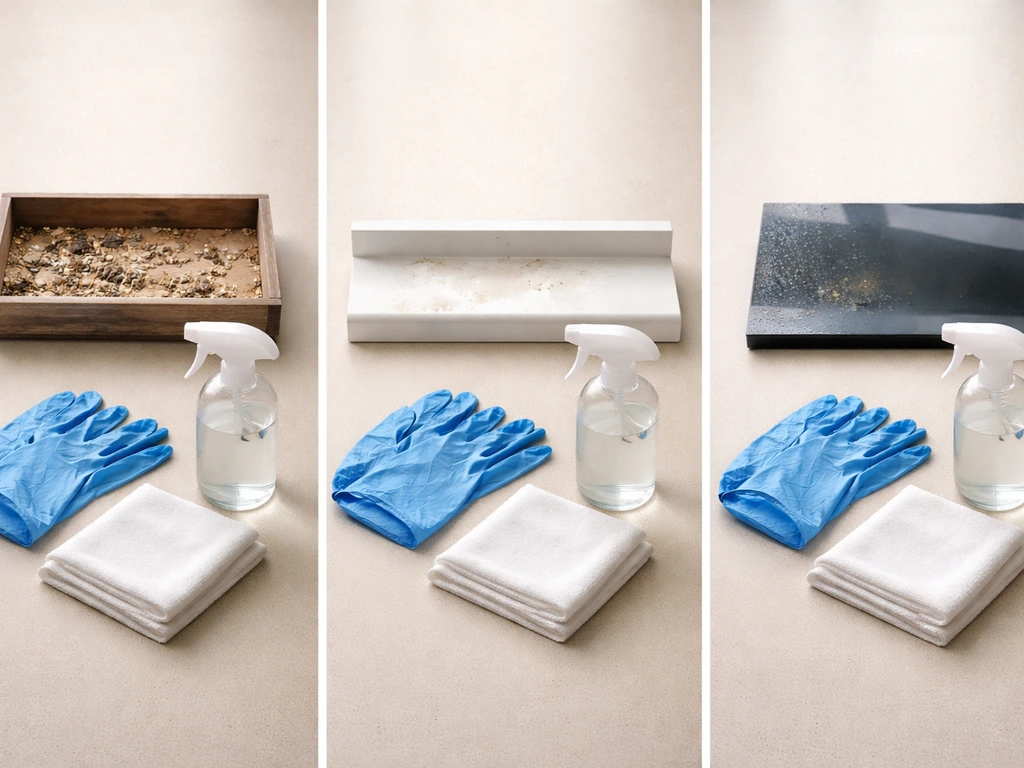
| Scenario | Key concern | Main tool | Extra precaution |
|---|---|---|---|
| Bird feeder cleanup | Mixed droppings and saliva, possible Histoplasma in old buildup | Hot soapy water + dilute bleach | Wet material before wiping, wear mask if dusty |
| Car surface splatter | Paint etching (uric acid), minor pathogen contact | Damp cloth soak + car-safe cleaner | Gloves, no dry scrubbing |
| Pet bird cage | Psittacosis risk, fecal bacteria | Hot soapy water + bird-safe disinfectant | Clean outdoors or with good ventilation, rinse thoroughly |
| Outdoor roosting ledge with heavy buildup | Histoplasmosis fungal spores | Wet method + EPA-registered disinfectant | N95 mask, gloves, dispose of debris in sealed bags |
| Accidental splash on skin | Low risk for most people | Soap and water wash | Flush eyes immediately if eye contact occurred |
When to actually worry and get help
Most bird saliva or residue contact does not require a doctor visit. But here are the situations where you should not brush it off.
- Flu-like symptoms (fever, chills, muscle aches, dry cough) within 2 to 10 days of handling sick birds or heavily contaminated areas: Tell your doctor about the bird exposure specifically. This can be relevant for psittacosis, avian influenza, or histoplasmosis depending on the context.
- Eye redness, discharge, or pain after a direct splash from a bird or contaminated surface: See a healthcare provider same day. Eye exposures are taken seriously regardless of the source.
- Chest tightness, cough, or breathing difficulty after a dusty cleanup in a heavily contaminated area: This could indicate histoplasmosis spore inhalation or a reactive airway response. Get it checked, especially if symptoms do not resolve within a day or two.
- Skin rash, swelling, or signs of infection at a site where a bird bit or scratched you and saliva entered the wound: Clean the wound thoroughly, and see a doctor if redness spreads or swelling increases.
- If you are immunocompromised, pregnant, or have underlying lung disease: Your threshold for seeking advice should be lower across the board. These groups are at higher risk for opportunistic infections that healthy adults would fight off easily.
The bottom line is that bird saliva itself is a minor biological secretion with useful roles inside the bird and low risk in casual human contact. If your breath smells strongly like bird seed, it is more likely related to what you ate, reflux, or oral bacteria than to bird saliva itself why does your breath smell like bird seed. The bigger contamination story is always about droppings, dried respiratory secretions, and the pathogens that ride in them. Handle bird residue with basic hygiene, clean it properly with the wet-first method, and you keep risk genuinely low without having to treat every pigeon as a biohazard.
FAQ
What should I do if I touch something that looks like bird saliva?
If the material is on your skin, the safest approach is to treat it as mixed bird residue. Wash with soap and running water for at least 20 seconds, then avoid touching your eyes or mouth until your hands are clean. If it got on broken skin, a deep cut, or you cannot wash promptly, cover it and call a clinician for personalized advice.
Is it safe to taste or test what bird saliva residue is like?
Do not intentionally taste, lick, or try to “identify” residue on surfaces. Even if you suspect it is mostly saliva, it is usually contaminated with droppings, nasal mucus, or dried respiratory secretions. Treat unknown wet bird smears as potentially contaminated and clean them wet-first, then disinfect.
Can bird saliva spread disease through touch or small splashes?
Yes. Birds can shed avian influenza and other pathogens in saliva and also in mucus and feces, so risk depends on whether an infected bird was present and whether residue is aerosolized. Use extra caution around areas where many birds roost, and for any event that creates dust from dried material (sweeping, power washing, dry wiping).
Does disinfecting alone work, or do I have to clean first?
If you clean a surface correctly (remove debris first, then disinfect), you reduce risk substantially. The key mistake is spraying disinfectant onto dried residue without first cleaning, because organic matter can block disinfectants. For porous materials (some fabrics, untreated wood), you may need repeated cleaning and thorough drying, and in some cases replacement.
How should I handle it if a bird splashes or smears residue on my clothing?
For a bird on your body (for example, a backyard bird that wipes against you), focus on washing skin and changing clothes if the bird touched you repeatedly. For clothing, machine wash with detergent and hot water if the fabric allows, then dry fully. Avoid shaking the garment outdoors, since that can aerosolize dried particles if any droppings are present.
When should I see a doctor after exposure to bird saliva or residue?
In general, you do not need a doctor visit after incidental contact. However, seek care urgently if you develop fever, worsening cough, shortness of breath, or unusual eye symptoms after exposure, especially after cleaning droppings or disturbing dried material. For immunocompromised people, it is reasonable to call a clinician sooner for guidance.
Why is disturbing dried bird mess more risky than a small fresh smear?
Yes, especially for dried droppings and dried respiratory secretions. Wear gloves, keep work wet, and avoid dry sweeping or using leaf blowers. If you must remove heavy buildup, dampen first and use paper towels or disposable cloths you can seal and discard.
What is the best way to clean bird residue off a car without damaging the paint?
For car windows and paint, wet-first is critical, because dry scrubbing can scratch clear coat and grind residue into the finish. Let damp residue soak briefly, wipe gently, then rinse. If you see streaking after cleaning, re-wet and wipe again instead of switching to aggressive scraping.
Is crop milk the same thing as bird saliva?
Crop milk is a different secretion from saliva. It is produced in the crop and regurgitated to feed chicks, so it does not come from oral salivary glands. If you are cleaning materials around pigeons and doves, still treat crop milk residue as potentially contaminated, but do not assume it is the same substance as mouth saliva.
How often should I clean a pet bird cage to reduce risk from saliva and droppings?
If you have a pet bird, a practical rule is to clean droppings and wet residue daily or as recommended by your avian vet, because buildup increases dried dust and pathogen load. Use cage-safe disinfectants only, rinse thoroughly, and dry completely before returning the bird. Avoid household disinfectants that can be toxic if residues remain.
Why should I avoid mixing bleach with other household cleaners during bird-residue cleanup?
Bleach should not be mixed with ammonia or acids, and you should never combine multiple cleaners “to boost effectiveness.” Use one product at a time, apply only as directed, rinse after contact time, and provide ventilation. When in doubt, follow the product label and local guidance for safe use.
Do I need a mask or eye protection when cleaning up bird residue?
During cleaning, consider eye protection if residue is near your face level (for example, under a nest edge) or if you are using sprays. Gloves are a minimum for droppings cleanup, and a mask or respirator is most relevant when disturbing dust from dried droppings is likely. For most routine wipe-ups of fresh splashes, good ventilation and hand hygiene are usually sufficient.