Breath that smells nutty, grainy, or seed-like is almost always coming from one of three places: something you ate, a coating on your tongue, or a dry mouth that's letting bacteria run wild. In rare cases it points to something systemic like acid reflux, ketosis, or a sinus issue. And if you've been around birds or bird droppings recently and you're genuinely worried about contamination, that's a separate question worth addressing directly, and we will. But let's start with the most likely culprit: your mouth.
Why Does Your Breath Smell Like Bird Seed? Causes and Fixes

Marcus Fielding
12 May 2026
What 'bird seed' breath actually smells like (and how to narrow it down)
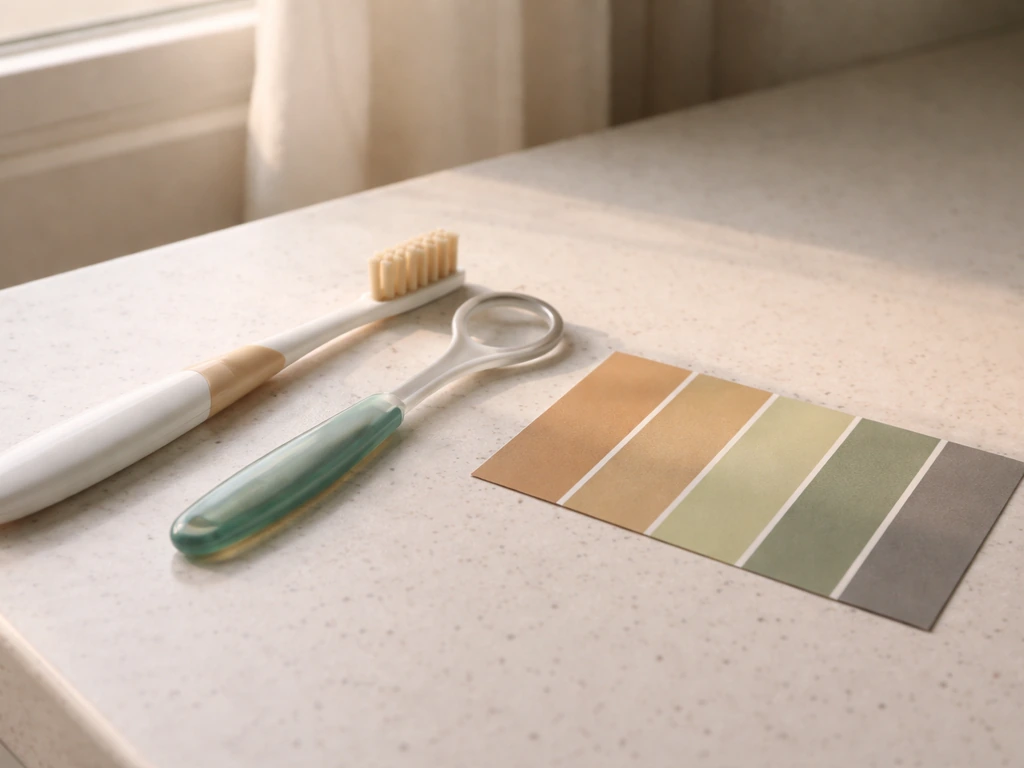
The phrase 'smells like bird seed' usually describes a warm, nutty, slightly musty, or grainy odor. It's not the sharp sulfur smell of rotten eggs, and it's not the sweet-fruity smell of acetone. It sits somewhere in the middle, which is actually a useful clue. That profile most closely matches food residue fermentation, tongue biofilm, or mild gum-related bacteria, rather than a metabolic emergency. To narrow it down quickly, ask yourself three things: Did it start after a meal or has it been there all day? Is your mouth dry? And when did you last brush your tongue?
The timing matters a lot. If the smell peaks mid-morning after a nutty breakfast and fades after water and brushing, diet is almost certainly the cause. If it's there all day, waking you up with it, or noticeable to others even after you've brushed, the source is probably oral bacteria or something further upstream like your sinuses or stomach.
Diet and habits that create nutty or grainy odors
Seeds, nuts, and grains are among the most fermentable foods in your mouth. Sunflower seeds, hemp seeds, flaxseeds, almonds, peanut butter, granola, oat-based cereals, and whole grain bread all leave oils and fine particles that lodge between teeth and under the tongue. When oral bacteria get to work on those particles, they produce volatile compounds that smell earthy, warm, and yes, a lot like a bag of mixed birdseed.
Habits amplify this significantly. Skipping water after meals lets residue sit longer. Eating and then going straight to sleep is particularly bad because saliva production drops at night, which means less natural rinsing. Coffee and alcohol both dry out the mouth, which slows the saliva that would otherwise flush things along. Fasting and low-carb diets push the body into ketosis, and the byproduct, acetone, creates a breadier or slightly nutty smell that some people describe as seed-like. Even vaping can create a warm, grainy odor because the aerosol residue coats the mouth and throat.
What's happening in your mouth: tongue, gums, teeth, and dry mouth
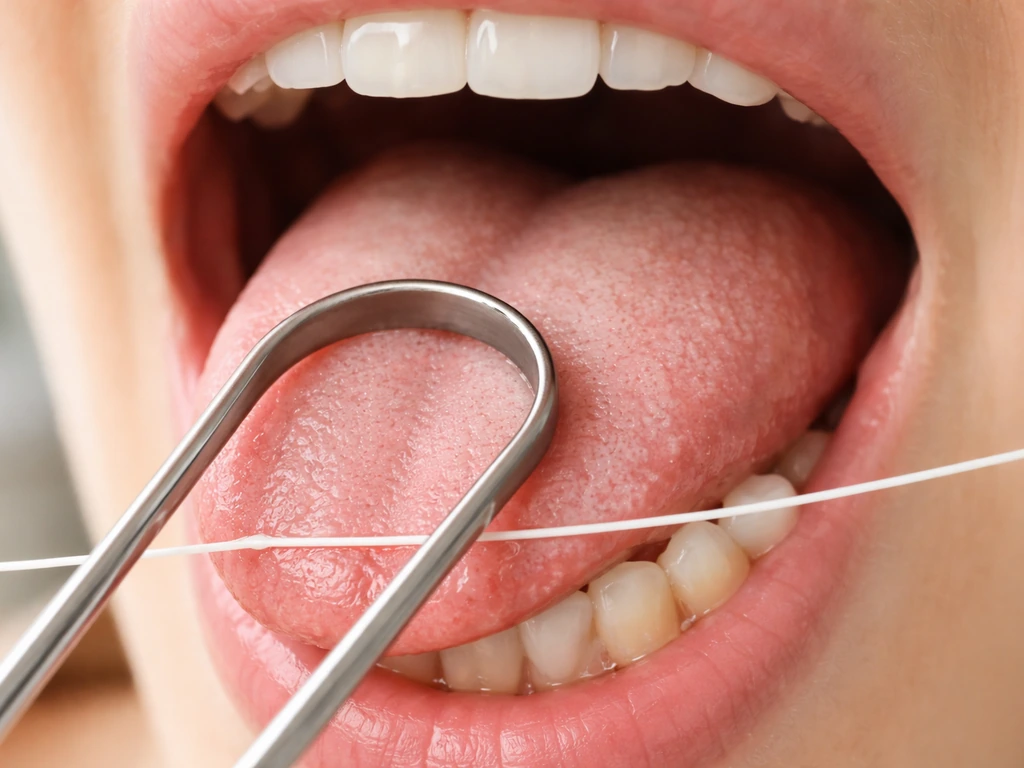
According to research published in the International Journal of Oral Science, roughly 85% of halitosis cases have an intraoral origin. The tongue is the single biggest contributor. The surface of your tongue is textured with tiny filiform papillae that trap dead cells, food debris, and bacteria in a white or yellowish film called tongue biofilm or tongue coating. That coating is a bacterial ecosystem, and as those bacteria break down organic matter, they produce volatile sulfur compounds, the primary chemical drivers of bad breath. A nutty or grainy smell can come from this coating when the food residue trapped in it includes seeds, nuts, or grain particles.
Gum disease, tooth decay, and impacted food debris are the next biggest contributors. The Merck Manual specifically flags anaerobic bacteria degrading food particles as the primary mechanism behind halitosis, producing compounds like hydrogen sulfide and methyl mercaptan. Periodontal pockets around the gumline trap food and create warm, anaerobic environments where bacteria thrive. Deep cavities can harbor necrotic material that adds its own odor. Unclean dentures or retainers act like food traps too.
Dry mouth, clinically known as xerostomia, is often the silent amplifier. Saliva is your mouth's built-in rinse cycle. However, if you are curious about bird saliva benefits, it's important to separate those claims from the causes of breath odor discussed here. It mechanically removes food particles, neutralizes acids, and carries antimicrobial compounds. When saliva production drops, whether from medications (antihistamines, antidepressants, blood pressure drugs are common culprits), dehydration, mouth breathing, or sleeping with your mouth open, bacteria multiply faster and the smell gets worse. The American Dental Association notes that dry mouth can leave the tongue looking dry and fissured, which is another sign to look for when you check your mouth in the mirror.
Sinus issues, post-nasal drip, and reflux as hidden causes
If you've addressed your oral hygiene and the smell persists, look higher up. The Merck Manual notes that in some people, malodor comes more from the nose than from the mouth, pointing to an extraoral source. Sinus infections, chronic sinusitis, and nasal polyps all create an environment where bacteria-laden mucus pools in the back of the throat. Post-nasal drip from allergies or a cold constantly coats the throat and back of the tongue with mucus that bacteria then ferment. The result is often a musty, warm smell that can mimic a food odor.
Acid reflux and GERD (gastroesophageal reflux disease) are another hidden source. When stomach acid creeps back up into the esophagus and sometimes the throat, it brings partially digested food with it. If you've eaten a seed-heavy or grain-heavy meal and you have even mild reflux, the smell coming back up can very closely resemble the food you ate. People often notice reflux-related breath is worse when lying down, bending over, or eating large meals. It's often accompanied by a slight burning sensation or sour taste, but not always.
Medical and systemic causes worth knowing about

Most bird-seed breath is boring in the best possible way: it's diet and oral hygiene. But a few systemic conditions do change breath odor in ways that can seem unusual or hard to explain.
| Condition | Breath Odor Profile | Other Signs to Watch For |
|---|---|---|
| Ketosis (low-carb/fasting) | Breadlike, nutty, or slightly fruity (acetone) | Significant dietary change, increased thirst |
| Diabetes (uncontrolled) | Sweet, fruity, or acetone-like | Excessive thirst, fatigue, frequent urination |
| Kidney disease | Ammonia or urine-like (sometimes described as fishy) | Swelling, fatigue, reduced urination |
| Liver disease | Musty or sweet-musty (fetor hepaticus) | Jaundice, abdominal discomfort, fatigue |
| GERD/acid reflux | Sour, food-like, can mimic recently eaten foods | Heartburn, regurgitation, worse lying down |
| Sinus infection/chronic sinusitis | Musty, earthy, sometimes foul | Nasal congestion, post-nasal drip, facial pressure |
Ketosis is the most common systemic cause of an unusual nutty breath that isn't related to oral hygiene. If you started keto or intermittent fasting recently, that's almost certainly what you're smelling. For the others, the breath odor alone is rarely a diagnostic clue by itself, but it's worth flagging to a doctor if it persists and comes with other symptoms from the table above.
Could it actually be birds or bird droppings?
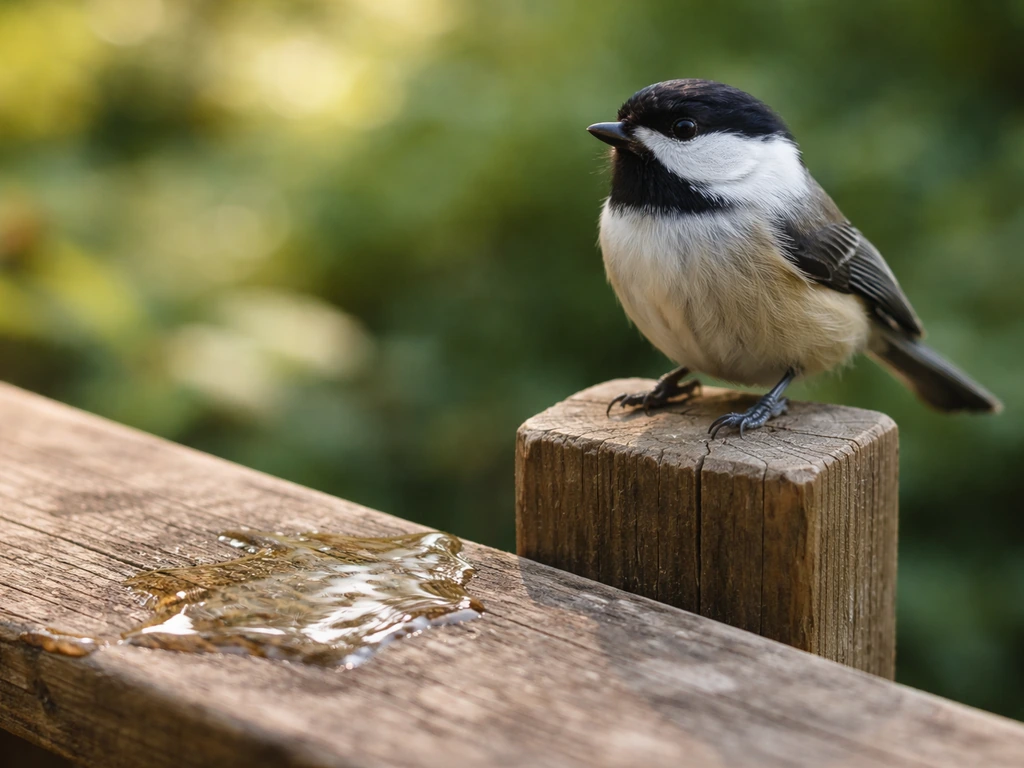
This question comes up because of where you searched, and it's worth taking seriously rather than dismissing. This same hands-on contamination concern is why the question "why is kfc called dirty bird" comes up when people associate a name with germs rather than the actual food. If you are wondering about the phrase “dirty bird,” it can also lead people to ask why chicken gets that nickname why is chicken called the dirty bird. Some people assume bird saliva is the cause of “bird seed” breath, but in this article the main drivers are usually food residue, tongue biofilm, and dry mouth. Bird droppings are not a typical source of breath odor in any normal situation. If you are worried about whether your own breath could be affected by bird droppings, remember that droppings are not a typical source of breath odor in normal situations Bird droppings are not a typical source of breath odor. You don't absorb odor from nearby birds through the air in a way that affects your breath. However, if you've been hands-on with birds, bird cages, or droppings, and you touched your mouth afterward without washing your hands, there's a small but real contamination risk worth knowing about. If you are collecting bird saliva for research or veterinary work, the method depends on the species and the setup, such as using noninvasive swabs or devices under appropriate guidance how is bird saliva collected.
Bird droppings can carry Cryptococcus neoformans (a fungus), Histoplasma capsulatum, Chlamydophila psittaci (the bacteria behind psittacosis), and Salmonella species, among other pathogens. Transmission typically happens through inhalation of dried droppings or direct contact followed by hand-to-mouth transfer. If you've had significant exposure and develop symptoms like fever, cough, fatigue, or any respiratory symptoms in the days following, that warrants a call to your doctor, not just a breath mint.
If you're a pet bird owner and you're noticing a musty or earthy smell that you associate with your bird's environment, it's worth distinguishing between breath from your own body and a smell that's transferring from your clothes, hands, or hair. Bird dust, the fine particulate that comes off feathers, especially in parrots and cockatiels, has a distinctive dry, dusty-nutty scent that can cling to you and be mistaken for your own breath. That's not a health emergency, but it is a reason to wash up before you put your hands near your face.
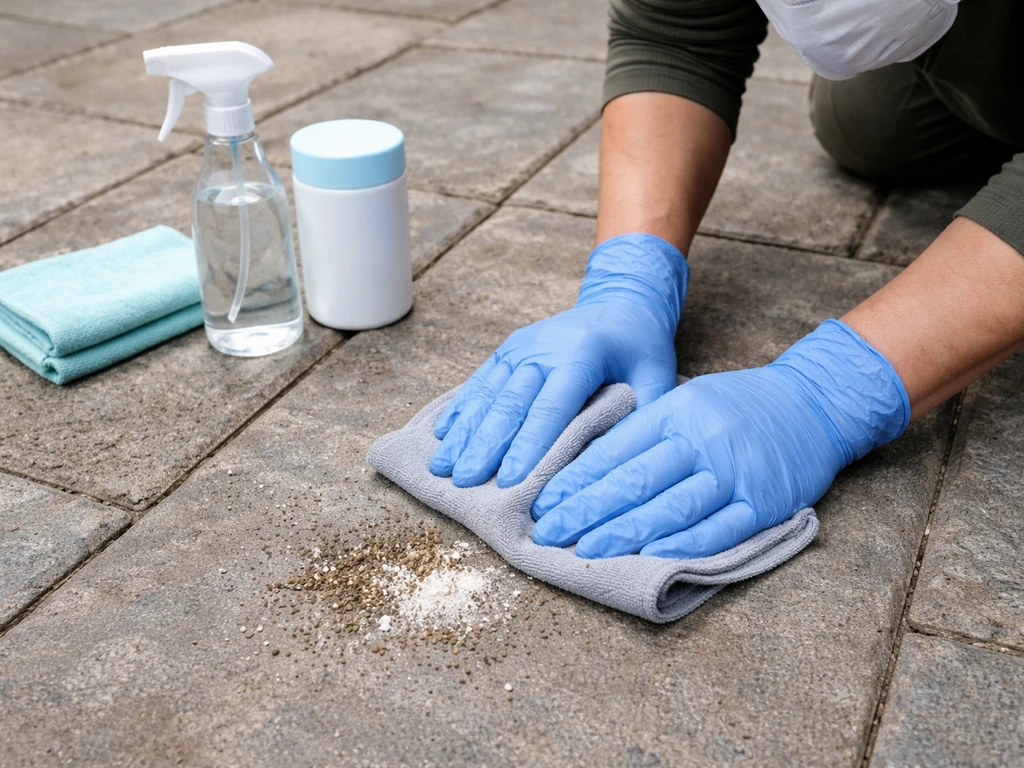
If you are genuinely worried about droppings exposure: wash your hands thoroughly with soap and water, avoid touching your face until you do, and monitor for symptoms over 1 to 2 weeks. If symptoms develop, mention the exposure to your doctor so they can consider the right tests.
Quick fixes you can do right now
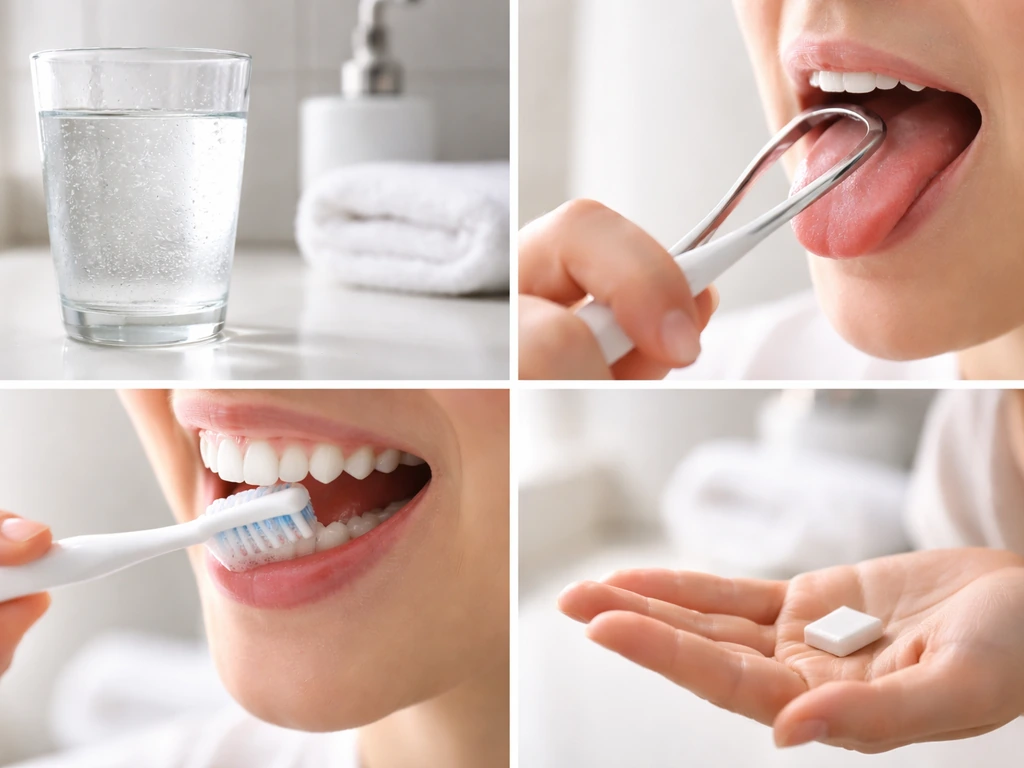
Before anything else, drink a large glass of water. Dehydration is one of the fastest routes to bad breath, and rehydrating immediately starts to help. Then do a quick self-check: look at your tongue in the mirror. If there's a white or yellowish coating across the back two-thirds, that's your primary target. Smell both your breath and through your nose separately (cup your hand and breathe out through your nose) to get a rough sense of where the odor is stronger.
- Brush your teeth for a full two minutes, paying attention to the gumline and backs of teeth.
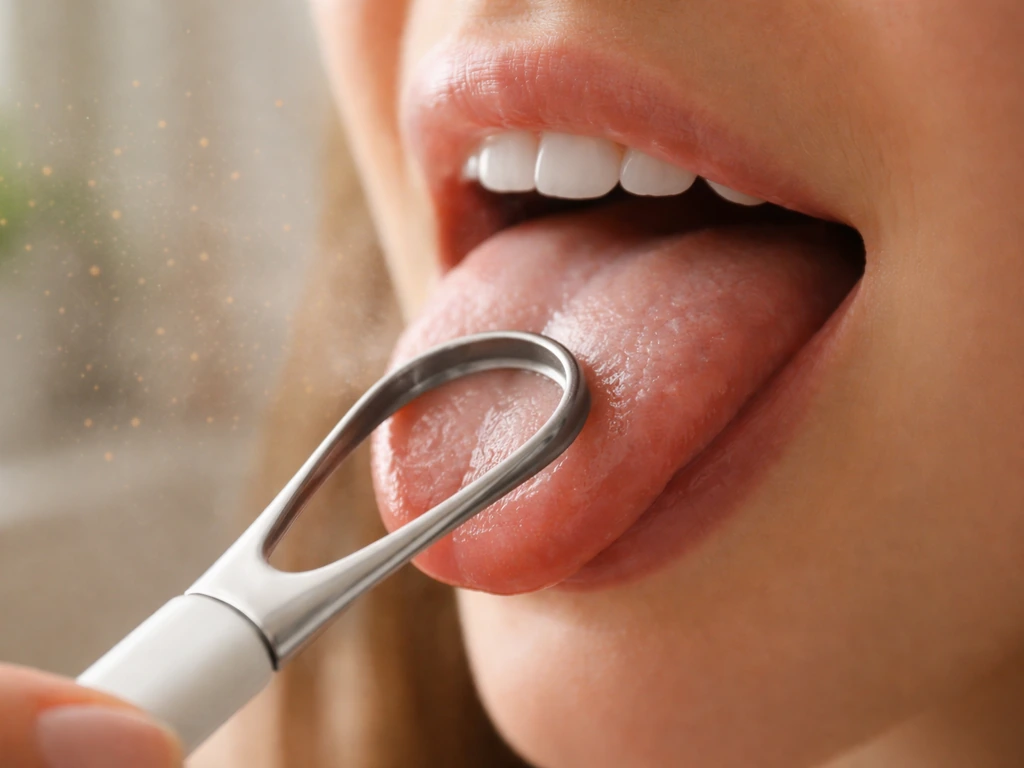
- Use a tongue scraper or the back of your toothbrush to scrape the tongue from back to front three to five times. Rinse after each pass.
- Floss every space. Food debris between teeth is a major odor source and brushing alone doesn't reach it.
- Rinse with an alcohol-free antibacterial mouthwash (look for cetylpyridinium chloride or chlorhexidine). Alcohol-based mouthwash can dry out the mouth and make things worse long-term.
- Chew sugar-free gum with xylitol. It stimulates saliva production, which is your mouth's natural defense.
- If you suspect reflux, avoid lying down for two to three hours after eating and skip the large meal before bed tonight.
Your 1-week plan to actually fix this
- Days 1 to 2: Add tongue scraping to your morning and evening routine. Track whether the smell is better, the same, or worse after brushing versus before.
- Day 3: Evaluate your water intake. Aim for at least 8 cups (2 liters) a day. Note whether the smell worsens in the afternoon (a common sign of dehydration-related dry mouth).
- Day 4: Look at what you've been eating. Cut back on seeds, nuts, and dense grains for 48 hours and see if the smell changes. This is your diet experiment.
- Day 5: Check your medications. If you take antihistamines, antidepressants, or diuretics, read the side effects list. Dry mouth may be on there. If so, talk to your pharmacist about options.
- Day 6: Pay attention to whether the smell is stronger from your nose or your mouth, and whether it's worse after meals or unrelated to eating. Sinus or reflux patterns will show up here.
- Day 7: If the smell is still present and unexplained after a week of improved oral hygiene and hydration, book a dental appointment. You've done your part; now let someone look inside.
When to call a dentist or doctor (and what counts as urgent)
Most bird-seed breath resolves with better hydration, tongue scraping, and consistent flossing within a few days. If you are wondering specifically what bird saliva tastes like, rinsing and hydration can help you reset your mouth and reduce lingering tastes from feathers or droppings better hydration. But there are situations where you should not wait a week.
- Severe tooth pain, throbbing, or visible swelling around a tooth or jaw: this could be an abscess, which needs same-day or urgent dental care.
- Bleeding gums that are significant or accompanied by gum recession: this points to active periodontal disease that needs professional treatment.
- Persistent bad breath despite genuinely good oral hygiene for more than two weeks: book a dentist appointment. There may be a cavity, periodontal pocket, or other issue that brushing can't fix.
- Fever combined with facial pain or pressure and nasal symptoms: a sinus infection may need antibiotics.
- Breath that smells of ammonia, fish, or sweetness and you have no explanation, especially with fatigue, excessive thirst, or changes in urination: see a doctor, not a dentist. These can be signs of kidney or metabolic issues.
- Trouble swallowing, a lump in the throat, or unexplained weight loss alongside persistent breath changes: these are red-flag symptoms that need prompt medical evaluation.
- If you've had meaningful bird droppings exposure and develop fever, cough, or chest symptoms within one to two weeks: tell your doctor about the exposure specifically so they can consider psittacosis or other avian-related infections.
The vast majority of people reading this have a simple, fixable problem: something they ate, a tongue that needs scraping, or a dry mouth that needs water. Start there, and most of the time the problem is gone before the week is out. If it isn't, you now know exactly what questions to ask and what red flags to watch for.
FAQ
How can I tell if the “bird seed” smell is from my tongue coating versus something stuck between my teeth?
Do a quick floss check. If floss comes out with food residue or a foul smell, your source is likely between teeth or under the gumline. If floss is clean but the back of your tongue has a white or yellow coating that smells when you scrape it gently, the tongue biofilm is the main driver.
What’s the best way to scrape or brush my tongue without making it worse?
Use gentle, short strokes from back toward the front, and stop if you see bleeding or increasing soreness. Over-aggressive scraping can irritate the tongue and temporarily make coating worse by increasing inflammation, so consistency with low pressure is better than hard scrubbing.
Why do mints or mouthwash sometimes make the smell come back quickly?
Many products mask odor at the surface but do not remove the biofilm and trapped particles under the tongue and between teeth. If your tongue coating or dry mouth is the root cause, the smell can return within hours, especially after talking, caffeine, or overnight.
If I rinse with water after meals, do I still need flossing?
Yes. Water rinses help, but they do not reliably remove seed or grain particles wedged between teeth or along gum pockets. For this specific “nutty or grainy” odor pattern, flossing is particularly useful after meals with nuts, granola, or whole grains.
Can allergies or post-nasal drip cause a bird-seed type smell even if my mouth feels clean?
Yes. If mucus sits in the throat and back of the tongue, bacteria can ferment it and create a musty, earthy odor that resembles food. A clue is frequent throat clearing, a coated feeling in the morning, and worsening after lying down.
Is it ever a sign of diabetes or something serious if my breath is nutty or grainy?
It can be, but it is uncommon if you have no other symptoms. A nutty smell related to ketosis is more likely if you recently started keto or fasting. If you also have excessive thirst, frequent urination, nausea, confusion, or rapid breathing, seek urgent medical care rather than treating it as routine oral odor.
How long should I wait before contacting a clinician if I try home fixes?
If you improve hydration, scrape your tongue, and floss consistently, most diet and tongue-driven cases improve within a few days. If it persists beyond about a week, or you notice worsening gum symptoms, pain, bleeding, or a bad taste that does not fluctuate with meals, get an oral evaluation.
What dry-mouth medications or habits commonly trigger this smell?
Antihistamines, antidepressants, and many blood pressure medicines can reduce saliva. Also, mouth breathing during sleep and sleeping with your mouth open can dry the tongue overnight, making the odor more noticeable in the morning even if daytime is better.
Could vaping or nicotine pouches cause a seed-like odor even when I brush regularly?
Yes. Aerosol residue and altered saliva flow can leave a warm, grainy mouth-and-throat scent that returns after brushing. If you notice a consistent pattern around vaping sessions, reducing frequency and adding tongue scraping and hydration can help you confirm the link.
Does reflux always cause a sour taste, or can it be mainly an odor?
Reflux can be odor-dominant. Some people notice minimal burning but still get a smell that resembles what they ate, especially after large meals or when lying down. If you also have frequent burping, throat irritation, or symptoms that worsen with bending over, reflux becomes more likely.
If I recently handled bird droppings, how do I know whether I’m dealing with contamination risk versus normal breath odor?
Normal breath odor usually tracks with meals, tongue coating, or dryness. Contamination concern is more about new systemic or respiratory symptoms like fever, cough, fatigue, or feeling unwell in the days after significant exposure. If you only have the odor with no other symptoms, the cause is far more likely intraoral or sinus-related.
When should I worry about infected teeth or gum disease instead of treating it like tongue biofilm?
If you have persistent bad breath plus signs like bleeding when brushing, gum swelling, tooth sensitivity, visible cavities, or localized foul odor near one area, consider gum disease or a decayed tooth. In those cases, home scraping may reduce odor briefly, but the underlying dental issue needs treatment.