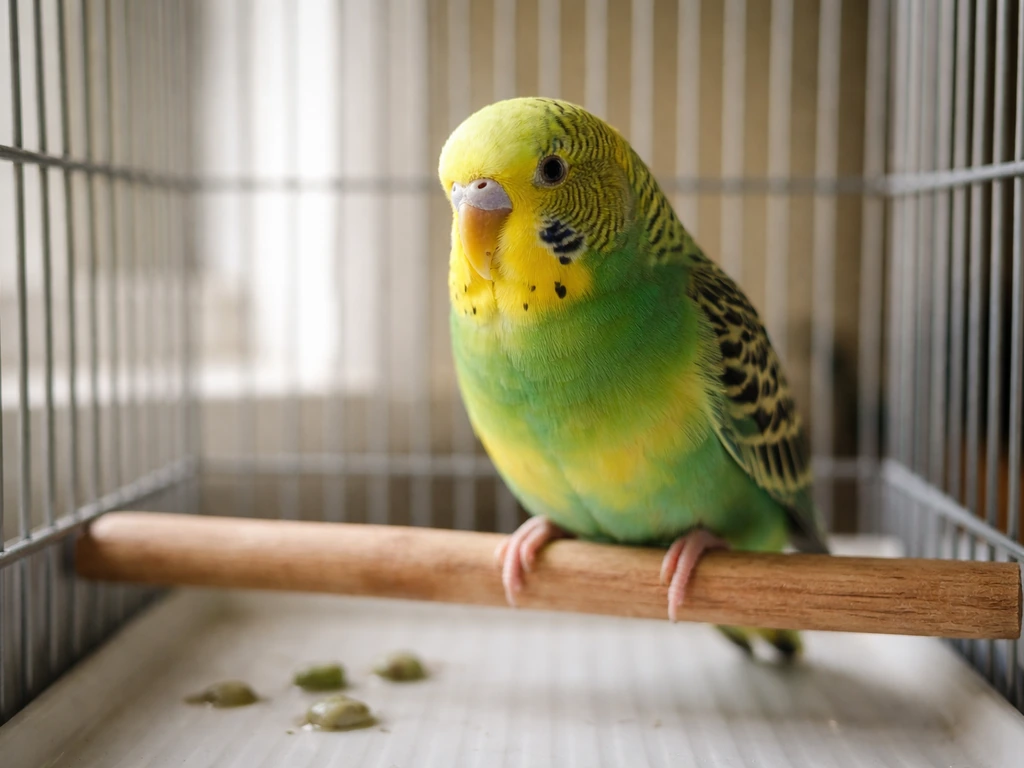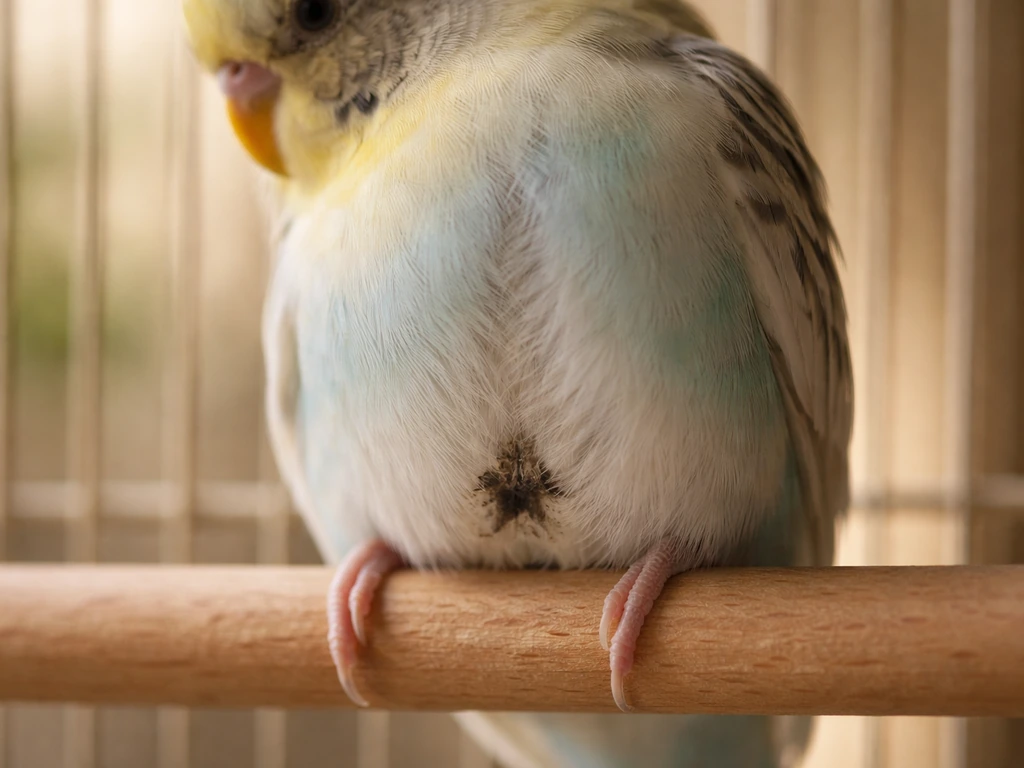
That red or pinkish slime in your bird bath is almost never what most people call 'algae' in the traditional green sense. It is most likely a cyanobacterial growth (sometimes called blue-green algae) or a type of red-pigmented algae called Haematococcus, and it thrives when three conditions line up: standing water, warm temperatures, and a nutrient source. Bird droppings, feathers, and organic debris are exactly the kind of nutrient fuel these organisms love, which is why bird baths become prime targets fast. Bird droppings can also hang and smear when they dry on perches or near the waterline, which is another reason to clean right away. The good news is you can fix it today with a scrub brush and a diluted bleach solution, and a few placement tweaks will keep it from coming back.
What Causes Red Algae in a Bird Bath and How to Fix It

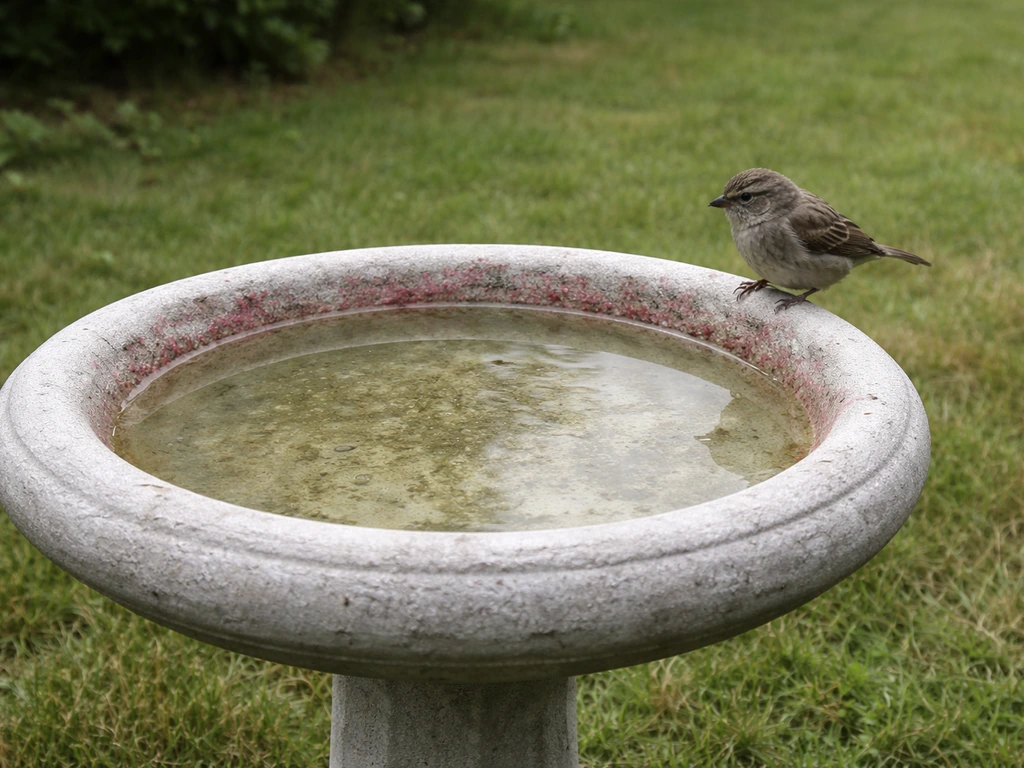
What that red stuff actually is
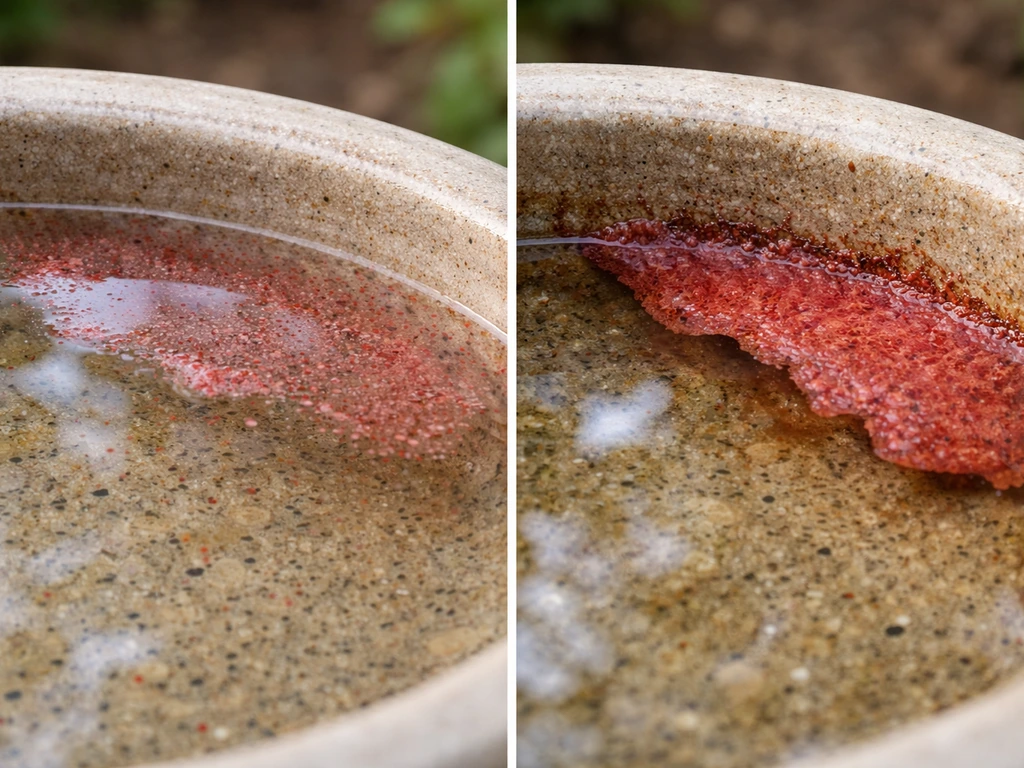
Most people assume any colored growth in a bird bath is algae, but the red, rust, or pink tint you are seeing is usually one of two things. The first is Haematococcus pluvialis, a green microalgae that turns deep red when it is stressed by UV light or nutrient changes. The second is cyanobacteria, a photosynthetic bacteria sometimes called blue-green algae that can produce reddish-brown mats depending on the species and conditions. The EPA lists surface water discoloration in shades of red, brown, green, or blue as a visual cue for cyanobacterial blooms, along with reduced water transparency and thick, mat-like scum sitting on the surface. If your bird bath water looks like murky rust-colored soup with a film on top, that description fits exactly.
There is also a simpler possibility: iron-oxidizing bacteria or plain mineral staining from hard water reacting with organic matter. This looks very similar to algae growth but is technically a different problem. The practical fix is the same either way, so for now, treat anything red, pink, rust, or brown and slimy as a bloom worth removing immediately.
Why it started growing: water, light, heat, and nutrients
Algae and cyanobacteria do not appear randomly. They need a combination of conditions, and bird baths deliver all of them in one shallow dish. Understanding the causes makes it much easier to break the cycle.
- Stagnant water: still water with no circulation or flow is the single biggest trigger. Even clean water will grow something within a few days in summer if it is not moving.
- Sunlight exposure: direct sun warms the water and provides the energy that drives photosynthesis in algae and cyanobacteria. A bath sitting in full sun all afternoon is essentially a petri dish.
- Warm temperatures: water above about 60°F accelerates growth significantly. In June through August, bird baths can hit 80°F or higher in direct sun.
- Nutrients: nitrogen and phosphorus compounds feed blooms. In a bird bath, the main nutrient sources are bird droppings, decomposing feathers, fallen leaves, pollen, and insect debris.
- Infrequent cleaning: every day you skip a cleaning, organic matter breaks down further and adds more dissolved nutrients to the water.
- Hard water and minerals: calcium and magnesium deposits create a rough surface texture on concrete and stone baths that makes it easier for algae to grip and establish colonies.
How bird poop and debris are actually feeding the problem
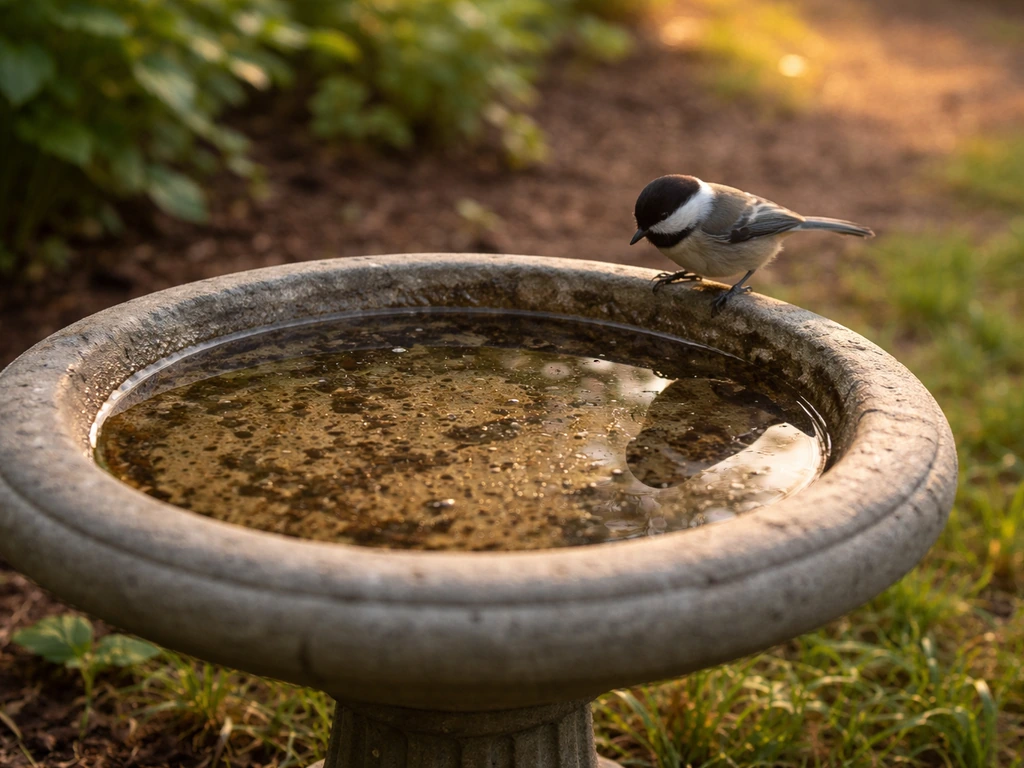
Bird droppings are a concentrated source of nitrogen and phosphorus, the same compounds used in fertilizer. Every time a bird lands in or near your bath, some waste ends up in the water, breaking down into dissolved nutrients within hours. If you are wondering why it happens so fast, bird droppings and other debris add nutrients that feed the bloom. A busy bath with ten or fifteen birds visiting daily gets a surprisingly large nutrient load over a week. Feathers add organic matter too, and wet feathers sitting in warm water start decomposing quickly.
Pollen is another underrated contributor. During peak pollen season, the yellow film you see on still water is basically free fertilizer for algae. Combine that with bird droppings and warm, stagnant water, and you have everything an algae bloom needs. If my bird has poop stuck to the feathers or in the bath, remove it promptly so it does not keep feeding algae bird droppings. The slicker and more established the growth gets, the faster it reproduces, which is why a bath can go from clean to red in two or three days during a heat wave.
How to remove it safely and effectively right now
The first rule here matches what All About Birds recommends: do not wait. Scrub the bath immediately when you see growth starting, before it gets a firm hold. Here is a practical step-by-step that works.
- Put on rubber gloves before you touch anything. Cyanobacterial blooms can irritate skin, and bird bath water carries bird droppings bacteria as well.
- Empty the bath completely. Do not just top it up with fresh water, because that leaves the biofilm on the surface intact.
- Dump the water away from vegetable gardens or areas where kids and pets play, since a heavy algal bloom can contain compounds you do not want on edibles or in a dog's mouth.
- Use a stiff-bristled scrub brush (not a sponge, which just redistributes slime) to scrub the entire bowl surface, including the rim and any crevices.
- Mix a cleaning solution of 9 parts water to 1 part bleach, which is the ratio Audubon cites from the National Wildlife Health Center for sanitizing bird baths and feeders.
- Apply the bleach solution to the scrubbed surface and let it sit for about 10 minutes to kill any remaining bacteria or algae spores.
- Rinse the bath thoroughly at least two or three times with plain water. Bleach residue is harmful to birds, so do not skip the rinse step.
- Let the bath air-dry in sunlight for a few minutes before refilling, which helps neutralize any remaining bleach trace.
- Refill with fresh water and get it back out for the birds.
Avoid using soap, dish detergent, or vinegar as your main sanitizer. Soap leaves a residue that is hard to fully rinse and can harm birds. Vinegar is better than nothing for light mineral deposits, but it does not kill cyanobacteria reliably. The diluted bleach method is what the evidence-based sources recommend, and it works. Audubon, citing the National Wildlife Health Center, recommends cleaning bird baths and feeders with a bleach solution made with 9 parts water to 1 part bleach diluted bleach solution.
Stopping it from coming back: a realistic cleaning schedule
The biggest mistake people make after a good clean is going back to the same schedule that allowed the bloom in the first place. Here is a maintenance routine that actually prevents regrowth rather than just reacting to it.
| Task | Frequency | Why it matters |
|---|---|---|
| Dump and refill with fresh water | Every 2 to 3 days in summer, every 3 to 5 days in cooler months | Removes nutrient load before algae can establish |
| Scrub the bowl with a brush (no bleach) | Weekly | Breaks up early biofilm before it becomes visible slime |
| Full bleach sanitize (9:1 water to bleach) | Every 2 to 4 weeks, or immediately after any visible bloom | Kills spores and bacteria, resets the surface |
| Remove debris (leaves, feathers, pollen) | Daily or every other day during spring/summer | Reduces nutrient input significantly |
| Check and scrub rim and stand | Monthly | Growth often starts at the rim and works inward |
In the height of summer, water in a shallow bath can reach bloom-triggering temperatures within a day. If you are in a consistently hot climate or a heat wave, err toward every-other-day water changes. It sounds like a lot, but it takes two minutes once you make it a habit.
Placement and water management: the longer-term fix
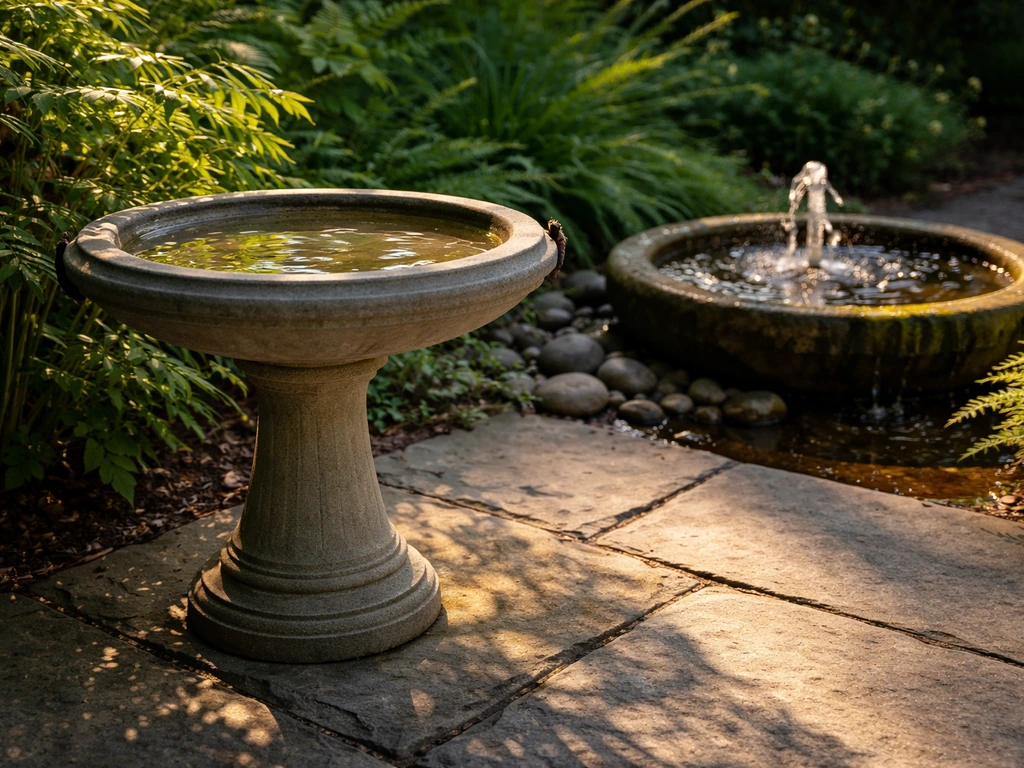
Where you put the bath and how the water moves are probably more important than any cleaning product. Getting these two things right makes the cleaning schedule much easier to keep up.
Sun versus shade: finding the right balance
Full sun all day is the worst placement for algae control. Morning sun is fine and actually helps birds find the bath, but afternoon sun in summer heats the water to temperatures that accelerate growth significantly. A spot with morning sun and dappled afternoon shade is the sweet spot. Complete deep shade solves the algae problem but makes the bath harder for birds to spot and can make the area feel unsafe to them since they cannot see predators approaching. Partial shade in the afternoon is the practical middle ground.
Moving water is your best prevention tool
Algae and cyanobacteria struggle to establish in moving water. Even a small solar-powered water wiggler or a drip attachment changes everything. Birds also strongly prefer the sound of moving water, so this upgrade tends to bring in more bird activity while solving your algae problem at the same time. A small recirculating pump or fountain attachment that keeps the surface agitated is the single best long-term investment you can make for a persistently problematic bath.
What about additives and filtration?
There are enzyme-based bird bath treatments sold specifically to inhibit algae without harming birds. These can extend the time between cleanings, but they do not replace cleaning and they work better as a preventive than as a cure once a bloom is established. Copper is a natural algae inhibitor and some people add a small copper scrubby pad to the bath, though results are mixed and you need to make sure it does not leach into the water at levels that could harm birds. Stick to the cleaning schedule first and use additives as a supplement if you are still struggling.
Health and safety: what you actually need to worry about
The CDC is pretty direct on this: if you see scum, foam, mats, or paint-like material on the water surface, or if the water smells bad or looks discolored, stay out of it and do not let pets drink from it. That advice is written for larger water bodies but applies to bird baths too, especially if you have dogs who might sip from outdoor water sources.
Cyanobacterial toxins (called cyanotoxins) are real, and some strains can cause skin irritation, eye irritation, gastrointestinal symptoms, and in heavy exposure cases more serious effects. The risk from a bird bath is much lower than from a large pond bloom, but it is not zero, especially for pets and small children who might touch the water or surrounding surfaces. Gloves during cleanup are not optional.
Beyond cyanotoxins, a bird bath that has gone a while without cleaning is also harboring bacteria from bird droppings, including Salmonella, Campylobacter, and E. coli. These are the same pathogens that concern people on this site when birds poop on surfaces humans touch. The bloom itself is a signal that the water is biologically active in ways that are worth taking seriously. You do not need to panic, but you do need gloves, thorough rinsing, and hand washing after any contact with the bath water or slime. If you are dealing with a bird that cannot poop, treat it as a separate health concern and contact an avian veterinarian right away.
When should you stop using the bath entirely? If you have a recurring heavy bloom despite following the cleaning schedule, or if the bath material (concrete especially) has become so deeply stained and porous that you cannot fully sanitize it, it is worth replacing the basin. Deeply pitted concrete holds algae spores in cracks where bleach cannot reach, and at that point you are fighting a losing battle. A smooth ceramic or plastic basin is much easier to keep clean long-term.
Getting this right is genuinely worth the effort. A clean bath serves the birds well, gives you something nice to watch in the backyard, and removes a potential source of pathogen exposure for everyone who shares the space with you. The red slime is solvable today with a scrub brush and some diluted bleach, and the steps above will keep it from making a return visit. If you are also wondering about why mother bird eats poop, that is a different but related bird-behavior topic you can review for more context.
FAQ
How can I tell if the red material is cyanobacteria versus simple mineral staining from hard water?
Cyanobacteria usually forms a slick film or mat that looks thick, can cover the whole surface, and often returns quickly after cleaning. Mineral or rust staining is more likely to look “stuck” to surfaces as a discoloration and may wipe off more dryly, with less slime. If it creates a new film within a day or two in warm weather, treat it as cyanobacteria or algae rather than staining.
Why does the red slime come back within 1 to 3 days even though I scrubbed it?
The most common reason is nutrients are still being added (droppings, feathers, pollen) and the water is staying warm and still. Another big factor is placement, full afternoon sun and no shade. If you cannot move the bath, increase water changes to every other day during heat waves and add surface agitation (drip or small fountain) to slow establishment.
Is it safe to rinse the bird bath with a hose after using bleach?
Yes, but rinse thoroughly until you cannot smell chlorine. Also, after the rinse, fill the bath and let it sit briefly in the sun or shade for a short period before letting birds use it, then empty and refill once. This reduces the chance of residual bleach irritating birds’ skin and feet.
Can I use vinegar instead of bleach if the red growth looks mild?
Vinegar may help with mineral deposits, but it does not reliably kill cyanobacteria once it is established. If you are seeing red, pink, rust, or brown slimy scum that spreads, treat it as a biological bloom and use a diluted bleach cleaning approach instead.
Will soap or detergent residue make red algae come back faster?
Soap and dish detergent can leave residue that is hard to fully remove, and that residue can add organic matter that feeds microbial growth. The safest approach is to avoid detergent for sanitizing and use scrub plus diluted bleach, then rinse well and restart with fresh water.
What water change frequency should I use if I live in a cool climate?
In cooler weather you can often stretch to about twice per week, but only if the bath stays shaded and does not warm up much. If you notice any red or rust tint returning, switch to every-other-day changes until the water stays clear for several days.
Does adding a fountain or water wiggler always help, or can it worsen the problem?
In most cases it helps because algae and cyanobacteria struggle to establish on moving or agitated surfaces. It can worsen things only if splashing causes heavy droppings to collect in the surrounding crevices or if the pump creates warm stagnation in the basin. Keep the basin area clean and ensure the recirculation actually agitates the surface.
How should I clean the area around the bird bath, not just the basin?
Red blooms can leave residue on nearby surfaces where birds land and where pets might lick. Wipe down the base, perches, and any deck stones splashed by the bath water. Then wash your hands after cleanup, because slime can transfer even if the basin looks “done.”
Is it okay for my dog or cat to drink from the bath if I clean it but see a faint tint?
If you still see any scum, mats, foam, or visible discoloration, treat it as unsafe and keep pets away until the basin is fully scrubbed, sanitized, and refilled with fresh water. The safest “return to use” is when the surface is clear with no film and no bad odor.
When should I stop trying to fix the same concrete bird bath?
Stop and consider replacing it if the basin is deeply pitted or porous so you cannot fully sanitize it, or if red growth repeatedly reappears despite good cleaning and placement changes. Porous concrete can trap organisms in cracks where bleach cannot reach effectively.
Can pollen alone cause red algae in a bird bath?
Pollen by itself is usually not the only trigger, but it provides nutrients and a film that helps microbes establish when combined with droppings, feathers, and warm still water. During pollen season, increase water changes and scrub immediately at the first sign of yellow film or tint, even if it is not fully red yet.