Birds poop a lot, and that is completely normal. Some birds, including many species of mother birds, may also eat their poop as part of nest hygiene or chick-raising behavior, even though it can still raise questions for owners why mother bird eats poop.
Why Does My Bird Poop So Much? Causes and What to Do

Marcus Fielding
12 Jun 2026
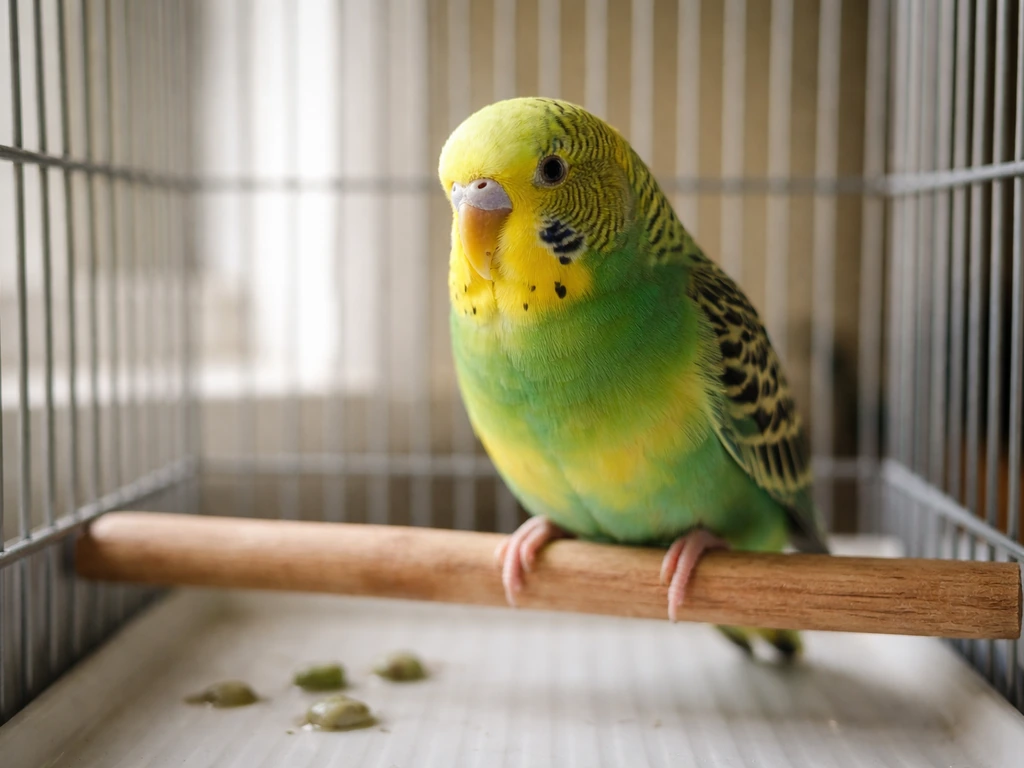
A healthy pet bird can drop anywhere from 25 to 50 times a day depending on species, diet, and activity level, and small birds like budgies and finches tend to go even more frequently than larger parrots. Most of the time, "my bird poops so much" is less a medical mystery and more just the reality of owning an animal with a fast metabolism and no concept of a litter box.
That said, a sudden increase in volume, a change in consistency, or unusual color can genuinely signal something worth investigating, so knowing how to read a dropping is one of the most useful skills a bird owner can have.
What counts as normal dropping volume, and what does "too much" actually mean?
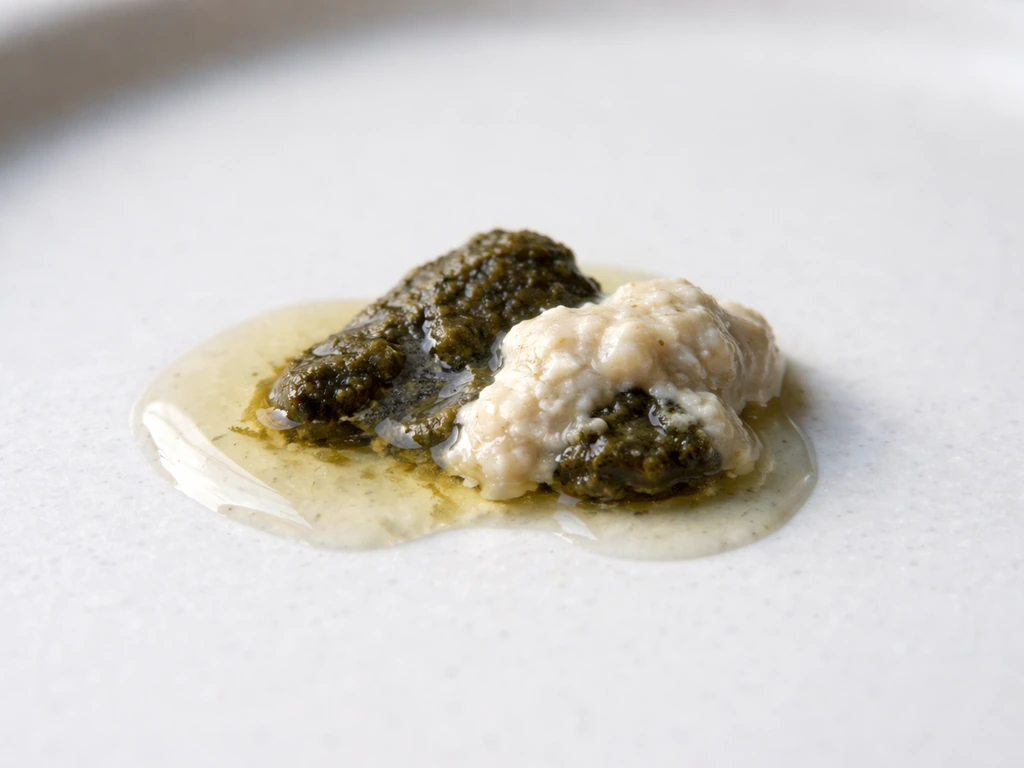
Birds have a combined digestive and urinary system, which means every dropping contains three distinct parts: the feces (the darker solid or semi-solid portion), the urates (the white or cream-colored chalky part), and the urine (the clear watery liquid). Because all three exit at once, a bird that looks like it is producing a huge wet mess is often just producing a normal amount of feces with extra urine around it. That extra liquid is called polyuria, and it is not the same as diarrhea.
The key question is not how often your bird goes, but whether the pattern has changed from its personal baseline. If your cockatiel has always dropped 30 to 40 times a day and continues to do so, that is normal for that bird. If it has suddenly started going far more frequently than usual, or if the droppings are noticeably wetter, larger, or different in color than they were last week, that shift is what deserves attention.
A one-day blip after a stressful event or a new food is usually nothing to worry about. Abnormal droppings that persist for more than 24 hours are the threshold at which an avian vet should be in the picture.
If your bird cannot poop at all, the situation can be an emergency because it may point to constipation or a blockage.
How to read what you are actually looking at
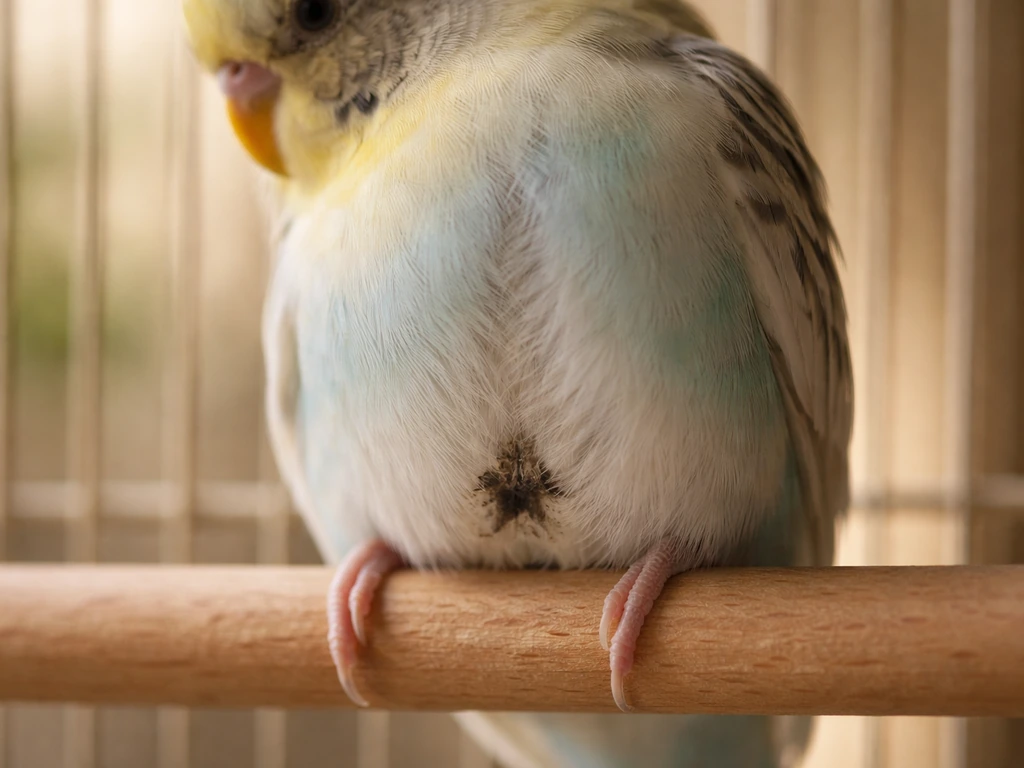
A healthy dropping looks like a rounded pile with a darker green or brownish fecal core wrapped in or topped with white or beige urates, and a small amount of clear liquid. When that picture is consistent day to day, you are in good shape. Here is what different variations tend to suggest.
| What you see | What it likely means |
|---|---|
| Lots of clear liquid around normal feces | Polyuria (extra urine, not diarrhea) — often linked to diet, stress, or high-water foods |
| Unformed, loose feces that blends into the urates | True diarrhea — warrants monitoring and possible vet call if it persists past 24 hours |
| Bright green or yellow-green urates | Possible liver disease or infection — flag for vet promptly |
| Red or black coloring in the fecal portion | Blood in the GI tract — contact a vet the same day |
| Pale, foamy, or "popcorn" textured droppings | Possible Giardia or other intestinal parasite — needs fecal testing |
| Chalky white urates with no other change | Usually normal, though very heavy white output can hint at kidney stress in some species |
| Undigested seeds visible in feces | Possible GI motility problem or infection — worth a vet check if recurring |
| Watery droppings one day after giving fruit or leafy greens | Normal dietary response — usually resolves when those foods are reduced |
The rule of thumb is this: if the feces component looks recognizably like feces and the only change is extra liquid around it, you are probably dealing with polyuria. If the feces itself looks wrong, whether pale, slimy, very loose, bloody, or full of undigested material, that is a more urgent signal.
Common non-medical reasons your bird is producing more
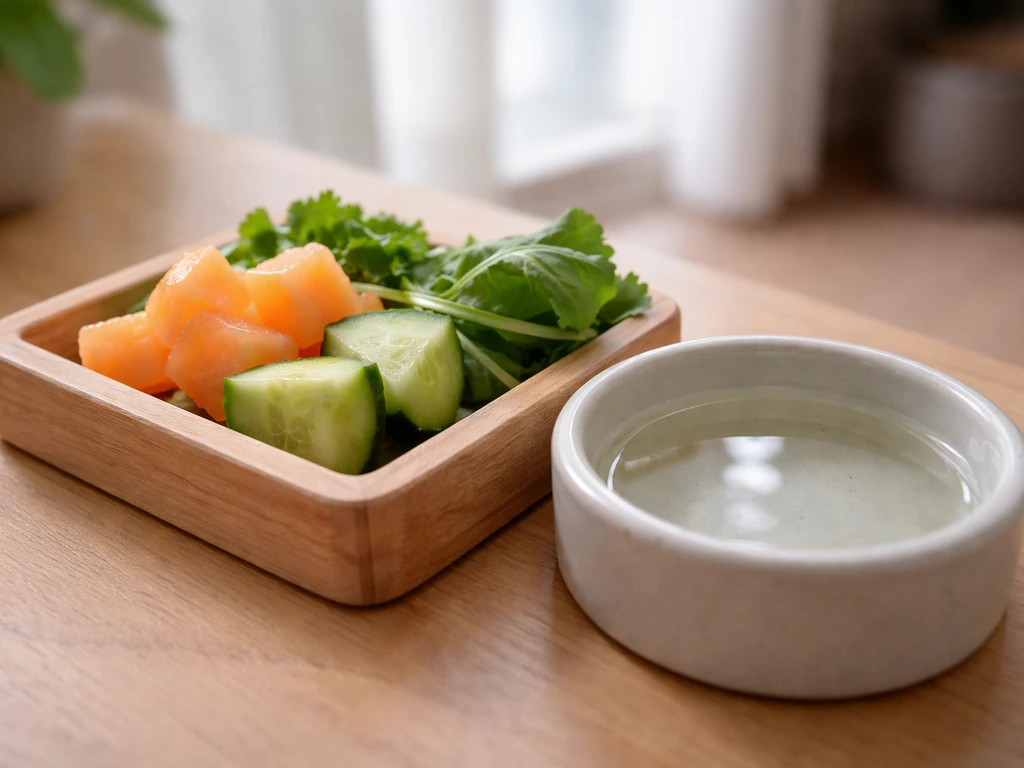
Diet and water intake
This is the number one cause of increased dropping volume and wetter droppings. Fruits, leafy greens, cucumber, melon, and other high-moisture foods pass through quickly and dramatically increase the urine portion of droppings. A bird that just transitioned from a dry seed diet to pellets will also produce noticeably wetter droppings while its system adjusts. Similarly, a bird drinking more water than usual (whether because it is hot, stressed, or just curious about a new water source) will produce more liquid output. If you introduced new food in the last day or two, start there.
Stress and routine changes
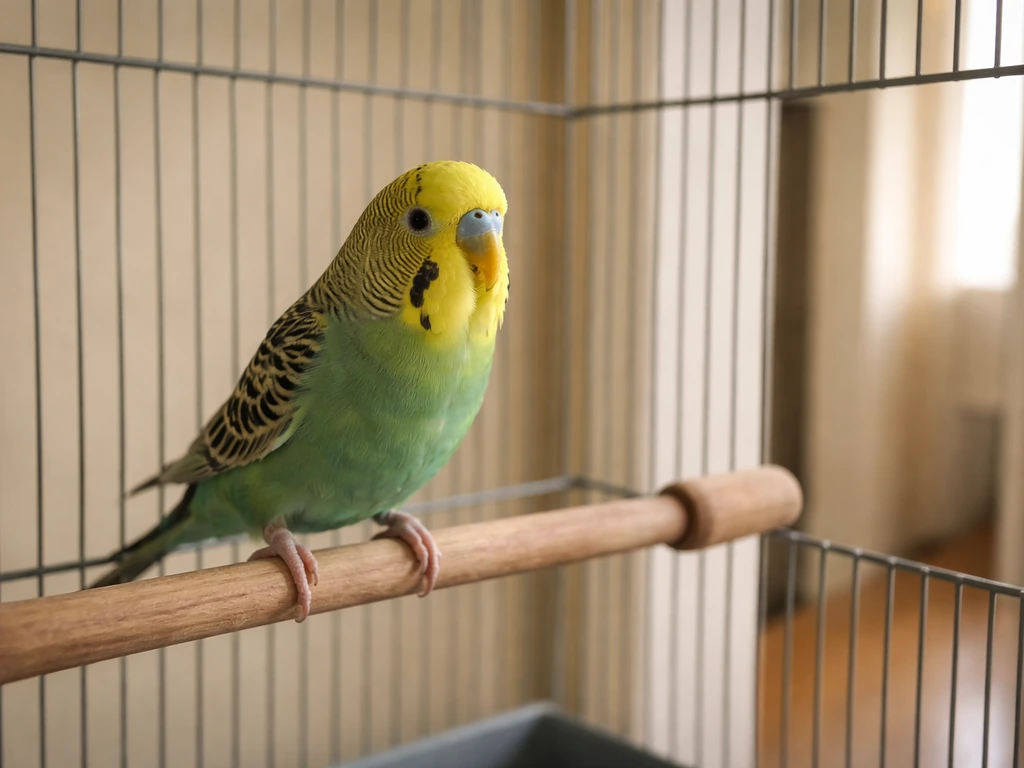
A bird that has been moved to a new home, had a new pet introduced nearby, experienced a change in its daily schedule, or was simply startled repeatedly can produce watery droppings for a day or two. Stress directly affects GI motility and urine output. If your bird just came home from the vet, went through a travel episode, or has been around unfamiliar visitors or sounds, stress-related looser droppings are a very common and temporary response.
Breeding and nesting hormones
During breeding season or when hormonal behaviors kick in (increased regurgitation toward toys or owners, nesting behavior, territorial posturing), birds often produce larger and less frequent droppings because they hold them longer. Paradoxically, this can look like they are suddenly producing more per dropping even though the total count drops. Female birds preparing to lay can also produce massive droppings that seem alarming but are completely normal.
Temperature and environment
Hot environments make birds drink more, which directly increases urine output. Poor air quality, dust, or dry conditions can also affect how much water a bird consumes. Cage substrate matters too because a clean substrate shows every dropping clearly, making a normal frequency look alarming when you are paying close attention.
Medical causes that can increase droppings, and the red flags to watch for
When the volume or character of droppings changes and non-dietary causes do not explain it, these are the medical issues most commonly responsible. If you are also dealing with red algae in a bird bath, the cause is usually environmental, related to water conditions and how the bath is maintained what causes red algae in a bird bath.
- Gastrointestinal infections (bacterial or viral): Cause true diarrhea with unformed feces, sometimes with mucus, unusual smell, or color changes. Often accompanied by lethargy, reduced appetite, or fluffed feathers.
- Giardia and other intestinal parasites: Giardia in cockatiels and budgies produces voluminous, aerated, foamy droppings with a distinctive "popcorn" texture. It can also cause weight loss and malnutrition if untreated.
- Kidney disease or dysfunction: Excessive white urates or very heavy urine output can indicate the kidneys are under stress. Some species, particularly Amazon parrots and cockatiels, are prone to kidney issues that show up in droppings before other symptoms appear.
- Liver disease: Green or yellow-green urates, particularly a lime-green color, are associated with liver infection or disease and need prompt evaluation.
- Psittacosis (Chlamydiosis): A bacterial infection that can cause lime-green droppings, lethargy, and respiratory symptoms. Also transmissible to humans, which is an important safety consideration.
- Polyuria from diabetes or hormonal disorders: Less common but possible, especially in older birds or those fed high-sugar diets.
The red flags that mean you should stop waiting and call a vet today are: blood in the droppings (red or black), lime-green urates, completely unformed droppings lasting more than 24 hours, a fluffed posture with closed eyes, tail bobbing, vomiting or regurgitation alongside dropping changes, visible weight loss, a bird sitting at the bottom of the cage, or droppings that contain what looks like undigested whole seeds. Any single one of those signals, especially combined with a change in the droppings, is reason to act now rather than wait and see.
When to call an avian vet, and what to bring with you
The 24-hour rule is a reliable guide: if droppings do not return to normal within 24 hours, or if they are accompanied by any of the red flags above, call an avian vet. Not all general practice veterinarians are comfortable with birds, so try to find one who specializes in avian medicine or exotic animals.
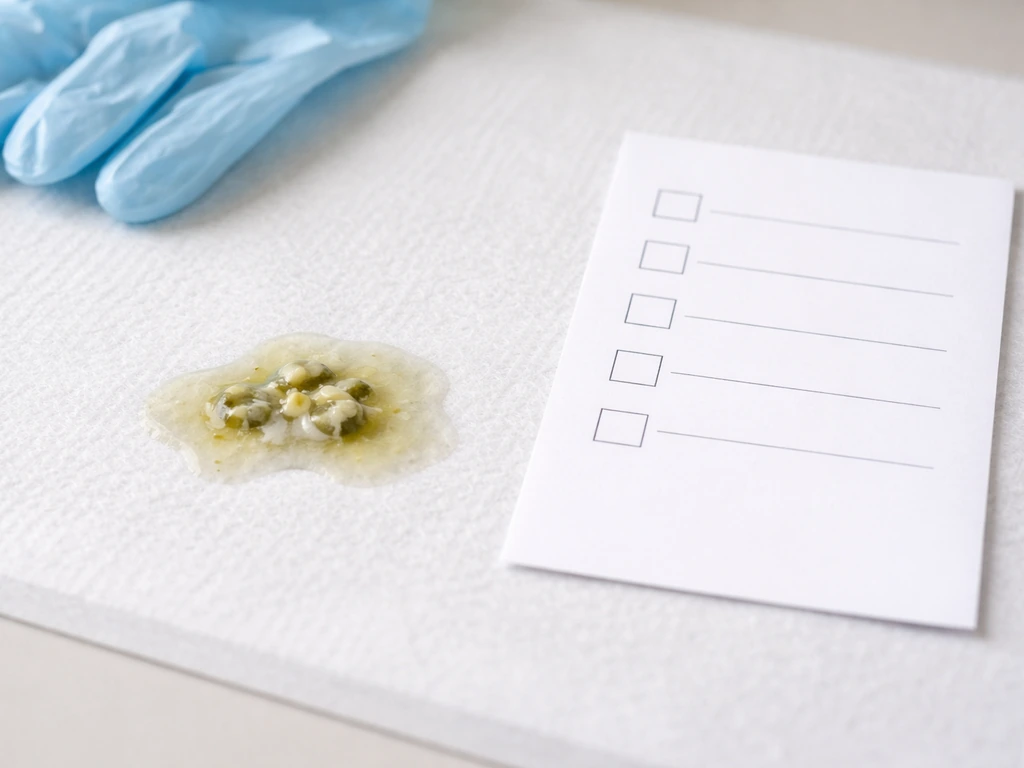
When you call, be ready to describe when you first noticed the change, what the droppings look like (color of each component, consistency, volume, frequency), whether any new foods were introduced recently, how much water your bird has been drinking, whether there have been any behavior changes, and whether the bird is still eating and moving normally. Photos of the droppings on the cage liner are genuinely useful, so take a few before you clean up.
Bring a fresh fecal sample if you can. Collect it in a clean disposable container or sealed bag, keep it at room temperature, and bring it to the technician on arrival. A fresh sample allows the vet to run a fecal float or smear to check for parasites like blank" rel="noopener noreferrer">Giardia and bacteria without having to wait for separate testing. The fresher the sample, the more useful it is.
Ask the vet specifically about fecal testing for parasites, a gram stain or culture if infection is suspected, and kidney and liver panels if the urates look abnormal. If your bird shows any respiratory symptoms alongside the dropping changes, mention psittacosis by name because it is both treatable and relevant to your own health as the owner.
What you can do right now, today
If your bird seems alert, is eating, and there are no red flags, here are the practical steps to take in the next 24 to 72 hours before deciding whether a vet visit is needed.
- Pull back any high-moisture foods (fruit, leafy greens, cucumber) for 24 hours and observe whether the droppings firm up. This is the single fastest way to rule out diet as the cause.
- Check the water source. If the water bowl looks even slightly murky or has been sitting for more than a day, change it. Contaminated water can cause GI upset and watery output.
- Line the cage bottom with fresh white paper (unbleached paper towels or cage liners work well) so you can actually see the droppings clearly against a neutral background. Monitor every few hours.
- Note the time, appearance, and rough frequency of droppings in a simple log. Even a note on your phone works. This information is extremely useful if you end up calling a vet.
- Reduce stressors in the environment: lower ambient noise, cover part of the cage if the bird seems anxious, avoid introducing new animals or rearranging furniture near the cage.
- Check the temperature in the room. If it is above 80°F, the bird is likely drinking more and that will directly increase urine output.
- If you see no improvement after 24 hours, or if the situation gets worse at any point, call an avian vet. Do not wait a full week hoping it resolves on its own.
Cleaning up safely and protecting your own health
Bird droppings can carry pathogens including Chlamydia psittaci (the bacteria responsible for psittacosis), Salmonella, and Giardia, and dried droppings become airborne dust when disturbed. This is not a reason to panic, but it is a reason to handle cleaning with some basic precautions, especially if your bird is currently showing signs of illness.
The most important rule when cleaning a cage or surface covered in droppings is to wet it first before scrubbing. Spraying the area with water before wiping prevents dry droppings from aerosolizing into breathable dust, which is the main route of psittacosis transmission. The CDC specifically recommends this approach for bird enclosure cleaning.
For routine daily cleaning, mild dish soap and water followed by a rinse is fine for food and water bowls. For a thorough cage disinfection, a diluted bleach solution works well: roughly one ounce of bleach per quart of water (approximately a 1:32 dilution) applied after you have already scrubbed off the visible fecal debris. Let the solution sit for at least five to ten minutes of contact time, then rinse thoroughly so no residue remains near food or perches. Make sure the cage is fully dry before the bird goes back in, as bleach fumes are harmful to birds.
If your bird is sick or you are dealing with a heavy accumulation, wear disposable gloves and consider an N95 mask, especially if you are immunocompromised, pregnant, or elderly. These are the same precautions the CDC recommends for cleaning environments with confirmed psittacosis exposure. Wash your hands thoroughly after any cage cleaning regardless of whether gloves were used.
On a practical note: the more consistently you clean, the less of a problem buildup becomes. Daily liner changes and weekly perch scrubbing keep the total volume of dried droppings low, which makes routine cleaning faster and reduces aerosolization risk. It also makes it much easier to spot a change in your bird's droppings early, before a small issue becomes a bigger one. If you have noticed poop sticking to your bird's vent area rather than dropping freely, that is a separate issue worth looking into on its own. If you are seeing poop hanging from the vent, that can require a different approach than just increased droppings poop stuck around the vent.
FAQ
My bird’s poop looks more watery, but it is still the same color. Should I worry about diarrhea?
Watery liquid can be polyuria, which happens when the urine portion increases. Focus on whether the fecal core still looks like normal feces and whether frequency, volume, and behavior are otherwise stable. If the droppings are persistently loose with malformed feces, or the change lasts beyond 24 hours, treat it as diarrhea-like illness and contact an avian vet.
How do I tell if increased droppings are just “more liquid” versus “more feces” output?
Check the ratio of parts in a single dropping, not just overall messiness. If the darker fecal core size and shape stay similar while the white urates and clear liquid increase, it often points to polyuria. If the fecal core itself becomes larger, very thin, or contains obvious undigested material, that suggests a different problem.
Can weather or cage placement make my bird seem like it poops more?
Yes. Heat increases drinking and urine output, and dry air or drafts can also change water consumption. If you moved the cage to a different room, changed sunlight exposure, or adjusted the thermostat, note whether the change in droppings followed within a day or two.
My bird is shedding feathers or molting. Could that affect droppings volume or consistency?
Molting itself can change metabolism and sometimes appetite, but a sudden watery mess usually still deserves a baseline check. If you see the same high frequency with consistent fecal structure, it may be diet plus normal seasonal changes. If molt coincides with red flags like fluffed posture, weight loss, tail bobbing, or abnormal urate color, escalate to a vet visit.
Is it normal for my bird to poop more after eating fresh fruit or vegetables?
Often yes, because high-moisture foods can pass quickly and raise the urine portion. To confirm it is food-related, observe for 24 to 72 hours after removing the new food, and compare droppings to days when the bird ate the usual diet. If droppings stay abnormal after the food change window, look beyond diet.
What if my bird’s droppings are small but very frequent, is that still normal?
Small droppings can happen with higher perching activity or if the bird is eating different foods, but “very frequent” should still be compared to that bird’s own baseline. If frequency rises while droppings become unformed, pale, or contain undigested seed pieces, or if the bird shows lethargy or tail bobbing, do not assume it is normal.
My bird’s cage liner makes it look worse. How should I measure frequency accurately?
Use a consistent liner material and timing. For one or two days, check and count droppings at a similar time each day and note whether you are seeing multiple droppings that happen close together. Avoid changing liners, cleaning schedule, or cage accessories right before you compare, because substrate changes can affect how quickly you notice each dropping.
When the article says “abnormal droppings lasting more than 24 hours,” what counts as abnormal?
Abnormal means more than a one-time blip. Examples include a sustained increase in wetness, repeated changes in color (especially lime-green urates or black or red blood), consistently unformed droppings, or recurring abnormalities in the fecal core such as sliminess, pale feces, or undigested material.
My bird is eating normally, but the droppings are changing. Do I still need a vet?
Maybe, depending on how long and which changes are present. If the change persists past 24 hours or any red flag appears, call an avian vet. “Eating and alert” is reassuring, but it does not rule out problems like parasites or kidney and liver issues that can start with dropping changes.
How should I store or transport a fecal sample for testing?
Keep it clean and sealed, and bring it as fresh as possible. Room-temperature storage is usually preferable to refrigeration in terms of test quality during same-day transport. Use a disposable container or sealed bag, and label the container with the time collected so the technician can interpret freshness.
Do I need to quarantine my bird from other pets if droppings might carry infection like Giardia or psittacosis?
At least increase hygiene and reduce shared exposure immediately. Wear gloves and avoid aerosolizing dried droppings by wetting before cleaning. Keep other animals from scavenging droppings and wash hands thoroughly after any cleanup. If you suspect psittacosis due to respiratory symptoms plus abnormal droppings, contact a vet and follow their isolation guidance.
What’s the safest way to clean when my bird is sick, but I do not have an N95 mask?
Wet the droppings first before wiping or scrubbing, then clean with gloves if available and ventilate the room. If you cannot mask, limit the time you spend in the enclosure area, avoid dry sweeping, and consider asking a helper to do the heavy cleanup. Prioritize preventing dust from becoming airborne rather than relying on dry cleaning.
My bird stopped pooping, but it is acting normal. Is it still an emergency?
Yes. Not pooping can indicate constipation or a blockage, and that is time-sensitive in birds even if the bird seems okay at first. If your bird cannot poop at all, contact an avian vet promptly, or emergency care if you cannot reach one quickly.
Could cleaning products or cage materials be causing the wet droppings or stress?
They can indirectly, mainly by irritating the bird or changing smell and air quality. Avoid using strong cleaners near the cage, ensure bleach or disinfectants are fully rinsed, and confirm the cage is completely dry before returning the bird. If you recently changed perch materials, bedding, or used new sprays, note the timing relative to the droppings change.