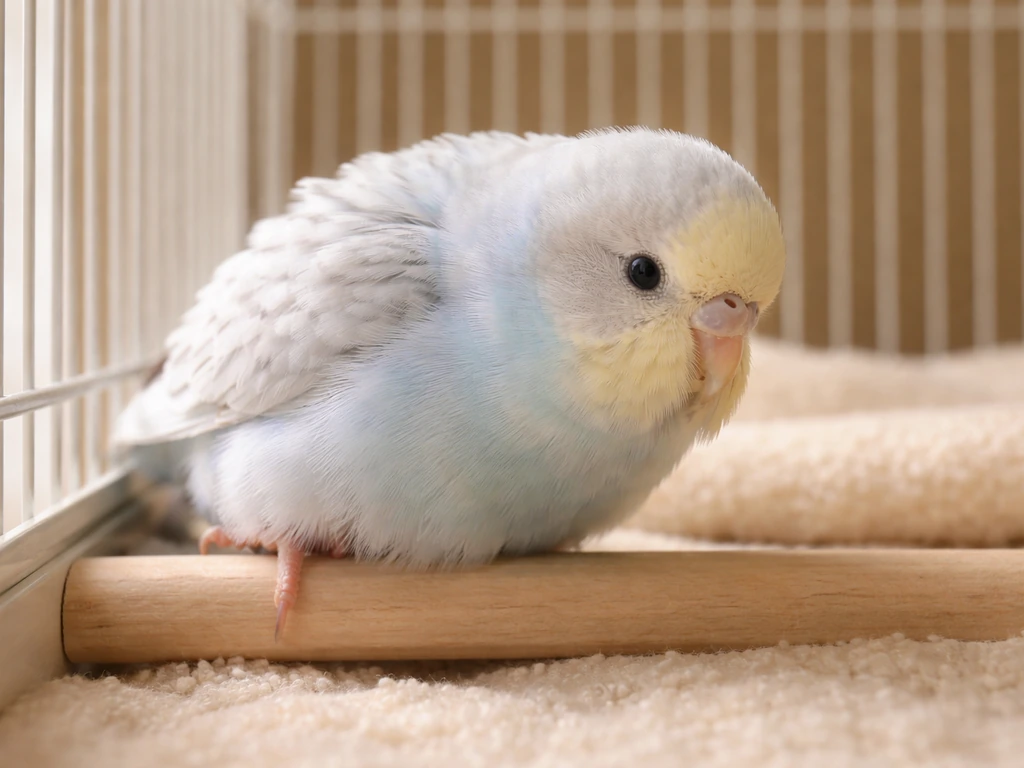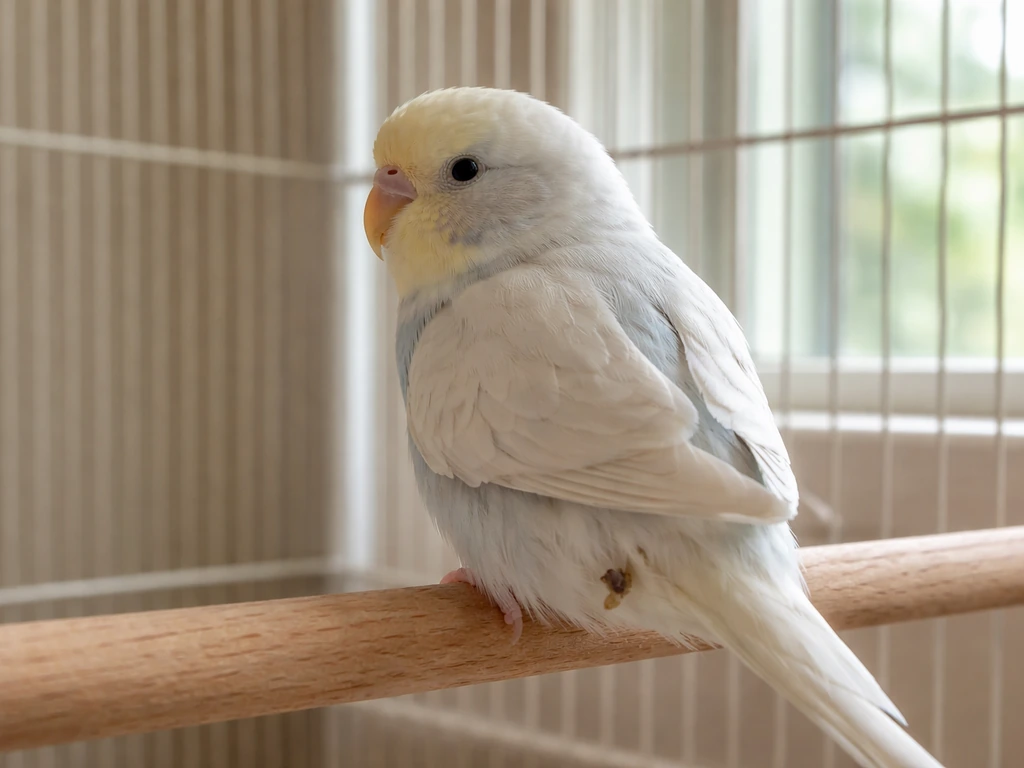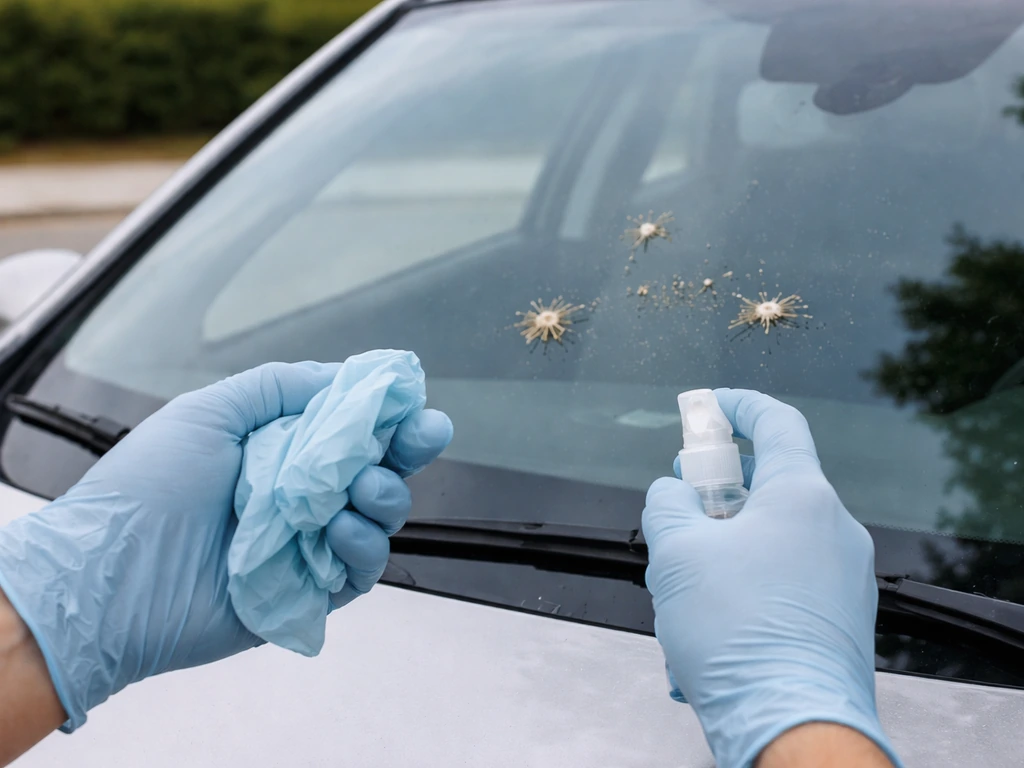
If your bird has poop stuck to their vent, tail feathers, or bottom, the most likely cause is something manageable at home: dehydration, a dietary issue, or feather matting around the cloaca. This can happen for many reasons, so it helps to know what might be causing poop to hang from your bird in the first place poop hanging from my bird. A warm soak and gentle cleaning resolves most cases in under 15 minutes. That said, a few specific signs mean you need to skip the home remedy and call an avian vet right now. Here is how to tell the difference and exactly what to do.
My Bird Has Poop Stuck: Safe Steps and Vet Red Flags

Marcus Fielding
6 Jun 2026
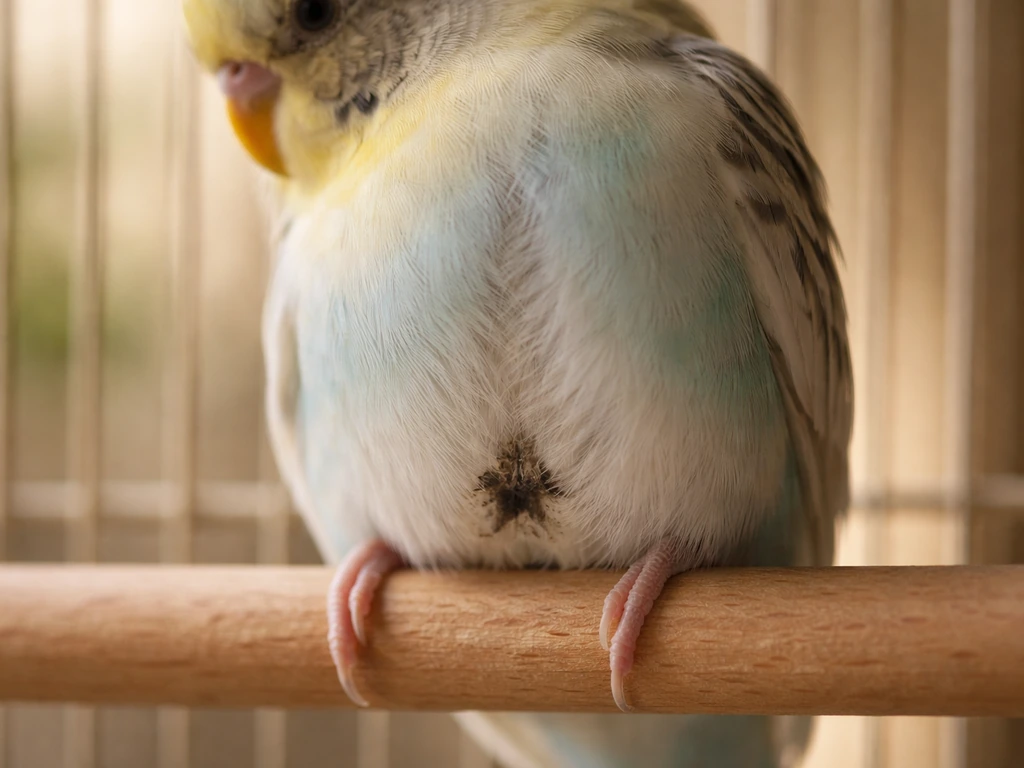
Quick check: is it an emergency or a minor mess?
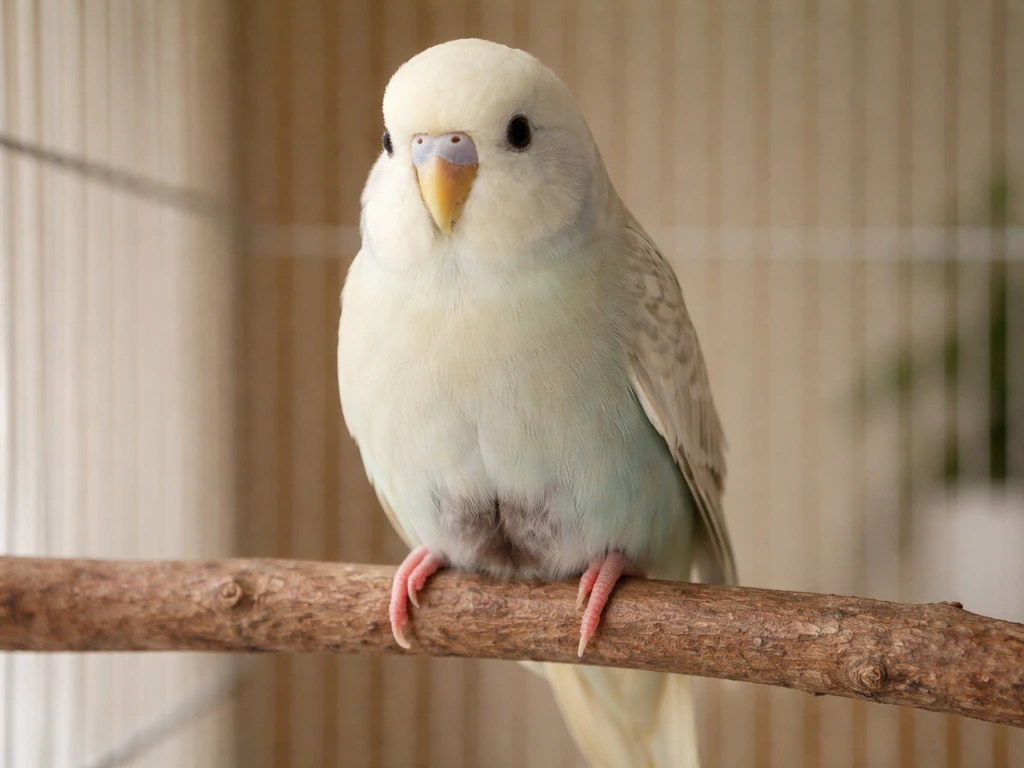
Before you do anything else, take 60 seconds to look at your bird's overall condition, not just the poop situation. Stuck droppings alone, with a bird that is alert, eating, and behaving normally, is almost always a minor issue. The concern level rises fast when the stuck poop is accompanied by other symptoms.
Check these things right now:
- Is your bird alert and reactive, or sitting fluffed up at the bottom of the cage?
- Are they breathing normally, or do you see open-mouthed breathing, tail bobbing with each breath, wheezing, or clicking sounds?
- Is there visible straining or repeated squatting with little or nothing coming out?
- Is there any red, pink, or fleshy tissue protruding from the vent area (not just dirty feathers)?
- Are their legs weak or do they seem unable to bear weight?
- Have they eaten or drunk anything in the last 12 to 24 hours?
- Are their droppings completely absent, or are the urates (the white part) bright yellow or lime green?
If the answer to any of those last six questions is yes, treat it as urgent and skip straight to the vet section below. If your bird is bright-eyed, standing normally, and just has a crusty or clumped mess around the vent, you are dealing with a minor situation and the home care steps will help you sort it out safely.
Common causes of stuck droppings
Knowing why this happened helps you fix it and stop it from coming back. There are a handful of reasons stuck poop shows up in pet birds.
Dehydration
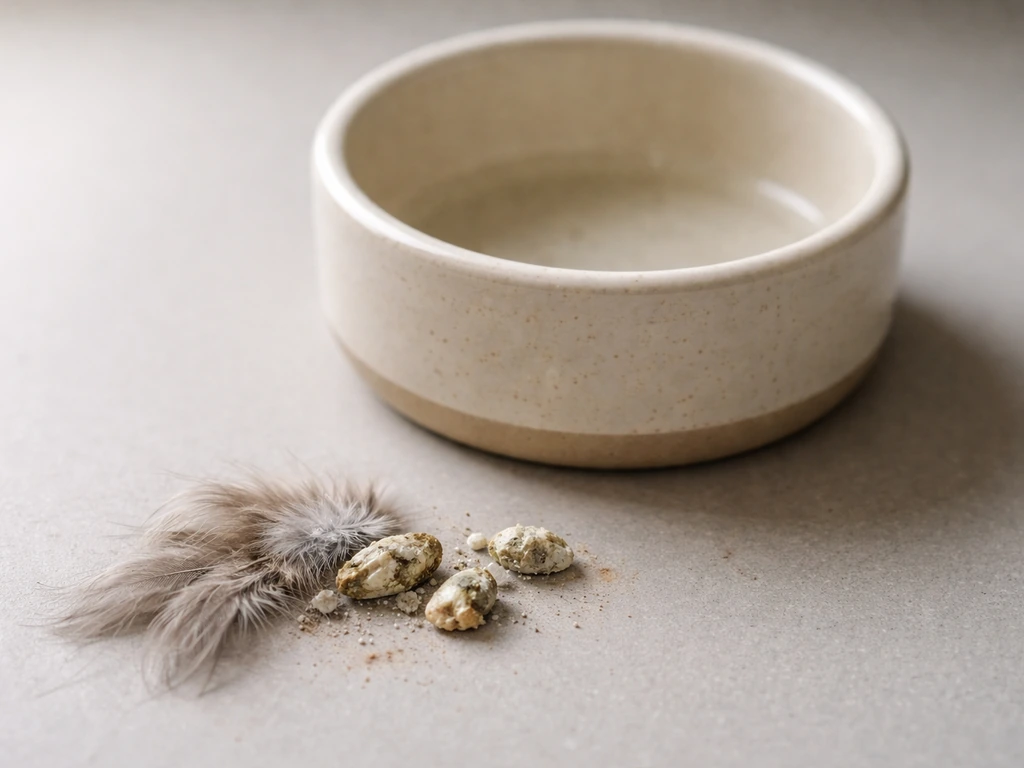
This is the most common culprit. When a bird is not drinking enough water, droppings dry out faster and stick to the feathers around the vent before they can fall away cleanly. You may also notice the urine portion of droppings is reduced or absent, and the fecal component looks darker or more compact than usual. Dehydration can snowball quickly in small birds, so it is worth taking seriously even when it seems minor.
Dietary issues
A diet that is too heavy in dry seeds and light on fresh foods can produce stickier, drier, or unusual droppings. Fresh fruits, vegetables, and leafy greens add moisture and fiber that keep the digestive tract moving smoothly. Sudden dietary changes can also temporarily alter dropping consistency, making them more likely to clump and stick.
Feather matting around the vent
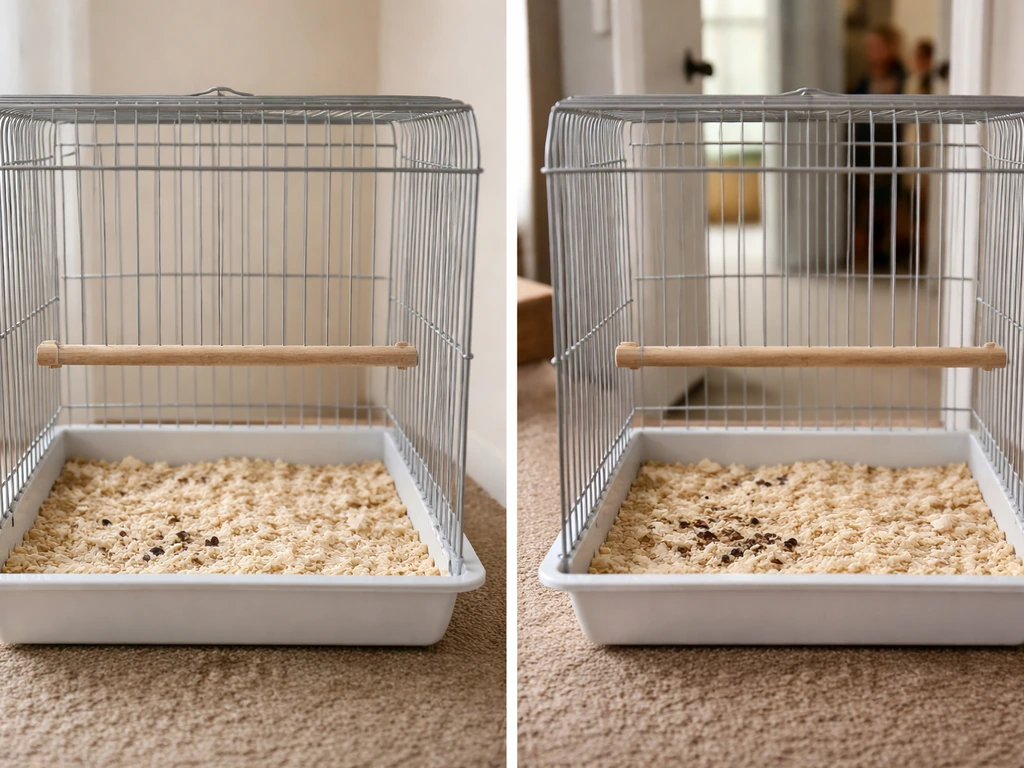
Some birds, especially those that are overweight, arthritic, or simply not great self-groomers, end up with feathers around the cloaca that collect and trap droppings over time. The buildup becomes a paste that hardens. This is particularly common in older birds and in species with fluffier vent feathers.
Stress
Stress changes gut motility. A recently moved bird, a bird that has had a change in routine, or one that is being harassed by another pet can develop altered droppings, including soft or sticky feces that do not drop cleanly away from the body.
Infection or illness
Bacterial, fungal, or parasitic infections in the gastrointestinal tract can change dropping consistency dramatically, making them watery, sticky, or unusually colored. Cloacal infections or inflammation (cloacitis) specifically cause swelling and discharge around the vent that can trap material. This is one reason a single episode of stuck poop is often fine to manage at home, but a recurring pattern warrants a vet visit.
Reproductive or cloacal issues
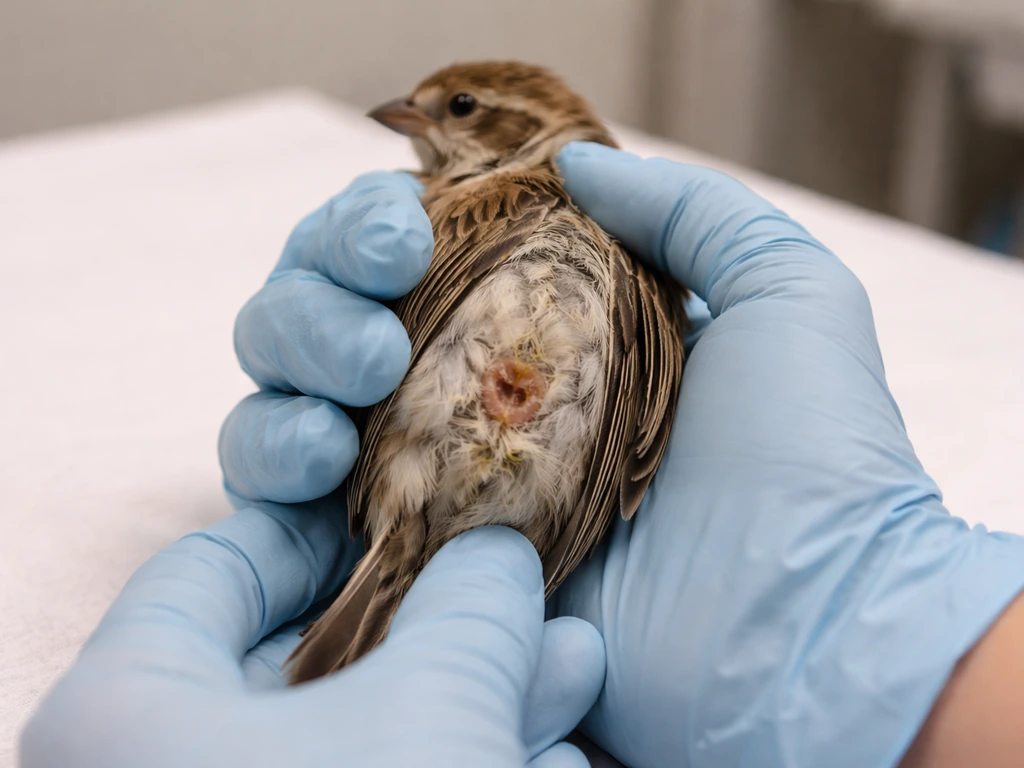
In female birds, egg binding can cause straining that looks like constipation with nothing coming out, accompanied by poop building up around the vent. Cloacal prolapse, where internal tissue protrudes through the vent opening, can also cause droppings to accumulate. Both are emergencies that need a vet, not a warm soak.
What to do right now
If you have confirmed this is a minor mess with an otherwise healthy bird, here is the safest way to clean it up at home. Work calmly and move slowly. Birds pick up on your stress, and a panicked handler makes a scared bird, which makes the whole process harder.
What you need
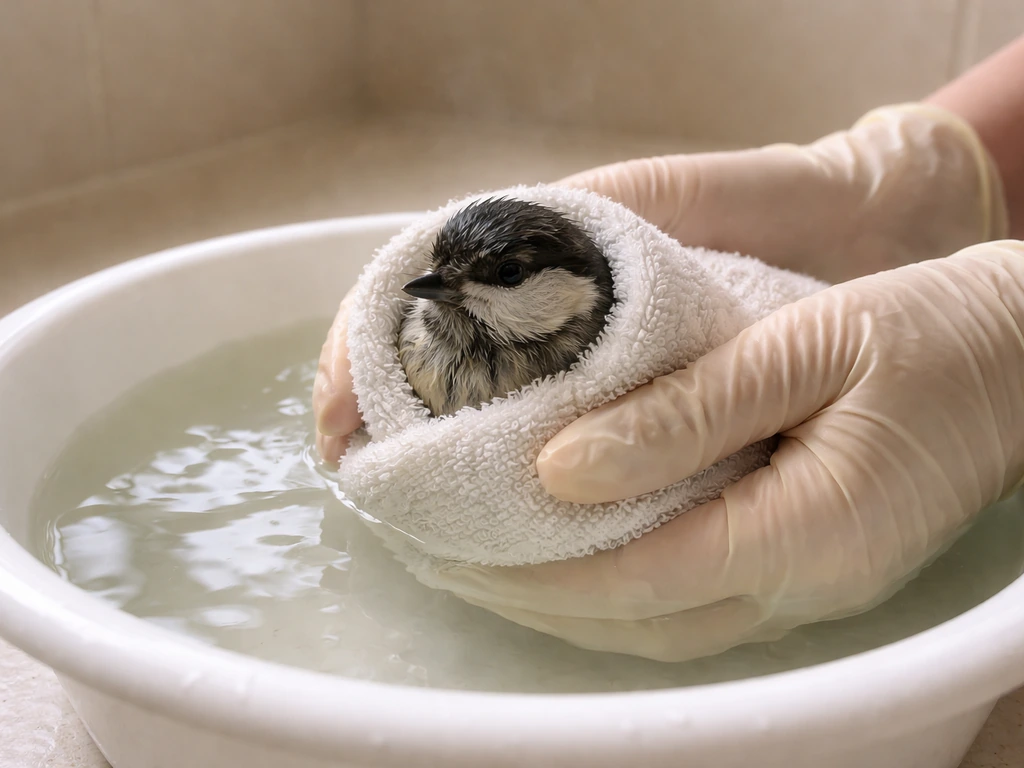
- A small bowl or shallow basin of warm (not hot) water, around body temperature: 40 to 42 degrees Celsius or 104 to 108 degrees Fahrenheit
- Plain, unscented baby wipes or cotton balls
- A soft cloth or piece of gauze
- A warm, draft-free area to dry the bird afterward
- A second person to help hold the bird, if possible
The soaking method
- Wrap your bird gently in a soft cloth to keep them calm and to protect yourself from bites. Leave the vent area exposed.
- Dip a cotton ball or small cloth in the warm water and hold it against the stuck poop for 30 to 60 seconds. Do not pull or scrape yet. You are softening it.
- Repeat with a fresh warm cotton ball if needed. Most stuck droppings will start to loosen within two to three applications.
- Once softened, very gently wipe downward and away from the vent opening. Use light pressure only. Let the material come away without force.
- If the buildup is extensive, you can briefly lower just the bird's rear end into the shallow warm water for 20 to 30 seconds to help dissolve the accumulation. Keep the head and wings above water. Do not submerge the bird.
- After cleaning, pat the area dry gently with a clean cloth and move the bird to a warm, draft-free spot. Wet feathers lose heat fast, and chilling is a real risk, especially in small birds.
- Check the vent area for redness, swelling, or any signs of skin irritation once it is clean.
Once the bird is clean and warm, offer fresh water right away. If they drink eagerly, dehydration was likely the trigger. Monitor their droppings over the next 24 hours to make sure things are moving normally.
What not to do
There are a few common mistakes that can make a minor mess into a genuine injury. Avoid these.
- Do not pull or pick at dried poop. The feathers and skin underneath are fragile, and you can easily tear skin or pull out feathers, which is painful and creates a wound.
- Do not use soap, detergent, dish liquid, or any cleaning product on or near the vent. Even mild soaps strip feather oils and can irritate delicate tissue.
- Do not use alcohol-based wipes or hydrogen peroxide. Both are harsh on avian skin and mucous membranes.
- Do not submerge or fully bathe a sick bird. A bird that is already unwell can go into shock from the temperature change and stress.
- Do not use scissors to cut away matted feathers unless you are trained and can clearly see the skin line. Clipping too close can cut skin, and cutting flight feathers incorrectly causes its own problems.
- Do not apply oils, petroleum jelly, or ointments around the vent unless specifically directed by a vet. These can further mat feathers and trap more debris.
- Do not force the bird to drink water. Aspiration (water going into the airway) is a serious risk in birds.
When to call an avian vet urgently
Some situations with stuck poop are not home-care territory at all. Call an avian vet immediately if you see any of the following. In avian emergency triage guidance, critically ill signs include tachypnea, tail bobbing, open-mouth breathing, seizures, and hemorrhage.
| Sign | Why it matters |
|---|---|
| Open-mouthed breathing, tail bobbing, or wheezing | These are critical respiratory distress signs in birds and indicate a systemic problem, not just a local mess |
| Straining repeatedly with no output | Continuous straining with nothing passing suggests a blockage, egg binding, or cloacal obstruction |
| Red, pink, or fleshy tissue protruding from the vent | This is cloacal or intestinal prolapse: a true emergency that can deteriorate within hours |
| Legs weak or unable to bear weight | Leg paralysis or weakness alongside vent issues points to a neurological or reproductive emergency |
| Completely absent droppings for more than 24 hours | No output for a day is a red flag for obstruction or severe illness |
| Bright yellow or lime-green urates | These colors can signal liver disease or serious infection and need diagnostic testing |
| Bird is fluffed, unresponsive, or sitting on the cage floor | A bird that cannot maintain normal posture and alertness is critically ill regardless of what is or is not stuck |
Avian medicine moves fast because birds deteriorate fast. A bird that looks 'just a little off' in the morning can be in serious trouble by afternoon. If your gut says something is wrong beyond the poop issue, trust that instinct and make the call. Signs like labored open-mouthed breathing, wheezing or clicking, sneezing, and especially tail bobbing with an outstretched neck mean urgent respiratory or critical distress and warrant taking the bird to a bird vet immediately blank" rel="noopener noreferrer">trust that instinct and make the call. This is a different situation from a bird that simply cannot poop at all, which has its own set of causes and triage steps worth understanding separately.
Hygiene and safety while cleaning bird poop
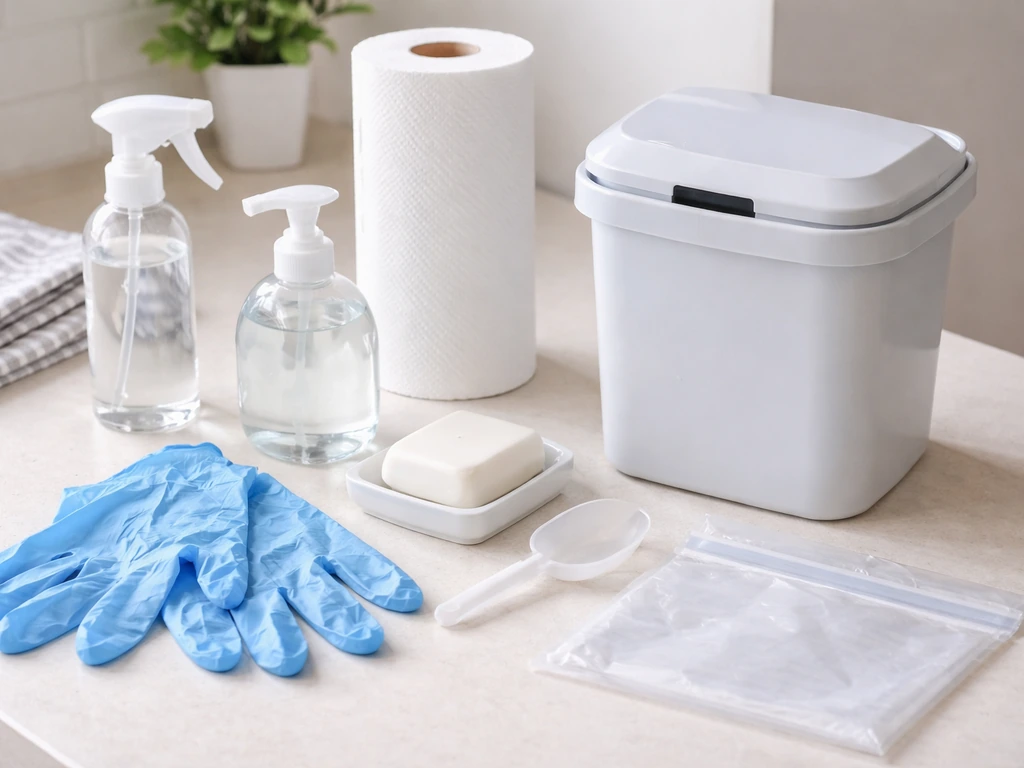
Bird droppings can carry pathogens including Salmonella, Chlamydia psittaci (the organism behind psittacosis, also called parrot fever), and various fungi including Cryptococcus. The risk from a pet bird that is regularly vet-checked is generally low, but the basic precautions are simple and worth taking every time you handle waste.
- Wash your hands thoroughly with soap and water before and after handling your bird and cleaning up droppings. This is the single most important step.
- Avoid touching your face, eyes, or mouth during the process.
- Use disposable gloves if you have them, especially if you have any open cuts on your hands or a compromised immune system.
- Do not clean up droppings in a food prep area. Work in a bathroom or utility sink.
- Dispose of soiled cotton balls, cloths, or wipes in a sealed bag.
- Wash any reusable cloths in hot water separately from other laundry.
- If you are pregnant, immunocompromised, or have a respiratory condition, let someone else handle the cleaning or at minimum wear a mask and gloves.
Dried bird droppings can become airborne as fine particles when disturbed. For regular cage cleaning, slightly dampening droppings before wiping reduces particle spread. For the vent-cleaning situation described in this article, you are working with wet material and your face is not near the cage floor, so the airborne risk is minimal as long as you follow basic hand hygiene.
Prevention: keep droppings from getting stuck again
Once you have dealt with the immediate problem, the goal is making sure it does not keep happening. Most recurring cases of stuck poop come down to a few fixable factors. If you are also wondering why some parent birds do this, it relates to natural feeding and hygiene behaviors in the nest why mother bird eats poop.
Hydration
Fresh water should be available at all times and changed at least once daily. Some birds are reluctant to drink from still bowls and do much better with a drip or small water fountain. If you notice your bird rarely touches their water dish, experiment with placement and container type. Adding a small amount of fresh fruit or a slice of cucumber to the diet also contributes to daily fluid intake.
Diet quality
A seed-heavy diet produces drier, stickier droppings. Transitioning to a pellet-based diet supplemented with fresh leafy greens, vegetables, and small amounts of fruit gives the digestive system more moisture and fiber to work with. Droppings from well-fed birds on a varied diet tend to pass cleanly. If you are wondering why your bird seems to produce droppings constantly compared to before a diet change, that is actually a sign the system is working more efficiently.
Regular bathing
Encouraging regular bathing keeps feathers around the vent cleaner and prevents buildup. Many birds will bathe in a shallow dish of room-temperature water placed in the cage two to three times a week. Red algae can grow in standing bird bath water, so keep the bath clean and refresh it often to reduce the risk of contamination shallow dish of room-temperature water. Misting with a clean spray bottle is another option some birds prefer. Bathing also softens any minor accumulation before it hardens into a bigger problem.
Cage cleanliness
Clean cage liners daily. A bird that is sitting on accumulated droppings is at much higher risk of vent contamination, especially smaller birds that perch low or spend time on the cage floor. Perches should be wiped down regularly too, since birds press their vents against perches when they defecate.
Monitoring as a habit
Get in the habit of glancing at your bird's vent area and their droppings every day. A bird's droppings are one of the most reliable early indicators of health changes: shifts in color, consistency, volume, or frequency all tell a story. This kind of question, why does my bird poop so much, is closely related and worth checking alongside stuck droppings so you can spot whether you are dealing with a hydration, diet, or health issue. The urates (white portion), fecal material (darker portion), and liquid urine each come from different body systems, so changes in any one component can point toward specific problems. Catching a small change early is always easier than dealing with a compacted, hardened buildup or an escalating illness.
If you find yourself dealing with this problem repeatedly despite good hydration and diet, a single well-bird exam with an avian vet is worth the investment. Recurring stuck droppings sometimes point to low-grade infections, anatomical quirks, or early disease that a physical exam and basic diagnostics can identify before they become serious.
FAQ
How long should I try home cleaning before I decide it is not working?
If the poop is stuck as a thin crust and your bird is otherwise acting normal, you can usually proceed with the warm soak and gentle wipe. If the material looks wet but will not release, or your bird seems sore when touched near the vent, stop and switch to vet care because force can irritate the cloaca and worsen inflammation.
What tools should I use, and what should I avoid when removing stuck poop?
Do not use cotton swabs, and avoid pulling feathers apart to “dig” the droppings out. Instead, loosen material with warm water first, then use a soft cloth or gauze to guide it away. If feathers start matting tighter as you clean, that is a sign to keep soaking longer or get a vet to prevent skin tears.
Is it normal for stuck poop to happen again, or is recurrence always a vet issue?
Yes. If it is truly a one-time event after a diet change, travel, or a few hours of reduced drinking, it can settle after cleaning plus good hydration. If you see stuck droppings again within days, or you notice recurring clumping with any vent swelling or unusual discharge, that pattern suggests an underlying issue like infection, cloacal inflammation, or egg binding.
My female bird looks like she is constipated, could it be egg binding even if I only see stuck poop?
Female birds with straining, crouching, tail bobbing, or repeated unsuccessful attempts to pass droppings should be treated as urgent even if you think it is only constipation. Egg binding and cloacal prolapse can mimic “poop stuck,” and waiting for a warm soak to work can delay lifesaving care.
How do I recognize cloacal prolapse or other vent tissue problems versus simple stuck droppings?
If you can clearly see droppings building up behind a partially swollen vent or you notice any pink, red, or protruding tissue, stop the home remedy and call an avian vet right away. Any suspected prolapse needs prompt evaluation and cannot be safely managed by cleaning alone.
What dropping changes after cleaning mean I should worry?
A single unusual stool is less concerning than the trend. Watch whether the white urate portion, the dark fecal component, and the liquid urine look normal over the next 24 hours. If you repeatedly see very small urine volume, watery diarrhea, or persistently abnormal color, it is a reason to call a vet.
Can I give my bird something to loosen it at home?
Do not try to “fix” it with laxatives, oils, or human constipation medicines. Birds have different metabolism, and these products can worsen dehydration or irritate the gut. The safest first step is warm soak and hydration, then adjust water access and diet only, not meds.
Should I bathe my bird entirely, or just clean the vent area?
If the stuck poop is near the vent, you can gently wipe only the soiled area after soaking. Avoid bathing the entire bird unless your bird is calm and fully under control, since full-body baths can increase stress and make it harder to monitor breathing and posture.
Do I need special precautions for disease risk when my bird has stuck poop?
Salmonella and other pathogens are mostly a concern with contaminated surfaces, hands, and cross-contact. Use gloves if you have them, wash hands thoroughly after cleaning, and avoid letting your bird’s waste contact food prep areas. You do not need to panic, but basic hygiene matters every time.
What are the highest-impact changes to prevent stuck poop from coming back?
Check the water routine. If your bird rarely drinks, try a different bowl or placement, and consider a drip-style or small fountain option your bird likes. Also review daily diet moisture, leafy greens, and bathing frequency, since vent feather buildup commonly contributes to recurring sticking.