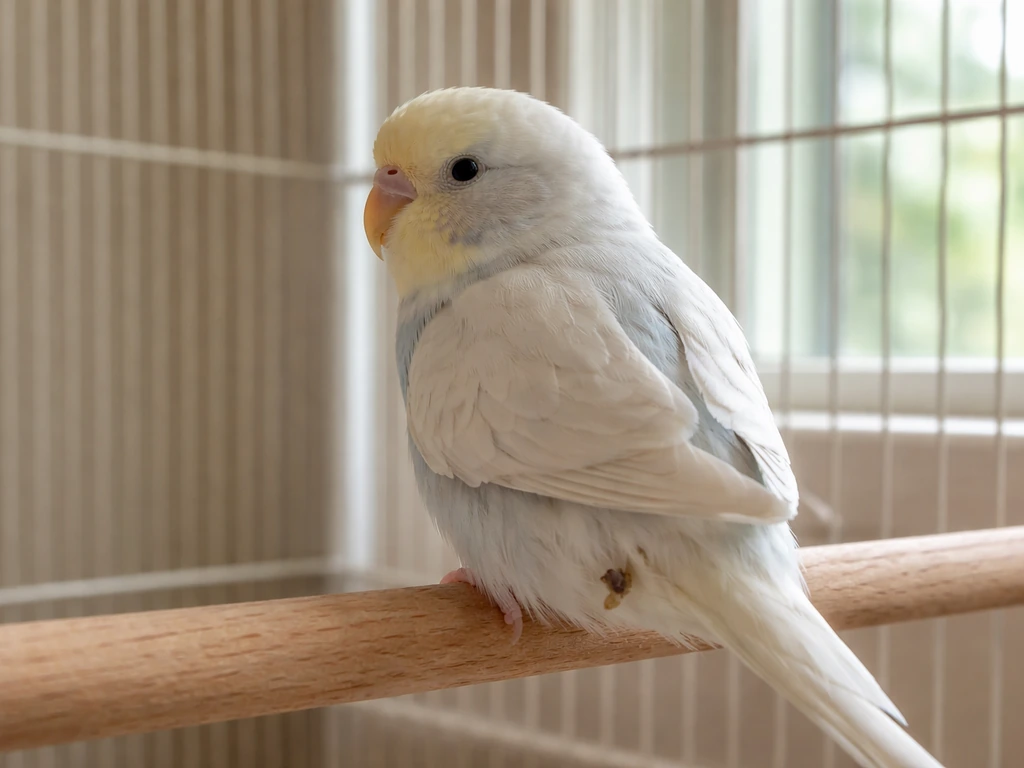
If your bird hasn't pooped in several hours and is straining, sitting on the cage floor, or has a swollen belly, treat it as an emergency and call an avian vet now. If you're seeing fewer droppings than usual but your bird is still alert, eating, and acting mostly normal, you likely have a 12-to-24-hour window to assess things carefully at home before the situation becomes critical. The difference between "probably fine if I act fast" and "needs a vet today" often comes down to a handful of specific signs, and this guide will walk you through exactly how to tell them apart.
My Bird Can’t Poop: What to Do Today and Red Flags

Marcus Fielding
1 Jun 2026
What it actually means when your bird can't poop
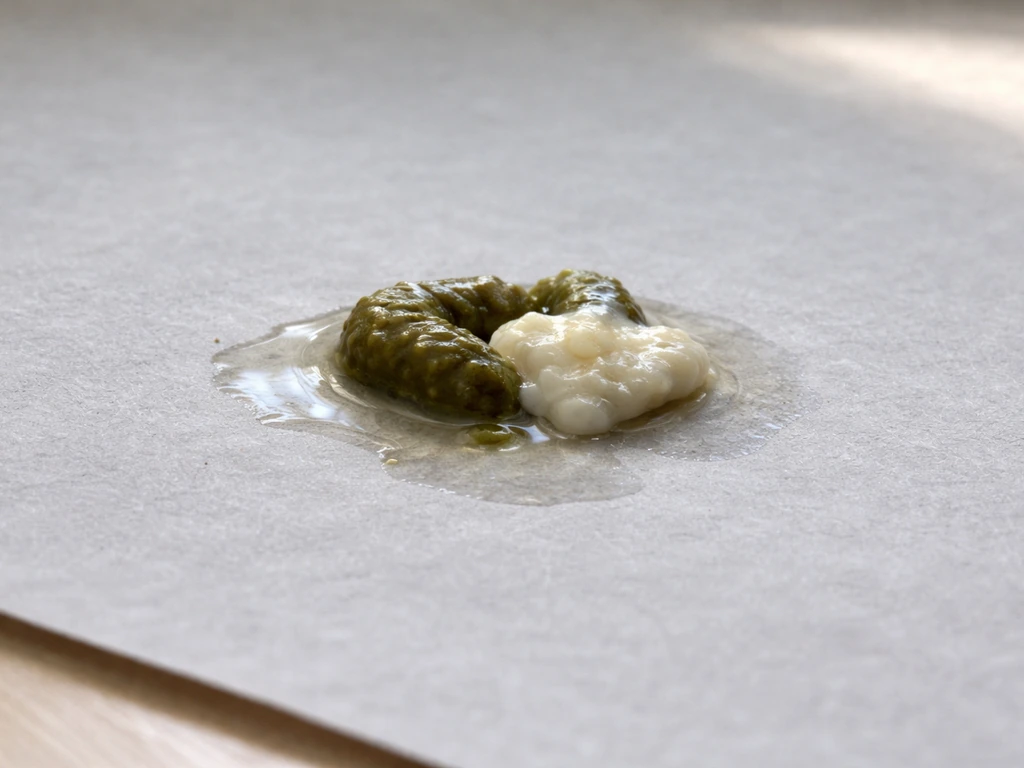
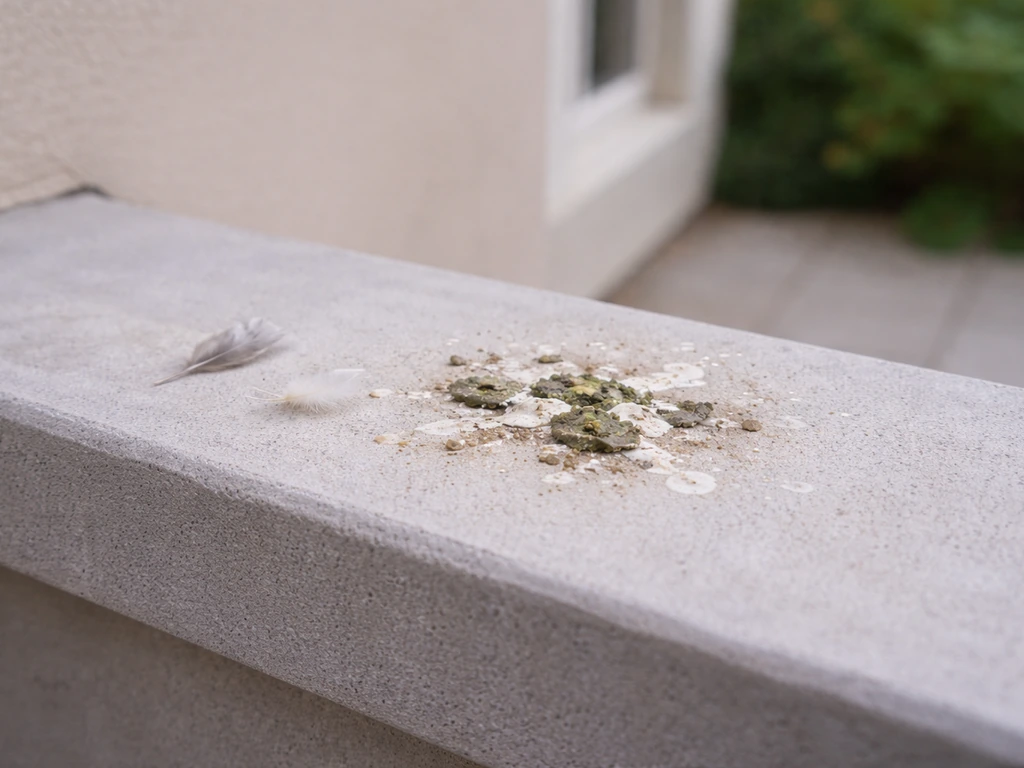
Bird droppings have three distinct components: the fecal part (usually green or brown and formed), the urates (the white or cream chalky portion produced by the kidneys), and a small amount of liquid urine. When a bird stops producing droppings entirely, or produces droppings that are missing one or more of those components, something is interfering with the digestive, urinary, or reproductive system. It's rarely just "a little backed up" the way it might be in a human or dog.
In birds, the term "constipation" is used loosely but technically refers to difficult or infrequent passage of feces. A more severe version called obstipation means the bird physically cannot evacuate a mass of dry, hard fecal material at all. True impaction, where a foreign object or compacted material blocks the digestive tract, is a separate and more urgent problem. All of these show up to the owner as the same thing: the bird isn't pooping. That's why the cause matters so much, and why guessing wrong about the severity can be dangerous.
A drop in the number of droppings can also simply mean the bird isn't eating or drinking much, which is its own problem. A bird that has significantly reduced food intake will produce noticeably fewer droppings within hours. So sometimes "not pooping" is a symptom of something else entirely rather than a GI problem directly. Keep that in mind as you work through the triage steps below. If you notice red algae in a bird bath, it can be a sign the water is dirty, and cleaning and refreshing the bath can help reduce exposure to harmful microbes for birds red algae in bird baths.
Quick at-home triage: blockage, illness, or something else?
Before you panic or, on the other extreme, wait too long, spend five minutes doing a focused check of your bird. You're looking for the combination of signs that separates a mild situation from a medical emergency.
Check these things right now
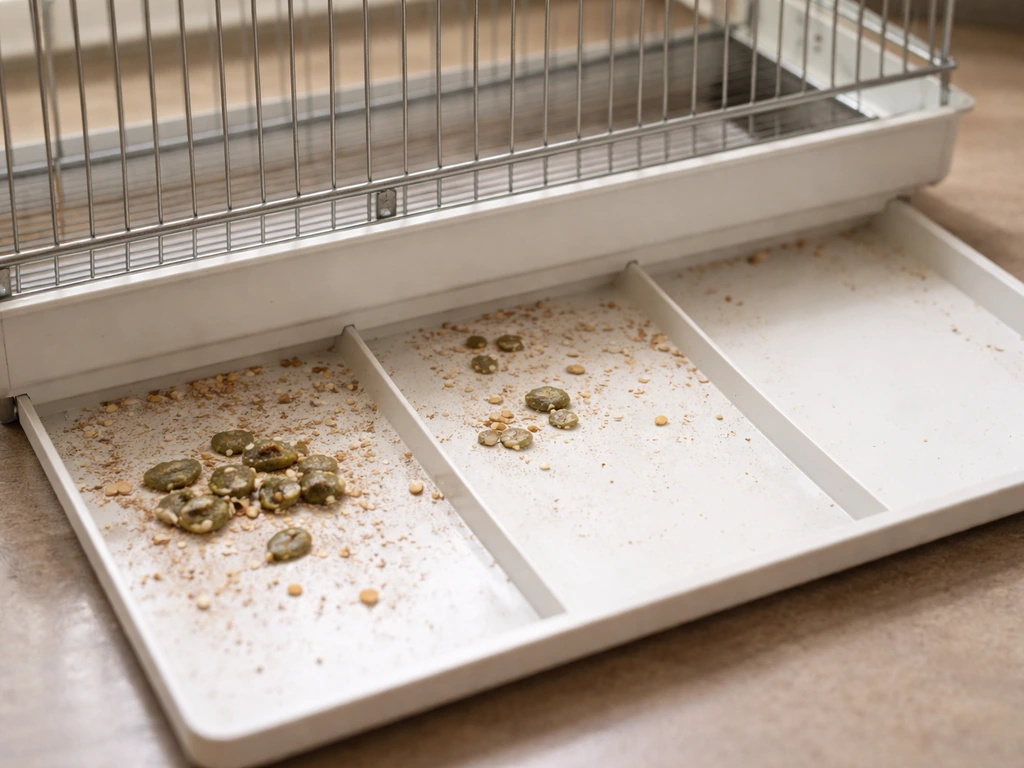
- Look at the cage floor: Are there any droppings at all? Even small, incomplete ones? Completely absent droppings over 6-plus hours is a red flag.
- Check the vent (cloaca): Is it clean, or is there fecal material caked around it? Pasting or crusting around the vent can itself prevent passage.
- Watch for straining: Is the bird repeatedly crouching and pushing with no output? Continuous straining with nothing coming out is urgent.
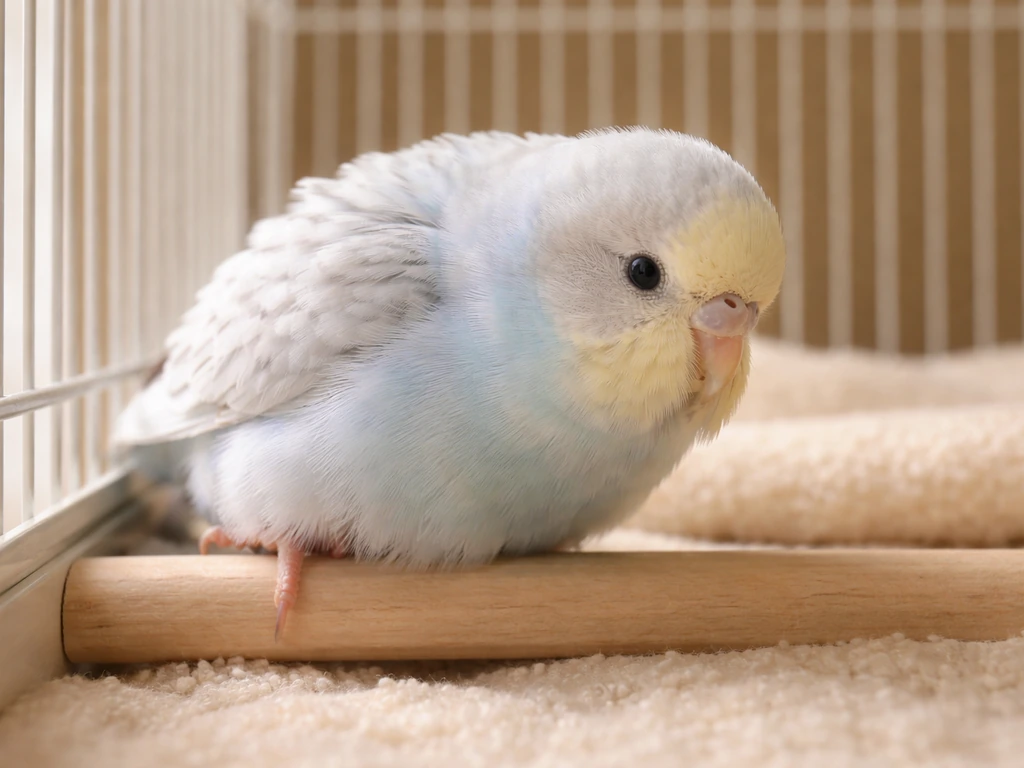
- Observe posture: Is the bird fluffed up, sitting on the cage floor, or reluctant to perch? These are classic signs of a bird feeling seriously unwell.
- Look at the abdomen: Is the lower belly visibly distended or swollen? Gently feel (don't press hard) whether the abdomen feels firm or unusually large.
- Watch the tail: Repetitive tail bobbing at rest, especially combined with open-mouth breathing, suggests respiratory or abdominal distress.
- Check if it's a hen: Female birds can become egg-bound, meaning a stuck egg is blocking the cloaca entirely. This is always an emergency.
- Note when it last ate or drank: A bird that stopped eating or drinking yesterday will naturally produce fewer droppings today.
- Look at the droppings you can find: Are they bloody, black, or contain no urate component at all? These changes signal something more serious than simple constipation.
If your bird is alert, perching normally, still showing interest in food or interaction, and you can see at least some (even small) droppings in the cage, you're likely dealing with reduced output rather than a complete blockage. You have a short window to try supportive steps at home while monitoring closely. If you're seeing two or more of the warning signs above, skip the home remedies and call an avian vet.
Common reasons birds stop pooping
Understanding the likely cause helps you decide what to do next. Here are the most common culprits, roughly in order of how often they show up.
Dehydration and low food intake
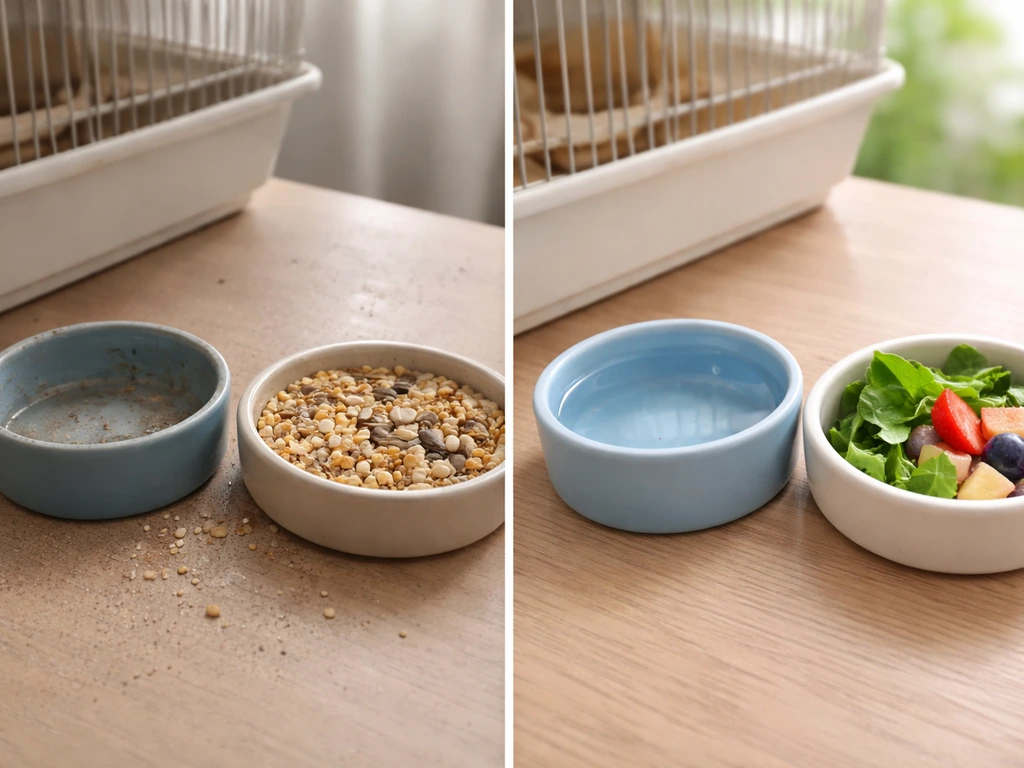
This is the most straightforward cause. Birds that aren't drinking enough, or whose water source has been contaminated or run dry, will produce dry, scanty droppings or none at all. Similarly, a bird that has gone off its food (for any reason) will show a noticeable drop in dropping frequency within hours. Check that fresh water is available, clean, and at a comfortable temperature. Cold water in a chilly room can discourage drinking.
Diet imbalance and low fiber
Birds that eat a narrow, seed-heavy diet are particularly prone to digestive sluggishness. Seeds are calorie-dense but low in the fiber and moisture that keep the GI tract moving. Birds can become fixated on one type of food and refuse anything else, which compounds the problem over time. A diet built primarily around formulated pellets plus fresh vegetables provides the fiber and hydration that support normal bowel function.
Environmental stress and wrong temperature
Stress slows digestion in birds just as it does in people. A new environment, a change in routine, loud noises, a new pet in the house, or even rearranging the cage can trigger a stress response that temporarily reduces GI motility. Cold temperatures are also a factor: a bird kept in a room that's too cool may drink less, move less, and produce fewer droppings. Most small companion birds do best at temperatures between 65 and 80 degrees Fahrenheit.
Cloacal issues and vent obstruction
Dried fecal material caked around the vent can physically block output, which is a related problem covered more thoroughly in the context of poop stuck to a bird's vent. Dried fecal material caked around the vent can physically block output, which is a related problem covered more thoroughly in the context of poop stuck to a bird's vent why does my bird poop so much.
If poop stuck to a bird's vent is the cause, the vent may look caked or blocked, and you should avoid waiting if output remains impossible. If you notice poop hanging from your bird, it can point to a vent obstruction or cloacal issue and should be assessed promptly poop stuck to a bird's vent.
Cloacal inflammation, papillomas (wart-like growths near the cloaca), or prolapse can all make it painful or physically impossible for a bird to pass droppings normally.
Egg binding in female birds
This is one of the most serious causes and one of the most commonly missed by owners of hens. Egg binding happens when a female bird cannot pass an egg through the cloaca, either because the egg is malpositioned, oversized, the bird is weak from nutritional deficiencies, or the muscles aren't contracting properly.
Some hens also eat their own droppings after a long stretch without output, which can happen when the vent area is irritated or when egg-related stress affects normal elimination. The stuck egg physically compresses the cloaca, blocking fecal output entirely. Any female bird straining to defecate with a swollen abdomen, tail bobbing, or weakness needs to blank" rel="noopener noreferrer">see a vet immediately, ideally within 4 to 6 hours of symptoms appearing.
Straining can happen when a bird is having trouble passing feces, urates, urine, or an egg through the cloaca, and associated signs can include tail bobbing, swollen abdomen, weakness or lethargy, and open-mouth breathing trouble passing feces/urates/urine or an egg through the cloaca.
Foreign material ingestion and impaction
Birds that chew on cage liners, rope toys, carpet fibers, or other materials can ingest enough to cause a physical blockage. Heavy metal toxicity (from chewing on zinc or lead-containing objects) can also severely impair GI motility. These situations typically present as sudden, complete absence of droppings in a bird that was previously normal.
Infection, internal disease, and other GI illness
Bacterial or parasitic infections, organ disease (particularly liver or kidney problems), and certain systemic illnesses can all disrupt normal droppings production. These tend to present alongside other signs of illness: fluffed feathers, reduced activity, weight loss, or changes in the appearance of whatever droppings are present.
Red flags that mean call the vet right now
Don't wait 24 hours if your bird is showing any of the following. Some of these situations can become fatal in a matter of hours, not days.
- Continuous straining with absolutely no droppings produced for 6 or more hours
- Visibly swollen or distended abdomen, especially in a female bird
- Tail bobbing at rest, open-mouth breathing, or labored breathing
- Bird is sitting on the cage floor and cannot or won't perch
- Extreme lethargy, weakness, or unresponsiveness
- Blood around the vent or in any droppings
- Vomiting or regurgitation (not social regurgitation to a mate)
- Known or suspected ingestion of a foreign object or toxic material
- Female bird straining as if trying to lay for more than 4 to 6 hours
- No droppings of any kind for more than 8 to 12 hours in an otherwise normal-sized bird
If you're seeing heart or respiratory signs alongside absent droppings, the guidance from avian veterinary resources suggests contacting a vet within eight hours at most, not waiting to see if things improve. Birds hide illness instinctively, so by the time they're showing obvious distress, the situation is usually further along than it appears.
What the vet will actually do: tests and exam
If you bring your bird in, here's what a typical avian vet workup looks like so you're not caught off guard.
The vet will start with a physical examination including palpation of the abdomen to feel for masses, egg presence, or unusual firmness. They'll take a detailed history from you: when the bird last defecated, what it's been eating, any recent changes in environment or routine, and whether it could have accessed any foreign materials.
From there, diagnostics depend on what the exam suggests. Common next steps include fecal examination under a microscope to check for parasites, a complete blood count (CBC) to look for signs of infection or systemic illness, and radiographs (X-rays). X-rays are particularly useful for spotting retained eggs, foreign objects, metal toxicity, or masses in the GI tract. Ultrasound may be used to evaluate soft tissue structures, especially the reproductive tract, though its usefulness in birds is somewhat limited because air sacs reduce image penetration. In more complex cases, CT imaging or endoscopy might be used to get a clearer picture of internal structures.
Urinalysis can technically be performed on the liquid urine component of droppings, and bloodwork can assess kidney and liver function. Together these help rule out systemic disease affecting GI motility versus a straightforward mechanical blockage or dietary issue.
Treatment: what you can do at home vs. what needs a vet
Safe supportive steps you can take today
If your bird is alert and you've ruled out the emergency red flags above, there are reasonable supportive steps to try while you monitor closely.
- Offer fresh, clean water and encourage drinking. You can add a small amount of diluted fruit juice or try offering water via a dropper if the bird won't drink voluntarily.
- Warm the environment: Move the cage to a warmer spot (around 80 to 85 degrees Fahrenheit) or use a heat lamp positioned to one side so the bird can move away if too warm. Warmth supports hydration and can gently encourage GI motility.
- Offer high-moisture foods: Fresh leafy greens, cucumber, or a small amount of fruit can add water and fiber to the diet. Avoid introducing anything new or rich.
- Check and gently clean the vent: If there's dried material caking the vent opening, dampen a cotton ball with warm water and gently soften and remove it. Don't force anything or probe internally.
- Remove potential hazards: Check the cage for rope fibers, loose materials, or anything the bird might have been chewing on.
- Reduce stressors: Keep the environment calm, cover the cage if the bird seems unsettled, and minimize handling.
- Monitor droppings output every 1 to 2 hours and take note of any changes in color, volume, or consistency.
What only a vet can handle
Do not attempt to administer laxatives, mineral oil, or any human medications to your bird. Bird physiology is very different from mammals, and substances safe for humans or cats can be toxic or ineffective in birds. A vet may prescribe medications to stimulate GI motility, treat underlying infection or inflammation, or address dehydration via fluid therapy. If there's a true impaction or foreign body obstruction, the bird may need more involved intervention including endoscopic retrieval or, in severe cases, surgery.
Egg binding is always a veterinary procedure. Depending on severity, the vet may attempt hormone therapy to encourage the bird to pass the egg, provide supportive warmth and calcium supplementation to improve muscle function, or manually assist the egg. In the worst cases, the egg may need to be carefully collapsed and removed. This is not something to attempt at home.
| Situation | Home support OK? | Vet needed? | Urgency |
|---|---|---|---|
| Reduced droppings, alert bird, eating/drinking | Yes, try supportive care | If no improvement in 12-24 hours | Monitor closely |
| Complete absence of droppings 6+ hours | Warmth and hydration only | Yes | Same day |
| Straining continuously, no output | No | Yes, immediately | Emergency now |
| Swollen abdomen, tail bobbing, weak | No | Yes, immediately | Emergency now |
| Female bird, suspected egg binding | No | Yes, immediately | Emergency now |
| Blood around vent or in droppings | No | Yes, immediately | Emergency now |
| Caked vent with material | Gentle warm water cleaning only | If not resolved quickly | Same day |
Preventing this from happening again
Most cases of constipation or reduced droppings in pet birds are preventable with consistent husbandry. Here's what actually makes a difference long-term.
- Transition away from an all-seed diet: Formulated pellets plus fresh vegetables should make up the bulk of your bird's diet. Seeds can be offered as treats or enrichment, not as a dietary staple.
- Fresh water, always: Change water daily and make sure the source is appealing. Many birds drink more readily from a moving water source.
- Maintain a warm, stable environment: Avoid placing the cage near drafts, air conditioning vents, or cold windows.
- Daily droppings monitoring: Get into the habit of glancing at the cage liner each morning. Normal droppings for your specific bird are your baseline. Changes in volume, color, or consistency are your early warning system.
- Provide environmental enrichment: Mental stimulation and physical activity support healthy digestion. Bored, sedentary birds tend to have sluggish GI systems.
- Annual or biannual avian vet checkups: Many underlying issues (including early signs of reproductive disease in hens) can be caught before they cause a droppings crisis.
- For hens especially: Adequate calcium in the diet reduces egg-binding risk. Cuttlebone, mineral blocks, or vet-recommended supplements help.
- Audit toys and cage materials regularly: Remove rope toys that are fraying badly, avoid cage liners with loose fibers, and check for any metal hardware that could be chewed.
It's also worth knowing that birds are instinctively very good at hiding illness. By the time you notice something is obviously wrong, the problem has often been developing for a while. Tracking droppings frequency and appearance daily is one of the most reliable early detection tools you have, and it costs nothing.
Handling droppings safely: cleanup and zoonotic risk
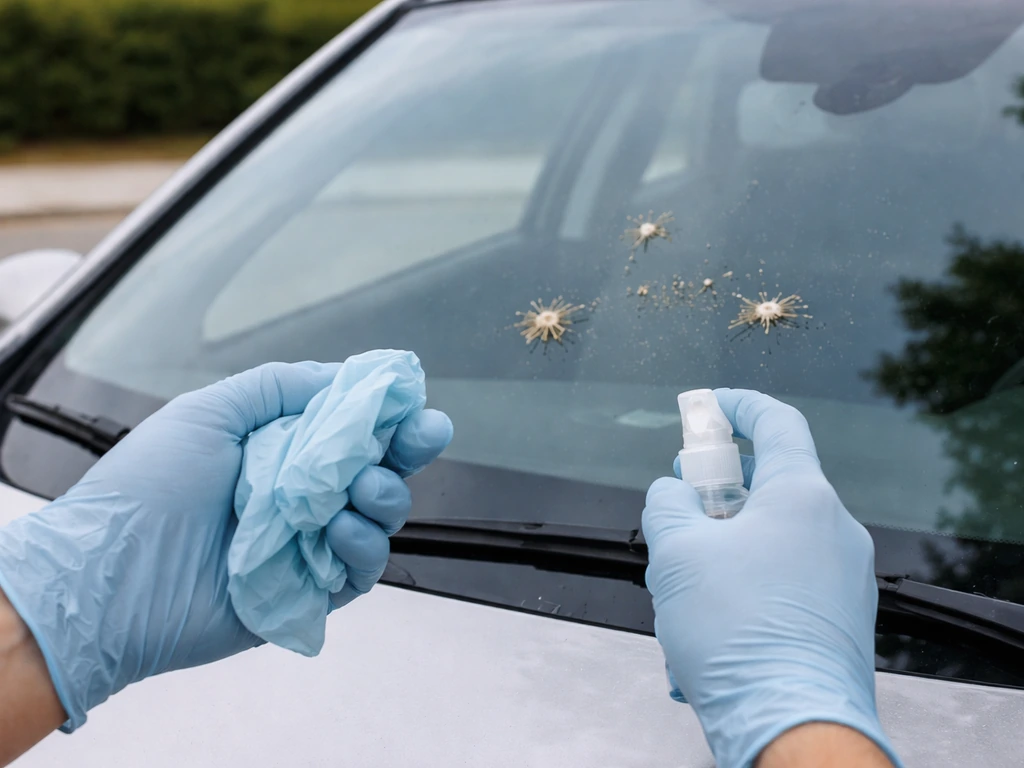
Whether you're cleaning up a cage after a constipated bird finally goes or dealing with droppings in the ordinary course of bird ownership, the same basic safety rules apply. Bird droppings can potentially carry pathogens including Salmonella, E. coli, and Cryptosporidium, all of which can cause gastrointestinal illness in humans. The risk from a healthy pet bird in a clean household is generally low, but it's not zero, and it's higher for people who are immunocompromised, pregnant, elderly, or very young.
- Wash hands thoroughly with soap and water after handling your bird, its cage, droppings, or any cage accessories.
- When cleaning droppings, especially dried or accumulated material, dampen the surface first to avoid creating dust or aerosols. Dried droppings can harbor Cryptococcus and other organisms that become a respiratory concern when inhaled.
- Use disposable gloves for cage cleaning and dispose of them properly.
- Avoid cleaning the cage near food preparation surfaces.
- Don't let children handle droppings or put their hands near the cage without supervision.
- If you experience gastrointestinal symptoms (nausea, diarrhea, cramping) after significant exposure to droppings, mention your bird to your doctor. It's not common, but Salmonella from bird contact is documented.
- Cryptosporidiosis from bird droppings can cause prolonged illness and can be severe in immunocompromised individuals. If someone in your household has a compromised immune system, take hygiene precautions more seriously than you otherwise might.
Routine cage cleaning for a pet bird doesn't pose a serious health risk for most healthy adults. The CDC's guidance is straightforward: wash hands, keep cages clean, and follow basic hygiene. The bigger zoonotic risk comes from poor ventilation combined with large amounts of accumulated droppings or from wild birds rather than a well-maintained pet. That said, when your bird is sick and you're cleaning up abnormal droppings (bloody, watery, or from a bird with a known infection), treat the cleanup with a bit more care and consider wearing a simple mask if you're working in a small, poorly ventilated space.
Once your bird is back to producing normal droppings, those regular daily checks aren't just about noticing problems early. They also keep you in a rhythm of safe handling and hygiene that protects both of you in the long run.
FAQ
How long can my bird go without pooping before it’s dangerous?
For most pet birds, several hours without any droppings, especially with straining or a swollen belly, is an emergency rather than something to “watch overnight.” If your bird is alert and you still see at least tiny droppings, you have a short monitoring window, but if output stops completely again or other warning signs appear, switch from home monitoring to calling an avian vet immediately.
Does “not pooping” always mean constipation?
No. A bird can produce fewer droppings because it is eating or drinking less, or because urine/urate output changes due to dehydration or kidney strain. That’s why it helps to check whether there is still any fecal part or urates present, and whether your bird is taking in food and water normally.
What should I look at in the droppings, aside from whether there are any?
Note the three components, fecal part (formed green or brown), urates (white or cream chalky), and the liquid urine. Droppings that are missing one or more components, unusually watery, or unusually absent even when your bird seems alert can indicate kidney or systemic issues, not just a clogged bowel.
My bird is eating but has fewer droppings, is home care still okay?
Eating is a good sign, but reduced output can still reflect dehydration, stress, diet changes, or early obstruction. If you see any red flags like tail bobbing, pronounced weakness, fluffed posture, or a visibly swollen abdomen, do not rely on at-home measures, call an avian vet the same day.
Is it safe to give pumpkin, oats, or other “natural” remedies?
Avoid doing this without veterinary guidance. Even “bird-safe” foods can worsen blockage if the problem is mechanical, and some high-fiber or rich foods can alter gut movement in unpredictable ways. Focus on clean water and monitoring, and ask your avian vet what to offer based on your bird’s species and symptoms.
Can I use a heating pad or warm the cage to help my bird pass droppings?
Gentle warmth may help if the bird is cold or stressed, but it is not a substitute for diagnosis. Do not overheat the enclosure, and stop warming attempts if your bird becomes more lethargic, starts breathing with effort, or you suspect egg binding, obstruction, or severe pain.
What bedding or toys could cause an impaction if my bird chewed them?
Anything fibrous or rope-like (rope toys, carpet fibers, cotton-like materials), and edible-looking debris from liners or shredding items can be dangerous if swallowed. If you have recently changed liners, added new toys, or noticed chewing, tell the vet, because imaging may need to target foreign material or the bird may require endoscopic or surgical intervention.
My bird has poop stuck to the vent, what should I do right now?
Do not try to force anything out with tools or apply harsh materials. If the vent looks caked or blocked and the bird cannot pass droppings, treat it as urgent and seek avian care promptly. Gentle cleaning can be discussed with your vet, because vigorous handling can worsen cloacal irritation.
How can I tell if this might be egg binding (especially for hens)?
Watch for straining attempts, tail bobbing, weakness, or a swollen abdomen (sometimes with reduced appetite). If egg binding is possible, it generally needs veterinary management within hours, so do not wait for a full day to see if things improve.
If my bird’s droppings are smaller because it’s eating less, will it “fix itself”?
Sometimes output returns after intake improves, but “eating less” can be the start of a larger illness, stress response, or dehydration problem. Reassess water quality and temperature, offer preferred foods, and call a vet if intake does not rebound quickly or if you see any red flags.
Are there signs that suggest my bird has a blockage rather than simple constipation?
Sudden, complete absence of droppings in a previously normal bird, especially after chewing, plus ongoing straining or a visibly distended abdomen, raises suspicion for obstruction or impaction. In that situation, the decision point is earlier veterinary care, because waiting reduces the chance of successful non-surgical management.
What should I do about cleanup if my bird is sick and not pooping?
Even if you are not dealing with a lot of droppings, keep the cage clean and minimize aerosolized dust. If you are handling abnormal droppings (bloody, watery, or from a bird with a known infection), use extra hygiene (handwashing, and consider a simple mask in small, poorly ventilated areas) and avoid letting waste contact your face.
Should I contact a vet after hours or wait until morning?
If there are emergency signs, contact an avian vet immediately, not in the morning. When respiratory or heart-related symptoms are present alongside absent droppings, waiting can be unsafe, and same-day or within-hours guidance is typically the safer choice.