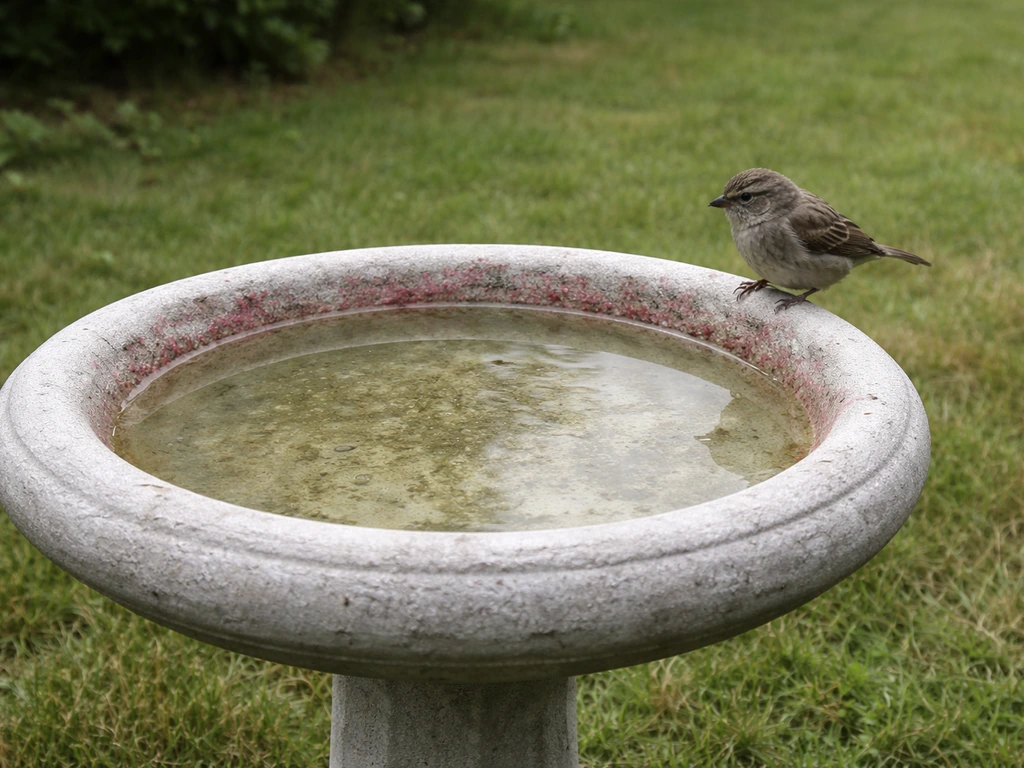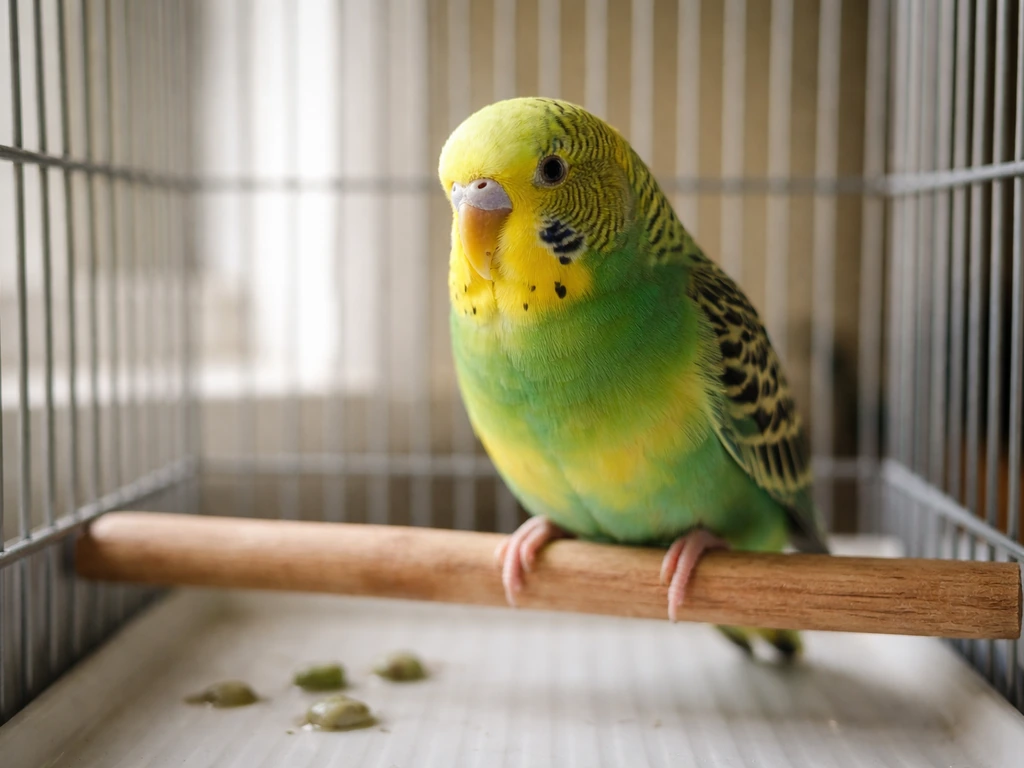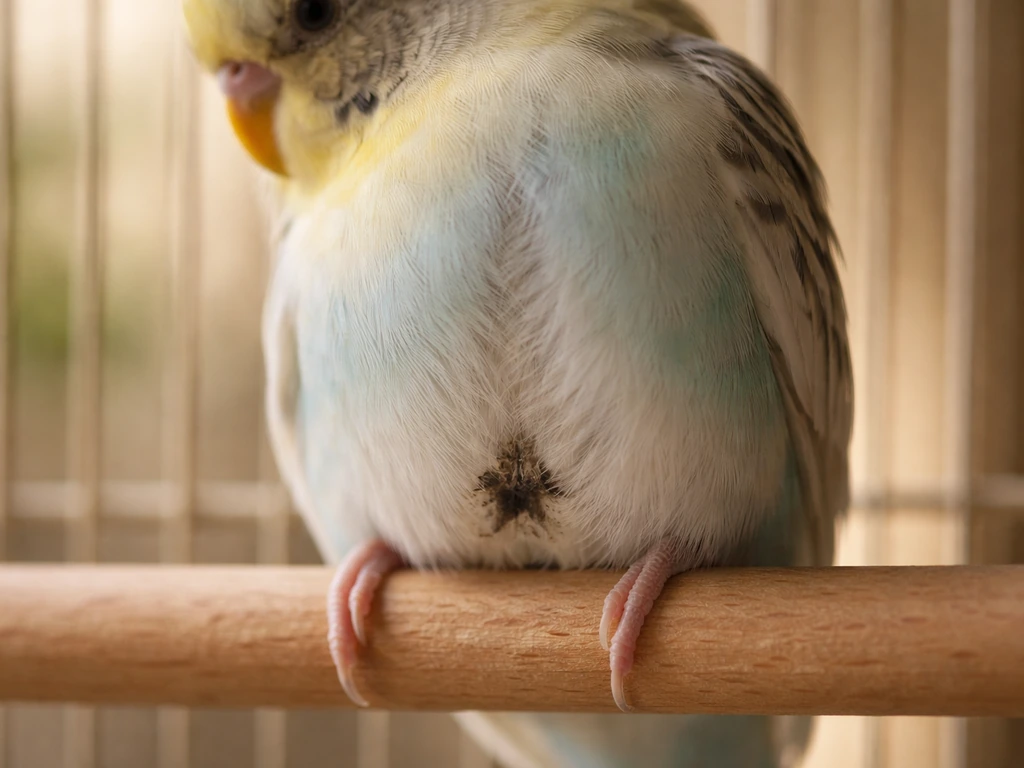
Yes, it is completely normal for a mother bird (or father bird) to eat her chicks' poop. This behavior is called coprophagy or, more specifically, allocoprophagy when a parent consumes the droppings of their young. Most songbirds and many other species do it routinely as part of nest care. The chicks produce tidy little waste packets called fecal sacs, coated in a mucous membrane that makes them easy for the parent to pick up and either carry away or swallow whole. It looks bizarre, but it is one of the most efficient housekeeping systems in the animal world.
Why Mother Bird Eats Poop: Reasons and Safety Tips

Marcus Fielding
20 Jun 2026
What you're actually seeing (and why it's usually no big deal)
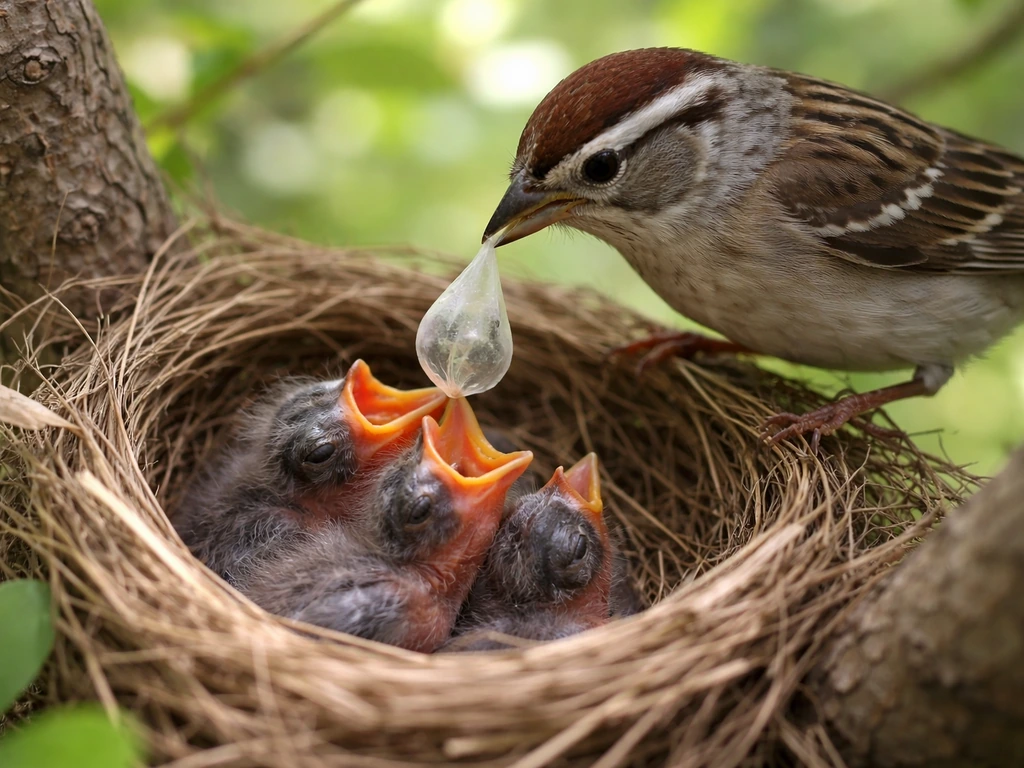
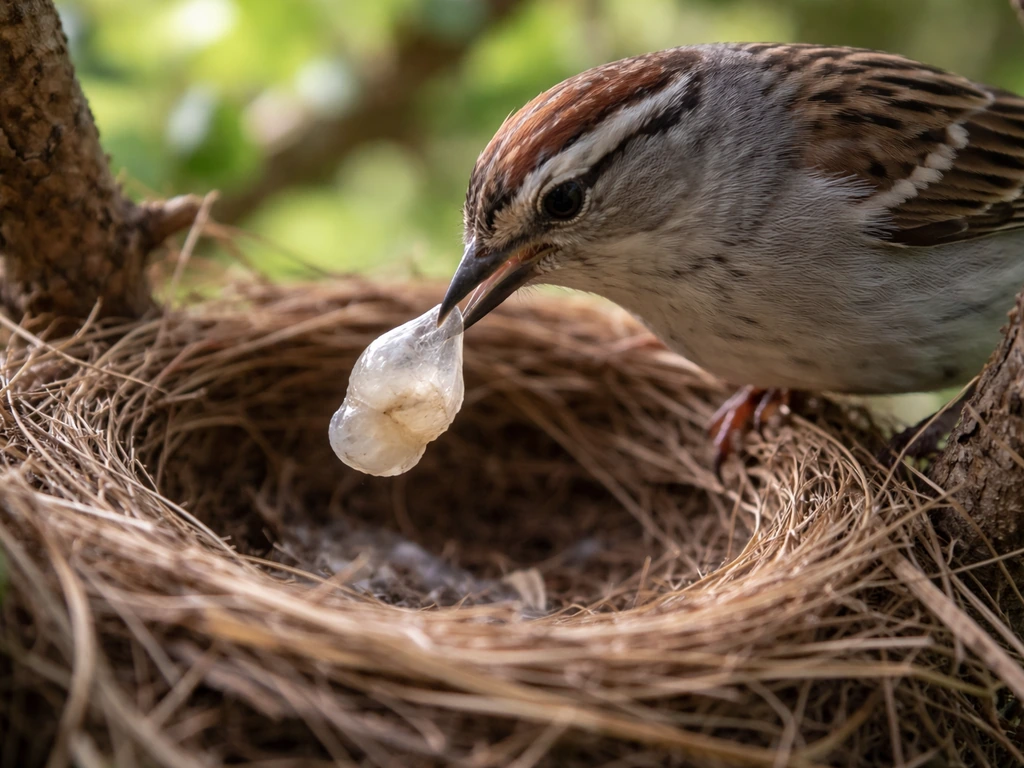
If you've spotted a bird returning to a nest, picking something up, and either flying off with it or swallowing it right there, you've witnessed nest sanitation in action. Nestlings are remarkably coordinated about this: they tend to defecate right after feeding, which gives the parent a natural window to remove the waste before it accumulates. The timing is not coincidental. Observational and experimental studies on common passerines show that defecation is linked closely to feeding episodes so that fecal material does not sit in the nest long.
The fecal sac itself is the key feature here. It is a gelatinous mucous pouch that encases the chick's waste, basically giftwrapping the poop so the parent can handle it without mess. Young nestlings produce sacs that parents almost always remove immediately. Older nestlings sometimes eject fecal sacs over the nest rim on their own. If you see a parent eating the sac rather than flying off with it, that is also normal, especially in the early nestling stage. Research on common swifts published in 2026 in Scientific Reports specifically examined the energetic value of these sacs and whether ingestion might help parents recover some nutritional value from the effort of feeding their young.
What would actually be worth a second look: a nest where fecal material is visibly piling up on the rim or inside, where chicks appear lethargic or are not lifting their heads to beg, or where the parent birds seem absent for unusually long stretches. If droppings are normal-looking but just everywhere around your yard or car, that is a different (and very common) frustration covered later in this article.
Why parent birds eat their chicks' poop: the real reasons
There are three well-supported reasons scientists have identified, and in practice, all three probably matter to varying degrees depending on the species and the age of the nestlings.
Keeping predators away
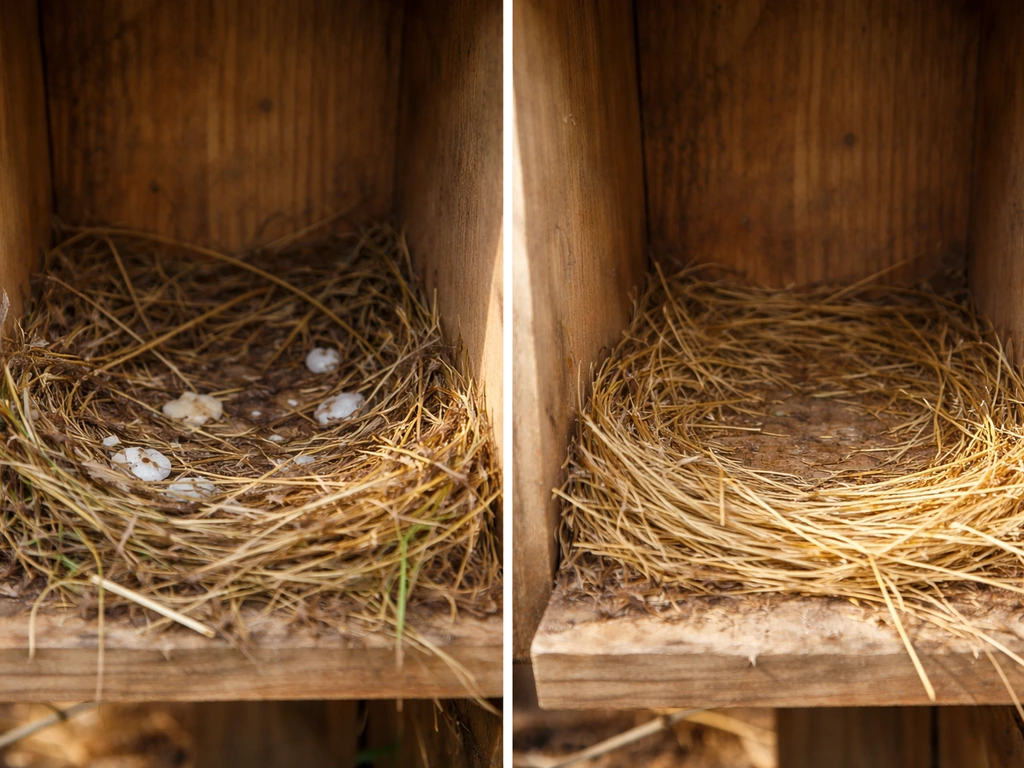
A nest that smells like a bathroom is a nest that a fox, raccoon, or crow can find more easily. Removing fecal sacs reduces both the odor and the visual cues that predators could use to locate the nest. This is one of the most consistently cited explanations in the scientific literature and makes intuitive sense: a clean nest is a safer nest. Studies on barn swallows and northern mockingbirds have been used as field models for testing exactly this hypothesis.
Cutting down on parasites and pathogens
Accumulated feces in a nest create a breeding ground for ectoparasites and pathogens. A 2026 paper on common swifts specifically notes that fecal sac removal reduces ectoparasite load in the nest environment. Fewer parasites means healthier chicks, which means more of them survive to fledge. From an evolutionary standpoint, parents that were better nest housekeepers raised more offspring, so the behavior got selected for strongly across many bird lineages.
Getting something back nutritionally
Young nestlings have immature digestive systems and do not absorb everything they eat. This means their fecal sacs can still contain usable energy and nutrients. Research on common swifts tested the hypothesis that parents ingest fecal sacs partly because it offers a small energetic return during a period when the adults are burning enormous energy to provision chicks. Northern mockingbird research from the Ordway Lab of Ecosystem Conservation found that the rate of fecal sac consumption changes as nestlings age, which aligns with the idea that sac composition (and thus its value to the parent) shifts over time.
The honest summary: nest sanitation is the primary driver, with nutritional recycling as a secondary benefit. Both are real, and neither one is gross when you understand the context. It is essentially a parent doing the laundry and eating a protein bar at the same time.
When this behavior might mean something is wrong
Most of the time, a parent bird eating fecal sacs is healthy and normal. But there are scenarios where the behavior, or the droppings themselves, signals illness in the nest or in the adult bird. If you are wondering why poop seems to be hanging from your bird, the most common cause is droppings and fecal sacs clinging around the vent rather than anything truly serious.
Pay attention to what the droppings actually look like before the parent removes them. Healthy nestling feces inside a fecal sac tend to be firm and well-formed. If you can see (without disturbing the nest) that droppings are mushy, watery, or unusually colored, that is worth noting. In pet or aviary birds, veterinary guidance flags these as red flags in adult birds too: droppings that are red, tarry black, pale, or persistently unformed or diarrhea-like can indicate infection, parasites, or systemic illness. If your pet bird seems unable to poop or is straining in its droppings, treat that as a separate health concern and contact an avian vet my bird can t poop.
- Chicks that appear fluffed, lethargic, or not begging when a parent arrives
- Parent birds showing labored or open-mouth breathing, poor feather condition, or visible weight loss
- Wart-like lesions on bare skin (a potential sign of avian pox)
- Fecal material accumulating in the nest rather than being removed promptly
- Unusually colored droppings: bright red, yellow, tarry black, or very pale
- A parent bird that seems unable to leave the nest area or is behaving disoriented
If you are observing wild birds in a backyard nest, the right move is usually to watch without interfering. If you have my bird has poop stuck on it, a gentle, prompt cleanup is usually the safest first step. Contact a licensed wildlife rehabilitator if you genuinely believe the birds are in distress. For pet birds or aviary birds showing any of the above signs, a vet visit is the right call, not a wait-and-see approach.
Health risks from bird droppings: what's real and what's overblown
Bird droppings do carry real health risks, and it's worth being straight about them rather than either panicking or dismissing them entirely. If you are seeing red algae in a bird bath, the color is usually a sign of certain algae species growing in warm, nutrient-rich water red algae in bird bath. The risks scale with the amount of droppings and your level of exposure. A single dropping on your windshield is not a medical emergency. A basement or attic coated in years of accumulated bird or bat guano is a genuine hazard.
The pathogens that actually matter
| Pathogen / Disease | Source | Main Risk | Who's Most at Risk |
|---|---|---|---|
| Histoplasma capsulatum (Histoplasmosis) | Fungal spores in soil enriched by bird/bat droppings | Lung infection from inhaling aerosolized spores during disturbance/cleanup | Immunocompromised individuals, people doing cleanup of large accumulations |
| Chlamydophila psittaci (Psittacosis) | Droppings and dust from infected birds, especially parrots/parakeets | Respiratory illness | Pet bird owners, poultry workers |
| Salmonella, Campylobacter, E. coli | Droppings from wild waterfowl, backyard birds | GI illness from ingestion or hand-to-mouth contact | Children, immunocompromised individuals |
| Cryptosporidium | Waterfowl droppings near swimming areas | GI illness | Swimmers in contaminated water |
| Avian influenza viruses | Infected poultry/wild bird droppings | Respiratory illness (rare in humans) | Backyard flock owners, poultry workers |
Histoplasmosis gets the most serious attention because it is airborne, meaning you do not have to touch droppings to be exposed. The CDC identifies disturbing accumulated bird or bat droppings as the key exposure scenario: shoveling, sweeping, or scraping dry guano launches spores into the air, where they can be inhaled. This is why cleanup method matters enormously. The CDC and NIOSH specifically advise against dry sweeping or shoveling as a cleanup approach for large accumulations.
On the other hand, the cultural belief that bird poop landing on you is good luck is, from a health standpoint, mostly a harmless bit of folklore. Getting hit by a single dropping is unpleasant but unlikely to make you sick if you wash the area promptly with soap and water. The real risk category is repeated, unprotected exposure to large accumulations, particularly in enclosed or poorly ventilated spaces.
What to do today: safe cleanup steps for bird droppings
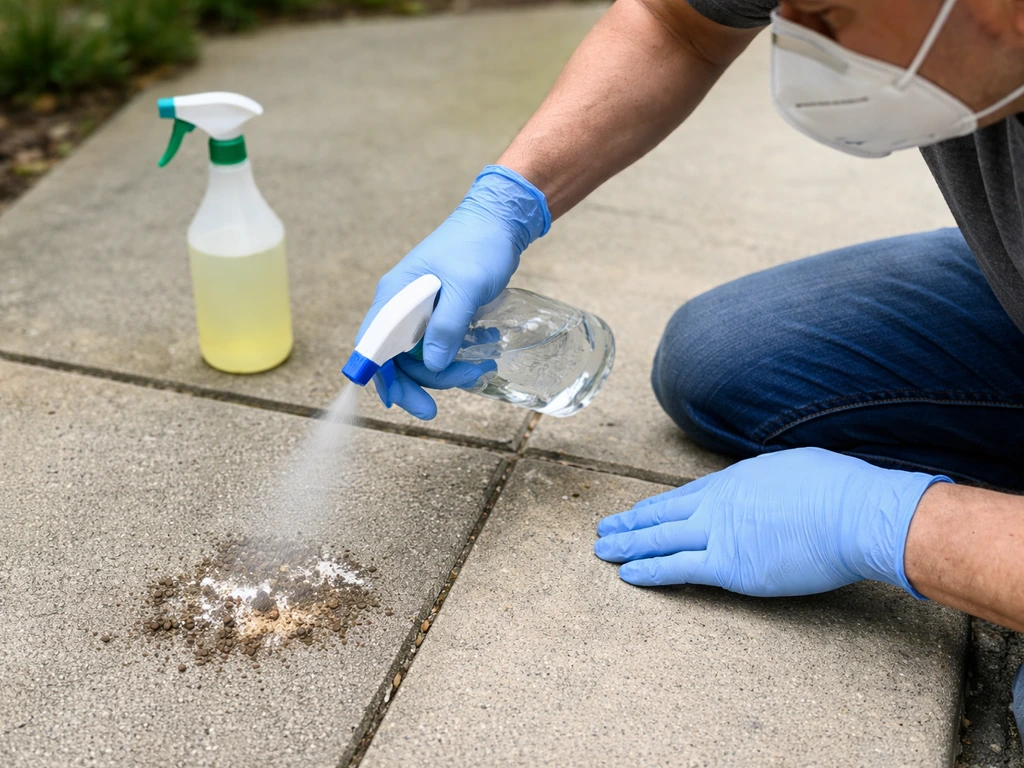
Whether you've found droppings on your car, your deck, a window ledge, or in a garage, the approach is the same: wet it down before you touch it, use PPE, and disinfect afterward. Dry droppings become dust, and dust containing any of the above pathogens is what you want to avoid breathing.
- Put on gloves before you touch anything. An N95 respirator mask is worth wearing for any cleanup involving more than a few droppings, especially in an enclosed space. Eye protection is a good idea if you're scrubbing.
- Wet the droppings thoroughly before disturbing them. Use a spray bottle with a disinfectant solution or a bleach solution (9 parts water to 1 part bleach is the Audubon/National Wildlife Health Center recommendation for bird-related surfaces). Let it soak for a few minutes.
- Wipe or scrape the softened material into a plastic bag. Do not dry-sweep or vacuum without a HEPA filter, as this aerosolizes particles.
- Seal the bag and dispose of it in an outdoor trash bin.
- Scrub the surface with your bleach solution or an EPA-registered disinfectant, following the label directions for contact time.
- Wash your hands thoroughly with soap and water after removing gloves. Wash any clothing that had contact with the droppings.
- If you think you've been heavily exposed to aerosolized material from a large accumulation and you develop respiratory symptoms (cough, fever, chest tightness) within 3 to 17 days, mention the exposure to a doctor. Histoplasmosis is treatable when caught.
For large-scale accumulations (think attic, barn, or crawlspace), this is a job for a professional remediation company with proper respiratory protection. The CDC and NIOSH are clear that these situations carry real histoplasmosis risk and should not be handled as a casual weekend project.
One note on pets: if your dog investigated a nest area or walked through a dropping-heavy zone, rinse their paws and contact your vet if they show GI symptoms in the following days. Bird droppings can carry Salmonella, and dogs that eat droppings are at higher ingestion risk than humans are.
How to reduce droppings around your home without harming birds
If birds are nesting on or near your house and you're dealing with a dropping problem, the timing of your response matters a lot. Under the Migratory Bird Treaty Act, most wild bird nests with eggs or chicks are legally protected in the U.S. You cannot legally remove an active nest without a permit, and permits are generally only issued for genuine human health or safety concerns. That means if there is a nest in use right now, your options during this season are cleanup and deterrence for areas away from the nest, and waiting.
Once the nest is empty and the season is over, here is how to reduce the problem going forward:
- Physical exclusion netting is the most effective long-term solution for eaves, ledges, and building gaps. It blocks access to nesting sites entirely without harming birds.
- Bird spikes or needle rows on ledges and window sills prevent perching and roosting. They work best on flat surfaces where birds like to sit and drop waste.
- Remove food sources that attract large flocks: unsecured garbage, spilled seed under feeders, standing water in areas you want birds to avoid.
- Clean bird baths and feeders regularly with the 9: 1 water-to-bleach solution to reduce disease transmission between birds and to make the area less attractive to sick individuals.
- If DIY deterrents are not working and birds keep returning, especially if they have a strong site attachment from previous nesting, a professional wildlife exclusion service will have more options and can assess the situation legally.
One realistic note: birds that have successfully nested somewhere once tend to return to that spot. Deterrents installed before nesting season (late winter in most of the U.S.) are far more effective than those installed after a pair has already claimed the spot. If you're dealing with a bird that is actively sitting a nest, even the best spike strips won't move them. This is a next-season fix.
If you are also noticing unusual droppings in or around your yard that don't seem tied to nesting behavior, issues like algae in a bird bath or changes in dropping frequency and color in a pet bird are worth looking into separately, as they often point to different causes entirely. If your pet bird seems to poop more than usual, it helps to look at diet, stress, and possible illness so you can address the real cause changes in dropping frequency.
FAQ
Is it normal if the parent bird never eats the fecal sacs, or only carries them away?
In many species it’s common for parents to either swallow sacs or remove them over the nest rim. If you still see clean nest material between feeding periods and chicks are active and begging, not swallowing is usually not a problem. If fecal sacs pile up and chicks appear weak, that pattern suggests something may be off and it’s worth escalating your observation.
Why do some parents seem to wait longer before removing droppings?
Removal timing depends on nest type, feeding cadence, and weather. In colder conditions parents may stay on the nest longer to maintain chick temperature, which can delay cleanup. What matters most is whether waste is accumulating for hours at a time, especially inside the rim, which would increase odor and parasite risk.
Are fecal sacs always removed immediately, or can chicks sometimes eject them?
Older nestlings often begin controlling their own waste, so you may see fecal sacs pushed over the rim without the parent handling them. If your observations show mostly rim ejection and no buildup, that’s consistent with normal development rather than neglect.
What’s the difference between normal fecal sacs and poop that signals illness?
Normal sacs are firm, well formed, and show up as the mucous packaged material associated with feeding. Red, watery, persistently unformed, tarry black, or color changes that repeat across multiple feedings (or persist) are more concerning. Also watch for behavior changes, like reduced begging and lethargy, because appearance alone can be misleading.
Should I intervene if I see a pet bird eating feces?
Pet birds may occasionally peck droppings for normal behaviors, but persistent coprophagy plus abnormal stool, weight loss, fluffed posture, or straining to poop is a red flag. A vet visit is appropriate if droppings look watery, discolored, or diarrhea like, because the cause can be infection, parasites, or diet and stress issues rather than “just behavior.”
Could a parent bird get sick from eating fecal sacs?
Occasionally, yes. Birds are exposed to microbes present in the nest, so illness can spread within nests, and some parents may be more susceptible depending on their immune status. If the adult appears ill, becomes lethargic, stops visiting the nest, or the chicks deteriorate, the behavior may stop being normal nest care and become part of a health problem.
If I clean a nest area, will it make birds abandon the nest?
During active nesting, disturbing the nest or repeatedly approaching can cause abandonment, and legal protections can restrict what you can do. The safer approach in most cases is to minimize disturbance, improve cleanup around the site after observing, and use deterrence away from the active nest. Once the nest is empty, you can address lingering attractants and install longer term deterrents.
What’s the safest way to handle bird droppings on a car, patio, or window ledge?
Wet the area first to prevent dust, then wipe or clean with soap and water, and disinfect afterward if you’re dealing with frequent or heavy buildup. Avoid dry sweeping or scraping because dried droppings can aerosolize particles. If it’s a large, enclosed area with heavy accumulation, switch to professional remediation.
Why is dry sweeping or shoveling a bigger risk than just “touching poop”?
The main danger with large accumulations is inhaling aerosolized spores, particularly with histoplasmosis. Dry cleanup methods create dust, and dust is what you want to avoid breathing. Wetting down first and using appropriate respiratory protection reduces that aerosol risk.
How do I decide whether droppings are a minor mess or a situation that needs professional help?
A professional is appropriate for attic, barn, crawlspace, or any enclosed space with years of buildup, or when the cleanup would require scraping dry material. If you can smell strong ammonia-like odor, see heavy layered deposits, or the task would kick up dust, err on the side of remediation rather than DIY.
What should I do if a dog investigates or eats droppings near a nest?
Rinse paws and remove any residue from fur if possible, then monitor closely for GI symptoms over the next few days. Contact your vet promptly if you notice vomiting, diarrhea, appetite loss, or lethargy. Dogs have a higher ingestion risk because they may swallow contaminated material rather than just walking through it.
If birds keep returning to the same spot, when is the best time to install deterrents?
Deterrents are most effective before nesting begins, typically late winter in many U.S. regions. Installing after birds have claimed the spot during the season may not work, because the pair may ignore deterrents while eggs or chicks are present. Plan for cleanup and prevention in the off-season, not while active.