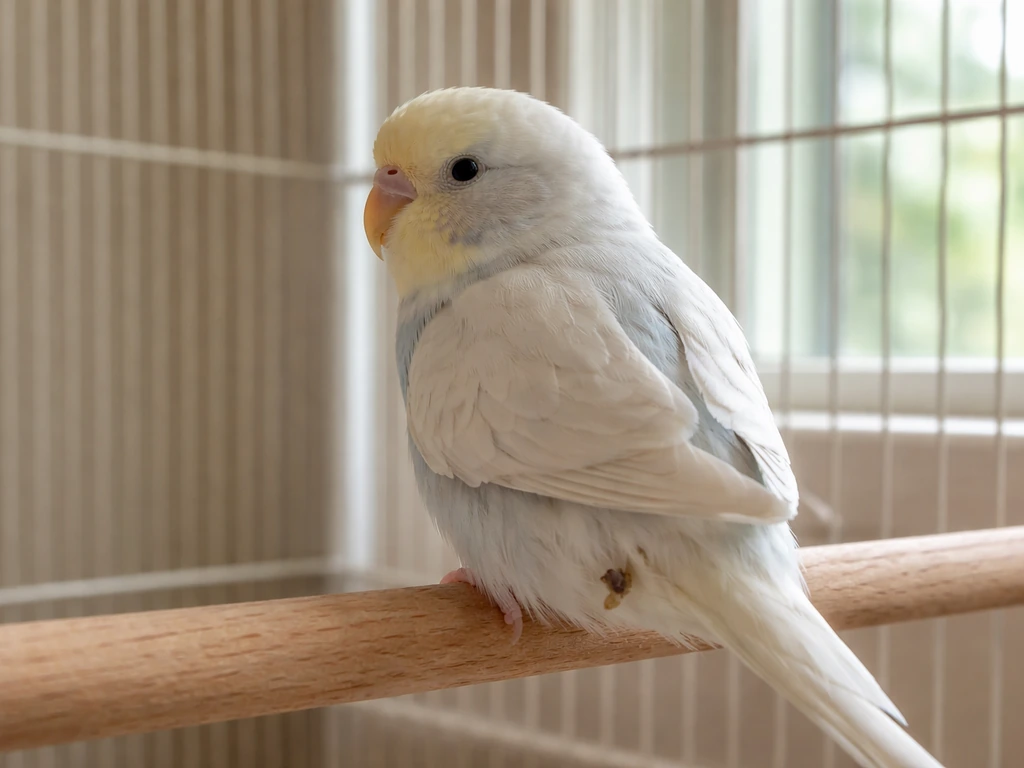
Poop hanging from your bird's vent area is almost always a sign that the droppings are softer or wetter than normal, causing them to stick to the feathers around the cloaca instead of dropping away cleanly. Most of the time, this is a diet or hydration issue, not an emergency. But it can also be an early warning sign of a GI infection, parasites, or something more serious, so it's worth taking a careful look today rather than waiting a week to see if it clears up.
Why Is There Poop Hanging From My Bird? Causes, Red Flags

Marcus Fielding
1 Jun 2026
What's actually going on back there
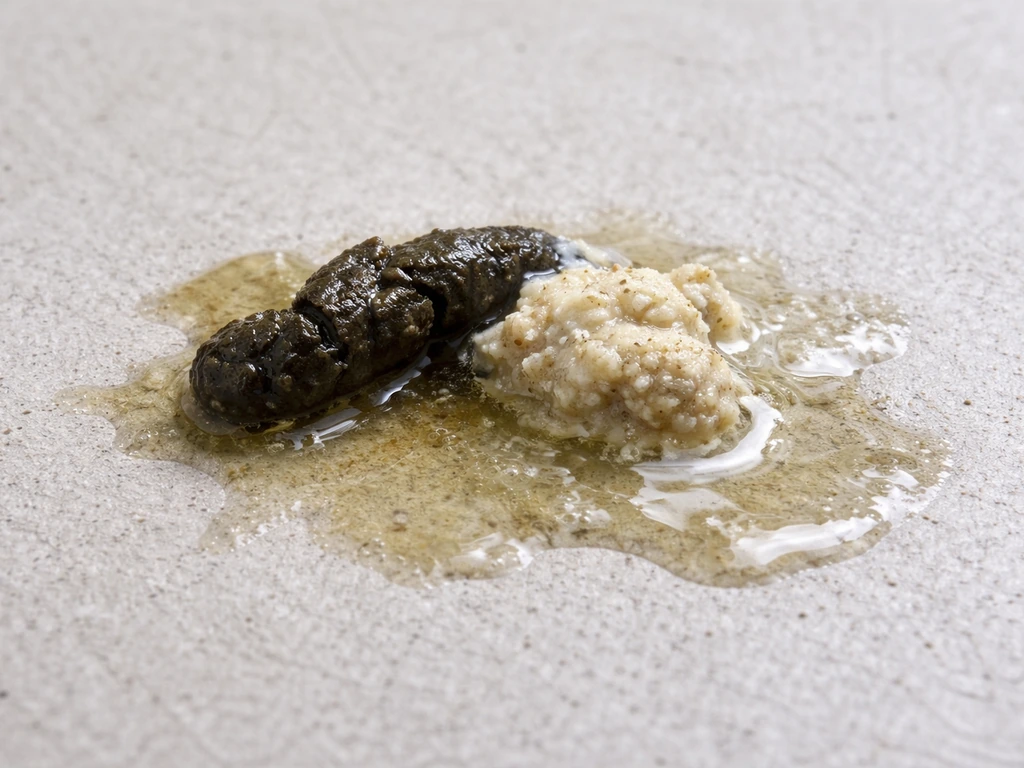
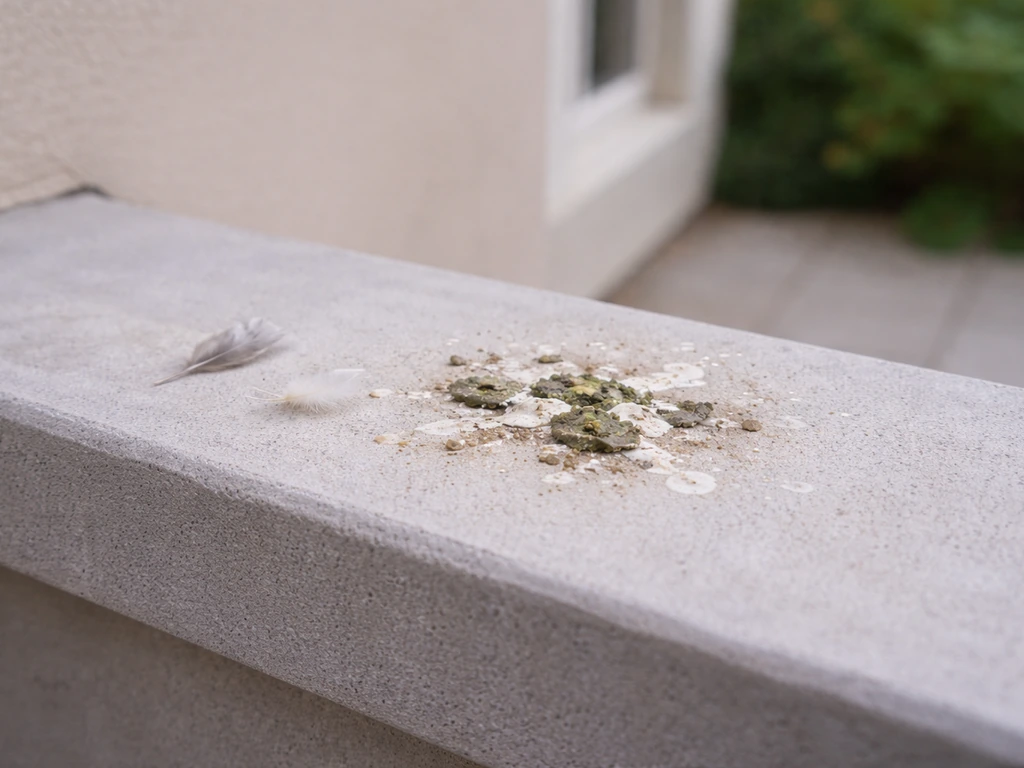
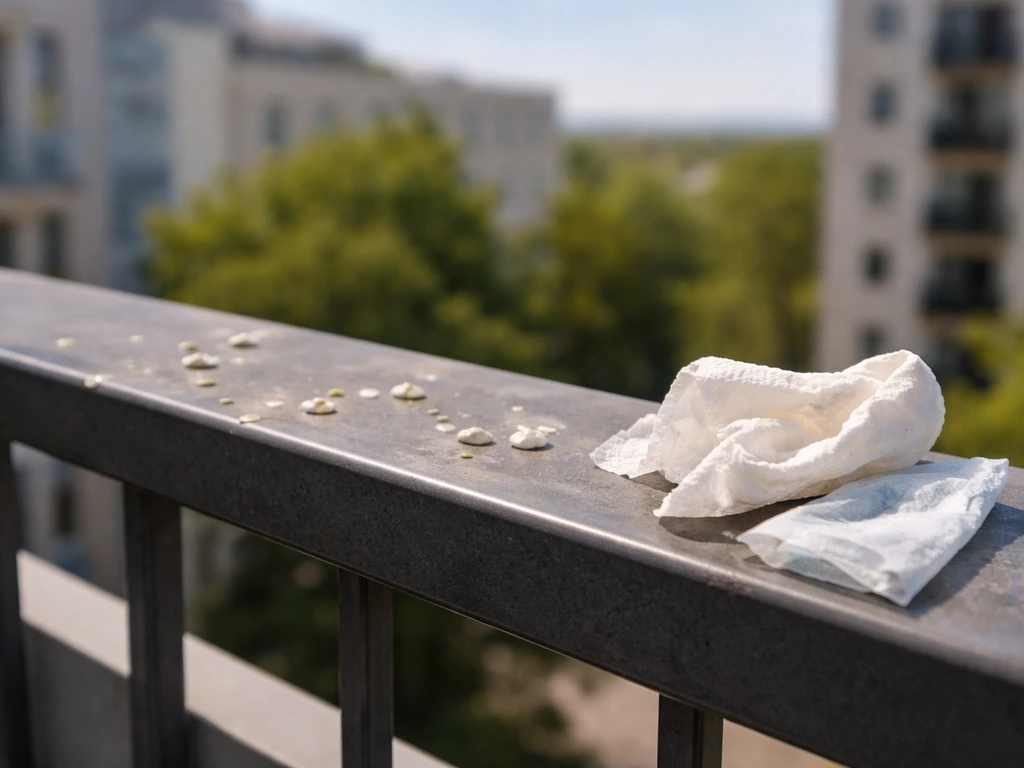
Bird droppings have three distinct parts: the fecal component (the darker, formed part), the urates (the white or beige chalky material made of uric acid crystals), and liquid urine. When droppings are normal and well-formed, they fall away from the vent cleanly. When any of those three components becomes too watery or too soft, the material smears onto the surrounding feathers and clings. That's the 'hanging poop' you're seeing.
One important distinction before you panic: not all watery output is true diarrhea. If the fecal portion still looks formed but there's a pool of clear liquid around it, that's polyuria, meaning excess urine rather than a loose stool. Polyuria can happen when a bird eats a lot of juicy fruit, cooked vegetables, or simply drinks more water than usual. True diarrhea is when the fecal component itself is unformed and nearly indistinguishable from the liquid around it. Telling these two apart matters because they point toward different causes and different urgency levels.
The most common reasons poop sticks to your bird
The majority of cases come down to a handful of completely fixable things.
Diet and hydration changes
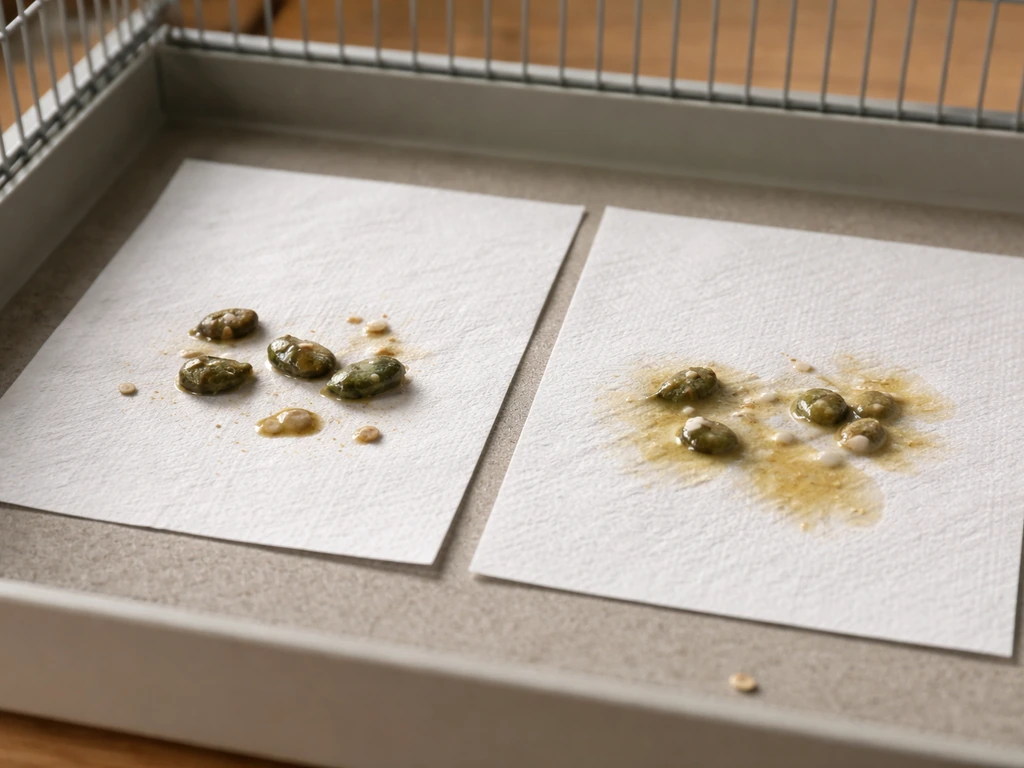
This is the number one culprit. If you recently introduced more fruit, cooked veggies, or water-rich treats like cucumber or watermelon, the droppings will get noticeably wetter. That excess moisture makes them stick. A sudden switch in pellet brand or seed mix can do the same thing by changing stool consistency. Usually the droppings normalize within 24 to 48 hours once you dial back the high-water foods.
Stress
Birds respond to stress physiologically, and loose or more frequent droppings are one of the most common signs. A new pet in the house, rearranged furniture near the cage, a change in your routine, or even a new toy can trigger temporary loose stools. If nothing else is wrong and the stress source is obvious, the droppings often firm back up once the bird settles.
Feather length and hygiene habits
Some birds, especially those with longer feathers around the vent or birds going through a molt, are more physically prone to catching droppings on their feathers even when the stool is relatively normal. Birds groom themselves, but not always thoroughly enough after each dropping. This is more of a management issue than a health crisis, but it still needs attention to prevent skin irritation and bacterial growth in the matted feathers.
Cage hygiene
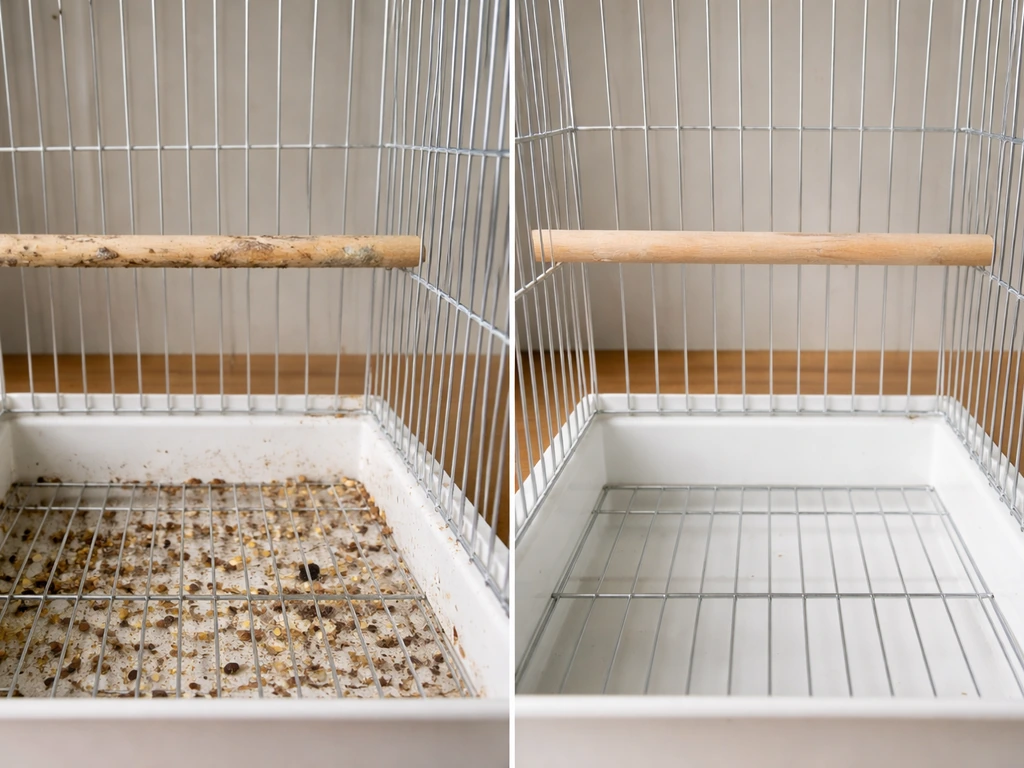
A dirty cage with built-up droppings on perches and near the bottom means your bird is constantly coming into contact with old feces. This doesn't just look bad; it can actually contribute to abnormal output by introducing bacteria and by causing a bird to sit in soiled material. Consistent cage cleaning is part of both the cause and the fix.
When it's something more serious: health red flags to check right now
Soft stools from too much mango are one thing. These signs below are different, and any of them alongside vent soiling means you should be calling an avian vet today, not watching and waiting.
- Lethargy, sitting fluffed at the bottom of the cage, or unwilling to perch
- Refusing food or noticeably reduced appetite
- Vomiting or regurgitation (not the social regurgitation some birds do to their humans)
- Visible weight loss or a prominent keel bone
- Foul or unusually strong smell from the vent area or droppings
- Straining or repeated tail-bobbing while trying to pass droppings
- Swelling, redness, or visible tissue protruding from the vent
- Blood in the droppings or on the feathers around the vent
- Droppings that are completely unformed with no distinguishable fecal portion
- Abnormal dropping color: bright green, black, or bloody red
- Symptoms persisting beyond 24 hours even without the red flags above
A few specific conditions worth knowing about: Parasites like Giardia or intestinal nematodes (worms) can cause persistent loose stools and vent soiling, and they won't resolve without treatment. Bacterial or yeast (Candida) overgrowth in the digestive tract can cause GI upset that looks identical to dietary diarrhea at first. The Merck Veterinary Manual also notes that candidiasis can be linked to crop problems like delayed crop emptying with regurgitation and poor appetite Bacterial or yeast (Candida) overgrowth in the digestive tract can cause GI upset that looks identical to dietary diarrhea at first.. Coccidiosis, a protozoal infection, also presents primarily as diarrhea. And cloacal prolapse, where tissue from inside the cloaca protrudes outward, causes heavy vent soiling and is a genuine emergency requiring same-day vet care.
How to assess your bird safely today
Before you do anything else, just watch your bird for a few minutes without stressing it. A sick bird will usually show it through posture and behavior. A bird sitting tall, alert, vocalizing normally, and showing interest in food is in much better shape than a bird hunched on the cage floor. Here's what to systematically look at:
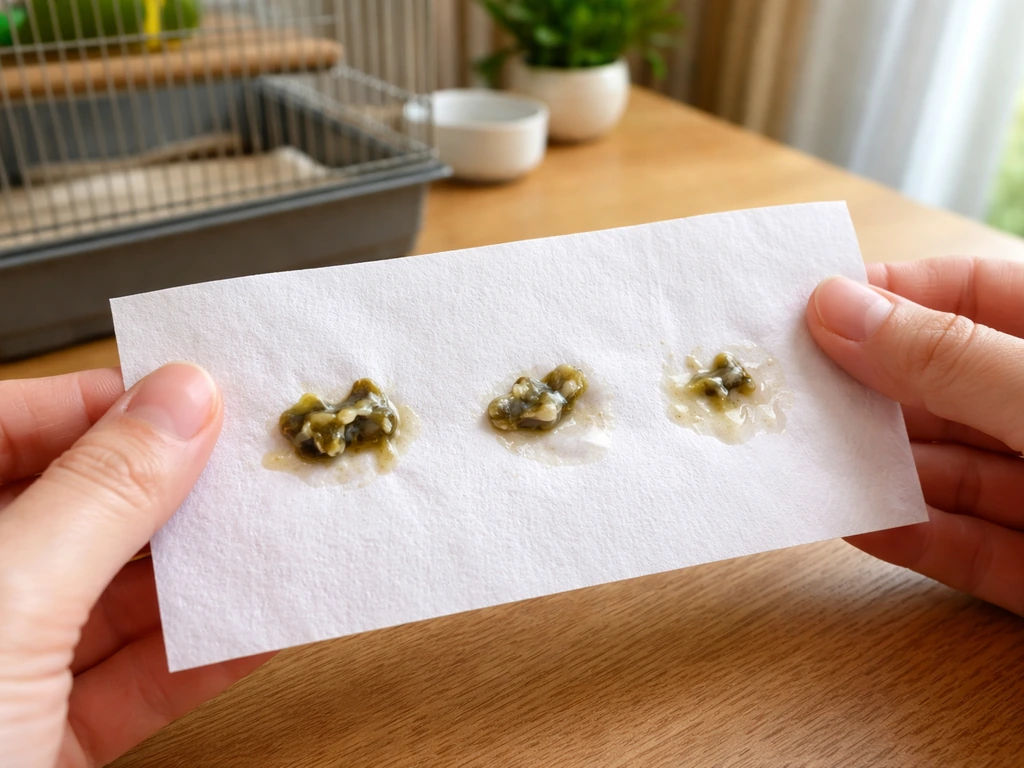
- Check the droppings on the cage liner right now. Are the fecal portions formed or completely liquefied? Is there just extra clear liquid around them, or is everything merged together? Place a piece of wax paper on the cage bottom to collect a fresh sample if you can, because you may need to bring it to a vet.
- Look at the vent area closely (without handling yet if the bird is stressed). Is the soiling limited to a few feathers, or is there a large matted clump? Is the skin around the vent visibly red, swollen, or is any tissue sticking out?
- Assess body condition. Pick up the bird gently and feel the keel bone (the ridge down the center of the chest). If it feels very prominent and sharp, the bird may have been losing weight.
- Check for other symptoms: Is the bird breathing normally? Any tail-bobbing at rest? Any discharge from the eyes or nostrils? Any vomiting?
- Think back over the past 48 to 72 hours. Any diet changes, new foods, stressors, or environmental changes? How long has the vent soiling been happening?
What to do right now: cleaning your bird, the cage, and stopping the spread
Cleaning the vent area
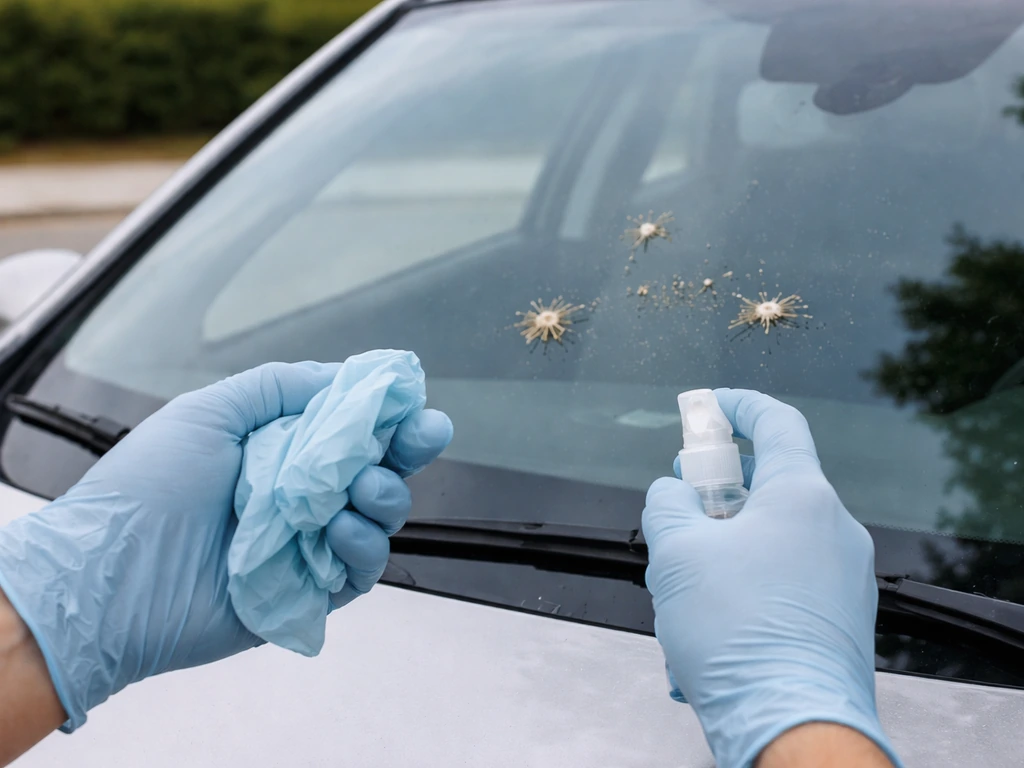
Do not pull dried poop off feathers. You will pull out feathers and possibly tear delicate skin near the vent. Instead, soak the area first. Use a warm, damp cloth or cotton ball and hold it gently against the soiled feathers for 30 to 60 seconds to soften the material. Then very gently wipe it away, working outward from the vent. If you notice poop stuck to the vent repeatedly or you cannot remove it safely, focus on resolving the underlying cause and consider calling an avian vet. Repeat as needed. Keep the bird warm during and after, because a wet bird chills quickly and a stressed bird doesn't need the added temperature drop. Do not use soap, alcohol, or any disinfectant directly on the bird or near the vent.
Cleaning and disinfecting the cage
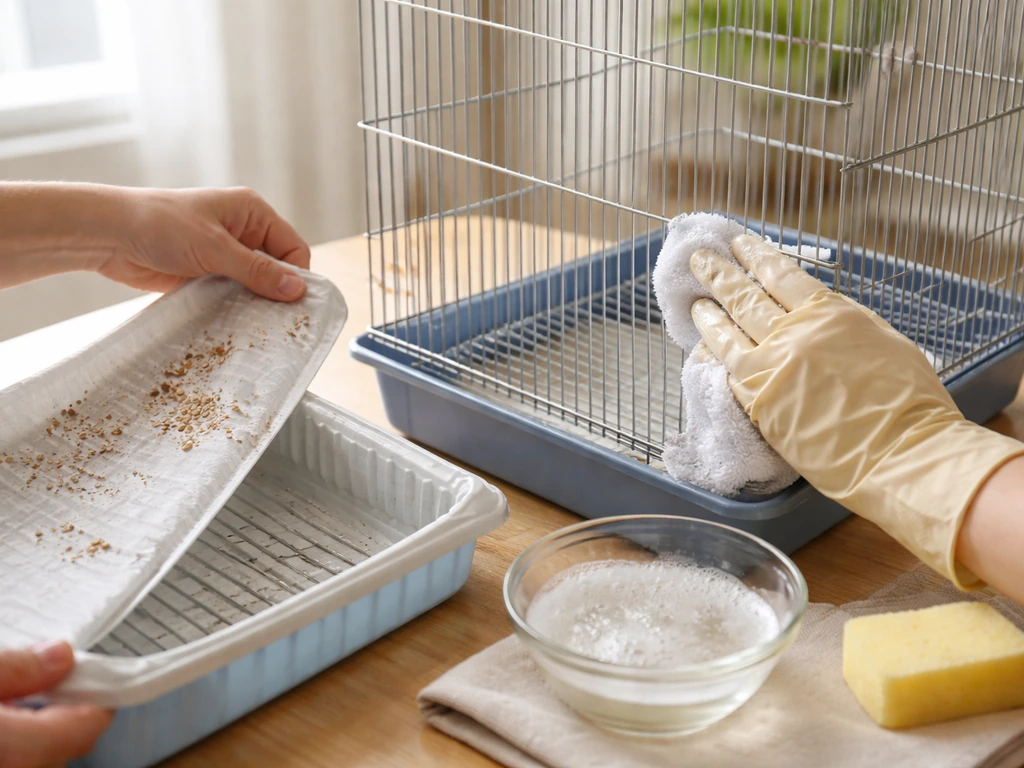
Remove your bird to a safe temporary space first. Toss the cage liner and scrub all surfaces, perches, and food and water dishes. For disinfection, use a bird-safe cage disinfectant and follow the label exactly. If you use diluted bleach, do it in a well-ventilated area away from the bird, because bleach fumes are toxic to birds even at low concentrations. The same goes for vinegar; it's less toxic but still needs ventilation. The most important step people skip is rinsing: rinse every surface thoroughly with clean water and let everything dry completely before returning the bird. Chemical residue left on perches or dishes is a real hazard.
Protecting yourself during cleanup
Bird droppings can carry bacteria and pathogens that are transmissible to people, so wash your hands thoroughly with soap and water after any contact with droppings or soiled material. If you're doing a deep cage clean, consider gloves. Avoid touching your face. This is standard hygiene that applies whether the bird is sick or not, but it matters more here since you're handling more material than usual.
What not to do
- Don't forcibly remove dried poop from feathers without soaking first
- Don't apply any disinfectant, essential oil, or cleaning product directly on or near the bird
- Don't ignore the vent soiling and assume it will resolve on its own past the 24-hour mark
- Don't give your bird human anti-diarrheal medications or supplements without vet guidance
- Don't return the bird to a freshly cleaned cage until all surfaces are fully dry and chemical-free
When to call an avian vet (and what to tell them)
Call an avian vet today if any of the red flag symptoms above are present. If you're seeing nothing alarming except soft or wet droppings and minor vent soiling, the 24-hour rule is a reasonable threshold: if it hasn't improved within 24 hours of addressing obvious dietary causes, call. Don't wait several days on the hope it resolves itself. Birds hide illness well, and by the time they look truly unwell, things can escalate fast.
When you call, be ready to describe: how long the soiling has been happening, what the droppings look like (formed vs. liquid, color), recent diet changes or stressors, whether you're seeing any of the red flag symptoms, and whether the bird is eating and drinking. Bring the freshest droppings sample you can collect (wax paper or a clean container works), ideally less than a few hours old.
The vet will likely want to do a direct fecal smear and microscopic exam to look for parasites and abnormal bacteria. A fecal flotation test (using zinc sulfate or similar) helps detect cysts from Giardia or other protozoa, and a fecal Gram stain can reveal bacterial overgrowth or yeast. If crop issues are suspected, crop examination and possibly a crop fluid culture may be on the table. In some cases, parasite testing may need to be repeated because shedding is intermittent and one clean test doesn't always rule out infection. Ask the vet directly: Is a fecal parasite test included? Should I come back if the droppings don't normalize? What am I watching for at home?
Preventing this from happening again
Diet management
High-water fruits and vegetables are fine in moderation, but they should be a complement to a balanced diet, not a daily large serving. If you're giving fruit as a treat, keep it to a small amount once or twice a day and watch how the droppings respond. Introduce any new foods gradually over several days rather than switching everything at once. A diet that's heavy in seeds without sufficient pellets can also contribute to nutritional gaps that affect digestive health overall.
Hydration
Fresh, clean water available at all times is non-negotiable. But if your bird is suddenly drinking dramatically more than usual, that's worth noting as a potential symptom rather than just a good habit; it can be associated with kidney or metabolic issues and should be mentioned to a vet if it's a new behavior.
Cage and feather hygiene routine
A consistent cleaning schedule makes a real difference. Change cage liners daily, scrub food and water dishes daily, and do a full cage wipe-down at least weekly. Monitoring your bird's droppings as part of this routine is actually one of the most useful things you can do for early illness detection: you'll notice changes in consistency, color, and frequency much faster if you're looking at them regularly. If you also see red algae in a bird bath, that growth can come from excess nutrients and warm, stagnant water, so keeping the bath clean and refreshed helps prevent it what causes red algae in bird bath. For birds with longer vent feathers, a trim by an experienced groomer or avian vet can reduce the tendency for feces to stick. Bathing or misting your bird regularly also helps them stay on top of their own feather maintenance.
If your bird has been recently treated for parasites or a GI infection, follow the full course of any prescribed medication and schedule the recommended follow-up fecal test. Reinfection and relapse are both possible if treatment is cut short. And if you have multiple birds, isolate any bird showing GI symptoms to reduce the risk of spreading infection to the others. Related issues like a bird straining and unable to pass droppings at all, or a bird producing dramatically more poop than usual, have their own specific considerations worth looking into separately. If you're wondering why mother bird eats poop, that's a related behavior question that sits alongside the same idea of GI output and cleanliness considerations mother bird eating poop. If your bird is producing dramatically more droppings than usual, that increase is also worth discussing with an avian vet producing dramatically more poop than usual. If your bird seems unable to poop at all, that can become urgent quickly, so it is best to involve an avian vet right away unable to pass droppings.
FAQ
How can I tell if the “hanging poop” is diarrhea or just extra urine (polyuria)?
Not always. If the fecal portion still looks formed and you mainly see clear liquid around it, that points more toward excess urine (polyuria) than true diarrhea. Check whether the dark part is staying intact or whether the entire dropping looks watery and unformed, because the urgency and likely causes differ.
What should I do if the poop is dried and won’t come off easily?
Warm soaking is safest, but if the material is dried or stuck repeatedly, limit how long you spend trying to remove it. Continued pulling can damage feathers and irritated vent skin, which can make infections more likely. If you cannot clear it gently within a few minutes, focus on cleaning the environment and plan on an avian vet call.
If it started after diet changes, how long should I wait before contacting an avian vet?
Changes in diet can cause watery or softer droppings even with no illness, but persistent vent soiling beyond 24 to 48 hours after you remove high-water foods or revert to the prior diet deserves a vet. Birds hide sickness, so if you see worsening frequency, any listed red flags, or no improvement after 24 hours, treat it as “call now,” not “wait.”
Can dietary changes alone cause recurring vent soiling, or does it always suggest infection?
Yes. Overwatering from many treats can mimic infection, but the pattern matters. If you only see temporary softening after specific foods and it improves quickly when you reduce them, that supports a dietary cause. If it keeps happening despite stopping treats, or you see frequent watery output plus abnormal posture, color, or energy, assume medical causes and get stool testing.
What cleaning products are safe, and do I need to rinse after disinfecting the cage?
Use warm water only for the bird, no soaps, alcohol, or disinfectants at the vent. For the cage and items, use a bird-safe disinfectant and rinse thoroughly after cleaning, because chemical residue can irritate feet and mouth area during normal contact. Also keep fumes away by disinfecting when the bird is not present and ventilating well.
Is there a disease risk to me or my family from “hanging poop”?
Yes, if the bird is sick, but you should prioritize hygiene regardless. Wash hands with soap and water after touching droppings or any soiled surfaces, avoid touching your face, and consider gloves during a deep clean since droppings can carry bacteria that people can catch.
My bird is molting, could that explain the hanging poop even if droppings look mostly normal?
If your bird is molting, vent feathers can trap droplets more easily, so soiling can happen even without true illness. However, molting does not rule out GI problems. If droppings are truly watery, unformed, foul-smelling, or paired with red flags, do not assume it is only shedding and skip testing.
How should I collect and store droppings sample for a fecal test?
Collecting a fresh sample helps because the most useful tests depend on timing. Use a clean container or wax paper, and try to get the sample to the vet as soon as possible. If you cannot collect right away, note the approximate time and droppings appearance so the vet can prioritize parasite and bacterial checks appropriately.
If I have more than one bird, should I isolate the one with vent soiling?
If multiple birds share the same cage or are housed nearby, isolate the one with symptoms. This reduces the chance that pathogens or parasites spread, especially when droppings are present on surfaces. Continue monitoring the others' droppings and contact the vet if any bird develops similar changes.
If my vet does a stool test and it comes back negative, what might still be going on?
For some conditions, a single negative stool test does not fully rule things out. Parasite shedding can be intermittent, so ask the vet whether follow-up testing is recommended if symptoms persist. Also ask whether to include specific tests (parasite exam, flotation, culture or Gram stain) based on the dropping appearance and duration.