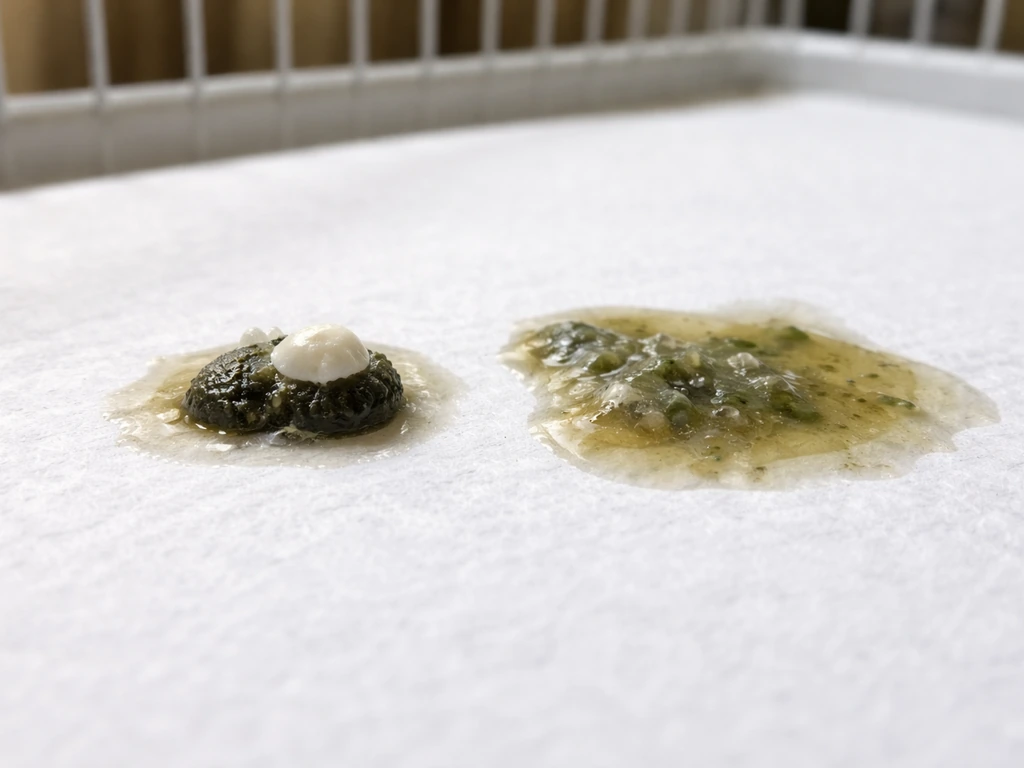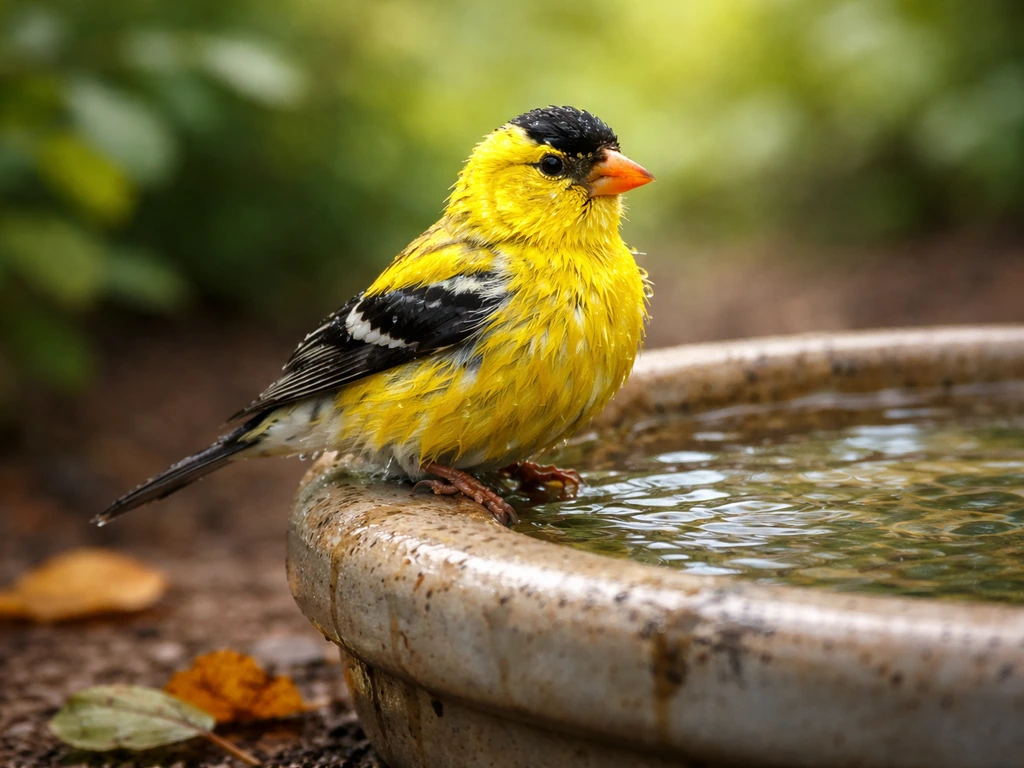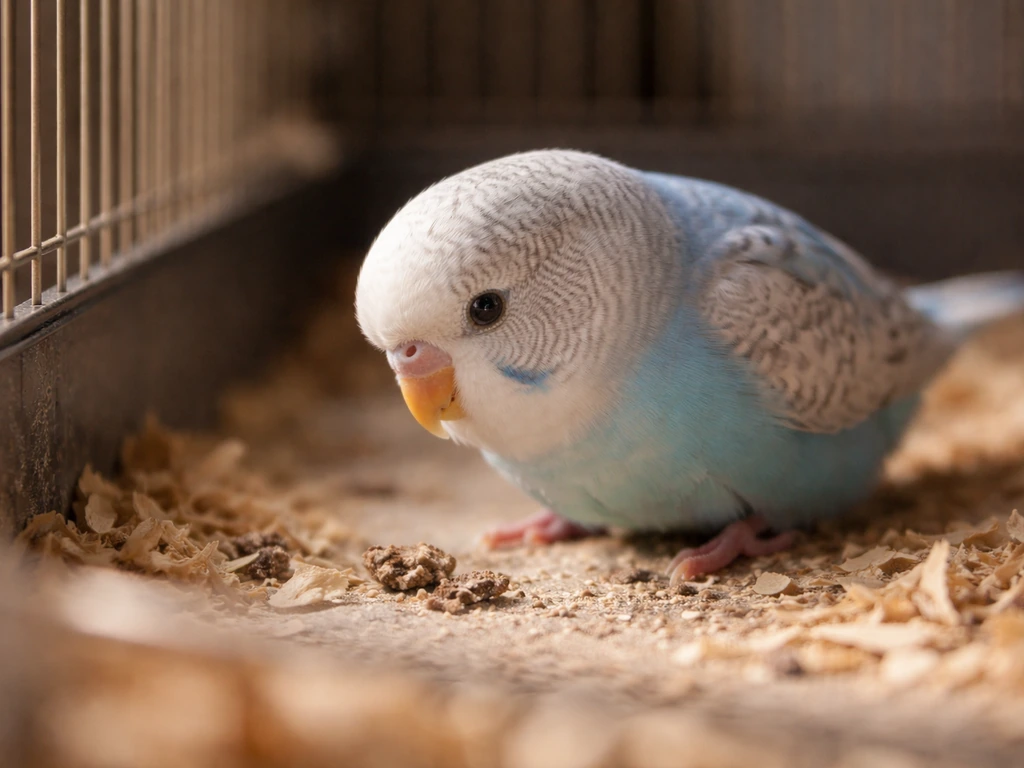
Watery bird poop usually means one of two things: the bird recently ate something with high water content (fruit, berries, certain greens), or it's dealing with some kind of digestive or health issue. If you're wondering why bird poop liquid happens in the first place, the answer usually comes down to diet, hydration, stress, or a digestive issue that changes how fast water moves through the gut why is bird poop liquid. Most of the time it's the first one, and it resolves on its own within a day or two. But when it's persistent, comes with color changes, blood, or mucus, or is happening across a whole flock, it can signal infection, parasites, or something environmental that genuinely needs attention.
What Does Watery Bird Poop Mean and What to Do Now

Marcus Fielding
27 May 2026
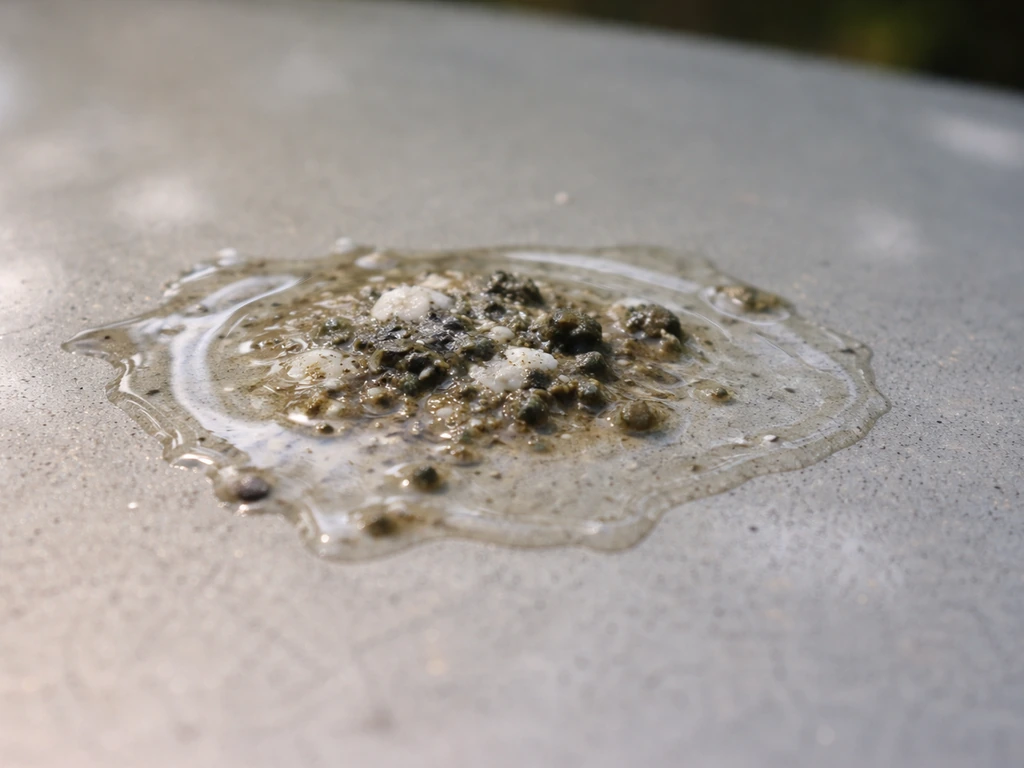
What watery bird poop usually indicates
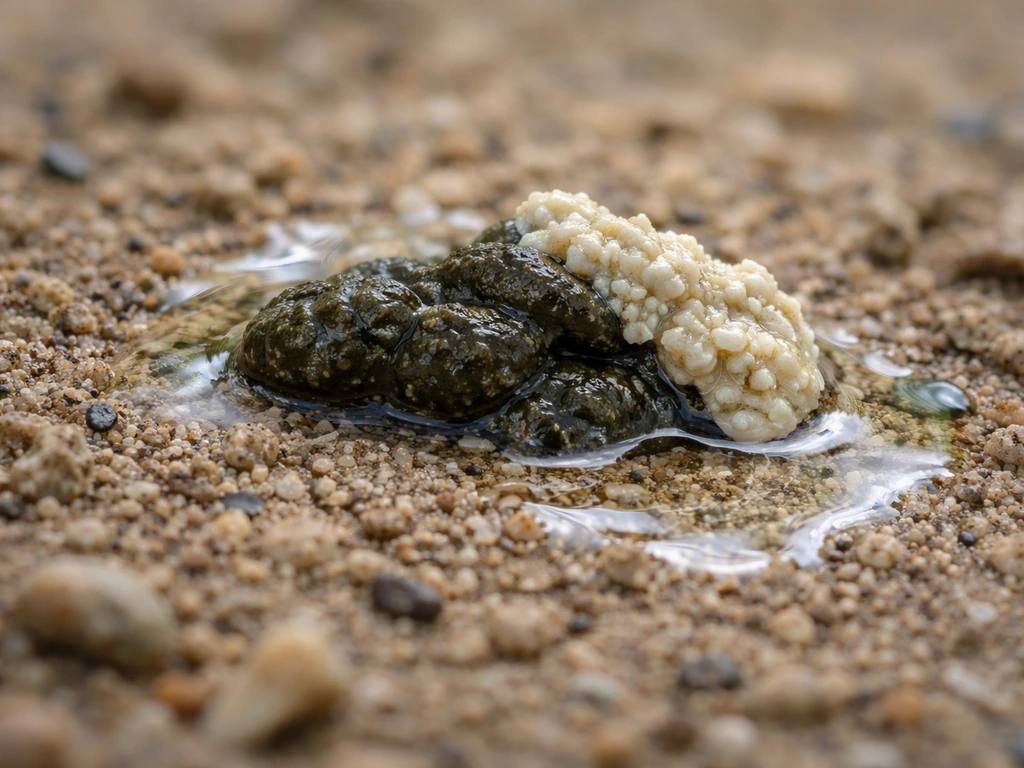
Bird droppings normally have three parts: the dark fecal matter (the solid waste), white or cream-colored urates (nitrogenous waste from the kidneys), and a small amount of clear liquid urine. When you see a dropping that's mostly liquid or has a much larger watery component than usual, it's called polyuria. That just means the kidneys are pushing out more water than normal, which happens for completely benign reasons most of the time.
The key distinction that helps here: if the watery part is clear and the solid and urate portions still look normal, it's almost always diet or stress-related. If the solid part is also abnormal (unusually pale, yellow-green, or absent entirely), or there's blood or mucus mixed in, that's when the situation shifts from 'probably fine' to 'needs a closer look.'
Common causes: diet, hydration, and short-term digestive changes
Diet is by far the most common reason for watery droppings in both wild and captive birds. Fruits, berries, cucumbers, melons, and leafy greens are high in water, and a bird that's been eating a lot of them will produce noticeably wetter droppings for several hours afterward. This is completely normal and not a reason to worry. If you've recently changed what you're feeding a pet bird, or you've noticed wild birds visiting your yard after berry bushes ripen, watery poop is an expected side effect.
Stress is another common trigger. Transport, changes in environment, predator encounters, or even a new person or pet in the household can cause temporary digestive upset in birds. The same goes for temperature changes, particularly in pet birds that are sensitive to drafts or sudden shifts in ambient temperature. In these cases, droppings typically normalize within 24 to 48 hours once the stressor is removed.
- High-moisture foods: fruits, berries, cucumbers, leafy vegetables
- Increased water intake on hot days or after exercise
- Stress from handling, travel, or environmental changes
- Recent diet change or introduction of new foods
- Young birds or recently weaned birds with immature digestive systems
- Overripe or fermenting food sources (especially relevant in wild birds)
When watery poop signals trouble: infection, parasites, and environmental factors
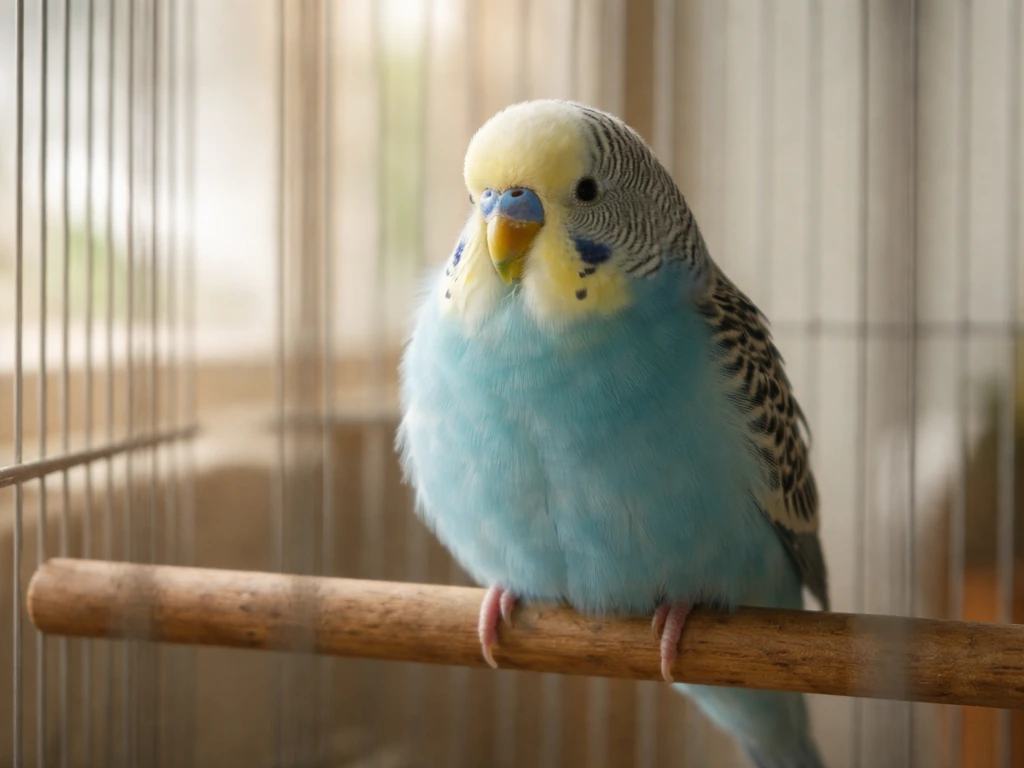
If the watery droppings persist beyond 48 hours, or if they're accompanied by other symptoms, it's time to take it more seriously. In pet birds, watch for lethargy, fluffed feathers, loss of appetite, or a bird that's sitting on the floor of the cage rather than perching. These are signs the bird is unwell and needs a vet, not just a dietary tweak.
Infections are a real possibility. Bacterial infections (like E. coli, Salmonella, or Campylobacter), viral illnesses, and yeast overgrowth (especially Candida in pet birds) can all produce persistent watery or abnormal droppings. Protozoan parasites like Giardia are also common in some bird species and produce loose, often frothy droppings. Worms and external parasites can stress a bird's system enough to affect digestion too.
Color changes in the dropping are a particularly useful signal. Yellow-green liquid droppings in a sick bird can indicate liver disease or chlamydiosis (psittacosis). Droppings that are entirely liquid with no solid component can suggest severe intestinal infection. Blood in droppings always warrants a vet visit without delay.
If you are also wondering why is my bird bath water red, check related causes like algae, mineral staining, or blood contamination and treat it as an environmental question rather than assuming it comes from droppings. In backyard flocks, sudden widespread watery droppings combined with respiratory symptoms, swollen faces, or sudden deaths are serious warning signs for diseases like Newcastle disease or avian influenza, and your local agricultural extension office or veterinarian should be contacted immediately.
| What you see | Most likely cause | Urgency |
|---|---|---|
| Watery, clear liquid around normal solid/urate portions | High-moisture diet or mild stress | Low: monitor for 48 hours |
| Watery with pale or absent solid portion, bird acting normal | Diet change, temporary digestive upset | Low-moderate: adjust diet, monitor |
| Yellow-green liquid droppings, bird looks unwell | Infection (bacterial, chlamydial), liver issue | High: vet visit needed |
| Watery with blood or mucus | Intestinal infection, parasites, injury | High: vet visit urgently |
| Frothy or foamy watery droppings | Giardia or other protozoan parasites | Moderate-high: vet testing needed |
| Watery droppings across a whole flock with other symptoms | Viral or bacterial outbreak (e.g., avian influenza, Newcastle disease) | Very high: contact vet or extension office immediately |
How to read the situation: wild birds vs. backyard flocks vs. pet birds
Context matters a lot here. If you're looking at watery droppings left on your car or patio by a wild bird passing through, there's very little you can do to assess that bird's health, and the main concern is just safe cleanup. Wild birds with dietary or mild stress-related watery poop are common, especially in spring and summer when fruit is abundant. Single instances of watery wild bird droppings are not a cause for alarm for the bird, though they're still worth cleaning up promptly for hygiene reasons.
For backyard chickens, ducks, or other poultry, you have much more context to work with. You can observe behavior, check whether it's isolated to one bird or the whole flock, and look for patterns. A single hen with watery droppings after eating a lot of watermelon on a hot day is a non-event.
A quarter of your flock suddenly producing loose droppings along with any respiratory symptoms is a call-your-vet situation, and if you have any reason to suspect avian influenza, the CDC recommends using PPE and avoiding dry sweeping or anything that stirs up dust, feathers, or contaminated litter until the issue is investigated.
For backyard poultry, CDC recommends avoiding dry sweeping or other activities that stir up dust, feathers, and bird waste, and wearing protective equipment as recommended until there are no longer infected birds, eggs, feces, or contaminated litter on the property avoiding dry sweeping or anything that stirs up dust, feathers, or contaminated litter.
For pet birds like parrots, cockatiels, budgies, or canaries, you have the most information and also the most responsibility. Pet bird owners tend to know their bird's normal droppings well, which is actually a huge advantage. A sudden change that doesn't track back to an obvious dietary cause should prompt a call to an avian vet. Watery droppings in pet birds are one of the most common reasons for vet visits, and most cases turn out to be straightforward, but catching something like chlamydiosis (psittacosis) or Giardia early makes treatment much easier.
Cleanup and exposure safety: what to do right now
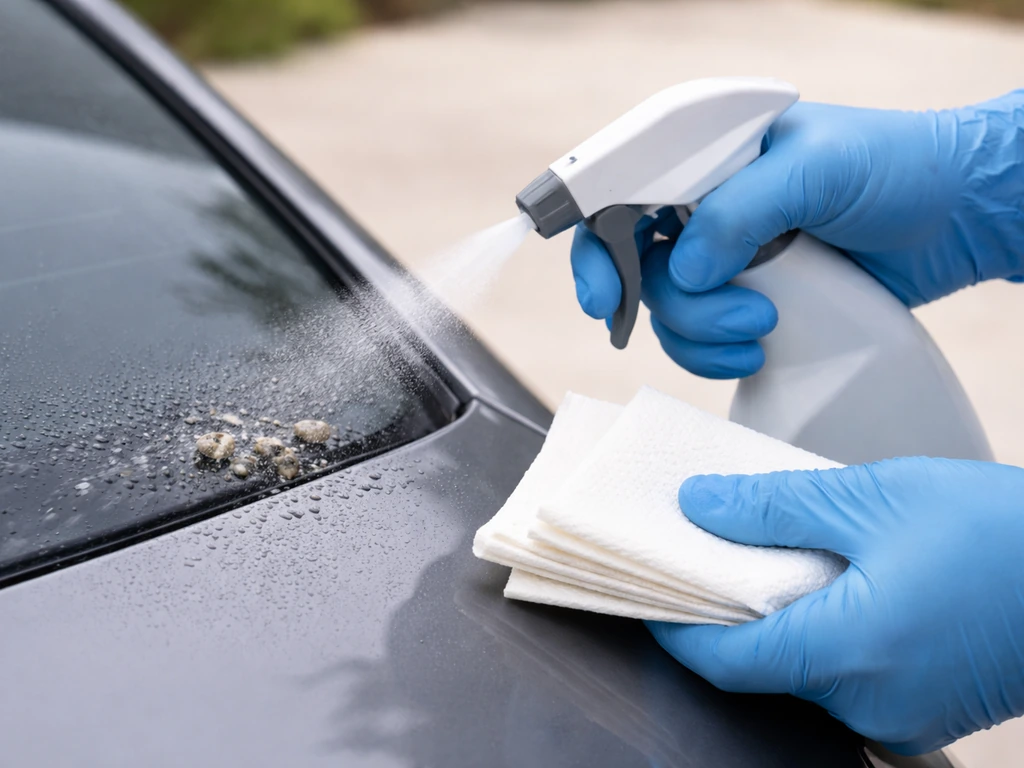
Whether the droppings are from a wild bird on your windshield, a backyard flock, or your pet's cage, the cleanup approach follows the same core principle: don't create dust or aerosols. Dried bird droppings can harbor pathogens like Histoplasma (which causes histoplasmosis) and Chlamydia psittaci (which causes psittacosis), and both of these primarily infect people through inhaled particles, not direct contact. The CDC specifically recommends wetting surfaces before cleaning cages or areas contaminated with bird droppings, which is simple but important.
- Wet the affected surface first with water or a diluted disinfectant spray before touching or scrubbing anything. Never dry sweep or use a leaf blower on dried droppings.
- Wear disposable gloves. For larger cleanups (backyard coops, significant accumulations), add an N95 mask and eye protection.
- Use paper towels or disposable cloths to wipe up the material. Double-bag and dispose of them in an outdoor bin.
- Clean the surface with a household disinfectant. A diluted bleach solution (1 part bleach to 9 parts water) works well on hard, non-porous surfaces. For car paint, use a gentle automotive cleaner and avoid harsh bleach.
- Wash your hands thoroughly with soap and water for at least 20 seconds afterward, even if you wore gloves.
- If droppings got on your skin, wash the area immediately with soap and water. If they splashed near your eyes or mouth, rinse with clean water.
On car paint specifically, watery droppings can actually be more immediately damaging than solid ones because they spread further and seep into micro-scratches faster. The acidic content starts etching clear coat within 30 to 90 minutes in warm weather, so speed matters. Rinse with water first if you can, then use a proper car-safe cleaner rather than scrubbing dry.
Health risks and who should be more cautious
For most healthy adults, brief incidental contact with bird droppings carries low risk as long as you wash your hands. But a few diseases are worth understanding, especially if you spend significant time around birds or bird habitats.
Psittacosis (Chlamydia psittaci) is most commonly transmitted by breathing in dried droppings or secretions from infected birds, especially parrots and other psittacines. CDC states [psittacosis, caused by Chlamydia psittaci](https://www. cdc. gov/psittacosis/about/index.
html), most commonly infects people when they breathe in dust containing dried bird secretions or droppings. It causes flu-like symptoms including fever, headache, and dry cough, sometimes progressing to pneumonia. It's treatable with antibiotics but can be serious if missed. Histoplasmosis is caused by a fungus that grows in soil enriched by bird (and bat) droppings.
Breathing in Histoplasma spores, especially in areas with accumulated droppings, can cause respiratory illness. Most healthy people experience mild or no symptoms, but it can be severe in immunocompromised individuals. Salmonella is also occasionally transmitted through contact with bird droppings or contaminated surfaces, particularly with backyard poultry.
Children, elderly people, pregnant women, and anyone who is immunocompromised (due to HIV, chemotherapy, organ transplants, or similar conditions) should be more careful around bird droppings, particularly in enclosed spaces or when cleaning up significant accumulations. For these groups, wearing an N95 mask and gloves for even routine cage cleaning or backyard coop maintenance is a reasonable precaution, not an overreaction.
A quick note on the good luck superstition
Yes, plenty of cultures hold that being pooped on by a bird is good luck, especially if it happens unexpectedly. It's a fun belief, and given how rarely it happens, it's easy to see how it became a 'special sign' over time. There's nothing wrong with taking a moment to appreciate the cosmic joke before you head to the sink. But the good luck interpretation doesn't change the hygiene reality: wash up, clean the surface, and follow the steps above. Good fortune and good handwashing can coexist.
Disinfection, prevention, and keeping birds healthy
For pet bird owners, the best long-term prevention for watery droppings and the health issues behind them is a stable, species-appropriate diet, regular avian vet checkups, and clean living conditions. Cages should be cleaned at least weekly (daily for the tray), and perches and food/water dishes should be washed regularly. When cleaning, always wet surfaces first, work in a ventilated area, and wash your hands after.
For backyard flock owners, biosecurity is the key word. Limit access by wild birds to your flock's feed and water, since wild birds can introduce pathogens. Limit access by wild birds to your bird bath area too, since wild birds can introduce pathogens. Change water sources daily and clean feeders regularly. If you're dealing with a suspected disease outbreak, contact your local agricultural extension service or a veterinarian before doing anything that might spread contaminated material.
For people dealing with wild bird droppings in high-traffic areas (under roosting spots, near feeders, on regularly parked cars), regular wet-cleaning of those surfaces reduces pathogen buildup over time. If you're cleaning up a large accumulation of dried droppings from under a long-used roost, treat it like the serious job it is: wet it down thoroughly, wear a properly fitted N95 mask and gloves, and bag everything carefully. The CDC's guidance on reducing histoplasmosis risk specifically emphasizes avoiding activities that disturb accumulated droppings in enclosed or semi-enclosed spaces. If the accumulation is large (think attic, barn, or long-unused building), professional remediation is genuinely worth considering.
If you have a pet bird and you're noticing consistently watery droppings alongside the other symptoms mentioned earlier, the single most useful thing you can do today is call an avian vet. Most issues are easily treated when caught early. The droppings themselves are just information: your job is to read them accurately and respond proportionately.
If your pet bird is also eating its own droppings, that habit can point to stress, diet gaps, or underlying illness, so it is worth considering alongside the watery droppings why your bird eats his poop. If you also notice your bird bath water turning red, that can point to something in the water or on nearby surfaces rather than normal droppings bird bath water red.
FAQ
If my pet bird has watery droppings, how long can I watch it at home before calling a vet?
If the droppings are watery but otherwise look typical (no blood, no mucus, no missing solid/urate portion), wait and observe for up to 48 hours while removing likely triggers (especially fruit or watery greens). Start a brief “reset” with normal pellets plus the bird’s usual measured foods, then re-check. If it continues past 48 hours, or your bird seems off (fluffed, lethargic, no appetite), switch from home observation to calling an avian vet.
How can I tell the difference between diet-related watery poop and something more serious by looking at it?
Yes. Color and texture matter more than the “watery” label alone. Clear watery liquid with normal dark fecal material and normal urates is more consistent with diet, hydration, or stress. Yellow-green, frothy, or completely liquid droppings, especially with any behavior change, are higher concern and justify a faster veterinary call.
Does it matter whether watery droppings show up in one bird or the whole flock?
A big pattern helps: if you see watery droppings in only one bird, it often points to an individual trigger (a specific food, stress from a new perch mate, temperature drafts in one area). If many birds in the same flock develop watery droppings at the same time, treat it as a possible infectious or environmental event and contact a veterinarian or extension service before moving litter or bedding.
What should I do differently if the watery droppings are from a wild bird versus a backyard flock?
For wild birds, the most important “next step” is sanitation, not diagnosis. Use gloves, wet the area before wiping, and avoid disturbing large dry accumulations. If you also notice unusual flock-wide illness, respiratory signs, swollen faces, or multiple sudden deaths near your location, escalate to your local wildlife authority or veterinarian rather than just cleaning.
Can watery bird poop be an effect of where it landed (bedding, grass, humidity), not the bird’s health?
Not always. Water can come from the gut, but “liquid-looking” droppings can also be urine that has separated due to humidity, bedding type, or how long the droppings sat. If the same bird produces watery droppings immediately after eating a high-water food, that supports a benign explanation. If it happens consistently regardless of food changes, assume it is true polyuria and investigate with a vet for pet birds.
What is the biggest cleanup mistake people make when dealing with watery bird droppings?
Don’t dry-sweep, vacuum, or blast it with a dry broom, because dried droppings can aerosolize particles. Wet first, wipe or scoop gently, then bag and discard. If you are cleaning an area with heavy buildup (for example, under roosts or in an enclosed space), wear a properly fitted N95 or equivalent and improve ventilation.
Is watery bird poop more damaging than solid poop on my car, and how fast should I act?
On cars, time matters because acidity can etch clear coat, especially in warm conditions. First rinse to flush, then clean with a car-safe product and microfiber cloth, avoiding abrasive pads. If it stained into paintwork and does not come off, avoid aggressive scrubbing and consider a professional detailer rather than repeatedly using harsh cleaners.
When exactly should I treat watery droppings as urgent (same-day) for a pet bird?
If watery droppings include blood, or if a pet bird has blood-tinged droppings plus weakness or reduced appetite, treat it as urgent and contact an avian vet right away. Also escalate quickly if you see missing urates, repeated vomiting, or the bird repeatedly sits on the floor rather than perching.
If my bird bath water turns red, what does that mean and what should I do first?
If bird bath water turns red, think beyond normal poop staining. It can be algae, feed or soil runoff, rust, or sediment stirred up by the birds, but it can also be contamination from nearby surfaces. Empty the bath, scrub the basin, replace with fresh water, and monitor. If the color repeatedly returns or your birds show illness, pause use and contact a vet for pet birds.
What precautions should higher-risk people take when cleaning bird droppings, even if it’s “routine”?
If you suspect possible exposure to dried droppings in an enclosed or semi-enclosed area (barn, attic, coop) and you fall into a higher-risk group (children, elderly, pregnant, or immunocompromised), consider wearing an N95 and gloves even for routine cleanup. Focus on wet-cleaning and avoiding dust. If you develop fever, cough, or breathing symptoms after significant cleanup, seek medical advice and mention bird exposure.