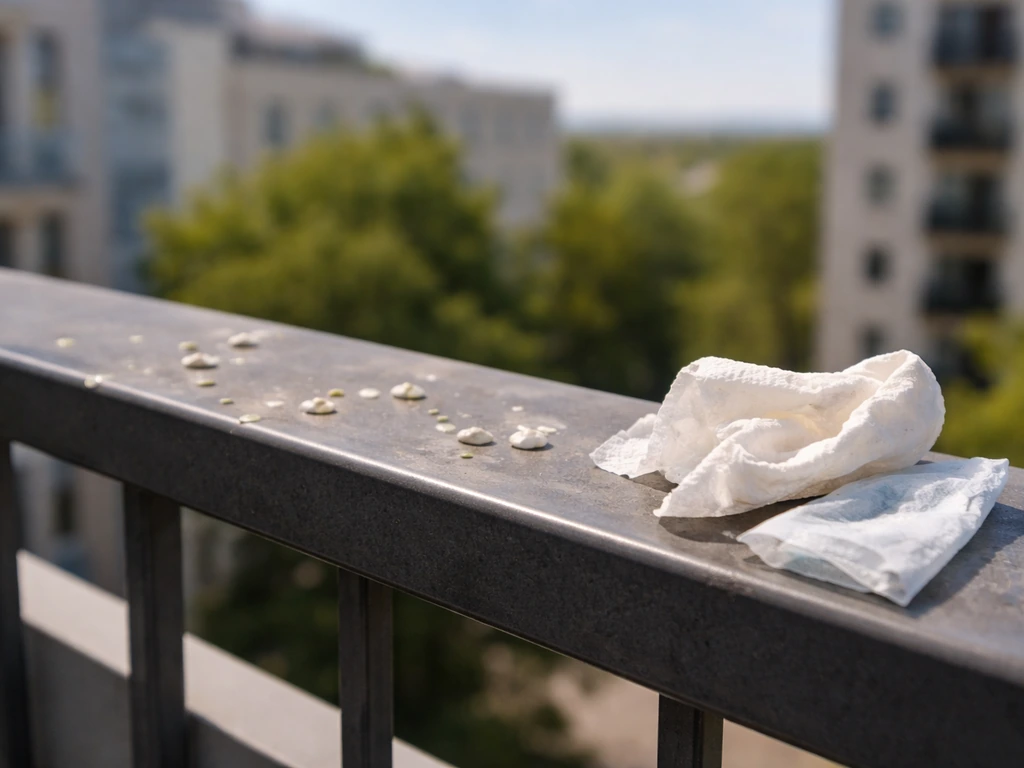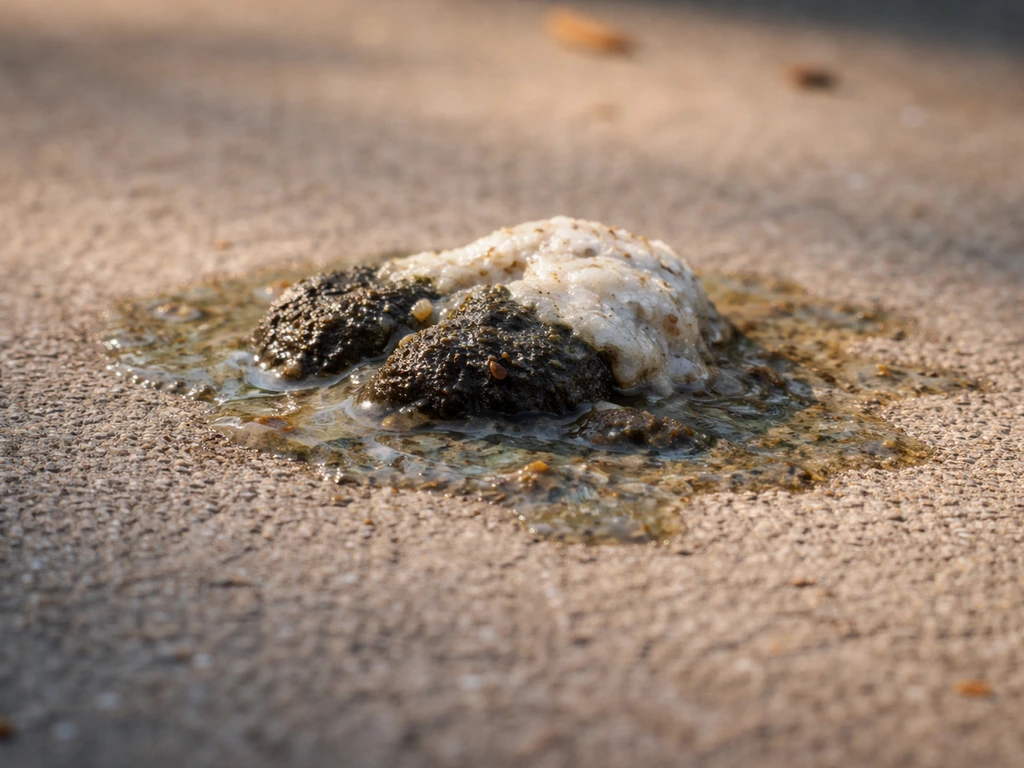
Is bird poop on your head really "good luck"?
Short answer: no, not in any measurable way why is bird poop good luck

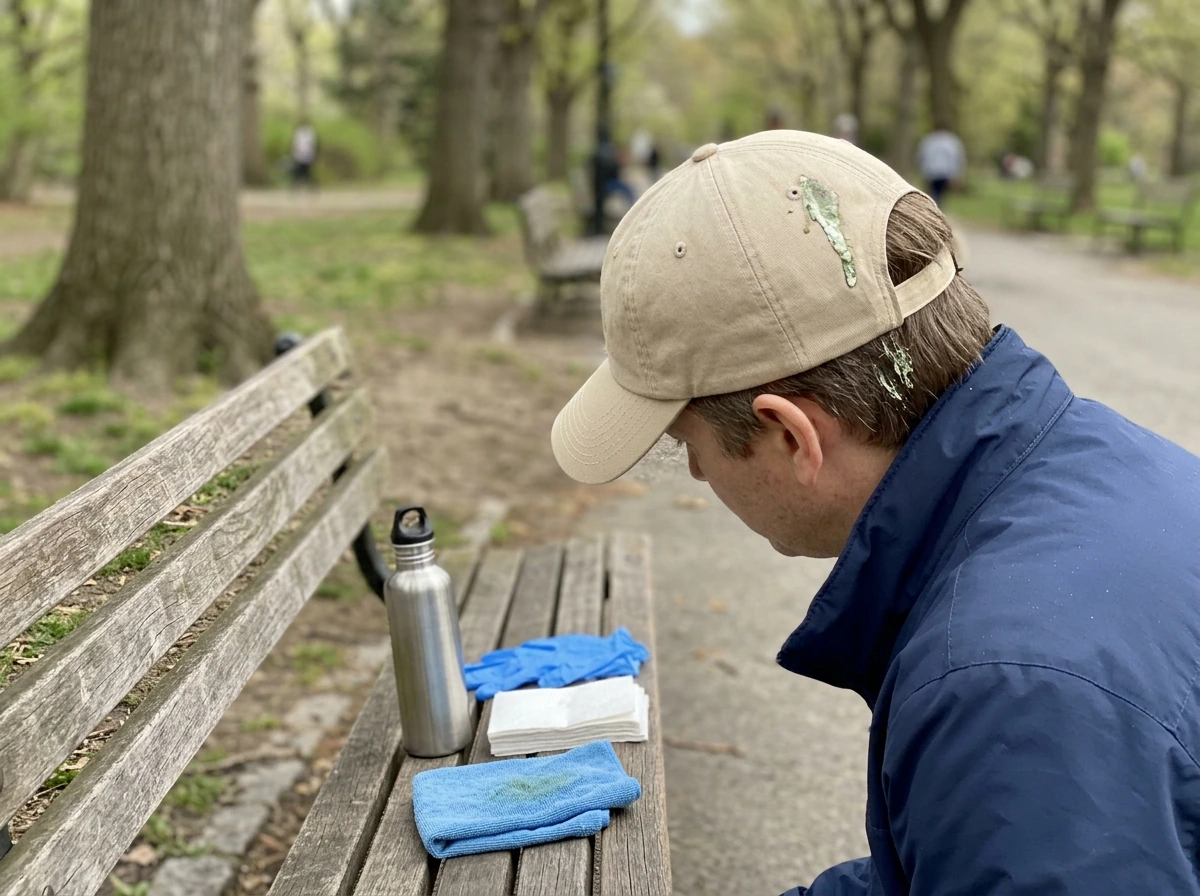
Short answer: no, not in any measurable way why is bird poop good luck
That said, there's something almost universal about the impulse to find a silver lining when a pigeon scores a direct hit on your freshly washed hair. If believing it's lucky makes the next five minutes less miserable, that's genuinely harmless. If you’re wondering whether it’s getting pooped on by a bird good luck, the safest takeaway is still to clean it up and move on five minutes less miserable. And if you’re wondering whether it means “is a bird pooping on u good luck,” the real takeaway is still to clean up and keep things in perspective. But the "luck" framing can also make people slow down when they should be moving fast, and that's the part worth correcting. The practical question right after it happens isn't about fortune; it's about what that dropping contained and what you should do right now.
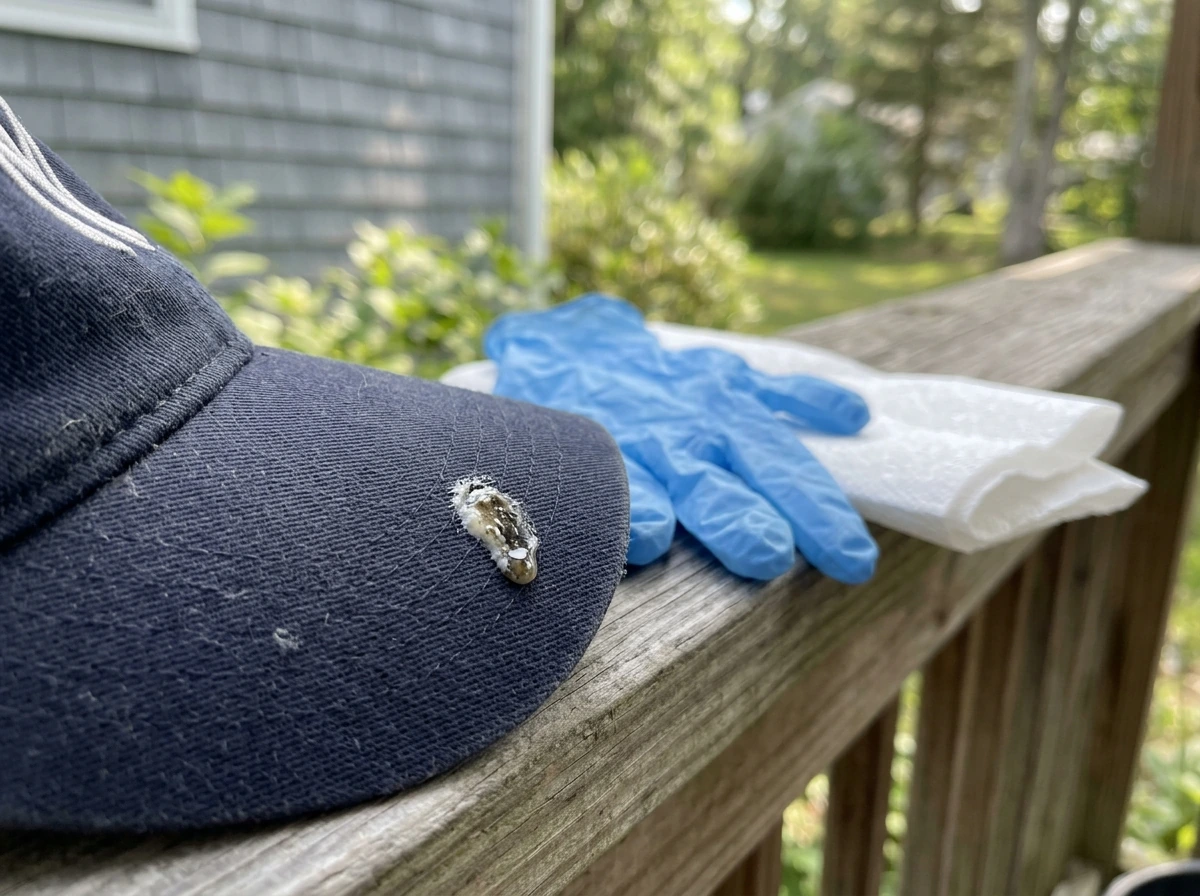
Bird droppings are a mix of fecal matter, urine (the white chalky portion), and sometimes mucus or undigested material. On their own, fresh droppings from a healthy bird landing on intact scalp skin are a low-risk event for most healthy adults. The risk picture gets more complicated depending on three things: the species of bird, whether the droppings are fresh or dried, and where on your body the contact happened.
Two diseases worth knowing about are histoplasmosis and psittacosis. Histoplasmosis is a lung infection caused by a fungus (Histoplasma) that can live in soil contaminated with bird or bat droppings. You get it by breathing in airborne spores, typically when dried droppings are disturbed and the dust becomes airborne. Psittacosis (sometimes called parrot fever) is a bacterial infection spread the same way: inhaling dried dust from contaminated droppings or secretions, especially from parrots, parakeets, and other psittacine birds. Neither of these is a likely outcome from a single fresh dropping on your head, but both explain why dry, crusted droppings are genuinely more dangerous than fresh ones, and why you should never rub or flick dried droppings away without dampening them first.
The higher-concern scenarios are eye or mouth contact, breathing in particles from disturbed dried droppings, and contact with broken or irritated skin. If the dropping hit your scalp through thick hair with no mucous membrane contact and you clean it promptly, your actual risk is quite low. If it splattered near your eyes or you got any in your mouth, that changes the calculus and warrants faster, more deliberate action.
The most important thing is to act quickly without panicking. Here's what to do based on where contact happened:
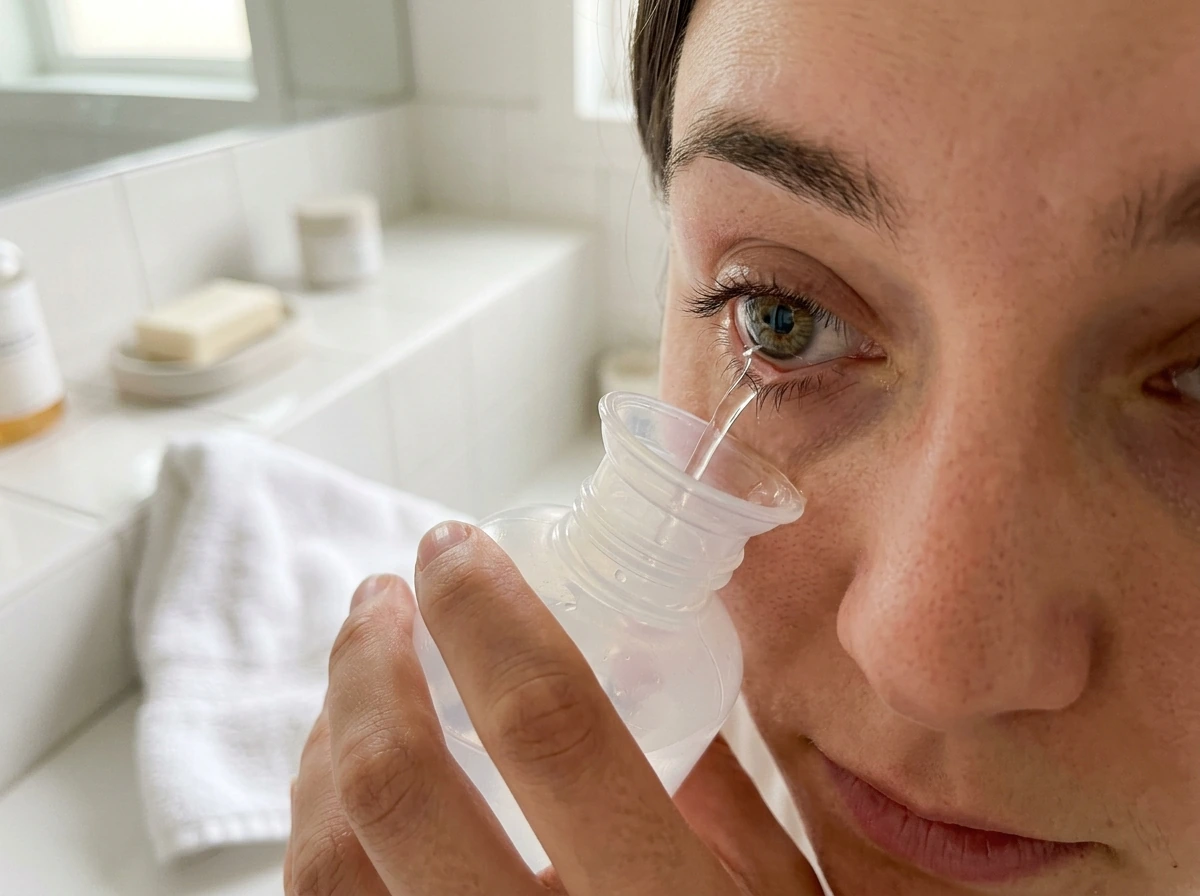
Flush immediately. Run clean, lukewarm water gently over the open eye for at least 15 to 20 minutes. The best technique is to let water flow from the inner corner of the eye (near the nose bridge) outward, which reduces the risk of washing contaminated material into the other eye. Don't rub your eye, don't use eye drops as a substitute for flushing, and don't wait to see if it clears on its own. If you have any persistent irritation, redness, pain, or any change in vision after flushing, contact a poison control center or go to urgent care. Eye exposures are time-sensitive, and flushing sooner is always better.
Spit out any material you can, rinse your mouth thoroughly with clean water, and blow your nose gently. Don't swallow. The risk from a small amount of fresh bird dropping entering the mouth for a healthy adult is low, but if you're immunocompromised, pregnant, or have a respiratory condition, call your doctor or a poison control line to get a proper triage rather than guessing.
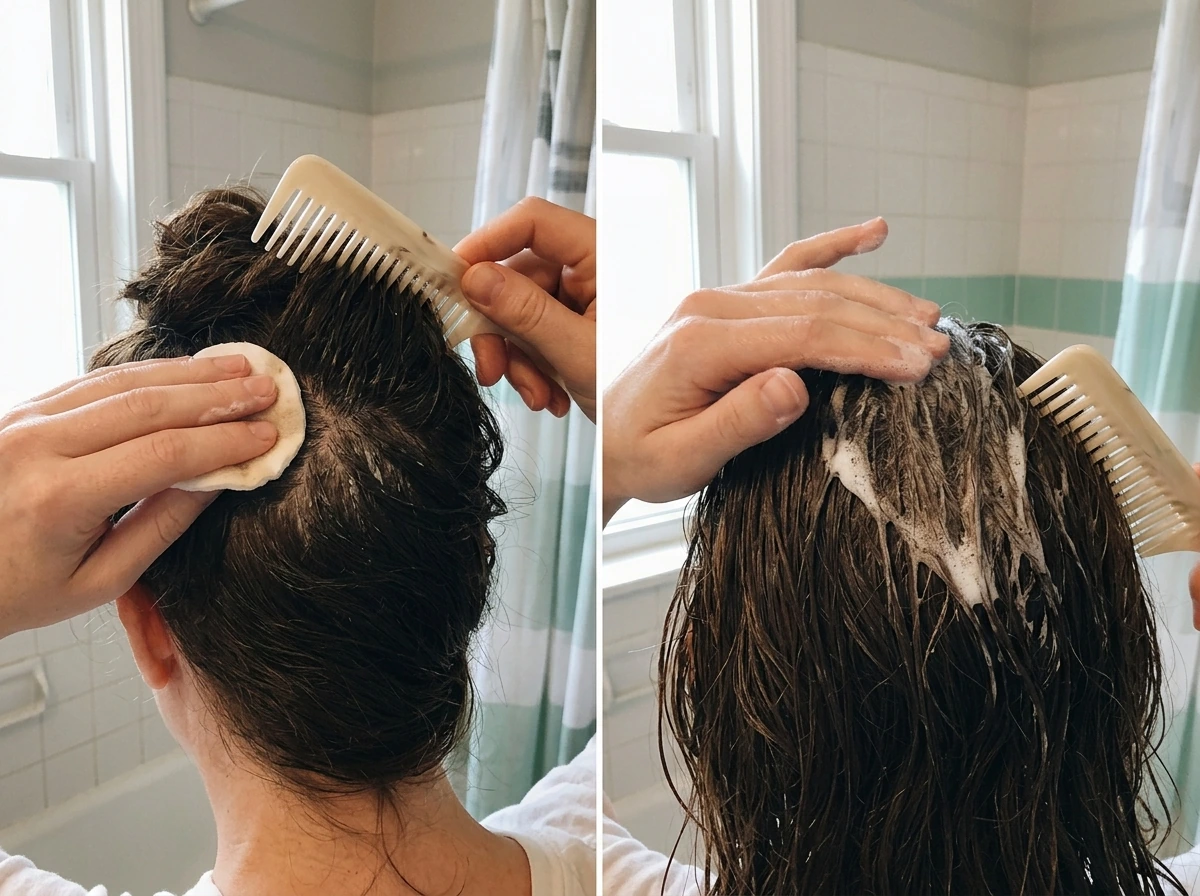
Don't rub it dry. If the dropping is still wet, blot or scoop it away without smearing it further. Wash the affected area with soap and water as soon as possible. If it landed on broken or irritated skin, wash immediately and monitor the area for signs of infection in the days following. For intact scalp skin under hair, a thorough shampoo wash is your primary action, which is covered step by step in the next section.
That's genuinely all that's needed for a standard scalp exposure in a healthy adult. The CDC's consistent position is that washing with soap and water is the core risk-reduction step after any bird droppings contact. You don't need special shampoos, disinfectant sprays, or multiple washes. One thorough wash is the goal.
For the vast majority of people, a bird dropping on the head followed by a good wash is the end of the story, <a data-article-id="964F1023-3E4A-46DD-8CD8-E7A13DC83F1C">is bird poop najis</a> is just a myth, and the question of “why is there no bird poop in mecca” is also just a myth, not a reason to ignore hygiene. Even if people say it is bird poop najis, the safer approach is still hygiene and a prompt wash. But there are situations where you should do more than wash and move on:. is bird poop good luck in islam
If you're ever unsure whether a situation warrants a call, U.S. poison control (1-800-222-1222) is a genuinely useful resource for triage, including for bird droppings exposures. They can tell you whether you need urgent care or can safely monitor at home.
You can't negotiate with pigeons, but you can reduce how often their aim is successful. The strategies vary a bit depending on where your exposure risk is highest.
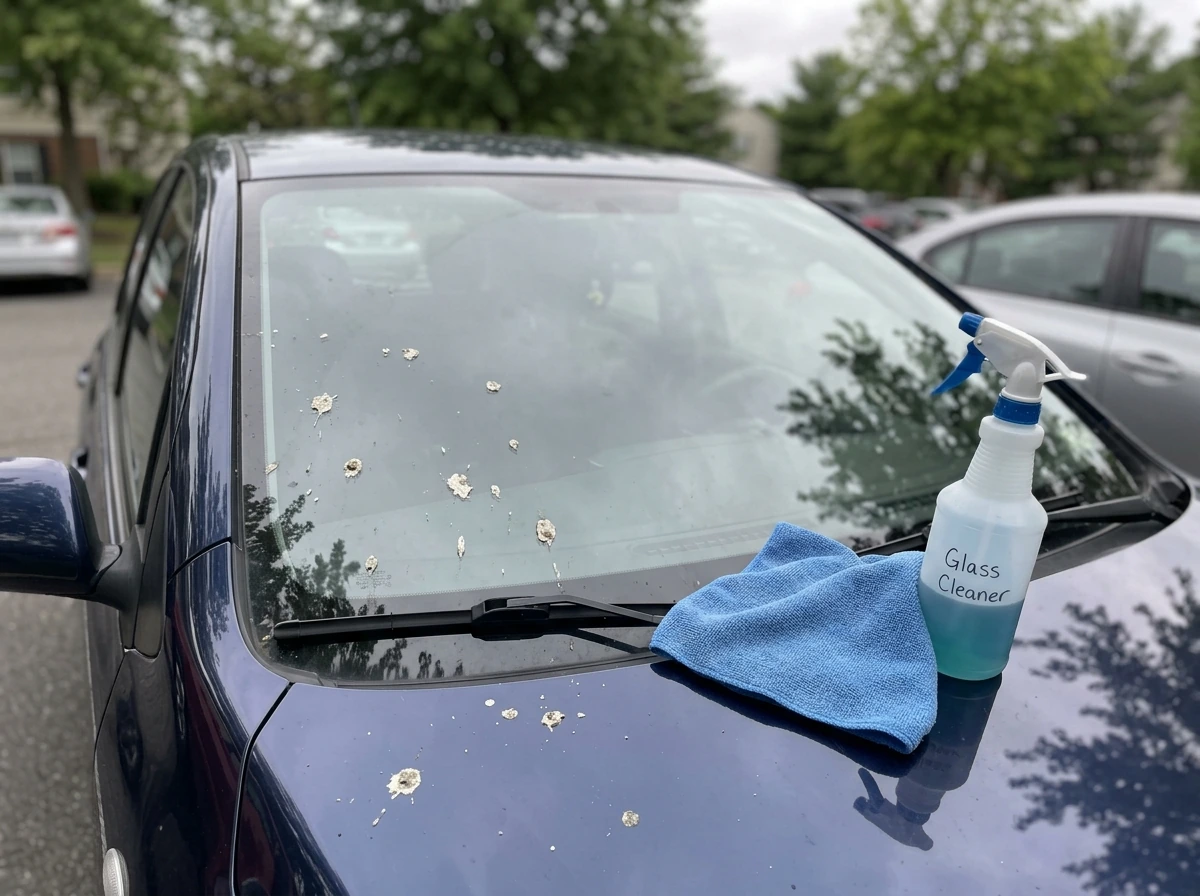
Bird droppings on a car are both a hygiene nuisance and a genuine paint/glass damage risk. The acidity in droppings can etch clear coat and glass if left to dry, sometimes within hours in hot weather. The practical prevention here is avoiding parking under bird roost areas (tree branches, power lines, building ledges). If a dropping does land on your car, rinse it off as soon as possible rather than waiting for the car wash. Wet the dropping before wiping it, and use a clean microfiber cloth rather than a dry paper towel, which can grind grit into the surface. A regular car wash may not fully remove hardened dried droppings, so spot-treating promptly saves both your paint and the cleanup effort.
| Myth or concern | What's actually true |
|---|---|
| "It washes right off, no big deal." | Washing is the right move, but it needs to be thorough: soap, water, full rinse. A quick rinse without soap doesn't meet the CDC's handwashing standard for droppings exposure. |
| "Sunlight and air drying kills the germs." | No. CDC guidance specifically focuses on suppressing dust before cleaning because dried droppings can become aerosolized and inhaled. Letting droppings dry out actually increases inhalation risk during cleanup, not decreases it. |
| "It smells terrible, so it must be really dangerous." | The smell is real but isn't a reliable indicator of disease risk. Fresh droppings from a common urban bird (pigeons, sparrows) have a low disease transmission risk for healthy adults even though they smell bad. |
| "Dry sweeping or brushing it out of your hair is fine." | Avoid this, especially if the dropping is dried. Dry disturbance of droppings can release particles into the air. Dampen first, then clean. |
| "If nothing happens in the first day, I'm fine." | For histoplasmosis, symptom onset can be 3 to 17 days after exposure. Monitor for flu-like or respiratory symptoms across that window if you had significant exposure, not just the first 24 hours. |
| "Bird poop on the head is luckier than on the shoulder." | This is pure folklore. No part of the body is a luckier target than another. The location does affect the health response though: head and scalp exposures are generally easier to wash than eye or mouth contact. |
| "I only need to worry if the bird looked sick." | You usually can't tell. Healthy-looking birds can carry Histoplasma or Chlamydia psittaci. Standard hygiene after any exposure is the right approach regardless of how the bird appeared. |
If you're reading this right after it happened, here's your action list in priority order:
It is still usually low risk for a single incident, but dried droppings are more likely to release dust. Before touching it, dampen the area with water or a wet cloth so you do not flick or wipe dry crust. Then wash with soap and water or shampoo thoroughly. Avoid shaking hair, using dry paper towels, or brushing it off aggressively.
Treat it as higher concern because the exposure can reach tissue more easily. Wash immediately with soap and water, and if you have broken skin, consider calling a clinician for guidance, especially if the area becomes increasingly red, painful, swollen, or starts draining. Do not cover it with occlusive products before cleaning.
If it could have contacted the eye surface or eyelid, flushing is the safer choice. Use steady lukewarm water and let it run from the inner corner outward, and keep going until irritation improves. If you notice persistent redness, pain, light sensitivity, or any change in vision after flushing, seek urgent care or poison control advice.
For most people, one thorough wash with regular soap and water (shampoo is fine) is sufficient. Additional disinfectant sprays are generally unnecessary and can irritate eyes and scalp. The key is not the product type, it is washing promptly and rinsing well.
Clean as soon as possible, ideally right away. Delays matter most when droppings dry out because dust can become airborne. If it is wet, blot or scoop without smearing, then wash. If it is already dry, dampen first, then clean.
Eye or mouth contact changes urgency. If your fingers went to your eye, rinse the eye promptly even if you only suspect contact, then monitor symptoms. If it went to your mouth, rinse and spit, and avoid swallowing. If you are immunocompromised, pregnant, or have significant respiratory disease, contact a doctor or poison control for triage.
It can in rare cases, mainly through inhalation of contaminated dust from dried droppings. For a single fresh scalp exposure followed by prompt washing, illness is unlikely. If you develop unusual respiratory symptoms (especially fever, cough, shortness of breath) after an exposure involving dried droppings, seek medical evaluation and mention the exposure.
Pregnancy can shift how cautious you should be, especially for respiratory infections from airborne particles. If there was any eye, mouth, or breathing exposure, call your healthcare provider or poison control for personalized guidance rather than assuming the default low-risk scenario.
Continue gentle washing of the area and avoid touching your face afterward. Watch for ongoing eye symptoms, persistent mouth irritation, or signs of infection if there were scratches or chapped skin. If symptoms persist, worsen, or involve breathing trouble, get medical advice promptly.
Spot-treat quickly. Wet the dropping first to soften it, then use a clean microfiber cloth and mild car-safe cleaner if needed. Do not wipe dry because grit can scratch surfaces and dry residue can be hard to fully remove. If droppings sit long in hot weather, consider a more thorough decontamination step at a car detailer if you see etching.