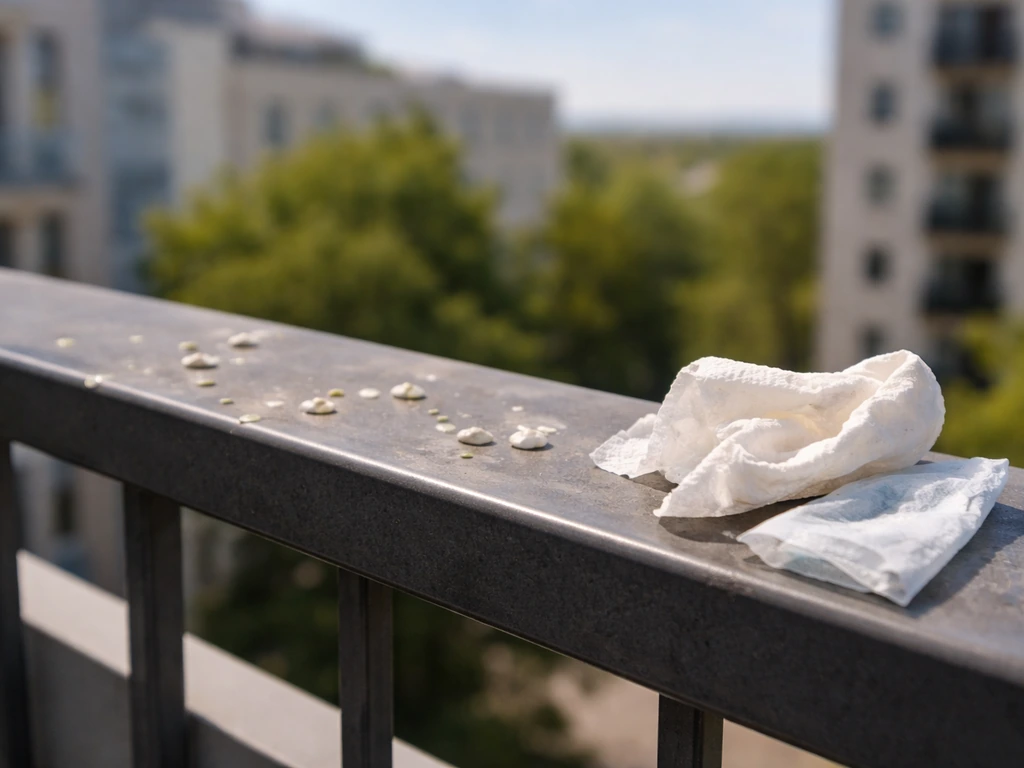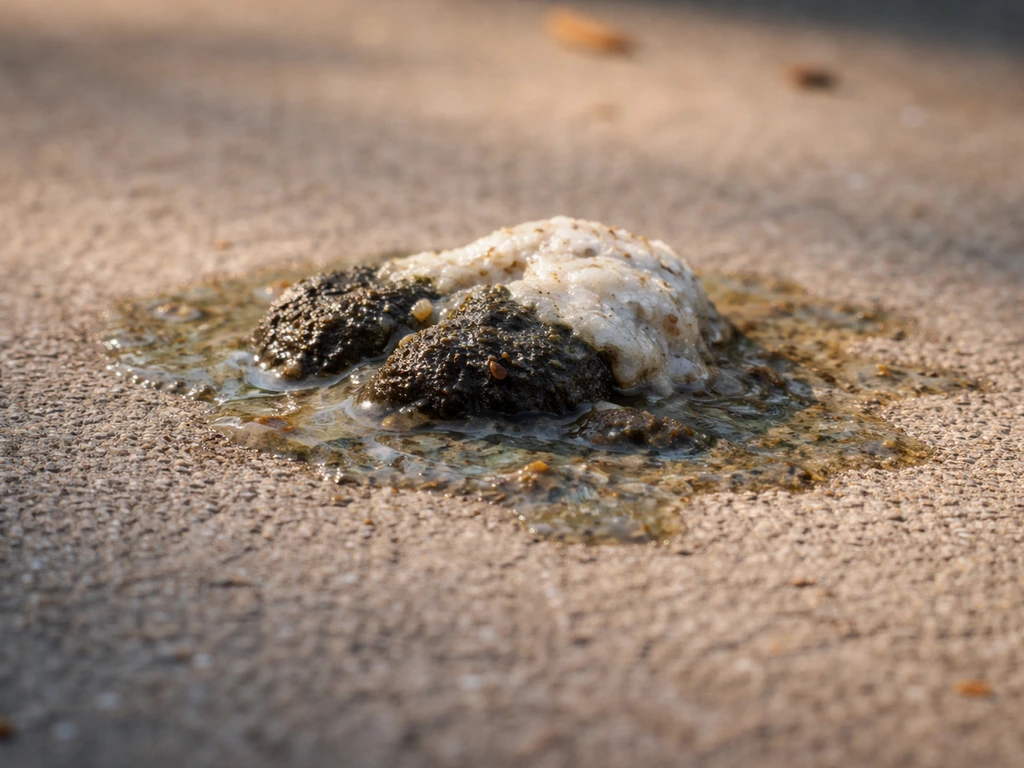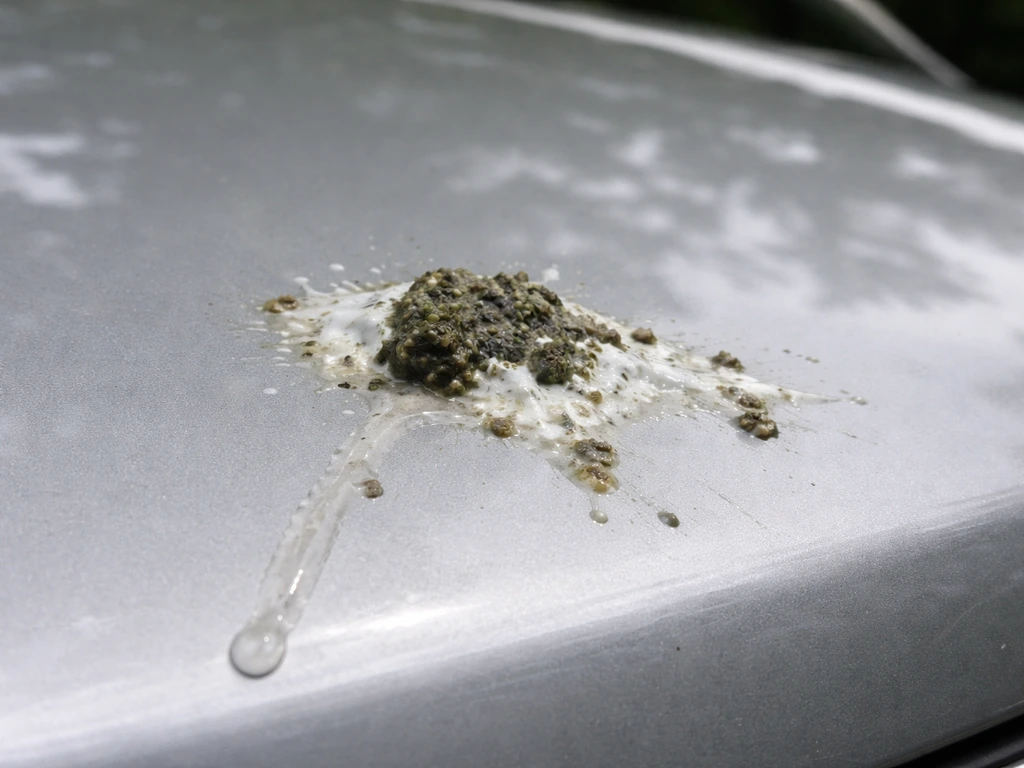
The short answer: the claim that there is absolutely no bird poop in Mecca is almost certainly an exaggeration, but it's not completely made up either. There are real, explainable reasons why bird droppings are rarely seen around the Grand Mosque area, and none of them require a miracle. Birds prefer quieter spots explains most of it. Let's walk through the actual evidence. Let's walk through the actual evidence.
Why Is There No Bird Poop in Mecca? Real Reasons

Marcus Fielding
23 Mar 2026
The 'No Bird Poop in Mecca' Claim vs. Reality
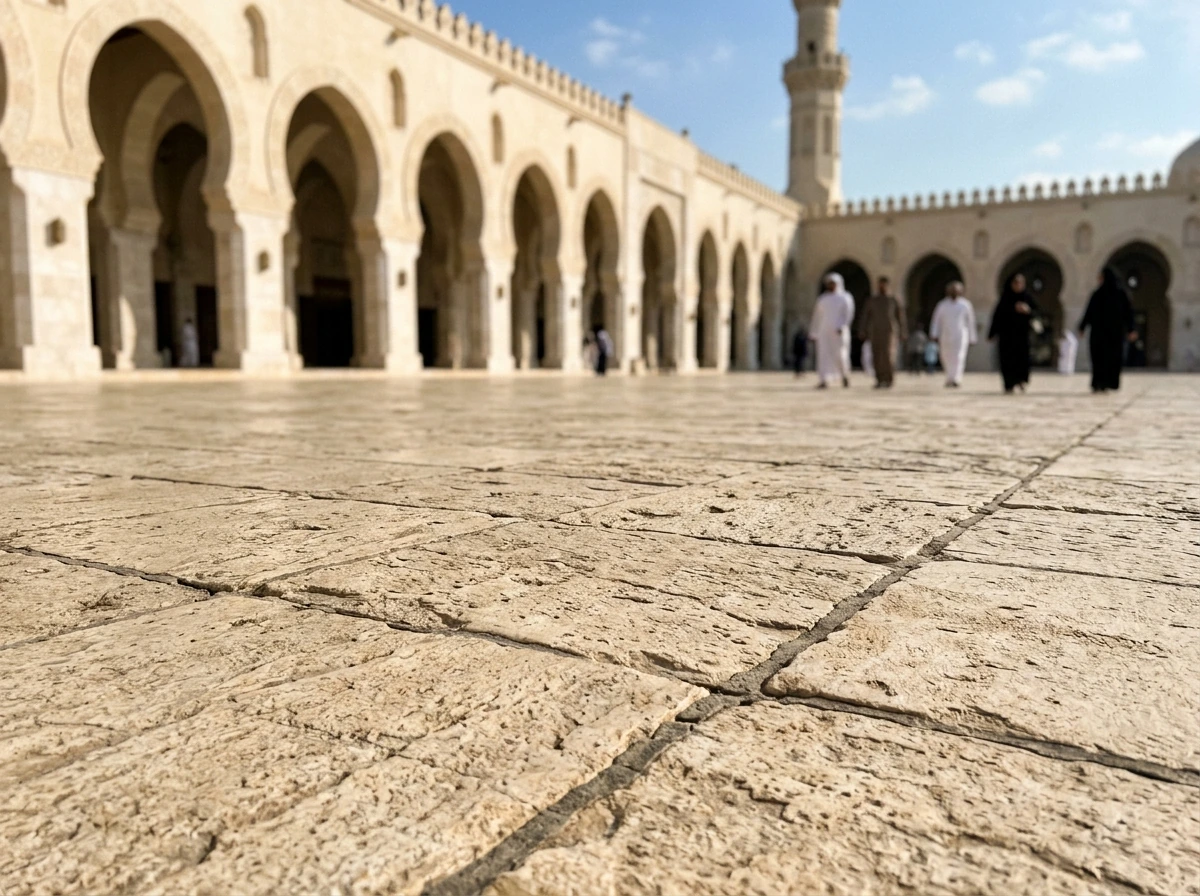
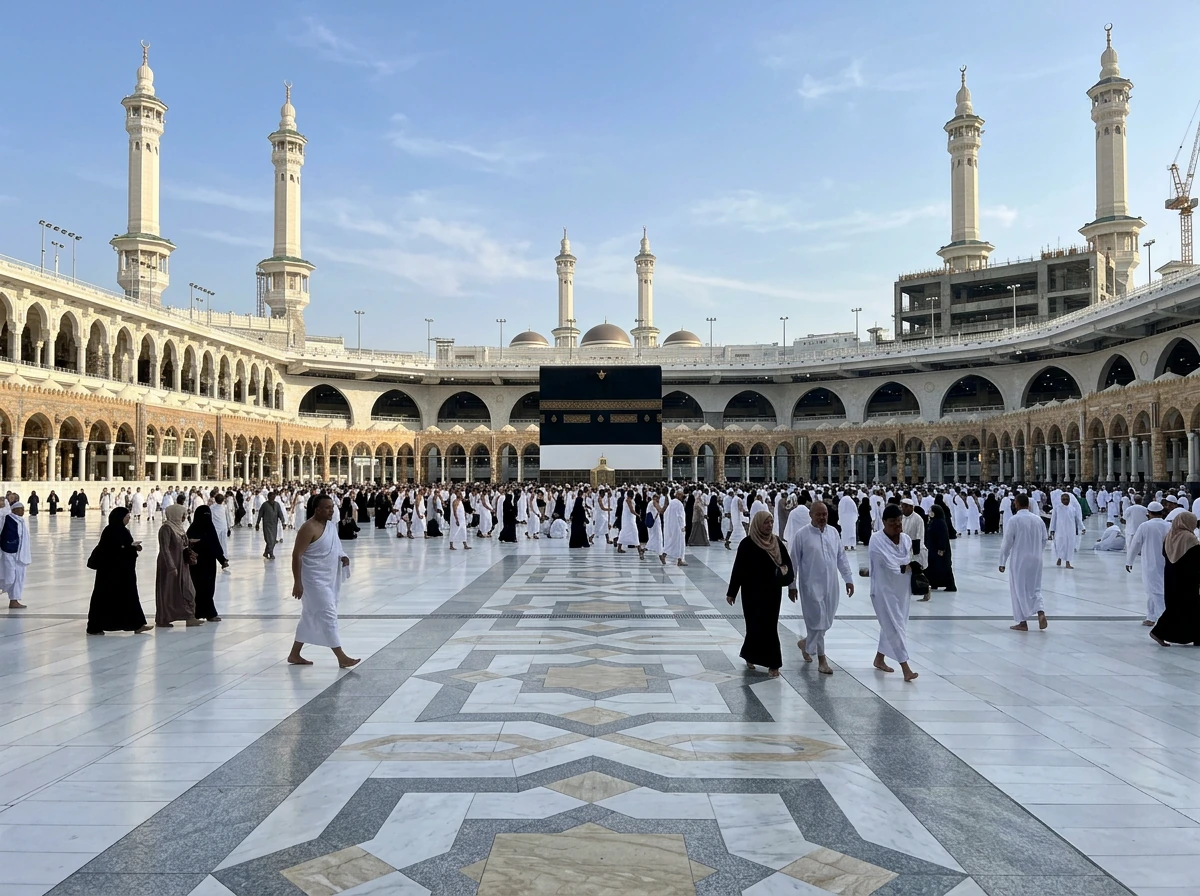
This claim circulates widely, especially in religious contexts, as a supposed sign of divine protection over the holy city. The idea is that birds never fly over or defecate in the Masjid al-Haram compound. Like most viral claims, the truth is more nuanced. Mecca is a real city with real birds, real wind, and real weather. If you look at satellite imagery or read firsthand accounts from pilgrims, you will find that birds do exist in the region and do sometimes appear near the mosque. The compound is not, by any physical or biological law, immune to droppings.
What is genuinely true is that visible, accumulating droppings are extremely rare in the immediate plaza areas during peak times. That part of the story holds up. The explanation, though, is environmental and logistical, not supernatural. And understanding those reasons is actually useful, because the same factors that keep droppings scarce in Mecca are the ones you can look for anywhere you want to assess bird dropping risk.
Why Birds Avoid Certain Places
Birds are practical creatures. They go where they can find food, water, shelter, and safety. Dense, heavily trafficked human environments actively work against all four of those things. The plaza surrounding the Grand Mosque sees millions of people during Hajj season and remains one of the busiest public spaces on earth even outside of it. That level of constant human presence is genuinely stressful for most bird species. They do not linger.
Research published through the Wilson Ornithological Society points out that artificial night lighting directly affects bird habitat selection and roost-site choices, with some species actively avoiding brightly lit areas. The Masjid al-Haram is extremely well lit around the clock, particularly during Hajj. A systematic review covering 88 studies confirmed that artificial light can push birds away from illuminated zones entirely, affecting their orientation and their willingness to settle in an area. Combine that with the constant noise of crowds numbering in the hundreds of thousands, and you have an environment most birds simply do not want to be in.
Environmental and Structural Factors That Reduce Droppings
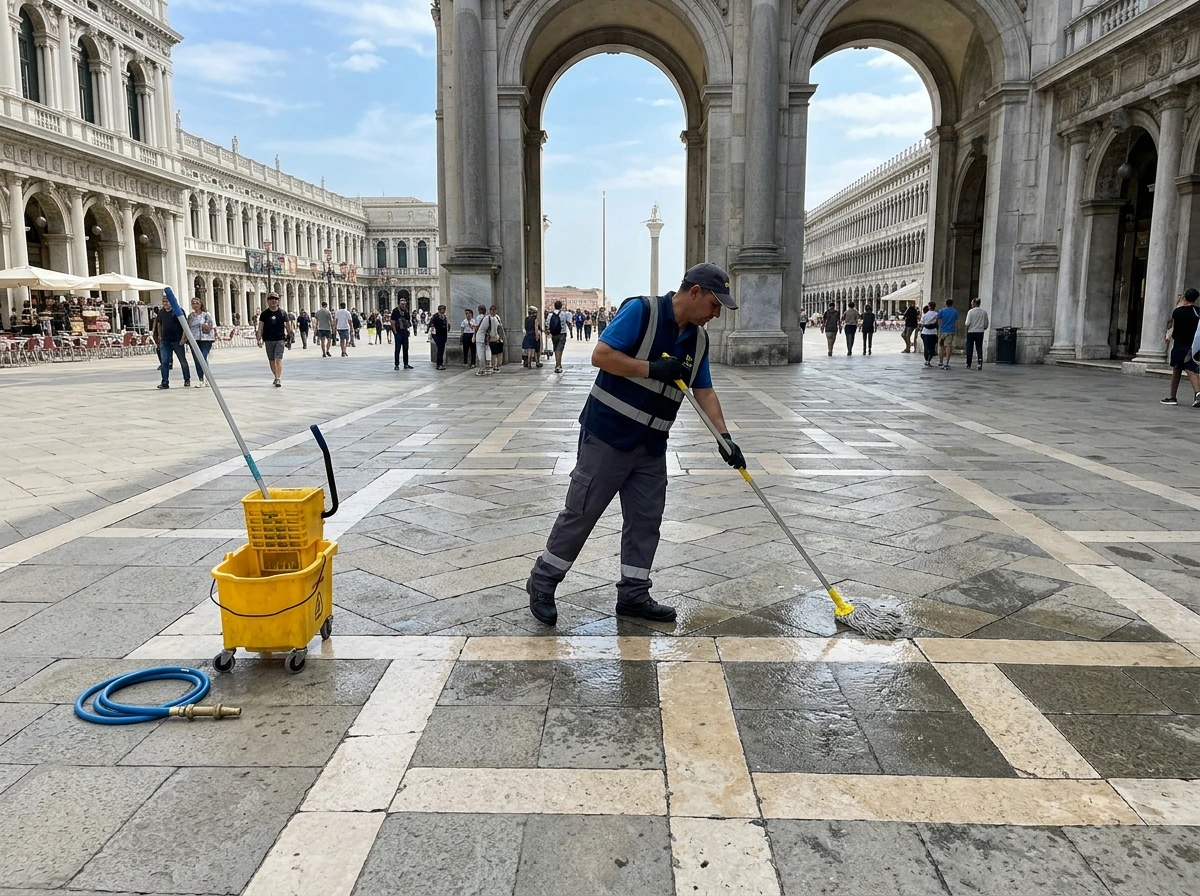
Beyond bird behavior, the physical design of the area matters a lot. Large engineered open-air spaces like the haram plazas are built for massive human circulation. That design philosophy tends to minimize the features birds need for roosting: ledges, overhangs, enclosed corners, trees, and water features at bird height. No good perch means no bird sitting long enough to leave a dropping. It is the same reason a flat, open parking lot gets fewer droppings than a tree-lined street or a building with ornate architectural details.
The cleaning and maintenance infrastructure around the Grand Mosque is also exceptionally intensive by any standard. Major Islamic haram complexes, including Al-Masjid an-Nabawi in Medina, are engineered spaces with heavy maintenance and cleaning routines built in. Even if a bird does pass through and leave something, it is cleaned up quickly. That means droppings do not accumulate, and to a casual observer the area simply looks pristine, which feeds the narrative that birds never defecate there at all.
Seasonality and Crowding Effects
Bird presence in any urban area fluctuates with seasons. Migratory patterns, local food availability, and breeding cycles all affect which birds show up, when, and in what numbers. During Hajj, when Mecca hosts upward of two million pilgrims in the span of a few days, the human density is at its absolute peak. That is also when the 'no birds' observation is most often reported. It makes sense: if birds were hesitant about the area during normal times, they are even less likely to be hanging around during the loudest, brightest, most crowded event of the year.
Outside of Hajj season, the dynamics shift somewhat. Local birds may be more visible in peripheral areas of the city. But the core plaza around the mosque still maintains most of the structural deterrents listed above, so the effect largely holds year-round for that specific location, just for practical reasons rather than miraculous ones.
What to Check in Your Own Location Today
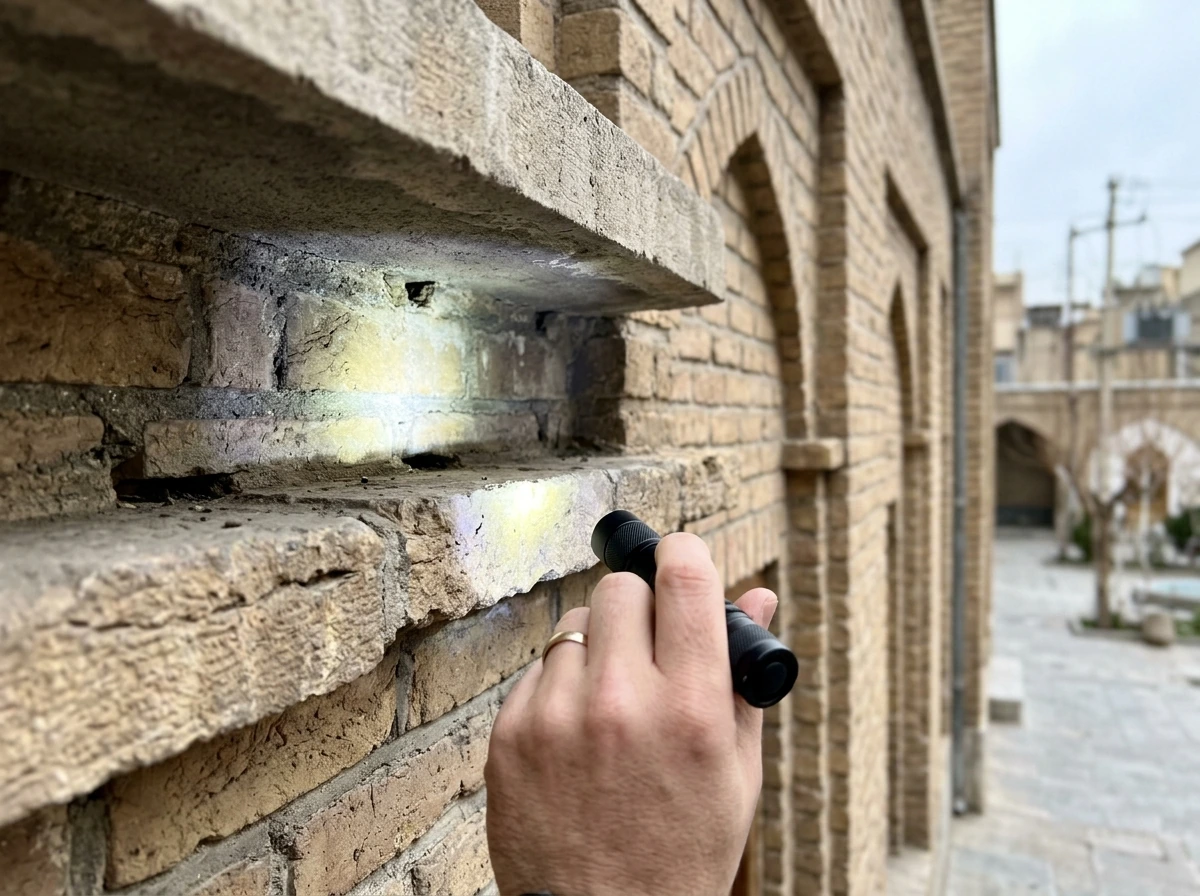
If you're trying to figure out why a particular area has few or many bird droppings, you can actually assess this yourself in about ten minutes. You don't need special equipment. Here's what to look for:
- Roosting points: Look up. Check ledges, windowsills, overhangs, signs, utility lines, and trees directly above the area in question. If there are no good perch spots, there will be few droppings below.
- Water and food sources: Birds cluster near fountains, puddles, uncovered garbage, outdoor dining areas, and seed-bearing plants. If these are absent or managed, bird activity drops significantly.
- Lighting levels: Bright, consistent lighting (especially overnight) discourages many bird species from roosting in that spot. If the area is well lit at night, that is a genuine deterrent.
- Noise and foot traffic: High pedestrian or vehicle traffic keeps most species from settling. Note how busy the area is at dawn and dusk, which are peak activity times for birds.
- Cleaning schedules: Ask building management or check visually for signs of recent cleaning. Frequent sweeping or pressure washing removes evidence fast, which can make a high-dropping area look clean.
- Active deterrents: Bird spikes, wire systems, netting, decoy predators, or ultrasonic devices are common in managed urban spaces. Check ledges and rooflines closely.
If most of those boxes check out as 'not bird-friendly,' then you have a perfectly mundane explanation for why you're not seeing droppings. If several of them are bird-friendly and you're still not seeing droppings, something else is at play, usually either a very effective cleaning routine or recent deterrent installation.
What the Absence of Droppings Actually Means for Health
Here is something worth knowing: not seeing droppings does not guarantee a surface is completely clean or safe. Droppings can be cleaned away while residual contamination remains in cracks, drainage channels, or soil. Histoplasma, the fungus behind histoplasmosis, lives in soil enriched by bird and bat droppings, and according to the CDC, disturbances to that soil can release spores into the air even when no visible droppings are present. So a seemingly pristine area that previously had heavy bird activity is not automatically risk-free. is bird poop good luck in islam
That said, the NYC Department of Health is clear that routine, incidental contact with a small amount of bird droppings, like what you'd encounter cleaning a windowsill, does not pose a serious health risk to most healthy people. The risk rises with large accumulations, enclosed spaces, and disturbing dried deposits without dust control. Absence of visible droppings is genuinely good news, it just isn't a guarantee of zero risk in areas with a known history of heavy bird activity.
If You're Dealing With Bird Droppings Somewhere Else
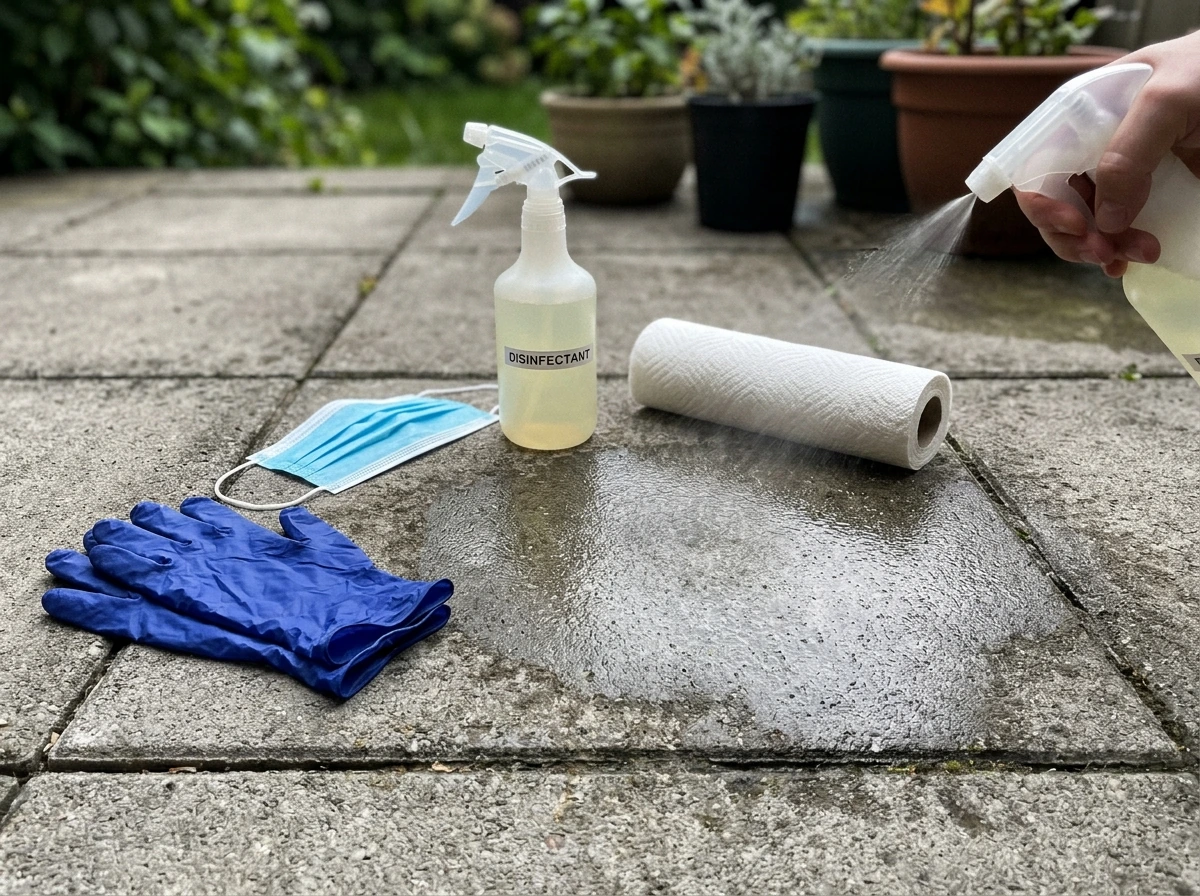
Most people find this topic because they are dealing with droppings in their own environment, whether on a car, a patio, a balcony, or clothing. Here is practical guidance you can use right now.
Cleaning up safely
- Do not dry-sweep or dry-brush large accumulations of droppings. This aerosolizes particles and spores. Wet the area first with water or a disinfectant spray to suppress dust.
- Wear disposable gloves and, for larger cleanups, an N95 mask. This is especially important in enclosed or poorly ventilated areas like attics, barns, or garages.
- Use a damp cloth or wet mop, then bag the waste and dispose of it in a sealed bag.
- Wash your hands thoroughly afterward with soap and water, even if you wore gloves.
- For large infestations or heavily contaminated areas (think years of accumulated droppings in an attic), seriously consider professional remediation rather than DIY.
When to think about a doctor
Most healthy adults who have brief, incidental exposure to bird droppings will not develop any illness. But if you experience flu-like symptoms (fever, fatigue, cough, chest pain) within two weeks of significant exposure to a large accumulation of droppings, especially in an enclosed space, it is worth mentioning to your doctor. Histoplasmosis, cryptococcosis, and psittacosis are all associated with bird droppings according to public health guidance, and while serious cases are uncommon, they do happen. People with weakened immune systems should be especially cautious and consult a doctor before doing any major cleanup themselves.
Preventing the problem going forward
The CDC and NIOSH both emphasize that the best long-term strategy is preventing accumulation in the first place. If birds are regularly landing on your property, look at the structural and environmental factors described above and address the ones you can. Remove food sources, install deterrents on roosting ledges, reduce standing water, and, if you have outdoor lighting, consider whether repositioning or shielding fixtures might make the area less attractive overnight. These are the same principles that keep places like busy urban plazas, well-managed buildings, and yes, places like the haram complex in Mecca, relatively free of visible droppings. It's not mystery. It's maintenance.
If you're curious about the broader cultural side of bird droppings, If you're curious about the broader cultural side of bird droppings, including whether <a data-article-id="A5AC3D6C-A129-4E83-A6EB-063EA8D99B5B"><a data-article-id="92CF971A-D476-4DE5-84C6-AFD2D771539D"><a data-article-id="65744281-331B-4C24-8B50-80EC6A5EB8FE"><a data-article-id="92CF971A-D476-4DE5-84C6-AFD2D771539D">getting hit by one is actually good luck</a></a></a></a> (spoiler: a lot of cultures think so), or what Islamic scholarship actually says about whether bird poop is considered ritually impure, those are genuinely interesting questions covered elsewhere on this site. If you're curious about the broader cultural side of bird droppings, including whether getting hit by one is actually good luck (spoiler: a lot of cultures think so), or what Islamic scholarship actually says about whether bird poop is considered ritually impure, those are genuinely interesting questions covered elsewhere on this site. , or what Islamic scholarship actually says about whether bird poop is considered ritually impure, those are genuinely interesting questions covered elsewhere on this site. Also, if you meant the specific question if a bird poops on you is it good luck, that cultural angle is discussed elsewhere on this site getting hit by one is it good luck. If you are wondering whether a bird pooping on you is actually good luck, that cultural angle is discussed elsewhere on this site is a bird pooping on u good luck. But for the practical question of why Mecca seems poop-free and what that tells you about your own bird problem, the answer is always the same: look at the environment, not the mythology.
FAQ
Is it true that birds never fly over or land in the Grand Mosque area?
No. The “never” part is almost certainly false. Even in places where droppings look rare, birds can still pass overhead or briefly land, but dense crowds, bright lighting, lack of roosting surfaces, and fast cleaning often prevent droppings from accumulating long enough to be noticed.
Why do people report almost no droppings specifically during Hajj?
Because several deterrents peak at the same time. Human density is highest, noise and movement are constant, and the area stays strongly illuminated. That combination tends to reduce birds’ willingness to settle, so you may see fewer droppings compared with quieter seasons.
Could the “no droppings” claim be influenced by heavy cleaning right after they appear?
Yes. Even if birds occasionally leave droppings, continuous maintenance can remove them quickly, leaving little or no visible evidence. This creates a perception of zero activity, especially on smooth surfaces where droppings are easier to spot and clean promptly.
If I see birds in my area but no droppings, does that mean my risk is zero?
Not necessarily. Droppings may be removed quickly, may land off to the side, or may be cleaned in ways that leave residues in cracks, drains, or soil. Also, health risk depends more on exposure to disturbed dried material than on whether you can see fresh piles.
What kind of cleanup is safest if bird droppings are on an outdoor surface?
Avoid dry sweeping or blasting with high-pressure water that can aerosolize dust. For outdoor hard surfaces, use wet methods, wear gloves, and if you are dealing with larger amounts, consider a mask that filters particulates. The key is minimizing dust when residues are disturbed.
When should I worry enough to contact a doctor?
If you had a significant exposure to a large accumulation (especially in an enclosed space) and develop flu-like symptoms such as fever, unusual fatigue, cough, or chest pain within about two weeks. People with weakened immune systems should be more cautious and seek medical advice sooner.
Do bright lights alone explain why birds avoid some places?
They can contribute a lot, but they rarely act alone. Bright night lighting can shift roosting and orientation, yet the overall bird avoidance usually comes from combined factors like crowd noise, lack of shelter, absence of perching spots, limited food access, and frequent cleaning.
Why do big open plazas tend to have fewer droppings than trees or building ledges?
Roosting behavior matters. Open plazas often lack the overhangs, ledges, trees, and protected corners that birds use to perch and stay put. Less time perched means fewer droppings deposited in one place.
What should I check first if I want to reduce bird droppings at home?
Start with the practical “attract and settle” factors: accessible food sources (including uncovered trash), standing water, and perching options like ledges or railings. Then address nighttime visibility by repositioning or shielding outdoor lights, since some species will still use areas that look safer and more predictable.