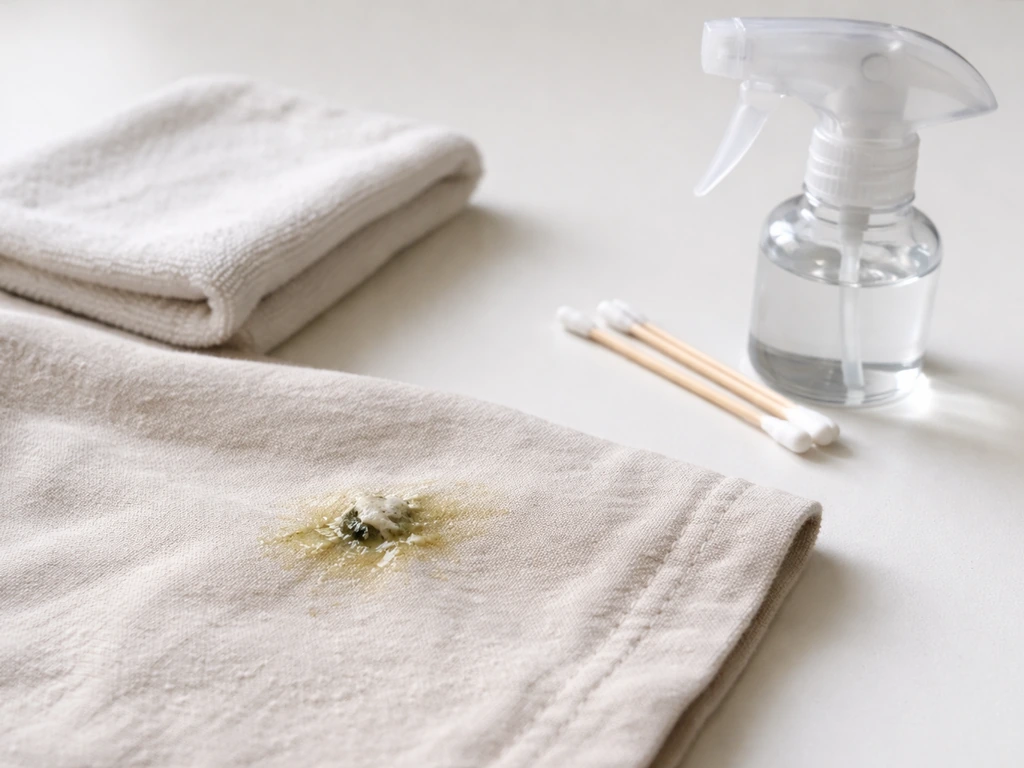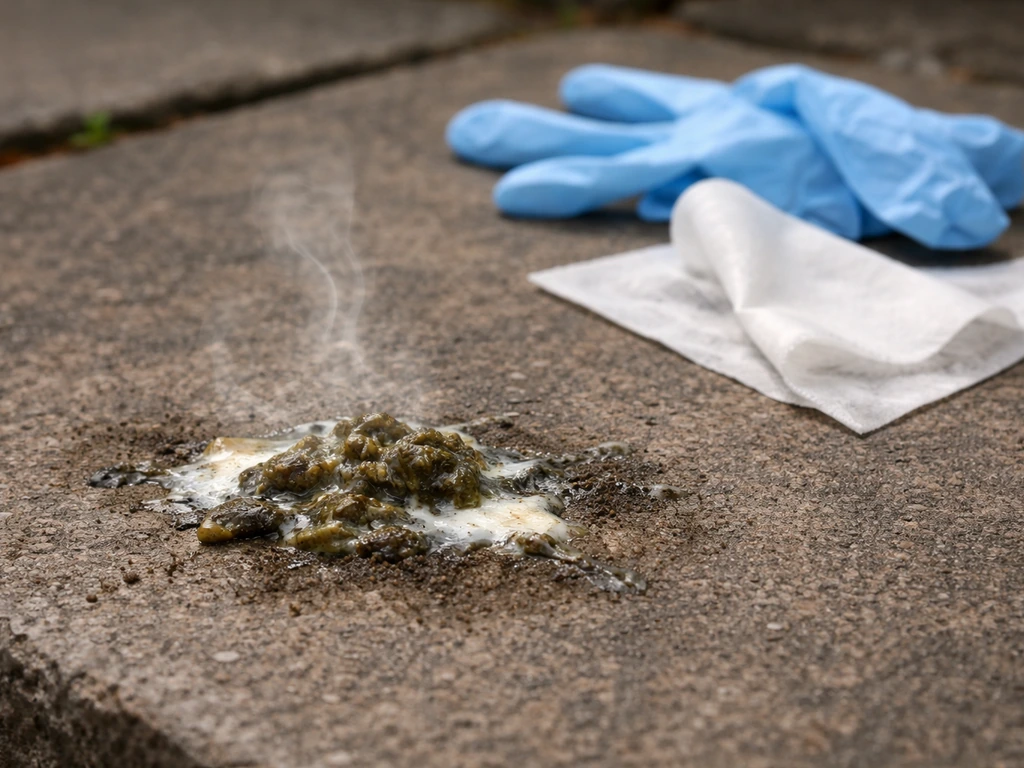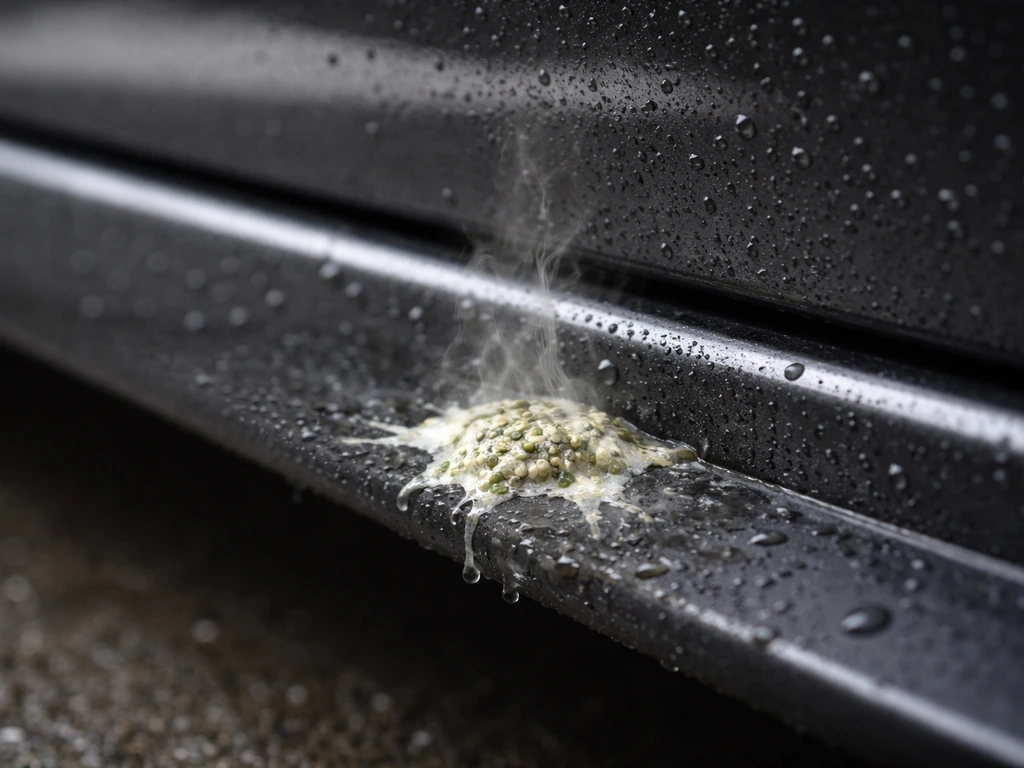
Yes, bird poop usually comes out in the wash, but only if you act quickly and pre-treat it properly first. Bird poop can also be a fly attractant in some situations, especially when it is fresh and left exposed long enough for flies to find it. Fresh droppings on fabric will rinse out fairly easily with cold water and a little detergent. Dried, set-in droppings are a different story: they bond to fibers and surfaces as they cure, and by that point a basic wash cycle alone often won't finish the job. The same rule applies to cars and glass. Speed and the right technique matter far more than how hard you scrub. If you are wondering about the smell, people often ask online what bird poop smells like, including discussions on Reddit about the odor and why it varies what bird poop smells like Reddit. When you are dealing with bird poop on clothes or car surfaces, you might also wonder does bird poop smell and how quickly that odor can be reduced.
Does Bird Poop Come Out in the Wash? Yes How to Clean

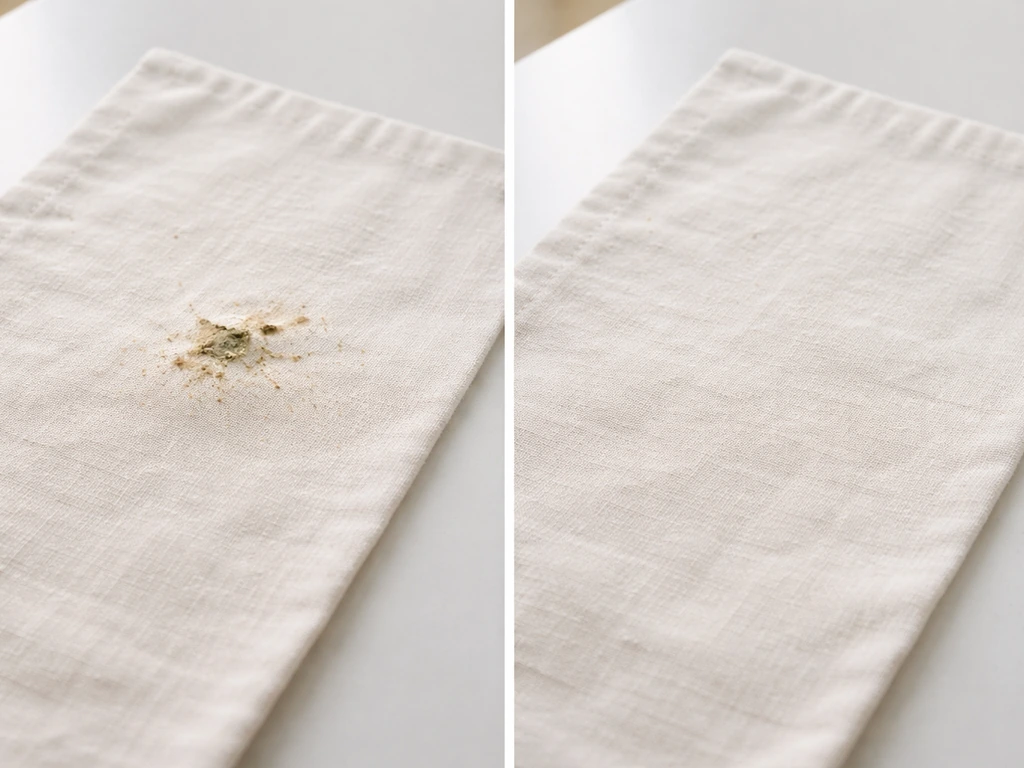
Why bird poop can be so stubborn
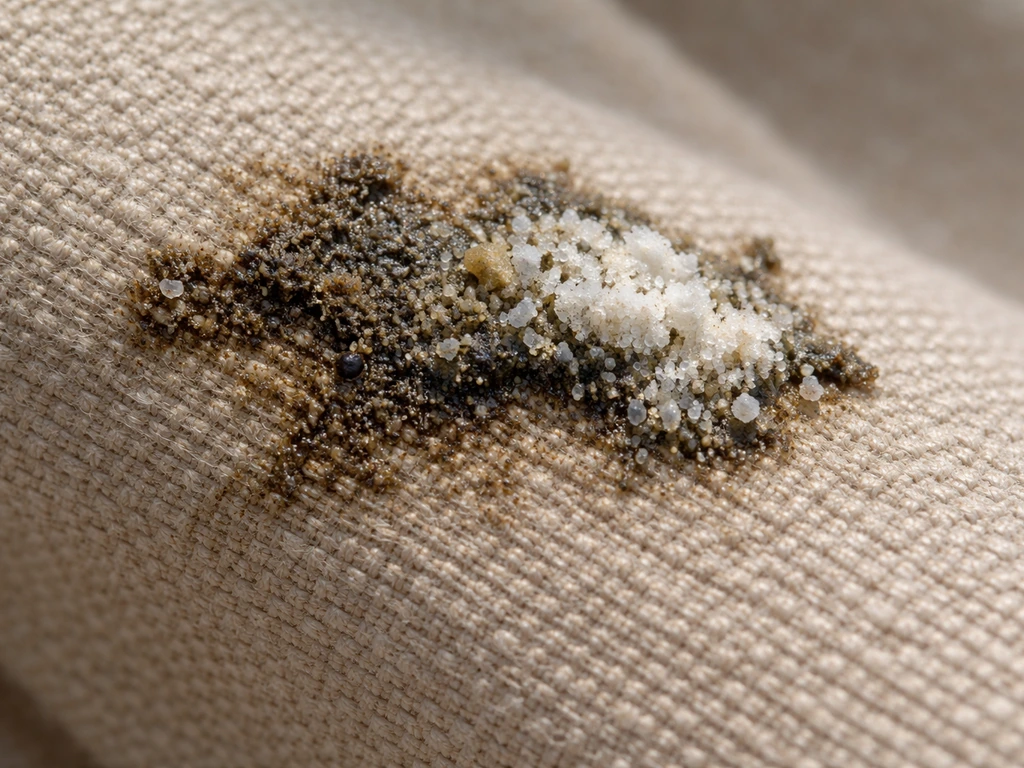
Bird droppings are not just waste. They are a mixture of feces, urine (the white chalky part is uric acid), and sometimes undigested seeds or berries. Uric acid is the main troublemaker. Unlike mammal urine, which is water-soluble urea, uric acid is nearly insoluble in water. That means once it dries and cures into a surface, plain water barely touches it. On car paint specifically, the acid can etch into the clear coat within hours on a hot day, leaving a permanent dull patch even after the dropping is gone. On fabric, the pigments from berries or seeds a bird ate can leave a deep color stain alongside the uric acid residue. And if the dropping dries completely before you deal with it, rehydrating and lifting it safely takes a deliberate approach rather than a quick rinse.
Timing is the single biggest factor. A dropping that sat on your shirt in the sun for four hours is genuinely harder to remove than one you caught ten minutes after it landed. Think of it like dried concrete: the chemistry locks in as it cures, and the window for easy removal closes fast.
Before you do anything: safety basics
Bird droppings can carry pathogens including Salmonella, Campylobacter, and fungal spores like Histoplasma capsulatum, which causes histoplasmosis. Bird droppings can have a noticeable odor too, so if you are wondering what does bird poop smell like, that can be a sign you should take cleanup seriously. The CDC specifically warns against disturbing dry droppings in ways that send dust into the air, because inhaling those particles is how infections happen. CDC/NIOSH also advises avoiding activities that disturb dry, dusty droppings and recommending careful spraying instead of sweeping or shoveling to reduce aerosolization before collecting for disposal blank" rel="noopener noreferrer">avoid disturbing dry droppings that send dust into the air. If bird poop dust or residue gets into your indoor air, it can lead to that strong barnyard smell in the house send dust into the air. That means no dry brushing, no sweeping, no blasting with compressed air. Instead, dampen the dropping first, then remove it. For a single dropping on a shirt or car, the risk is low, but the habit is still worth building.
- Wear disposable gloves whenever handling soiled fabric or scraping droppings off a surface.
- Work outdoors or in a well-ventilated area if you are dealing with more than a small amount.
- Dampen the dropping before disturbing it to keep particles from becoming airborne.
- Wash your hands thoroughly with soap and water after cleanup, even if you wore gloves. The CDC is explicit about this for anyone handling bird droppings or anything birds have contacted.
- Avoid touching your face during cleanup.
- Disinfect any non-fabric surfaces you cleaned with an EPA-approved disinfectant after removing visible material.
Cleaning clothes and fabric: step by step
If the dropping is still fresh
- Do not rub it. Use a spoon, dull knife, or the edge of a card to lift off as much solid material as possible with a scooping motion.
- Rinse immediately from the back of the fabric under cold running water. Cold is important: hot water sets protein stains.
- Apply a small amount of liquid laundry detergent or dish soap directly to the stain and work it in gently with your fingers or a soft cloth.
- Let it sit for five minutes, then rinse again with cold water.
- If any color remains, apply an enzyme-based stain remover (look for 'protease' or 'enzyme' on the label) and let it soak for fifteen to thirty minutes before washing.
- Wash the item in the warmest water safe for that fabric, according to the care label.
- Check the stain before putting the item in the dryer. If any residue remains, treat and rewash. Heat from the dryer will permanently set whatever is left.
If the dropping has already dried
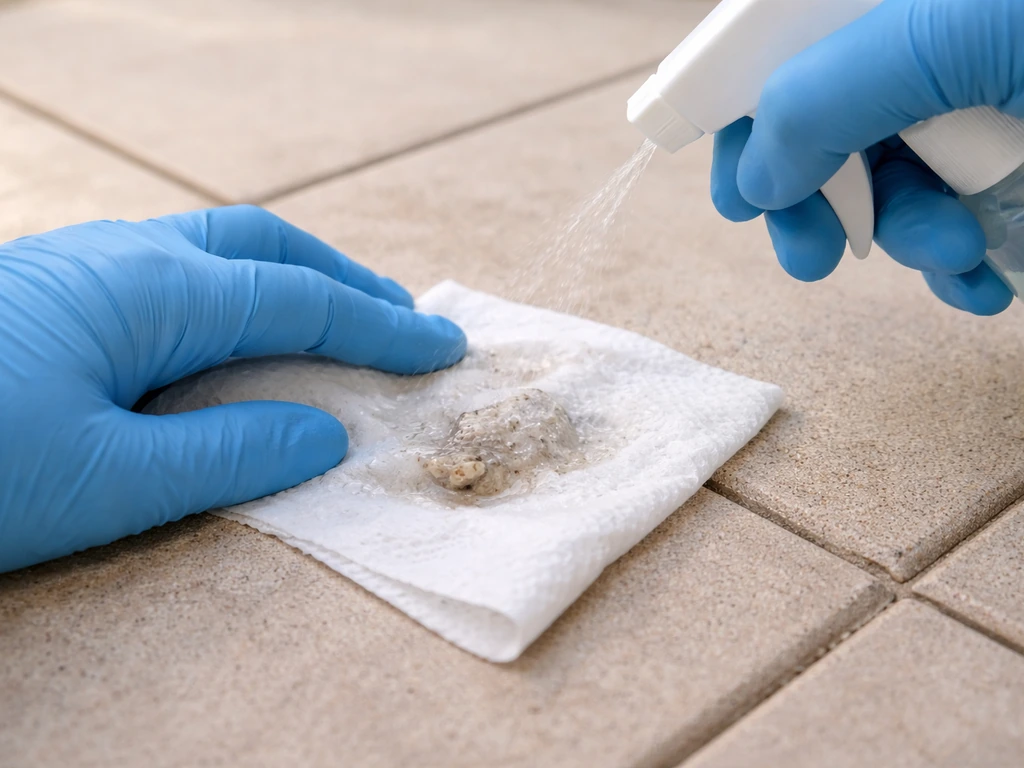
- Put on gloves. Use a damp cloth or paper towel to soften the dried crust first. Do not scratch at dry material and send flakes into the air.
- Once the dropping is rehydrated and loosened, gently scrape away the bulk with a blunt tool.
- Soak the stained area in cold water for at least thirty minutes. Adding a tablespoon of white vinegar to the soak helps break down uric acid residue.
- Apply an enzyme-based pre-treatment generously and let it sit for at least thirty minutes, or up to an hour for stubborn stains.
- Wash on the appropriate cycle with a good quality detergent.
- Air dry and inspect. If a faint stain or odor remains, repeat the enzyme soak and wash before considering the item finished.
Enzyme cleaners are your best tool here because enzymes specifically break down the proteins and uric acid compounds in bird droppings. Regular detergent helps but often is not enough on its own for a set stain. If you have a colored or berry-pigment stain alongside the uric acid residue, an oxygen-based bleach (safe for colors) added to the soak can help lift pigment without damaging most fabrics. Always check the care label first.
One thing worth knowing: if a stain has gone through the dryer already, it is significantly harder to remove. The heat has essentially baked the proteins into the fibers. At that point, repeated enzyme soaks may fade it but may not fully eliminate it. This is the scenario where the related question of whether bird poop stains clothes permanently becomes very relevant.
Cleaning car paint and glass
On cars, 'washing it off' has a much tighter deadline. On a hot day, bird droppings can start etching into clear coat in as little as one to two hours because the uric acid reacts with the paint's surface as temperature rises. On a cool day you have more time, but still do not leave it overnight if you can help it.
Car paint
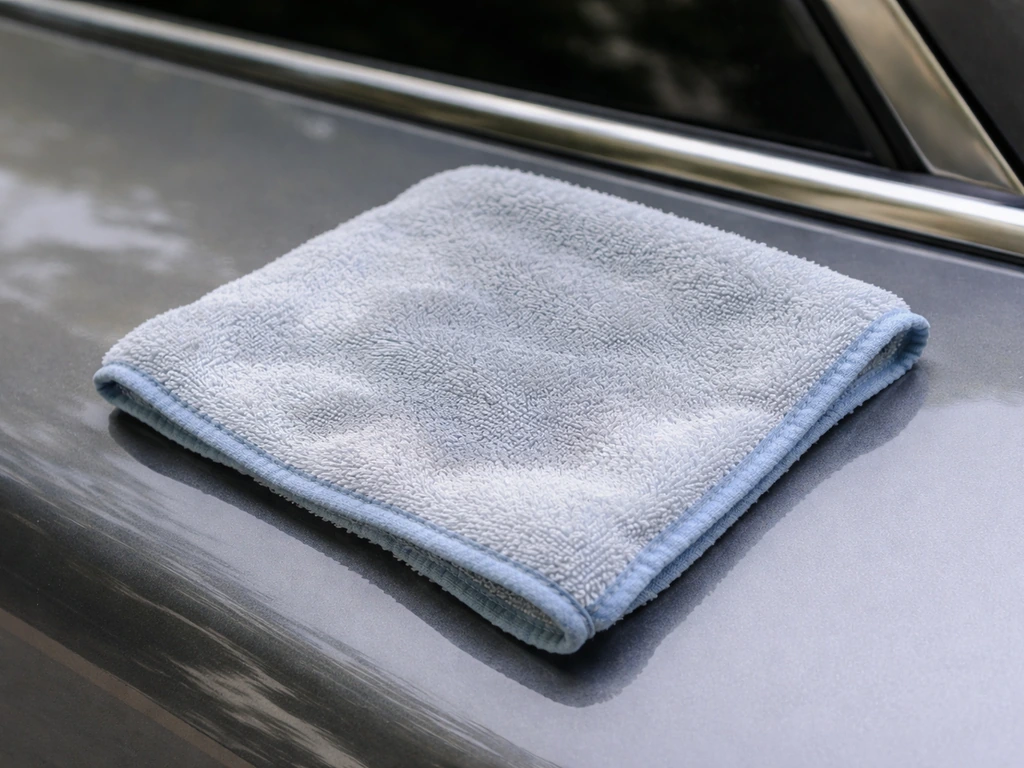
- Soak a microfiber cloth or a few layers of damp paper towel in warm water and lay it over the dropping for a few minutes to soften it. Never scrub a dry dropping on paint.
- Gently wipe away the softened material in one direction. Do not use circular scrubbing motions, which grind particles into the clear coat.
- Follow up with a dedicated car detail spray or a diluted car wash soap on a clean microfiber cloth.
- Dry the area thoroughly.
- If you can still see a slight dull haze or shallow etch mark where the dropping was, apply a fine polishing compound with a soft applicator pad. For deeper etching, a paint correction product or professional detailer is needed.
- Once clean, applying a coat of wax or sealant to the area will protect it from future incidents.
Glass (windshields and windows)
Glass is more forgiving than paint because it does not etch the same way, but dried droppings can still be very hard to shift. Soak with a damp cloth first, then wipe clean with a glass cleaner or diluted white vinegar solution. A plastic scraper used at a shallow angle can help with stubborn dried material on glass without scratching. Rinse and dry with a lint-free cloth. An automatic car wash will handle fresh droppings fine on glass, but may leave residue from dried ones, so it is worth a hand-clean first.
Fresh vs dried vs set-in: a quick decision guide
| Situation | Ease of removal | Best approach | Will it fully come out? |
|---|---|---|---|
| Fresh on fabric (under 1 hour) | Easy | Cold rinse + enzyme pre-treat + wash | Very likely yes |
| Dried on fabric (1+ hours) | Moderate | Rehydrate + enzyme soak (30–60 min) + wash | Probably yes, may need two rounds |
| Set-in and through the dryer | Hard | Repeated enzyme soaks, oxygen bleach soak | Possibly faded but may not fully clear |
| Fresh on car paint (same day) | Easy | Damp soak + microfiber wipe + car soap | Yes, if no etching yet |
| Dried on car paint (overnight+) | Moderate to hard | Soak + gentle wipe + polish if etched | Stain yes, etch marks may be permanent |
| On glass (any age) | Easy to moderate | Damp soak + glass cleaner or vinegar | Yes, nearly always |
When to repeat, when to call in help
If you have gone through two full rounds of enzyme soaking and washing and a fabric stain is still clearly visible, a professional cleaner or dry cleaner is your next step. If you are dealing with a garment stained by bird droppings, dry cleaning can be tricky, so it is best to pre-treat or tell the cleaner what caused the stain dry cleaner. Dry cleaning solvents work on different chemistry than water-based washing and can sometimes lift residue that laundry cannot. That said, if the item already went through a hot dryer cycle while stained, even a dry cleaner may not be able to guarantee full removal, so it is worth being upfront with them about the history of the stain.
For cars, if you can feel a rough texture or see a visible dull patch in the paint after cleaning, that is clear coat etching. Light etching can often be polished out with a machine polisher and cutting compound by a detailer. Deep etching that goes through the clear coat into the base coat requires repainting that panel, which is an expensive fix. This is the scenario that makes fast action on car paint so genuinely important, not just an enthusiast quirk.
If you are regularly dealing with large amounts of droppings, such as from a flock roosting near your parking spot or in a backyard coop, the health considerations scale up too. The CDC advises wearing respiratory protection when cleaning up significant accumulations of bird waste, and recommends wetting the area down before any disturbance to prevent spores from becoming airborne. That level of cleanup goes beyond a shirt stain and is worth treating seriously.
The short version if you need it right now
- Fresh dropping on clothes: scrape, cold rinse from behind, enzyme pre-treat, wash cold, air dry, check before the dryer.
- Dried dropping on clothes: dampen first (wear gloves), scrape, soak in cold water with a splash of white vinegar, enzyme pre-treat for 30–60 minutes, wash, air dry.
- Car paint: soak with damp cloth, wipe gently with microfiber, follow with car soap, polish if a haze remains.
- Glass: soak, wipe, glass cleaner or diluted vinegar, plastic scraper for stubborn spots.
- Never scrub dry material on any surface, never put a stained item in the dryer before checking, always wash your hands after handling droppings.
FAQ
If I put bird poop in the washer, will it come out every time?
Not reliably. If the droppings dried first (or were heat-set in the dryer), a normal wash cycle often leaves a faint yellow or brown ghost stain. For best results, soak first with an enzyme cleaner (cold or cool water), then wash, and only then decide if you need an oxygen-based color-safe bleach on a separate soak.
What water temperature works best before I wash bird poop out?
Use cold or cool water for the initial rinse. Hot water can set protein components and make uric-acid-related residues harder to lift. After pre-treatment, you can wash using the garment’s care-label temperature, but start cool to avoid baking the chemistry into the fabric.
Can regular laundry detergent remove bird poop without an enzyme cleaner?
Yes, but only for part of the job. Detergent helps remove loose material, but enzymes target the uric-acid and protein fractions more effectively. If you skip enzymes, you may still get odor reduction, yet visible staining and that chalky residue can remain.
Is it okay to brush off dried bird poop before washing?
No. Do not scrape dry droppings on clothing or upholstery, because dry particles can become airborne. Instead, dampen the area first (with water or cleaner), blot to lift, then treat with enzymes. This approach reduces both mess and contamination risk.
Why does a bird poop stain sometimes reappear after washing?
Typically not. You may wash, but if uric-acid residue stays, the stain can darken again when the fabric is damp or heated. The safest path is enzyme pre-soak plus a thorough rinse, then air-dry until you confirm the stain is gone, before using the dryer.
What’s the best approach if the bird poop already went through the dryer?
If the garment has gone through the dryer while stained, treat it as harder-to-remove. Plan multiple enzyme soaks (for example, two rounds) and line dry between rounds so you can visually check progress. Even then, pigment stains from seeds or berries may fade more than they fully disappear.
Can I use regular bleach to get bird poop stains out of clothes?
You should generally skip chlorine bleach for bird poop stains. Chlorine can damage fibers and may react with residue in ways that create more discoloration. If you need whitening or stain lift on colors, use an oxygen-based bleach product only after checking the care label.
Will a normal automatic car wash remove bird poop stains completely?
For car cleaning, the question is really about time, not pressure. If droppings are still fresh, a car wash can work, but for dried spots you should pre-dampen and wipe before polishing. If you see a dull patch or roughness after cleaning, that suggests clear-coat etching, and washing harder usually will not fix it.
Does bird poop come out of glass the same way as car paint?
For glass, it’s less about etching and more about residue. Pre-wet the spot, wipe clean, then use a proper glass cleaner or a diluted vinegar solution. Avoid dry scraping, especially indoors, and rinse off any remaining residue before final wiping.
How do I know I should re-treat versus stop and go to a dry cleaner?
If you can see residue, feel stickiness, or smell a persistent odor after washing, do a targeted second treatment. Re-soak with enzymes, then wash again. If the item is already dry-dried or the stain is stubborn, consider professional help and tell them it was a bird-droppings (uric acid) stain.
What changes if bird droppings are on a whole area, not just one spot?
For light indoor cleanup, a quick spot treatment is usually enough, but for large accumulations you need extra precautions. Dampening the area before touching it helps prevent airborne dust, and respiratory protection is recommended when there is a lot of buildup.