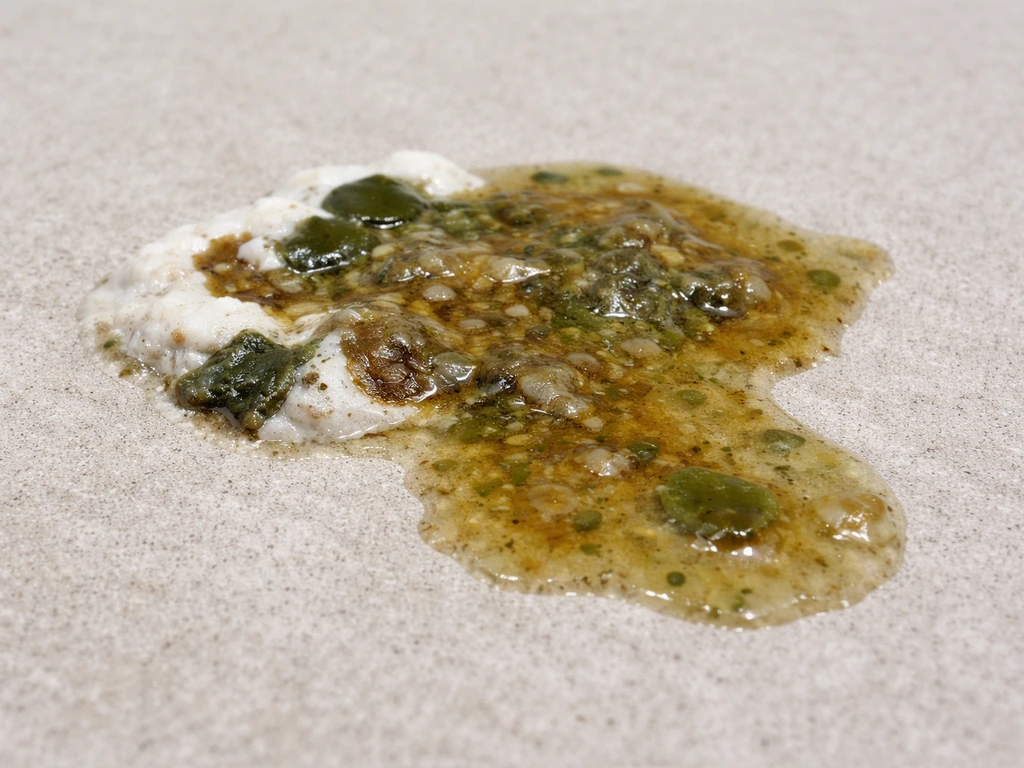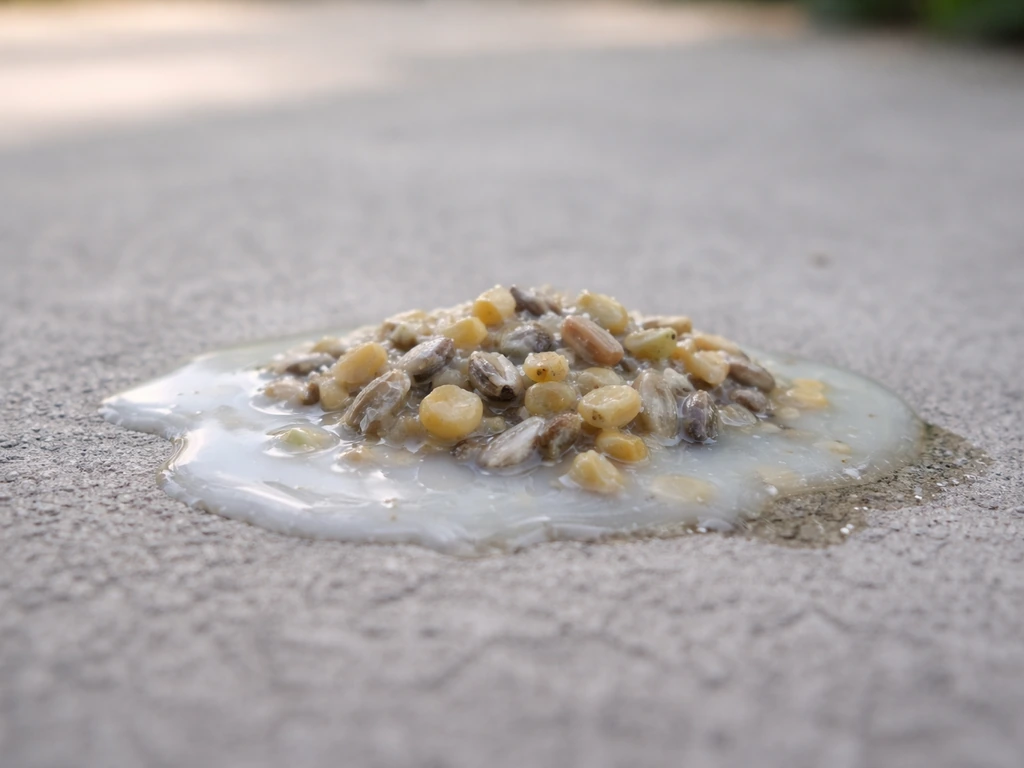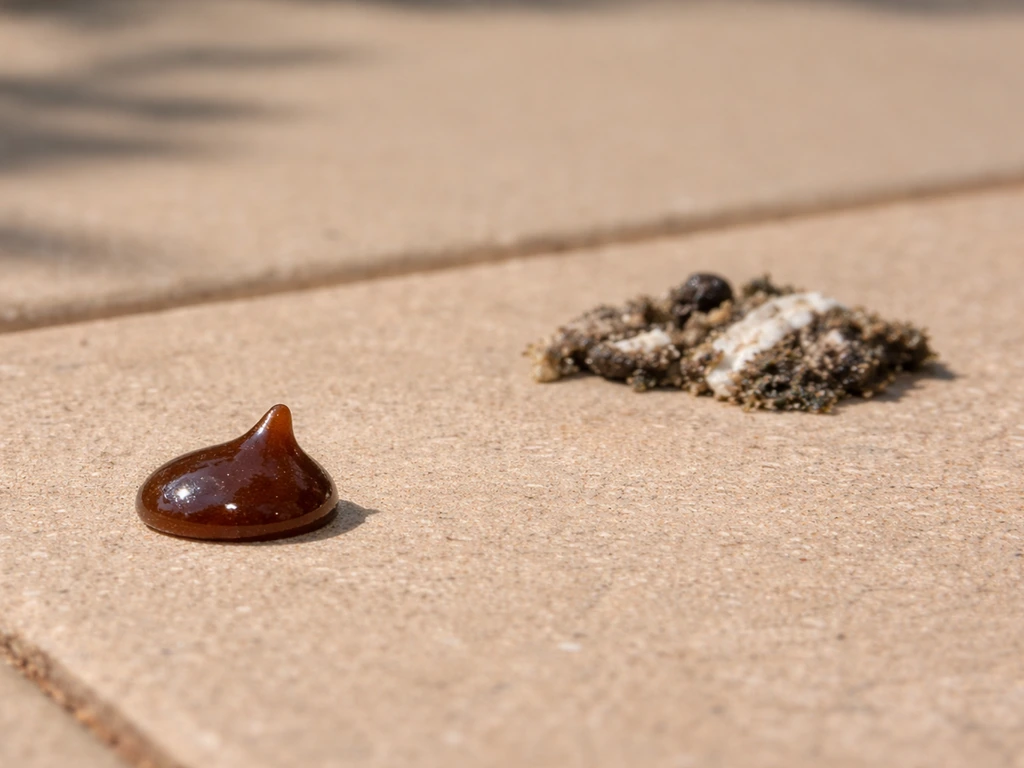
Healthy bird poop has three distinct parts: a green or brown solid section (the actual feces), a white to cream-colored blob (urates, which are solid uric acid crystals), and a small amount of clear, watery liquid (urine). Together they form a compact, well-defined dropping that holds its shape when it lands. If you see those three components together, the color is in the normal range, and the dropping isn't runny or discolored, you're almost certainly looking at a healthy bird. Normal pet bird droppings have three visible components: feces, urates (whitewash), and a small amount of clear urine blank" rel="noopener noreferrer">three visible components: feces, urates (whitewash), and urine.
What Healthy Bird Poop Looks Like vs Unhealthy Signs

Marcus Fielding
18 May 2026
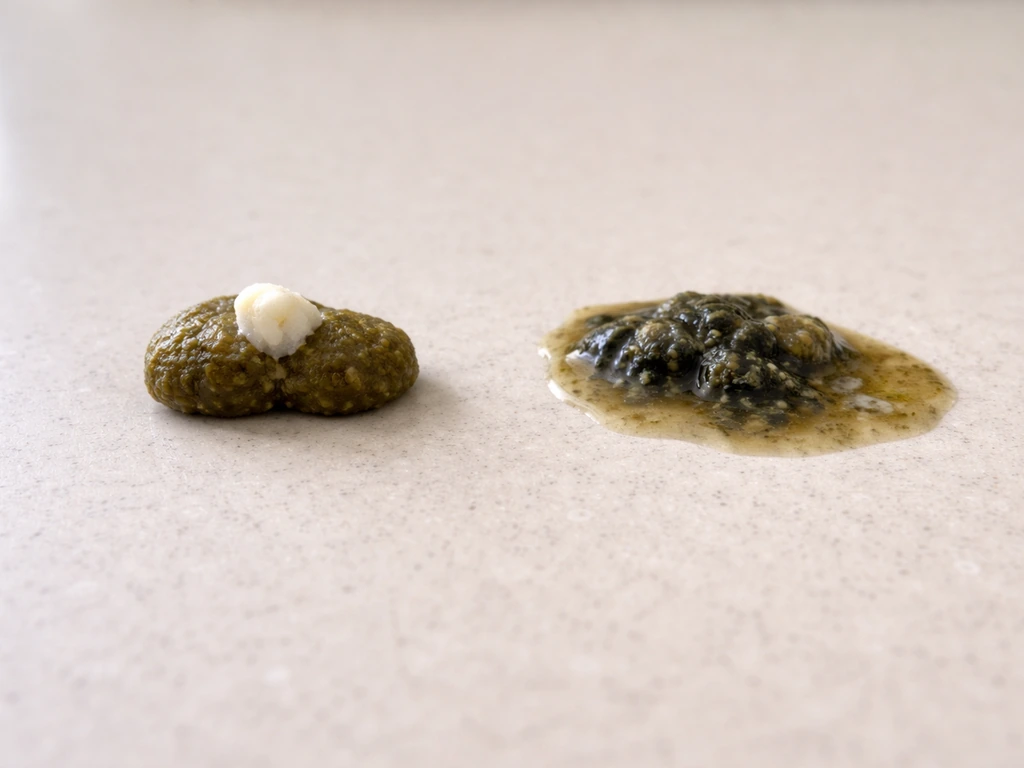
What healthy bird droppings actually look like
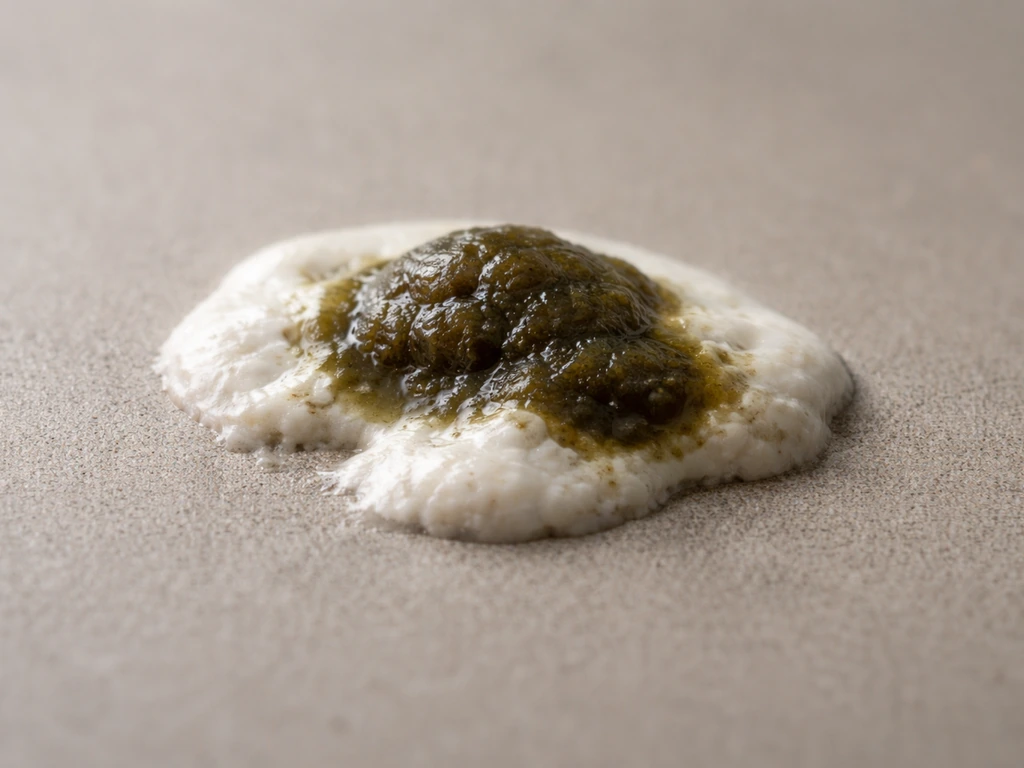
The green or brown fecal portion is usually the easiest to spot. It's the solid core of the dropping. Birds that eat mostly seeds tend to produce darker, brownish feces, while birds on fruit or fresh greens often produce brighter green feces. That's completely normal and just reflects what they ate.
The white part (the urates) wraps around or sits alongside the feces. Think of it as the bird's version of urine, but in a semi-solid form. Because birds combine feces and urine into a single dropping, the uric acid comes out as a pasty white or off-white blob rather than a liquid stream. It should look opaque, not yellow or bright green.
The clear liquid part is just urine, and there should only be a small amount of it pooling around the solid portions. If your bird just drank a lot of water, you might see more of it, which is normal. The whole dropping should be rounded, hold together reasonably well, and have only a mild odor. If you are wondering what bird vomit looks like, it can look different from normal droppings and is often tied to regurgitation or illness what does bird vomit look like.
Quick visual checklist: normal vs. abnormal
| Feature | Healthy | Unhealthy |
|---|---|---|
| Fecal color | Green or brown | Black, tarry, bright red, or very pale |
| Urate color | White to cream/beige | Bright yellow, lime green, or pink |
| Liquid portion | Small, clear puddle | Large, watery pool (polyuria) |
| Consistency | Formed, holds shape | Runny, unformed, 'pea soup' texture |
| Mucus present | None | Visible mucus or slime |
| Blood present | None | Red or black/tarry coloring |
| Undigested food | None | Visible seeds or undigested material |
| Odor | Mild | Putrid, strongly foul |
| Shape/spread | Compact, rounded pile | Widely spread, flat, or 'popcorn' aerated |
Warning signs that something's wrong
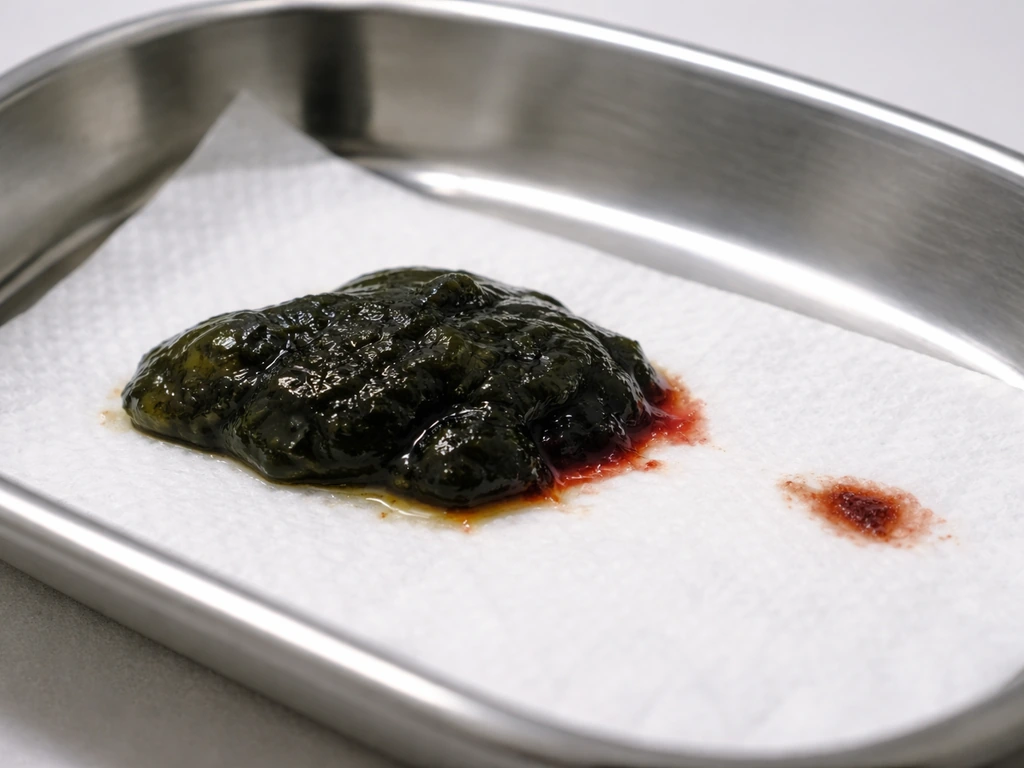
The most urgent red flags are blood in the stool and discolored urates. Blood shows up either as a bright red color (fresh bleeding) or as dark green-black tarry feces, which signals digested blood from higher in the GI tract. Either one warrants a vet call the same day. Bright yellow or lime-green urates are strongly associated with liver disease or infection and should never be dismissed as just a diet variation.
Watery droppings are another major signal. When the liquid portion overwhelms the rest of the dropping so that the whole thing looks like a puddle, that's polyuria (excessive urine) or diarrhea. Diarrhea in birds technically means the fecal portion itself is unformed and blends into the urine, making the components indistinguishable. Bird diarrhea usually looks like unformed, watery droppings where the fecal portion blends into the urine. If the dropping looks like thin pea soup instead of a defined pile, that's a problem.
Other things to watch for: mucus mixed into the feces, a strong putrid smell, visible undigested seeds or food particles, and droppings that are oddly aerated or foamy. A sick bird may also start piling droppings in one spot rather than spreading them around the cage, which can be an early behavioral clue even before color changes appear.
Why droppings change: diet, stress, parasites, and illness
Before jumping to conclusions, it's worth knowing that diet and hydration legitimately change what droppings look like. A bird that just ate blueberries or beets will produce reddish or dark feces. More water intake means more liquid in the dropping. These are temporary, diet-driven shifts, and if everything else looks normal and the bird is acting fine, they're usually nothing to worry about. The color and consistency should return to baseline within a day or two once the diet goes back to normal.
Stress also affects droppings in the short term. Travel, a new environment, loud noises, or a new pet in the house can cause temporary loose or watery droppings. This is one reason avian welfare guidelines recommend monitoring droppings over time rather than reacting to a single abnormal one in isolation.
When abnormal droppings persist beyond 24 to 48 hours, or are accompanied by other symptoms like lethargy, fluffed feathers, or reduced appetite, the cause is more likely a real health issue. Parasites like Giardia and coccidia are common culprits. Giardiasis in birds, particularly cockatiels, can produce voluminous, aerated droppings with a foamy or 'popcorn' texture. A classic example is when droppings look like a bug that looks like bird poop, which can happen with certain infections and digestive issues. Coccidiosis typically causes diarrhea and, in severe cases, blood or bright orange mucus in the stool. Bacterial infections like Salmonella produce feces with a putrid odor, mucus, and sometimes blood. These aren't things that resolve on their own with a diet change.
How droppings differ by bird species
The three-component structure (feces, urates, urine) applies to virtually all birds, but size, color balance, and consistency vary a lot depending on the species and what it eats. A parrot on a pelleted diet produces different-looking droppings than one eating fresh fruit. Seed-heavy diets in budgies and cockatiels tend to produce compact, dark droppings with prominent white urates. Birds on high-moisture diets (lots of fruit or vegetables) naturally produce more liquid in their droppings.
Backyard birds and wild species produce larger, more variable droppings than pet birds, simply because their diets are less controlled. A crow or pigeon dropping looks nothing like a budgie dropping. If you're trying to identify wild bird droppings specifically, you'll notice the urate 'whitewash' is usually the dominant visual feature, which is that chalky white cap or streak you see on cars and pavement. The fecal portion may be dark and less prominent in comparison.
The key principle is to know your bird's normal baseline. The same bird will produce slightly different droppings on different days, so learning what's typical for that specific animal is more useful than any generic description. Topics like what bird droppings look like in general, or what bird diarrhea looks like specifically, can help you build that reference point.
Real health risks and when droppings become a concern for you
Bird droppings carry real zoonotic disease risks, particularly when they're dry and can become airborne. Psittacosis (parrot fever), caused by Chlamydia psittaci, is transmitted by breathing in dust from dried bird droppings or respiratory secretions. The CDC is clear that aerosolization during cleaning is the main exposure route. This is especially relevant with pet birds in enclosed spaces, where dried cage waste can become a genuine inhalation hazard.
Avian influenza is another reason to take bird waste seriously. The CDC advises against stirring up dust or bird waste during suspected bird flu situations, because the virus can disperse into the air. Salmonella from bird droppings is also well-documented, particularly from backyard flocks or bird feeders where fecal contamination can transfer to hands and surfaces.
The risk is highest when droppings are: old and dry (because they become dusty and inhalable), present in large quantities or enclosed spaces with poor ventilation, or from birds that are visibly unwell. A single dropping on your car is low risk. A heavily contaminated attic with accumulated droppings from a roosting colony is a different matter entirely and shouldn't be cleaned without proper precautions.
How to clean up bird droppings safely right now
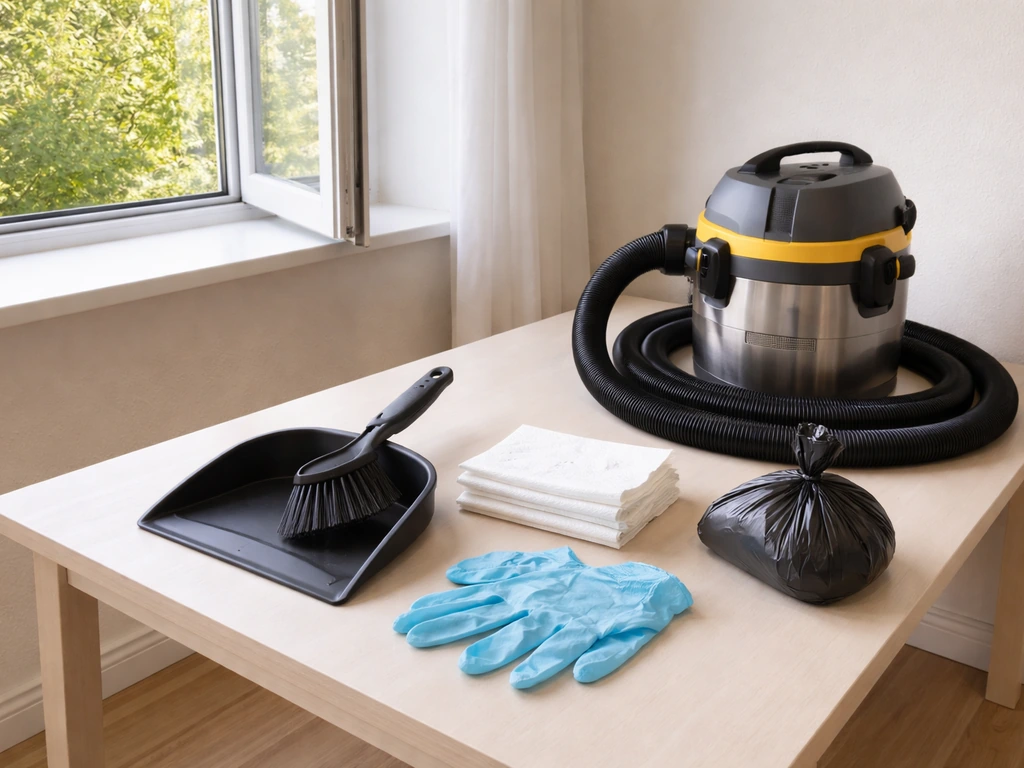
The single most important rule: never dry sweep or vacuum up dried bird droppings without a HEPA filter. Disturbing dry droppings kicks up aerosolized particles that you can then inhale. The CDC specifically recommends wetting surfaces with water or a disinfectant before cleaning bird cages, and the same principle applies to any surface with bird waste. CDC guidance for pools says operators should treat bird droppings in the pool as if they were human feces and disinfect appropriately Responding to Birds in and around the Pool.
- Ventilate the area first. Open windows and doors before you start, especially in enclosed spaces like garages, attics, or small rooms.
- Put on nitrile or rubber gloves before touching anything. If droppings are extensive or in a poorly ventilated space, add an N95 respirator mask.
- Wet the droppings before disturbing them. Spray with water or a diluted disinfectant solution and let it sit for a few minutes to dampen the material.
- Wipe or scoop the moistened material using paper towels or disposable cloths. Bag everything immediately in a sealed plastic bag.
- Clean the surface with soap and water, then follow up with a disinfectant. For bird flu-related concerns, the CDC recommends an EPA-approved disinfectant with label claims for influenza A. For general cage cleaning, give the disinfectant at least 5 minutes of contact time before rinsing.
- Wash your hands thoroughly with soap and water after removing your gloves, even if you didn't touch the droppings directly.
What not to do: don't dry brush or sweep without wetting first, don't use a standard vacuum without a HEPA filter, and don't clean an enclosed heavily contaminated area without adequate ventilation or respiratory protection. If you're dealing with a large accumulation in a confined space with little airflow, stop and get professional help before proceeding.
When to call a vet or a pest professional
For pet birds, the threshold for calling a vet is lower than most people think. If you see any of the urgent red flags (blood, bright yellow or lime-green urates, severe diarrhea) you should call a vet that same day, not wait to see if it improves. If droppings are persistently abnormal for more than 24 hours, even without blood, get the bird evaluated. The vet will likely run a direct fecal smear to check for parasites, and may run an ELISA antigen test if Giardia is suspected or fecal flotation for coccidia. These tests are straightforward and give you real answers fast.
Also call a vet promptly if the bird has abnormal droppings alongside other symptoms: lethargy, weight loss, fluffed feathers, reduced appetite, or changes in vocalization. Any one of those symptoms alongside dropping changes means the bird is genuinely unwell and shouldn't be left to self-correct.
For wild or feral bird infestations, the calculation is different. If you have a roosting colony in an attic, under solar panels, or in a crawlspace, the accumulated droppings represent a serious contamination issue that typically requires a licensed pest control or wildlife management professional. Large-scale cleanups in confined spaces carry real inhalation risks, and professionals have the right equipment and disposal protocols. This isn't a job for a broom and a Sunday afternoon.
The bottom line: get to know what your bird's normal droppings look like, check them regularly, and act quickly when something looks off. If you're wondering what bird poop looks like in the first place, start by comparing the fecal portion, urates, and urine to your bird's normal baseline. The visual cues are surprisingly reliable once you know what you're looking for, and catching a problem early almost always leads to a better outcome.
FAQ
Is it normal if my bird’s poop is greener some days and brown other days?
Yes, for many birds the fecal core can shift between green and brown depending on diet (seeds versus fruit or fresh greens). What matters is that the three-part structure still comes together (feces plus opaque urates plus a limited clear urine amount) and your bird’s behavior and appetite stay normal.
What if the white urate part is missing or much smaller than usual?
A small change can happen after a diet or hydration shift, but repeatedly seeing little or no urates can be a warning sign, especially if the dropping also looks overly watery or the bird seems off. If urates are consistently absent or unusually yellow, bright green, or watery, contact an avian vet rather than waiting.
Can a one-time watery dropping still be normal?
Often yes, especially after extra drinking, stress, or a diet change. The practical rule is persistence, if the droppings return to your bird’s baseline within 24 to 48 hours and the bird is acting normally, it’s usually not an emergency.
How can I tell diarrhea from “more urine” at a glance?
Diarrhea usually means the fecal portion is unformed and blends into the urine so the dropping looks like an indistinct puddle or thin soup with no clear fecal core. “More urine” may increase the clear liquid surrounding normal-shaped feces and urates, without completely losing that fecal structure.
Are foaminess or bubbles always a sign of infection?
Not always, but persistent foamy or aerated droppings are concerning, especially when paired with other changes like reduced appetite, lethargy, or sudden changes in texture over multiple droppings. Species and diet can affect texture, yet infection-related patterns typically keep recurring until treated.
What does mucus mean when I see it in or around droppings?
Mucus mixed into droppings is not something to chalk up to normal variation, it can appear with digestive irritation or infectious causes. If mucus continues beyond a day, or if it comes with diarrhea, fluffed feathers, or blood-tinged material, plan on a vet visit.
Is blood always obvious and red, or can it look different?
Blood can show up as bright red (fresh) or as dark green-black tarry feces (digested). If you notice streaks, dark tar-like material, or repeated red or black flecking, treat it as urgent and call the vet the same day.
Do bird droppings change after a blueberry or beet meal, and when should I worry?
Yes, those foods can temporarily alter fecal color, including reddish or darker tones. You should worry more when the color change is paired with persistent abnormal consistency, discolored urates, strong putrid odor, or continued changes beyond a day or two after the diet returns to normal.
My bird is acting normal, but droppings are abnormal, how long should I wait before calling the vet?
If droppings remain persistently abnormal beyond 24 to 48 hours, it’s a good time to call even without other symptoms. If the changes are one of the urgent patterns (blood, bright yellow or lime-green urates, severe watery diarrhea), call right away rather than waiting.
What testing should I expect if I bring droppings to the vet?
For persistent problems, vets commonly do a direct smear or fecal flotation to check for parasites, and they may use antigen testing when Giardia is suspected. Bringing a fresh sample (not dried and old) improves how reliable those tests are.
How do I safely clean up droppings if I suspect illness in my bird?
Avoid dry sweeping and avoid shaking dried waste. For routine cleaning, wet the area first with water or an appropriate disinfectant, then clean gently. If the area is heavily soiled in an enclosed space, improve ventilation and consider professional help rather than handling it like a normal mess.
If I have wild birds around my property, how do I avoid mixing up their droppings with pet-bird droppings?
Wild and backyard droppings are often more variable in size and appearance. A helpful clue is that wild droppings frequently show a prominent chalky urate portion, sometimes as streaks, while pet-bird droppings are usually more consistent once you know your individual bird’s baseline.