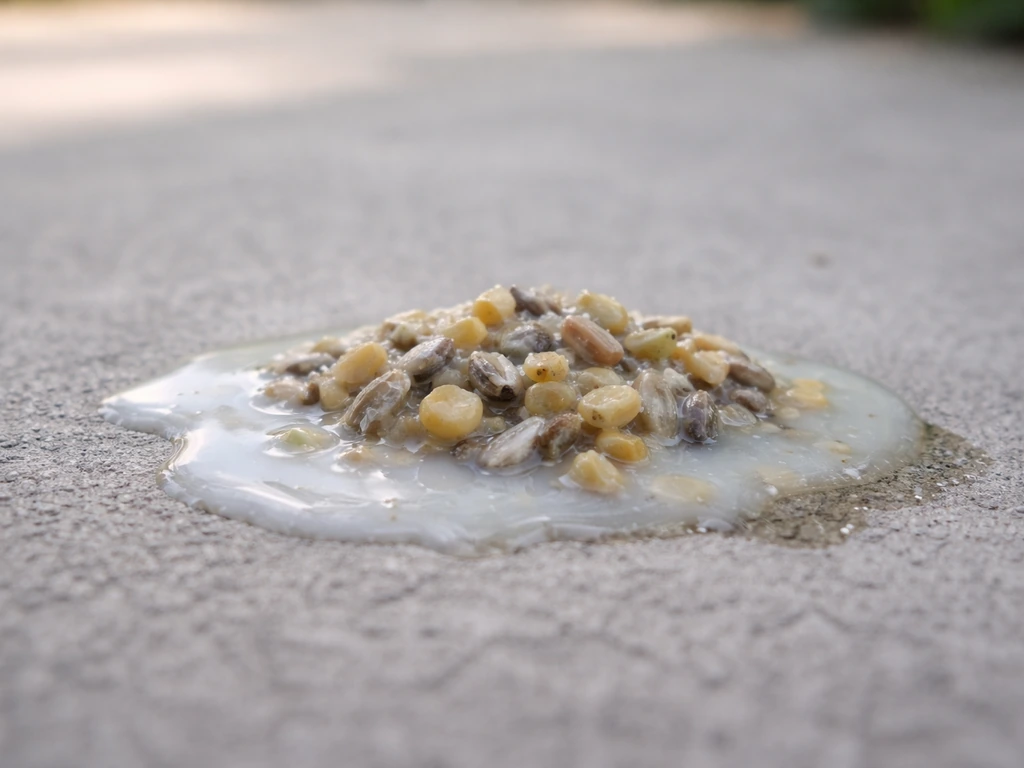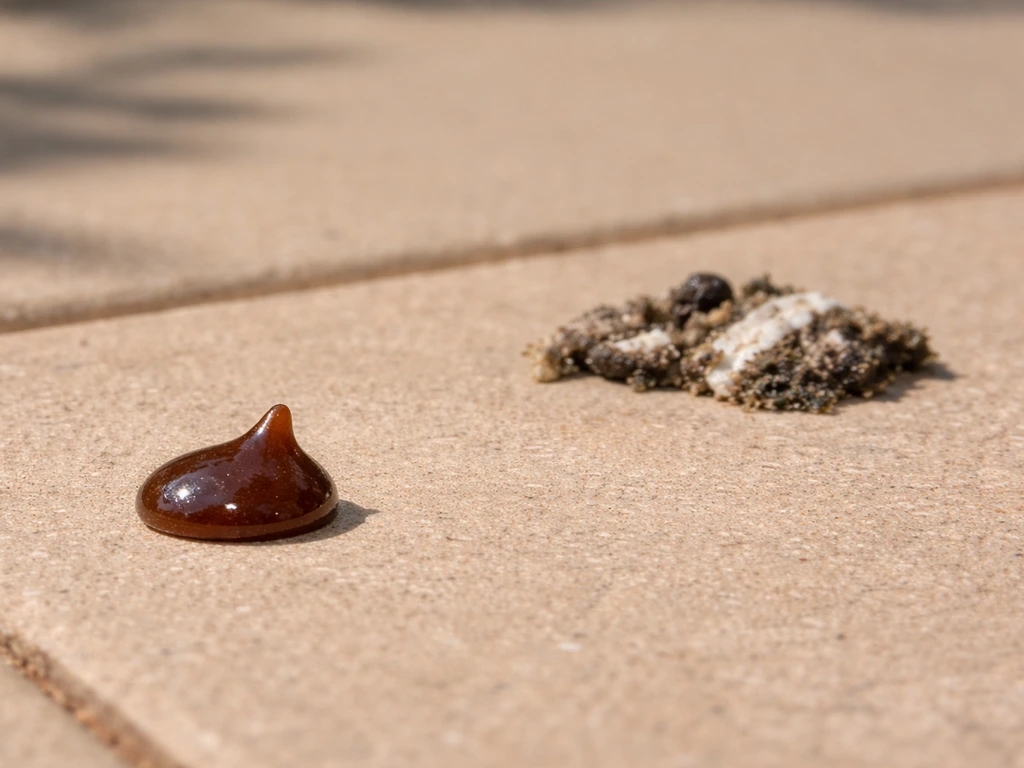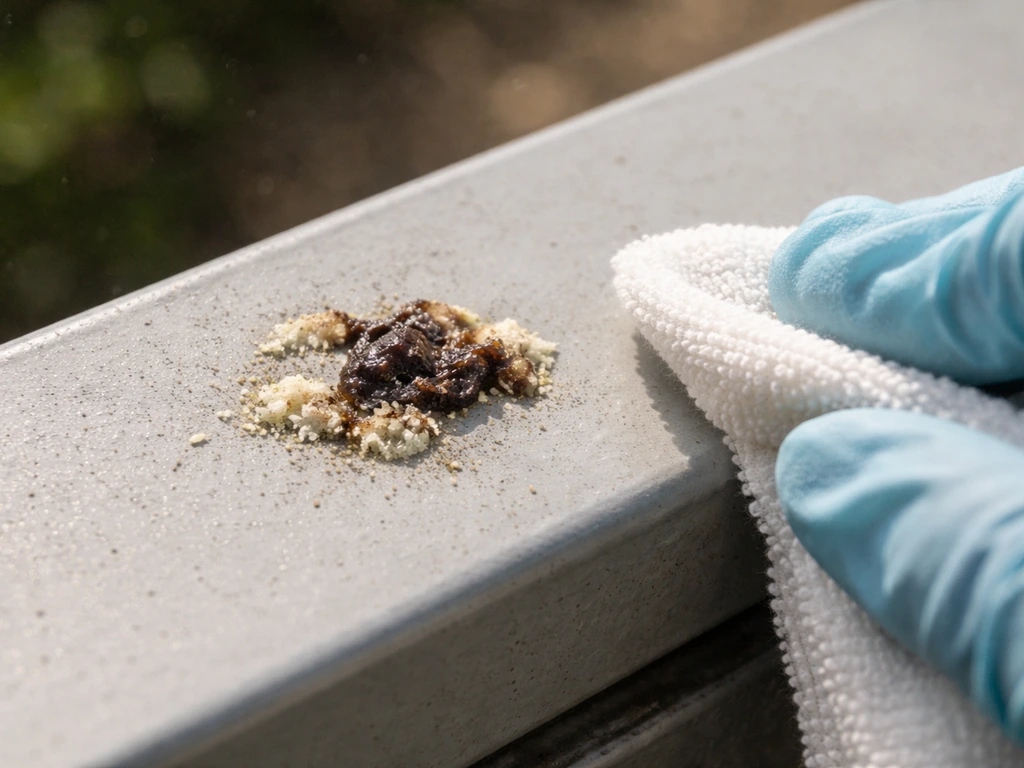
Bird diarrhea looks like a loose, unformed, "pea soup" mess where you can't distinguish a solid fecal core at all. Instead of the usual compact dark-green or brown nugget surrounded by white urates and a small ring of clear urine, everything blends together into a watery, shapeless splatter. If you want a broader sense of what bird droppings look like in watery, structureless cases, see what do bird droppings look like next watery, shapeless splatter. The color can range from brownish-green to yellow, orange, or even tinged with red, depending on what's causing it. It often spreads wider on impact than a normal dropping and may have a noticeably stronger or fouler smell.
What Does Bird Diarrhea Look Like? Symptoms and Signs

Marcus Fielding
7 May 2026
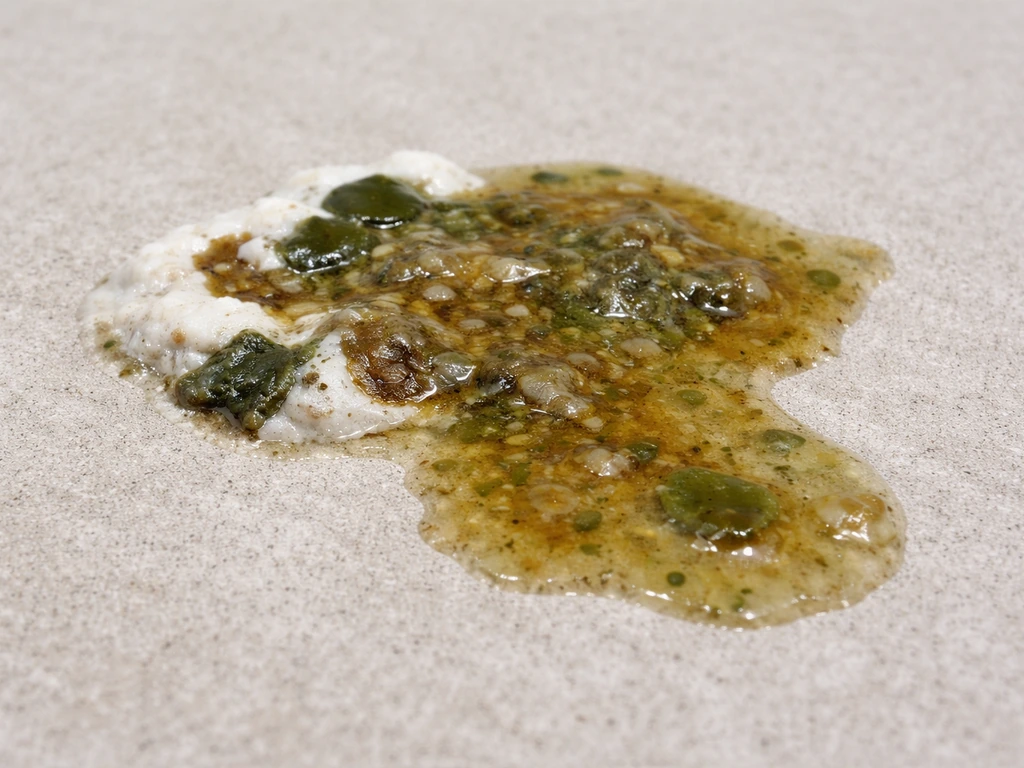
What bird diarrhea actually looks like
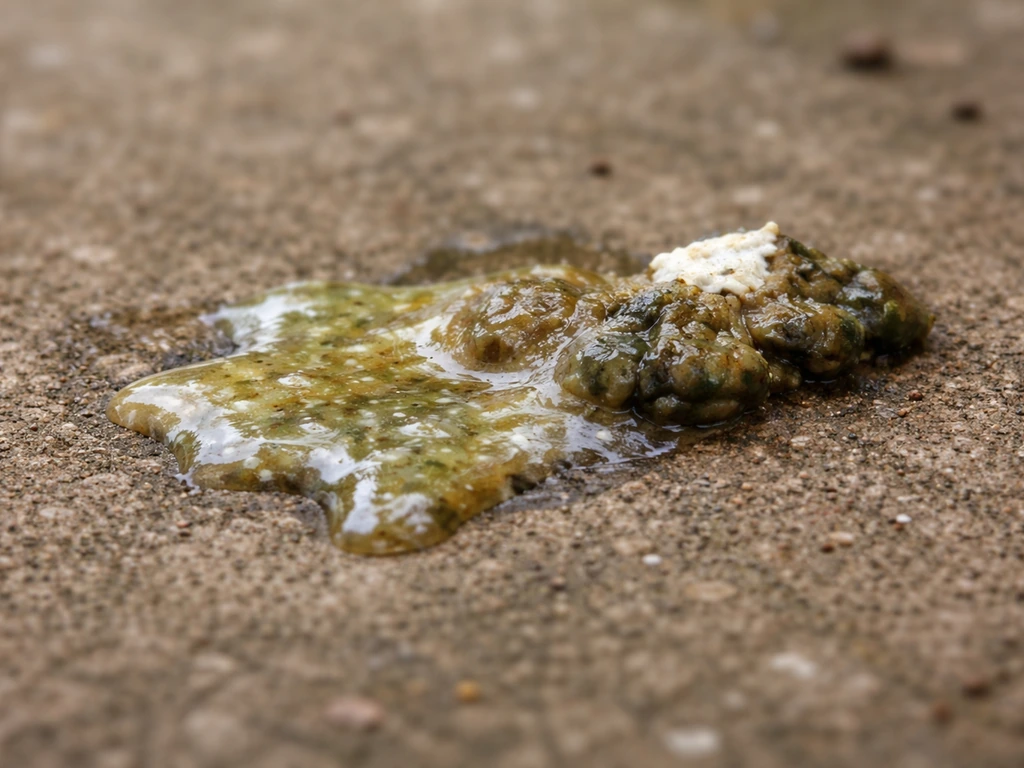
The key visual marker is that the fecal portion has no form. Purdue University's College of Veterinary Medicine describes true bird diarrhea as the fecal component looking like "pea soup," which is a pretty accurate description. In a healthy dropping, you can usually see three distinct parts: a solid dark piece of feces, a white or beige urate blob, and a small clear urine puddle around the edges. When a bird has diarrhea, the solid fecal portion dissolves into that liquid, so everything runs together and you lose the structure entirely.
Color-wise, diarrhea can vary a lot depending on the cause. You might see bright green or yellow (which can signal liver trouble), orange or reddish streaks (which can point to coccidiosis, a parasitic infection), or a muddy brown-green soup. Lead-poisoned birds, particularly waterfowl, often produce a distinctly greenish, watery diarrhea that actually stains the feathers around the vent. Bubbly droppings or visible mucus threads are also red flags worth noting, since those suggest active gut inflammation or infection.
In terms of smell, normal bird droppings have a mild, slightly earthy odor. True diarrhea often has a noticeably stronger, more pungent smell, especially when caused by bacterial or parasitic infection. Frequency also increases: a bird that normally poops every 20 to 30 minutes might be going much more often, with each dropping being smaller and runnier. In cage birds, you'll see this as a generally soupy mess coating the grate or cage bottom rather than discrete, spaced-out spots.
Diarrhea vs. normal droppings vs. just watery droppings: how to tell them apart
This is where a lot of people get tripped up, and honestly the confusion is understandable. Not every runny dropping means diarrhea. VCA Animal Hospitals points out that owners often mistake "more water in the droppings with no real change in the stool component" for diarrhea, when what they're actually seeing is polyuria, which is excess urine production. With polyuria, the fecal portion still looks normal and solid, it's just sitting in a bigger-than-usual puddle of clear liquid. That's a different problem (possibly kidney disease or diabetes) but it doesn't mean the intestines are inflamed.
True diarrhea is specifically when the fecal portion itself loses form. If you can still see a distinct dark solid piece in the middle of a wet dropping, that's probably polyuria. If the whole dropping is one undifferentiated wet blob with no identifiable solid core, that's diarrhea. Shelter guidance from Born Free USA puts it plainly: "unformed feces that are nearly indistinguishable from the urates and urine indicate diarrhea."
| Dropping Type | What You See | What It Suggests |
|---|---|---|
| Normal | Solid dark fecal core, white/beige urate blob, small clear urine ring | Healthy digestive tract |
| Polyuria (excess urine) | Normal solid fecal core, normal urates, but large pool of clear liquid | Kidney issue, diabetes, or high-water-content diet (fruits) |
| Diarrhea | No solid core: feces, urates, and liquid all blended into one runny mass | Intestinal infection, parasites, toxin, or illness |
| Yellow urates | Urate portion turns yellow instead of white/beige; feces may look normal | Possible liver disease or hepatitis |
| Orange/red feces | Fecal portion has orange or reddish tinge, may appear mucousy | Possible coccidiosis or hemorrhage |
| Bubbly/mucousy | Dropping has visible air bubbles or mucus strands | Active gut inflammation or infection |
Knowing your bird's baseline makes a huge difference here. Purdue notes that the color, consistency, and amount of normal droppings can shift based on diet, water intake, stress, and even mood. A bird that just ate a lot of berries or fruit will produce wetter, more colorful droppings that might alarm you at first glance. Compare what you're seeing to what that bird's normal looks like, not to a generic textbook description.
For backyard birds at feeders or on sidewalks, you're working without a baseline, so focus on volume, spread, and whether you see any structure at all. A normal wild bird dropping hits a surface and leaves a relatively compact mark with a white portion. Diarrhea from a sick wild bird tends to splatter more widely, look almost entirely liquid, and may have discoloration. Around feeders, multiple abnormal-looking droppings from different birds is a more concerning sign than one unusual spot.
What causes runny droppings in birds
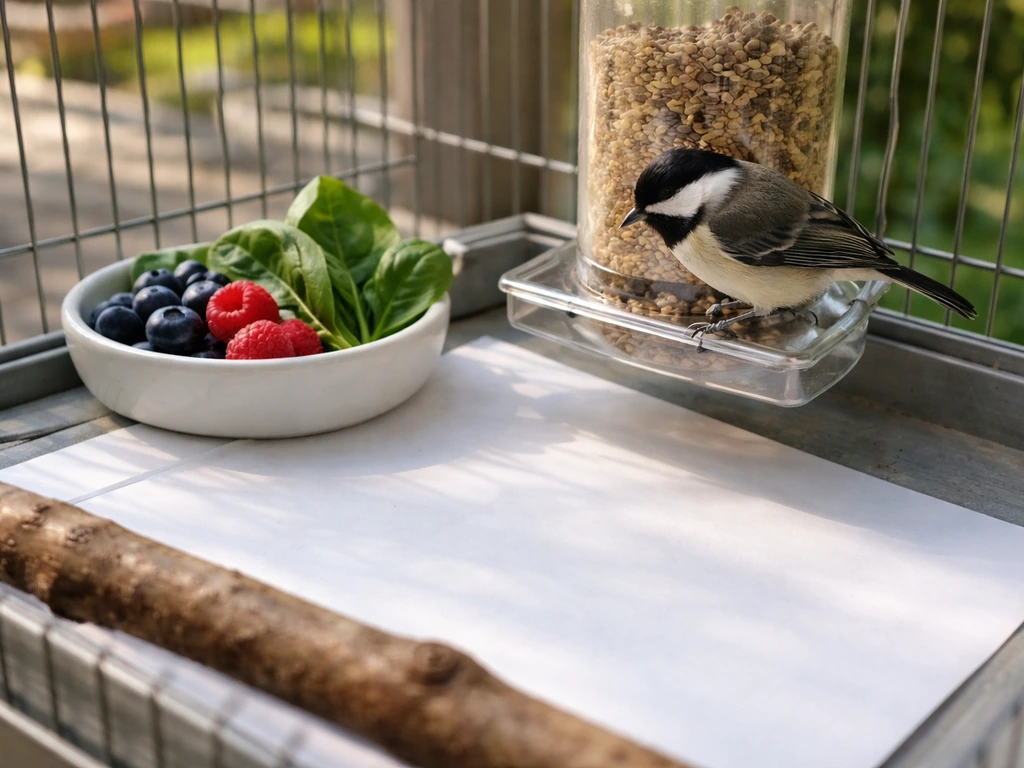
The causes range from completely harmless to genuinely serious, which is why appearance alone only gets you so far. Here are the most common culprits.
Diet changes and high-moisture foods
Fresh fruit, vegetables, and other high-water-content foods will temporarily make droppings wetter and sometimes greener or more colorful. This is usually not true diarrhea (the fecal portion often retains some form) and resolves on its own once the diet normalizes. If you just gave your parrot a chunk of watermelon or your backyard flock got into fallen fruit, that's usually the culprit.
Stress
Stress is a surprisingly common cause of loose droppings in pet birds, and it can happen after a vet visit, a move, a new pet in the house, or even a change in routine. The droppings usually normalize within a day once the stressor is removed. If they don't, something else is going on.
Bacterial and viral infections
Bacterial infections, including Salmonella (which is also a human health concern) and Chlamydia psittaci (the bacterium behind psittacosis), can produce diarrhea alongside other symptoms like lethargy, ruffled feathers, and weight loss. Merck's Veterinary Manual notes that infections can present with chronic weight loss, regurgitation, lethargy, and diarrhea, with droppings that may contain undigested seeds or pellets. Avian influenza is a more severe viral cause, typically seen in backyard flocks and wild bird populations.
Parasites
Giardia is a common intestinal parasite in pet birds, especially cockatiels. Interestingly, Merck describes Giardia-related droppings in cockatiels as sometimes looking "voluminous and aerated" with a "popcorn" appearance rather than the classic runny diarrhea, so don't assume parasites only cause liquid messes. Coccidiosis is another parasitic infection, more common in poultry and wild birds, that can cause diarrhea with orange or reddish coloration and sometimes visible mucus.
Toxin exposure
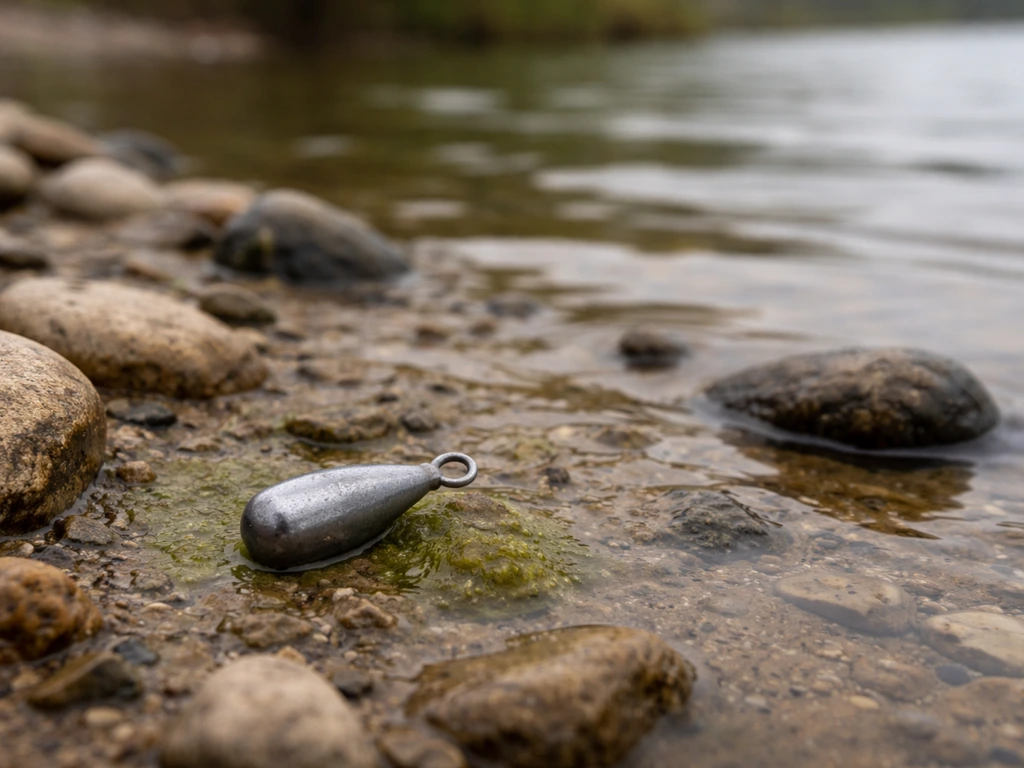
Lead poisoning is a serious cause in waterfowl and raptors that ingest fishing weights, buckshot, or contaminated prey. The greenish, watery diarrhea it produces often stains the feathers around the vent, which is a distinctive visual cue. Other toxins, including certain plants, mold on feed, and household chemicals, can also trigger acute GI upset with loose droppings.
Health risks to you, your pets, and other birds
The realistic risk level depends a lot on what's causing the diarrhea and how you handle the situation. Most brief contact with a single dropping from an unknown bird carries low risk for a healthy adult. But there are specific diseases where the risk is real enough to take seriously.
- Psittacosis (Chlamydia psittaci): Spread by inhaling aerosolized dried feces, respiratory secretions, or dander from infected birds. People who work with pet birds, veterinarians, and wildlife biologists are at higher risk. Symptoms in humans resemble flu, but it can become severe without treatment.
- Salmonella: The CDC links Salmonella outbreaks directly to wild songbirds, bird feeders, and bird baths. You can pick it up by touching feeders or birds and then touching your mouth with unwashed hands. This is why hand hygiene after any feeder contact matters.
- Histoplasmosis: A fungal infection that grows in accumulated bird (and bat) droppings. Disturbing dried droppings without protection can aerosolize spores. Unlikely from a single fresh dropping, but a concern if you're cleaning up large accumulations.
- Avian influenza: The primary concern with backyard flocks. Stirring up dust from infected droppings can aerosolize the virus. The current strain (H5N1) is active in North America.
- Spread to other birds: If one bird in a flock or aviary has an infectious cause, the droppings are a direct transmission route to healthy birds. Parasites like Giardia and Coccidia spread fecal-orally, meaning birds eating near contaminated droppings are at risk.
The risk to healthy humans from casual, infrequent exposure is generally low, but it rises significantly if you're dry-sweeping or disturbing dried droppings, working with sick birds regularly, or are immunocompromised. Children, elderly individuals, and pregnant people are also more vulnerable.
Cleanup and disinfection: what to do right now
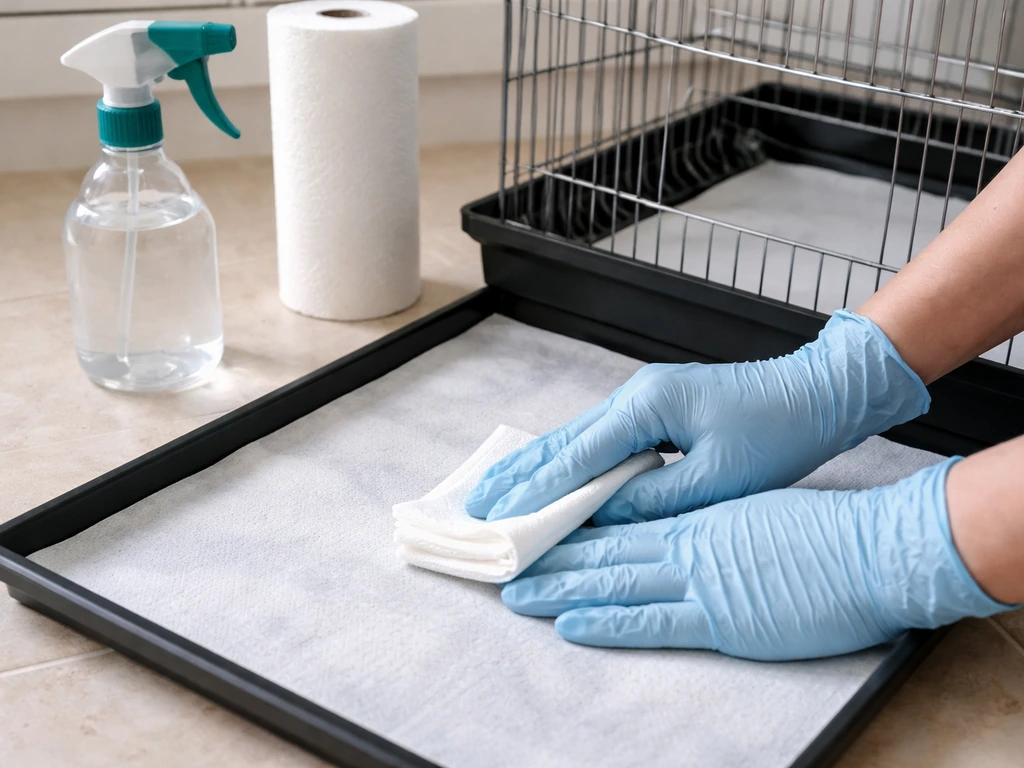
The most important rule: never dry-sweep or dry-scrub bird droppings, especially if you suspect illness or if they've dried out. Dried droppings aerosolize into breathable particles that carry whatever pathogen the bird had. Wet it first, then clean it.
- Put on disposable gloves and, if there's any meaningful quantity of droppings, an N95 respirator. A surgical mask is better than nothing if that's all you have, per CDC guidance.
- Saturate the droppings with a bleach solution (10% bleach, meaning 1 part household bleach to 9 parts water) or an EPA-registered disinfectant with claims against avian influenza A or the relevant pathogen. The CDC recommends wetting droppings until they are very wet before disturbing them.
- Let the disinfectant sit for the full contact time listed on the product label. Contact time is the period the surface must stay visibly wet for the product to work, and skipping this step means the disinfection is incomplete.
- Remove the wetted material with paper towels or disposable cloths. Place everything directly into a sealed plastic bag.
- Clean the surface again with soap and water, then apply the disinfectant a second time and let it sit again.
- Wash your hands thoroughly with soap and water after removing gloves, even if the gloves seemed intact.
- For bird cages, the CDC recommends wetting the surface before cleaning and keeping daily cleaning of food and water bowls as a routine habit. The Iowa DNR recommends cleaning bird feeders with a 10% bleach solution about once a month, letting them dry completely before refilling.
- If you find sick or dead birds at a feeder, take the feeder down for at least two weeks to stop spread, then contact your state's wildlife agency or DNR.
To prevent other birds from being exposed, remove contaminated food, replace water sources, and isolate any bird showing symptoms if you have a multi-bird household. Giardia, Coccidia, and bacteria all spread readily through shared water and droppings near feeding areas.
When to call a vet or wildlife professional
For pet birds, the general rule from both PetPlace and SpectrumCare is: if droppings don't return to normal within 24 hours, you call the vet. Don't wait it out hoping for improvement, especially if other symptoms are present. Early intervention makes a significant difference in GI illness in birds.
Contact a veterinarian promptly if you see any of the following alongside abnormal droppings:
- The bird is quiet, fluffed up, weak, or sitting on the cage floor instead of perching
- The bird has stopped eating or drinking
- Droppings contain visible blood, mucus, or look bubbly
- The color of urates has shifted to yellow (possible liver disease) or the feces contain undigested seeds
- The bird is straining to pass droppings or appears to have difficulty
- Droppings have been abnormal for more than 24 hours
- Multiple birds in the same household or flock are affected at the same time
For backyard or wild birds, contact your state wildlife agency, a licensed wildlife rehabilitator, or your state's department of agriculture if you see multiple sick or dead birds in a short time period, especially during active avian influenza seasons. Do not handle sick or dead wild birds with bare hands.
What information to gather before you call
Vets and wildlife professionals will move faster if you've already collected some basic observations. SpectrumCare notes that clinicians typically ask about the bird's normal diet, any recent treats or new foods, exposure to other birds, travel, stress events, and possible toxin exposure. Before you make the call, note:
- How long the droppings have looked abnormal (hours vs. days)
- A description or photo of the droppings (color, consistency, presence of blood or mucus)
- How many birds are affected, and whether it's one bird or several
- The species, if known
- Any recent changes in diet, environment, or routine
- Whether the bird has had contact with wild birds or other animals
- Any behavioral changes: lethargy, fluffing, reduced appetite, abnormal vocalizations
- Any possible toxin exposure, including new plants, cleaning products used nearby, or contaminated food
Photos are genuinely useful here. A picture of the dropping on a cage grate or paper towel gives a vet real information before the appointment. If you have a pet bird, consider photographing any abnormal droppings as soon as you notice them, since they can change appearance or dry out quickly.
If you're dealing with a pet bird and the vet suspects an infection or parasite, expect them to ask for a fresh fecal sample. Merck notes that an ELISA test on feces can confirm Giardia, and bacterial culture plus cytology from the crop or feces is commonly used for GI complaints. Keeping a fresh sample (collected within a few hours, stored in a clean container) ready before the appointment saves time.
Bird diarrhea sits at the intersection of a lot of things this site covers: what droppings normally look like, what changes to watch for, and when an exposure becomes a real health concern. If you want a solid reference for what healthy droppings look like compared to what you're seeing, that comparison is the fastest way to decide whether you're dealing with a diet fluke or something that needs a vet. If you’re wondering what bird vomit looks like, it can be mistaken for other abnormal droppings or wet waste, so it helps to compare the texture and source. If you’re wondering what bird poop looks like when it’s diarrhea, use that same comparison approach against your bird’s normal what healthy droppings look like.
FAQ
If the dropping is wet, how can I tell whether it is true diarrhea or just extra urine (polyuria)?
Look for whether a solid fecal core is still identifiable. Polyuria leaves a distinct darker fecal portion sitting in a larger-than-usual puddle of clear urine, while diarrhea makes the fecal portion lose its shape and blend into a fully unformed, watery mess that looks nearly indistinguishable from the urates and urine.
Does diarrhea always look green, or can it be brown, yellow, or look red-tinged?
It can be many colors. Watery diarrhea may be brownish-green, yellow, orange, or even streaked with red. Because color depends on the underlying cause, do not use color alone to judge severity, instead combine color with the lack of fecal structure, spread, frequency, and any mucus or additional symptoms.
My bird has looser droppings but still seems normal, should I wait 24 hours?
Sometimes, but use a time-and-pattern rule. If the droppings are abnormal and do not clearly return to the bird’s usual pattern within 24 hours, call the vet, especially if the bird is in a multi-bird setting or if you also notice changes like ruffled feathers, reduced appetite, weight loss, or increased frequency.
Can diet changes like fruit or leafy greens cause diarrhea-like droppings?
Yes, high-water foods can make droppings wetter and more colorful without true diarrhea. If the fecal portion remains somewhat formed and the change appears after a specific treat or access to fallen fruit, it is more likely a temporary diet effect, and you should see improvement once that diet change stops.
What does “more smell” mean, when should I worry about odor specifically?
Diarrhea often has a more pungent, noticeably stronger odor than normal droppings. If the smell is sharp and markedly different from your bird’s usual routine, treat it as a warning sign, particularly when paired with watery, shapeless droppings or additional symptoms like lethargy.
How should I clean up diarrhea droppings in a way that reduces health risk?
Do not dry-sweep, dry-scrub, or shake bedding, because dried particles can become aerosolized. Wet the area first, then clean and disinfect. Use gloves if you suspect illness and wash hands thoroughly after cleaning, especially if multiple birds are involved.
For parasites like Giardia, does diarrhea always look liquid and runny?
Not always. Some birds can have parasite-related droppings that look bulky or aerated, sometimes described as a popcorn-like appearance rather than a classic runny mess. If droppings remain abnormal despite diet changes or stress resolution, ask the vet about fecal testing even if it does not look purely watery.
How many abnormal droppings should make me contact the vet immediately?
Frequency and progression matter more than number of spots. In pet birds, contact the vet if the droppings do not normalize within 24 hours, if the bird is pooping much more often with smaller, runnier outputs, or if any other red flags appear (mucus, regurgitation, weight loss, lethargy, feather changes).
If I find one sick wild bird dropping, is that enough to be concerned about avian influenza or other diseases?
One isolated abnormal dropping usually indicates lower risk for most people, but the concern increases when you see multiple sick or dead birds close together or notice a cluster of symptoms in a short time. In suspected outbreaks or high-season periods, contact your state wildlife agency or department of agriculture and avoid handling birds with bare hands.
What should I do before the vet appointment if I suspect bird diarrhea or parasites?
Take clear photos (on a grate, paper towel, or bedding) soon after you notice the change. If the vet suspects infection or parasites, be prepared to provide a fresh fecal sample, typically collected within a few hours in a clean container, so testing like fecal ELISA or microscopy can be done without delay.