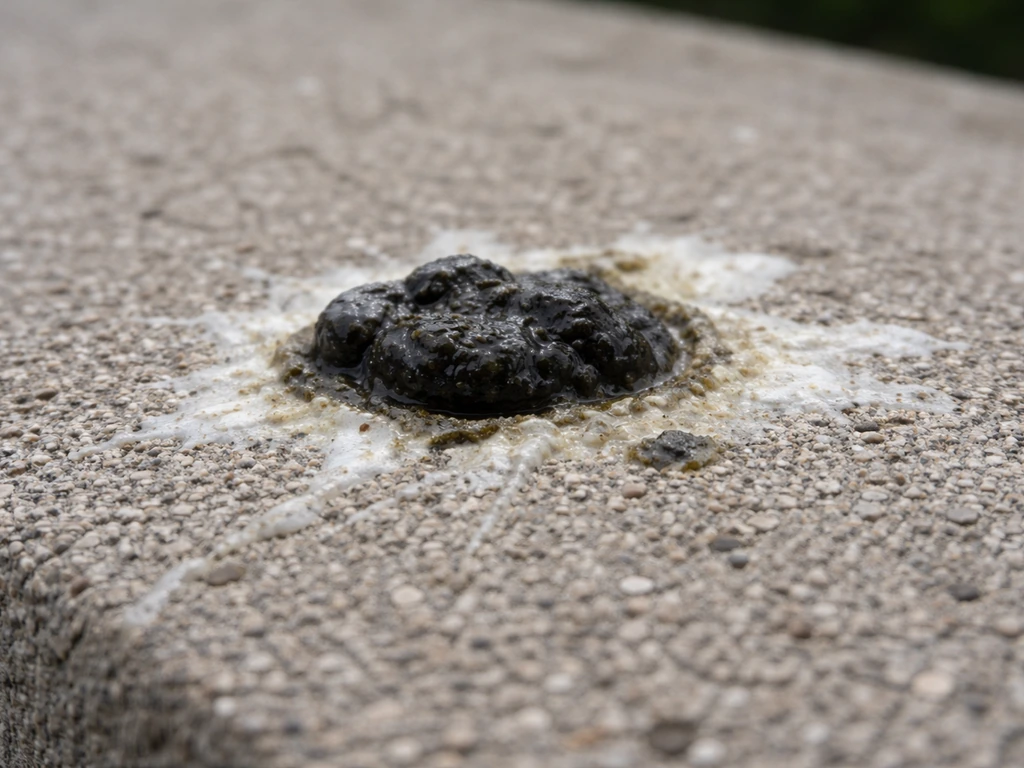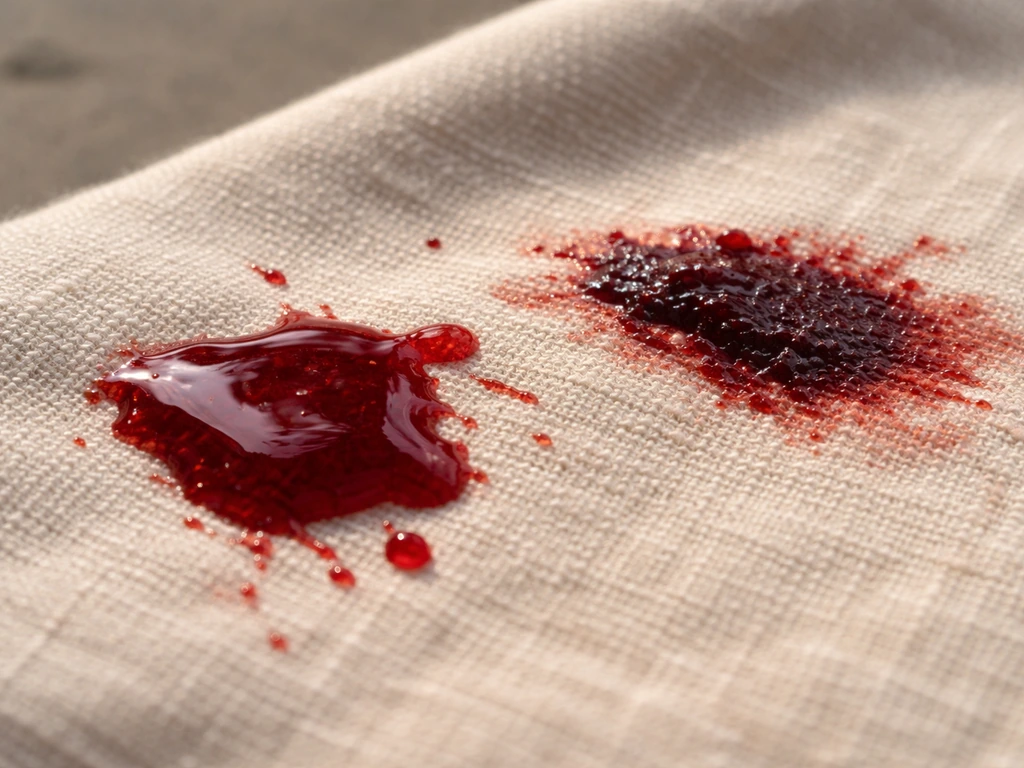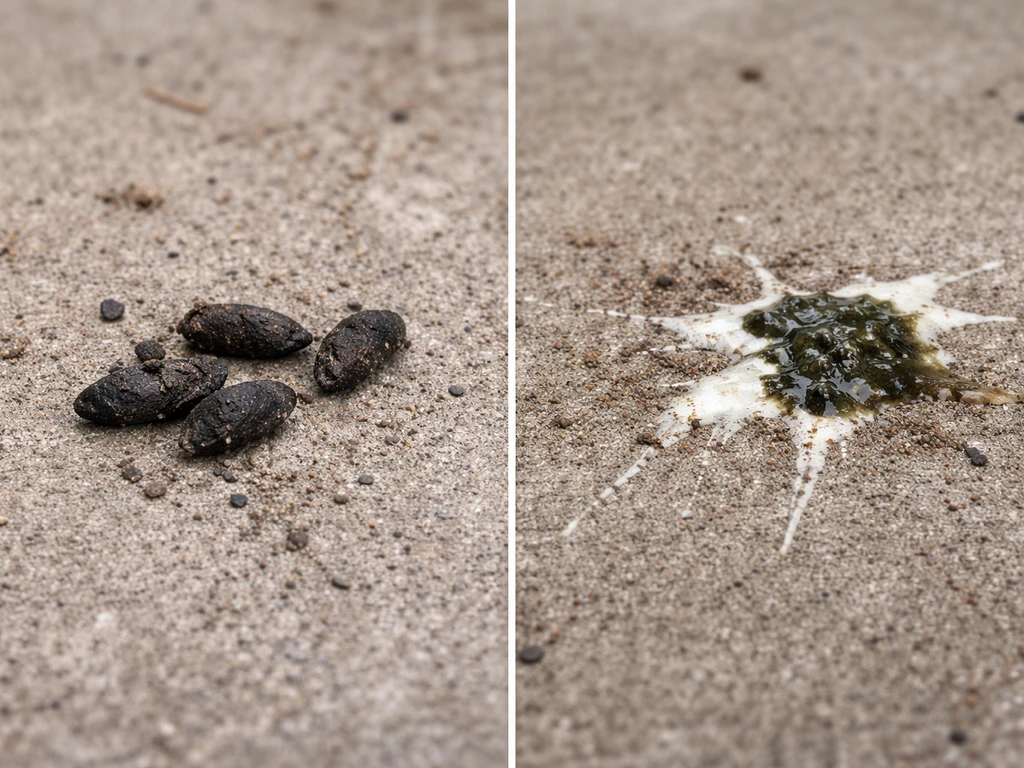
Bird flu doesn't give droppings a signature look you can diagnose at a glance. If you want to know whether something matches bird flu, the key is that you cannot reliably tell by appearance alone what looks like bird poop but isn't. Infected birds can produce droppings that appear completely normal, and normal-looking poop can still carry live H5N1 virus. So if you're staring at a splatter on your car, patio, or backyard and wondering whether it's dangerous, the honest answer is: you can't tell by looking. What you can do is treat any dropping from a wild or sick bird as potentially risky, clean it up safely, and know exactly when to call in backup.
What Does Bird Flu Poop Look Like? What to Do Next

Marcus Fielding
28 May 2026
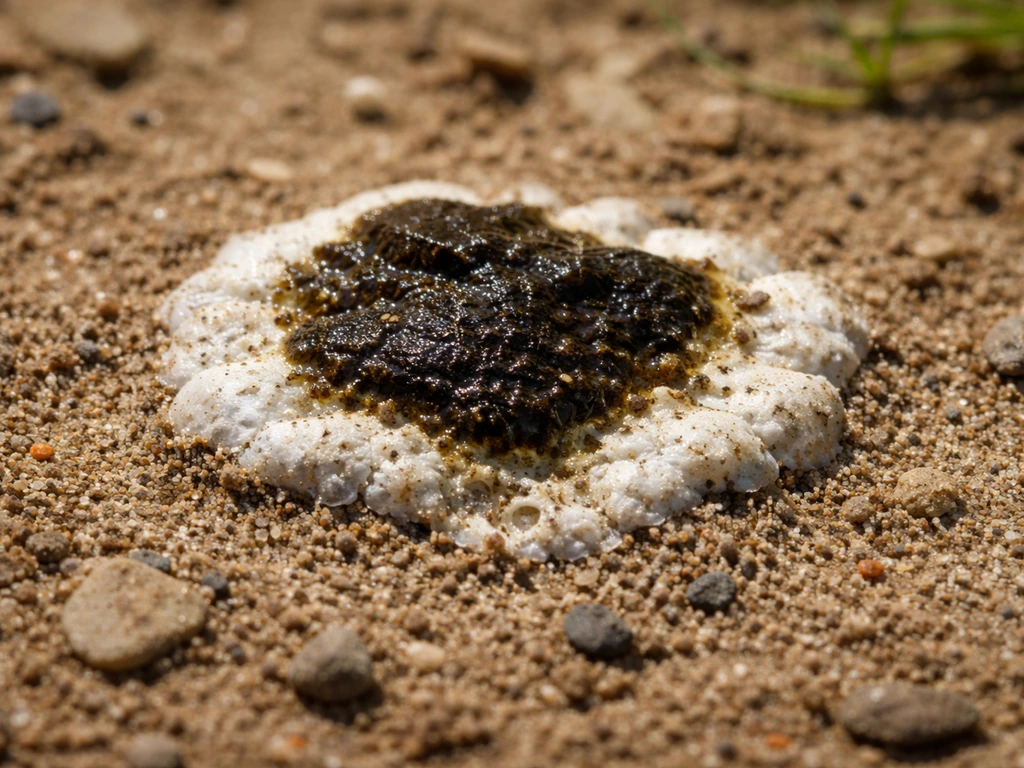
What bird poop normally looks like
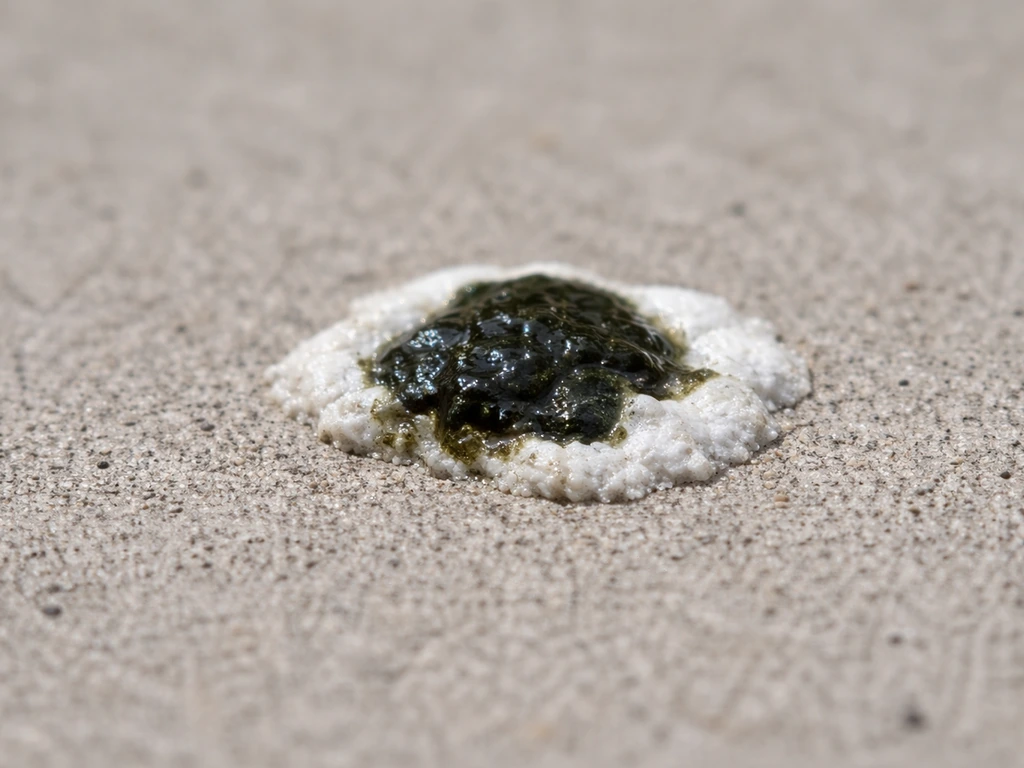
Most bird droppings follow a recognizable pattern: a dark center (the actual fecal matter, usually brown, green, or black depending on diet) surrounded by or mixed with a white to cream-colored chalky ring. That white part is urate, the solid form of uric acid that birds excrete instead of liquid urine. Birds produce three components in one dropping: feces, urates, and a small amount of liquid urine. Healthy droppings are typically firm and well-formed, with a clear separation between the dark and white portions.
Color and texture shift a lot depending on species and diet. A bird that's been eating berries will drop something dark purple or red. One eating mostly seeds produces lighter, drier droppings. Grain-fed poultry tend toward greenish-brown. Waterfowl droppings are often larger, wetter, and more tube-shaped. The sibling topic on what black bird poop looks like goes deeper into species-specific variations if you need to identify what bird left the mess.
How bird flu actually affects droppings (and what you can and can't see)
Here's the frustrating truth that the CDC, USDA, and WHO all agree on: there is no reliable visual standard for what bird flu poop looks like. Bat poop can look very similar to bird poop from healthy birds, so appearance alone is not a reliable way to judge whether it could be risky does bat poop look like bird poop. You might also be wondering what bird blood looks like, but visual appearance alone is never a reliable way to judge risk what bird blood look like. Infected birds can shed H5N1 virus in their droppings before they show any symptoms at all. The feces might look perfectly ordinary. Conversely, a sick bird might produce watery, loose, or discolored droppings, but that can happen with dozens of conditions that have nothing to do with avian influenza.
A bird showing signs of illness (lethargy, neurological symptoms, sudden death) is a stronger red flag than any specific poop appearance. Wild birds, especially waterfowl and shorebirds, can carry and shed HPAI in their droppings while looking perfectly healthy during migratory seasons. This is exactly why the official guidance from every major health authority focuses on exposure precautions rather than visual identification.
If you're also curious how sick bird droppings compare more broadly, the topic on what sick bird poop looks like covers the full range of illness-related changes in more detail, including color shifts, consistency, and what they might indicate.
Red flags that mean: don't touch this, back away
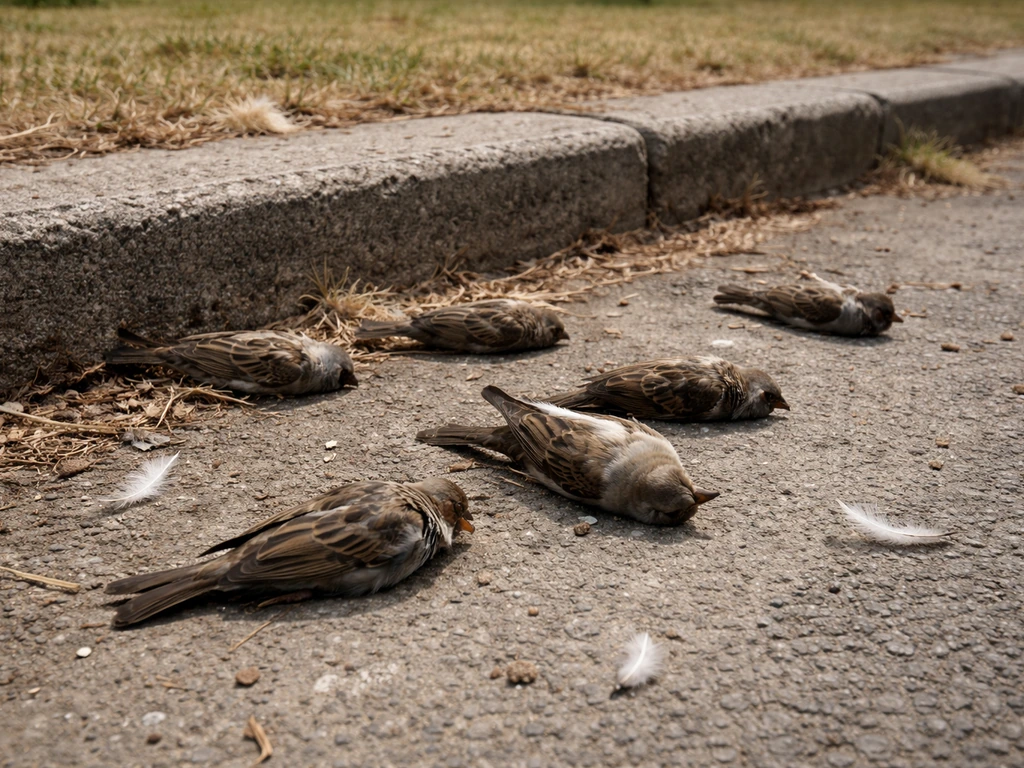
Even if appearance alone isn't diagnostic, there are specific situations that should immediately raise your caution level. Any of these scenarios means you treat the droppings as potentially contaminated and respond accordingly.
- A dead bird is nearby, especially if there are multiple dead birds in the same area within a short time window
- You're near a known HPAI outbreak area reported by your state agriculture department or USDA
- The droppings are fresh and came from a visibly sick or dying bird (stumbling, head tilt, seizure-like movements)
- You've found large accumulations of droppings from wild waterfowl (ducks, geese, swans) near a water source
- You keep backyard chickens, ducks, or other poultry and have found wild bird droppings mixed into your flock's space
- The droppings are in an enclosed or poorly ventilated space where you've been breathing the air
The last point matters a lot. The CDC specifically warns that virus can be inhaled via dust and aerosols, not just through direct skin contact. Droppings that dry out and get disturbed can send virus particles into the air. That's the mechanism that makes enclosed coops, barns, or garages with dried fecal accumulation higher risk than a single fresh splatter on an outdoor surface.
Typical appearance vs. actual warning situations
| Situation | What it looks like | Risk level | Action |
|---|---|---|---|
| Single dropping on car or patio, no sick birds | Dark center, white urate ring, firm | Low | Standard safe cleanup, no special PPE required for healthy people |
| Fresh droppings near a dead or dying wild bird | Any appearance | Elevated | Full PPE, do not disturb, contact local wildlife authority |
| Multiple dead birds in one area | Any appearance | High | Do not approach, call your state vet or USDA APHIS immediately |
| Dried droppings in enclosed coop or barn | Dried, dusty, crumbly, any color | Elevated (inhalation risk) | N95 respirator, goggles, gloves before entering or cleaning |
| Watery or very loose droppings from poultry | Runny, poorly formed, urates blending with liquid | Warrants monitoring | Isolate affected birds, contact your vet or state animal health official |
| Droppings near known outbreak zone (USDA-confirmed) | Any appearance | High regardless of appearance | Treat as contaminated, full PPE, report exposure |
How to clean up suspected bird flu droppings safely
If you're dealing with droppings in a higher-risk situation (near sick or dead birds, in your coop, or in an outbreak area), here's how to handle cleanup without making things worse.
Gear up first
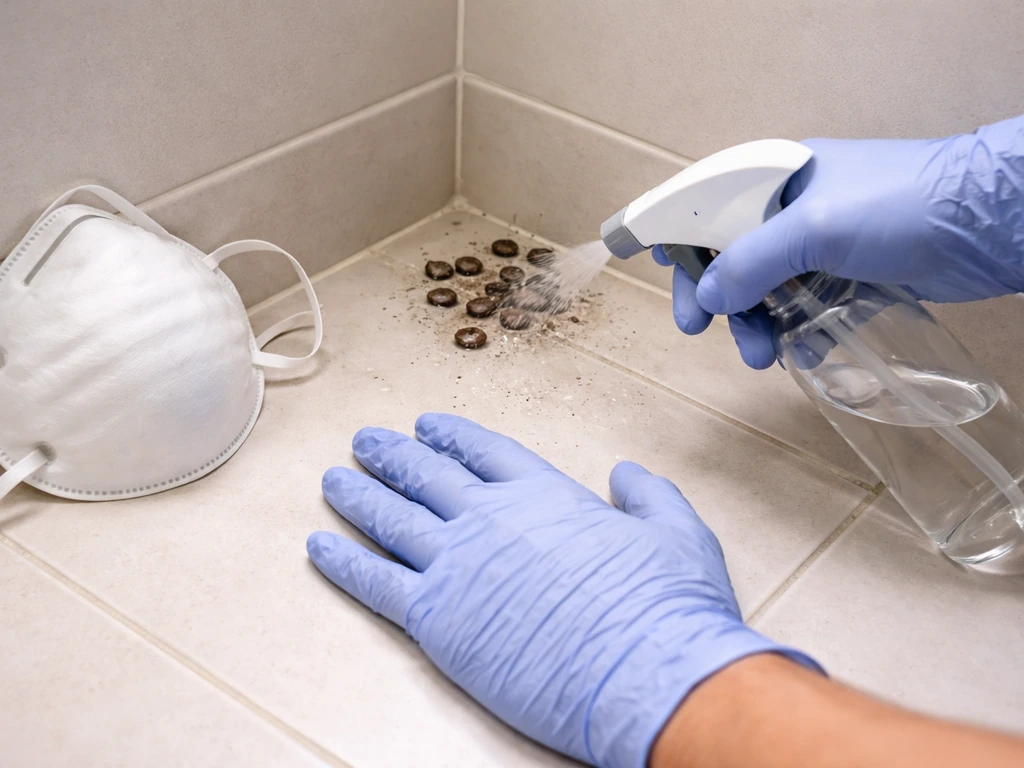
Before you touch anything, put on disposable gloves. If you're in an enclosed space or dealing with dried droppings, add an N95 respirator if you have one, or at minimum a well-fitting face mask. Safety goggles matter here too, because the virus can enter through the eyes. Boots or shoe covers are a good idea if you're working in a coop or heavy contamination area. CDC and USDA guidance for people handling potentially infected material specifically calls out goggles, disposable gloves, and a NIOSH-certified respirator.
Wet it before you move it
Lightly mist the droppings with water or a diluted disinfectant before doing anything else. The USDA APHIS NVAP reference guide stresses that disinfectants only work when they stay wet on surfaces for enough contact time, and it notes other factors that influence disinfection effectiveness Lightly mist the droppings with water or a diluted disinfectant before doing anything else.. This is critical. Dry droppings become dust when disturbed, and disturbing that dust is how you create an inhalation risk. The CDC explicitly recommends avoiding stirring up bird waste, dust, and feathers. Wetting the material first keeps particles from going airborne.
Remove and disinfect
- Wet the dropping with water or diluted disinfectant to prevent dust
- Use a damp paper towel or disposable scraper to lift and bag the material
- Seal it in a plastic bag and dispose of it in an outdoor trash bin
- Apply an EPA-registered disinfectant labeled for Avian Influenza A (EPA List M) to the surface
- Let the disinfectant stay wet on the surface for the full contact time listed on the label — this is not optional, the contact time is what kills the virus
- Wipe or rinse the surface after the contact time has elapsed
- Remove gloves by inverting them as you pull them off, then bag those too
- Wash your hands thoroughly with soap and water for at least 20 seconds
Non-porous surfaces like car paint, sealed concrete, tile, and metal are much easier to disinfect completely. Porous surfaces like untreated wood, soil, and fabric absorb droppings, and virus can persist deeper than surface disinfection reaches. For porous surfaces in high-risk situations, removal of the material is more important than trying to disinfect in place.
What not to do (and where most people go wrong)
- Don't sweep or vacuum dry droppings — this launches virus-containing dust into the air you're breathing
- Don't use a leaf blower anywhere near droppings for the same reason
- Don't wipe surfaces dry without a disinfectant — just moving the material around doesn't inactivate the virus
- Don't touch your face, eyes, nose, or mouth while handling droppings or during cleanup, even with gloves on
- Don't assume droppings are safe because they look normal — H5N1 shedding happens without visual change
- Don't skip the disinfectant contact time — a quick wipe doesn't count, the surface needs to stay wet for the duration listed on the product label
- Don't handle dead birds with bare hands — if you must move a carcass, double-bag it using gloves and call your local animal control or state vet for guidance on disposal
When to call in the professionals
Some situations are beyond backyard cleanup and need a phone call. Contact your state veterinarian, USDA APHIS Wildlife Services, or your local animal control office if you encounter any of the following:
- Multiple dead wild birds (especially waterfowl, raptors, or corvids) in the same area within a short period
- Dead or sick birds on or near your property and you have backyard poultry
- Any sudden unexplained die-off in your own flock — even one or two birds
- You've already had significant exposure (touched birds or droppings without PPE) and you're in or near a known outbreak area
- Large accumulations of droppings in enclosed spaces that require professional-level cleaning and disinfection
- You're a farmworker or poultry industry worker with occupational exposure — your employer and state health department should both be notified
In the U.S., USDA APHIS has a national reporting line for suspected HPAI in birds (1-866-536-7593). Your state agriculture department will also have a state veterinarian or animal health official you can reach directly. Don't wait if the situation involves a die-off or confirmed outbreak proximity. These are the people with the right lab access to actually confirm whether HPAI is present.
If you were exposed: what to watch for and when to get help
If you handled droppings, a sick bird, or spent time in a contaminated space without full PPE, start monitoring your health from that day. According to the CDC, you should watch for symptoms from day zero of the exposure through 10 days after your last exposure. That's your monitoring window.
The symptoms to watch for include fever or chills, cough, sore throat, difficulty breathing, and eye redness, tearing, or irritation (conjunctivitis). Eye symptoms have actually been the most common presentation in recent U.S. human H5N1 cases, so don't dismiss red or watering eyes as allergies if you've had a relevant exposure. Less common symptoms include diarrhea, nausea, and vomiting.
If any of those symptoms appear during your monitoring window, don't just wait it out. Call your doctor or your local or state health department and tell them specifically that you had a potential bird flu exposure. The CDC and WHO both emphasize seeking prompt medical evaluation so that influenza testing and, if needed, antiviral treatment can happen quickly. Antivirals like oseltamivir work best when started early. When you call, lead with the exposure history so the clinician knows to take it seriously.
Even if you feel fine, limiting close contact with other people during your monitoring window is a reasonable precaution, especially if you're in an area with confirmed HPAI activity. Practice good hand hygiene, avoid touching your face, and wash hands after any further contact with birds or their environments. If you do need to go back into the affected space before it's fully cleaned, gear up every single time.
FAQ
Can I tell if bird flu is present by how the droppings look, like white chalky rings or watery splatters?
No. There is no dependable “look” that confirms bird flu in droppings, and normal-looking poop can still contain live H5N1. Treat the mess as potentially risky and follow safe cleanup steps, especially if the droppings came from wild birds, a sick bird, or an outbreak area.
Does the white chalky ring on bird droppings mean it’s bird flu?
The chalky white part is urates, which is common in many bird droppings and does not mean bird flu. Bird flu risk is based on exposure and contaminated-environment precautions, not whether you see a particular dark-to-white pattern.
Why do bird droppings look different colors, and does that help identify bird flu?
Color and shape vary by species and diet, so those clues are not enough to judge risk. For example, berry eaters can produce dark red or purple droppings, while seed eaters can look lighter and drier, and none of these reliably indicate H5N1.
Is dried bird poop more dangerous than fresh droppings?
Yes. If droppings dry out or get disturbed, dried fecal dust and particles can be inhaled, which is why cleanup guidance focuses on keeping the waste wet and not sweeping or power-washing. A fresh outdoor splatter is generally less risky than an area with dried buildup in an enclosed space.
What should I avoid doing when cleaning up bird droppings?
If you can avoid it, do not pressure wash or dry-sweep. Those actions aerosolize particles and increase inhalation risk. Instead, lightly mist to keep material from becoming dust, then remove and disinfect or remove porous material as recommended.
If the droppings are watery or discolored, does that mean it’s H5N1?
Not necessarily. Many common illnesses and other conditions can change droppings, so watery or discolored droppings alone do not prove avian influenza. A stronger red flag is a bird that is acting ill, shows neurological signs, or has sudden death, plus proximity to outbreaks.
I touched droppings with gloves but no mask, what symptom-monitoring window should I follow?
If you were in a situation that counts as exposure and did not use appropriate PPE, start symptom monitoring from the day of exposure through 10 days after your last exposure. If symptoms appear in that window, contact a clinician promptly and mention the bird flu exposure so testing and treatment can be considered quickly.
Are red or tearing eyes a reason to get checked after possible bird flu exposure?
Eye symptoms can be a key sign after relevant exposure, so red or watery eyes should not be automatically dismissed as allergies if you had contact with birds or contaminated areas. Seek medical evaluation if symptoms occur during your monitoring window.
I didn’t touch the droppings, but I cleaned up dust, should I still monitor for symptoms?
If you inhaled dust from disturbed droppings, you may still be within the risk and monitoring window even without skin contact. The safer move is to start monitoring from the exposure day, and if symptoms develop, call a healthcare provider and specifically describe the inhalation or cleanup context.
Can I just disinfect everything, or do porous surfaces need different handling?
For porous materials like untreated wood, soil, or fabric, disinfection may not reach virus trapped below the surface. In higher-risk situations, removing the contaminated porous material is often more effective than trying to treat it in place.
When should I report suspected bird flu instead of cleaning up myself?
A report to the state veterinarian or animal health authority is especially important if there is a die-off, a suspected HPAI outbreak nearby, or sick or dead birds clustered in an area. They can coordinate lab testing and give location-specific instructions that go beyond general cleanup.
If I have to go back to the coop or backyard before it’s fully cleaned, what’s the safest routine?
Use PPE every time you return to the area before it is fully cleaned, not just for the first visit. Also avoid tracking contamination indoors by changing footwear or using shoe covers, and sanitize hands after handling anything from the site.
What if my pet got into bird droppings, do I still need to take precautions?
If a dog or cat gets droppings on their fur or paw, prevent them from licking it and keep them away from people until you clean up. Treat their fur and paws as contaminated surfaces, and follow the same wet-first, do-not-aerosolize approach for cleanup; if the pet seems ill after an exposure, contact a veterinarian and mention the bird exposure.