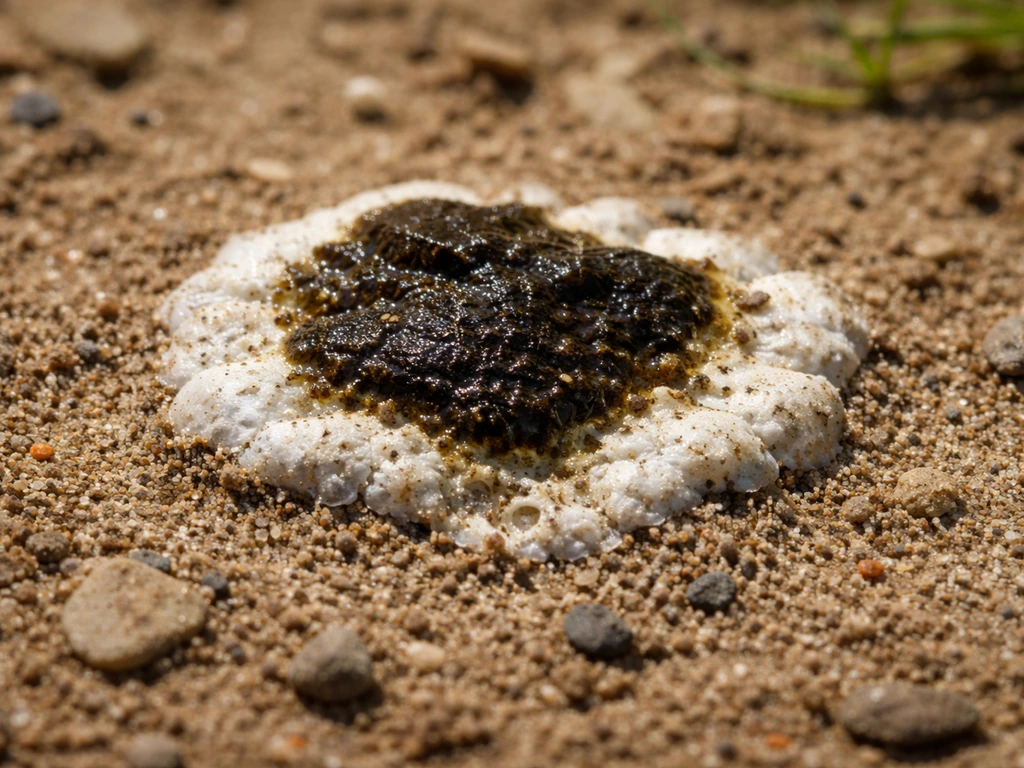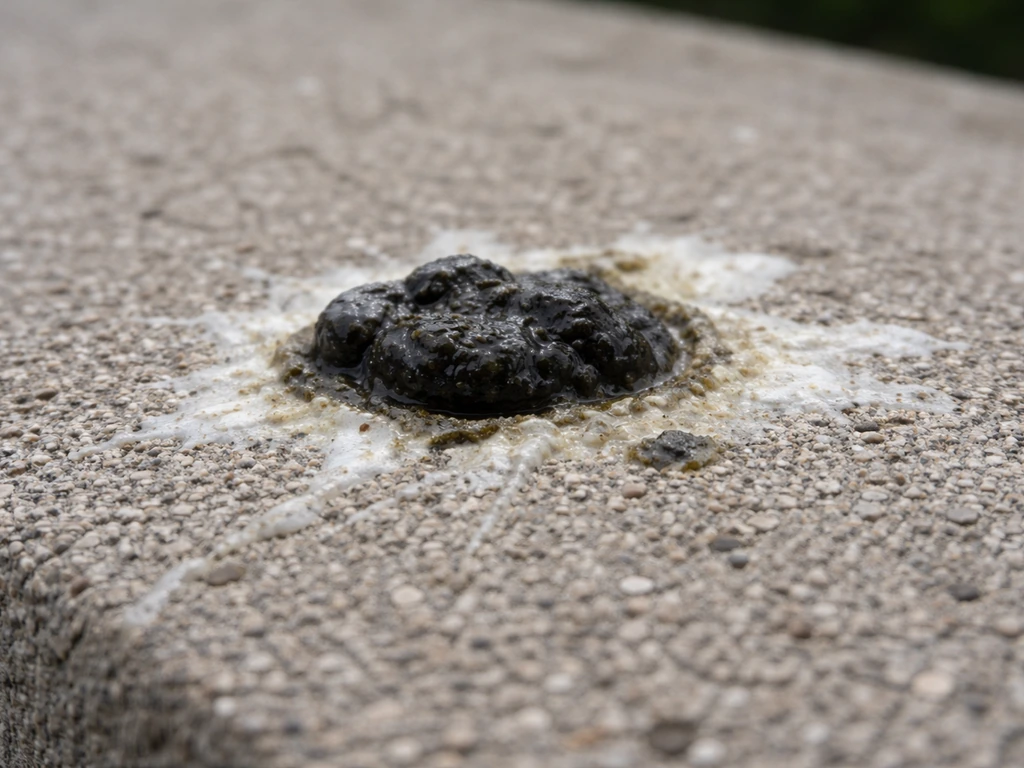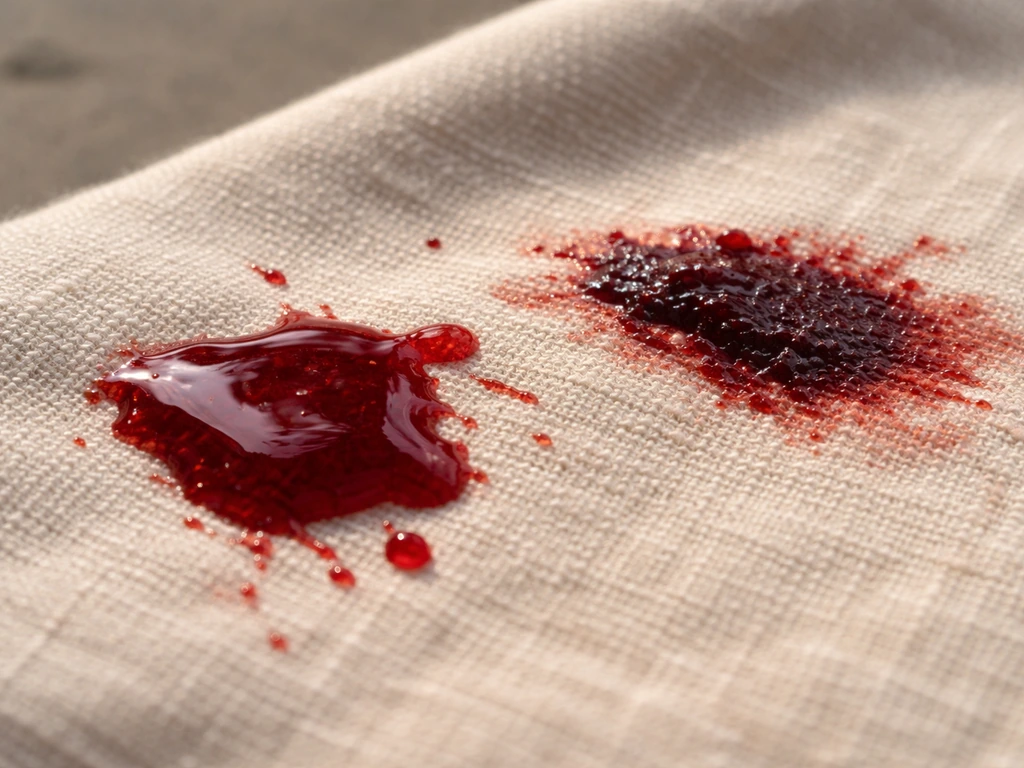
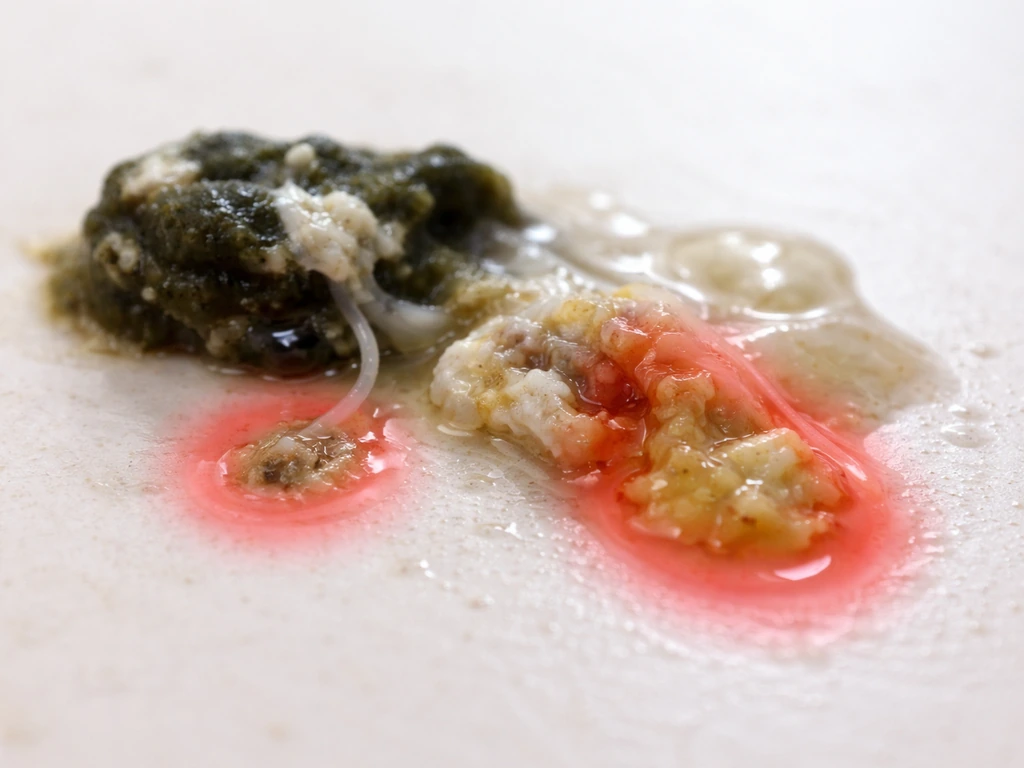
Healthy bird droppings have three distinct parts: a formed, greenish-to-brown fecal blob, a chalky white or beige urate portion, and a small amount of clear watery urine. When a bird is sick, one or more of those components shifts in a way that's hard to miss once you know what you're looking for. Think very runny or 'pea soup' consistency, lime-green or jet-black color, bright red streaks, foamy texture, or a dropping that's almost entirely liquid with barely any solid fecal component. None of those things are a diagnosis on their own, but they are real red flags worth acting on.
What Does Sick Bird Poop Look Like? Red Flags and What to Do

Marcus Fielding
9 Jun 2026
What normal bird droppings actually look like
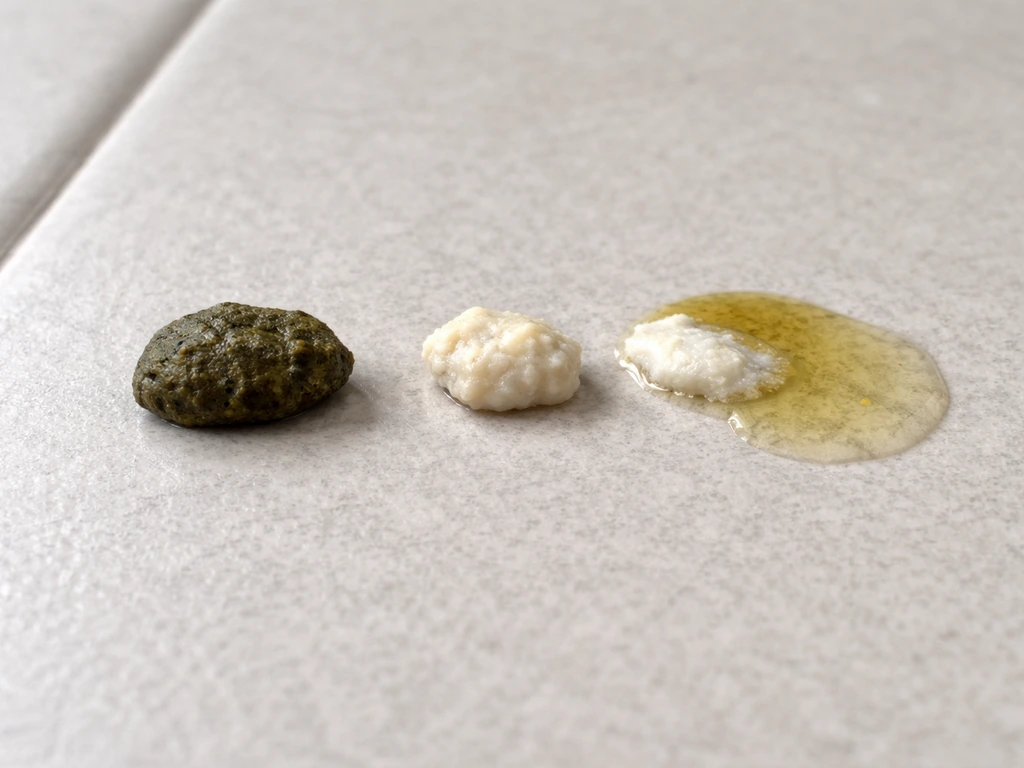
Before you can spot abnormal, you need a clear mental picture of normal. A healthy dropping is essentially a rounded pile made up of three components sitting together. The fecal part (the actual waste from digestion) is usually formed and solid enough to hold its shape, ranging in color from green to brown depending on diet. The urate part is white or beige, chalky, and insoluble. Then there's a small pool of clear, watery urine surrounding or mixed with the other two. If you've ever seen a bird dropping on your car and thought it had a white outer ring and a darker center, that's exactly what you were looking at.
One important caveat: what counts as 'normal' shifts with what the bird has been eating and drinking, and even its stress level. A bird that's been eating a lot of berries might have purplish droppings. One that's been drinking a lot of water may produce wetter-than-usual drops. This is why vets and avian care guides recommend learning your individual bird's normal baseline rather than chasing a single universal standard.
Normal vs abnormal: a quick visual guide
| Feature | Normal | Potentially Abnormal |
|---|---|---|
| Fecal color | Green, olive, or brown | Jet black, bright red, vivid lime-green, or tarry |
| Fecal consistency | Formed, holds shape | Pea soup runny, liquid, foamy, or mucus-like |
| Urate color | White or off-white/beige | Yellow, green, or red-tinged |
| Urine | Small amount, clear | Large watery pool overwhelming the dropping (polyuria) |
| Overall appearance | Compact three-part structure | All liquid, blood streaks, visible foam, or foul odor |
| Frequency/volume | Consistent with bird's normal | Sudden increase or drastic decrease |
Common 'sick bird' poop patterns and what they may indicate
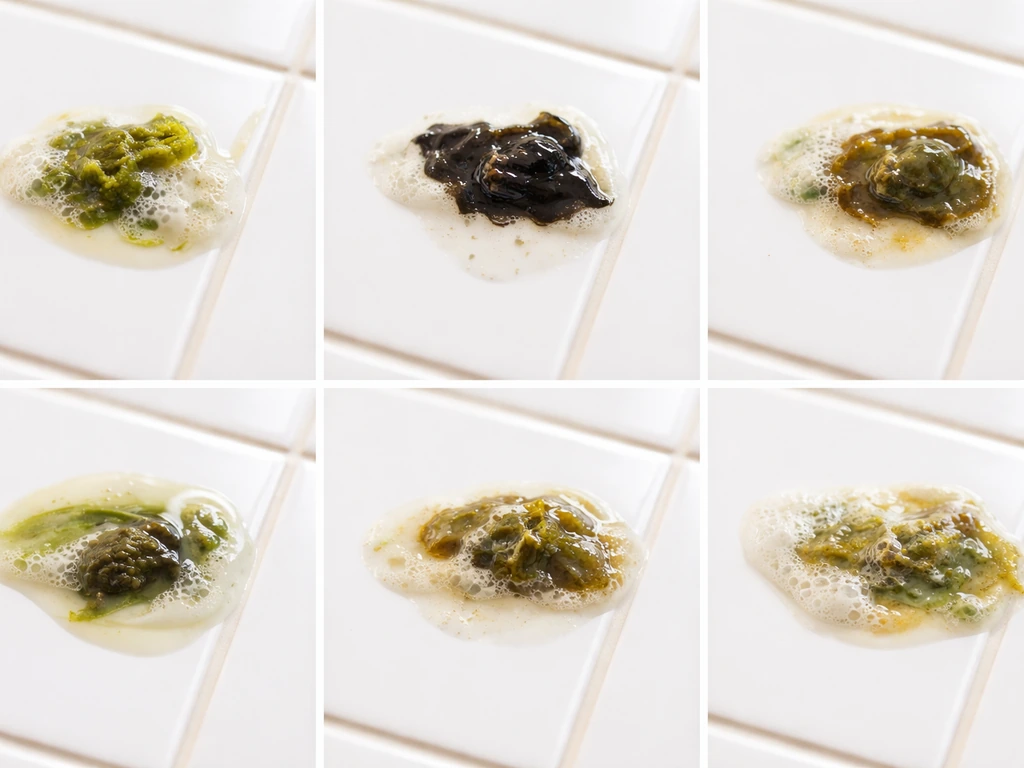
A few specific patterns come up repeatedly in avian medicine, and they're worth knowing because each points in a different direction.
Lime-green or bright yellow-green droppings
Vivid lime-green droppings (not the normal olive-green of a plant-eating bird) are associated with chlamydiosis, more commonly known as parrot fever or psittacosis. This is a bacterial infection that matters for human health too, since it can spread to people through contaminated droppings. If you're seeing lime-green poop in a pet bird alongside lethargy or nasal discharge, that's a vet call, not a wait-and-see situation.
Black, tarry, or very dark droppings
A very dark green-black or tarry black stool is a classic sign of melena, which means digested blood from somewhere in the upper gastrointestinal tract. If you want a darker comparison point, see what black bird poop looks like and how it differs from tarry droppings like melena. It's the bird equivalent of what doctors call a 'coffee-ground' presentation in humans. Bright red in the dropping is different and suggests fresh blood from the lower GI tract or from the vent area itself. Red or black changes that can suggest blood are discussed in detail in the section on what bird blood looks like. Both are serious and both warrant a vet call. Heavy-metal toxicosis, particularly lead poisoning, can cause red or black droppings due to blood appearing in the urine or stool and is a genuine emergency.
Pea-soup or very watery fecal component
There's a common mix-up here that's worth addressing. If you want help figuring out what looks like bird poop but isn’t, start by comparing color, texture, and how “three-part” the dropping seems. A dropping that looks mostly like liquid is not automatically diarrhea. Sometimes what you're seeing is a normal fecal blob surrounded by a large pool of urine (polyuria), which can happen with high water intake or kidney issues. True diarrhea is when the fecal component itself is unformed and runny, sometimes described as 'pea soup' consistency. The distinction matters because they suggest different problems. Diarrhea points toward gut issues, infection, or parasites. Polyuria points more toward kidney problems, diabetes-like conditions, or even just stress.
Foamy or mucus-streaked droppings
Foam or visible mucus mixed into a dropping is abnormal in any context. It can indicate gut fermentation, infection, or inflammation. If you're finding this in a wild bird in your yard, or in a pet bird's cage, it warrants concern, especially if it persists beyond 24 hours.
Color, texture, and liquid changes: a closer look
Changes in the urate component are often overlooked but can be informative. Healthy urates are white to beige and chalky. If they turn yellow or green, that may indicate liver disease. If they're red-tinged, that's blood mixing into the uric acid, which is a serious flag. Meanwhile, a dramatic shift in the overall volume of urine in a dropping, suddenly much more watery than usual, can indicate the bird is drinking excessively or has kidney involvement.
Texture matters as much as color. A dropping that's uncharacteristically slimy or that smells noticeably different (healthy bird droppings don't have a strong odor) is telling you something is off in the digestive tract. With wild birds, you're unlikely to have a baseline to compare against, so the rule of thumb is: if it looks dramatically different from what you'd expect based on the normal three-part picture above, take it seriously.
Poop is just one clue: look at the whole bird
Droppings are a useful early warning system, but they rarely tell the whole story. A bird that's genuinely ill typically shows more than just unusual droppings. Fluffed-up feathers are one of the clearest signs, because birds fluff to conserve heat when they have a fever or chills. A bird sitting on the floor of its cage rather than on its perch, open-mouth breathing or tail-bobbing with each breath, discharge from the eyes or nares, sudden loss of appetite, or visible weakness are all signs that droppings changes are part of something bigger.
For wild birds, if you find one sitting still on the ground and not attempting to flee when you approach, that alone is a red flag regardless of what its droppings look like. Birds are prey animals and are wired to hide illness as long as possible. By the time they're visibly unwell and sitting exposed, the situation is often urgent.
- Fluffed or puffed feathers, especially if sustained
- Perching on the cage floor or sitting motionless on the ground outdoors
- Open-mouth breathing, tail-bobbing, or audible breathing sounds
- Discharge from eyes, nostrils, or beak
- Not eating or drinking for more than a few hours
- Regurgitation, head shaking, or balance problems
- Seizures or sudden weakness (possible toxin/heavy metal exposure)
Any combination of these signs alongside abnormal droppings means you don't wait 24 hours. You act now. Abnormal droppings alone, with an otherwise alert and active bird, give you a bit more time but still warrant monitoring and a vet call if things don't normalize quickly.
Health risks for people and pets
Bird droppings from sick birds carry real but manageable risks. The most documented concern for pet bird owners is psittacosis (parrot fever, caused by Chlamydia psittaci), which spreads primarily by breathing in dried, aerosolized droppings or respiratory secretions from infected birds. This is exactly why how you clean matters as much as whether you clean. Avian influenza is the other concern that gets a lot of attention, and the CDC recommends avoiding direct contact with droppings from wild birds with suspected or confirmed bird flu entirely. Bird flu can also affect droppings, so unusual changes should be treated as a possible warning sign and reported to public health guidance.
For dogs and cats, the risk is primarily from sniffing, licking, or eating droppings, so if you have a dog who treats the yard like a buffet, this is worth keeping in mind during any period where sick or dead wild birds are being reported in your area. Histoplasmosis, a fungal infection from older accumulated droppings, is also worth knowing about if you're dealing with a large roosting site rather than a single dropping. That's less of an acute 'sick bird' concern and more of a long-term accumulation issue.
How to safely clean up bird droppings
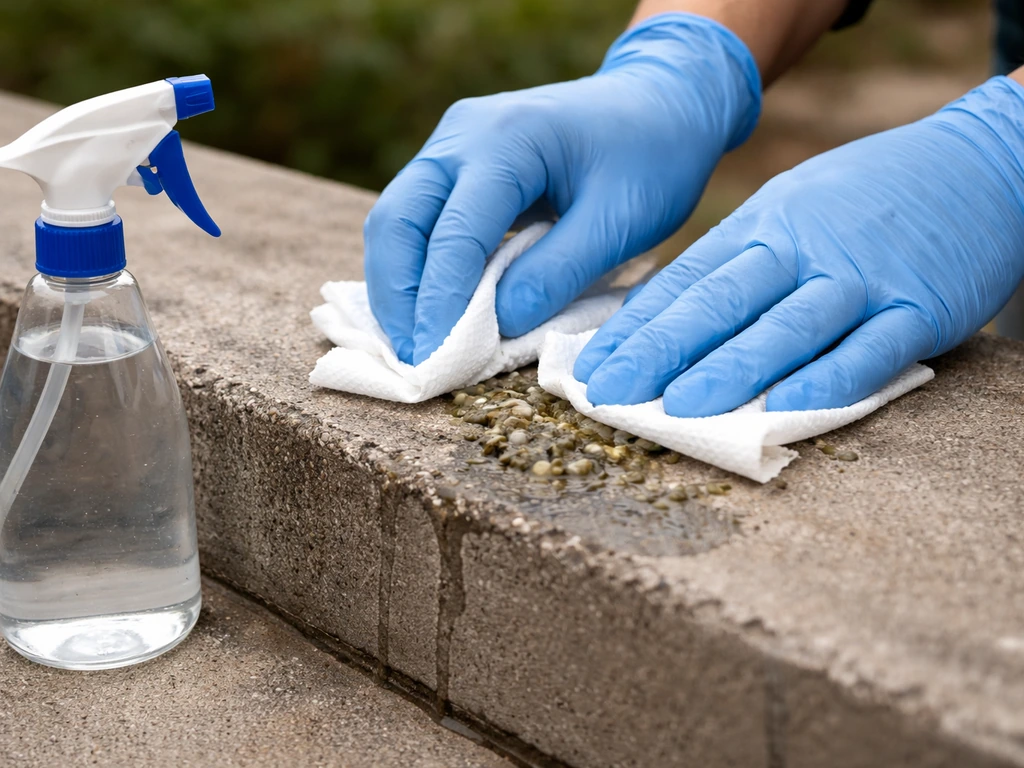
The single most important rule: never dry-sweep or vacuum bird droppings without wetting them first. The CDC advises not to stir up dust while cleaning and to avoid touching sick or dead birds and contaminated materials without appropriate PPE, since this can help prevent the virus from spreading through the air never dry-sweep or vacuum bird droppings without wetting them first. Dry cleaning creates dust and aerosolizes particles directly into the air you're breathing. The CDC and multiple public health agencies are consistent on this. Wet the dropping first, then clean.
- Put on gloves (disposable nitrile or similar) and if you're dealing with a sick bird's droppings or any large accumulation, add an N95 respirator.
- Wet the droppings thoroughly with water or a diluted disinfectant solution before touching anything. This prevents particles from becoming airborne.
- Use paper towels or disposable cloths to collect the wet material. Do not use a dry broom.
- Bag the waste in a sealed plastic bag. Double-bag if you're dealing with a sick bird's droppings or a significant volume.
- Clean the area with an appropriate disinfectant. A 10% bleach solution works for hard surfaces. Make sure the surface stays visibly wet for the contact time listed on the product label.
- Remove gloves carefully (inside out, don't touch the outer surface) and wash your hands thoroughly with soap and water immediately after.
- Wash any clothing that had contact with droppings separately from other laundry.
Avoid touching your face during the entire process. Don't eat, drink, or smoke while cleaning. If you're cleaning a bird cage or perches, the CDC recommends cleaning and disinfecting the cage and all food and water bowls, ideally daily for sick birds. CDC’s psittacosis compendium also advises PPE, including gloves and a respirator (N95 or higher), plus wetting methods to help prevent aerosolization when cleaning cages or handling infected pet birds CDC recommends cleaning and disinfecting the cage and all food and water bowls. For cage items you want to reuse, a 10% bleach solution followed by thorough rinsing works well for non-porous surfaces.
When to call a wildlife professional or vet
For a pet bird: if the droppings haven't returned to normal within 24 hours, or if they're getting worse rather than better, call an avian vet. Don't wait for the full 24 hours if the bird is also visibly unwell, has blood in its droppings, is showing neurological signs like seizures or falling off the perch, or has stopped eating entirely. Those are same-day calls.
For a wild bird: if you find a bird that can't fly, is sitting on the ground and unresponsive, or appears injured alongside abnormal droppings, contact a licensed wildlife rehabilitator rather than trying to handle or treat the bird yourself. Most areas have a local wildlife rescue that can advise you by phone first. Do not offer food or water until you've spoken to someone qualified, as the wrong food or a drowning risk from a water dish can make things worse.
If multiple birds in the same location are showing signs of illness at the same time, or if you're finding multiple dead birds, that's an escalation worth reporting to your state or local wildlife or agriculture agency. Cluster events can be early indicators of disease outbreaks, and the relevant authorities want to know.
- Abnormal droppings lasting more than 24 hours in a pet bird
- Blood (bright red or dark tarry) in the dropping
- Bird showing neurological signs: seizures, falling, loss of balance
- Bird not eating or drinking for more than a few hours
- A wild bird that doesn't flee when approached
- Multiple birds affected in the same area or the same flock
- Multiple dead birds found in a short period
The 'good luck' superstition: fun, but not a safety pass
Getting hit by bird poop is considered good luck in many cultures, and honestly, it's a charming way to reframe an unpleasant experience. If it gets you through a bad day, great. But the superstition doesn't change the biology. A dropping from a sick bird landing on your skin, in your eye, or near your mouth is a genuine exposure event, not a blessing. The pathogens that cause psittacosis or avian influenza don't check your horoscope before they replicate.
The practical takeaway is simple: enjoy the folklore, but wash your hands, clean the surface, and don't let superstition talk you out of basic hygiene. If a bird droppings strikes you on the street, wipe it off without touching your face, and wash up as soon as you can. If it lands on food, don't eat the food. That's not fear-mongering, that's just sensible. The luck, if it exists, presumably doesn't require you to skip the handwashing.
It's also worth noting that the 'good luck' framing sometimes makes people dismiss bird droppings as harmless across the board. The reality is more nuanced: a single dropping from a healthy bird on a sidewalk is a very low-risk event. A concentrated accumulation of droppings from a sick flock, or the droppings of a bird known to be infected with something transmissible, is a different matter entirely. Context always matters. Does bat poop look like bird poop? In general, it can look similar, but bats often leave different shapes and messes depending on what they ate and how fresh it is.
FAQ
If the poop looks watery, is it always diarrhea from illness?
Sometimes it is, but not automatically. If you see a normal-looking formed fecal blob plus a big surrounding pool of clear watery liquid, that can be polyuria (more urine) rather than true diarrhea (unformed, runny fecal component). If the fecal part itself becomes soft and unformed repeatedly, that leans more toward diarrhea and needs a faster vet call.
What do yellow or green urates mean in a sick bird’s droppings?
Yellow or green urates are different from white or beige chalky urates. That color shift can point toward liver stress or disease, so yellow-green urates are a “pay attention” sign even if the fecal blob still looks roughly formed. Red-tinged urates, mixed with droppings, are more urgent because that suggests blood in the uric acid.
How long should I watch an abnormal dropping before contacting a vet?
In pet birds, an isolated abnormal dropping can happen from diet changes, stress, or temporary hydration shifts, especially if the bird is otherwise bright, eating, and perching normally. The key decision aid is duration and trend: if abnormal droppings persist beyond 24 hours or worsen, treat it as illness rather than “a one-off.”
Are all green droppings signs of sickness?
“Green” alone is not necessarily abnormal. What matters is a mismatch with the bird’s usual baseline, and severity cues like lime-green, jet-black, foamy texture, or a dropping that is almost all liquid. A plant-eater may have olive-green droppings normally, so compare against what you typically see from your specific bird.
How can I tell if a red streak is blood versus diet staining?
Bright red streaks can be fresh blood, but the most common confusion is mistaking food color, spice, or substrate staining for blood. Blood usually appears as red streaking within or mixed through the dropping, not as uniform coloring on the surface only. If you cannot tell, assume it is abnormal and contact an avian vet, especially if it repeats.
Can a bird be sick even if the poop looks mostly normal?
Yes. A bird can look “mostly normal” in the dropping while still needing care if you see systemic signs such as fluffed feathers, open-mouth breathing, tail bobbing, discharge from nares or eyes, weakness, or a sudden stop in appetite. Droppings are an early warning, but they are not the only signal.
What if I see foam or mucus in droppings only once?
Foam or mucus suggests inflammation or infection, but the urgency depends on persistence. If foam or mucus appears and continues past a day, or comes with lethargy, breathing effort, or appetite changes, that is a stronger “same-day or urgent call” situation than a single fleeting abnormality.
What’s the safest way to clean up after finding sick-looking droppings in my bird’s cage?
If droppings look unusual, keep cleaning wet (do not dry-sweep or vacuum) and ventilate the area. For a pet bird, remove and replace paper liners or perches safely, then disinfect non-porous items with an appropriate bleach dilution followed by thorough rinsing. If you have to handle bedding, use gloves and avoid aerosolizing dried material.
What should I do if I find a wild bird with abnormal droppings but it is acting injured?
Contact a wildlife rehabilitator promptly if a wild bird is on the ground, cannot fly, is unresponsive, or does not attempt to flee. Do not try to force food or water, because incorrect diet can worsen gut issues and water dishes can create a drowning risk for stressed or weakened birds.
Does one weird dropping mean I should ignore a possible outbreak?
Yes, and it changes what you should do next. If you notice multiple birds sick in the same area, or several dead birds reported close together, escalate by contacting the appropriate local wildlife or agriculture authority. Cluster events can indicate a larger outbreak, not just a single isolated case.
What should I do if bird droppings land on my skin, face, or food?
If you have an exposure, treat it like a real contamination event: wipe off from skin, avoid touching your face, and wash hands thoroughly. If it gets into your eye or mouth, rinse and seek medical guidance promptly. For food contact, discard the contaminated food rather than “washing and eating later.”
Could this be bat guano instead of bird poop, and how do I tell?
Bats can leave droppings that look similar in color, but freshness and shape often differ. Also, the location context matters: bat guano is typically found under roosting areas like attics or caves, while “bird-like” droppings around windows and perches may come from birds. If you are unsure, treat it as potentially hazardous and avoid dry cleaning.