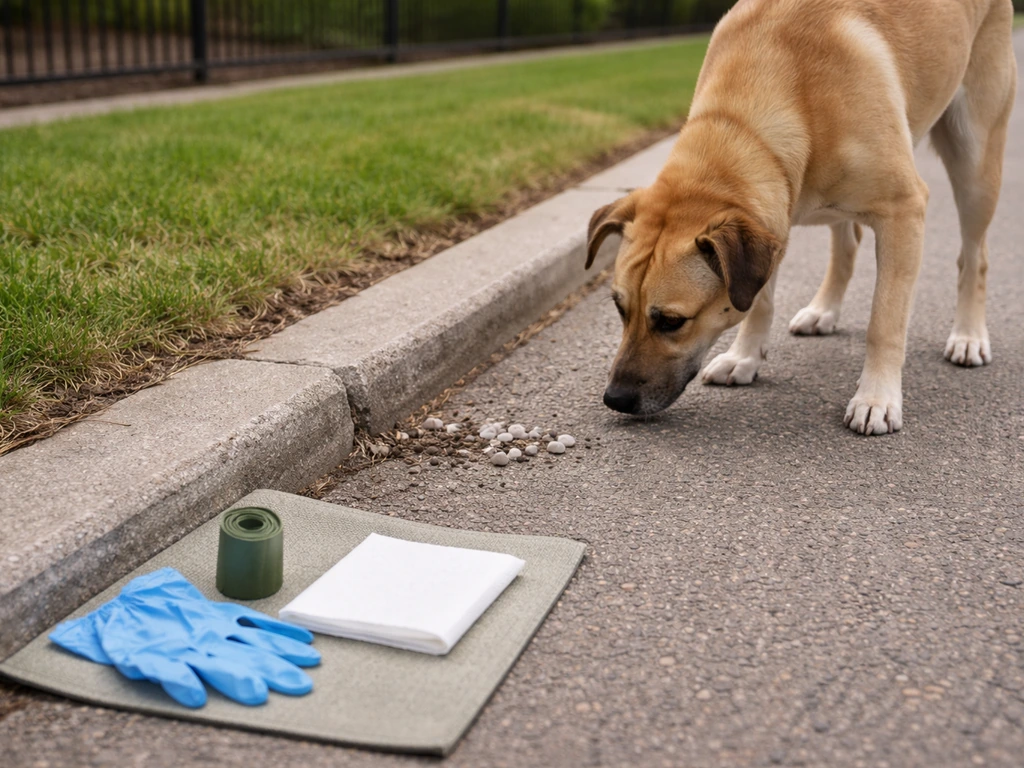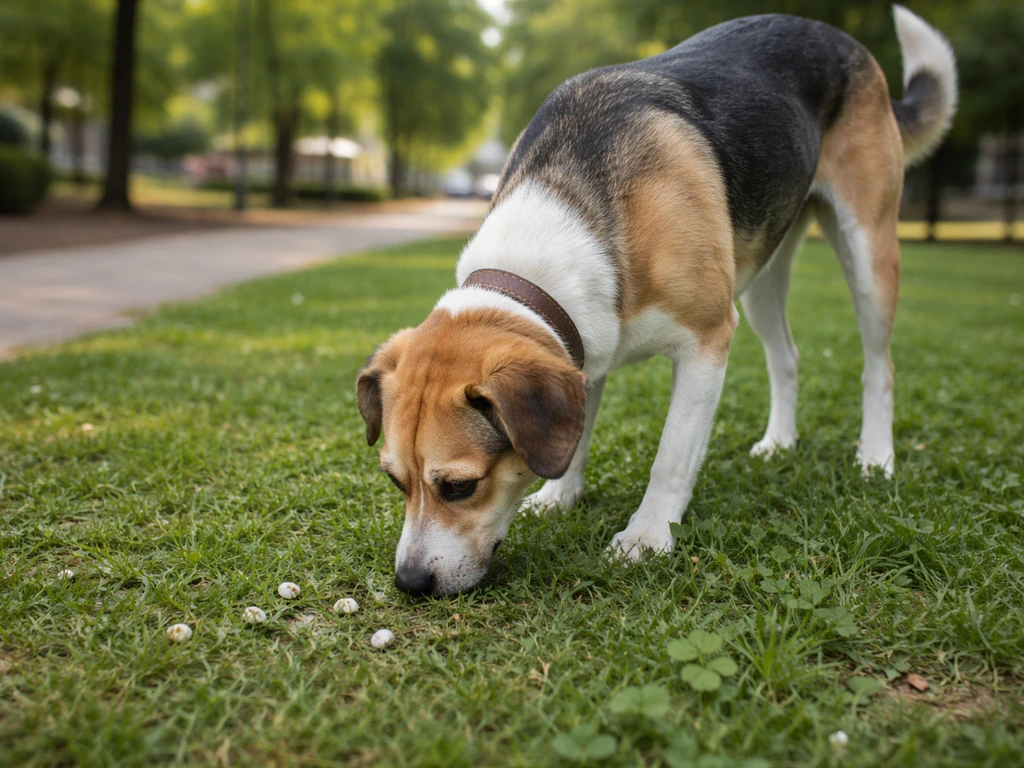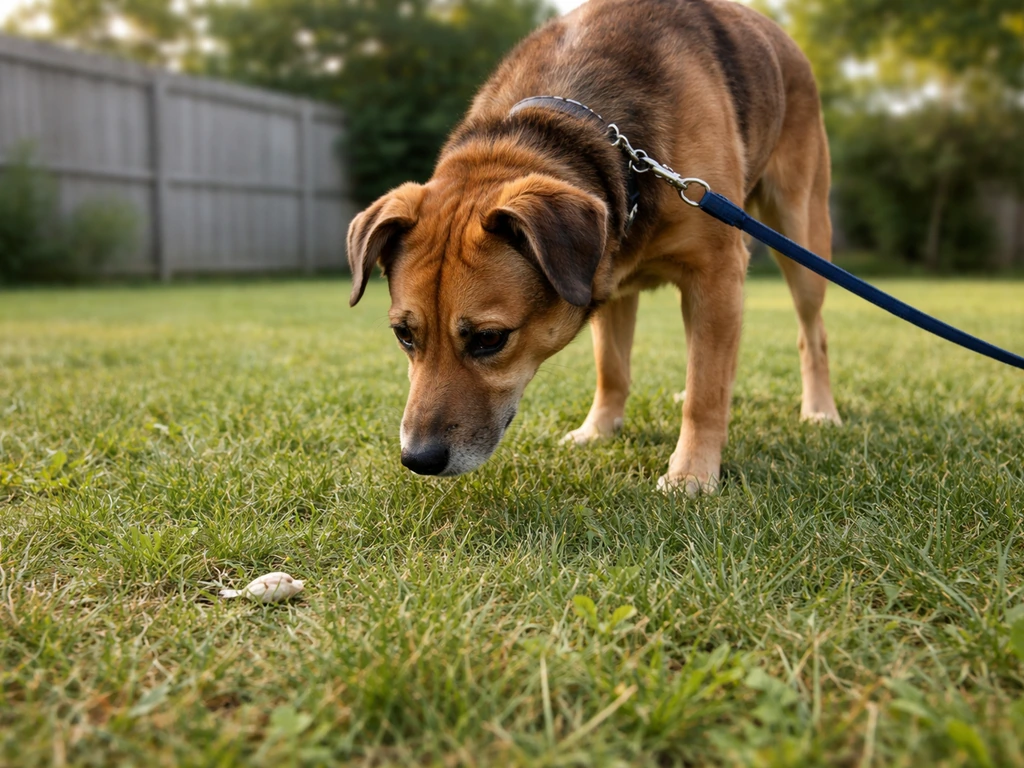
Dogs can technically eat bird poop and often do, but it's not safe and you shouldn't let it slide. Bird droppings can carry bacteria, parasites, and viruses that are genuinely harmful to dogs, and the risk is real enough that any ingestion deserves a watchful eye at minimum and a vet call at most. If your dog just ate some right now, don't panic, but do take it seriously and keep reading.
Can Dogs Eat Bird Poop? What to Do If It Happens

Marcus Fielding
18 May 2026
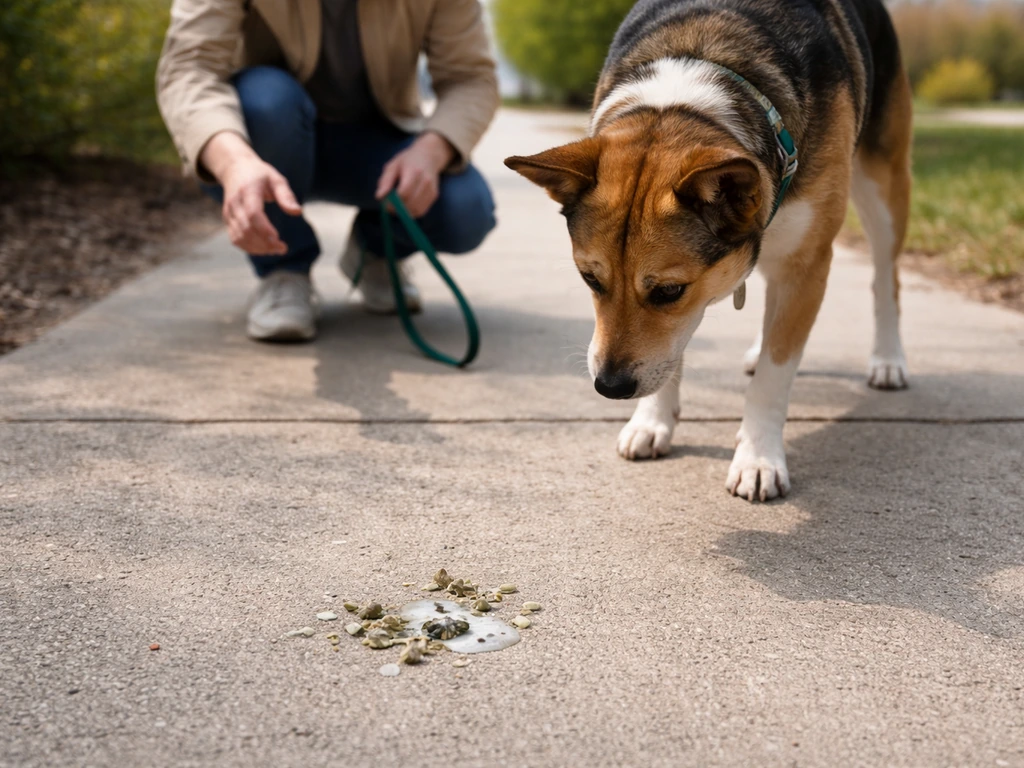
Why dogs eat bird poop in the first place
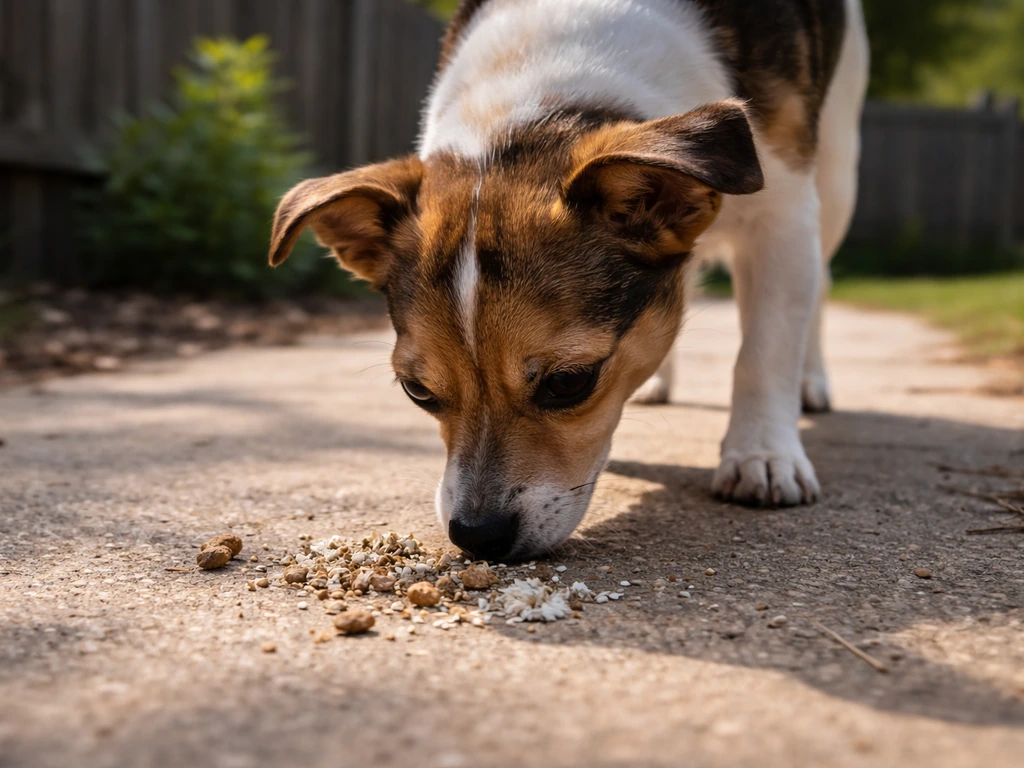
Dogs are scavengers by nature, and feces of any kind can be oddly appealing to them. This behavior even has a clinical name: coprophagia. The Merck Veterinary Manual lists it among recognized ingestion-related behavioral problems and notes that it occasionally has a medical cause, such as nutritional deficiencies, malabsorption, or parasites making the dog hungry and opportunistic. Merck Veterinary Manual lists [coprophagia](https://www.
merckvetmanual. com/dog-owners/behavior-of-dogs/behavior-problems-in-dogs) among ingestion-related behavioral problems and notes it can occasionally have a medical cause such as nutritional deficiencies, malabsorption, or parasites. The Merck Veterinary Manual notes that [coprophagia](https://www. merckvetmanual.
com/behavior/behavior-of-dogs/behavior-problems-of-dogs) occasionally has a medical cause and should be evaluated when present. More often it's just instinct: bird droppings smell interesting, they contain partially digested material that registers as food to a dog's nose, and some dogs are simply more orally exploratory than others.
Puppies and younger dogs are especially prone to it. But plenty of adult dogs will happily hoover up droppings on a park path or patio without a second thought. Birds like pigeons, geese, and starlings tend to leave large, concentrated piles in accessible spots, which makes them practically an invitation to a curious dog on a leash walk. Knowing why dogs do this helps you get ahead of it rather than just reacting after the fact.
What's actually in bird poop that can harm your dog
Bird droppings are a mixed bag of bacteria, fungi, parasites, and sometimes viral material, depending on the bird species and where it's been. The risk level isn't uniform: a single dropping from a backyard songbird carries different odds than a fresh pile of pigeon droppings near a city fountain. But there's no safe category of bird poop you should feel comfortable letting your dog eat.
Bacterial infections
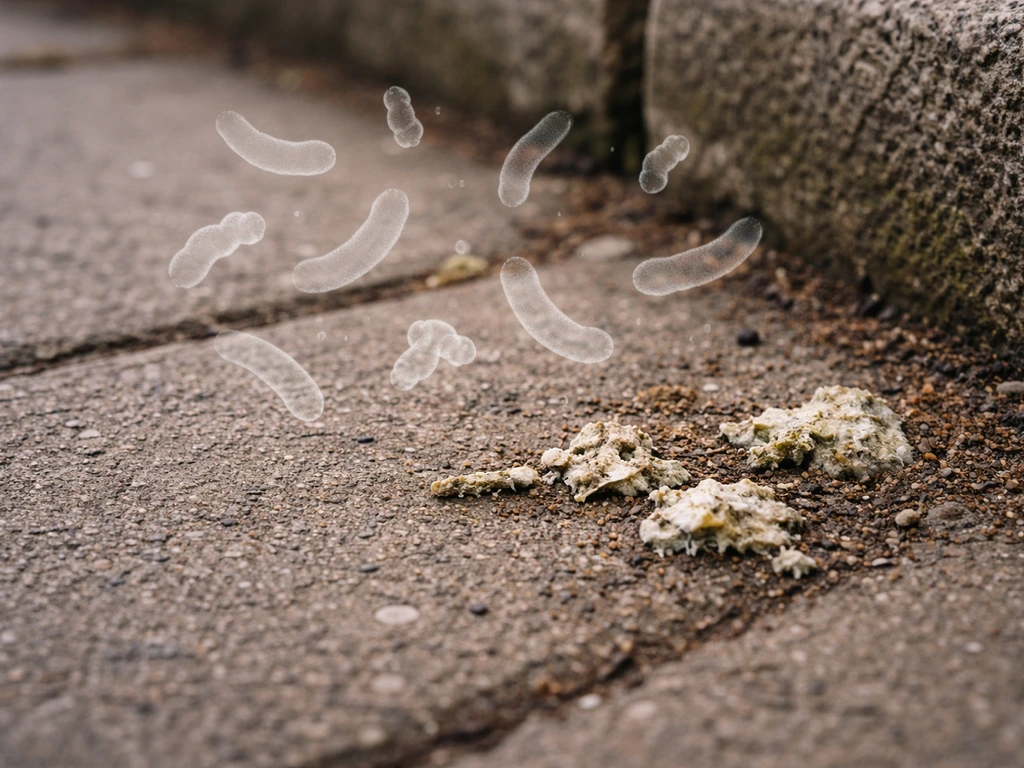
Salmonella is the name most people know, and it's a legitimate concern in bird droppings, particularly from waterfowl, pigeons, and backyard chickens. Dogs can develop salmonellosis, which causes vomiting, diarrhea, fever, and lethargy. Campylobacter is another bacterial pathogen found in bird feces that can cause gastrointestinal illness. Both are also zoonotic, meaning they can spread from your dog to you, which matters when you're handling a sick dog or cleaning up afterward.
Parasites
This is where things get more nuanced. Some parasites in bird feces are bird-specific and won't infect dogs. Others are shared across species. Giardia, for example, can be present in bird droppings and is absolutely capable of infecting dogs, causing persistent diarrhea and GI upset. Roundworm eggs from certain bird species can survive in droppings and be picked up orally. Cryptosporidium is another protozoan parasite associated with contaminated feces that can cause illness in immunocompromised or young dogs. A fecal parasite test from your vet is the only reliable way to know if your dog has picked something up.
Fungi and toxins
Histoplasma capsulatum is a fungus that grows in soil enriched by bird droppings, especially in accumulations under roosts. Dogs can inhale or ingest it and develop histoplasmosis, a respiratory and systemic fungal infection. This is more of a risk from old, dried, accumulated droppings than a single fresh dropping, but it's worth knowing about if your dog is regularly exploring areas under bird roosts. Additionally, what a bird ate before it defecated matters: if birds have been feeding near treated fields or toxic plants, their droppings may contain trace residues, though this is a lower-probability concern compared to the pathogens above.
What to do right now if your dog ate bird poop
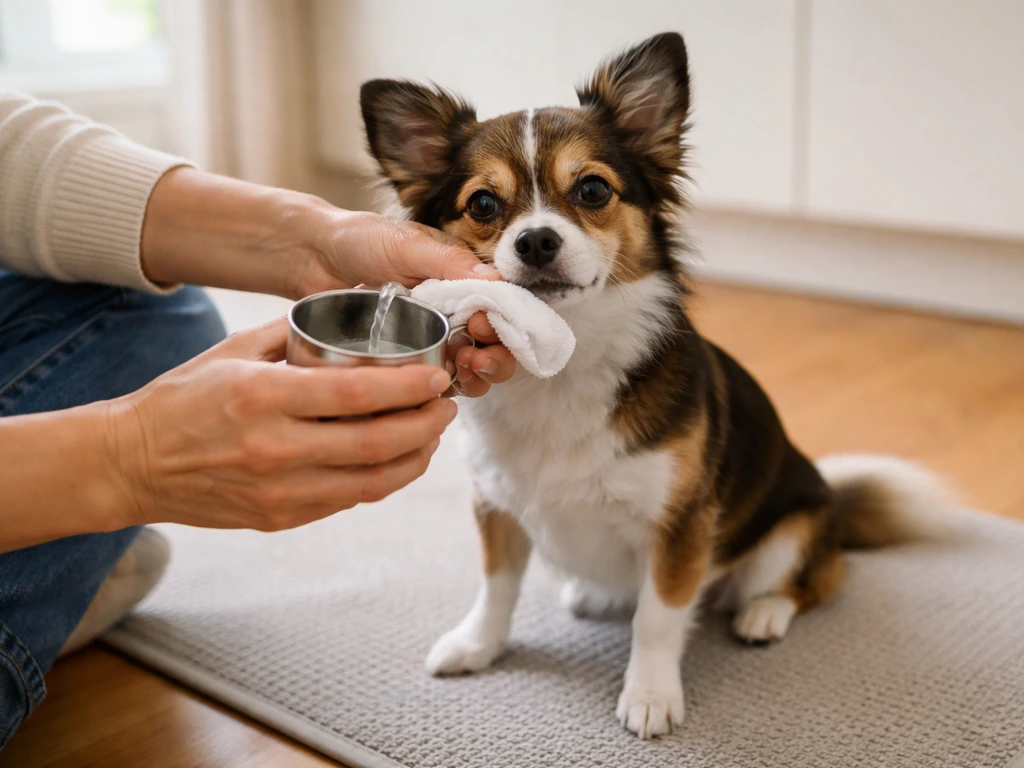
First, stay calm. One small exposure is unlikely to cause serious harm in a healthy adult dog, but there are steps you should take immediately to reduce risk and set yourself up to make good decisions in the next 24 to 48 hours.
- Rinse your dog's mouth with fresh water if you can do so safely and without stressing them. You're not trying to induce vomiting, just reducing what's lingering in the mouth.
- Do not induce vomiting unless a vet explicitly tells you to. Vomiting can sometimes cause more harm than the original ingestion, and it's rarely necessary for a small amount of feces.
- Note the timing: when did it happen, roughly how much did your dog eat, and where (park, patio, under a bird feeder)?
- Identify the bird source if possible. Pigeon or goose droppings in a high-traffic urban area carry different odds than a single dropping from a backyard sparrow.
- Check your dog for immediate symptoms: excessive drooling, gagging, vomiting, or distress. If any of these appear within the first 30 minutes, call your vet.
- Monitor closely for the next 24 to 48 hours, watching for vomiting, diarrhea, lethargy, loss of appetite, or any behavioral changes.
- Keep your dog well-hydrated and fed as normal unless symptoms appear.
- If symptoms develop or you're unsure, collect a stool sample in a clean container and bring it to your vet. Fresh stool within a few hours of collection gives the best results for parasite testing.
If the exposure was large, repeated, or from a known-risk source like accumulated pigeon droppings under a roost, contact your vet the same day rather than waiting to see if symptoms appear. Vets may recommend a fecal test even without symptoms, and deworming or antiparasitic treatment if something turns up on testing.
When to call the vet or go to emergency care
Most dogs who eat a small amount of bird poop will be fine. If you notice dogs eating bird poop symptoms like vomiting or diarrhea, contact your vet and follow the guidance in this article. But some won't be, and it's important to know which signs cross the line from "watch at home" to "call right now."
Call your vet the same day if your dog shows any of the following:
- Vomiting or diarrhea that starts within hours of ingestion
- Lethargy or unusual tiredness
- Loss of appetite by the next meal
- Excessive drooling or signs of nausea
Go to an emergency vet immediately if you see:
- Bloody diarrhea or vomiting with blood
- Visible signs of dehydration: dry gums, skin that doesn't snap back when gently pinched, sunken eyes
- Fever (rectal temperature above 102.5°F or 39.2°C)
- Neurological signs: stumbling, tremors, seizures, disorientation
- Difficulty breathing or respiratory distress
- Extreme lethargy or collapse
Neurological and respiratory symptoms are especially urgent because they can signal a toxin, a systemic infection, or histoplasmosis affecting the lungs, all of which need immediate professional evaluation. Don't wait to see if they improve on their own.
It's also worth knowing that certain conditions like giardia from bird poop or parvo exposure carry their own specific risk profiles. Parvo is another concern that can be spread through contaminated feces, so it is important to assess exposure risk and follow your vet's guidance. Giardia in particular can cause persistent or recurring diarrhea that doesn't resolve without treatment, and dogs in certain environments (dog parks, areas with waterfowl) have meaningfully higher exposure rates.
How to stop your dog from eating bird poop
Prevention is genuinely easier than treatment here, and most of it comes down to management and consistent habits rather than any magic solution.
On walks and in public spaces
Keep your dog on a short leash in areas with visible droppings: near bird feeders, under trees where birds roost, around ponds and parks frequented by geese or pigeons. Teach and reinforce a solid "leave it" command. It's one of the most practical things you can train into a dog and directly applies here. When you see droppings ahead, redirect your dog's attention before they get close enough to investigate, not after their nose is already in it.
In your yard or on your patio
If birds roost on your fence, roof, or patio cover, you're likely dealing with a regular accumulation of droppings. Clean these surfaces frequently (safely, more on that below), use bird deterrents like reflective tape, plastic predator silhouettes, or physical netting on areas where birds land. Relocate bird feeders away from areas where your dog roams freely. If you have a backyard bird feeder, make sure it's in a spot your dog can't access, and clean up fallen seed and droppings underneath it regularly. A bored dog with unsupervised access to a dropping-heavy patio is going to investigate at some point.
Address underlying behavior
If your dog is an enthusiastic poop-eater across the board, it's worth mentioning to your vet. As the Merck Veterinary Manual notes, coprophagia sometimes has a medical root cause that can be addressed directly. Ruling out nutritional deficiencies, parasites, or malabsorption issues can sometimes reduce the behavior. Your vet may also suggest dietary adjustments or food-additive deterrents that make feces less palatable.
Cleaning up bird droppings safely (for you and your dog)
This matters both for your dog's ongoing exposure and for your own health. Bird droppings contain the same pathogens that concern you for your dog, and you can inhale aerosolized particles when disturbing dried droppings without protection.
- Wear disposable gloves every time you clean up droppings. This is non-negotiable.
- If you're cleaning accumulated or dried droppings, wear a mask. A standard disposable mask (N95 is better) prevents inhalation of aerosolized particles, which is the main risk for Histoplasma and Cryptococcus.
- Wet the droppings lightly before cleaning rather than dry-scrubbing. This prevents the material from becoming airborne.
- Use a disinfectant cleaner on hard surfaces after removal. Diluted bleach (one part bleach to nine parts water) is effective against most bacterial and viral pathogens in bird droppings. Let it sit for several minutes before wiping.
- Bag and seal waste immediately. Don't leave it in an open trash can where your dog or other animals can get into it.
- Wash your hands thoroughly with soap and water after cleanup, even if you wore gloves. Take off gloves carefully, turning them inside out as you remove them.
- Wash any clothing that had contact with droppings before wearing it again, and change before interacting with your dog.
If you're dealing with a heavy accumulation under a long-standing bird roost, consider hiring a professional wildlife removal or biohazard cleaning service. This isn't excessive caution, it's just practical when the volume of material is large enough that proper PPE and containment matter.
A quick word on bird poop and good luck
Yes, bird poop landing on you is considered good luck in quite a few cultures, and there's something almost appealing about that silver lining when you're scrubbing your jacket. But the luck superstition doesn't extend to your dog eating it. If anything, think of a near-miss where you redirected your dog away from a dropping as the actual good luck moment.
The real upside is that most healthy adult dogs who have a single small exposure come through without serious illness. So if you are wondering whether do rats eat bird poop, the same “single exposure” logic applies, because any ingestion still carries germs and parasites that can affect health single small exposure. The goal is just to make sure you're not rolling those dice repeatedly.
FAQ
How long should I watch my dog after it eats bird poop before I assume it’s fine?
For a small, one-time nibble, many dogs show no problems, but it’s reasonable to monitor closely for 24 to 48 hours for vomiting, diarrhea, feverishness, reduced appetite, or unusual lethargy. If symptoms start later or the exposure involved a large, accumulated pile, contact your vet sooner rather than waiting for the full window.
Does the risk depend on the bird type, like pigeons versus backyard songbirds?
Yes, risk can be higher for droppings from waterfowl, pigeons, and backyard poultry because those are more commonly associated with certain infections. However, there is no “safe” bird poop category, so any ingestion still deserves management and a vet call if the exposure was heavy or your dog becomes unwell.
What should I do right now if I catch my dog eating it, should I induce vomiting?
Do not try to make your dog vomit at home unless your vet explicitly instructs you. Instead, remove the dog from the area, prevent further scavenging, and call your vet if the amount was more than a tiny lick, if it was repeated, or if you see any symptoms as they develop.
If my dog has bird poop on its fur or paws, does that also count as an exposure?
It can. While the main concern is ingestion, contaminated paws and fur can be licked later, and cleaning can aerosolize dried material. Rinse off with clean water (and mild pet-safe soap if needed), and wash your hands after, especially if the droppings are dried and there’s visible debris.
Can humans catch infections from my dog after it eats bird poop?
Some pathogens associated with bird droppings are zoonotic, so if your dog becomes sick and you’re cleaning up, there is an additional risk to people. Use gloves if you’re handling diarrhea or vomit, disinfect surfaces, and wash hands thoroughly after care.
Should I give my dog probiotics or an over-the-counter upset stomach medicine if it has mild symptoms?
Avoid self-treating with human medicines, and don’t assume probiotics alone will prevent infection. If symptoms like vomiting or diarrhea appear, call your vet for guidance on whether stool testing, an antiparasitic, or supportive care is appropriate for your dog’s age and overall health.
My dog gets recurring diarrhea after scavenging, could it be from bird poop even if it seems to “clear up”?
Yes. Giardia and some other GI parasites can cause recurring or persistent diarrhea that improves temporarily but returns without targeted treatment. If diarrhea keeps coming back or lasts more than about 48 to 72 hours, ask your vet about a fecal test rather than repeating home remedies.
When should I go to an emergency vet versus calling my regular vet the same day?
Go to emergency care if you see breathing trouble, coughing, pale or blue-tinged gums, seizures, severe weakness, collapse, uncontrolled vomiting, or any neurological signs. Otherwise, call your regular vet the same day when the exposure was substantial, repeated, from heavy accumulated droppings, or you notice vomiting, diarrhea, fever, or marked lethargy.
Does my dog need stool testing even if it looks fine after eating a small amount?
Not always. For a truly tiny one-time exposure in a healthy adult, many dogs never develop noticeable illness. But if your dog is young, immunocompromised, has had similar episodes, or the exposure involved a large accumulation under a roost or around waterfowl, a vet may recommend testing even without obvious symptoms.
How can I clean up dried bird droppings safely if my dog tracks the area or if birds roost nearby?
Wear gloves and avoid dry sweeping or methods that kick up dust. Use appropriate containment and wetting/cleaning steps, and consider a professional biohazard service when there’s a large accumulation. This reduces both human exposure and the chance your dog later licks residue from contaminated surfaces.
What’s the best training approach to stop “bird poop scavenging” on walks?
Combine a reliable “leave it” with immediate redirection when you spot droppings. Practice the cue in low-distraction areas, reward fast for disengaging, and keep the leash short in high-risk zones like under roosting trees, near ponds, or around geese and pigeons.