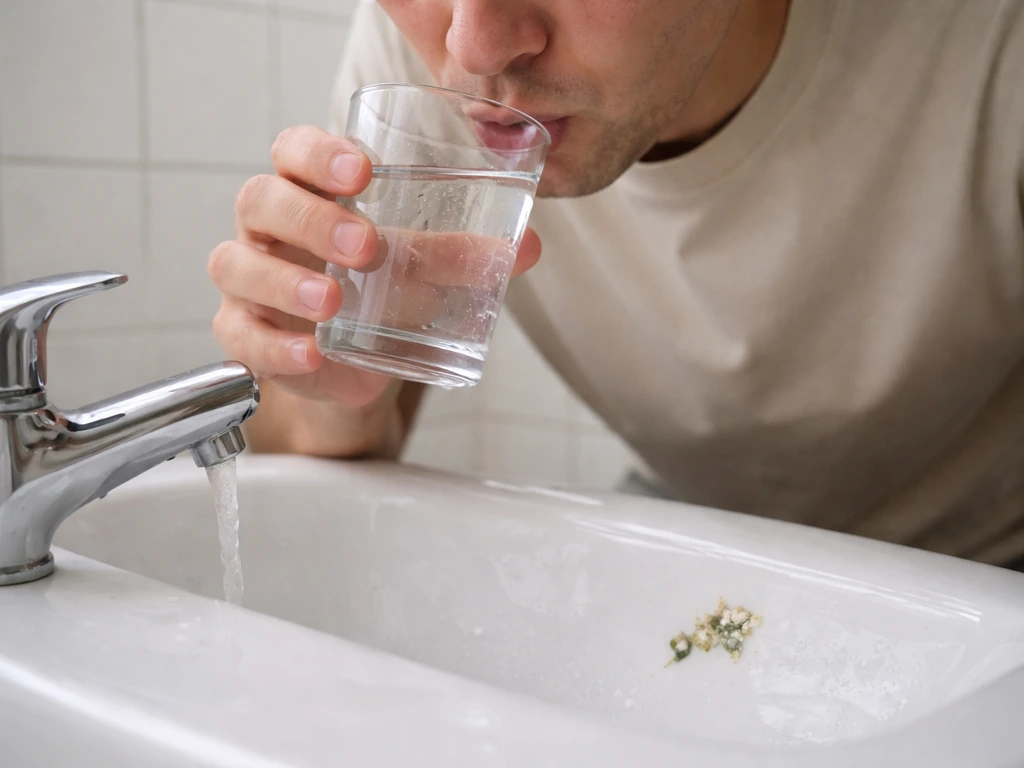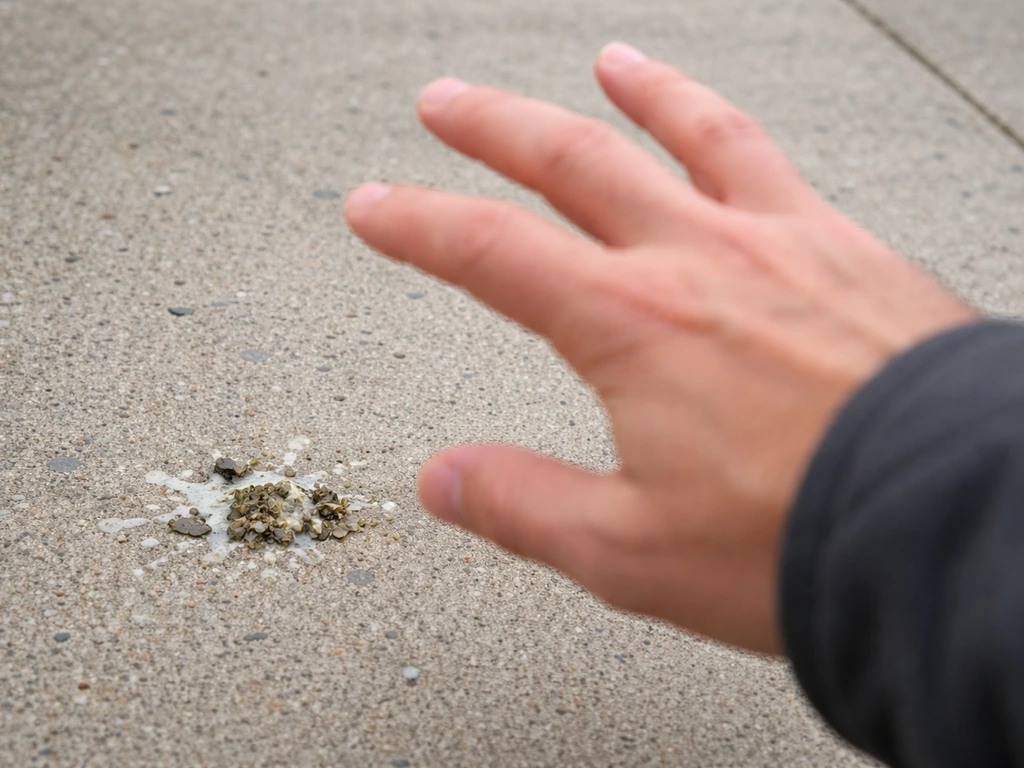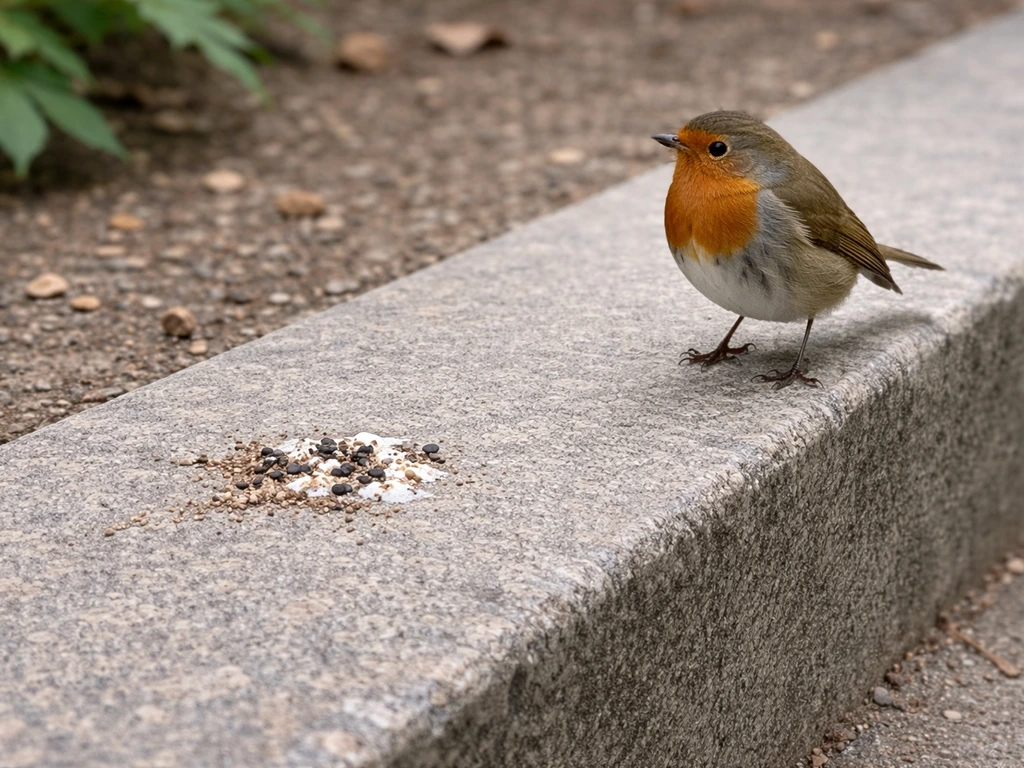
If bird droppings got in or near your mouth, rinse your mouth out thoroughly with clean water right now, wash your hands with soap and water, and take a breath. For most healthy adults, a one-time splash or trace exposure carries a low risk of serious illness. That said, the risk is not zero, and what you do in the next few minutes actually matters. Here is how to figure out what you are dealing with and what to do about it.
Which Bird Poop From Mouth? What to Do Now for Safety

Marcus Fielding
24 May 2026
What people usually mean by 'bird poop from mouth'
This is one of those searches that can mean a few very different things, so it helps to pin down your actual situation before you decide how worried to be. Most people searching this are dealing with one of three scenarios.
- Splatter exposure: A bird dropping hit nearby (a car roof, a park bench, pavement) and a droplet ricocheted onto the lips, chin, or into an open mouth. This is the most common scenario and typically involves a very small amount.
- Residue-to-mouth transfer: Dried or fresh droppings were on a surface, a railing, a car door handle, or even food left outdoors, and the person then touched their mouth or ate without washing their hands first.
- Accidental ingestion during cleaning: Someone was scrubbing a patio, hosing down a balcony, or cleaning a bird cage and inhaled a mist or swallowed some contaminated water or dust. This scenario carries slightly more risk because the exposure can involve more material and sometimes dried, aerosolized particles.
- Coughing or gagging response: The person felt something hit their face and coughed or gagged, briefly pulling droplets closer to the throat. This is more of a stress response than a distinct exposure type, but it can feel alarming.
One thing worth saying upfront: you almost certainly cannot tell which species of bird produced a dropping just by looking at it. Color, texture, and size vary based on what the bird ate, how hydrated it was, and how long ago it was deposited. Trying to identify the bird to assess risk is not a reliable strategy. What matters a lot more is how the exposure happened and what condition the droppings were in.
Reading the situation: fresh vs. dried, color, and amount
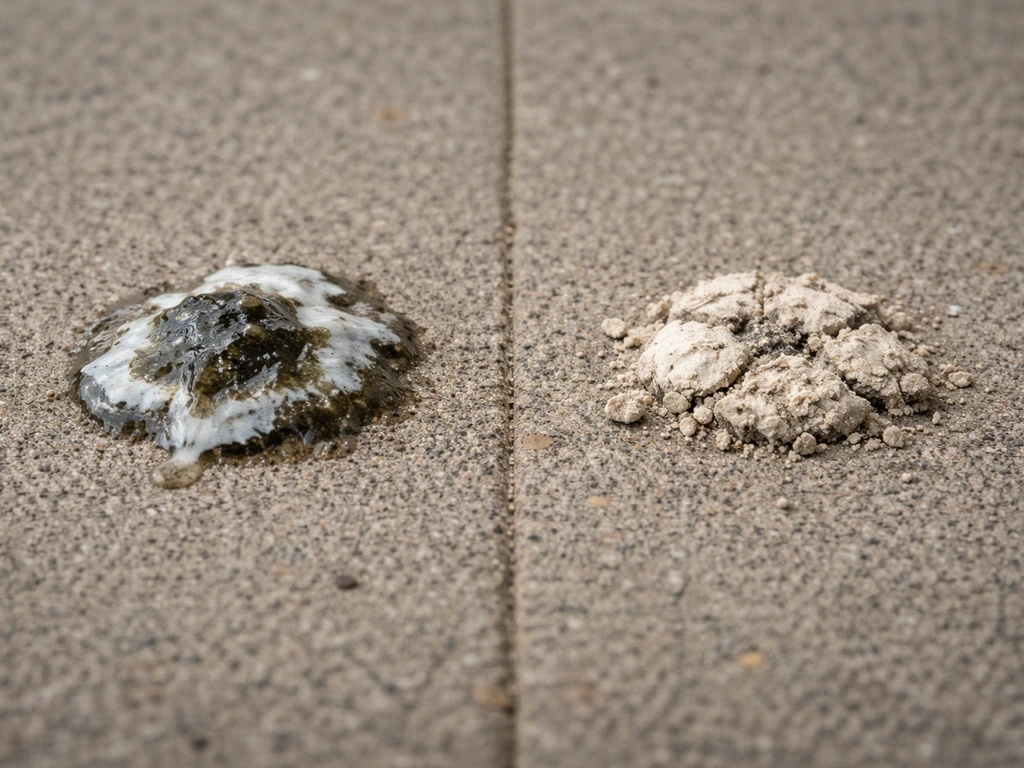
Not all droppings carry the same level of risk, and visual cues plus context can help you gauge how seriously to treat the exposure.
Fresh droppings
Fresh droppings (still moist, laid within the last hour or so) are less likely to contain aerosolized particles but can still carry bacteria, viruses, or fungi. The good news is they have not had time to dry and crack into dust. The bad news is they are still biologically active. If a fresh dropping landed directly in your mouth or on food you then ate, treat that as a real ingestion event. You can also review what happens if you get bird poop in your mouth for what symptoms to watch for after the ingestion real ingestion event.
Dried droppings
Dried droppings are the bigger concern for airborne exposure. When they crumble or are disturbed during cleaning, they can release fine particles that are easy to inhale or swallow without realizing it. The CDC specifically warns against stirring up dust, bird waste, and feathers during cleaning because of this risk. If you were scrubbing, sweeping, or pressure-washing and inhaled or swallowed some of that material, that is worth monitoring more carefully than a single fresh splatter.
What color and texture tell you
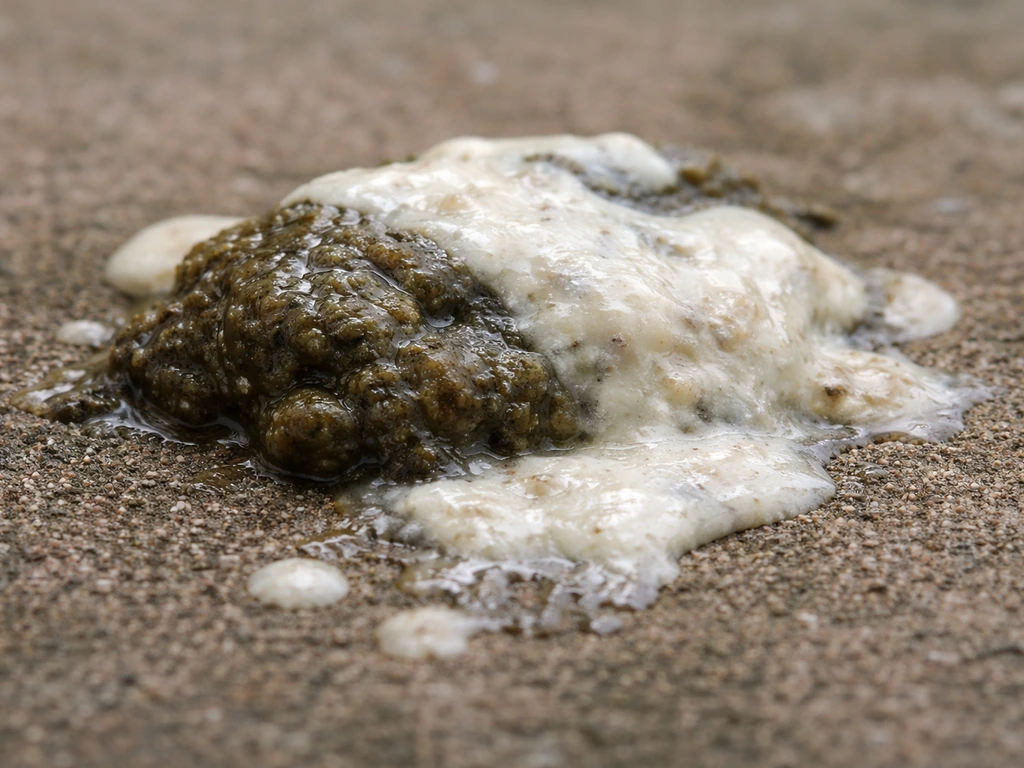
Bird droppings are typically a combination of the fecal matter (darker brown or green portion) and the white or off-white uric acid paste. Unusual colors like bright red or orange sometimes just reflect what the bird ate (berries, certain seeds). Large, runny, or unusually dark droppings can indicate the bird was unwell, though you genuinely cannot diagnose a bird from its droppings at a glance. What matters more than color is the amount involved and whether it was fresh or powdery-dry when you contacted it.
Health risks and when the concern is real
Bird droppings can carry pathogens, but the actual risk to a healthy person from a single, small exposure is generally low. That does not mean zero, so here is what to know.
| Risk | How it happens | Level of concern for healthy adults |
|---|---|---|
| Histoplasmosis (fungal infection) | Inhaling spores from dried droppings, especially in enclosed or heavily soiled areas | Low from a single outdoor splash; higher if cleaning large accumulations without PPE |
| Cryptococcosis (fungal infection) | Inhaling dust from dried pigeon or other bird droppings | Low for healthy adults; higher risk for immunocompromised individuals |
| Salmonella / Campylobacter (bacterial) | Ingesting contaminated material, especially via hand-to-mouth contact | Low to moderate; more concerning if actual ingestion occurred |
| Avian influenza (bird flu) | Contact with saliva, mucus, or feces of infected birds | Low for most people; higher if exposure involved sick or wild birds in a flu-active area |
| Mouth/throat irritation | Trace amounts contacting mucous membranes | Very low; typically resolves quickly with rinsing |
| Eye involvement | Splatter reaching the eye | Moderate; eyes are a more direct entry point; warrants prompt rinsing and monitoring |
| Allergic reaction | Proteins in droppings or feather dust triggering a response | Variable; people with existing bird allergies or asthma are at higher risk |
For context: the NYC Health Department notes that routine cleaning of small amounts of droppings (like on a windowsill) does not pose a serious health risk to most people. The concern rises with larger accumulations, enclosed spaces, or vulnerable individuals. If you had a brief outdoor splatter incident, you are not in the high-risk scenario. If you were cleaning a heavily soiled area and inhaled or swallowed material without protection, that deserves closer attention.
Eye exposure is worth calling out specifically. If droppings splattered into your eyes as well as your mouth, the eyes are a more direct pathway for pathogens. Pink eye, or conjunctivitis, can be caused by germs, so if bird droppings splattered into your eyes, keep a close watch for redness, discharge, or irritation. Rinse your eyes with clean water for at least 15 minutes and consider calling a nurse line or doctor, especially if redness, irritation, or discharge develops. This is a scenario where getting checked out is a reasonable call even for healthy adults.
Do this right now: your immediate action plan
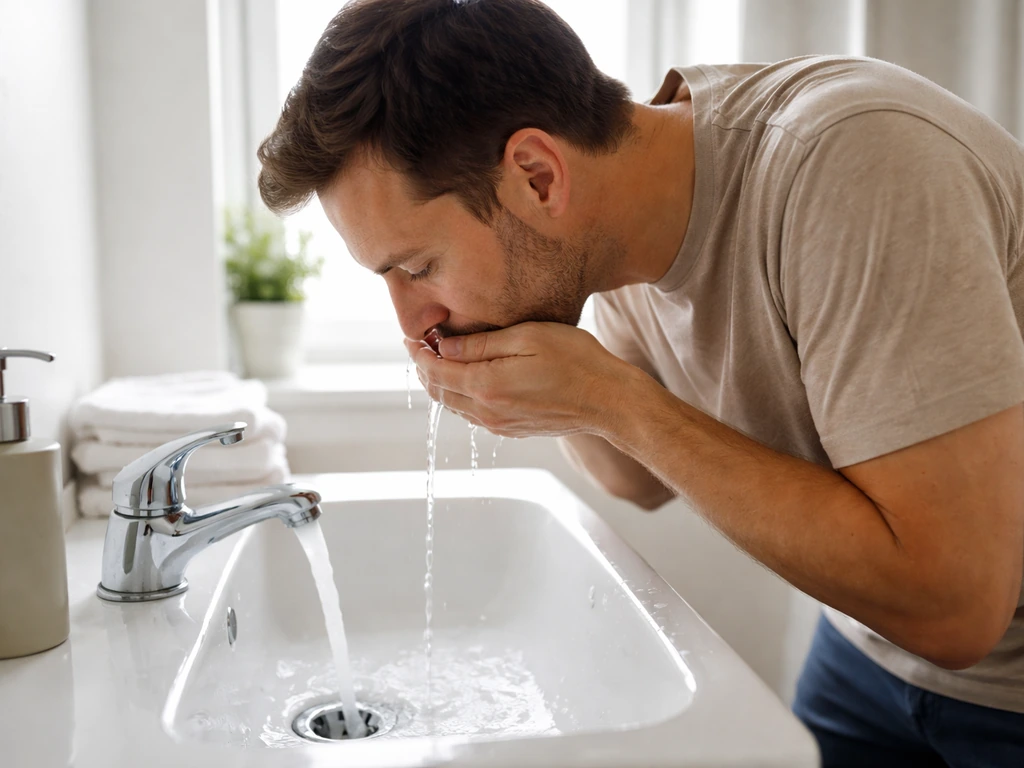
- Rinse your mouth thoroughly. Use clean water and spit it out. Do this several times. Do not swallow the rinse water. If you have access to an antiseptic mouthwash, use it afterward, but plain water is the priority.
- Wash your hands. Use soap and water for at least 20 seconds. This applies even if your hands look clean. The CDC is consistent on this: handwashing is the first line of defense after any contact with bird droppings or contaminated surfaces.
- Rinse your face and any exposed skin. If droppings hit your face, chin, or around your nose, rinse those areas with soap and water too.
- Address any eye exposure immediately. If droppings got in your eyes, flush with clean, lukewarm water continuously for at least 15 minutes. Remove contact lenses before flushing if you can do so quickly.
- Change and wash contaminated clothing. If droppings landed on your clothes, change out of them and wash them separately using your normal laundry detergent on a warm or hot cycle. Wash your hands again after handling the clothing.
- Clean any contaminated surfaces. If droppings got on a table, counter, or any surface near food, wipe it down with a household disinfectant. The CDC treats bird dropping cleanup similarly to other fecal contamination when it comes to surface sanitation.
- Do not eat or drink anything else until you have rinsed and washed up. Avoid spreading any residue further.
- Monitor yourself over the next 7 to 10 days. Most symptoms of GI illness from bacterial exposure appear within 1 to 3 days. Fungal infections like histoplasmosis can take longer (3 to 17 days) to show up as symptoms. Note any fever, nausea, stomach cramps, respiratory symptoms, or unusual fatigue.
When to call a doctor or head to urgent care
Most healthy adults who had a brief, small-amount exposure will be fine after rinsing and washing up. But there are situations where getting medical advice the same day is the right call.
Call a doctor or seek care if you or the person exposed is:
- Immunocompromised (undergoing chemotherapy, on immunosuppressant medication, living with HIV/AIDS, or otherwise immune-vulnerable)
- Pregnant
- Under 5 years old or an older adult over 65
- Someone with a pre-existing respiratory condition like asthma or COPD
Go to urgent care or call a doctor if you develop any of these symptoms:
- Fever over 100.4°F (38°C) within 10 days of exposure
- Nausea, vomiting, or diarrhea starting within 1 to 3 days
- Difficulty breathing, chest tightness, or a persistent cough
- Eye redness, discharge, or pain after eye exposure
- Skin rash or hives, especially if they appear quickly after contact (possible allergic reaction)
- Severe fatigue, headache, or muscle aches that seem out of proportion to any other illness
If the exposure involved a bird that appeared sick or dead, or if you are in a region currently experiencing an avian influenza outbreak, that is also a reason to call your local health department or a medical provider for specific guidance rather than waiting to see if symptoms develop.
If someone accidentally swallowed a meaningful amount of droppings (not just a trace splash), especially a child, that situation is also worth a call to Poison Control (1-800-222-1222 in the US) to get real-time guidance. You may also be wondering, can you eat bird poop and whether swallowing even a small amount counts as an ingestion event swallowed a meaningful amount of droppings.
How to avoid this happening again
During cleanup and cleaning tasks
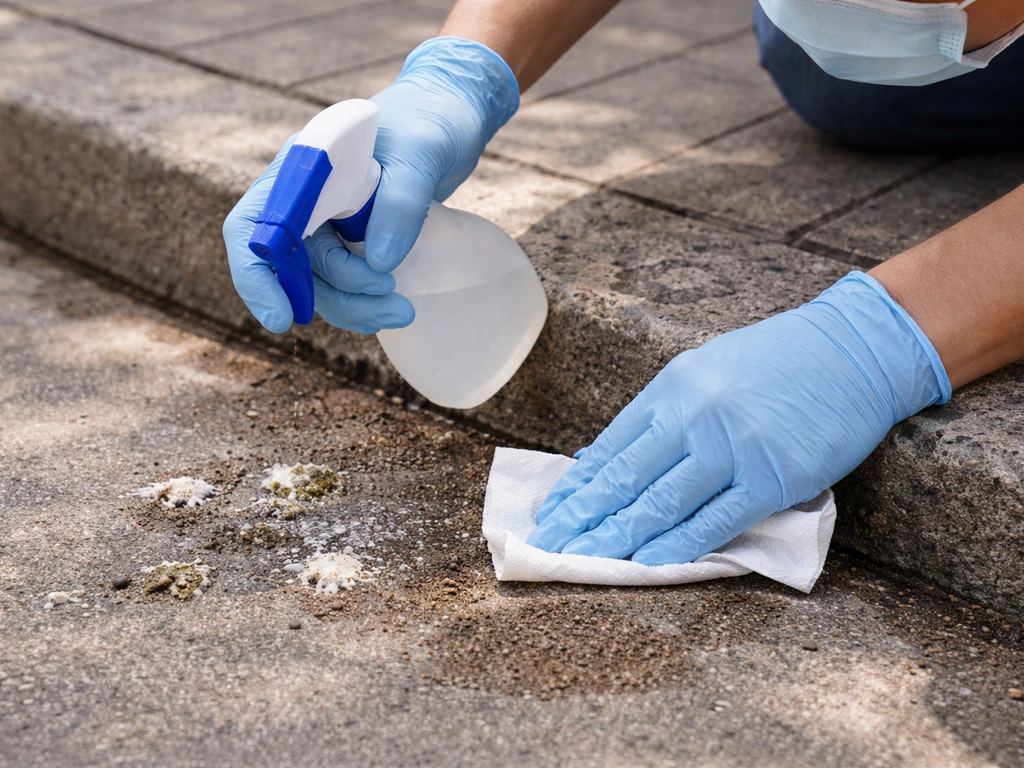
The single most important prevention step when cleaning areas with bird droppings is to not stir them up dry. The CDC specifically recommends against sweeping or using compressed air on dry droppings because it launches particles into the air where you can inhale or swallow them. Instead, dampen the area first with water or a disinfectant spray, then wipe or scoop. Wear gloves and a well-fitting N95 mask if you are dealing with more than a small amount. Safety glasses or goggles protect your eyes from splatter during hosing or scrubbing.
Everyday exposure situations
- Do not eat or drink outdoors in areas where birds congregate overhead without covering your food and drink.
- Wash your hands before eating if you have been touching railings, benches, car surfaces, or any outdoor surfaces in high-bird-traffic areas.
- If you are a backyard flock owner or bird hobbyist, the CDC recommends washing hands every time after handling birds, eggs, or anything inside the coop or cage.
- After swimming in areas where birds frequent the pool or shoreline, wash hands with soap and water before eating or touching your face.
- Teach children not to touch bird droppings and to wash hands immediately if they do.
Reducing bird activity in problem areas
If birds are repeatedly depositing droppings on your car, patio, or balcony, physical deterrents are more effective than repellent sprays. Bird spikes, reflective tape, and netting are the most commonly used options for home settings. Removing food sources (uncovered trash, pet food left outdoors, birdseed spills) is also a practical first step that discourages birds from setting up camp in a specific area.
A quick word on the 'good luck' angle
Plenty of people arrive at this topic after being told that bird droppings landing on you (or your mouth) is a sign of good luck. That belief exists across many cultures and is genuinely widespread. If it offers comfort after an unpleasant moment, there is nothing wrong with holding onto it. Just make sure you rinse your mouth and wash your hands before you celebrate. The CDC advises that after pool contamination with bird droppings, you should blank" rel="noopener noreferrer">wash your hands with soap and water.
FAQ
If bird poop got on my lips but I did not swallow it, do I still need to call a doctor?
Rinse your mouth and lips with clean water and wash your hands, then monitor for irritation (burning, sores, or persistent redness). You usually do not need urgent medical advice for a tiny surface splash in a healthy adult, but seek same-day guidance if it was a large amount, you cleaned a dusty dry pile, or you have eye exposure too.
How long should I keep watching for symptoms after bird droppings contact my mouth?
For most mild exposures, symptoms if they occur tend to show up within a few days rather than weeks. Watch for new GI symptoms like nausea, vomiting, or diarrhea, plus mouth or throat irritation. If symptoms are worsening or do not start to improve after several days, contact a clinician.
What if the droppings were on a food container or plate and I ate afterward?
Treat it as an ingestion event if you ate food that had direct contamination. Rinse your mouth now, discard or thoroughly re-clean the items if they are safe to clean, and monitor for GI symptoms. If a child ate potentially contaminated food, calling Poison Control is a safer next step than waiting.
Is it dangerous if it was only a tiny speck I accidentally licked?
A trace lick is generally lower risk than eating a meaningful amount, especially if you rinse immediately. Still wash hands and rinse the mouth thoroughly. Call for advice if you cannot rinse well, it involved an enclosed area cleanup that stirred up dust, or you are immunocompromised.
Can bird droppings make me sick even if I rinsed right away and feel fine?
Yes, it is possible but uncommon after brief, small exposures. Rinsing reduces what stays in the mouth, but it does not guarantee zero risk, especially if the material was disturbed during cleaning and inhaled. Monitor over the next few days and seek advice if you develop symptoms.
Should I use mouthwash or just plain water when rinsing my mouth after exposure?
Start with clean water rinsing thoroughly. Mouthwash can be used afterward if you normally tolerate it, but it should not replace rinsing. Avoid aggressive brushing right after if your mouth feels irritated.
If I cleaned dried droppings and inhaled dust, what protective steps should I use next time?
Do not sweep or use compressed air on dry waste. Dampen the area first, use gloves, wear a well-fitting N95 (or higher if available), and consider eye protection for any risk of splatter. Ventilate the space and wait before re-entering if you sprayed disinfectant or created wet cleanup conditions.
What disinfectant is safest to use on the affected area?
Use an EPA-registered disinfectant appropriate for the surface type, and follow the label contact time before wiping. Do not mix chemicals like bleach and ammonia, and keep the area ventilated. If you are unsure which product fits your surface (wood, fabric, concrete), stick to water-based dampening and surface-safe cleaning instructions.
Does the risk change if the bird looked sick or was dead?
Yes. An apparently sick or dead bird increases the reason to contact local health guidance rather than relying only on self-care. If exposure was more than a tiny trace, or you are in a region with known avian influenza activity, get same-day advice.
What if bird poop splashed into my eye, but it stopped bothering me after rinsing?
Rinse the eye with clean water for at least 15 minutes, then watch for symptoms over the next day or two. Seek medical care promptly if you develop redness, discharge, significant irritation, light sensitivity, or blurry vision, since eye involvement can require treatment even when symptoms seem mild initially.
Should I get a tetanus shot after contact with bird droppings?
Tetanus risk is generally tied to contaminated wounds, not casual mouth contact. If bird waste contacted an open cut or you had skin broken, check your tetanus status and seek medical advice for updated vaccination if you are not up to date.
How do I prevent birds from pooping on the same spot on my balcony or car?
Remove attractants first (uncovered trash, pet food, spilled birdseed). Then use physical barriers like bird netting, spikes, or reflective tape rather than relying only on odor-based repellent sprays. Clean residue to remove cues and keep the area less hospitable for repeat visits.