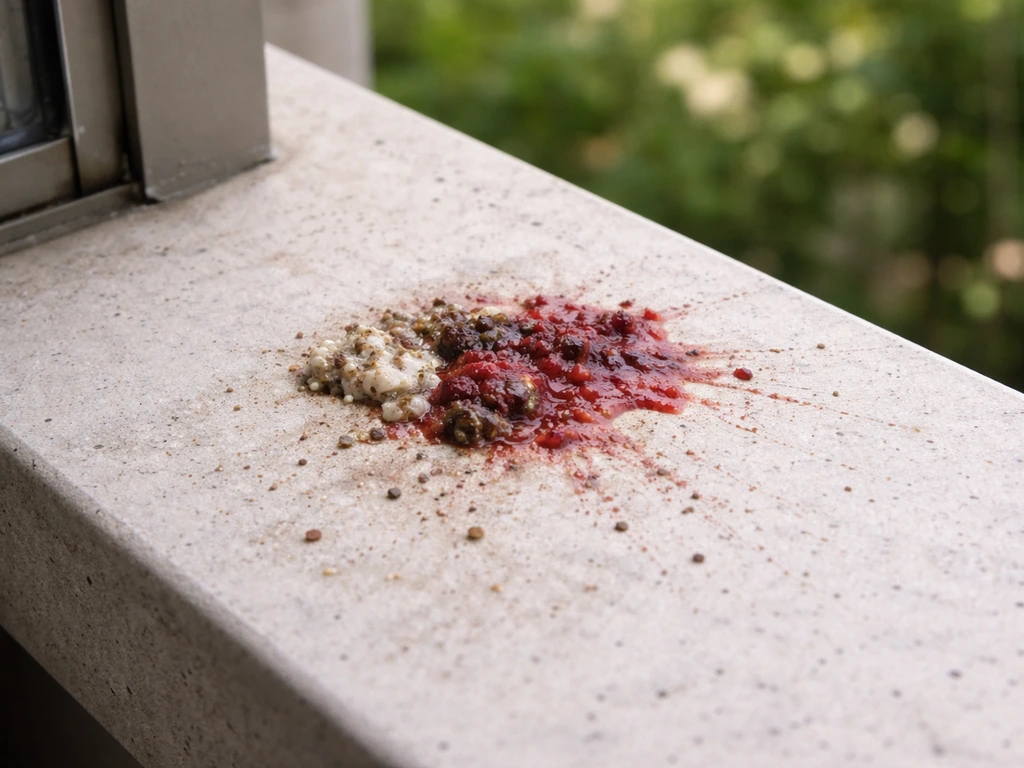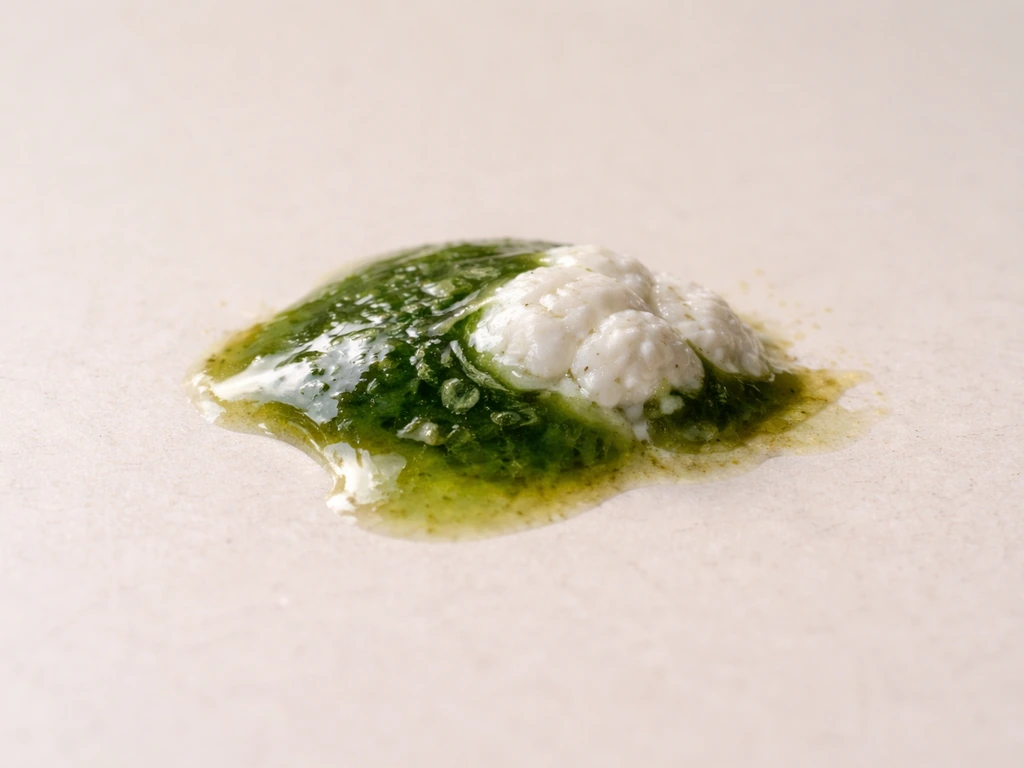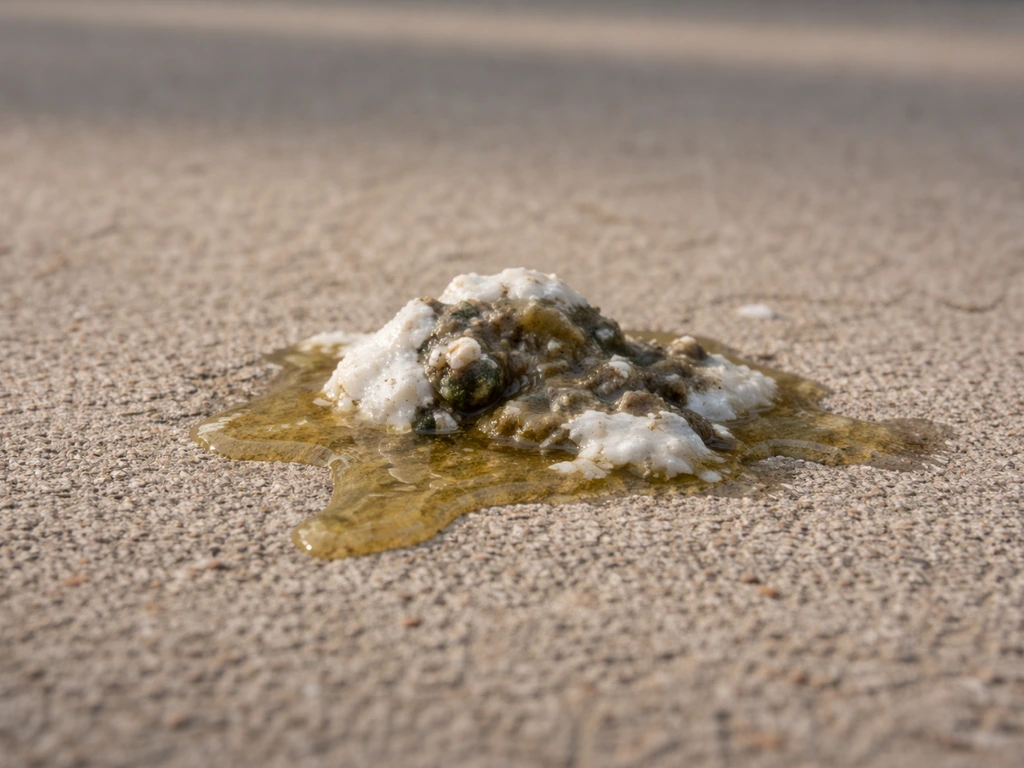
Yes, green bird poop is often completely normal. If you're wondering what does green bird poop mean, the answer usually comes down to what the bird ate and whether the dropping has any other unusual features. In healthy birds, the fecal portion of a dropping is typically blank" rel="noopener noreferrer">green or brown, so if you've spotted a green splat on your car, patio, or windowsill, there's a good chance the bird that left it was perfectly fine. That said, the shade of green, the consistency, and what's going on around the dropping can tell you a lot more, and occasionally, green droppings are a signal worth paying attention to.
Is Green Bird Poop Normal? Causes, Risks, and What to Do

Marcus Fielding
31 May 2026
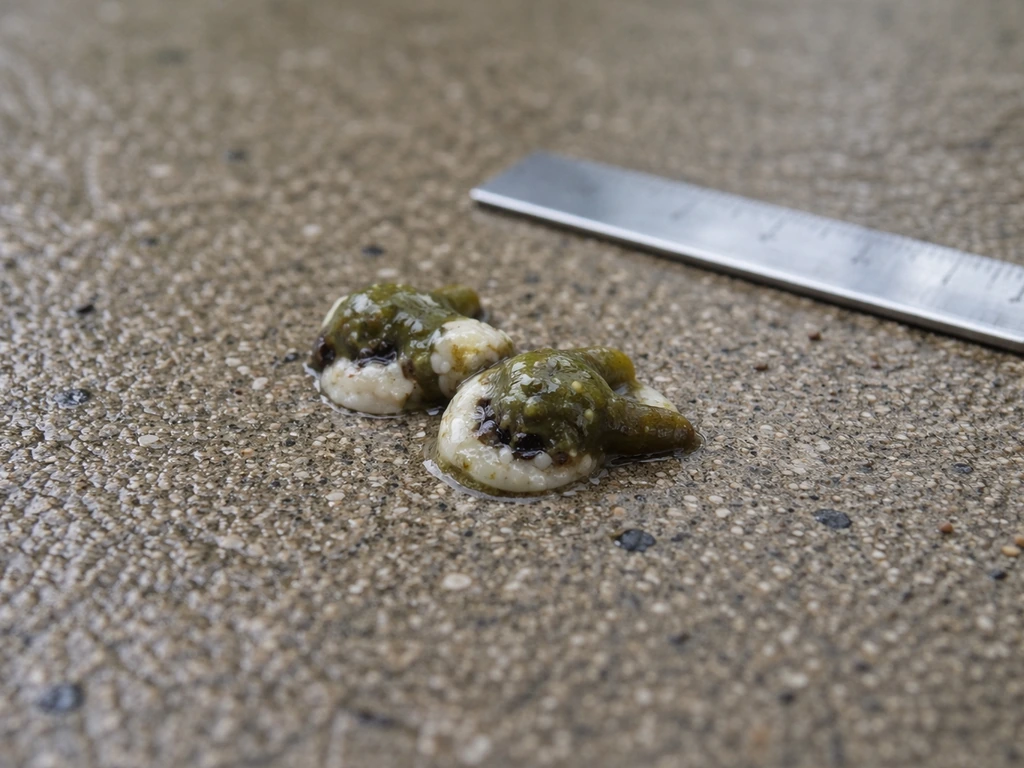
What normal bird poop actually looks like
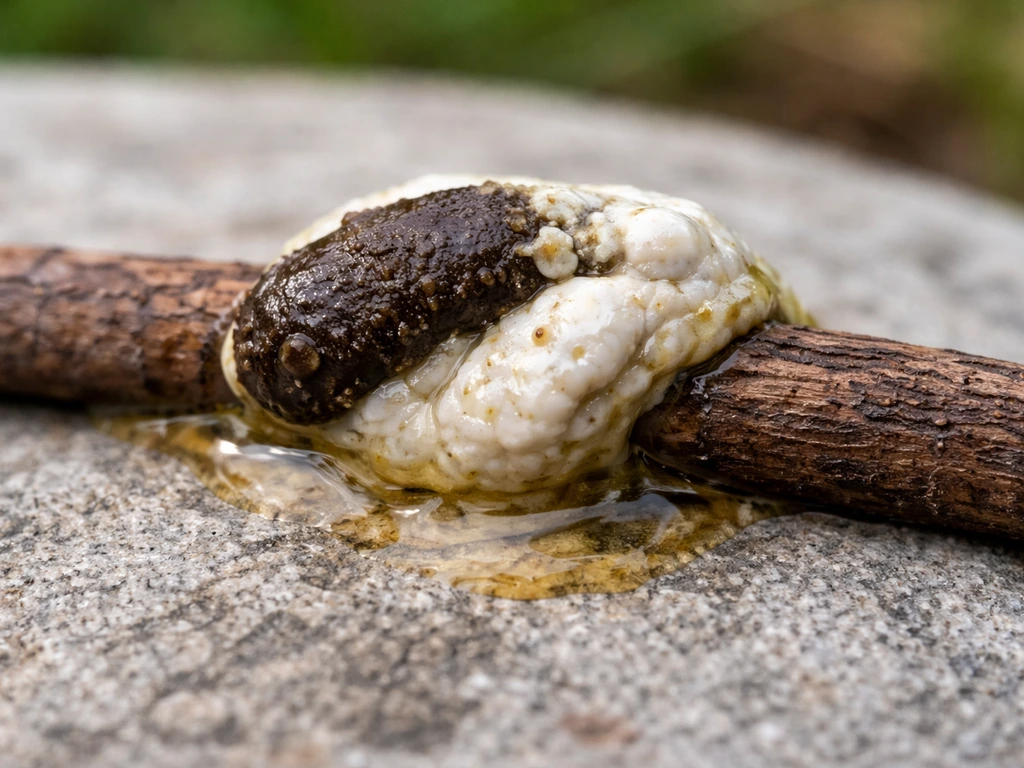
A standard, healthy bird dropping has three parts: the fecal component (the solid stool), the urates (the chalky white or cream-colored paste), and liquid urine (the clear watery ring you often see spreading outward on a surface). When you see that classic white-and-dark splat, you're looking at all three components together. The solid stool part is what varies most with diet, and in many birds, green or brown is the baseline normal color. The urates should be off-white to beige and opaque. The liquid portion is just clear.
Color varies a lot between species, seasons, and even individual birds. A starling eating berries, a parrot on a pellet diet, and a sparrow foraging grass seeds are all going to produce droppings that look quite different from each other. That's expected. What vets and wildlife experts flag as concerning isn't just a color change in isolation, it's changes to the color or texture of both the fecal component and the urate component together, or changes that come with other signs of illness.
Why bird poop turns green
Diet is the most common reason
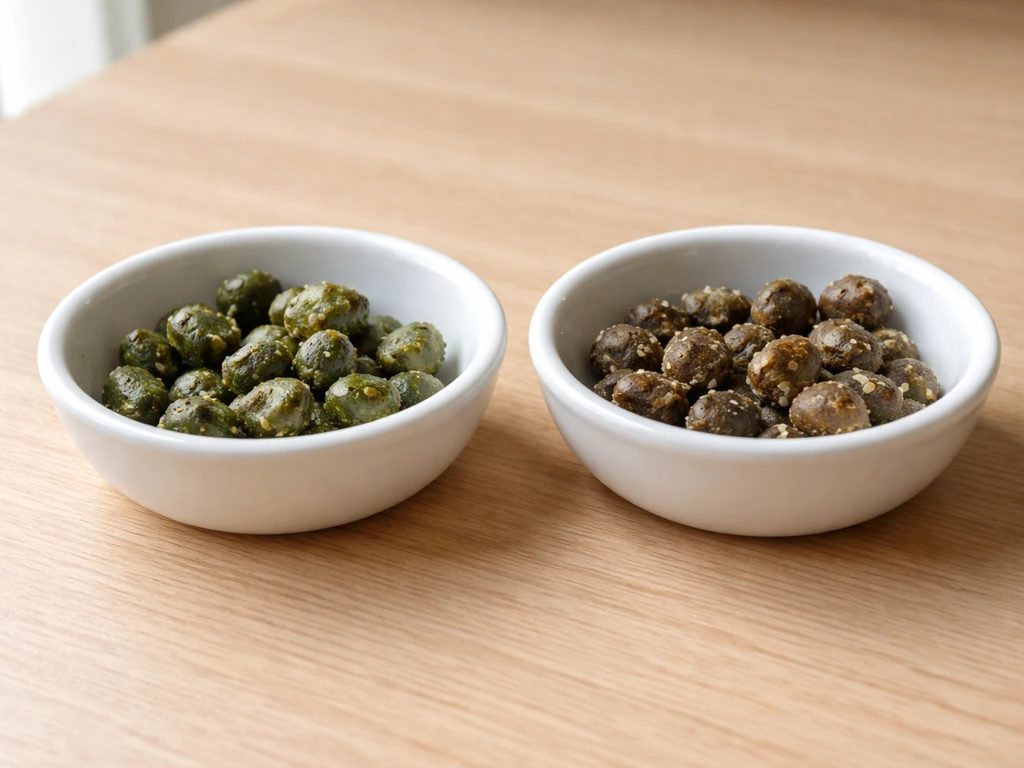
If a bird has been eating a lot of leafy greens, grass, berries, or plant-based material, the chlorophyll and pigments in that food pass through and tint the stool green. This is especially obvious in pet parrots and budgies that get a diet heavy in spinach, broccoli, or dark leafy vegetables. Wild birds that forage in grassy areas or eat heavily pigmented fruits will show the same effect. The greener the diet, the greener the dropping, and there's nothing wrong with that.
Species differences matter
Some species just naturally produce greener droppings regardless of what they've eaten recently. Parrots, lories, and many passerine birds tend to run greener than, say, pigeons or gulls. If you're a pet bird owner, getting familiar with your specific bird's baseline normal is more useful than comparing to a generic color chart. What's normal for a green-feathered conure is going to look very different from what's normal for a cockatiel.
Green staining vs. true green stool
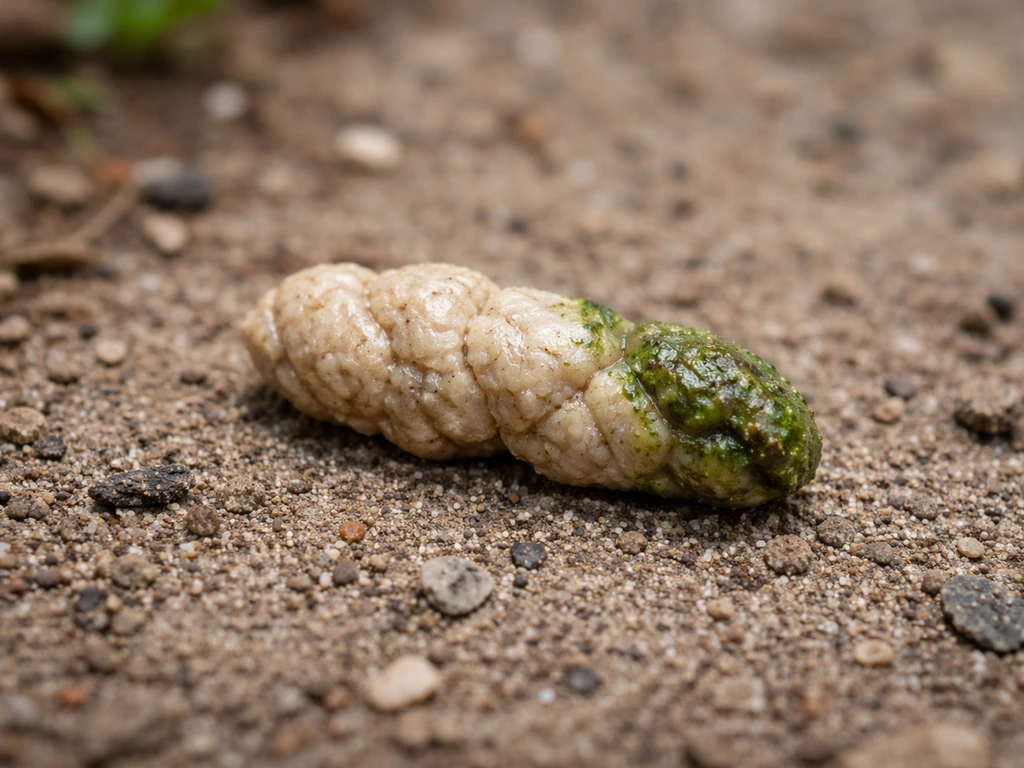
Sometimes what you're seeing isn't truly green stool, it's staining from contact with grass, moss, or plant residue after the dropping lands. A white dropping that lands on a green surface and gets pressed or smeared can look green. Similarly, droppings in an area with lots of algae or lichen can pick up color. If you're assessing a dropping and want to know if the green is real, look at whether the color is uniform through the fecal portion or just on the surface.
Hydration and stress also play a role
A bird that is well-hydrated will produce wetter, more liquid-heavy droppings, and the colors tend to look more diluted. A stressed bird (from travel, handling, or a change in environment) can also produce droppings that look different for a day or two. For pet birds especially, the amount of water consumed changes the consistency of all three components, so a very watery dropping with a slightly greenish tint after a stressful vet visit is not automatically alarming.
When green droppings are not normal
There are specific combinations of signs that should make you look more closely. A color change alone, especially a dietary one, isn't usually a red flag. What you want to watch for is green droppings showing up alongside other changes at the same time.
- Bright lime-green or neon yellow-green urates (the chalky part, which should normally be white or cream) — this can indicate liver disease or other systemic illness
- Droppings that are very watery with almost no solid fecal component, especially if this continues beyond a day or two
- A strong, unusual, or foul odor — healthy bird droppings have a mild smell at most
- Undigested food visible in the dropping, which can signal digestive problems or infection
- Droppings that are extremely dark green or black, which may indicate internal bleeding
- A bird that is also showing physical signs of illness: puffed feathers, lethargy, loss of appetite, sitting on the bottom of the cage, or discharge from the eyes or nares
- A sudden large volume of abnormal droppings in a short period, or a clear change from the bird's established baseline
For wild birds, finding a cluster of unusual droppings concentrated in one spot (especially under a roost or near a feeder) along with dead or visibly sick birds nearby is worth reporting. For pet birds, any change in droppings that persists for more than 24 to 48 hours and isn't explained by a recent diet change warrants a call to an avian vet.
Health and safety risks for you and your pets
For most people, contact with bird droppings, green or otherwise, carries a low but real risk of exposure to certain pathogens. The headline risks associated with bird feces include Histoplasma (a fungal infection from dried droppings, especially in large accumulations), Salmonella, Campylobacter, and Cryptococcus. Psittacosis (also called parrot fever) is a bacterial infection transmitted mainly through dried fecal dust from infected birds, particularly parrots. These risks are realistic but not common from a single dropping on your car or patio, they become more relevant with large accumulations, enclosed spaces with poor ventilation, or direct hand-to-mouth contact without washing.
For pets, especially dogs that sniff or lick droppings directly, the risk of Salmonella or Campylobacter exposure is more immediate than for most humans. Cats that hunt wild birds can be exposed to parasites. If your dog has eaten bird droppings and develops vomiting, diarrhea, or lethargy within 24 to 72 hours, a vet visit is warranted. A single sniff is unlikely to cause illness, but it's worth discouraging the habit.
| Risk | How likely from casual exposure | When risk goes up |
|---|---|---|
| Salmonella / Campylobacter | Low to moderate | Direct contact without handwashing, pets eating droppings |
| Histoplasmosis | Low (single dropping) | Large accumulations, enclosed space, inhaling dried dust |
| Psittacosis | Low (wild birds) | Direct exposure to infected pet birds, especially parrots |
| Cryptococcus | Low | Pigeon roost accumulations, immunocompromised individuals |
| Parasites | Low for humans | Dogs/cats ingesting droppings or infected birds |
How to clean up green bird poop safely
General cleanup steps
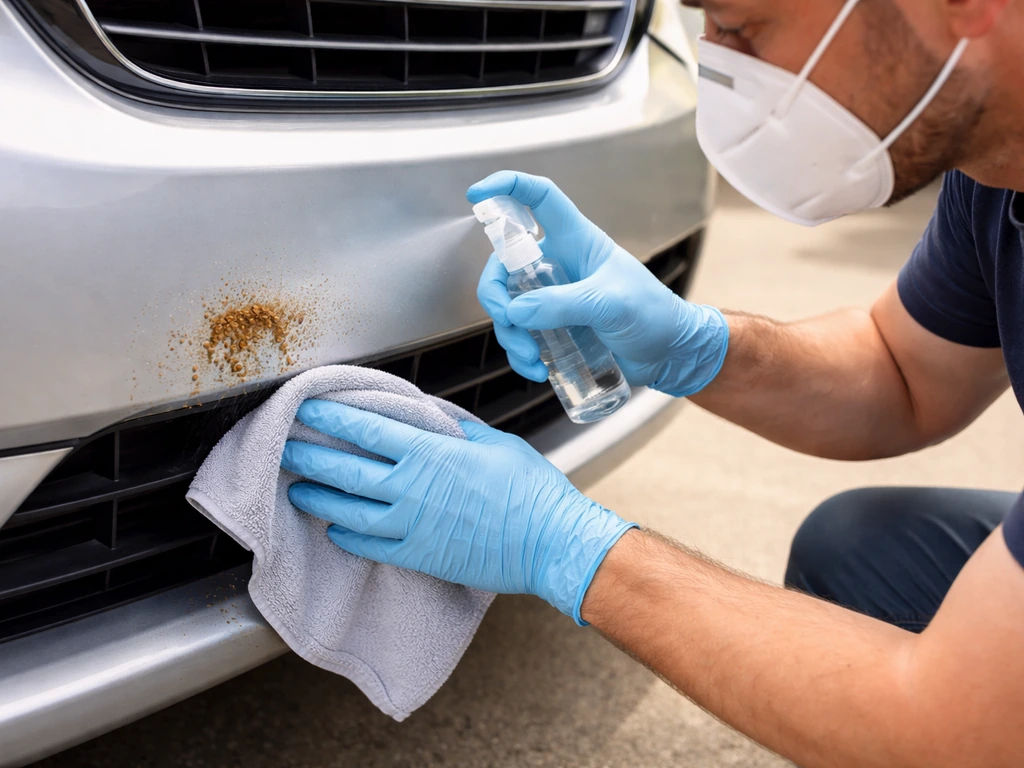
- Put on disposable gloves before touching anything. If there's a large accumulation or you're in an enclosed space, add an N95 mask to avoid inhaling dried particles.
- Dampen the dropping with water before disturbing it. This prevents dried particles from becoming airborne — the main route of pathogen inhalation.
- Use paper towels or disposable cloths to scoop and lift the dropping. Fold inward and seal in a plastic bag before disposing in the trash.
- Clean the surface with a household disinfectant. A diluted bleach solution (1 part bleach to 9 parts water) works well on hard surfaces like concrete and patios. Allow it to sit for at least one to two minutes before wiping.
- Wash your hands thoroughly with soap and water for at least 20 seconds, even if you wore gloves.
- Wash any clothing that had contact with droppings separately in hot water.
Cleaning green bird poop off your car
Bird droppings are acidic and can etch car paint if left to dry and bake in the sun, so speed matters for your car's finish as much as for hygiene. Wet the dropping with water or a dedicated car detailing spray before wiping, never dry-wipe, as this grinds the material into the paint. Use a microfiber cloth and work gently. After removing the bulk, clean the area with a car-safe detailing spray or a diluted car wash solution. For hardened droppings, let a damp cloth sit over the spot for a few minutes to rehydrate it before wiping. Avoid bleach directly on painted car surfaces.
Cleaning patios, decks, and outdoor furniture
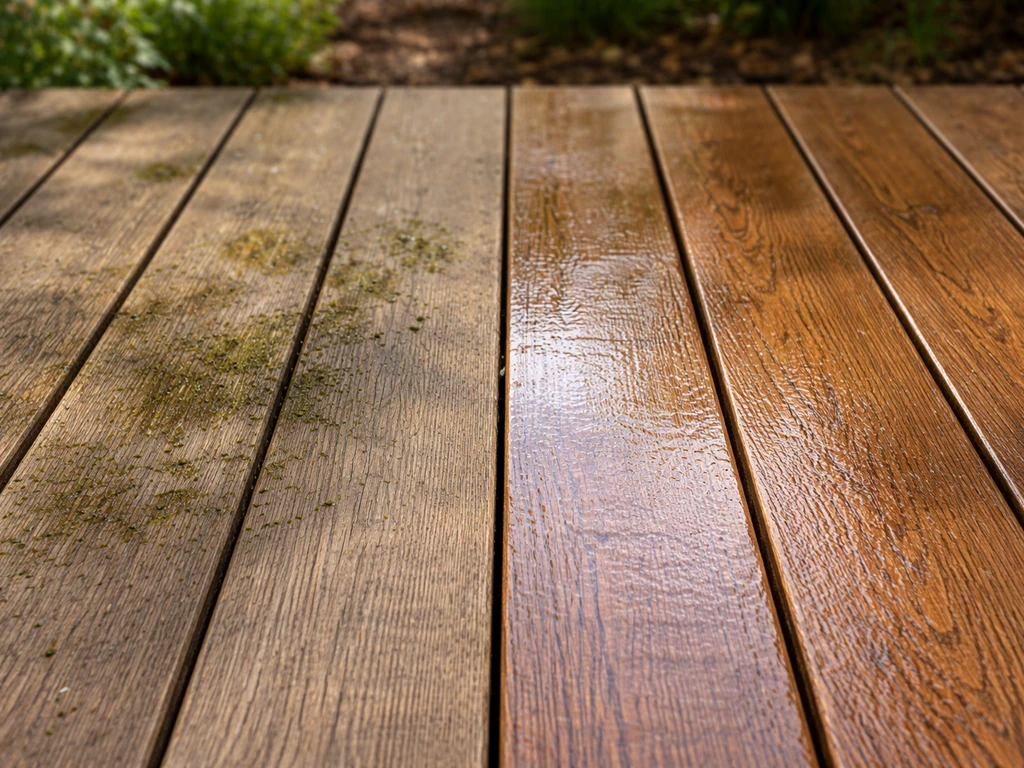
For outdoor surfaces, the same dampen-first rule applies. On porous surfaces like wood decking, use an enzyme-based cleaner or an outdoor disinfectant labeled for pathogens. On stone or concrete, diluted bleach is effective. If you have a regular bird roosting spot creating ongoing accumulation, consider placing deterrents (bird spikes, reflective tape, or motion-activated sprinklers) to reduce future buildup rather than cleaning repeatedly.
What to do if you suspect a sick bird nearby
If you're finding unusual droppings (bright green urates, very watery, foul-smelling, or black) and you can also see a bird that looks visibly unwell, puffed up, not flying when approached, sitting on the ground, or showing discharge, take both observations seriously together. If you notice yellow poop instead of green or brown, the cause can vary by bird species, so it helps to identify which bird is likely responsible which bird has yellow poop.
- Do not handle a sick wild bird with bare hands. If you need to move it, use thick gloves and a towel, and minimize contact.
- Contact your local wildlife rehabilitator or animal control. In the US, you can search the National Wildlife Rehabilitators Association database or call your state's wildlife agency.
- If the bird is a pet, call an avian vet the same day rather than waiting. Avian illness can progress quickly.
- If you notice multiple dead birds in the same area, report it to your state's wildlife disease reporting line — in some cases this can be part of disease surveillance for avian influenza or West Nile virus.
- Keep children and pets away from the area until it's cleaned and the situation is assessed.
- Document what you're seeing: take a photo of the droppings and the bird if it's safe to do so. This helps wildlife professionals assess the situation faster.
For pet birds showing persistently abnormal droppings, bring a fresh sample (collected within 2 to 4 hours, stored in a clean sealed container) to the vet appointment. A fecal gram stain or culture can identify bacterial or yeast overgrowth quickly and informs treatment.
The good luck angle, and why it shouldn't replace common sense
Bird poop landing on you, or your car, or your freshly washed laundry, has a long-standing reputation in many cultures as a sign of good luck. The logic, loosely, is that with so many birds and so many people, getting hit is a statistical rarity that somehow translates into fortune. Green bird droppings don't have a specific separate superstition attached to them beyond the general bird-poop-as-luck tradition, though some interpretations around unusual colored droppings do exist.
If you are seeing a yellow or yellowish dropping instead, you may be wondering what does yellow bird poop mean and what causes it. Red bird poop meaning can vary by species and diet, so use color plus consistency and any other symptoms to judge what it might indicate. If you want to explore what different colors are said to symbolize, that's genuinely interesting cultural territory.
But here's the practical take: whether a green dropping is good luck or bad luck has no bearing on whether it's harboring Salmonella or slowly etching your car's clear coat. Clean it up properly regardless of its color, wash your hands, and enjoy the folklore separately. The superstition doesn't need to compete with basic hygiene, they can coexist just fine. Think of the luck as a consolation prize for the inconvenience of the cleanup.
Your next steps, right now
If you found a green dropping and that's all that happened, you're almost certainly fine. If your bird poop looks yellow, it can point to different causes than green, so it's worth paying closer attention to what else is going on is bird poop yellow. Clean it up with gloves, dampen before wiping, disinfect the surface, and wash your hands.
Red bird poop can have meaning too, and the safest approach is to figure out whether the red color is blood, diet-related pigments, or staining what does red bird poop mean. If you have a pet bird and the droppings look abnormal in ways beyond just color (watery, foul-smelling, green urates instead of white, or the bird looks unwell), call an avian vet today rather than waiting to see if it resolves.
If you've spotted multiple unusual droppings near sick or dead wild birds, report it to your local wildlife authority and keep kids and pets away from the area. In almost every scenario, the answer is the same: observe clearly, clean safely, and get professional help when the picture doesn't add up.
FAQ
How can I tell if green poop is true stool color versus stain from plants or algae?
If the white chalky urate part looks normal (off-white to beige and opaque) and the green is mainly in the fecal portion, it is more likely diet or staining. Green urates that are persistently bright or very different from your bird’s usual pattern are a stronger reason to check hydration and contact an avian vet.
How long should green droppings last after a diet change?
Yes, some bird diets can shift droppings for 1 to 2 days even after the bird stops eating that food, because material already in the gut continues moving through. If the bird has no dietary change and the green persists beyond 48 hours, treat it as a health signal rather than a one-off food effect.
Is one green dropping enough to worry about?
A single green dropping is usually not an emergency, especially if the bird is active and eating. The pattern matters more than the color, for example multiple droppings across the day, worsening consistency (very watery), or foul odor alongside green are the combinations that warrant prompt veterinary advice.
Can hydration or food moisture alone make bird poop look green and watery?
If your pet bird gets greens, pellets, or foraging items that tint droppings, the consistency may also change because higher moisture foods can make the urine ring larger. If you see both a change in texture and a change in urate color, or the bird acts dull, it is safer to call an avian vet.
My bird’s droppings are usually different colors, when is the change actually abnormal for my species?
Compare what you see to your bird’s baseline, since species differ. If your bird usually produces creamy urates and now you are seeing greenish or translucent urates, or the liquid portion becomes excessively watery for more than a couple of days, plan an avian vet check.
What is the safest way to clean green bird poop off a car without damaging the paint?
For most surfaces, avoid wiping first. Dampen the droppings before touching (water or a dedicated detailing spray), then wipe gently with a microfiber cloth. Dry wiping can grind the material into car paint and make damage more likely, especially on hot sunny days.
How should I handle bird droppings on freshly washed laundry or clothing?
If your clothes got hit, pretreat the spot promptly and use a normal wash after loosening residue with warm water. Letting droppings dry on fabric makes them harder to remove and increases the chance of residue transfer during handling.
My dog sniffed bird droppings, what symptoms should make me call the vet?
Dog illness is more likely when droppings are eaten or licked directly, not from a brief sniff. If vomiting, diarrhea, or unusual lethargy develops within 24 to 72 hours after exposure, call your vet and mention the possible bird feces exposure.
Can my cat get sick from hunting a bird that left green droppings nearby?
Cats can carry parasites after hunting birds, but the risk depends on whether they actually consumed the prey. If your cat seems unwell after hunting or you notice repeated hair loss, weight change, or GI symptoms, ask your vet about parasite testing.
What’s the best way to collect a droppings sample for an avian vet?
For persistent abnormalities in pet birds, bring a fresh sample taken shortly before the appointment, store it sealed, and do not contaminate it with bedding material. If your vet asks for a fecal gram stain or culture, accurate timing and a clean container improve the usefulness of the sample.
When should I report unusual bird droppings outdoors?
Yes, clustering matters. Multiple unusual droppings concentrated near a roost or feeder, especially if you also see dead or visibly ill wild birds, is a reason to report to local wildlife authorities and keep people and pets away from the area.