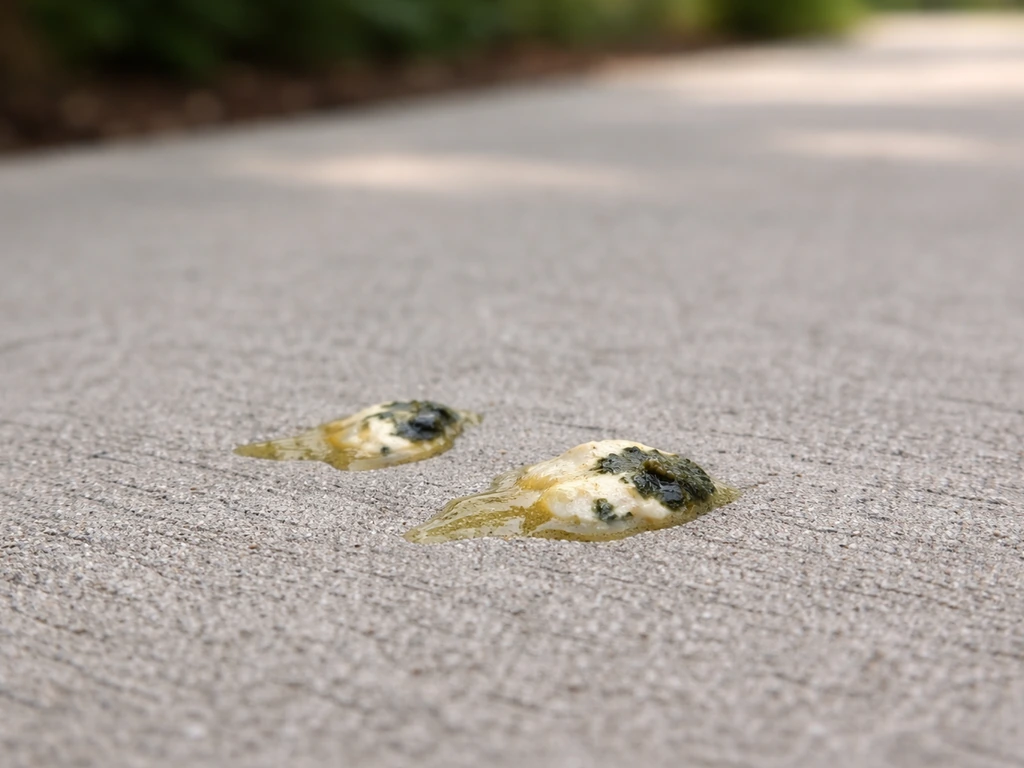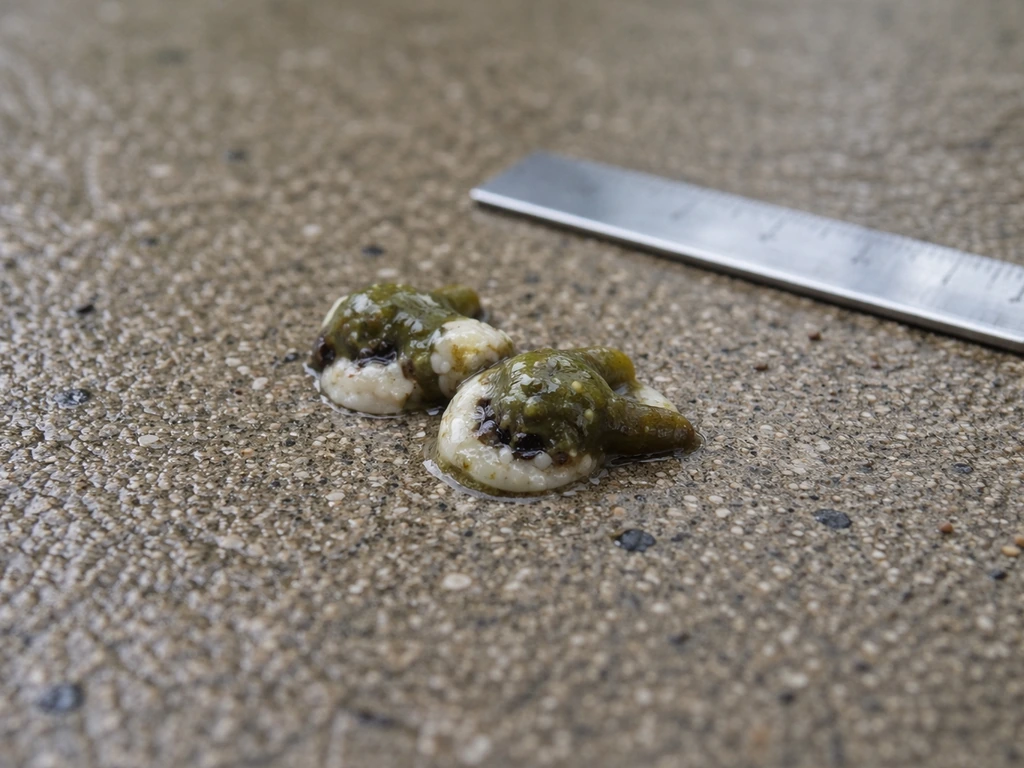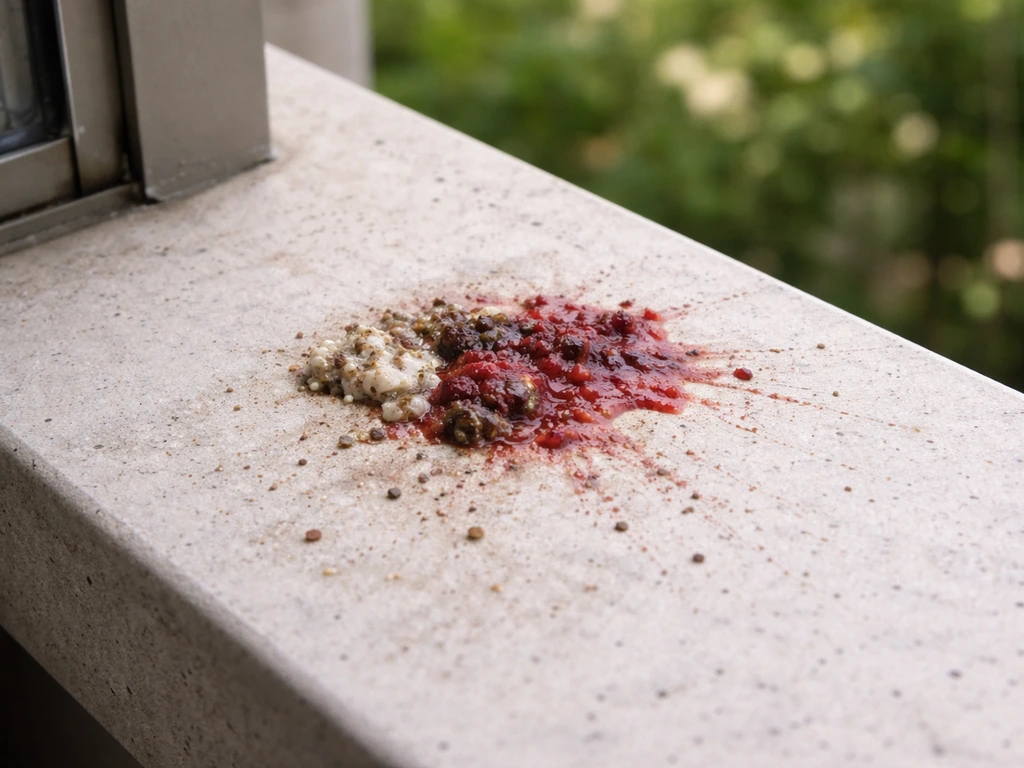
Red or reddish-brown bird poop is almost always caused by something the bird ate, not by blood or disease. Berries, cherries, beets, red pigment-rich fruits, and even certain insects can turn droppings pink, red, or dark burgundy within hours. That said, true blood in droppings does happen and looks different enough that you can usually tell the difference at a glance. If you are cleaning it up, the health risks are real but manageable with basic PPE. And yes, people do ask about the "lucky" meaning of bird poop landing on them, so we will cover that too.
Red Bird Poop Meaning: Causes, Safety, and What to Do

Marcus Fielding
3 Jun 2026
Why bird poop looks red: the most common causes
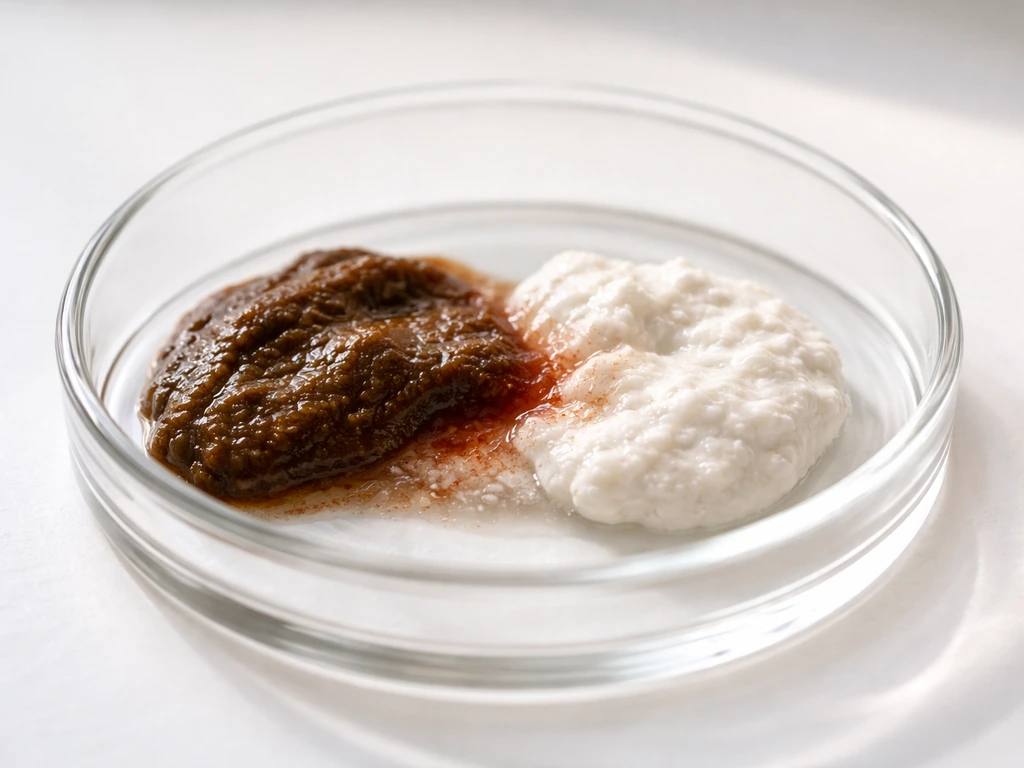
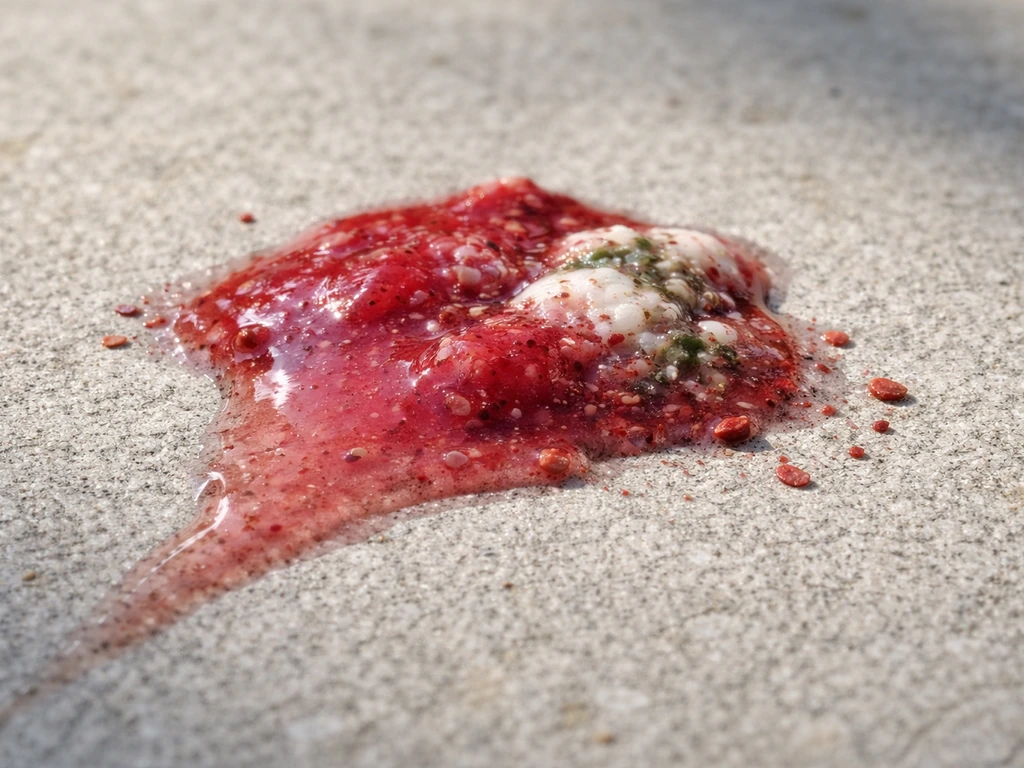
Birds have a single exit point for all waste, called the cloaca, which combines the fecal (dark) component with urates (the chalky white paste that replaces liquid urine in birds). When the fecal portion takes on a red or pinkish hue, it is almost always a diet issue. Berries are the number one culprit: mulberries, elderberries, pokeweed, holly, hawthorn, and pyracantha are all common in backyards and along roadsides, and they stain droppings dramatically. Cardinals and robins, both heavy berry eaters, are frequent offenders you will see splattered on your car hood in late spring and summer.
Beyond berries, red-fleshed fruit like watermelon, cherries, plums, and pomegranate can produce pink or reddish droppings. Some birds also eat red-pigmented insects. Research on bullfinches has identified carotenoid compounds (specifically alpha-doradexanthin and related pigments) that produce vivid reddish coloration and can pass into waste. Even certain seeds and grain dyes can shift dropping color. In short, a single feeding session can completely change what comes out the other end within a few hours.
Environmental contamination can also make droppings look red when they are not. If a bird is roosting near red paint, rust-stained metal, red clay soil, or painted surfaces, droppings can pick up those pigments. Droppings on a rusty surface can absorb the rust and look reddish-brown after drying. Before jumping to any health conclusion, consider where the droppings landed and what is nearby.
How to tell staining from actual blood
This is the most important diagnostic step, and you can usually do it without touching anything. If you are also trying to identify exactly which bird it came from, another common question is which bird has yellow poop diagnostic step. Blood and pigment from food behave differently, and a close look tells you a lot.
| Feature | Diet pigment / staining | True blood |
|---|---|---|
| Color consistency | Uniform pinkish-red or dark reddish-brown throughout the fecal portion | Bright red streaks, red smears mixed into dropping, or dark tarry black-red color |
| Texture | Normal dropping shape and consistency, just colored | Watery, slimy, or contains visible streaks through the mass |
| Fresh vs dried | Dries to a darker red-brown or purple-brown, holds shape | May dry to a rust-brown crust but often looks smeared or soaked into surface |
| Urate (white) portion | Usually normal white/cream; may be faintly pink if pigment load is very high | May be tinged pink if bleeding is significant; otherwise normal |
| Pattern | Consistent across multiple droppings from the same bird/area | May be isolated to one or few droppings; irregular |
| Associated signs | Bird appears healthy, active, normal behavior | Bird may appear fluffed, lethargic, tail-bobbing, or sitting on the ground |
The clearest sign of true blood is bright red streaking or a tarry, dark-almost-black color (digested blood), especially if it looks watery or coats the surface rather than sitting on top of it. Diet pigment tends to color the whole dropping uniformly and still looks like a normal-shaped dropping, just in an unusual color. If you see the same reddish tinge on every dropping in the area under a berry-heavy tree, that is almost certainly diet. If you find a single smeared, watery red dropping with no obvious food source nearby, that is worth watching.
What to do if you think it might be blood from a sick bird
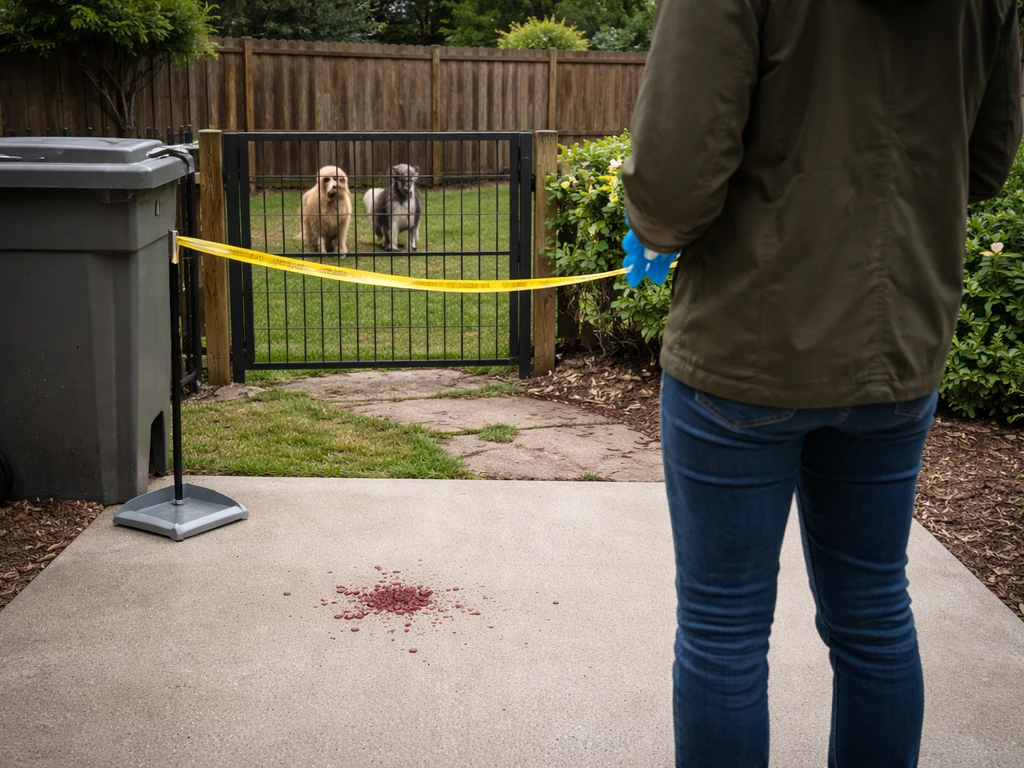
If the dropping pattern and the bird's behavior both suggest illness, do not handle the bird with bare hands. Keep pets away from the area immediately. Wild birds with bloody droppings may have gastrointestinal parasites, coccidiosis, lead poisoning, or an internal injury. You can report a sick or injured wild bird to your local wildlife rehabilitator or animal control agency. Do not attempt to care for it yourself unless you are trained, partly because handling wild birds carries its own disease transmission risk and partly because amateur care rarely helps. For pet birds showing blood in droppings, that is a same-day vet call, not a wait-and-see situation.
Health risks from red bird poop for people and pets
Whether the dropping is red, green, white, or any other color, bird droppings carry the same core set of health risks. If you are wondering what green bird poop means, color can be caused by diet or staining, but the health precautions are still the same bird droppings carry the same core set of health risks. The color does not make them more or less dangerous. What matters is the exposure pathway and the volume of droppings.
The three diseases most relevant to bird droppings in everyday settings are histoplasmosis, psittacosis, and salmonellosis. Histoplasmosis is caused by a fungus (Histoplasma) that can grow in accumulated droppings mixed with soil. You get it by breathing in spores, not by touching the droppings. The CDC notes that large accumulations (think rooftop colonies or bat/bird-infested attics) carry the most meaningful risk, and that preventing accumulation in the first place is the best protection. A single fresh dropping on your car is not a histoplasmosis risk in any practical sense. Psittacosis (Chlamydia psittaci) is spread by inhaling dried, aerosolized droppings or respiratory secretions from infected birds, and it is primarily a risk with parrots and other pet birds in enclosed spaces.
Salmonella can be shed in bird feces and spread to people and pets. The FDA flags young children, pregnant women, the elderly, and immunocompromised individuals as highest-risk for serious illness. For a healthy adult who avoids touching their face after contact, the risk from incidental exposure is low, but it is real and worth taking seriously if you have vulnerable people or pets in the household.
For pets, the risk is mostly from dogs and cats sniffing at or eating droppings, which can expose them to Salmonella, Campylobacter, and various parasites. If your dog ate bird droppings and starts showing vomiting, diarrhea, or lethargy within 24 to 48 hours, call your vet. For pet birds, direct contact with wild bird droppings (through open windows, shared outdoor space, or contaminated hands) is a real disease transmission route, so keep those environments separate.
When should you seek medical advice for yourself? If you have been cleaning up a large accumulation of droppings without proper PPE and develop flu-like symptoms (fever, cough, chest tightness, fatigue) within two weeks, mention the exposure to your doctor. Histoplasmosis and psittacosis are both treatable with the right antifungals or antibiotics, but doctors need to know the exposure history to test for them.
Safe cleanup and disinfection: step-by-step
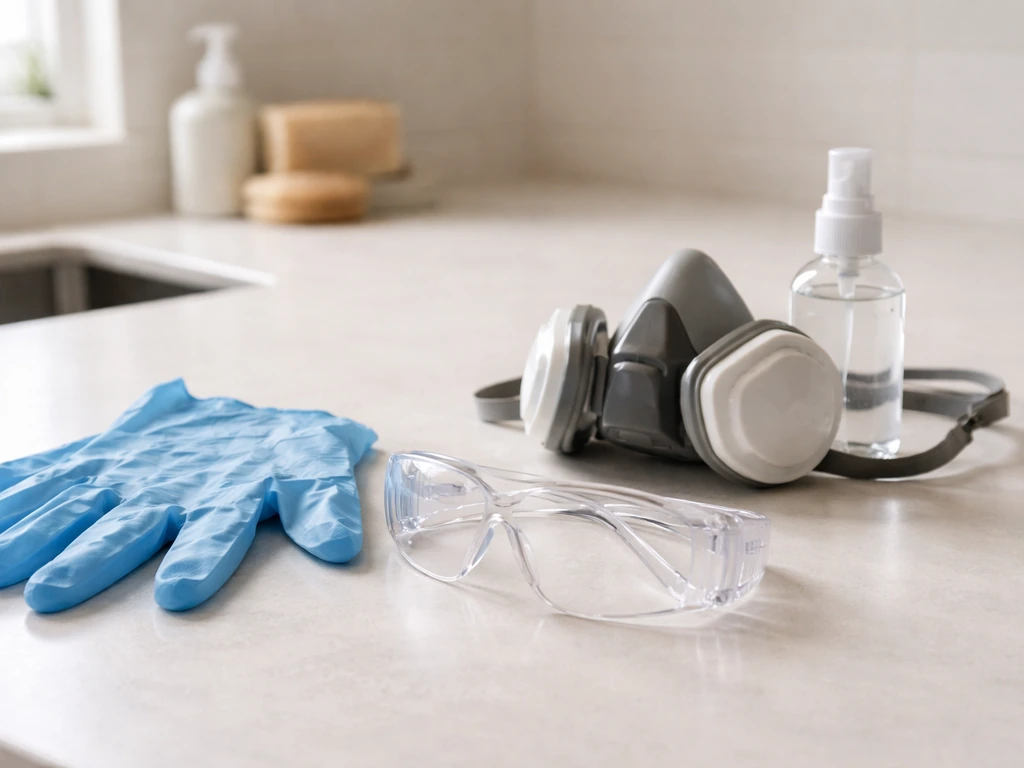
The single biggest mistake people make cleaning up bird droppings is going at them dry. Dry droppings crumble into dust, and that dust is the hazard. Wet it first, every time. Here is how to handle cleanup on the most common surfaces.
Before you start: PPE basics
- Disposable gloves (nitrile or rubber): non-negotiable for any direct contact
- N95 respirator or higher if you are cleaning more than a few droppings or working in an enclosed space; a basic dust mask is not adequate
- Disposable shoe covers or old shoes you can clean separately if working in a heavily soiled area
- Avoid touching your face until gloves are off and hands are washed
Cleaning car paint
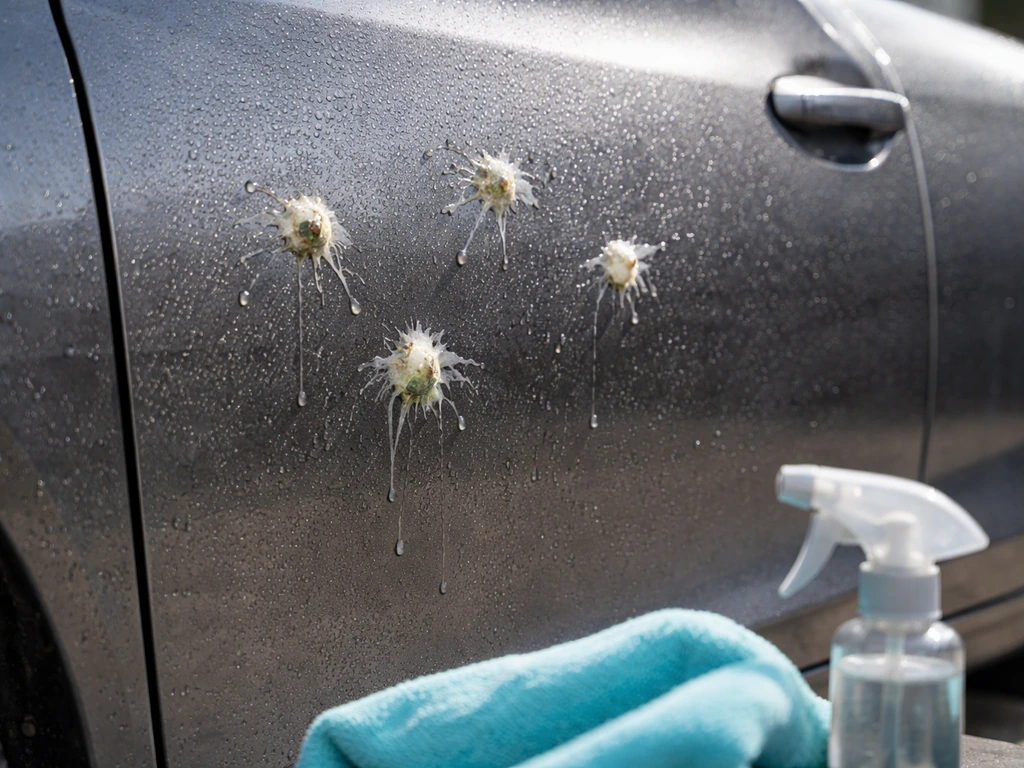
Act fast with cars because bird droppings are acidic and berry-based droppings can etch clear coat within hours in hot weather. Soak the dropping with plain water or a detailing spray for 30 to 60 seconds to soften it, then blot (do not scrub) with a microfiber cloth. Scrubbing dry or partially dried droppings grinds the material into the paint. Once lifted, clean the area with a pH-neutral car wash soap and rinse thoroughly. Do not vacuum dry droppings off a car surface either, as vacuums cannot be fully disinfected and can aerosolize particles.
Cleaning sidewalks, driveways, and outdoor surfaces
Apply a soapy water solution to wet the droppings before you do anything else, which suppresses dust as recommended by environmental health guidelines. Let it soak for a minute, then scrape or wipe up and dispose of the waste in a sealed bag. Rinse with water. For persistent stains on concrete or masonry, use a detergent scrub with a stiff brush. Avoid mixing bleach with anything that could contain ammonia residue from the droppings, because that combination produces toxic fumes. The GSA specifically calls this out as a masonry cleaning hazard.
Cleaning bird cages and home surfaces
blank" rel="noopener noreferrer">Wet surfaces with water or a diluted disinfectant before wiping, never dry-scrape cage bars or perches. The CDC recommends scrubbing with detergent, rinsing, then applying a disinfectant and giving it at least 5 minutes of contact time before a final rinse. Following NASPHV’s psittacosis prevention checklist for owners, many disinfectants need a 5, 10 minute contact time on a surface free of fecal debris, and frequent wetting or mopping with disinfectant helps minimize aerosolization of dried droppings blank" rel="noopener noreferrer">5 minutes of contact time. A 1:10 bleach solution works well on non-porous surfaces. Make sure the space is ventilated when disinfecting. Wash your hands thoroughly after removing gloves.
When to call a professional
The CDC is direct about this: large accumulations of bird or bat droppings should be handled by professional hazardous waste removal companies. If you are dealing with an attic, crawlspace, roof, or any enclosed area with years of buildup, this is not a weekend DIY project. The histoplasmosis spore load in aged, accumulated droppings in confined spaces is a genuine inhalation hazard that requires professional remediation equipment and protocols.
Prevention: keeping birds from targeting your space
You can reduce how often birds drop on your car, patio, or entryway without harming them. The core strategy is making the roosting spot less attractive. Birds return to the same spots repeatedly, so early intervention matters.
- Remove food sources: fallen berries, open compost, accessible pet food bowls, and uncovered water features all attract birds to specific spots
- Use physical deterrents: bird spikes on ledges, window sills, and fence posts discourage roosting without harming birds
- Reflective tape or old CDs hung near problem areas disrupt birds' visual comfort and reduce perching
- Bird netting over garden areas or parking structures is highly effective for persistent problems
- Park under cover whenever possible during heavy berry season (late spring through summer)
- For decks and patios, an outdoor fan running on low speed can make a spot less comfortable for perching birds
- Avoid trimming large roosting trees in ways that funnel droppings onto your property; sometimes strategic pruning redirects where birds sit
- If specific trees on your property are the source, removing or replacing them with non-berry-producing species is the most permanent fix
The CDC and NIOSH both emphasize that preventing accumulation in the first place is the most effective control measure, and that principle applies just as much to your driveway as it does to a commercial building. The less you let droppings build up, the lower the cleaning burden and the disease risk.
Superstitions vs reality: what "red bird poop" meaning actually tells you
The cultural belief that bird poop landing on you is good luck is widespread across multiple traditions, from Russia and Turkey to parts of Asia and parts of the American South. If you came here wondering what does red bird poop mean beyond luck, the rest of the article focuses on the real causes like diet pigment versus actual blood. The general logic is that something rare and unexpected (a bird choosing you out of everyone around) must carry special significance. Some traditions specifically attach luck to the rarity of the event, essentially saying the more unusual the occurrence, the stronger the omen.
Red bird poop, being less common than white or green, occasionally gets assigned extra significance in these frameworks. Some people interpret it as a stronger version of the usual luck symbolism, or link it to passion, vitality, and transformation. Cardinals, which are culturally associated with deceased loved ones in some American Christian traditions, add another layer: if a cardinal drops on you, some people read it as a message from a spirit. None of this has any evidence-based grounding, but it is genuinely interesting folklore and there is nothing wrong with enjoying the symbolism if you find comfort in it.
The medical reality, though, is completely separate from the symbolism. Red bird poop is almost always dietary pigment, poses the same cleanup and health precaution profile as any other bird dropping, and does not require any special response beyond the practical steps above. Think of the symbolism as a fun bonus story you can tell while you grab the paper towels.
Other dropping colors like green or yellow have their own cultural readings and health interpretations too, and the diagnostic logic for spotting pigment versus a genuine health signal is similar across all of them. If you are wondering whether green bird poop is normal, the same diet-and-staining logic usually applies green or yellow have their own cultural readings and health interpretations.
Even though green bird poop can sound alarming, it often comes from pigments in what the bird eats or from environmental staining, not from blood. Yellow bird poop is usually just another pigment or diet-related color shift, and it still should be handled using the same safe cleanup steps as other droppings.
Your troubleshooting checklist for today
- Look at the dropping before touching it: is the color uniform throughout, or do you see bright red streaks and watery texture? Uniform color almost always means diet.
- Check the environment: are there berry-producing trees or shrubs nearby? If yes, that is almost certainly your answer.
- Observe the bird if possible: is it acting normally (alert, mobile, singing)? A healthy-looking bird means the dropping is almost certainly not blood.
- Put gloves on before any cleanup. If there are more than a few droppings, add an N95 mask.
- Wet the droppings before cleaning. Never scrub dry.
- For car paint: soak, blot, soap, rinse. Do not scrub.
- For hard outdoor surfaces: soapy water first, then scrub, then disinfect. Avoid bleach-ammonia combinations.
- For pet bird cages: detergent scrub, rinse, disinfectant with 5-minute contact time, final rinse.
- If you have a pet that may have ingested droppings and shows symptoms within 48 hours, call your vet.
- If you cleaned a large accumulation without PPE and feel flu-like symptoms within two weeks, tell your doctor about the exposure.
- For large-scale accumulations in enclosed spaces, do not DIY: call a professional remediation service.
- Implement one prevention measure today (deterrent strip, car cover, removal of attractant) to reduce future incidents.
FAQ
If I see red bird poop on a surface, how can I tell whether it is from food pigment or something staining from the environment?
Look for clues from the surrounding area, if it is clustered under berry-heavy trees or near fruit-eating birds, pigment is more likely. If the red color matches nearby rust, red clay, red paint, or a painted metal surface, and other droppings nearby look normal, that points to transfer or contamination. Also check whether the color is uniform across the whole dropping (diet pigment) versus a smudged or streaked spread that seems to have come from staining.
Is it safe to wipe red bird droppings with paper towels if I do not have gloves or disinfectant?
Avoid dry wiping and avoid bare skin contact. If you must do it immediately, first wet the spot with plain water to prevent dust, then blot with paper towels, and dispose of them in a sealed bag. Wash hands thoroughly afterward. For any larger area, indoor surfaces, or enclosed spaces, gloves and proper detergent disinfecting are strongly recommended.
What if the red dropping is on fabric, like a car seat, outdoor cushion, or clothing?
Do not rub it while dry, first soak or saturate with water to loosen the material. Then treat with a stain remover or detergent according to the fabric label, rinse well, and air-dry. If it is dried and crusted, pre-soak longer rather than scrubbing, to avoid grinding residue into fibers. For heavy contamination, consider professional cleaning.
Should I be concerned if my bird feeder or patio only gets red droppings occasionally?
Occasional red coloration is usually consistent with a bird eating a red-pigment food item on a specific day. What matters more is overall pattern and your exposure route. If you only see a few droppings outdoors and you avoid contact and wash hands, follow standard droppings hygiene. If you notice many birds becoming lethargic or droppings look consistently watery or bloody over multiple days, contact a wildlife professional.
Can red bird poop in my yard mean my dog or cat is at higher risk right now?
Risk increases mainly if a pet sniffs heavily near fresh droppings or eats them. Red color itself does not change the core hazard, but pets can ingest contaminated material. If your pet gets access, prevent repeat exposure, wash the pet’s paws if they were in contact, and monitor for vomiting or diarrhea for 1 to 2 days. If symptoms start, call your vet and mention the suspected contact with bird droppings.
What should I do if I find red droppings inside my garage or under an attic stair, but there is no visible buildup?
Even without visible heavy accumulation, prioritize ventilation and dust control. Wet the droppings before wiping, use detergent cleaning, and avoid sweeping or vacuuming dry. If the area is enclosed or you suspect the droppings are older than they look, treat it more seriously and consider professional remediation, because aerosol risk rises when dried material is disturbed.
How much cleanup is considered a 'large accumulation,' where I should stop DIY?
A practical rule is to stop DIY when droppings are widespread across a space, in multiple layers, or in an enclosed area where they would be hard to avoid aerosolizing while cleaning. If you cannot clean without dry scraping, using a ladder extensively, or working in a confined room for an extended time, it is better to contact a hazardous waste or wildlife cleanup team.
If the red poop looked watery and there was a small amount only once, do I still need to watch for blood-related illness?
A single watery red event with no obvious nearby food source can be worth monitoring, but it does not automatically mean disease. The best approach is to avoid contact, clean the area safely, and then observe whether more abnormal droppings appear from the same bird for the next 24 to 48 hours. If you see repeated watery red droppings, strong lethargy, or multiple birds acting unwell, report it to wildlife authorities.
Does red bird poop mean I should contact a doctor immediately if I touched it accidentally?
Accidental touch is usually not an emergency if you washed your hands promptly and did not develop symptoms right away. Seek medical advice faster if you cleaned a large amount without PPE and then develop flu-like symptoms within about two weeks, especially fever, cough, or chest tightness. If you are in a high-risk group (pregnancy, immunocompromise, elderly, young children in the household), be more cautious and contact a clinician sooner if you are worried.
Can birds passing red droppings mean something is wrong with their diet or habitat around my property?
Sometimes it is simply feeding on available red foods, like berries or red-pigmented fruit. However, if you have persistent abnormal-looking droppings across many birds at one location, check for environmental triggers like spilled dyed feed, contaminated water, or pesticide residues near food sources. In that case, remove or replace suspicious feed and avoid disturbing nests or roost areas, and contact local wildlife guidance for next steps.
Is it okay to use bleach to clean after red bird poop on all surfaces?
Only use bleach when appropriate, and never mix bleach with ammonia-containing products. For non-porous surfaces, a properly diluted bleach solution is commonly used, but porous materials like some woods and fabrics require different approaches (often detergent cleaning first, then appropriate disinfecting or professional cleaning). Always ventilate and follow surface compatibility, because bleach can discolor or damage some materials.