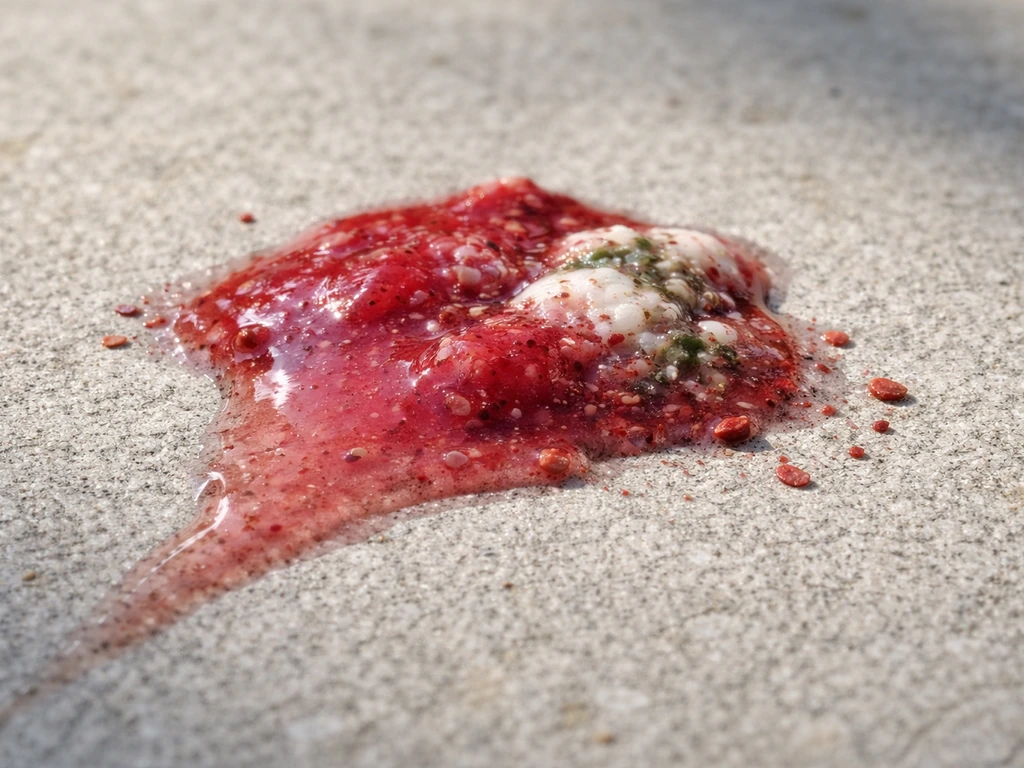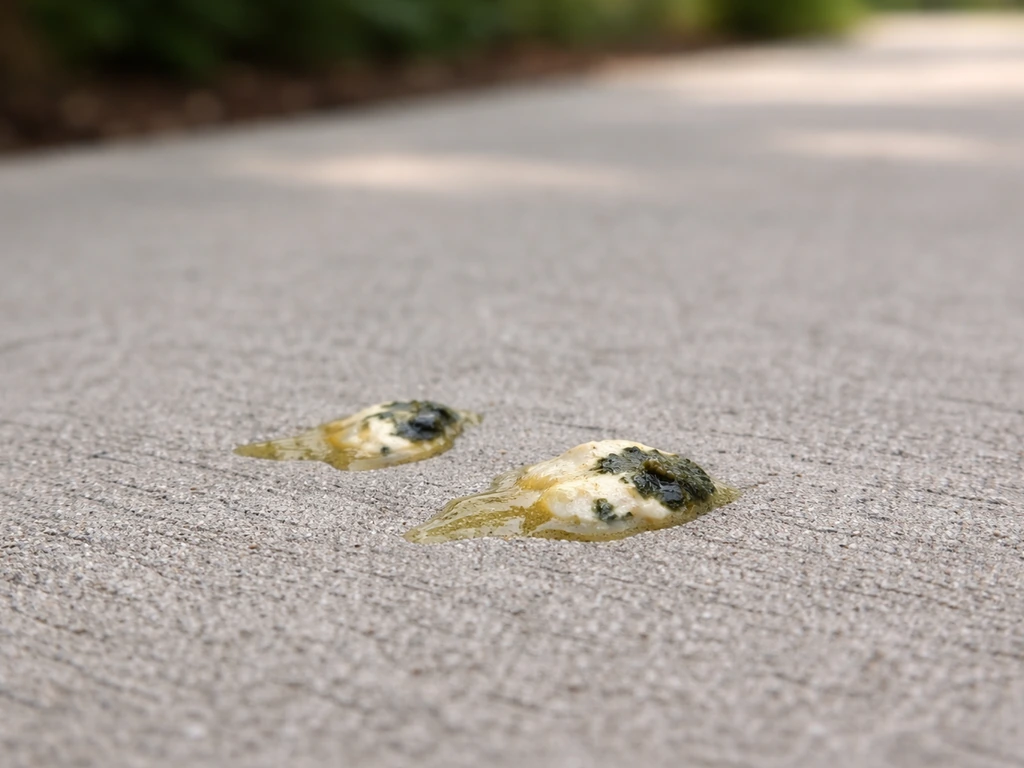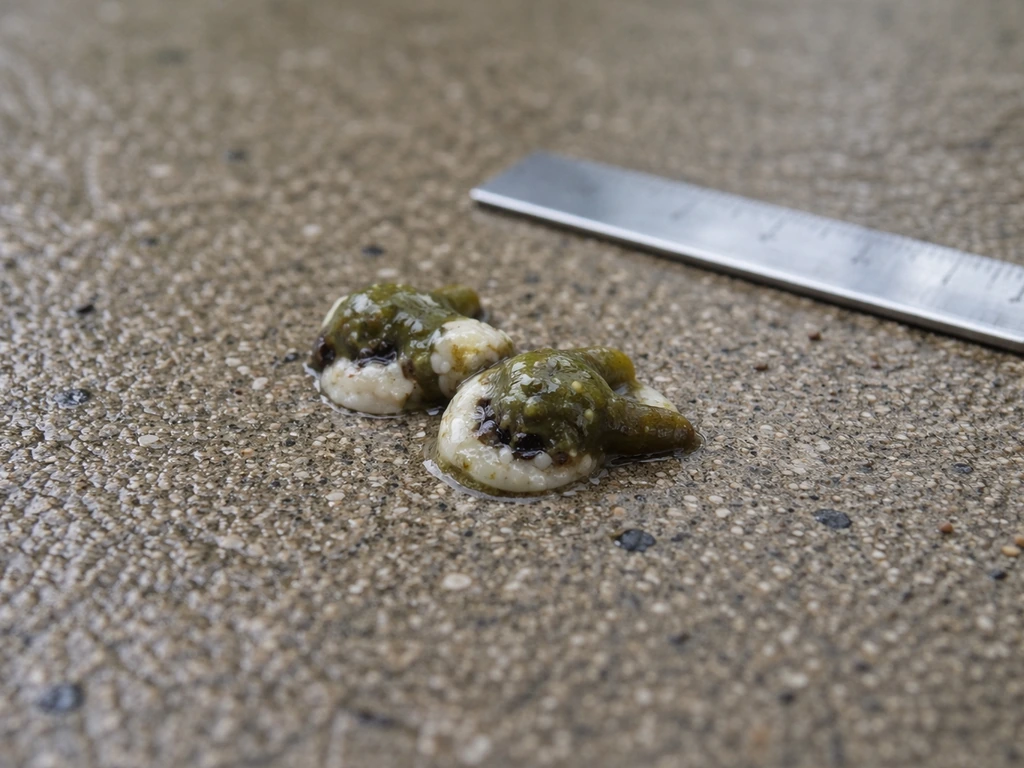
Yellow bird poop is most often caused by one of three things: what the bird ate, the natural color of its urate component, or a sign that something is off health-wise. For wild birds, a yellow tinge usually points to a berry-heavy diet or pigment-rich food. For pet birds, it can mean the same thing, but persistent bright yellow droppings, especially in the urate (the white chalky part), are worth taking seriously because they can signal liver disease or infection. Knowing which part of the dropping is yellow, and for how long, is the fastest way to figure out whether you need to act or just wipe it up and move on.
What Does Yellow Bird Poop Mean? Causes and What to Do

Marcus Fielding
4 Jun 2026
Why bird poop can be yellow
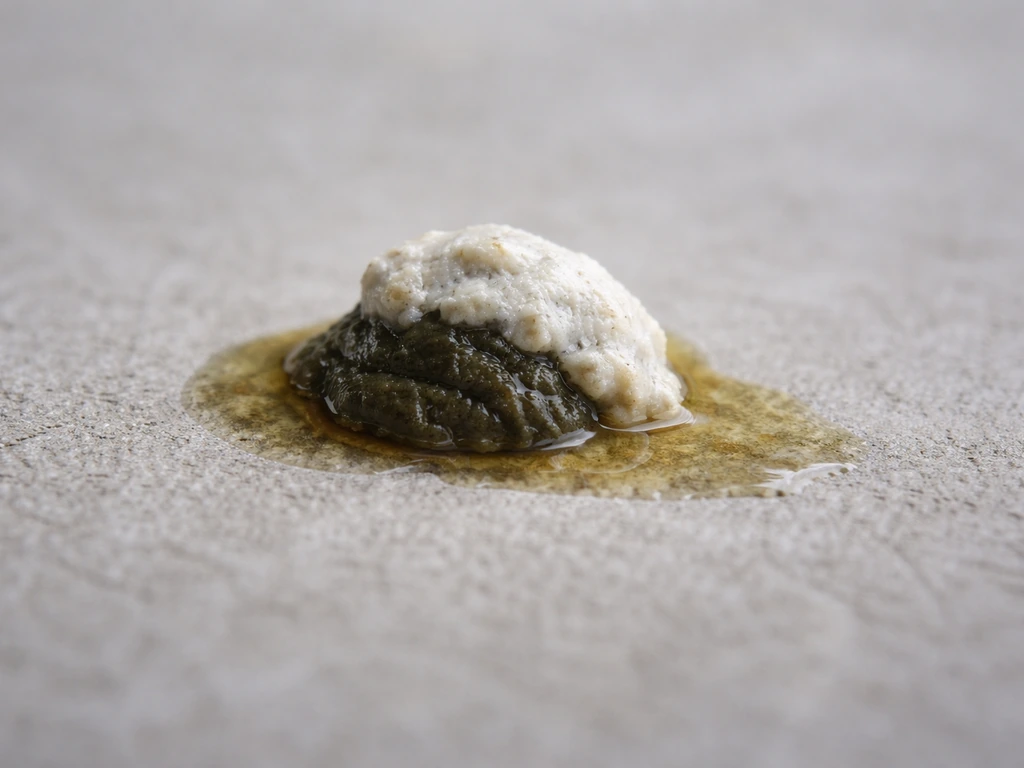
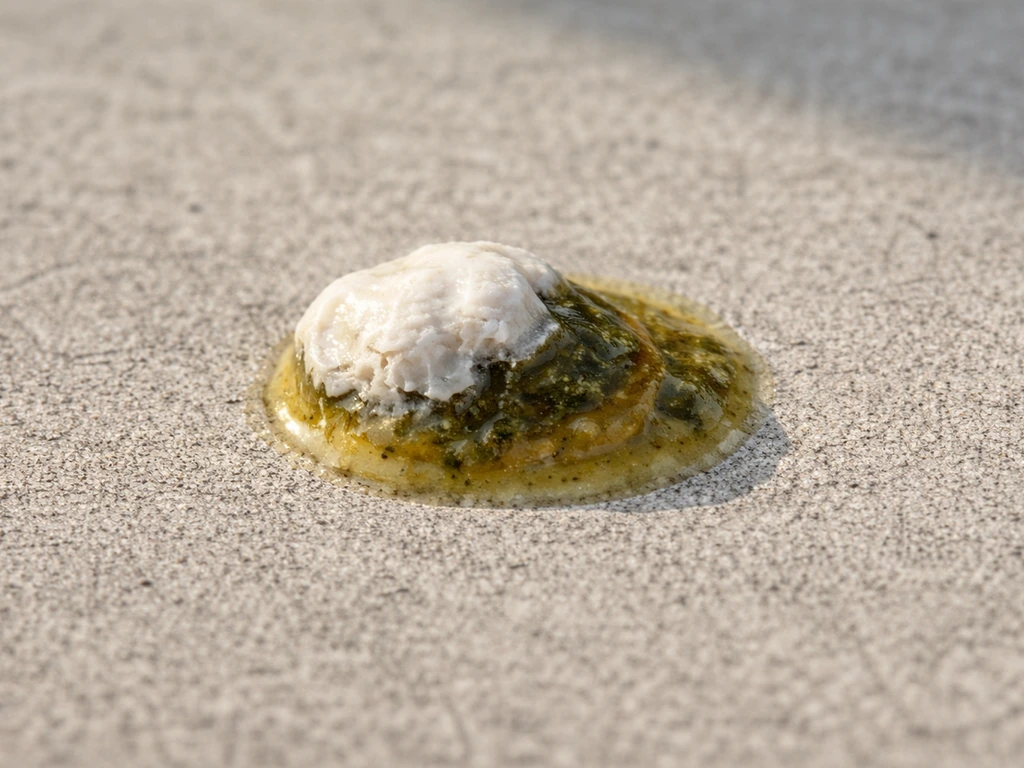
Bird droppings are made up of three parts: the fecal matter (the solid or semi-solid dark portion), urates (the white or off-white chalky cap), and liquid urine. Birds don't produce urea the way mammals do. Instead, they excrete nitrogenous waste as uric acid, which is insoluble in water and shows up as that white paste-like layer you always see on top. Under normal conditions, urates are white to cream-colored, and the whole dropping is a fairly predictable shade of dark green or brown with a white top. When the color shifts toward yellow, it can come from any of those three components and each one tells a slightly different story.
The yellow can show up because pigments from food stain the fecal portion, because the urates themselves are taking on a yellow tint, or because the liquid urine component is more concentrated or bile-tinged. Sorting out which part is actually yellow helps enormously in figuring out the cause.
Common causes behind yellow droppings
Diet is usually the first explanation
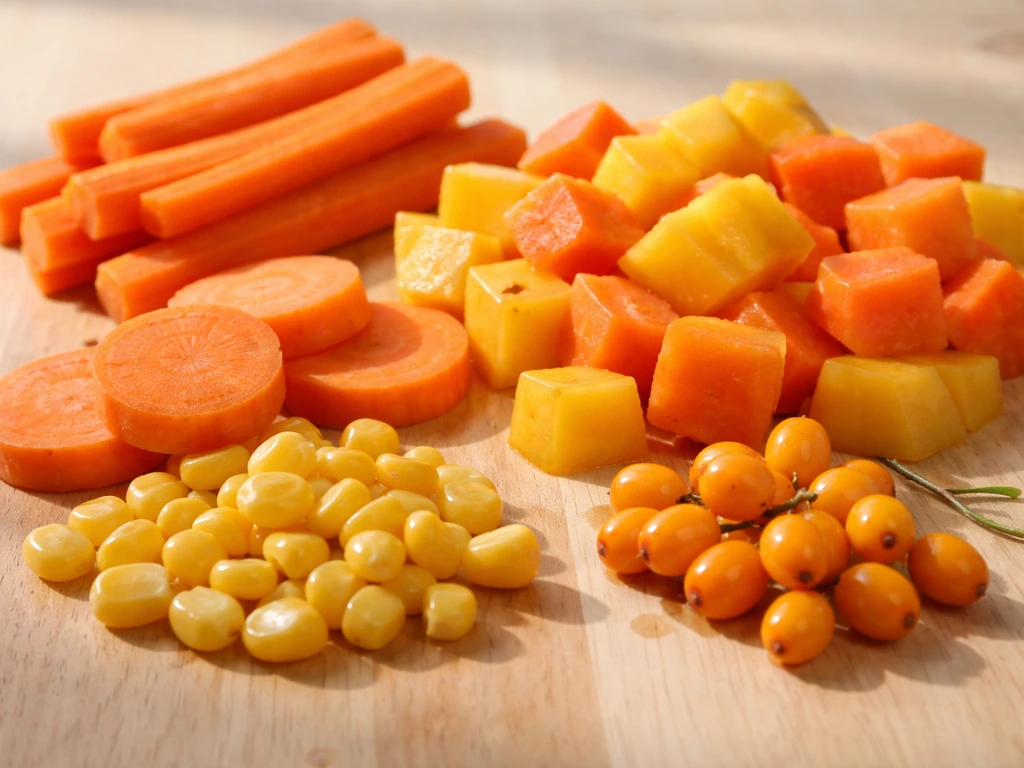
Foods high in yellow or orange pigments, things like corn, squash, papaya, mango, carrots, and certain berries, can temporarily turn droppings yellowish or orange-yellow. This is the most benign explanation and is extremely common in both wild and pet birds. If a bird raided a pile of corn or spent the afternoon eating dandelions, expect oddly colored poop for a dropping or two. It should clear up within 24 to 48 hours once the bird's diet returns to normal.
Dehydration and concentrated urates
When a bird isn't drinking enough water, its urine portion shrinks and the urates become more concentrated and paste-like. This can push the overall color toward a darker cream or faint yellow. In pet birds especially, dehydration is a real concern during hot weather or if a water source is dirty or blocked. If the urate portion looks especially thick or chalky yellow rather than white, check water access first.
When yellow urates signal something more serious
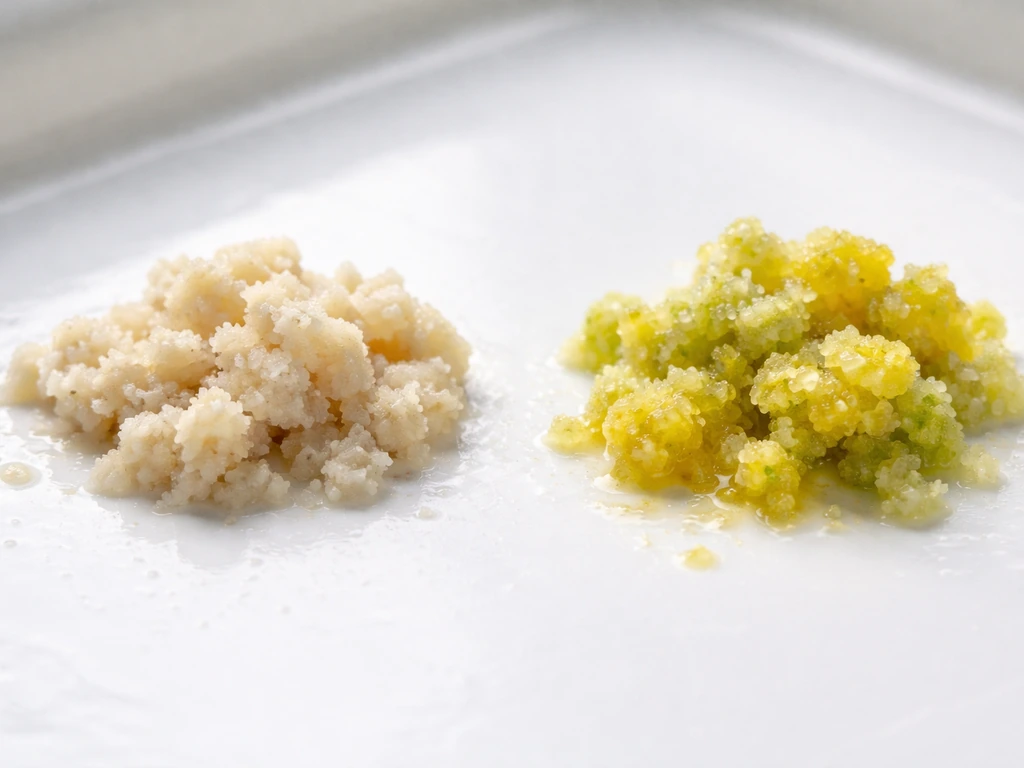
This is where it gets important. Urates that are bright yellow, yellow-green, or lime-colored, rather than the normal off-white, are a recognized clinical signal for liver disease, infection, or inflammation in birds. Avian health guidelines flag yellow or bright green urates specifically as associated with hepatic (liver) involvement or systemic infection. The liver processes bile pigments, and when it isn't functioning correctly, those pigments can leak into the urate portion. So a single yellowish dropping after a corn-heavy meal is one thing, but repeatedly bright yellow urates in a bird that isn't eating a pigment-rich diet is a different situation entirely.
What yellow bird poop means for different bird types
Wild birds
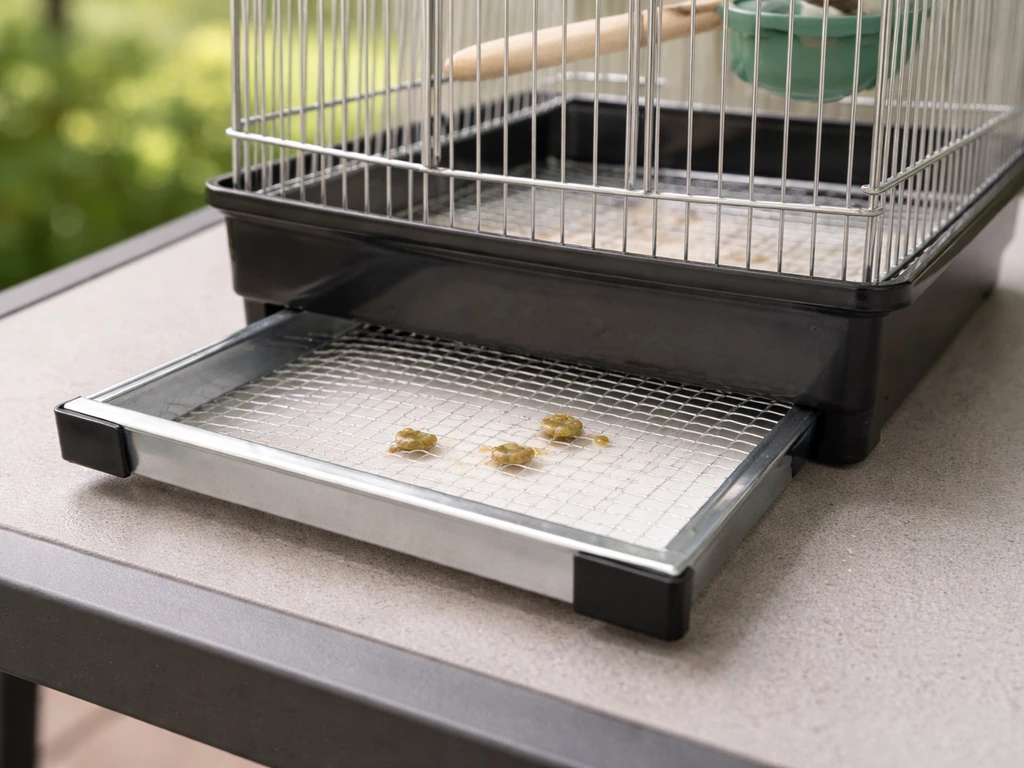
For wild birds, yellow droppings on your car, windowsill, or patio are almost always diet-related. Wild birds eat what's available, and in spring and summer that often means fruit, berries, and insects with strong pigments. Some species, like waxwings or robins gorging on berries, will leave distinctly colored droppings during certain seasons. Certain birds naturally produce more yellow-tinted urates than others. If you're curious about which specific species tend to leave yellow droppings, that's a separate topic worth exploring. If you are trying to figure out which bird has yellow poop, the answer depends on what the bird is eating and its urate color naturally which specific species tend to leave yellow droppings. The key point for wild birds is this: unless you're seeing blood, or the bird appears visibly sick or lethargic (which you'd only know if it's a bird you regularly observe), the yellow droppings on your property are a cleanup issue, not a veterinary one.
Pet birds
With pet birds, you have the advantage of actually being able to monitor droppings over time, which makes color changes much more meaningful. A sudden shift to yellow droppings in a parrot, cockatiel, canary, or other pet bird, particularly if it lasts more than a day or two and isn't explained by a new food you introduced, is something to pay attention to. Pet birds are also prone to stress-related dropping changes, and stress can affect digestion and urate color. If the yellow droppings come alongside other symptoms like fluffed feathers, reduced appetite, or lethargy, that's an urgent vet call. Healthy pet bird droppings should return to their normal color within 24 to 48 hours after any dietary change.
| Situation | Most likely cause | Action needed |
|---|---|---|
| Wild bird, one-off yellow dropping | Diet (berries, fruit, insects) | No action needed |
| Wild bird, persistent yellow droppings on property | Diet or seasonal change | Cleanup only; no vet needed |
| Pet bird, yellow after new food | Diet pigment | Monitor 24-48 hours; remove new food if concerned |
| Pet bird, persistent bright yellow urates | Possible liver disease or infection | Contact avian vet promptly |
| Pet bird, yellow droppings + lethargy/fluffing | Possible serious illness | Urgent vet visit |
| Any bird, dehydration suspected | Concentrated urates | Ensure fresh water access; monitor |
Health risks: disease exposure and when to worry
Regardless of color, bird droppings in general carry a real, documented health risk to humans. The main pathogens of concern are histoplasmosis and cryptococcosis, both fungal infections that live in dried droppings and become dangerous when the dust becomes airborne, and psittacosis (also called parrot fever), a bacterial infection linked to droppings and respiratory secretions from infected birds. These aren't theoretical risks. They're well-established enough that environmental health departments at universities include them in formal safety protocols for handling bird waste.
Yellow droppings don't make droppings more dangerous from a pathogen standpoint. The color change itself is about what's happening inside the bird, not about the type of microorganism present. However, if you're dealing with a large accumulation of droppings, such as under a roost site or in an attic where birds have been nesting, the quantity is what drives risk, not the color. Dried droppings of any color can become airborne and inhaled.
- Histoplasmosis: a fungal lung infection caused by inhaling spores from dried droppings, most common in accumulations of pigeon, starling, or bat waste
- Cryptococcosis: another fungal infection found in pigeon droppings especially, affecting the lungs and sometimes the central nervous system in immunocompromised people
- Psittacosis: a bacterial infection (Chlamydia psittaci) spread via droppings and respiratory secretions from infected birds, causing flu-like symptoms in humans
- Salmonella and Campylobacter: bacterial gut pathogens that can be present in droppings and cause gastrointestinal illness after hand-to-mouth contact
People with weakened immune systems, respiratory conditions, or those who are pregnant are at higher risk and should avoid direct contact with bird droppings entirely. Healthy adults doing a quick one-time cleanup of a small amount are at low but not zero risk, which is why protective gear still makes sense.
Safe cleanup and what to avoid during removal
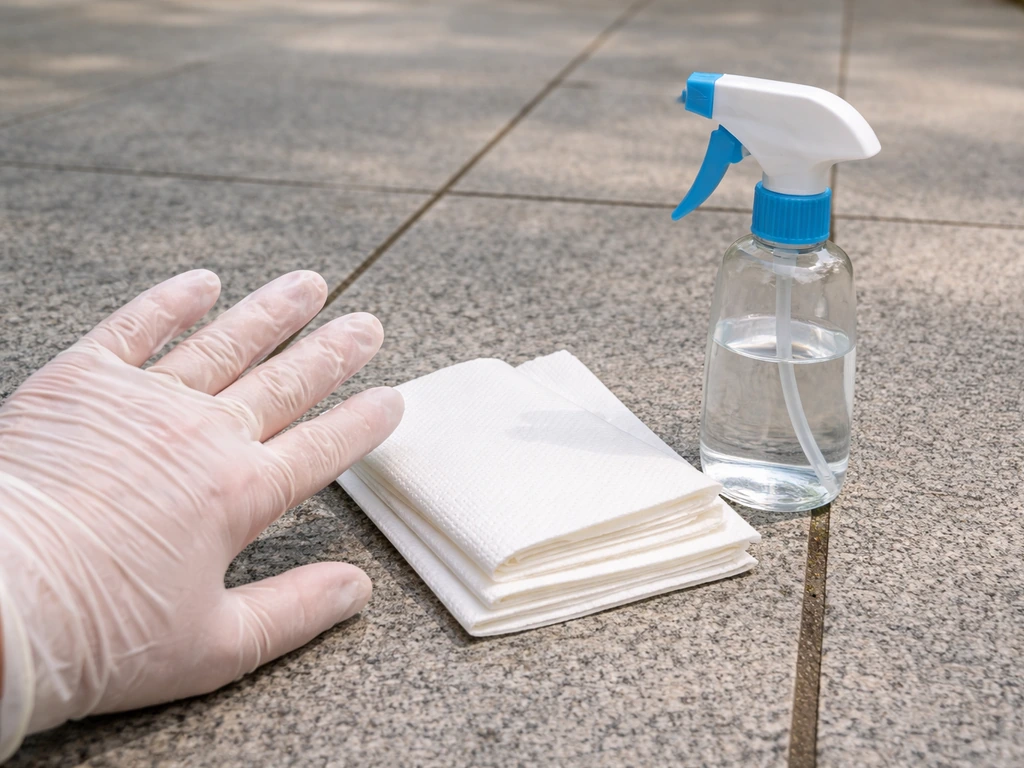
The single most important rule for cleaning up bird droppings is: do not create dust. Dry sweeping, using a leaf blower, or scraping dried droppings without wetting them first sends particles (and any pathogens in them) straight into the air you're breathing. University environmental health guidelines specifically flag this as the primary hazard of bird dropping cleanup. Wet the area first, always.
- Put on disposable gloves and, for any more than a small amount, an N95 or better respirator mask
- Lightly mist the droppings with water or a disinfectant spray to dampen them and prevent dust from becoming airborne
- Use paper towels or disposable cloths to wipe up the dampened material; do not use a dry brush or broom
- Place used materials in a sealed plastic bag and dispose of them in the trash
- Disinfect the surface with a diluted bleach solution (1 part bleach to 9 parts water) or a commercial disinfectant
- Wash your hands thoroughly with soap and water for at least 20 seconds after removing gloves
- If you cleaned a pet bird's cage or equipment, the CDC advises against bare-hand contact with droppings and recommends washing any items outside the main living area if possible
For cars specifically, dried bird droppings also damage paint through their acidity, so the sooner you clean them the better for your car's finish. The same moisture-first approach works: soak with a damp cloth, let it sit for 30 seconds to soften the material, then wipe gently to avoid scratching. Avoid scraping with anything hard.
When to contact a vet or pest control
Call an avian vet if:
- Your pet bird's droppings have been bright yellow or yellow-green for more than 48 hours and you haven't changed its diet
- Yellow droppings are accompanied by other symptoms: fluffed feathers, reduced eating or drinking, lethargy, vomiting, or unusual posture
- The urate portion (the white part) is consistently yellow rather than off-white or cream-colored
- You notice the droppings have changed in multiple ways at once, such as color plus consistency plus frequency
- You've recently added a new bird to the household and the existing bird's droppings changed shortly after
Contact pest control or a wildlife removal service if:
- You have a large accumulation of wild bird droppings in an attic, roof space, balcony, or vent area that you cannot safely clean yourself
- Birds are roosting inside a structure and leaving droppings over a wide area
- You're dealing with more than a few square feet of accumulated droppings, at which point professional-grade respiratory protection and containment procedures are the appropriate standard
- Anyone in your household is immunocompromised, elderly, very young, or has a respiratory condition that makes exposure especially risky
For smaller infestations that you handle yourself, document what you observe (color, consistency, location, volume) before you clean it up, especially if you're going to report it to a landlord or building manager. A photo is worth a lot in those conversations.
Myths and superstitions about yellow bird poop
There's a long-standing folk belief in many cultures that being pooped on by a bird is good luck, particularly if it lands on you. The general version of this story is fairly widespread across Europe, parts of Asia, and Latin America, with the logic being something like: the odds are so low that it must mean fortune is paying attention to you. Yellow bird poop, specifically, is sometimes said in superstition circles to be especially lucky, associated with gold, prosperity, or financial good news coming your way. Some variations claim it signals a new beginning or that a message from the spirit world is on its way.
Is any of this true? No, not in any measurable sense. Yellow droppings mean the bird ate something colorful or, in a pet bird, possibly that its liver needs attention. Yellow droppings mean the bird ate something colorful or, in a pet bird, possibly that its liver needs attention red bird poop meaning. There's no documented relationship between the color of bird excrement and human fortune. But if believing it's a lucky omen helps you laugh off the fact that your dry-clean-only jacket just got hit, there's no harm in that interpretation either. Just don't skip the cleanup. The superstition doesn't make the pathogens less real.
The broader cultural fascination with what bird poop color means, whether yellow, green, or red, is genuinely interesting even if the mystical explanations don't hold up. Green droppings, for instance, carry their own set of both practical and folkloric interpretations, and red droppings prompt an entirely different level of urgency in both the medical and superstitious reading. Red droppings can have their own causes, so it helps to know what to look for when the color is specifically red. If you are wondering whether green bird poop is normal, the same diet and hydration factors usually explain it, but persistent color changes can be worth checking green droppings. Across all of these, the practical explanations (diet, health, species) tend to be far more reliable guides to what's actually going on than the omens, however entertaining those might be.
FAQ
How long should I wait before I worry about yellow bird poop from a pet bird?
If the bird had a recent change in food (especially berries, carrots, mango, squash, or corn), yellow droppings should settle within 24 to 48 hours. If the yellow urate cap stays bright yellow or keeps recurring beyond 48 hours, or you see the bird acting off, treat it as a health concern rather than a diet issue.
What if the fecal part is yellow but the urates look normal?
A yellow tint limited mostly to the dark fecal portion usually points to pigment in the diet staining the feces. Bright yellow or lime-colored urates are the more concerning pattern, so check whether the white chalky cap is changing color, not just the dark material.
Does yellow poop mean a bird has liver disease every time?
No. Diet-related pigments and dehydration can both create yellowish droppings. Liver involvement becomes more likely when the urates are repeatedly bright yellow, yellow-green, or lime-colored and the bird is not on a pigment-heavy diet, especially if symptoms like reduced appetite or lethargy are present.
Can stress cause yellow droppings in pet birds?
Yes, stress can alter digestion and change how urates look, so temporary color shifts can happen around stressful events. Still, if the bird has bright yellow urates that persist more than a day or two, or other symptoms appear, you should consider a vet call instead of assuming stress.
What dehydration signs should I look for if yellow droppings might be dehydration-related?
Look for reduced drinking, a blocked or dirty water source, and overall droppings becoming smaller or thicker, with urates looking extra chalky or more concentrated. Hot weather and poor water access are common triggers, so verify the water container is clean, accessible, and not getting spilled or fouled.
Is it safe for kids or people with asthma to clean up yellow bird poop?
Safer practice is to avoid direct contact and, if possible, have someone else handle it. Even if the poop is “only” yellow, dried droppings can become airborne dust. People with respiratory conditions or weakened immunity should not participate, and everyone else should use moisture-first cleaning and protective gear (mask and gloves).
Can I use a disinfectant spray on bird droppings instead of wetting first?
Spraying alone often dries quickly or scatters particles before you can wipe, so the priority is wetting the area first to prevent dust from becoming airborne. After the area is softened, wiping and then using appropriate cleaning/disinfection methods is generally the safer workflow.
How do I protect my car paint when bird droppings are dried and yellow?
Don’t scrape with hard tools. Damp cloth first, let it sit about 30 seconds to soften, then wipe gently to avoid scratching. Prompt cleanup matters because dried droppings can etch paint due to acidity, and yellow pigment can cling as it dries.
What should I document if I suspect a pet bird health issue from yellow droppings?
Track the timing (start date and how many droppings), location in the cage (if there is a roost area pattern), what the bird has eaten in the prior 24 hours, and whether the yellow is in the feces, the urates, or both. Photos help, but include an image that shows the white urate cap clearly.
If I find yellow bird poop outdoors, do I need a vet or just cleanup?
For wild birds, yellow droppings on your property are usually diet-related cleanup. The main exception is if you also observe an obviously sick bird (lethargy, inability to fly, blood, or unusual behavior) that you regularly notice in person, which would justify contacting a wildlife rehabilitator or local animal health resources.