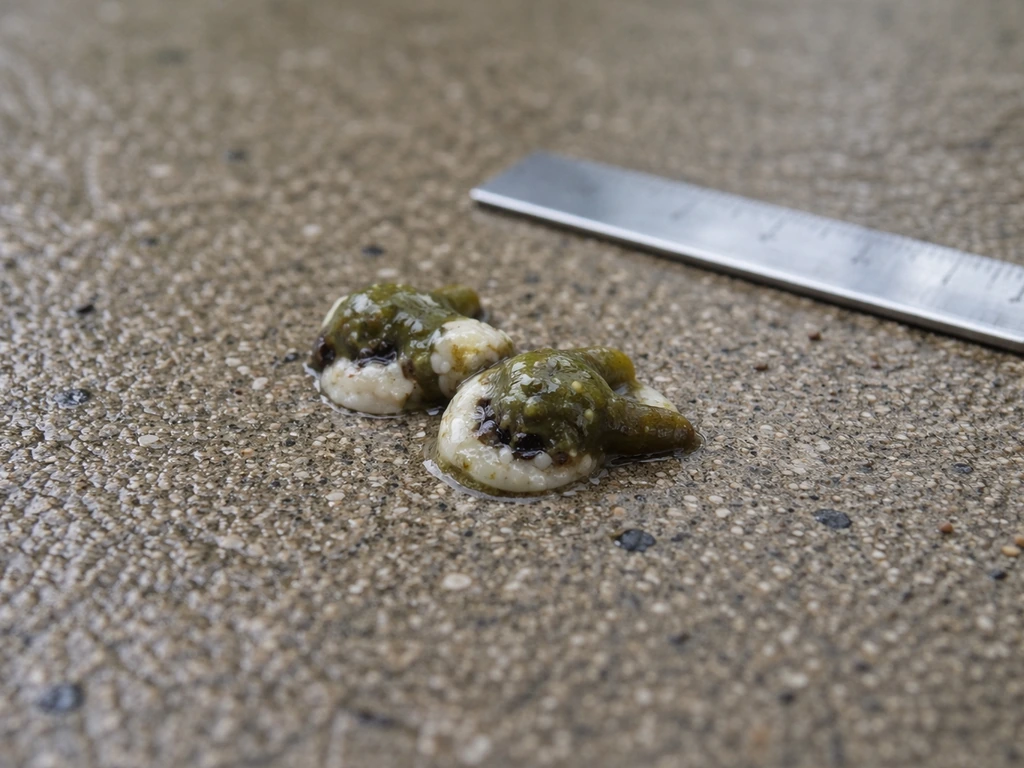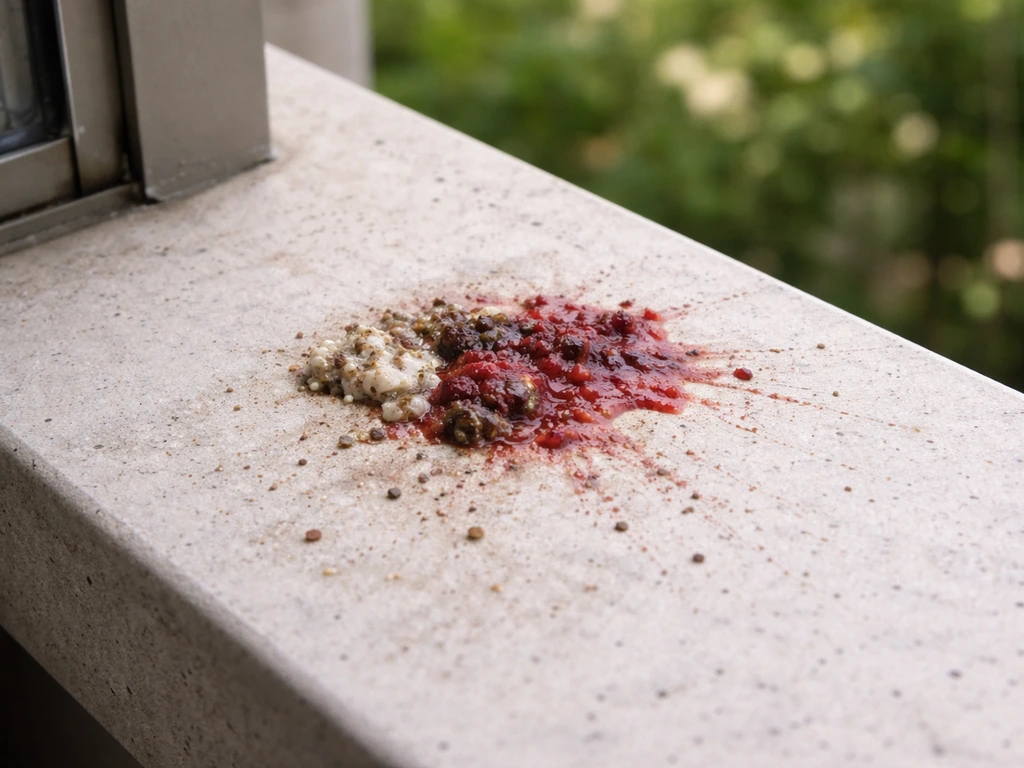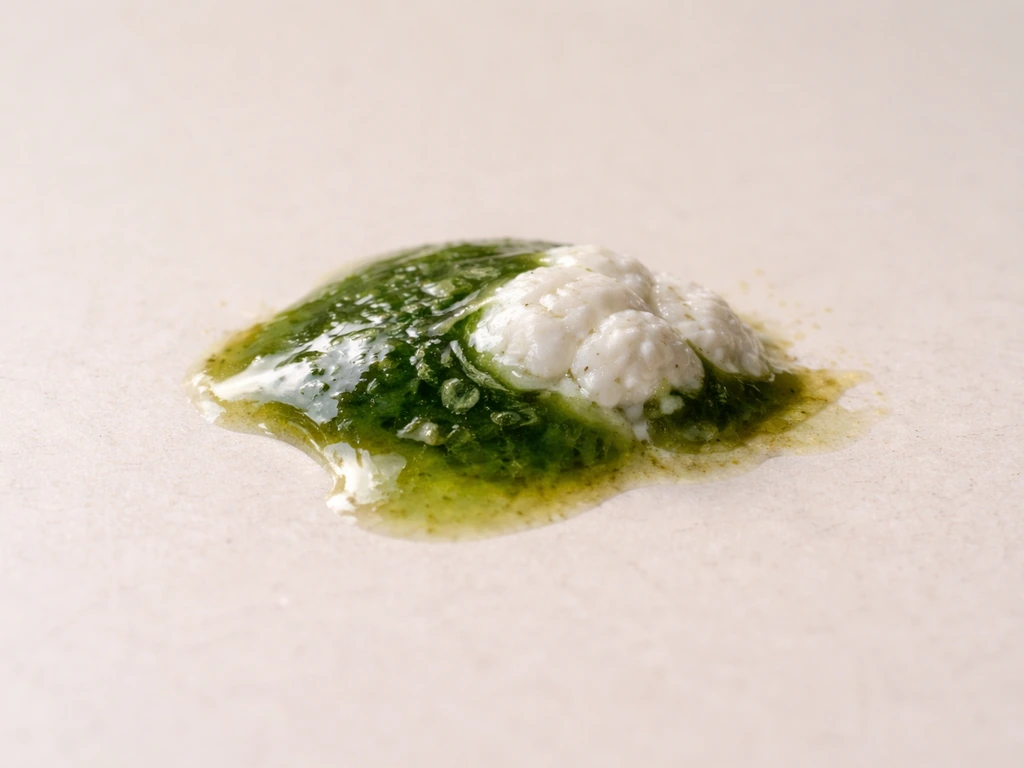
There is no single bird that always poops yellow, but the most likely culprits are fruit-eating birds (like cedar waxwings, orioles, or starlings that have been gorging on berries), pigeons under nutritional stress, and pet parrots or parakeets with a diet or health issue affecting their urates. Yellow coloring in droppings usually comes from one of two places: what the bird ate, or a problem with its liver or kidneys. If your question is, "Is bird poop yellow?", the key is whether the yellow is coming from the urate (white part) or the darker fecal portion. Figuring out which one applies to your situation is the whole game here.
Which Bird Has Yellow Poop? Causes and Best Guesses

Marcus Fielding
2 Jun 2026
Why bird poop looks yellow in the first place
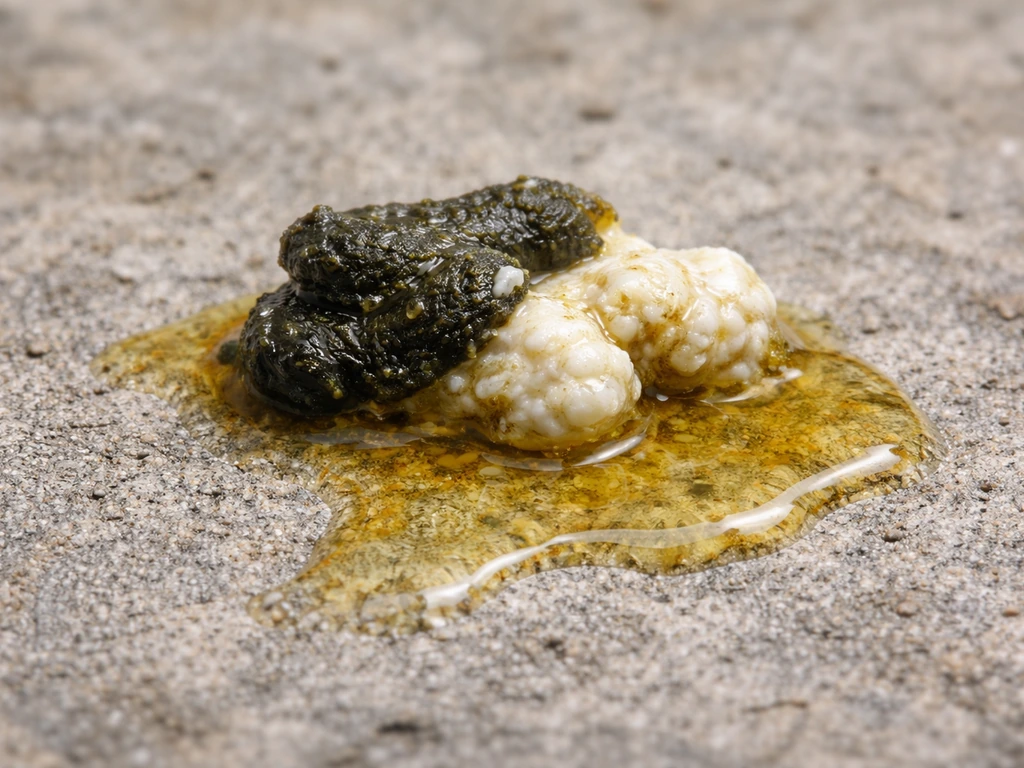
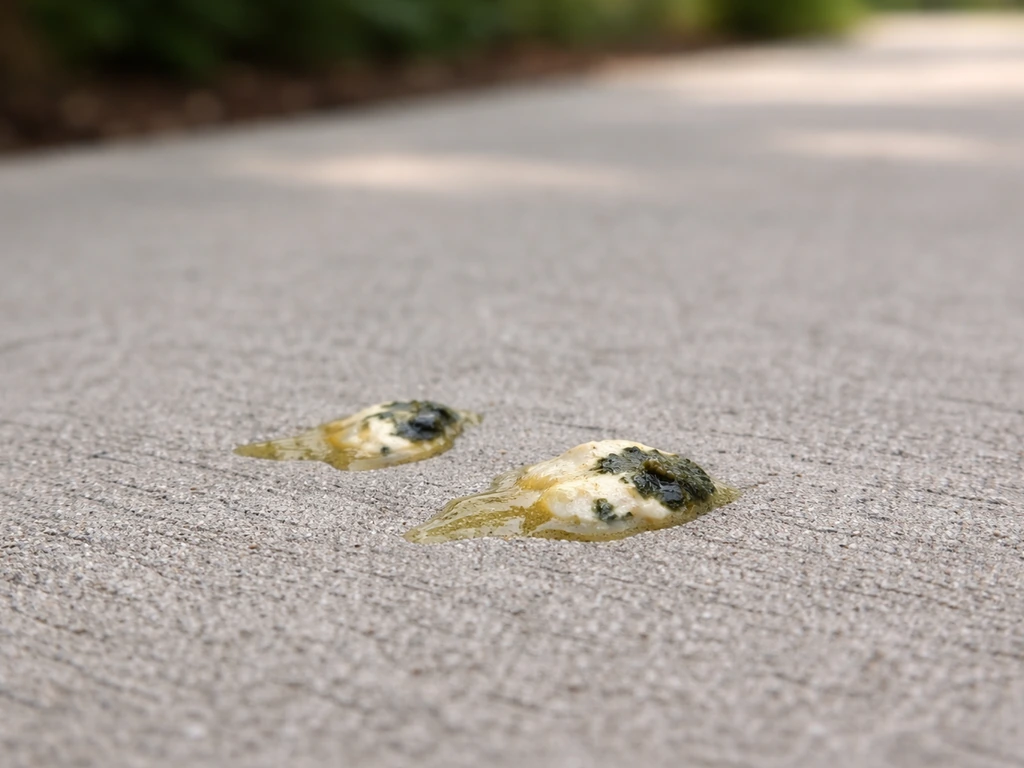
Bird droppings have three distinct parts: the dark fecal mass (the actual digested waste), the white or cream-colored urate portion (uric acid crystals, the bird's equivalent of mammalian urine), and a small amount of clear liquid urine. The urate is what usually grabs your attention because it makes up so much of the visible white blob on your car hood. Normally, healthy urates are white to off-white or very light beige. When they go yellow, something has shifted.
The dietary explanation is the simpler one. Birds that eat a lot of yellow or orange pigment-rich foods, like certain berries, corn, or bright tropical fruits, can pass those pigments through and tint the fecal portion yellowish. Lighting also tricks people: fresh droppings on a sun-baked surface can look more yellow-tinged than they really are, and dried droppings lose moisture and shift toward tan or yellow-brown. Bedding and surface staining in bird cages can make droppings look more yellow than the actual bird waste itself.
The more serious explanation involves the urate specifically turning yellow. Yellow or yellow-green urates are flagged by avian vets as a potential sign of liver disease, kidney stress, infection, severe dehydration, or other systemic illness. This is not a color variation to shrug off, especially if you are dealing with a pet bird. If the white part of the dropping has gone noticeably yellow and the bird's diet has not changed dramatically, that warrants a vet call.
Which birds most commonly produce yellowish droppings
No bird produces exclusively yellow droppings in good health, but certain species and situations make yellowish coloring much more likely. Here are the main groups to consider:
- Fruit-eating wild birds: Cedar waxwings, American robins, European starlings, and orioles binge on berries seasonally. Their fecal matter picks up strong pigments, and the result on your car or deck can look distinctly purplish, pink, or yellowish-brown depending on what they have been eating.
- Pigeons under stress: Healthy feral pigeons normally leave a brownish-green fecal mass with a white urate cap. But pigeons that are starving, dehydrated, or sick can produce dull yellow or watery yellowish droppings. A pile of yellow-tinged pigeon droppings under a ledge or bridge often points to a stressed roost population.
- Pet parrots, parakeets, and cockatiels: These birds are the most monitored for urate color because owners see their droppings daily. Yellow urates in pet birds are a recognized clinical warning sign, not just a quirk. Diet changes (especially eating too much corn, egg yolk, or brightly colored pellets) can shift fecal color, but yellow urates specifically need attention.
- Canaries and finches: These small birds produce tiny, compact droppings. When fed high-carotenoid foods (like egg food with paprika or certain seed mixes), their fecal portion can look yellow-orange. Again, this is dietary, not necessarily alarming, but worth noting.
- Backyard chickens and ducks: Poultry droppings are highly variable and frequently yellowish, especially the cecal droppings that chickens produce a few times a day. These are softer, smellier, and more yellow-brown than the usual firm dropping. This is completely normal for backyard flocks.
- Seabirds and raptors: Less likely to be your issue unless you live near the coast or have birds of prey nesting nearby, but their droppings can show yellow-green urate tinges depending on fish or prey diet and health status.
How to figure out which bird left those droppings
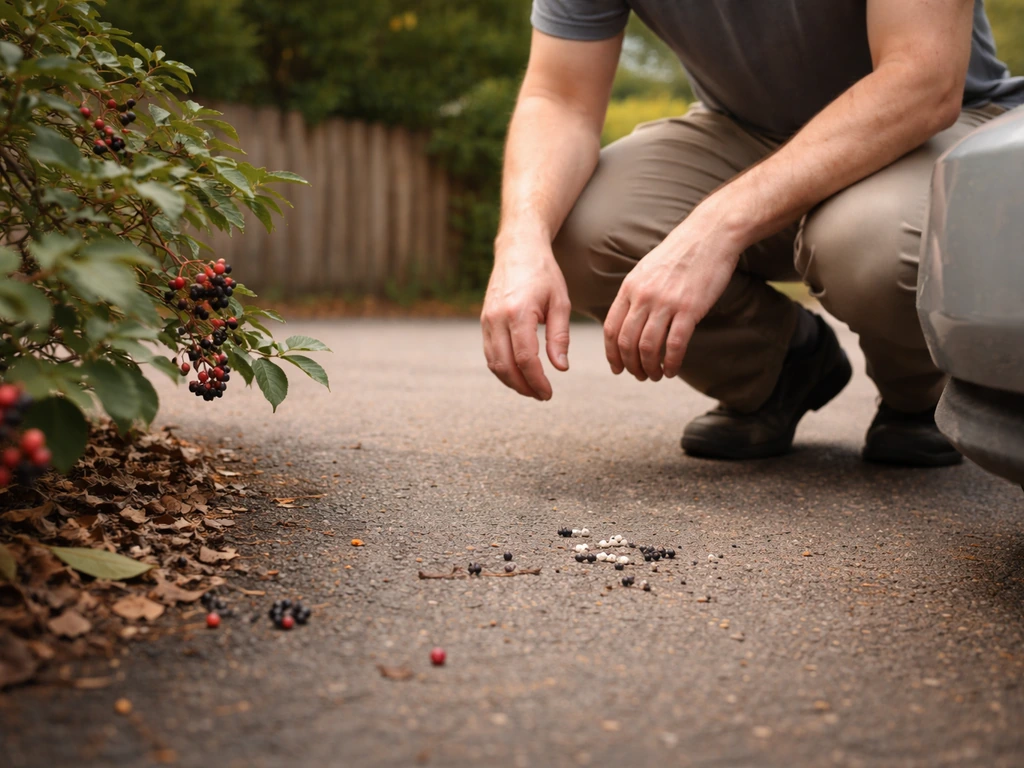
You do not need to catch the bird in the act. Most of the time you can make a pretty confident guess just by examining what was left behind and where you found it.
Location and context
Where you find the droppings narrows it down fast. On a car parked under a berry tree in spring or summer, fruit-eating songbirds are the near-certain answer. Under a bridge, ledge, or rooftop, pigeons or starlings are the obvious candidates. Inside a cage or aviary, you are dealing with your pet bird, and health concerns are the priority. In a garden bed or near a chicken run, backyard poultry is the most likely source. On a dock or near water, seabirds become relevant.
Size, shape, and texture
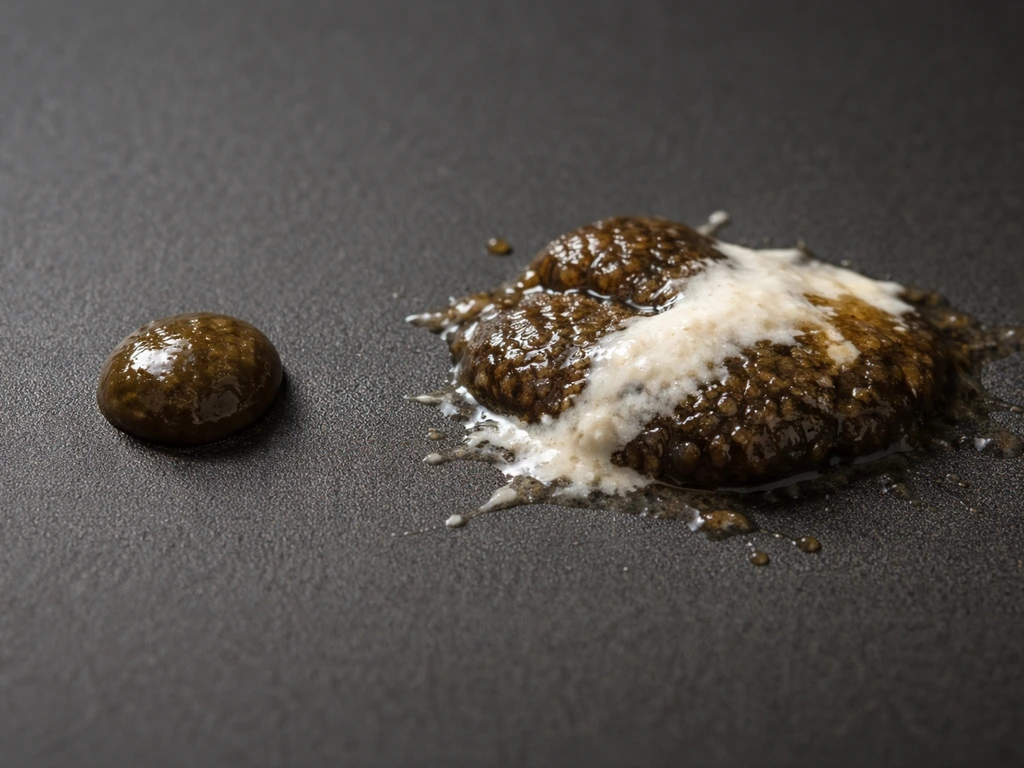
Small, compact drops (the size of a pea or smaller) come from songbirds, finches, or small parrots. Larger splatter patterns with a clearly defined white urate smear and a darker fecal center suggest pigeons or medium-to-large birds. Watery, runny droppings without much structure suggest dietary change, high-water-content food intake, or illness. Dry, chalky pellets that look almost entirely white or pale are typical of raptors and owls, which also produce separate prey pellets (compacted fur and bones) that are not droppings at all.
Fresh vs. dried, and what that tells you
Fresh droppings give you the most accurate color information. As droppings dry, the urine evaporates and the remaining material shifts toward tan, yellow-brown, or chalky white. So a dropping that looks yellow after drying in the sun may have actually been normal white-and-brown when it landed. If you can catch a fresh one, you will get a much clearer read on whether the yellow is in the fecal portion, the urate portion, or both.
| Clue | Most likely bird group | Yellow cause |
|---|---|---|
| Small drops, cage or aviary | Pet parrot, parakeet, cockatiel, canary | Diet or urate health concern |
| Medium splatter, urban ledge or rooftop | Pigeon or starling | Stress, starvation, or infection |
| Staining under berry tree, spring/summer | Cedar waxwing, robin, oriole, starling | Berry pigments in diet |
| Yellow-brown pellets near chicken run | Backyard chicken (cecal droppings) | Normal cecal excretion |
| Large white-chalky pellets plus fur/bones | Raptor or owl | High-protein diet, normal for species |
| Watery yellow near water/dock | Seabird or duck | Fish diet or possible illness |
When yellow poop is actually a health risk
Most bird droppings are mildly hazardous if handled without care, regardless of color. Yellow coloring does not make droppings more or less infectious than white or brown ones, but it can tell you something about the bird's health that matters if you have pets or handle the bird directly.
The biggest pathogen concerns with bird droppings are histoplasmosis (a fungal lung infection caused by Histoplasma, which thrives in accumulated droppings, especially from pigeons and starlings), psittacosis (a bacterial infection from Chlamydia psittaci, primarily associated with parrots and parakeets), and avian influenza strains that can spread through droppings from infected flocks.
The CDC is clear that the best prevention is avoiding the accumulation of bird droppings in the first place, and that large accumulations may need professional hazardous-waste cleanup rather than a DIY approach. To reduce the risk of virus dispersal into the air, CDC advises avoiding stirring up dust, bird waste, and feathers during depopulation, cleaning, and disinfection avoid stirring up dust, bird waste, and feathers during depopulation, cleaning, and disinfection.
For pet owners, the key concern with yellow urates in a pet bird is the underlying illness, not the droppings themselves as a contamination source. A bird that is sick enough to be producing yellow urates may also be shedding pathogens at a higher rate. Keep sick birds isolated from other pets and see a vet promptly. Dogs and cats that sniff around or mouth bird droppings outdoors are at low but real risk of picking up bacterial infections, so discouraging that behavior is worth the effort.
Respiratory exposure is the main human risk with large accumulations. Dry, disturbed droppings become airborne particles that you can inhale. This risk is the same whether the droppings are yellow, white, or brown.
How to clean up bird droppings safely
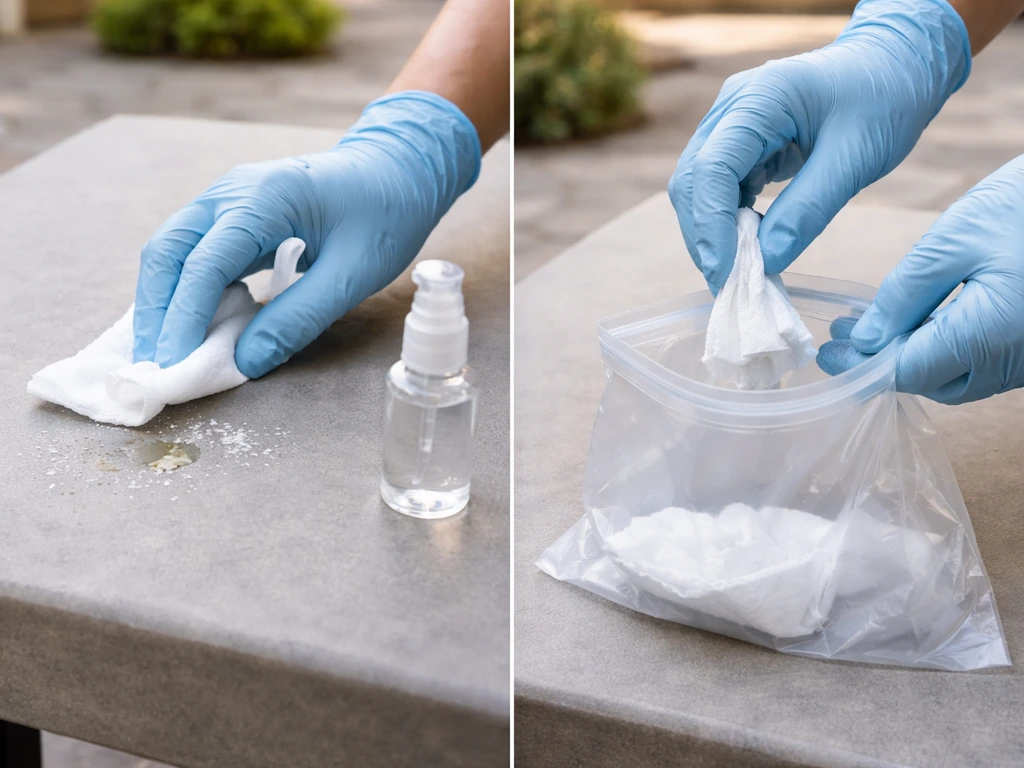
The cleanup process matters a lot more than the color of the droppings. Getting this right protects both you and the surfaces you are trying to clean.
- Gear up first: Put on disposable gloves before you touch anything. For larger accumulations or enclosed spaces (attics, crawlspaces, sheds), add an N95 respirator and eye protection. The CDC advises never picking up droppings with bare hands.
- Wet it before you move it: Misting the droppings with water or a disinfectant solution before disturbing them prevents dry particles from becoming airborne. This is standard CDC and NIOSH guidance for histoplasmosis risk reduction. Do not dry-sweep or vacuum without a HEPA filter.
- Remove the waste: Scoop or wipe up the wetted material with paper towels or disposable rags. Place everything directly into a sealed plastic bag for disposal. Do not shake or flick material.
- Clean the surface: Scrub with soap or detergent and hot water to remove visible residue. This step matters because disinfectants work poorly on dirty surfaces.
- Disinfect properly: Apply a diluted bleach solution (follow CDC guidance: if no specific instructions, leave the solution on the surface for at least 1 minute before wiping) or use an EPA-registered disinfectant. For bird flu concerns on hard surfaces, the EPA maintains a list of products with avian influenza claims. Follow the product's contact time exactly, meaning the surface needs to stay visibly wet for the full time stated on the label.
- Wash hands thoroughly: Soap and water for at least 20 seconds after removing gloves. The CDC is explicit about this step after handling any bird-related material.
- For large accumulations: If you are dealing with years of pigeon or starling buildup in an attic or warehouse, seriously consider professional remediation. The CDC notes these situations may exceed safe DIY scope.
One thing to avoid on cars: do not use undiluted bleach on painted surfaces or anything abrasive on car paint. A diluted automotive soap solution followed by a proper rinse is enough for droppings on car paint. The acid in bird droppings can etch clear coat if left to dry, so prompt removal matters more than the disinfectant on a car.
If birds keep coming back to your property
Cleaning up once is easy. Cleaning up repeatedly because birds have decided your property is a roosting or feeding spot is a different problem. The goal here is to make the location less attractive without harming the birds.
- Remove food sources: Fallen fruit, accessible garbage, open compost, and exposed pet food are major draws. If berry-dropping birds are targeting your car under a specific tree, parking elsewhere seasonally is the most effective quick fix.
- Physical deterrents: Bird spikes on ledges, rooflines, and fence tops are the most reliable deterrent for pigeons and starlings. They are humane and long-lasting. Bird netting over garden areas or under solar panels blocks access entirely.
- Visual and auditory deterrents: Reflective tape, predator decoys (hawk or owl silhouettes), and motion-activated sprinklers work for a while but need regular repositioning since birds adapt quickly. Do not rely on these alone.
- Covered enclosures for backyard flocks: USDA APHIS specifically recommends using covered runs and netting to prevent contact between domestic birds and wild birds, which also limits the spread of droppings and pathogens between populations.
- Deny nesting spots: Block access to eaves, vents, and roof gaps before nesting season. Once birds have eggs in place, removal becomes legally complicated in many areas because migratory birds are protected under federal law.
- For persistent or protected species: Contact your local wildlife management office. Attempting to remove or harm protected bird species without permits is illegal in most jurisdictions.
Quick troubleshooting checklist for yellow droppings
Run through this list right now to figure out your most likely situation and what to do next.
- Where are the droppings? Under a tree or berry bush = fruit-eating wild birds. On a ledge, rooftop, or urban surface = pigeons or starlings. In a cage or aviary = your pet bird, check health. Near a chicken coop = normal cecal droppings from poultry.
- How big are they? Pea-sized or smaller = songbird, small parrot, or finch. Larger splatter = pigeon, crow, or medium bird. Large white chalky pellets = raptor.
- Are they fresh or dried? Fresh yellow color is more informative. Dried droppings shift toward tan and yellow-brown naturally, so do not over-diagnose dried ones.
- Is the yellow in the fecal part or the white urate part? Yellow in the fecal center = likely dietary pigments. Yellow in the white urate portion specifically = possible liver or kidney issue in the bird, especially concerning for pet birds.
- Has the bird's diet recently changed? For pets: new pellets, corn, egg food, or bright fruits can shift fecal color temporarily. If diet is unchanged and urates are yellow, call an avian vet.
- Is this your pet bird? Yes = monitor for other illness signs (lethargy, fluffed feathers, reduced appetite) and contact a vet if yellow urates persist more than a day or two. No = treat as a wild bird hygiene situation.
- Do you need to clean it up? Always wear gloves. Wet the material before disturbing it. Clean first, then disinfect. Wash hands after.
- Is this a recurring problem from a wild bird flock? Start with removing food sources and adding physical deterrents. For large accumulations, consider professional remediation.
Yellow droppings are worth paying attention to, but they are rarely an emergency unless you are dealing with a sick pet bird or a large accumulated mess in an enclosed space. If you’re wondering whether green bird poop is normal, the color can point to specific dietary factors or health issues that are worth checking yellow droppings. Most of the time, the answer traces back to what the bird has been eating.
Knowing whether the yellow is in the fecal portion or the urate portion is the single most useful diagnostic step you can take. If you are seeing green droppings, the cause is often diet-related or tied to digestion and bile, and comparing the pattern can help you narrow it down what does green bird poop mean. If the white urate part has gone yellow, blank" rel="noopener noreferrer">VCA warns it can be a sign of liver disease, kidney stress, infection, severe dehydration, or other systemic illness urate turning yellow can signal issues like liver disease, kidney stress, infection, or dehydration.
And if you are also curious about what green or red droppings might mean, those colors each carry their own set of dietary and health signals worth understanding separately. Red bird poop meaning can vary based on the bird's diet, fresh versus dried droppings, and whether you are seeing blood or pigment changes.
If you are dealing with green bird poop, the cause is usually tied to diet or bile-related digestion issues, and it can help to compare it with how yellow and red droppings behave what does green bird poop mean. If you are wondering what red bird poop means, the color can reflect diet pigments, blood, or another health issue depending on the pattern red droppings might mean. If you are dealing with red droppings too, the same kind of pattern checking applies, including what does red bird poop mean and when to treat it as a health concern.
Green bird poop can also point to diet pigments or a different underlying health or dehydration issue, so it helps to interpret the color carefully.
FAQ
How can I tell if the droppings are yellow because of diet or because the urate is changing color?
Focus on the white or cream urate portion, not the darker fecal center. If the “urate blob” is yellow or yellow-green even when the bird is likely to have had the same food, that points more toward urate-related illness, dehydration, or liver or kidney stress. If only the darker portion looks yellowish while the urate stays off-white, diet pigment is more likely.
Does yellow poop mean the bird has avian disease even if the bird looks normal?
Not necessarily. If it is mild yellow tint limited to the fecal portion and the bird is otherwise active and eating normally, dietary pigment or lighting on the surface can be the explanation. Yellow urates, especially yellow-green or persistent change over multiple droppings, is the pattern that deserves faster veterinary attention, even if the bird initially seems “fine.”
Are yellow droppings more dangerous to humans than white or brown droppings?
Color alone does not make them more infectious. The main risk is inhaling dust from dried droppings, which is similar regardless of color. The extra reason for concern is that in pet birds, the same condition causing yellow urates can also increase shedding, so sick birds should be handled with isolation and prompt vet care.
If I only see yellow poop on my car, is it necessarily from a sick bird?
Usually not. Outdoor surfaces can make fresh material look more yellow, and sunlight plus drying can shift normal white and brown material toward tan or yellow-brown. If the yellow appears only after it has dried and the urate smear was not yellow when fresh, diet and lighting are more likely than illness.
Why do some droppings look almost entirely white or chalky, and could that be mistaken for yellow poop?
Raptors and owls often produce chalky white to pale urate with separate pelletized prey material, so people can interpret the pale parts as “all white yellow-ish” depending on the surface. If you see compact pellets with fur or bone material rather than typical droppings, that is a different situation than a songbird or pigeon-style stool.
What should I do if my pet bird has yellow urates but is acting mostly normal?
Treat it as a health flag, not a do-nothing color change. Separate the bird from other pets, avoid stressful handling, ensure normal access to fresh water, and schedule a vet visit soon. If the yellow is clearly in the urate portion and continues for more than a day or two, call the vet promptly for guidance.
How long can droppings sit before the color becomes misleading?
Fresh droppings give the clearest urate color. As they dry, moisture evaporates and the remaining material shifts toward tan, yellow-brown, or chalky white, which can blur whether the yellow was originally in the urate. If you cannot confirm freshness, rely on the pattern (urate portion vs fecal center) and whether it persists across multiple droppings.
Can I disinfect bird droppings safely if they are on a cage or in an enclosed area?
Use ventilation and avoid creating airborne dust by not dry-sweeping. For small spots, remove material first with damp methods, then clean surfaces, and finally disinfect as appropriate for the surface. In enclosed spaces with heavy buildup, consider professional hazardous-waste cleanup because large accumulations raise inhalation risk and can involve more than one pathogen concern.
What cleanup steps reduce the chance my dog or cat gets sick after sniffing droppings?
Prevent mouth contact and discourage sniffing where droppings accumulate, then wash hands and clean the area promptly. If an animal does lick or mouth droppings, monitor for gastrointestinal upset or lethargy and contact your veterinarian, since pathogens from bird waste can be transferred through contaminated fur or paws.
If I want to identify the source bird species, what evidence is most reliable besides color?
Location and droplet size matter most. Under fruiting trees in warm months points toward fruit-eating songbirds, ledges and bridges often point toward pigeons or starlings, and near a chicken run usually means backyard poultry. Size and structure help too, pea-sized compact drops often come from smaller birds, while larger splatter with a strong white urate smear often comes from pigeons or medium-to-large birds.