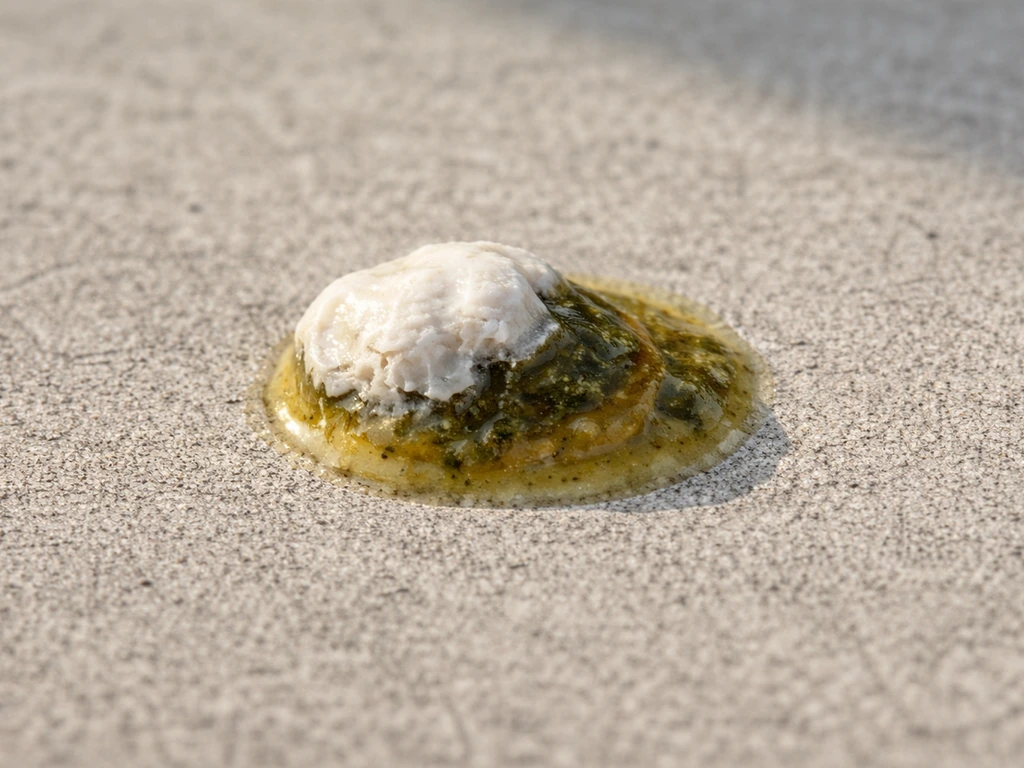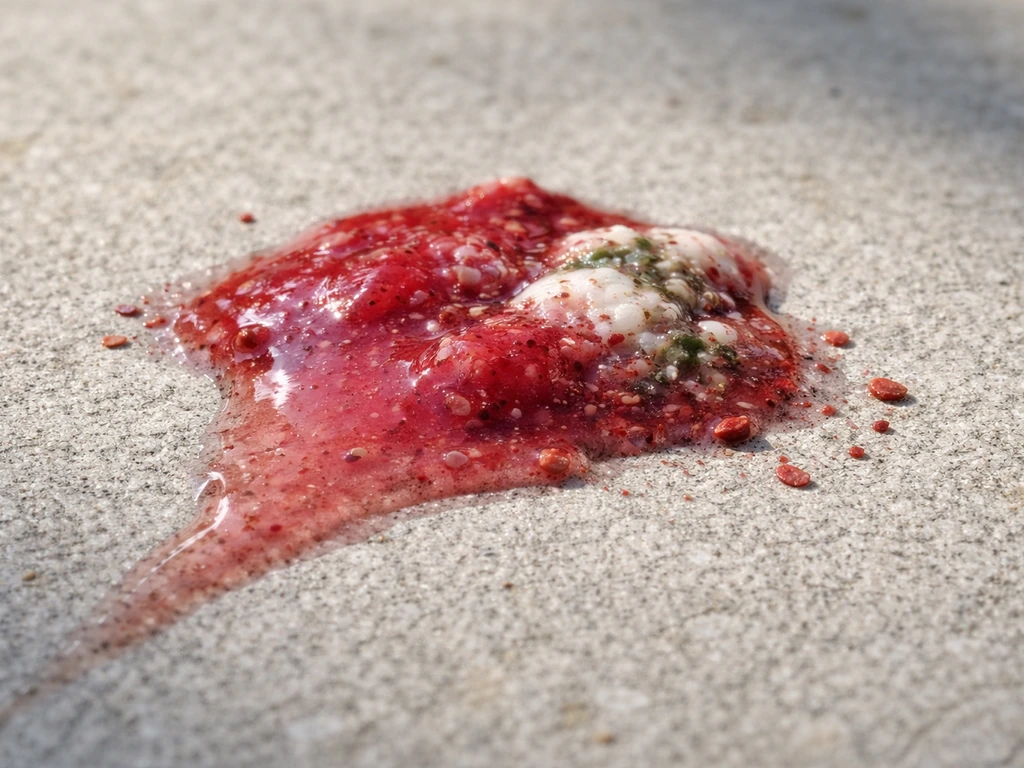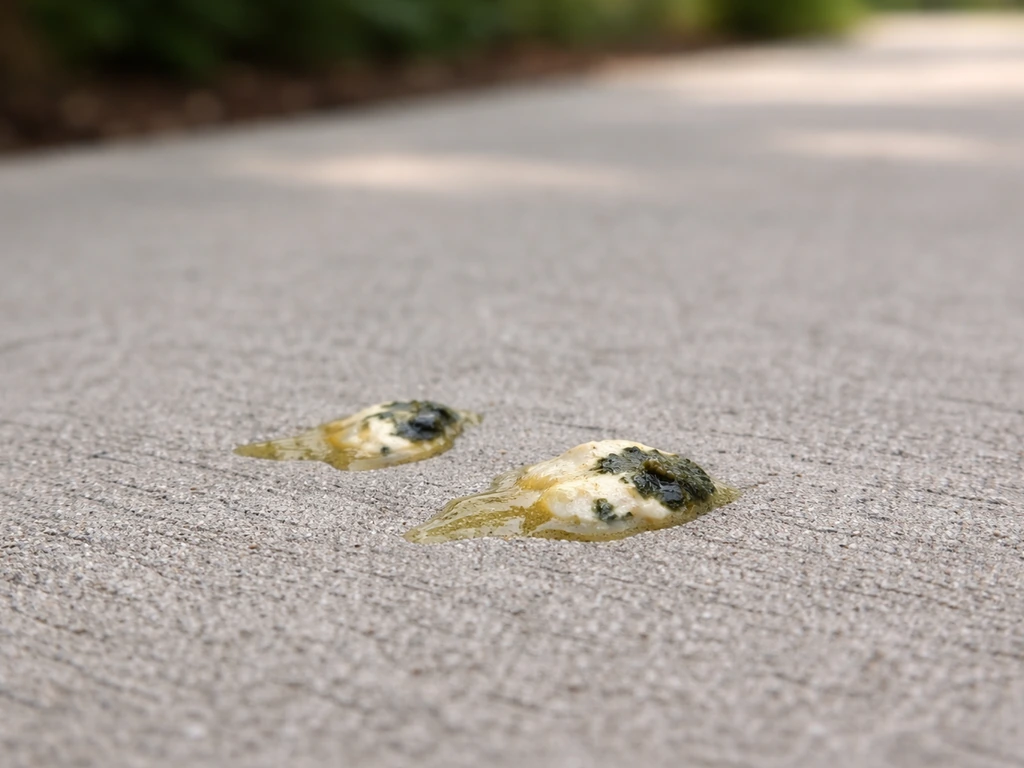
Green bird poop is usually normal. If you are wondering whether bird poop is bird poop yellow in particular situations, color can be driven by diet, hydration, and bile. For most birds, green or brown is the expected color of the fecal portion of a dropping, and it shifts regularly based on what they ate, how much water they drank, and even their stress level. If the poop is red, it can point to blood in the droppings, which is a very different situation from typical green or brown droppings what does red bird poop mean. If you just found a green splat on your car or patio, the bird that left it probably had a diet heavy in chlorophyll-rich plants, berries, or seeds, and moved on perfectly healthy. That said, certain shades of green, especially a bright lime-green or yellow-green, can be an early sign that something is wrong, particularly in pet birds. Here is how to tell the difference and what to do either way.
What Does Green Bird Poop Mean? Causes, Safety, Next Steps

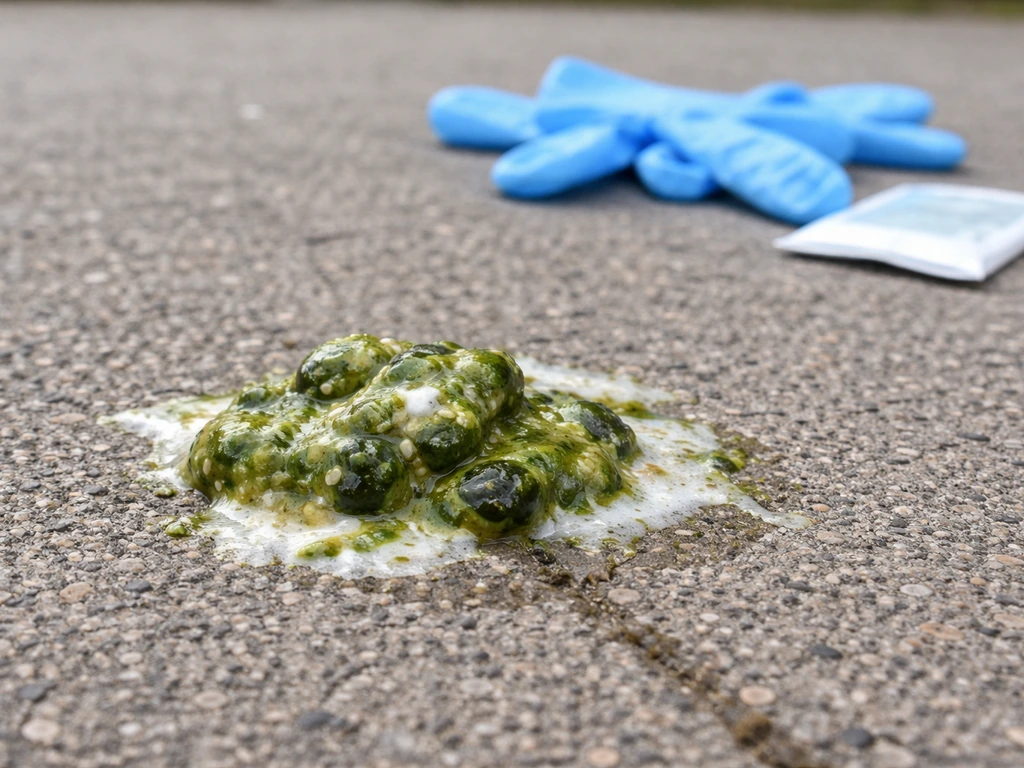
What green bird poop usually indicates
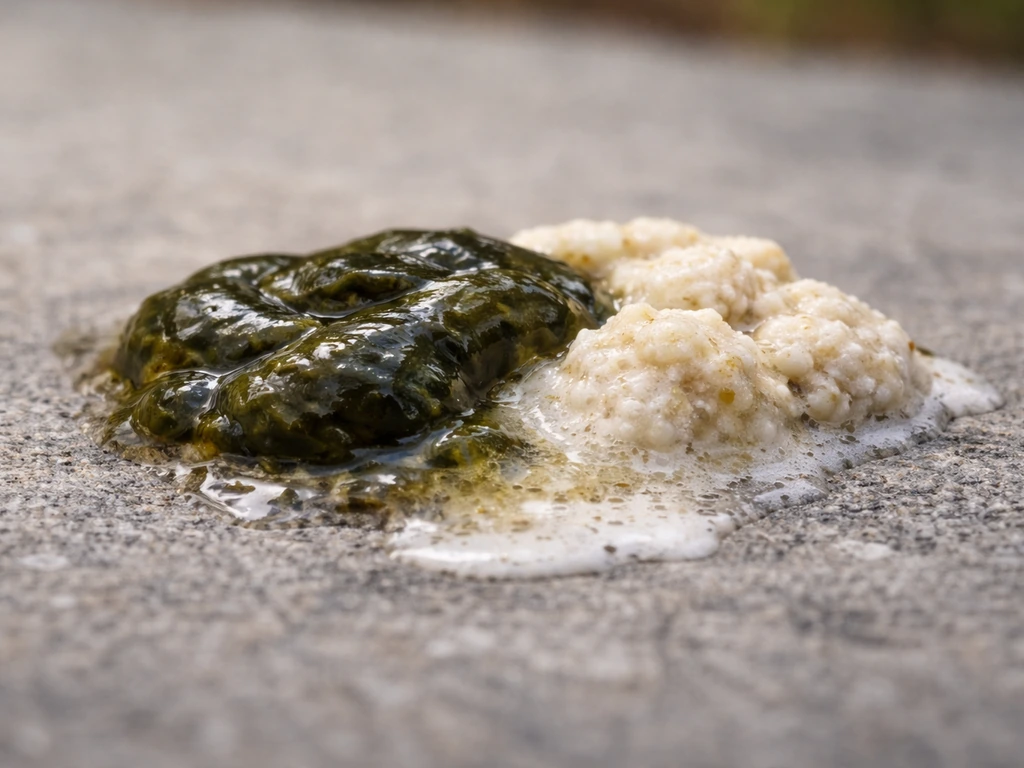
Bird droppings are not a single substance. They are made up of three components: the fecal matter (the solid, stool-like part), urates (semi-solid white or beige compounds from protein metabolism), and urine (the clear or watery liquid portion). According to Purdue University's College of Veterinary Medicine, the fecal component of normal droppings should be green or brown. So if you are seeing green, the odds are high that you are looking at perfectly healthy bird output.
The color, consistency, and amount of a bird's droppings can change frequently depending on diet, hydration, stress, and mood. A bird that spent the morning gorging on dark berries or leafy greens will drop darker, greener feces than one eating mostly seeds. This is normal variation, not a cause for alarm.
Common causes of green droppings
Diet and plant pigments
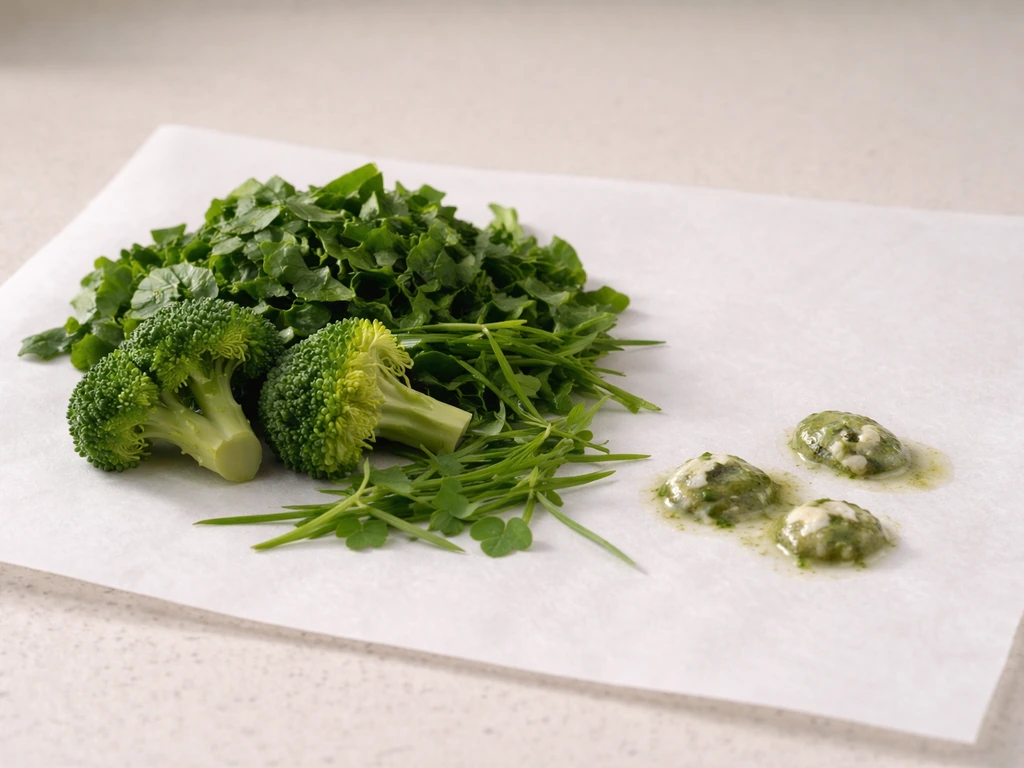
This is the most common reason for green poop in wild and pet birds alike. Foods high in chlorophyll, such as grass, leafy greens, broccoli, kale, or green pellets, pass color directly into the fecal matter. Birds eating a wide variety of fruits and vegetables will produce a wider spectrum of dropping colors than seed-only birds. If you watched a bird eating green things and it later produced a green dropping, the case is closed.
Hydration and faster gut transit
When a bird drinks more water than usual, or eats high-water-content foods like cucumbers or watermelon, the feces move faster through the gut. Less time in the digestive tract means less breakdown, which can make droppings appear greener, looser, or more watery. This is not diarrhea in the clinical sense; it is just physics. The urine portion of the dropping increases, the stool looks runnier, and the color shifts. If hydration was the trigger, you will see the dropping normalize once the bird's intake evens out.
Bile contribution
Bile, which is yellow-green and produced by the liver, gives the fecal portion of bird droppings much of its green tint under normal circumstances. When a bird has not eaten in a while, or is fasting for any reason, the relative concentration of bile in the gut increases. This often makes droppings look a more vivid, sometimes almost pure green. In wild birds that go through periods of feast and fasting, this is fairly common and not inherently concerning.
When green poop signals illness in a bird
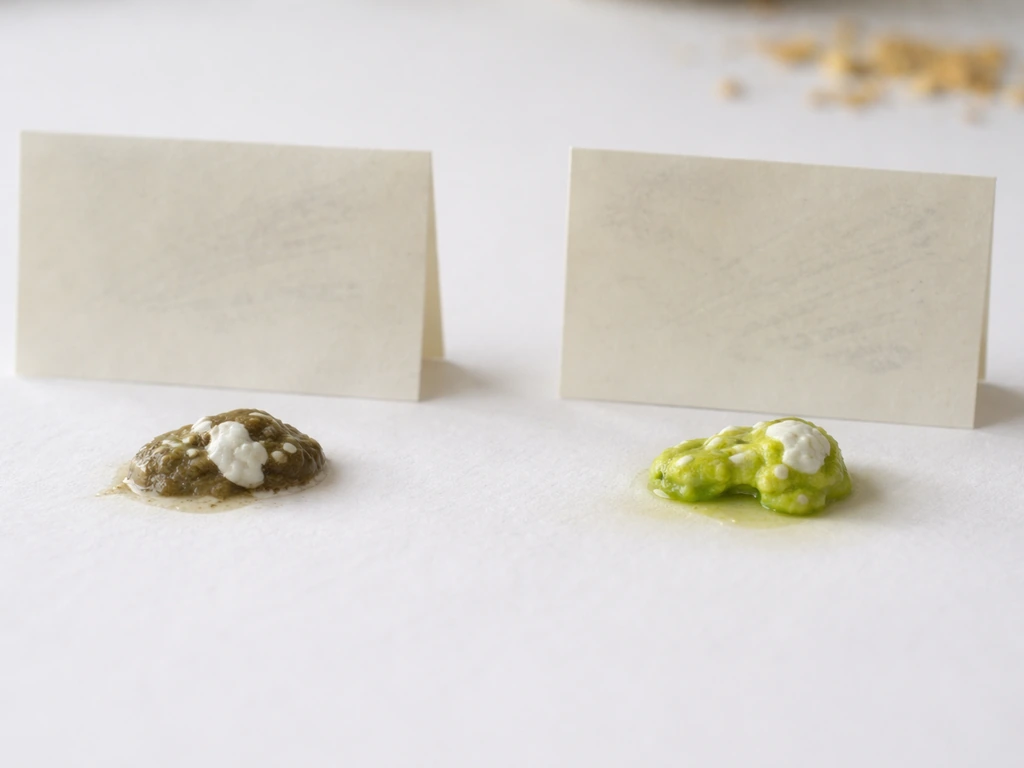
The color of the dropping is just one data point. What you really want to watch is the combination of color, texture, frequency, smell, and the bird's overall behavior. A slightly green dropping from an active, alert bird that is eating normally is almost never a red flag. Red bird poop meaning usually comes up when the dropping looks reddish, which can be linked to blood or other dietary pigments A slightly green dropping. But certain patterns are worth paying attention to.
blank" rel="noopener noreferrer">Bright lime-green or yellow-green droppings are a specific warning sign, particularly in parrots, macaws, and amazon species. If you are wondering whether it is normal, bright lime-green bird poop should be taken more seriously, especially in pet parrots and other species bright lime-green or yellow-green droppings. This coloration is associated with chlamydiosis (also called parrot fever or psittacosis), an infection caused by the bacterium Chlamydophila psittaci. The lime-green color comes from liver involvement: the infection causes hepatitis, which disrupts bile processing and changes the appearance of both the feces and the urate portions of the dropping. Other causes of abnormal green droppings include intestinal disease, other bacterial or viral infections, and parasitic infections like giardiasis.
Giardia is a protozoan parasite that impairs nutrient absorption, causing diarrhea, weight loss, and malnutrition over time. Birds pick it up by ingesting cysts shed in the droppings of other infected birds. If you have multiple birds and one develops loose, discolored droppings alongside weight loss or a dull appearance, giardiasis belongs on the differential list.
The key red flags to watch for alongside green droppings in a pet bird:
- Lime-green or yellow-green color (not just typical plant-food green)
- Droppings that are much more watery or liquid than usual
- Changes in the urate portion: yellow, green, or discolored instead of white/cream
- The bird is fluffed up, lethargic, not eating, or losing weight
- Discharge from the eyes or nostrils alongside the dropping change
- Dropping changes that persist more than 24 to 48 hours after a diet change would explain them
Health risks for humans and pets
Bird droppings, green or any other color, can carry pathogens that occasionally cause illness in people and pets. The risk for a healthy adult who briefly encounters bird droppings outdoors is genuinely low. But it is not zero, and a few specific diseases are worth knowing about so you can take the right precautions rather than either panicking or being careless.
Psittacosis (parrot fever)
Chlamydiosis is a zoonotic disease, meaning it can pass from birds to humans. The bacterium is shed in bird feces and nasal/eye discharge. The most common route of human infection is breathing in dried, contaminated dust from droppings or secretions. The CDC confirms that even brief exposure to infected birds or their droppings can cause infection in some cases. Symptoms in people typically appear 5 to 14 days after exposure and resemble a flu or atypical pneumonia: fever, headache, muscle aches, and dry cough. It is treatable with antibiotics, but you need to tell your doctor about the bird exposure so they know to test for it.
Histoplasmosis
Histoplasma is a fungus that grows in soil enriched by bird (and bat) droppings. You can't catch it from a fresh dropping landing on your car, but areas where droppings accumulate over time, think under a roost, in a garage where birds nest, or in soil under a heavily used perch, can allow the fungus to take hold. Breathing in spores during cleanup is the main risk. Symptoms of histoplasmosis usually show up 3 to 17 days after exposure and can range from mild flu-like illness to serious lung infection, especially in people with weakened immune systems.
Giardia and other parasites
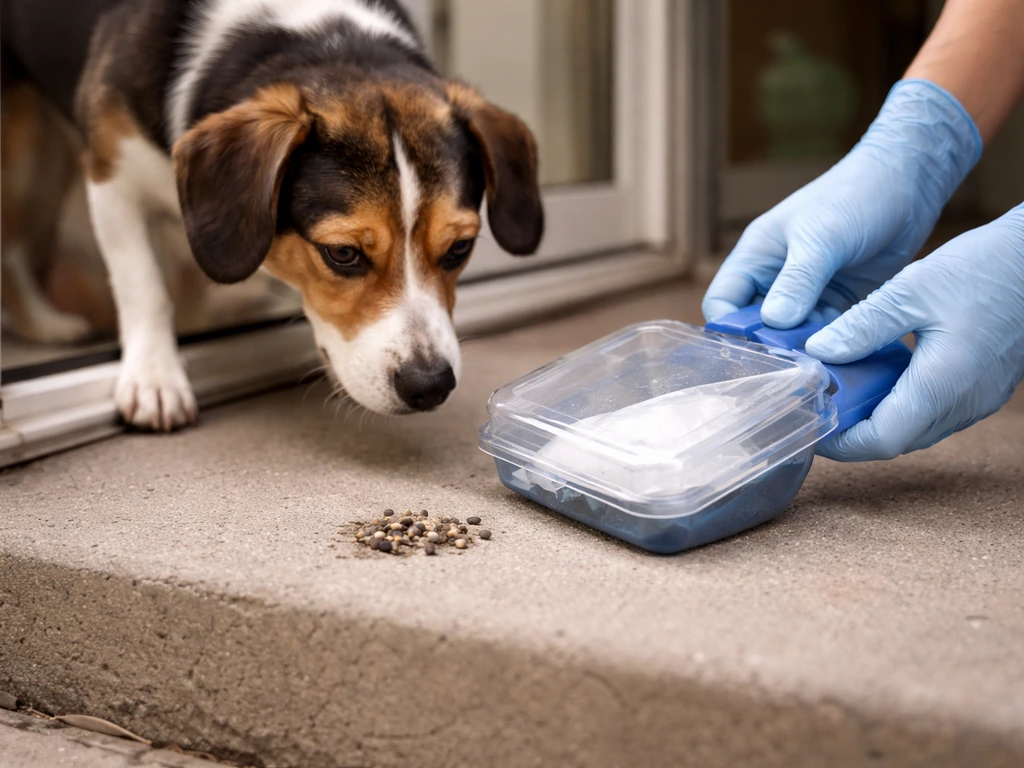
Dogs and cats that sniff, lick, or eat bird droppings can pick up Giardia or other intestinal parasites. This is probably the most realistic everyday risk for pet owners. If your dog has been nosing around an area frequented by birds and then develops loose stools, a vet visit makes sense.
How to reduce your exposure
- Wash hands thoroughly with soap and water after any contact with droppings or surfaces birds frequent. The CDC is clear that soap and water beats hand sanitizer here.
- Never dry-sweep or dry-brush droppings. This aerosolizes particles and spores directly into your breathing zone.
- Wet droppings first before wiping. Adding a drop of dish soap to water (a surfactant) helps reduce aerosolization further.
- Wear disposable gloves during cleanup, and consider a NIOSH-approved particulate respirator (N95 or better) if you are cleaning up a large accumulation.
- Keep pet bird cages and perches clean so droppings don't dry and accumulate. Dried droppings are the main respiratory risk.
- Prevent pets from accessing areas with heavy bird dropping accumulation.
What bird might have left it: quick identification clues
Green droppings are common across many species, so you usually cannot pin down the exact bird just from color. Green droppings are common across many species, so you usually cannot pin down the exact bird just from color, unless you are specifically trying to answer which bird has yellow poop. But you can use a few clues to narrow it down and figure out whether the source is likely a healthy wild bird passing through or something that warrants more attention.
| Clue | What it suggests |
|---|---|
| Large dropping, dark green, firm | Likely a waterfowl (goose, duck) or large corvid; both produce distinctly green feces from plant-heavy diets |
| Small dropping, vivid green with white urate cap | Small songbird, starling, or sparrow; normal appearance for these species |
| Lime-green or yellow-green, pasty or watery | Possible illness, especially if from a parrot or pet bird; warrants vet attention |
| Green dropping found under a roost or nest | Accumulated droppings below mean repeated use; histoplasma risk if the site is old and soil is present |
| Dropping on a moving vehicle or open area | One-off flyover from a wild bird; almost certainly dietary and not a health concern |
| Fresh vs. dried | Fresh is easier to clean and lower risk; dried and powdery means aerosolization risk during cleanup |
If you have a pet bird and you are seeing the dropping change, think back 24 to 48 hours: did you introduce a new food, change pellet brands, add more vegetables, or notice the bird drinking more? Diet changes explain the vast majority of green dropping shifts in pet birds. If you cannot trace it to a dietary change and the bird's behavior has also changed, that matters more than the color alone.
What to do right now: cleanup, disinfection, and disposal
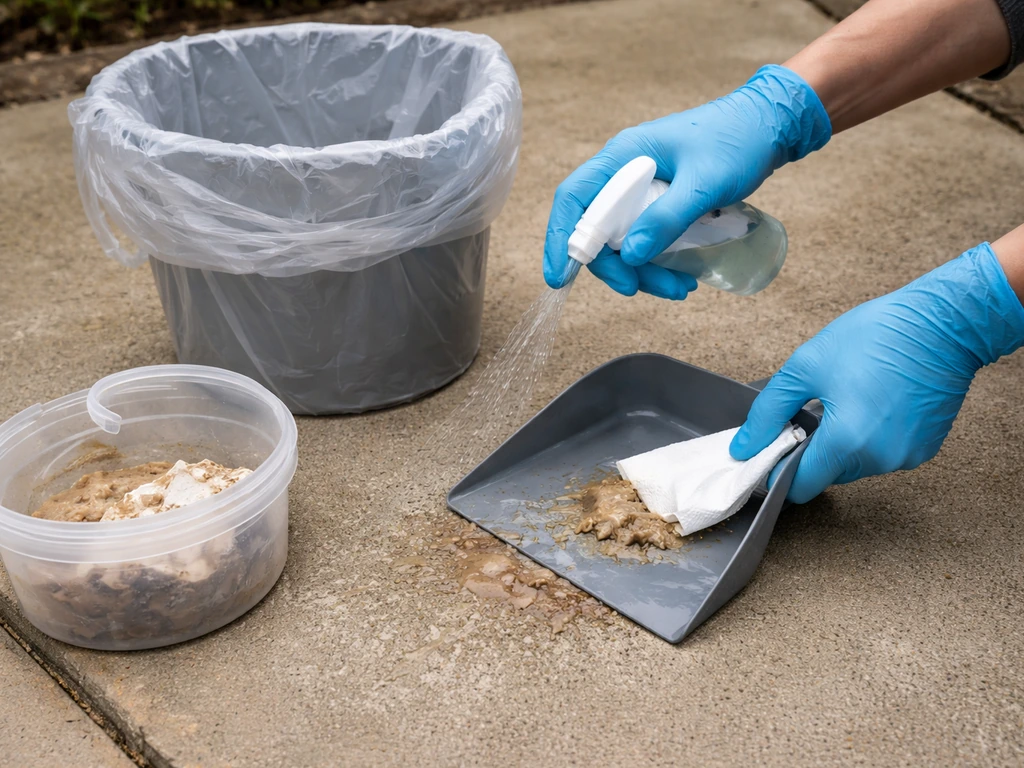
Whether it is on your car hood, your patio table, or a concrete path, the cleanup process is essentially the same. The goal is to wet the dropping first, then remove it without spreading it into the air. For Giardia prevention, CDC emphasizes washing hands with soap and water and cleaning contaminated areas using soap or an appropriate cleaning product for the surface wash the dropping first, then remove it without spreading it into the air.
- Put on disposable gloves before you touch anything. If you are dealing with a large accumulation under a roost, add a NIOSH-approved N95 respirator.
- Spray or soak the droppings with water mixed with a few drops of dish soap, or with a household disinfectant. Let it sit for a minute to soften and wet the material fully.
- Wipe up using a rag, paper towel, mop, or sponge that has also been dampened with the cleaning solution. Scoop or wipe away from you.
- Bag the used cleaning materials immediately and seal the bag before disposing.
- Disinfect the surface: use a diluted bleach solution (roughly 1 part bleach to 9 parts water) or a household disinfectant rated for surfaces. Apply, let it sit for the contact time listed on the label, then rinse or wipe.
- Remove and dispose of gloves by turning them inside out as you pull them off. Wash hands with soap and water immediately afterward.
- For car paint: wet and loosen the dropping first (do not scrape dry), then use a damp microfiber cloth or car-safe wipe to lift it gently. Bird droppings are acidic and can etch paint if left to dry and bake in the sun.
If you found bird droppings in a pool, the CDC recommends treating it the same way as a fecal incident in the water, which involves following a formal fecal incident response protocol rather than just skimming and moving on. That is worth knowing if you manage a shared pool or find bird activity in or around the water regularly.
A quick note on the 'good luck' belief
You may have heard that getting hit by bird poop is good luck. It is a widespread belief across multiple cultures, rooted partly in the rarity of the event and partly in the ancient logic that something startling and unpleasant must be balanced by fortune. There is no scientific backing for this, obviously, but there is also no harm in choosing to feel optimistic after an unfortunate encounter with a bird's digestive system. Just wash your hands first.
When to call a professional or get medical or vet advice
For your pet bird
Call an avian vet if your bird's droppings have been lime-green, yellow-green, or significantly abnormal for more than 24 to 48 hours and you cannot explain it with a diet change. If the droppings are bright yellow, you may be wondering what that specific color means for bird health and what signs to look for next what does yellow bird poop mean. Add urgency if the bird is also showing behavioral changes: puffing up, sleeping more, eating less, losing weight, or producing discharge from eyes or nostrils. Chlamydiosis and other infections are treatable, but they need to be caught and confirmed by a vet. Do not wait it out and hope the color normalizes on its own if the bird looks unwell.
For your own health after exposure
Contact a doctor if you develop fever, headache, muscle aches, dry cough, or shortness of breath within two to three weeks of significant exposure to bird droppings, especially if you were cleaning a large accumulation, working near a roost, or had close contact with a sick bird. Tell the doctor specifically about the bird or droppings exposure. Psittacosis symptoms begin within 5 to 14 days of exposure and are often mistaken for flu or community-acquired pneumonia. Histoplasmosis symptoms can appear 3 to 17 days after exposure. Both are diagnosable and treatable when identified correctly. The exposure history is what prompts the right tests.
For wildlife or structural issues
If birds are roosting in your attic, garage, or another enclosed space and you are dealing with substantial dropping accumulation, call a licensed wildlife removal professional before you attempt cleanup. Enclosed spaces concentrate the respiratory risk significantly. A professional can handle exclusion (keeping birds out going forward), safe remediation of the droppings, and surface disinfection in a way that protects you and stays within local wildlife regulations.
For your pets: if your dog or cat had significant contact with bird droppings and develops gastrointestinal symptoms, eye irritation, or respiratory symptoms in the days that follow, let your vet know about the exposure. Like with human medicine, the context helps them choose the right diagnostic path quickly.
FAQ
What does green bird poop mean if the bird looks normal and it is just one or two droppings?
Usually it means diet, hydration, or bile-related color variation. If the bird is active, eating normally, and the texture and smell are otherwise typical, you can monitor for 24 to 48 hours before treating it as a health issue.
Is green bird poop the same thing as green urine, or could it be urinary problems?
Bird droppings combine stool plus urine and urates, so green color is often coming from the fecal part (bile contribution) rather than the watery urine. If you see frequent watery discharge with no normal formed fecal portion, that pattern is less likely to be simple food color change and more likely to be GI or infection-related.
Why does green bird poop sometimes look darker or almost pure green?
More vivid green can happen when bile becomes relatively concentrated, especially after fasting or longer gaps between meals. It can also look greener if food is very high in chlorophyll, like leafy greens or green pellets.
My pet parrot’s droppings are bright lime-green. What should I check first before panicking?
First confirm timing and context, did the color change start after a new food, new pellet brand, or a major diet shift within the last day or two? If the droppings stay bright lime or yellow-green, especially with any behavior changes, contact an avian vet rather than assuming diet is the only cause.
How can I tell the difference between normal green droppings and diarrhea in birds?
Normal green droppings can be slightly softer and still come in a typical dropping structure. Diarrhea usually shows a persistently runny or watery stool component, increased frequency, foul or unusual odor, and ongoing change for more than a day or two, not just one green event.
Does green bird poop in the cage mean my bird needs to stop eating greens or pellets?
Not automatically. If the bird is otherwise well, you can keep a consistent diet and observe. Sudden or repeated lime-yellow-green changes, especially with weight loss or reduced appetite, are a better reason to adjust what you offer and contact a vet.
What if the poop is green but the urates (white part) look different too?
Changes in both the fecal portion and the urate portion can suggest liver or bile processing disruption. Bright lime-green plus abnormal urates is one of the patterns that warrants avian vet evaluation rather than waiting for a diet explanation.
Can green bird poop be caused by stress, and how fast would I expect it to resolve?
Yes, stress can shift GI output and the balance of bile and digestion time, which can alter color and consistency. If the trigger is temporary, you typically see improvement as the bird settles and feeding and drinking return to baseline over the next 1 to 3 days.
What should I do immediately after finding bird poop on my patio or car?
Wet the droppings first to prevent aerosolization, then remove carefully and clean with an appropriate disinfectant per product directions. Avoid dry wiping or sweeping, especially if there is a buildup or you are cleaning an area where birds roost.
Is it safe to wipe bird poop with regular paper towels without gloves?
Gloves and hand hygiene are a better choice, because droppings can carry pathogens and you can transfer contamination to your face or pets. If you cleaned a large accumulation, wear eye protection too to reduce splash exposure during wetting and removal.
Does green bird poop mean the bird is definitely sick or has an infection?
No. Many healthy birds produce green or brown droppings based on diet and digestion timing. Color alone is a weak signal unless it is bright lime-yellow-green or paired with symptoms like decreased appetite, weight loss, or respiratory or eye discharge.
How long should I wait before calling an avian vet for green droppings?
If it is bright lime-green or yellow-green, or if droppings are significantly abnormal and you cannot connect it to a diet change, call sooner. A practical threshold is more than 24 to 48 hours without an explanation, or earlier if there are any behavior or discharge symptoms.
What symptoms in people after exposure to bird droppings should make me contact a doctor?
Seek medical advice if you develop fever, headache, muscle aches, dry cough, or shortness of breath within the weeks after significant exposure. Tell the clinician about bird or droppings exposure so they can consider the right tests.
Can pets get sick from green bird poop even if the poop looks fresh?
Yes, especially dogs and cats that sniff, lick, or eat droppings. Watch for gastrointestinal symptoms (loose stools, vomiting), eye irritation, or respiratory signs, and inform your vet about the bird exposure.
If birds are roosting in an attic or garage, is it okay to clean it myself if the droppings are mostly green?
If accumulation is substantial in an enclosed space, self-cleaning can increase respiratory risk. Consider a licensed wildlife removal professional for exclusion planning and safe remediation, since enclosed areas concentrate contaminated dust.