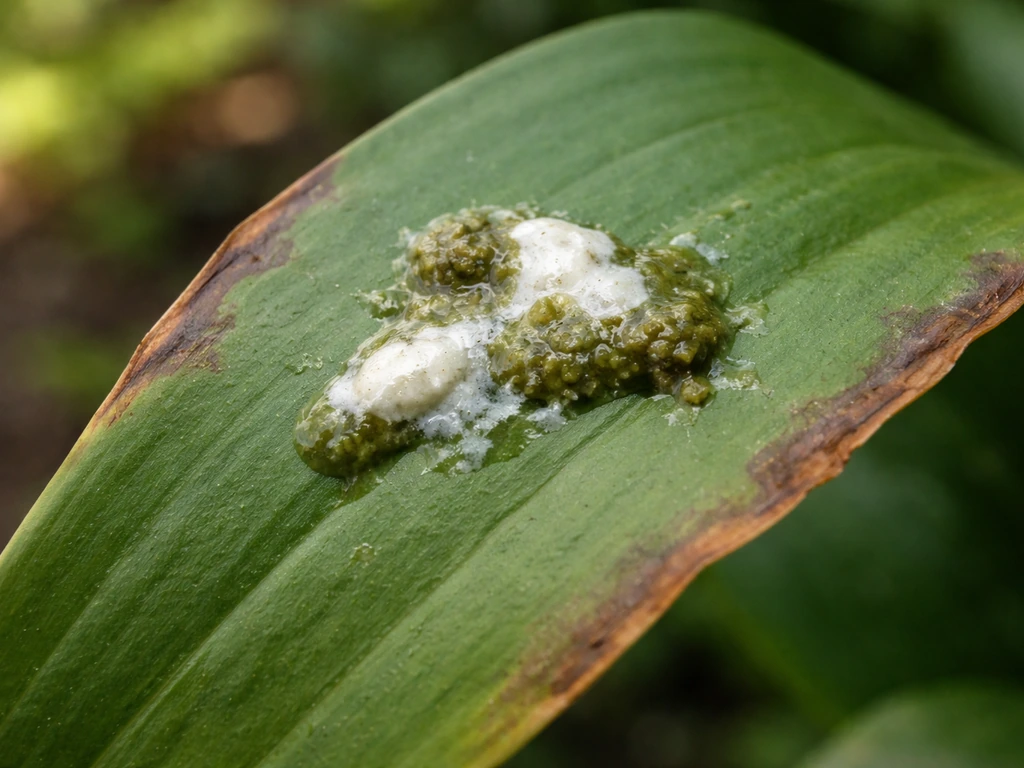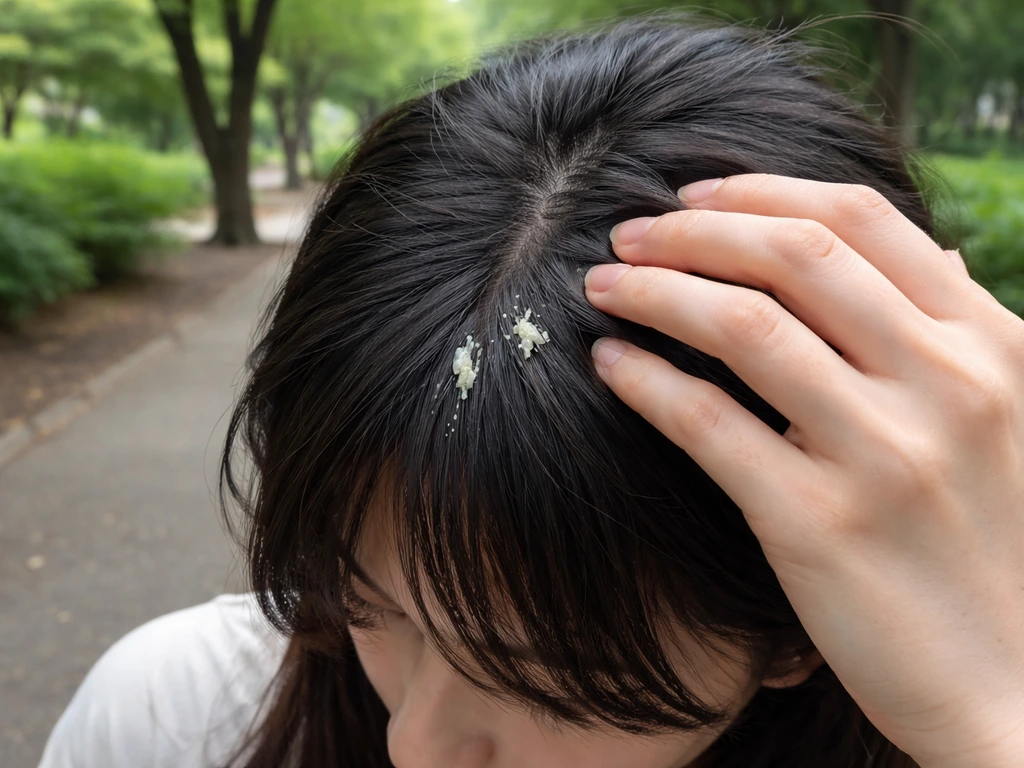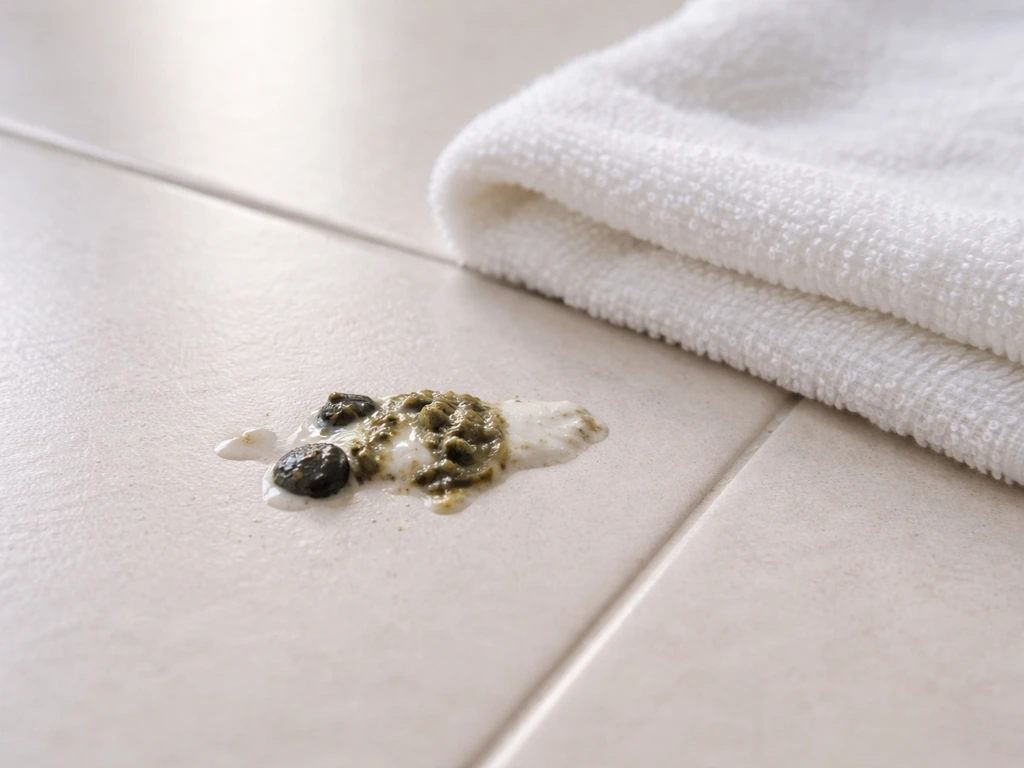
Yes, bird poop can kill grass, but it usually takes more than a single dropping to do real damage. One bird flying over your lawn is not a problem. What kills grass is concentrated, repeated deposits in the same spot, especially when the weather is hot and dry. The uric acid, nitrogen, and salts in bird droppings act like an overdose of fertilizer: a little feeds the grass, but a lot burns it dead.
Does Bird Poop Kill Grass? Causes, Signs, and Fixes

Marcus Fielding
19 Jun 2026
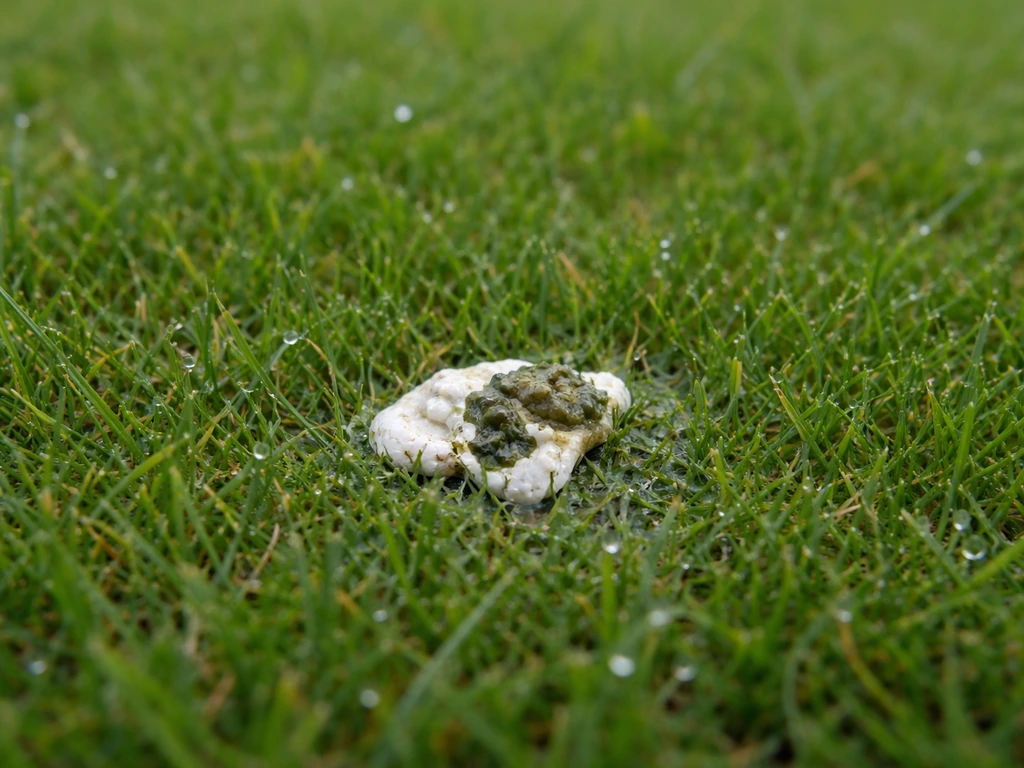
Why bird droppings can damage grass in the first place
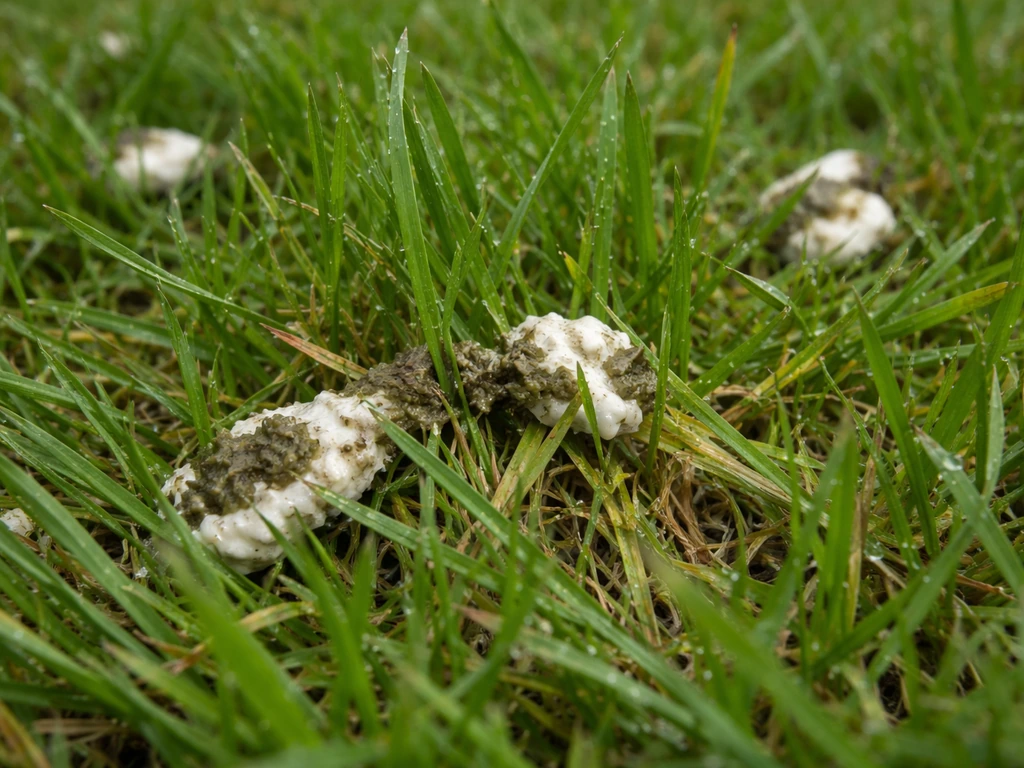
Birds excrete waste differently from mammals. Instead of producing liquid urine separately, they combine nitrogenous waste with solid feces into one dropping. The white paste you see is mostly uric acid, which is how birds excrete nitrogen. A European Journal of Ecology paper also describes bird droppings chemistry, noting that normal urine contains uric acid precipitates/crystals plus salts and giving a reported numeric range for uric acid in pigeon excreta bird droppings chemistry, including uric acid precipitates/crystals and various salts. That uric acid is the main culprit when it comes to grass damage.
When droppings land on turf, a few things happen at once. The uric acid breaks down and releases nitrogen directly onto the grass blades and soil. In small amounts, that nitrogen is actually a mild fertilizer, which is why you sometimes see a slightly greener ring around an affected spot. But when the concentration is high, it overwhelms the grass. The salts in droppings also draw moisture out of plant cells through osmosis, essentially dehydrating the grass from the outside in. On top of that, pigeon and other bird droppings can have a noticeably low pH when leached by water, meaning the acidity itself adds another layer of chemical stress to the turf.
The damage mechanism closely resembles what happens when a dog urinates repeatedly in the same spot, or when you spill a concentrated salt-based fertilizer. Purdue University Extension research on animal urine damage in turf describes this same pattern: concentrated salts and nitrogen working together, with severity increasing when soil moisture is already low.
Where the risk is actually highest
Not every yard with birds overhead is at risk. Damage concentrates in specific conditions, and knowing them helps you figure out whether your situation is likely to cause real harm.
- Roosting spots: If birds (pigeons, starlings, geese, or large flocks of any species) return to the same tree branch, fence post, or rooftop day after day, the ground directly below collects droppings consistently. That repeated accumulation is what pushes past the threshold from fertilizer effect to burn damage.
- Hot, dry weather: Purdue Extension notes that the most severe turf damage from concentrated waste occurs when soil moisture is low. In hot, dry conditions, grass is already stressed, the soil can't dilute the salts effectively, and turf death can happen in 24 hours or less.
- Geese and large bird populations: A Canada goose can produce around 1 to 2 pounds of droppings per day. A small flock grazing across a lawn deposits an enormous amount of nitrogen and uric acid in a short time, and large waterfowl droppings are simply far more voluminous than a songbird's.
- Compacted or thin turf: Grass that's already weakened by drought stress, shade, or poor soil is less able to recover from any additional chemical stress, including bird droppings.
- Single heavy concentration points: A rope, wire, or branch that funnels all landing and takeoff activity to one spot creates a tight drop zone on the grass below. That geometry matters a lot.
What actual "killed" grass looks like (vs. just spotting)
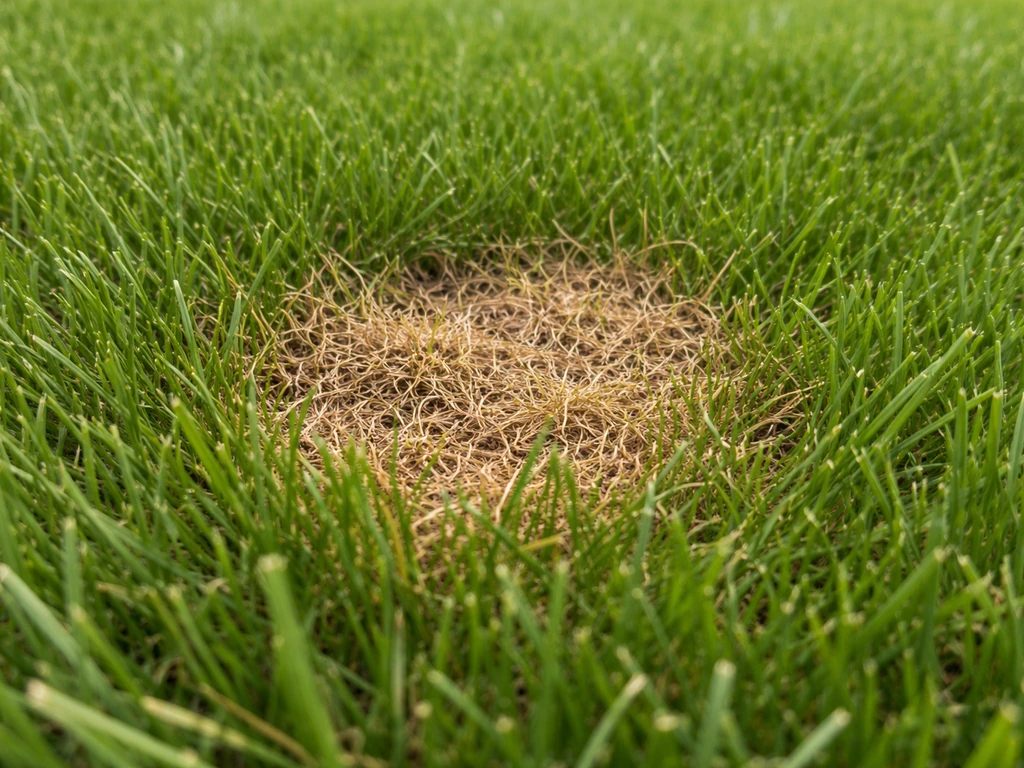
There's a recognizable pattern to genuine bird dropping damage, and it mirrors what turf scientists describe for animal urine injury. You'll typically see a central patch of brown or straw-colored dead turf, roughly 3 to 6 inches across, surrounded by a darker green ring about 6 to 12 inches wide. That green ring is from the diluted nitrogen acting as a mild fertilizer at the edges of the affected zone. Kansas State University's turf problem solver and Purdue Extension both describe this same signature pattern.
If you're just seeing white staining or faint discoloration on individual blades, that's cosmetic. The grass underneath is probably fine. Real damage looks like the grass has been scalded or dried out: blades turn yellow, then brown, then lie flat and stop growing. In severe or repeated cases, you'll have bare soil where the turf has died completely.
Recovery time varies. Purdue Extension notes that symptoms can persist for several weeks depending on turf vigor and how quickly the area gets moisture and care. Healthy, well-watered lawns recover faster. Thin, stressed turf in a dry summer may stay dead until you actively repair it.
| What you see | What it likely means | Action needed |
|---|---|---|
| White or gray staining on blades | Cosmetic residue only | Rinse with water |
| Slightly darker green patch around a spot | Mild nitrogen boost at edges | Monitor, no urgent action |
| Yellow or pale blades in a small patch | Early burn damage beginning | Rinse thoroughly, increase watering |
| Brown, dead-looking patch 3–6 inches across with greener ring | Classic uric acid/salt burn | Rinse, dilute, begin repair |
| Bare soil, no living grass | Full turf die-off from repeated deposits | Rinse, aerate, reseed or patch |
It's worth noting that this same site covers whether bird poop has benefits for grass in a separate piece, because the story really does cut both ways depending on quantity. A passing bird dropping is genuinely different from a roosting flock.
Health and safety while you're cleaning this up
Before you grab a rake and start clearing dried droppings off your lawn, it's worth knowing that bird waste carries real health considerations, not just lawn ones. Bird and bat droppings can be associated with fungal diseases including histoplasmosis, caused by inhaling spores of Histoplasma, a fungus found in soil enriched by bird and bat droppings. Symptoms typically develop 3 to 14 days after exposure. The bigger risk comes from stirring up dried, dusty material, not from a fresh dropping you happen to step near.
The key principle from both Washington State University Environmental Health and Safety and the CDC is the same: do not sweep or vacuum dry droppings. In general, bird droppings can also irritate human skin, so protect yourself during cleanup can bird poop burn your skin. Both recommend wet cleaning only, meaning you wet the material down thoroughly before disturbing it. This prevents aerosolization of the dust and any fungal spores it might carry. NYC Health notes that a routine small cleanup (a windowsill, a single roosting spot) doesn't pose a serious risk for most healthy people, but larger accumulations deserve more precaution.
For lawn cleanup specifically, where you're working outdoors and rinsing with water anyway, the risks are lower than enclosed space cleanups. But if you're clearing a large accumulation, especially under a long-used roosting area, the CDC and NIOSH both recommend avoiding dry disturbance and suggest an N95 respirator when working near contaminated areas. Don't pick up droppings with bare hands, and wash up thoroughly afterward. Some people wonder whether bird poop is good for your skin, but the safest approach is to avoid direct contact with droppings because they can carry harmful contaminants Don't pick up droppings with bare hands. Keep pets and children away from the work area until cleanup is complete and the area has been rinsed well.
What to actually do today: cleanup, repair, and prevention
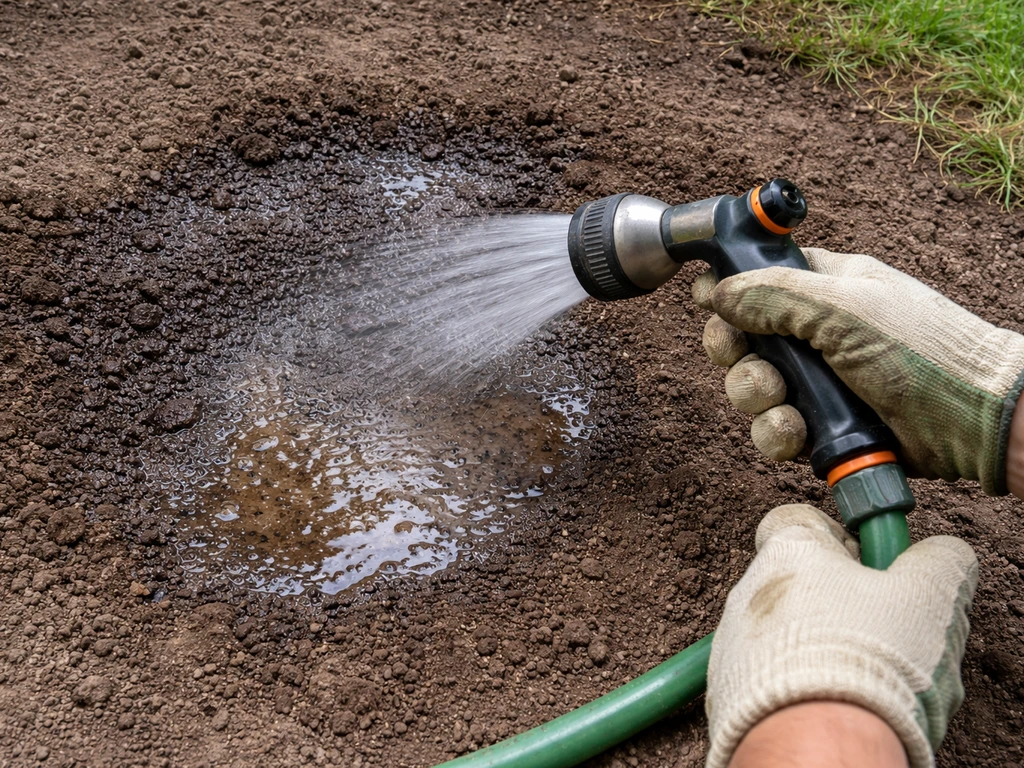
Step 1: Rinse first, always
Your first move is water. A thorough rinse dilutes the uric acid and salts, which are the active damaging agents. Use a garden hose on a gentle setting and soak the affected area. Do this as soon as you notice heavy deposits, and repeat for several days if you have a bad accumulation. The goal is to push the concentration below the damage threshold and let the soil and grass rehydrate. Don't blast the area on a high-pressure setting if the soil is bare, since you'll disturb material and potentially aerosolize dry particles.
Step 2: Remove solid material safely
If there's significant solid material, wet it first as described above. Use gloves. A plastic bag turned inside out works well for picking up clumps without direct contact. Bag and seal the waste, then wash your hands. For dried, crusted deposits over a larger area, spray with water or a diluted disinfectant solution from a spray bottle, let it soak for a few minutes, then gently rake or scrape rather than dry-sweep. WSU policy guidance specifically recommends soaking droppings with disinfectant in a spray bottle before removal and sealing all waste in bags.
Step 3: Help the grass recover
Once the area is rinsed and cleaned, give the damaged patch some extra attention. Keep the soil moist for at least a week to help any surviving grass roots recover and to continue diluting residual salts. If you have a dead patch with bare soil, loosen the top half inch or so of soil with a hand cultivator, apply a thin layer of compost or quality topsoil, and overseed with a grass variety that matches your lawn. Keep the patch consistently moist until the new grass establishes. For most grass types in reasonable conditions, you'll see new growth within 10 to 21 days.
Step 4: Stop the source
Repair without prevention is just a cycle. If birds are returning to the same roosting spot, you need to address why. Physical deterrents work well for most common scenarios. Bird spikes on fence rails, ledges, and branches that overhang the affected area remove the comfortable landing spots. Reflective tape, predator decoys (moved regularly so birds don't habituate), and motion-activated sprinklers interrupt return visits. If geese are the problem, removing food sources and installing low temporary fencing around problem areas breaks the pattern. The goal is just to redirect where birds land and roost, not to harm them.
For feeders near the lawn, consider relocating them to a hard surface like a patio or gravel area where droppings can be rinsed away easily and won't damage turf. The ground directly below bird feeders always accumulates the most waste, and that's where you're most likely to eventually see real burn damage if the feeder has been in place for a full season.
The bottom line on bird poop and your lawn
A healthy lawn visited by the occasional bird is not at risk. The real damage pattern requires concentration and repetition: the same spot, the same birds, over days or weeks, with limited water to dilute the chemical load. If you're seeing the brown-patch-with-green-ring pattern or bare spots under a roost, you now know exactly what's happening and what to do. Rinse promptly, clean safely (wet, not dry), repair the bare patches, and break the roosting habit. Some people ask whether bird poop is good for your hair, but for lawns it mainly causes concentrated fertilizer-like burn when deposits repeat in the same spot. That sequence handles the problem fully for most residential situations.
FAQ
How many bird droppings does it take to kill grass?
There is no exact number because damage depends on turf type, soil moisture, and whether deposits repeat in the same 3 to 6 inch zone. In practice, one or two passing droppings usually cause little more than brief spotting, while repeated deposits over days, especially in hot, dry weather, are what create the scalded brown center with a greener ring around it.
Will rain naturally wash bird poop off without harming the lawn?
Light rain can rinse droppings from blades, but it may not fully dilute concentrated deposits already soaked into the turf. If the area has dry soil or the birds keep returning, you still may see the burn pattern. A targeted hose soak helps more than relying on weather alone.
Does bird poop kill grass faster on new sod or seedlings?
Yes. Young grass and freshly installed sod have less root mass and lower tolerance for salt and nitrogen load, so the same droppings can scald a wider or deeper area. If you suspect repeated deposits on new turf, rinse sooner and keep the patch evenly moist for longer during recovery.
Is there a difference in grass damage between different birds (pigeons, geese, chickens)?
Damage likelihood often increases with deposit frequency and body size, since larger birds tend to produce more and may roost longer in the same spot. Geese commonly create bigger, repeated burn areas under favored resting sites, while occasional small-bird droppings are more likely to be cosmetic.
What should I do if I see white streaks on the grass but no brown patch?
White staining or mild discoloration on individual blades is usually cosmetic, but it is still worth monitoring. If the same area keeps getting hit, rinse it promptly to prevent buildup from turning the spotting into a scalded center.
Can I use fertilizer or lawn treatments after cleaning up bird droppings?
Wait until you have rinsed and the area has begun to stabilize, because droppings already act like a salt and nitrogen input. If you apply additional fertilizer right away, you can worsen stress, particularly in dry conditions. A practical approach is to rinse, repair if needed, and resume routine feeding after the grass is actively recovering.
Does watering after rinsing need to be light or heavy?
Aim for a deep soak that moves salts below the top few inches, then keep the area consistently moist for a week if the patch was actively burned. Avoid frequent, shallow watering that wets the surface repeatedly without diluting what is already concentrated in the turf.
Should I bag the droppings, or can I just spray them and leave them to wash away?
If it is a small, fresh amount, a thorough hose rinse may be enough. For roosting spots with crusted buildup, wet first and remove the solids, then rinse again. Leaving heavy, repeated deposits in place keeps the chemical load concentrated.
Is it safe to use a lawn blower, rake, or dry broom to clear droppings?
No for dried material. Dry sweeping and blowers can aerosolize dust, which increases exposure risk if droppings are contaminated with fungal spores. Use wet cleaning, then gentle raking or scraping after soaking, and seal waste in a bag.
Do bird droppings in compost or on garden beds harm plants?
They can. Even if a small amount decomposes, bird waste can add salts and acidity, and some bird droppings are associated with health risks. If you compost, only use properly managed composting and avoid spreading fresh droppings directly onto edible beds or around young plants.
How can I tell whether the brown patch is from birds or something else (like fungus or fertilizer burn)?
Bird-dropping injury commonly forms a central dead or straw-colored spot about 3 to 6 inches wide with a darker green ring around it. Fungus often spreads in a less consistent pattern and may show additional symptoms like patchy rings without a distinct roosting-related center. If the patch keeps appearing under the same landing spot, that points more strongly to droppings.
What if the birds keep returning to the same exact spot near my lawn?
Deterrence needs to remove the landing and roosting pattern, not just clean up the mess. Bird spikes on ledges and overhanging branches, reflective tape moved regularly, motion-activated sprinklers, and removing nearby food sources are common fixes. Also consider moving feeders to hard surfaces like gravel or patio areas where rinsing is easier and turf contact is minimized.
Will overseeding right away work, or should I wait for the whole area to recover?
Overseed when you have a dead patch with bare soil or thin turf, after you have loosened the top soil, added a thin layer of quality compost or topsoil, and rinsed to reduce residual salts. Keep the patch consistently moist until germination and establishment, and expect visible growth typically within 10 to 21 days for many grass types.